
OEM Procurement Guide
Sprayer Metal Guards: What Farm Equipment OEM Buyers Should Check Before Ordering
Sprayer metal guards do not have an easy job.
They work around water, fertilizer, pesticides, chemicals, mud, vibration, UV exposure, rough transport, and field maintenance.
That means a sprayer guard is not just a bent metal cover. It may protect pumps, nozzles, hoses, valves, control boxes, spray booms, filters, brackets, tanks, and moving equipment areas.
At MSTFab, we often review RFQs for agricultural sprayer metal guards where the drawing looks simple: a pump cover, a nozzle shield, a boom guard, a hose protection bracket. But once the part is installed on real spraying equipment, the real questions appear:
- Will the guard resist chemical corrosion?
- Will powder coating survive fertilizer and pesticide exposure?
- Will mounting holes stay aligned after bending or welding?
- Will the guard crack under vibration?
- Will mud, liquid, or chemical residue collect inside?
- Can the part be removed quickly for cleaning and service?
- Can the supplier repeat the same fit in batch production?
Agricultural spraying equipment is not gentle. It is wet, dirty, chemical-heavy, and usually working when everyone wants zero downtime.
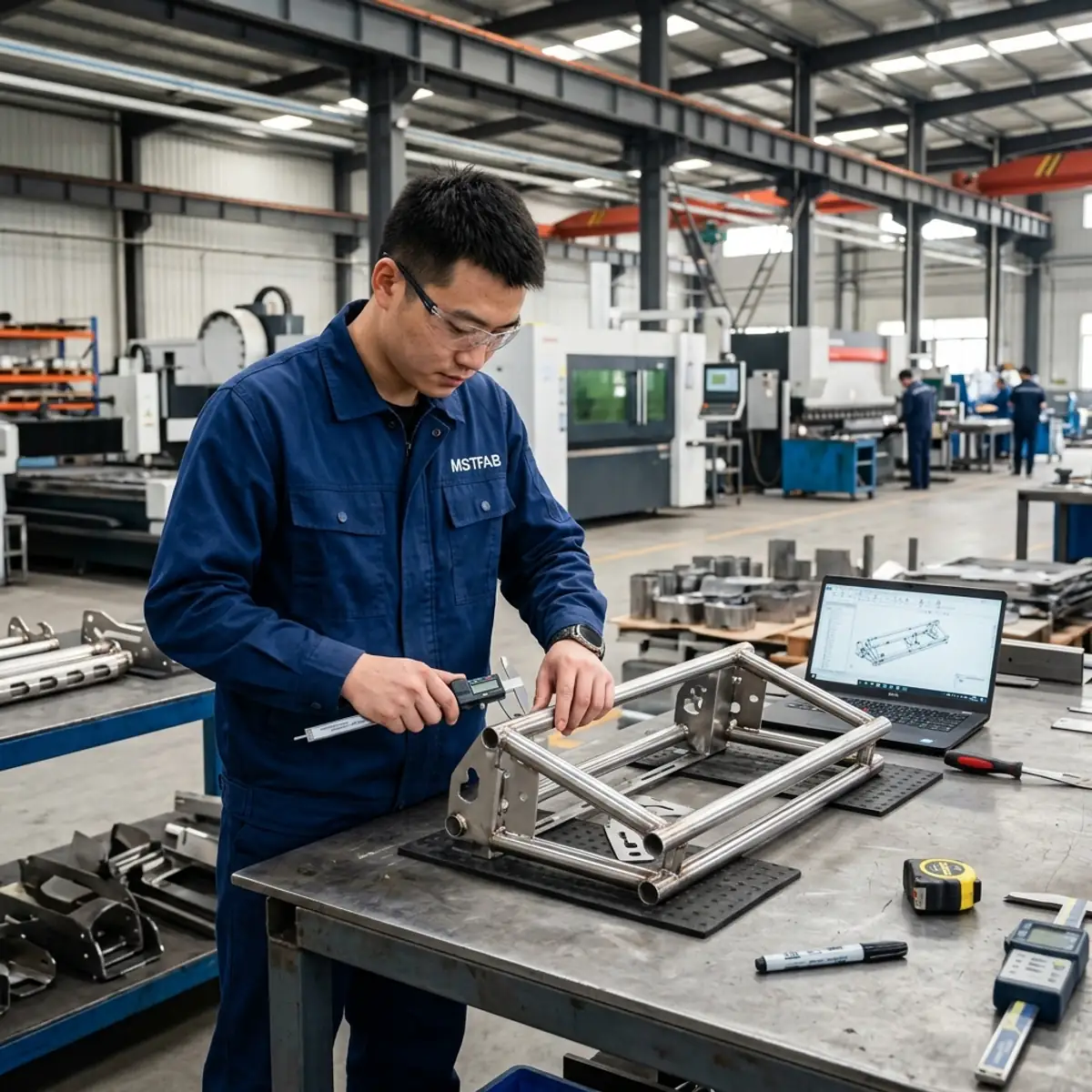
A sprayer guard that only looks good before installation is not finished. It is just waiting for chemicals and vibration to start asking questions.
1. What Are Sprayer Metal Guards?
Sprayer metal guards are custom fabricated sheet metal parts used to protect and support components on agricultural spraying equipment. They may be used on crop sprayers, boom sprayers, field sprayers, orchard sprayers, tractor-mounted sprayers, self-propelled sprayers, fertilizer spraying equipment, and pesticide spraying systems.
Common sprayer metal guard parts include:
- pump covers & nozzle protection guards
- boom guards & valve box covers
- hose protection shields & filter covers
- control box guards & tank support brackets
- equipment side panels & access covers
- spray shield panels & motor or drive covers
For OEM buyers, the goal is not only to get parts that match the drawing. The goal is to get parts that survive vibration, chemical exposure, corrosion, impact, cleaning, transport, and repeated field service.
2. Chemical Exposure Is the First Procurement Issue
Sprayer equipment often works around pesticides, herbicides, fertilizers, water, cleaning agents, mud, and moisture trapped around brackets. This creates a different environment from ordinary farm equipment covers.
Corrosion and coating failure may happen faster if the material and surface finish are not chosen correctly. Common chemical-related problems include rust around cut edges, coating peeling near holes, corrosion under brackets, fastener corrosion, and pitting on exposed metal.
A sprayer guard should not trap liquid. If chemical residue sits in corners or under mounting brackets, corrosion will eventually join the project. And corrosion is not a helpful supplier.
3. Material Selection Should Match the Sprayer Environment
Commonly used for strong and cost-effective sprayer guards, pump covers, and welded frames. Requires proper coating. Raw steel and sprayer chemicals are a rust story waiting for a season.
Provides better base corrosion resistance for semi-exposed guards, valve covers, and hose shields. However, laser-cut edges and drilled holes still need protection. If the zinc layer is cut, corrosion can begin.
Best for chemical contact areas, washdown-prone parts, and fertilizer exposure zones. 304 or 316 stainless steel may be a better option when corrosion risk is high. Not using it where severe may be more expensive later.
Useful when weight reduction matters for removable guards and control box shields. Aluminum is light, but it still needs careful design. A lightweight guard that bends or cracks is dieting gone too far.
4. Powder Coating Must Be Selected for Real Use
Sprayer guards face harsher exposure than many indoor industrial parts. Powder coating must deal with moisture, fertilizer residue, chemical splashes, UV exposure, scratches, and vibration around fasteners.
Powder coating is not magic paint. It needs clean metal, proper pretreatment, good edges, controlled thickness, and careful packaging. A nice coating that chips before installation is just disappointment in color.
5. Cut Edges and Holes Are Common Corrosion Points
Sprayer guards often include many holes, slots, cutouts, and brackets. These are usually the first places corrosion starts. Common weak points include laser-cut edges, bolt holes, drain holes, mounting slots, welded seams, bottom edges, and hose clamp areas.
Large flat surfaces may look perfect. Edges and holes tell the real story later. Rust rarely starts where the product photo was taken. It starts where nobody inspected carefully.
6. Vibration Resistance Matters for Sprayer Guards
Agricultural sprayers vibrate during transport and field operation. Vibration may come from pumps, engines, spray booms, rough terrain, liquid movement inside tanks, and folding mechanisms.
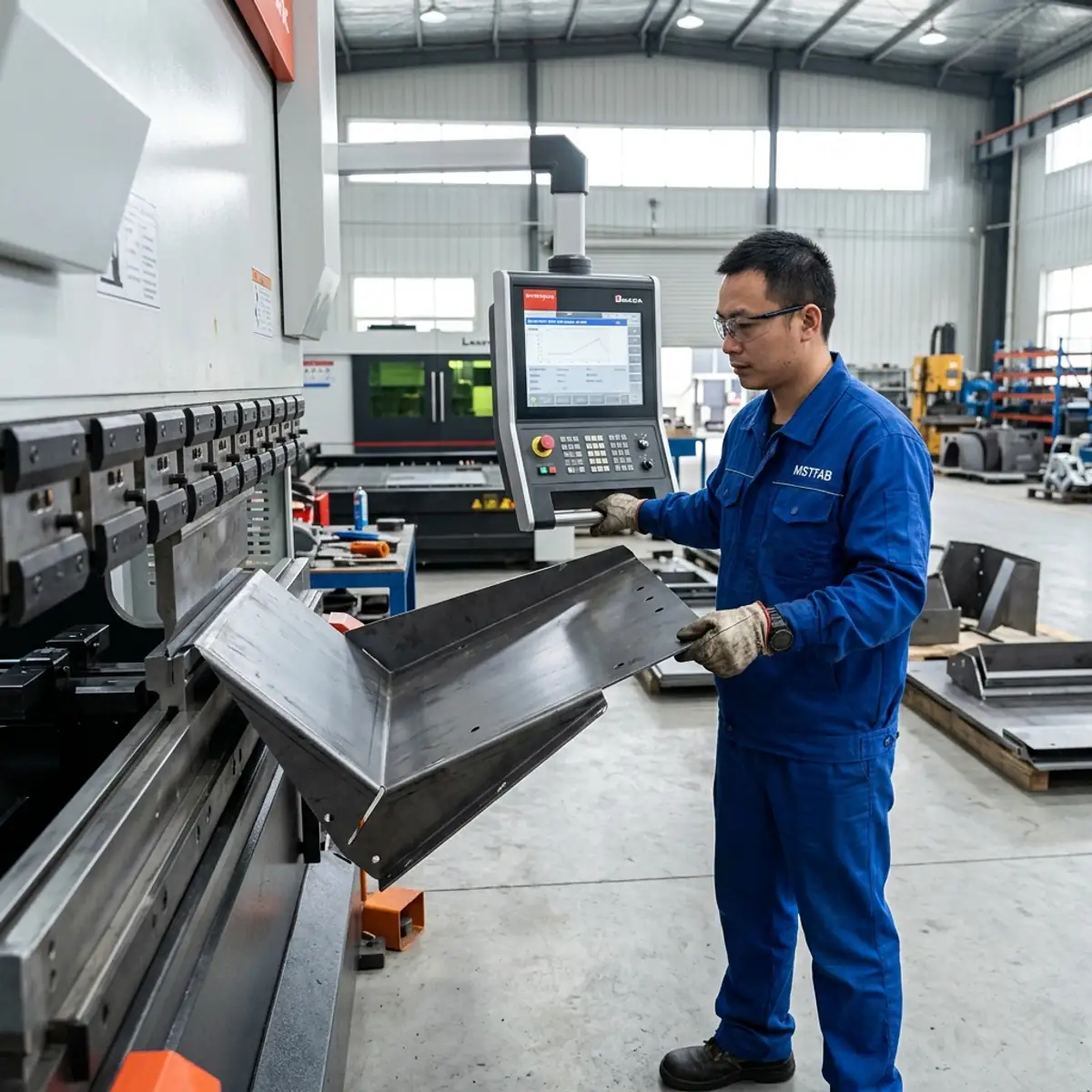
Poorly designed guards may suffer from cracked bends, loose fasteners, rattling noise, bracket fatigue, and coating damage around bolts. A guard that feels strong on a table may behave differently on a sprayer crossing rough farmland. The field does not care about your desk inspection. It brings vibration. Lots of it.
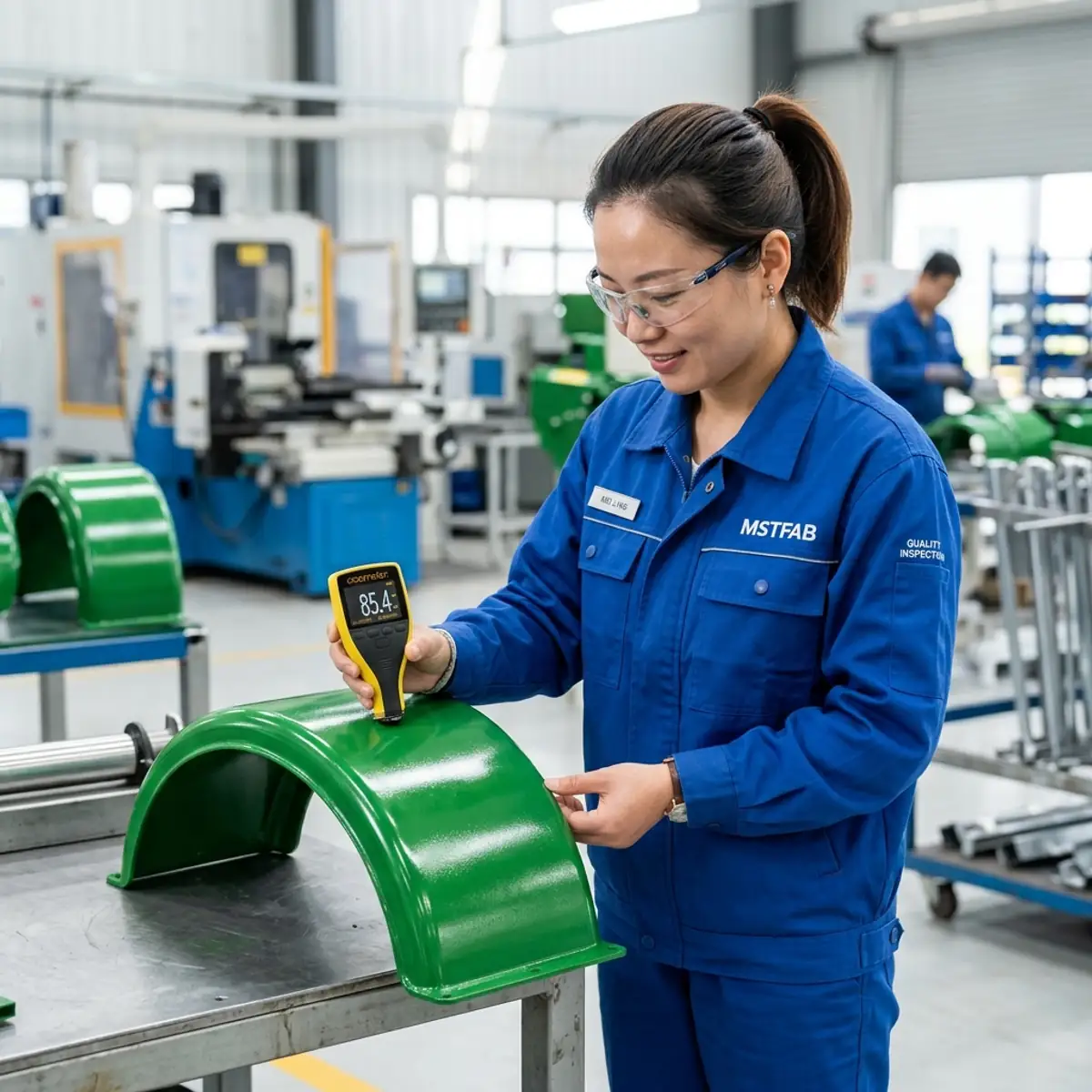
A nice coating that chips before installation is just disappointment in color.
7. Boom Guards and Nozzle Shields Need Practical Clearance
Sprayer boom guards and nozzle shields must protect components without interfering with spray performance or service access. Poor design may cause blocked spray patterns, difficult nozzle replacement, residue buildup, and fold/unfold movement clearance issues.
A nozzle guard that protects the nozzle but blocks the spray is not a guard. It is a very confident mistake.
8. Pump Covers and Drainage Built Into the Guard Design
Sprayer pumps, valves, filters, and control components often need maintenance. Metal guards around these areas should be easy to remove. Sprayer maintenance is not always done in a clean workshop. It may happen in the field, with mud, chemicals, and zero patience for bad access.
Furthermore, sprayer guards should avoid trapping liquid, mud, fertilizer, or chemical residue. Poor drainage creates hidden contamination and service complaints. A guard that protects the part but traps chemicals inside is a corrosion hotel. And corrosion always checks in early.
9. Welding and Mounting Accuracy
Hole accuracy matters because sprayer guards often need to be replaced or removed during service. A hole that is “close enough” in the factory can be very annoying in the field.
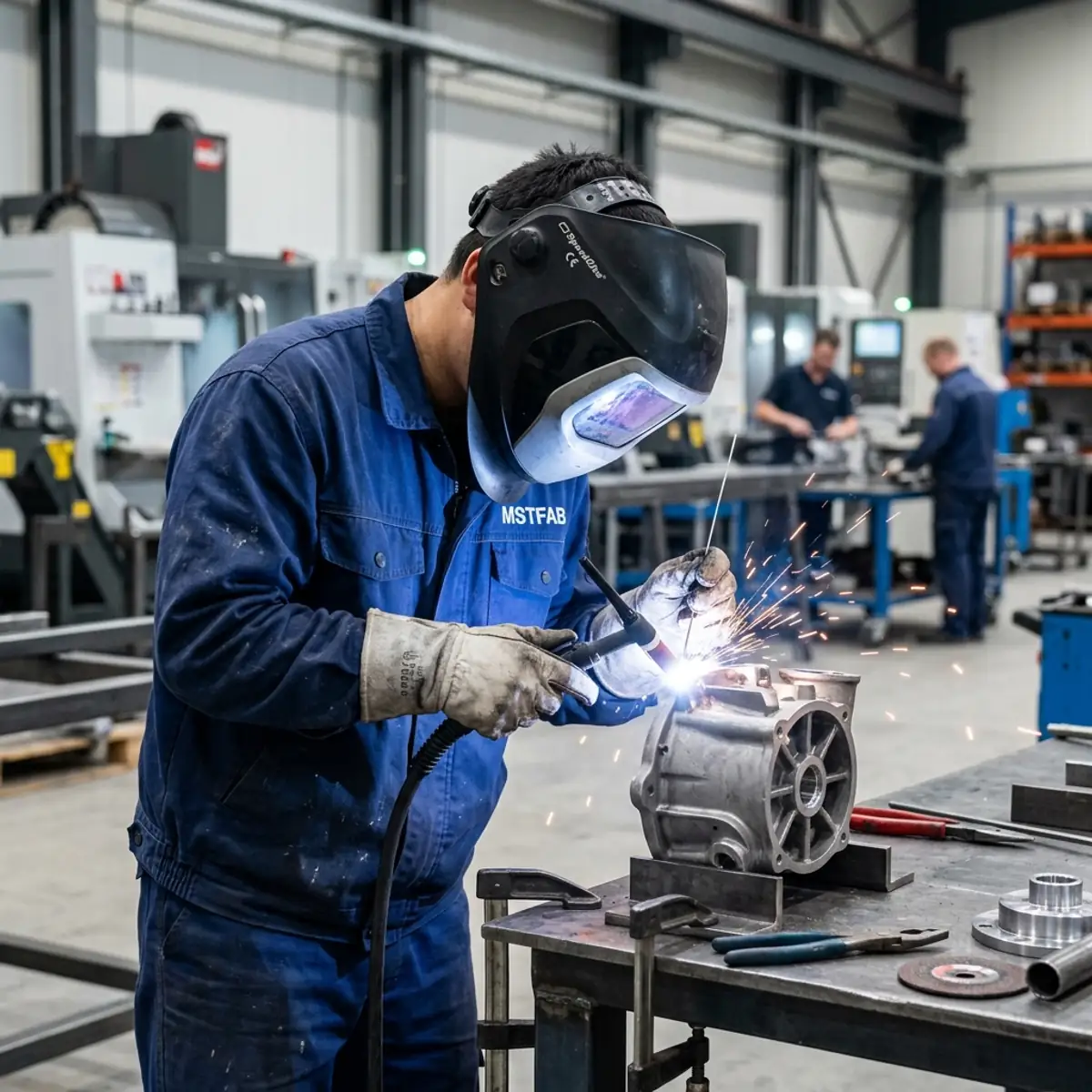
Some sprayer guards require welding for mounting tabs or frame structures. Poor welding control can cause warped guards, misaligned brackets, visible distortion, and cracks under vibration. More welding does not always mean better strength. Sometimes smarter bends, gussets, and controlled weld length create a stronger part.
10. Prototype to Batch Production & Export Packaging
For custom sprayer metal guards, prototype testing helps confirm machine fit, hole alignment, hose clearance, service access, and drainage. One good prototype is useful. But the real goal is repeatable production. Magic tricks do not scale. Manufacturing processes should.
Export packaging must protect coated and irregular parts. Poor packaging can cause scratched coating, bent corners, and moisture damage. A well-made guard that arrives scratched, bent, or rusty is not a successful shipment. It is a logistics problem shaped like a metal part.
How MSTFab Supports Sprayer Metal Guard Fabrication
MSTFab manufactures custom sheet metal parts based on customer drawings and requirements. We support farm equipment OEM projects involving sprayer metal guards, boom guards, nozzle protection guards, pump covers, valve box covers, and chassis parts.
| Supplier Type | Quotation & Engineering | Production Control | Quality & Deliverable |
|---|---|---|---|
| Typical Job Shop | Quotes blindly without asking about chemical exposure, drainage, or field vibration. | Welds and bends without reviewing distortion or coating adhesion on cut edges. | Ships coated panels in loose packaging causing scratches and bent mounting tabs. |
| MSTFAB (OEM Partner) | Provides fast quotes with practical DFM review for holes, drainage, and chemical risks. | Strictly controls CNC bending sequence, weld stability, and outdoor powder coating. | Supports prototype to batch production with dedicated export packaging. |
Trust Table: Partnering with a manufacturer that understands sprayer machinery assembly.
We manufacture the physical sheet metal guards and components based on customer drawings. We do not design sprayer systems, pumps, nozzles, or proprietary farm machinery technology. You bring the equipment design. We build the metal guards that help protect, mount, service, and survive field use.
FAQ
Sprayer Metal Guards FAQ
What are sprayer metal guards?
Sprayer metal guards are custom fabricated metal parts used to protect pumps, nozzles, hoses, valves, spray booms, control boxes, and other components on agricultural spraying equipment.
What materials are used for sprayer guards?
Common materials include mild steel, galvanized steel, stainless steel, aluminum, and cold-rolled steel depending on strength, corrosion resistance, chemical exposure, weight, and cost requirements.
Why is corrosion protection important for sprayer metal guards?
Sprayer guards often face water, fertilizer, pesticides, chemicals, mud, and outdoor storage. Without proper material selection, coating, edge protection, and drainage, corrosion may begin quickly.
Should sprayer guards be prototyped before mass production?
Yes. A prototype or first article helps confirm machine fit, mounting hole alignment, nozzle clearance, service access, coating quality, and packaging before batch production.
Can sprayer metal guards be made from STEP files?
Yes. STEP files are useful for 3D geometry, while 2D PDF drawings should define material, thickness, tolerances, finish, welding notes, and inspection requirements.
What should buyers provide for an accurate quote?
Buyers should provide STEP files, 2D drawings, material grade, thickness, part function, mounting location, chemical exposure, surface finish, quantity, tolerance notes, and packaging requirements.
Related Technical Guides
- Custom Agricultural Sheet Metal Parts for Farm Equipment OEMs
- Harvester Sheet Metal Covers
- Custom Sheet Metal Enclosure Fabrication
- Sheet Metal Enclosure Manufacturing Process
- DFM for Sheet Metal Enclosures
- Custom Enclosure Prototype to Mass Production
- CNC Sheet Metal Bending Service
- TIG Welding Service
- Powder Coating Service
- Powder Coating for Sheet Metal Enclosures
- Steel Enclosure Fabrication
- Mild Steel Enclosure Fabrication Manufacturer
- Galvanized Steel Enclosure Fabrication
- Stainless Steel Sheet Metal Enclosure Fabrication
- Aluminum Sheet Metal Enclosure Fabrication
- Mounting Plates, Cable Entry Plates, Metal Brackets & Chassis Parts
Request a Sprayer Metal Guard Quote
To quote sprayer metal guards accurately, please provide 3D STEP files, 2D PDF drawings, material grade, sheet thickness, part function, mounting location, chemical exposure level, surface finish requirement, color, critical hole tolerance, annual quantity, and packaging requirement.
sheet metal welding services
MSTFAB provides TIG and MIG sheet metal welding services for structural assemblies, cabinets, frames and OEM metal components.
 WeChat Contact
 WhatsApp Me Directly