
DFM sounds like an engineering buzzword.
It is not.
For custom sheet metal enclosures, DFM means one simple thing: Will this design survive real manufacturing without becoming expensive, delayed, warped, scratched, leaking, or impossible to assemble?
At MSTFAB, we often see enclosure RFQs that look clean in CAD but create problems during production:
- holes too close to bend lines
- bend radius too tight for the material
- welded doors that warp after fabrication
- gasket surfaces that cannot seal evenly
- cable entries placed where installers cannot reach
- powder coating that blocks threads or grounding points
- beautiful prototypes that cannot scale to batch production
CAD is very polite. It lets almost anything happen.
Metal is less polite. Metal bends, cracks, warps, springs back, rusts, and exposes every shortcut.
That is why DFM review should happen before production, not after 200 cabinets are already cut, bent, welded, coated, and packed.
Supply boundary: Guangzhou Maisituo Sheet Metal Manufacturing Co., Ltd. (MSTFAB) fabricates drawing-based mechanical parts and empty enclosure shells. The OEM owns finished-equipment design, electrical integration and final testing. Selected finishes may be completed by qualified long-term partners to the approved specification. The process images below illustrate DFM checkpoints; ask for current project evidence when qualifying a supplier.
What Is DFM for Sheet Metal Enclosures?
DFM stands for Design for Manufacturability.
For sheet metal enclosures, DFM is the process of reviewing a design before production to make sure it can be manufactured efficiently, consistently, and cost-effectively.
The goal is not to redesign the buyer’s product. The goal is to prevent avoidable manufacturing problems before metal is cut.
A good DFM review helps buyers avoid the classic nightmare: “The sample was fine, but mass production has problems.”
Process images in this guide are illustrative. Project-specific DFM checks follow the approved drawings.
DFM Starts With the RFQ Package
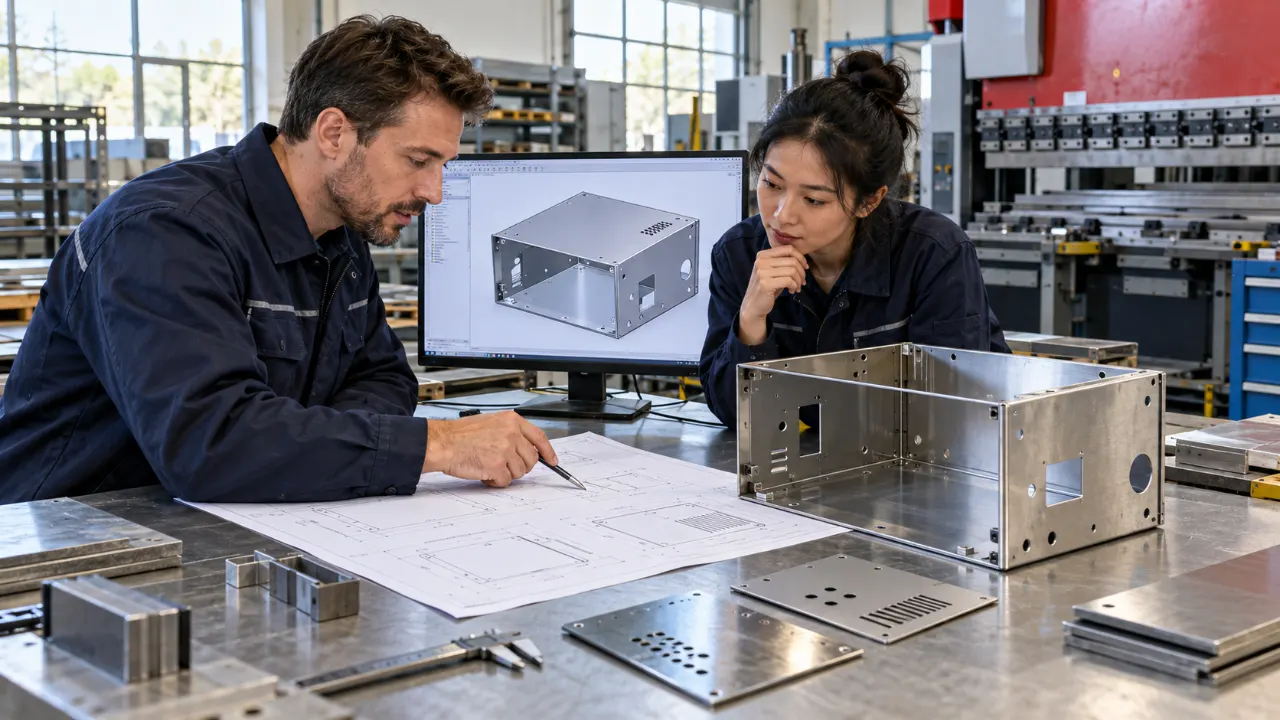
A manufacturer cannot do serious DFM from one blurry screenshot.
That is not engineering. That is gambling with pixels.
Good drawings help the supplier understand not only the shape, but also the function of the enclosure. For buyers, clear information means faster quotation, fewer assumptions, and fewer production surprises.
Bend Radius: Small Detail, Big Problem
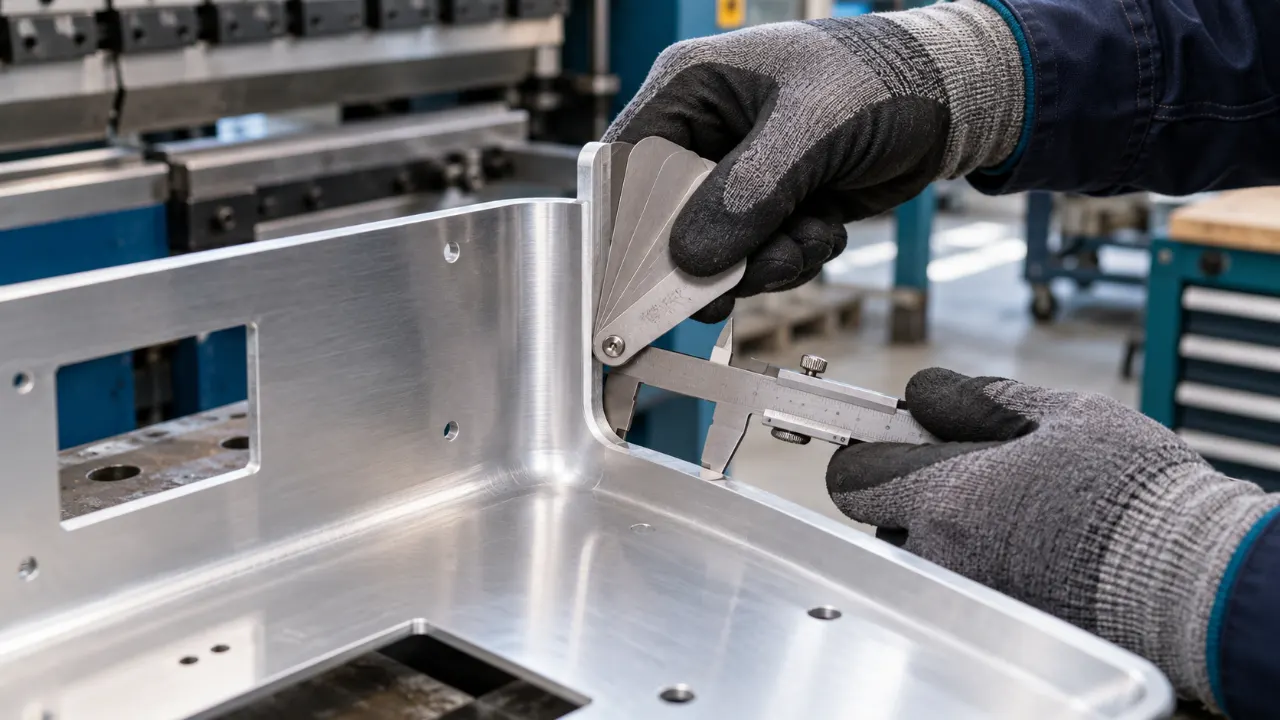
In CAD, a tight bend looks clean. In real production, it may cause cracking on aluminum, surface marks on stainless steel, or tooling interference.
The wrong bend radius may not look serious in the drawing. But the press brake will notice. The press brake always notices.
Hole-to-Bend Distance Must Be Reviewed Early

If a hole is too close to the bend zone, it may become oval, shifted, or distorted.
A hole may be laser-cut perfectly before bending. Then bending changes everything. The part has to work in its final formed shape. Not in its flat sheet fantasy life.
Bend Sequence Can Decide Whether the Part Is Manufacturable
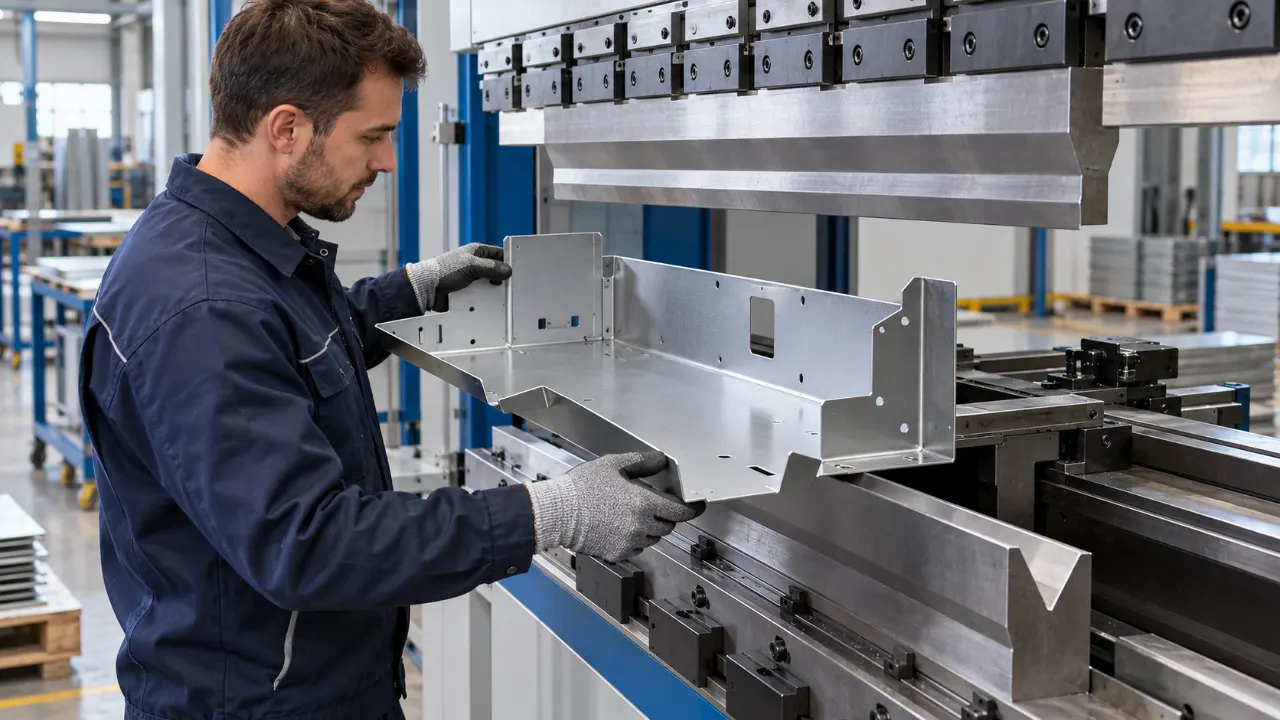
Some enclosure parts look simple but are difficult to bend because of bend sequence, such as closed box shapes or reverse bends too close together.
If special tooling is needed, it should be identified before quotation approval. No buyer enjoys hearing “We need special tooling” after the PO is already placed. That is not a manufacturing update. That is a delayed cost reveal.
Welding Distortion Is a DFM Issue, Not Just a Workshop Issue

Welding heat moves metal. If the structure is not designed well, the enclosure may suffer from warped doors, twisted frames, and uneven gaps.
Sometimes the answer is not more welding. It is a design change that reduces distortion. More welding does not always mean stronger. Sometimes it just means more heat, more grinding, more distortion, and more regret.
Gasket Sealing Needs Flat Metal, Not Just Good Rubber
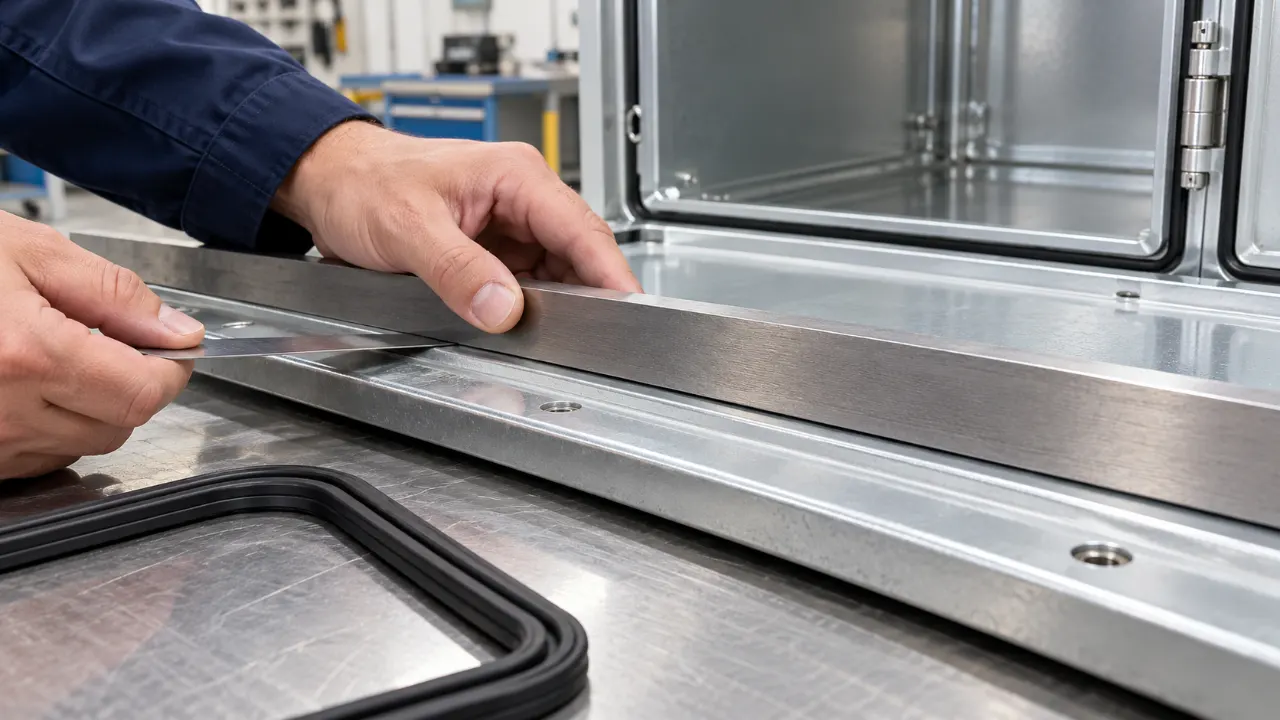
Many buyers request IP54, IP65, or NEMA-style protection and assume the gasket will solve everything. It will not. A gasket cannot save a twisted frame.
Water does not read inspection reports. It finds gaps. The gasket is not a miracle worker. It is just rubber with responsibilities.
DFM can check gasket lands, latch compression and frame flatness. An IP or NEMA rating applies only to the specified, tested enclosure configuration, not to an empty shell by itself.
Cable Entry Design Is Often Underestimated
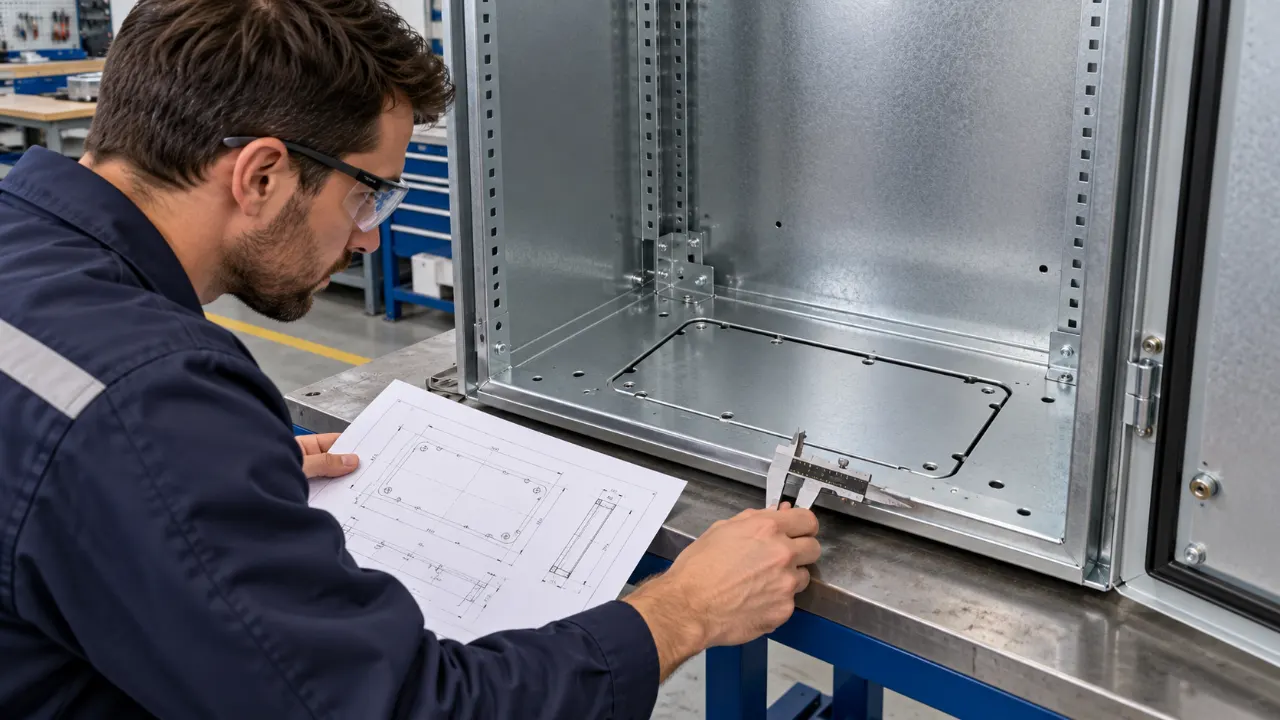
Cable entry is one of the most common field installation pain points.
Saving 50mm of cabinet height may reduce sheet metal cost. But if it adds two hours of wiring labor, the project did not save money. It just moved the cost to the technician.
Ventilation and Thermal Management Need DFM Review
Common thermal DFM mistakes include placing vents where cables block airflow, or creating water entry risk around vents.
Random holes are not thermal engineering. They can also create water and dust entry paths. MSTFAB can review drawing-defined vents and mounting interfaces; the OEM or responsible thermal engineer selects and validates the cooling system.
Powder Coating Must Be Considered Before Fabrication
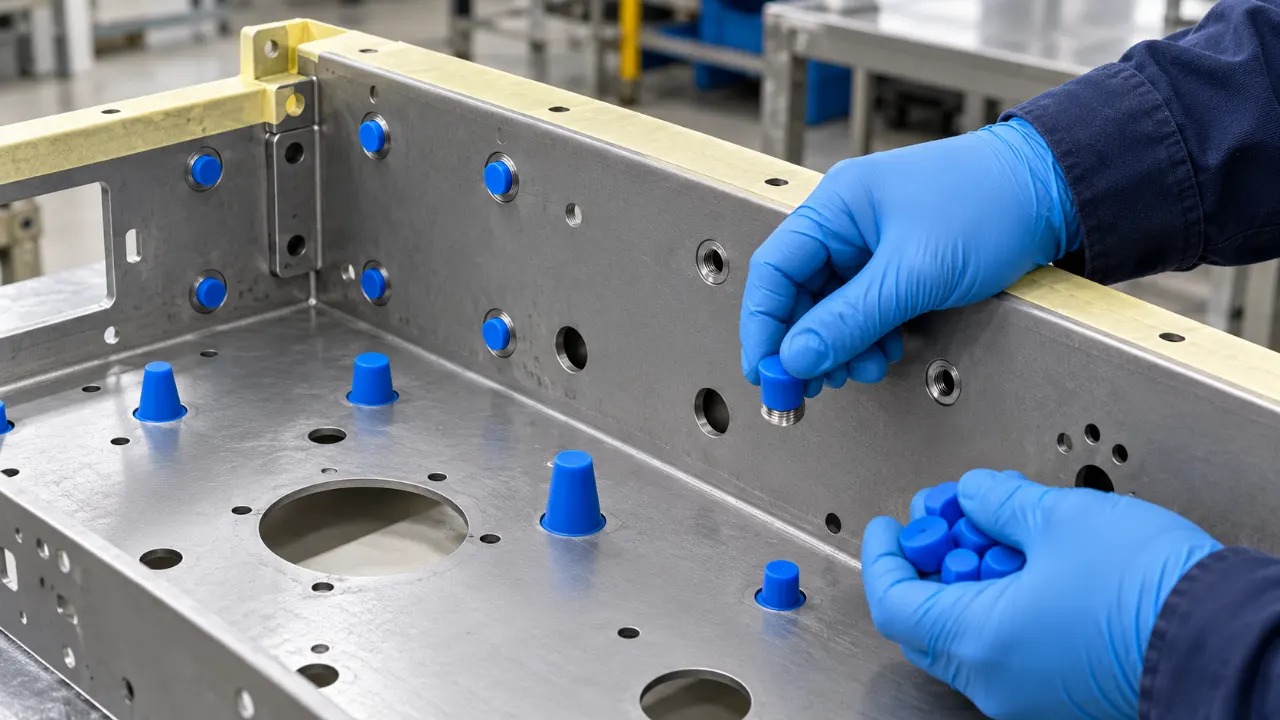
Powder coating is not just a surface. It adds thickness at fits and can cover threads or bonding contacts. Mark the coating and masking boundaries on the drawing; agree who performs the finish and how the completed parts will be checked.
Grounding and Bonding Need to Be Designed Before Coating
A telecom cabinet can look beautifully powder coated and still have an unusable bonding interface. The drawing should identify bare-metal contacts and specified studs; the OEM verifies protective-earth performance after electrical integration.
Hardware Choices Can Change the Whole Design
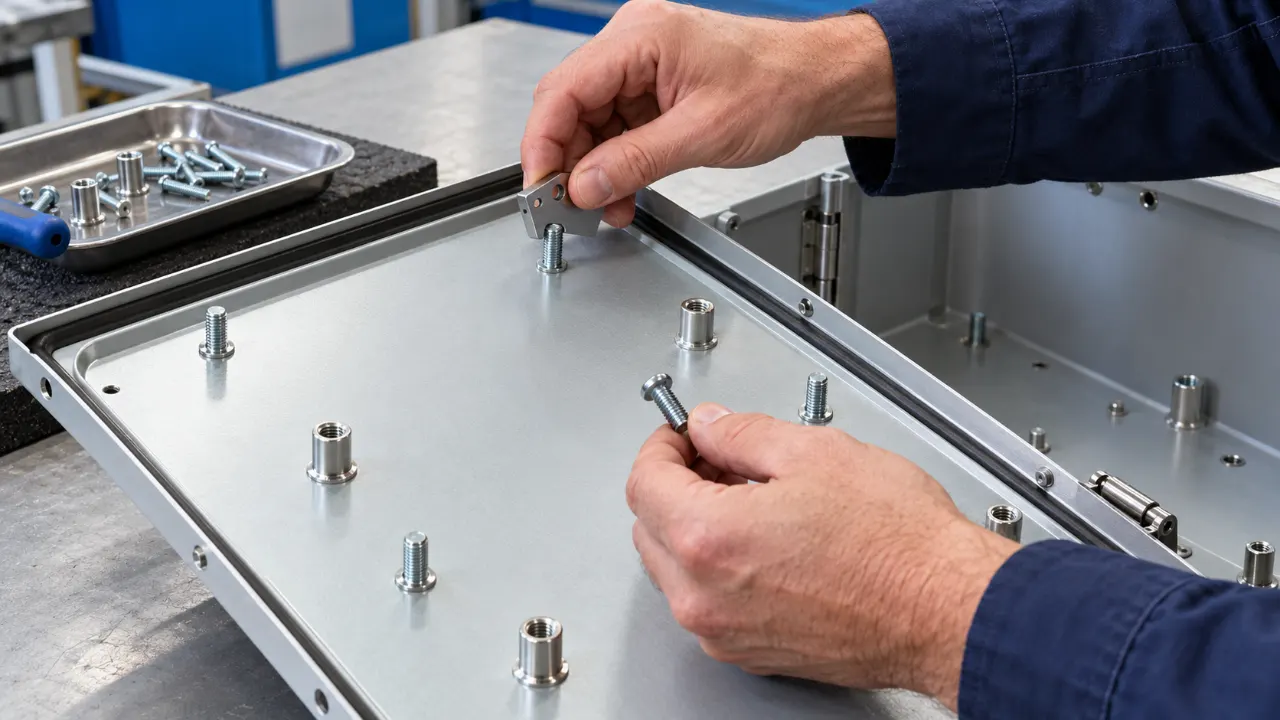
Changing hardware after prototype approval can affect hole size, coating masking, and assembly. Hardware is not decoration. It is part of the enclosure system.
Surface Appearance Requirements Must Be Separated
Do not spend premium finishing budget on hidden internal brackets unless there is a functional reason. That is not quality. That is expensive invisibility.
Tolerances Should Match Function, Not Wishful Thinking
Unrealistic tolerances create higher inspection cost, slower production, and more scrap.
The goal is not to make every dimension expensive. The goal is to make the important dimensions reliable. That is good engineering. And good procurement.
Prototype DFM and Mass Production DFM Are Not the Same
A sample made with too much manual correction may look good but fail to scale. That is not a manufacturing process. That is a magic trick. Magic tricks do not scale.
Export Packaging Should Be Included in DFM
A perfect enclosure that arrives scratched is no longer perfect. It is a customer complaint with forklift marks.
OEM Trust Table: Why DFM Matters Before Production
| Design Feature | Without DFM Review | With MSTFAB DFM Review |
|---|---|---|
| Hole-to-Bend Distance | Holes deform during bending, causing screws to misalign or fail to thread. | Reviews hole position or relief cuts, then checks the formed part against the drawing. |
| Welding & Distortion | Large flat doors warp due to excessive welding heat, creating ugly gaps. | Reviews stiffening and weld sequence, then verifies door flatness after joining. |
| Powder Coating | Threads and grounding points are covered in paint, requiring manual drilling in the field. | Marks threads and bonding areas for an approved masking plan, then checks them after finishing. |
| Gasket Sealing | Water leaks because the cabinet frame was not designed to compress the gasket evenly. | Reviews gasket lands, latch compression and flange flatness against the buyer’s sealing design. |
| Assembly Scaling | The prototype was hand-adjusted; batch production fails because parts don’t fit. | Reviews tooling, bend sequence and fixtures; first-article and in-process checks support repeat production. |
Related engineering guide: Before releasing a drawing for quotation, review our guide to reading sheet metal drawings for thickness, bend notes, hole dimensions, tolerance callouts, and manufacturability checkpoints.
Related factory capability: For OEM buyers comparing a assembly and export packaging workflow, review how MSTFAB handles final assembly, protective packaging, export packing checks, and shipment-ready enclosure delivery.
FAQ
What is DFM for sheet metal enclosures?
DFM for sheet metal enclosures is the review process that checks whether an enclosure design can be cut, bent, welded, coated, assembled, inspected, and packaged efficiently and consistently.
Why is DFM important before enclosure fabrication?
DFM helps identify bend risks, hole deformation, welding distortion, gasket sealing problems, coating interference, cable entry issues, ventilation risks, and assembly conflicts before production begins.
What files are needed for a DFM review?
Send a STEP/STP model and a controlled PDF drawing when available. Buyer-controlled DXF or DWG files can support flat-pattern review. Buyers should include material, thickness, finish, quantity, hardware, gasket, cable entry, ventilation, and packaging requirements.
Can DFM reduce sheet metal enclosure cost?
Yes. DFM can reduce cost by simplifying bend sequences, reducing unnecessary welding, improving material use, avoiding unrealistic tolerances, preventing rework, and making batch production more stable.
custom sheet metal enclosure fabrication
MSTFAB manufactures custom sheet metal enclosures, electrical cabinets, control boxes and industrial metal housings for OEM buyers.
 WeChat Contact
 WhatsApp Me Directly