MSTFAB fabricates custom metal enclosure boxes for OEM electrical equipment, telecom cabinets, EV charging systems, industrial controls, medical devices and automation projects. We build from your drawings and control DFM review, laser cutting, CNC bending, welding, hardware insertion, surface finishing, assembly and export inspection in one workflow.
What OEM buyers can verify before order
- Factory capability: 5,000 sqm sheet metal fabrication facility in Guangzhou.
- Quality system: ISO 9001 quality-managed production process.
- Engineering review: bend radius, hole-to-bend distance, weld access, coating build-up and assembly sequence checked before production.
- Critical tolerance control: +/-0.1 mm may be possible on reviewed features, depending on material, geometry and process route.
- Export support: inspection photos, dimension report, packaging photos and shipment coordination for overseas OEM projects.

Custom Metal Enclosure Box Fabrication for OEM Projects
A reliable enclosure has to fit the drawing, protect the internal assembly and survive the real installation environment. For procurement teams, the risk is usually not whether a supplier can cut and bend metal. The risk is whether the supplier will catch design issues before production and document the work clearly enough for repeat orders.
MSTFAB supports OEM buyers that need custom sheet metal enclosure boxes instead of catalog housings. Typical requirements include door alignment, hinge position, grounding points, PEM fasteners, cable openings, gasket flanges, ventilation slots, powder coating, labeling and protective export packaging.
Typical Enclosure Applications
| Application | Common fabrication requirements |
|---|---|
| Electrical control boxes | DIN rail support, grounding studs, cable entries, door hinges, locks, powder coating and assembly-ready hardware. |
| Telecom and IT cabinets | Ventilation openings, fan brackets, access panels, cable routing, corrosion-resistant outdoor finish and packaging for overseas shipment. |
| EV charger and energy enclosures | Weather-resistant housing design, gasket surfaces, display cutouts, internal brackets, welded seams and RAL color finish. |
| Industrial equipment covers | Large panels, welded frames, removable covers, mounting holes, safety edges and durable surface treatment. |
| Medical and smart equipment housings | Clean appearance, controlled gaps, brushed or powder-coated finish, accurate hardware insertion and careful cosmetic inspection. |
Materials, Thickness and Finishes
Material and finish choices should be confirmed before quotation because they affect bend radius, welding behavior, corrosion resistance, coating thickness and final assembly fit.
- Materials: SPCC, SECC, SGCC, carbon steel, stainless steel 304/316, aluminum 5052/6061 and project-specific sheet metal grades.
- Typical thickness: 0.8-6.0 mm, subject to enclosure size, bending length, weld strength and tolerance requirements.
- Finishes: powder coating, anodizing, brushing, zinc plating, galvanizing and other finish routes based on the use environment.
- Outdoor design support: IP54, IP65, NEMA 3R and NEMA 4X style enclosure requirements can be reviewed, but final rating depends on gasket, hardware, full assembly and validation testing.
Manufacturing Workflow
1. Drawing and DFM Review
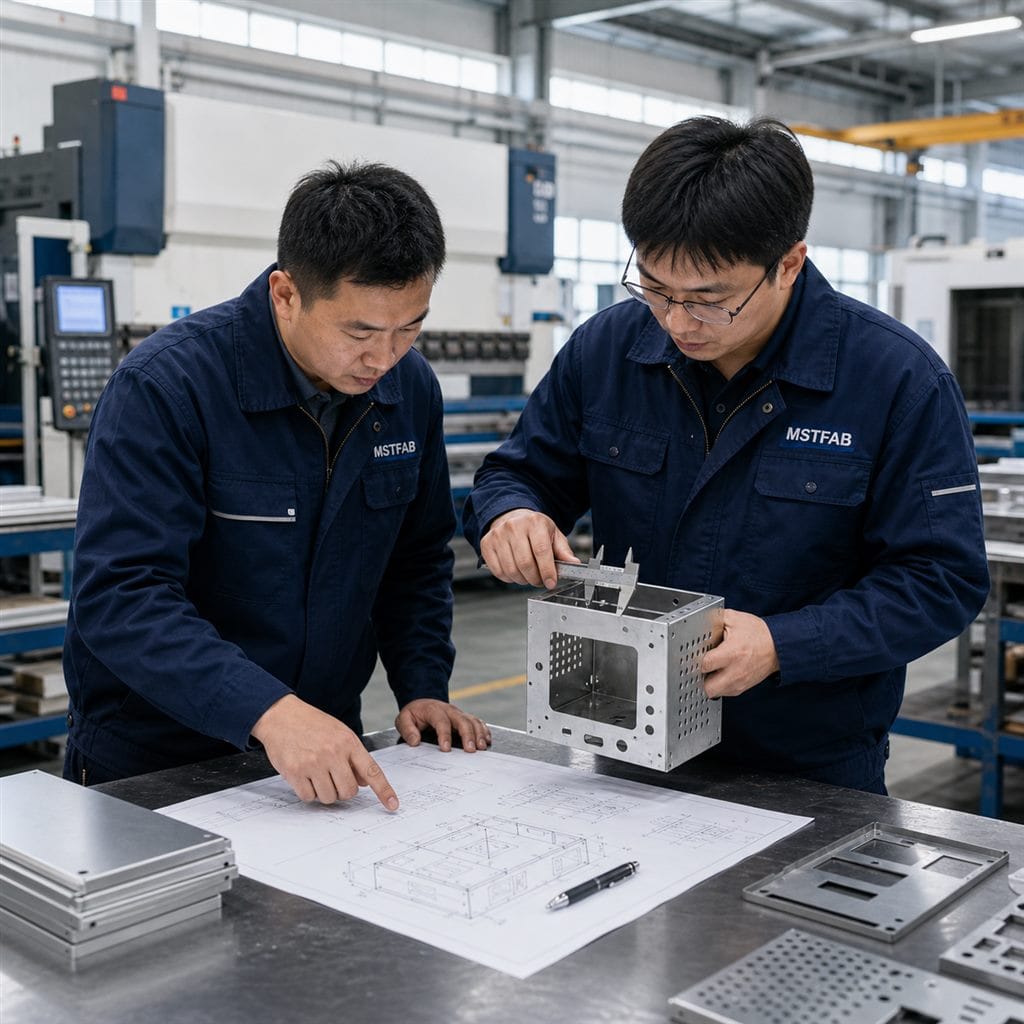
We review 2D and 3D files before production. The review focuses on bend relief, hole position, minimum flange size, weld access, fastener location, coating mask areas, gasket surfaces and assembly sequence. This step reduces drawing ambiguity before the PO becomes a production problem.
2. Laser Cutting and Punching
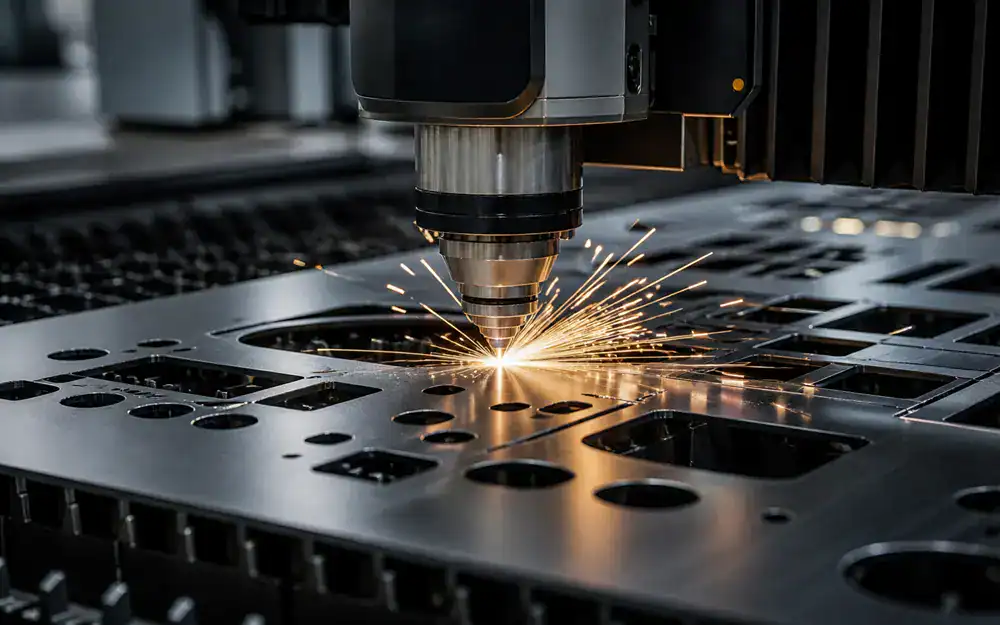
Fiber laser cutting is used for enclosure blanks, vent patterns, connector openings, slots, display windows and access panels. Flat pattern nesting helps control material cost while burr control supports later painting and assembly.
3. CNC Bending
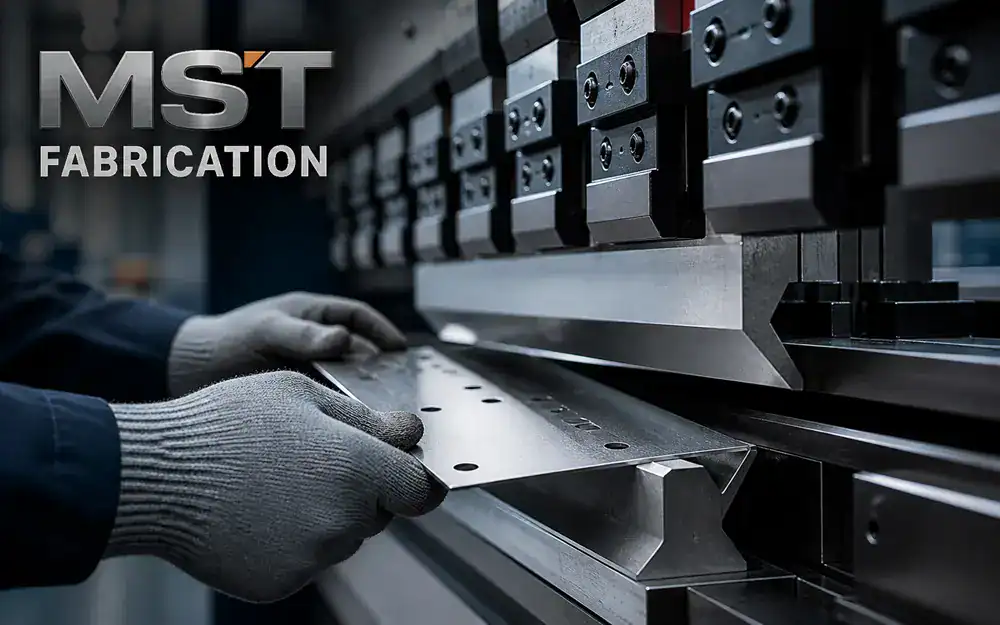
CNC press brake bending controls enclosure dimensions, door fit, flange alignment and gasket compression surfaces. Critical tolerances should be marked on the drawing so the correct tooling, sequence and inspection points can be planned.
4. Welding, Hardware and Assembly
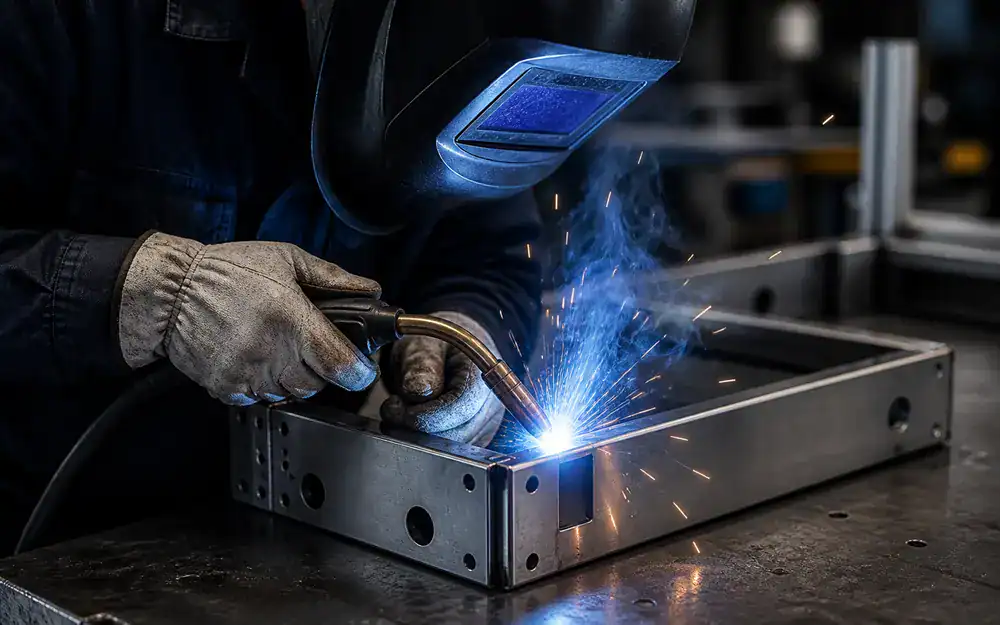
TIG welding, MIG welding, spot welding, projection welding, PEM nuts, studs, standoffs, hinges, locks and internal brackets are selected according to strength, appearance and assembly needs. Weld distortion, thread protection and hardware pull-out risk are checked during production.
5. Surface Treatment and Final Inspection
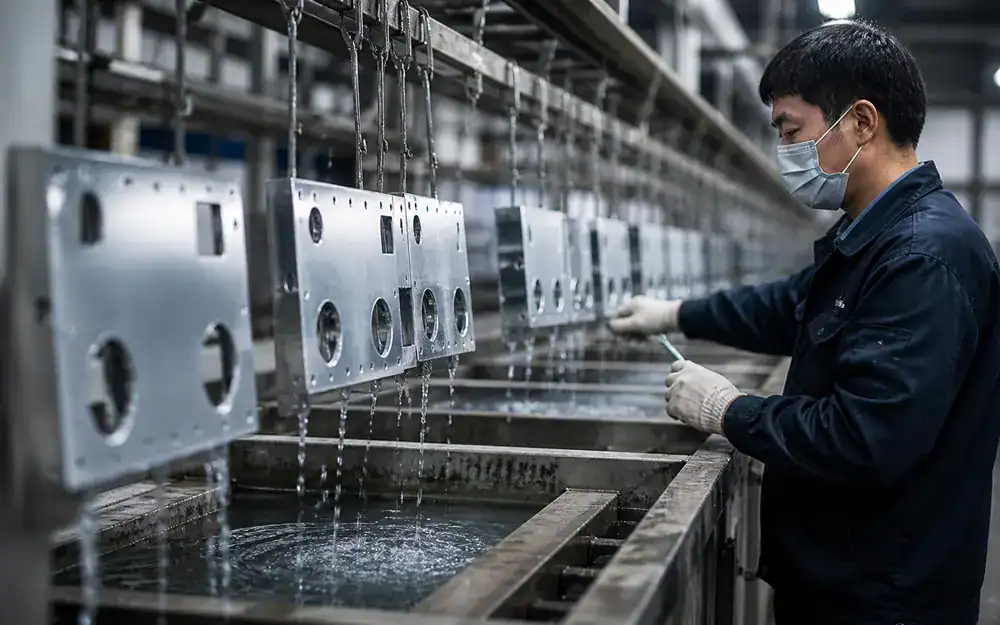
Powder coating, anodizing, brushing, plating or galvanizing is selected by corrosion exposure, appearance and product life. Threads, gasket contact areas and grounding points may need masking. Final inspection checks dimensions, finish appearance, hardware, assembly fit and export packaging.
Enclosure Specifications to Confirm Before Quotation
| Item | What to confirm | Why it matters |
|---|---|---|
| Drawing files | PDF drawing plus STEP, DXF or DWG files, with revision number. | Prevents wrong revision production and improves DFM accuracy. |
| Material | Grade, thickness, surface condition and certificate requirement. | Controls strength, corrosion resistance, bend behavior and price. |
| Tolerances | General tolerance and critical dimensions marked clearly. | Helps inspection focus on functional features, not guesswork. |
| Finish | Color, texture, thickness, corrosion requirement and masking areas. | Coating build-up affects threads, hinges, doors and gasket surfaces. |
| Hardware | PEM nuts, studs, hinges, locks, handles, gaskets and supplied components. | Clarifies whether MSTFAB supplies, installs or only prepares openings. |
| Inspection | FAI, critical dimensions, AQL sampling, photos and report format. | Builds trust before shipment and supports repeat orders. |
| Packaging | Protective film, foam, carton, pallet, labels and moisture protection. | Reduces transit damage for painted panels and welded assemblies. |
How MSTFAB Reduces Buyer Risk
Procurement trust is built through evidence. For custom metal enclosure fabrication, we focus on clear drawings, visible process control and inspection records that buyers can review before shipment.
- DFM questions are raised before quotation when geometry, tolerance, material or finish may create risk.
- First article inspection can be provided before batch production for new or critical enclosure projects.
- Critical dimensions and cosmetic requirements are checked according to the approved drawing.
- Material certificates, inspection photos, coating checks and packaging photos are available on request.
- Export packaging is planned around surface finish, weight, part geometry and shipping method.
Request an OEM Enclosure Quote
Send your enclosure drawings, expected annual volume, material, finish, target application and inspection requirements. If the drawing is still being finalized, MSTFAB can review manufacturability and point out the details that may affect cost, assembly or delivery.
For enclosure projects with thermal planning, see our telecom and IT cabinet cooling system integration guide. For EV and energy equipment, review our smart energy cabinet design article.
Frequently Asked Questions
What files should I send for a custom metal enclosure quote?
Send a PDF drawing for dimensions and notes, plus STEP, DXF or DWG files for engineering review. Include the drawing revision, material grade, thickness, finish, hardware list, target quantity and inspection requirements.
Can MSTFAB make outdoor metal enclosures?
Yes. MSTFAB supports outdoor enclosure fabrication with weather-resistant material and finish options, gasket surface review, cable entry planning and export packaging. Final IP or NEMA performance depends on the complete design, gasket, hardware and validation test.
How do you control quality before shipment?
For OEM projects, we can provide first article inspection, critical dimension checks, finish inspection, hardware verification, assembly photos and packaging photos before shipment when requested on the order.
The custom enclosure shell range groups cabinet, panel and housing options by mechanical use.
 WeChat Contact
 WhatsApp Me Directly