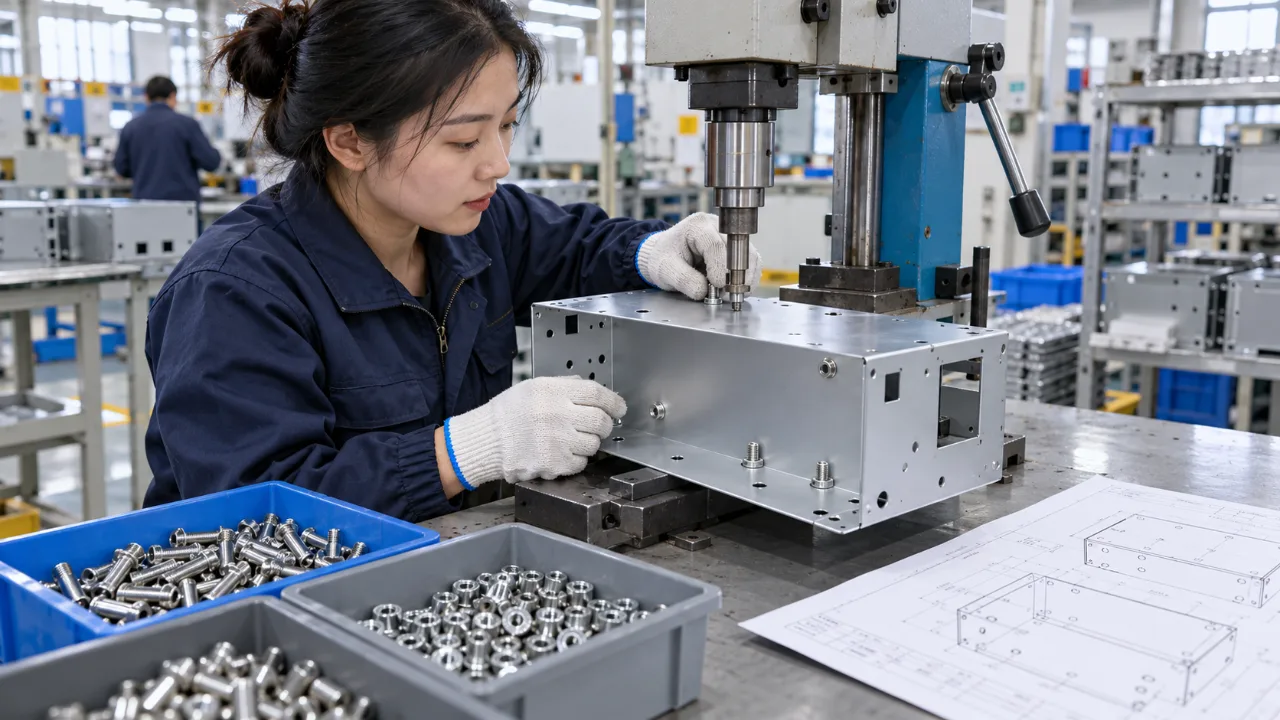
Hardware Installation
Specified inserts, studs, nuts and standoffs installed to suit the sheet, hardware and finish sequence.
Send Inquiry NowDrawing-based mechanical assembly and shipping protection
MSTFAB combines custom sheet metal fabrication, mechanical enclosure assembly, final fit inspection and export packaging in one controlled handoff for OEM parts, housings, chassis and cabinet shells.
Included: fabricated parts and mechanical hardwareExcluded: electronics, wiring, software and finished-system certification
MSTFAB brings fabricated metal parts, mechanical hardware, fit checks and shipment protection into one drawing-based scope. We support OEM buyers with empty enclosures, cabinet shells, chassis, panels and bracket assemblies prepared to the approved drawings and bill of materials.
Assembly and packing requirements are reviewed together: which parts are installed, what must fit after finishing, which surfaces need protection and what the receiving team needs to verify. The quotation defines the agreed work, inspection records and packaging method for your order.
Specified inserts, studs, nuts and standoffs installed to suit the sheet, hardware and finish sequence.
Send Inquiry Now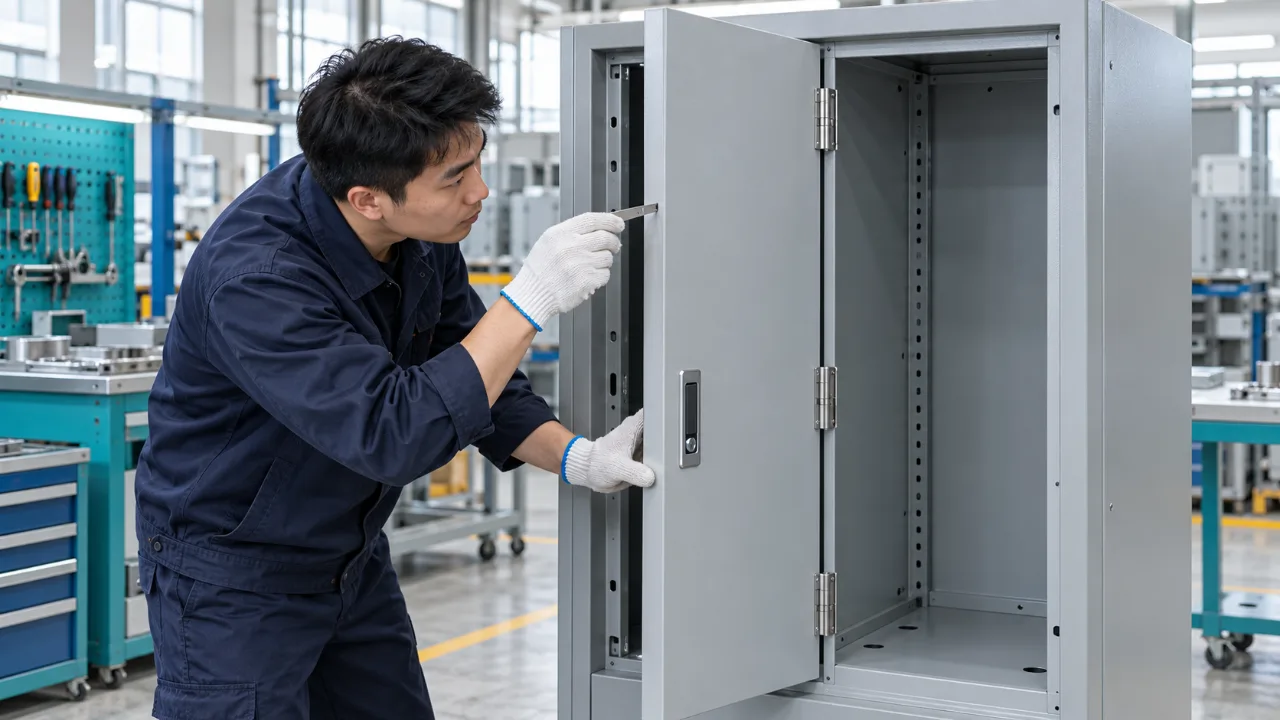
Doors, hinges, latches, panels and brackets fitted into an empty enclosure or mechanical assembly.
Send Inquiry Now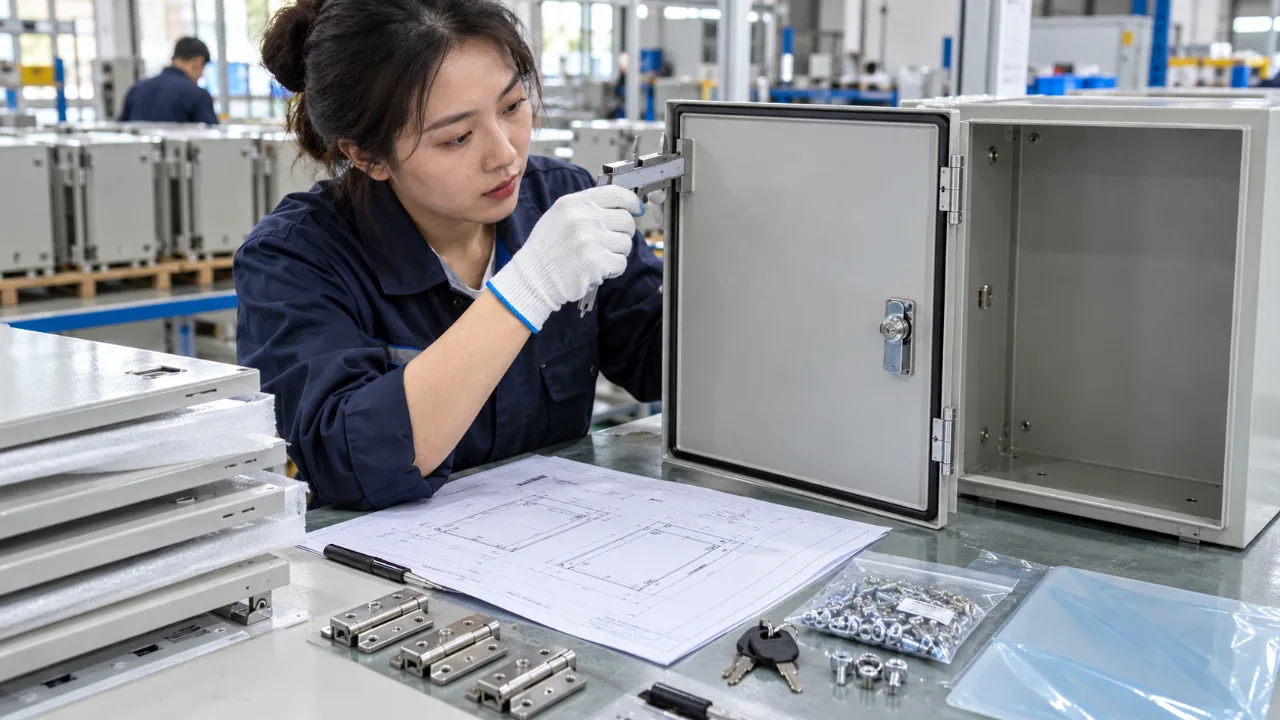
Drawing-defined fit checks, finish review and accessory counts completed before packing and release.
Send Inquiry Now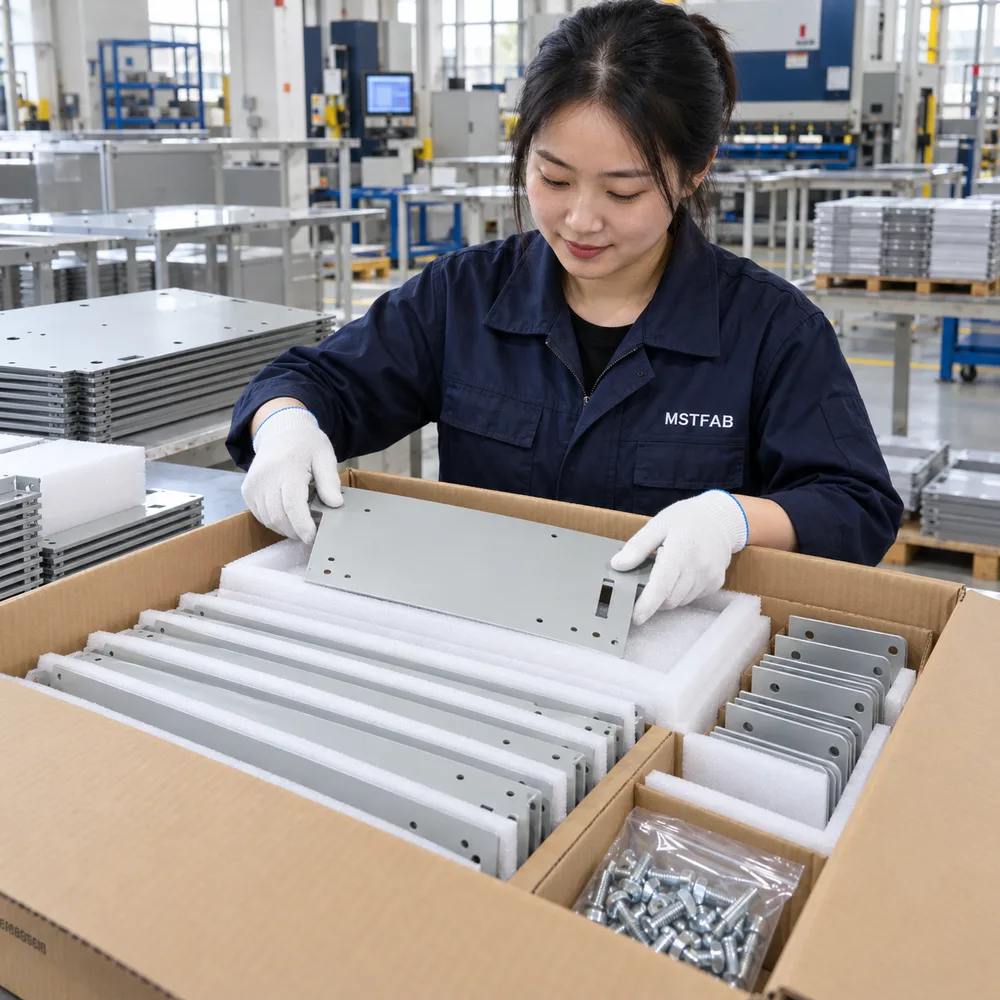
Separated finished surfaces, protected corners and packing selected for the part and shipment route.
Send Inquiry NowProcess images are illustrative. For current factory and order-specific evidence, view the factory gallery or include your evidence requirements in the RFQ.
Confirm the approved drawing revision, item list, quantity and mechanical supply scope before assembly.
Match hardware part numbers, installation side, thread requirements and the agreed finishing sequence.
Review door gaps, latch engagement and removable-panel clearance in the finished condition.
Use compatible film, foam or interlayers to separate visible faces from abrasive contact.
Count and identify keys, screws, brackets and other loose items against the agreed BOM.
Support the structural frame and control movement inside the selected pallet or crate.
Define critical checks and the photographs or inspection records required before release.
Agree part identification, package marks and packing-list details for the receiving team.
Hinges, latches, removable panels and mounting brackets must work together after fabrication and finishing. We review the agreed fit points on representative finished parts so coating buildup, hardware position and access can be checked before release.
The drawings and BOM identify installed parts, loose accessories and the interfaces controlled by the buyer. Electrical assembly and complete-system testing remain with the OEM or system integrator.
Send Inquiry Now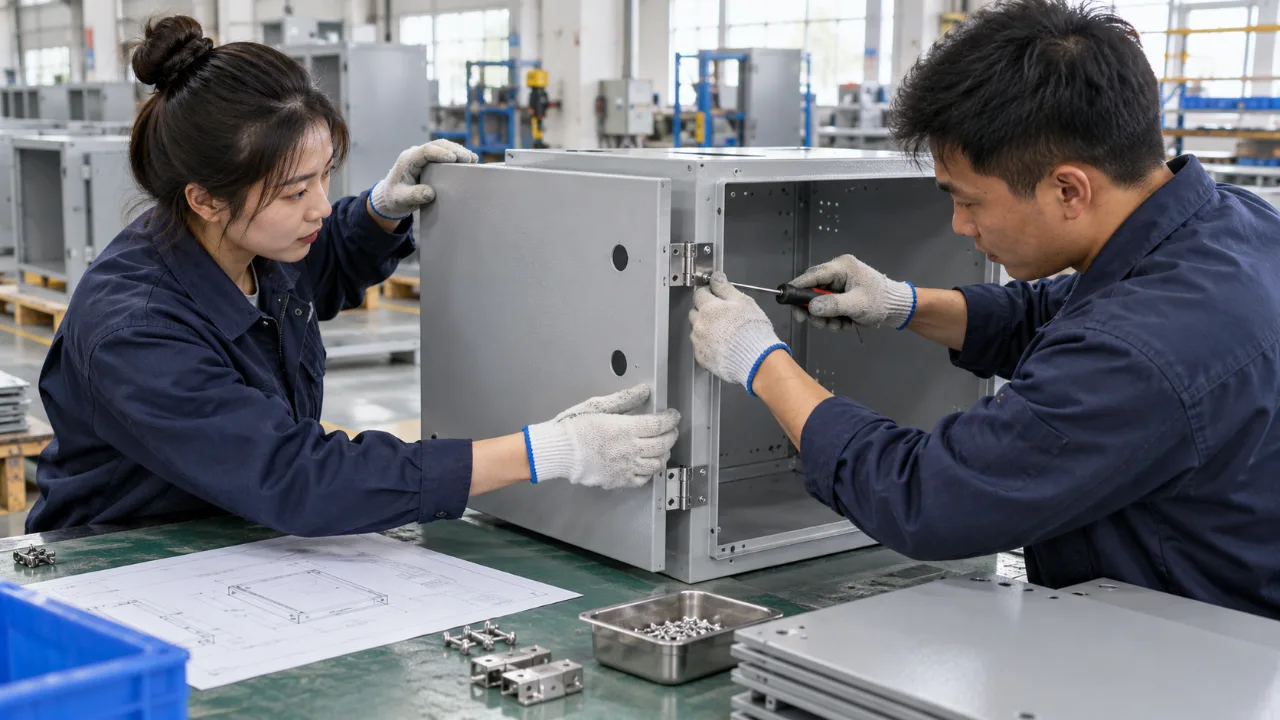
A finished metal enclosure needs protection against surface contact, movement and handling loads. We plan separators, corner guards and restraint around the part geometry, weight, finish and transport method.
Large cabinets may need a pallet or crate that supports the structural frame. Loose panels and hardware are secured separately, with package identification and packing photographs included when agreed in the shipment plan.
Discuss Your Packing Plan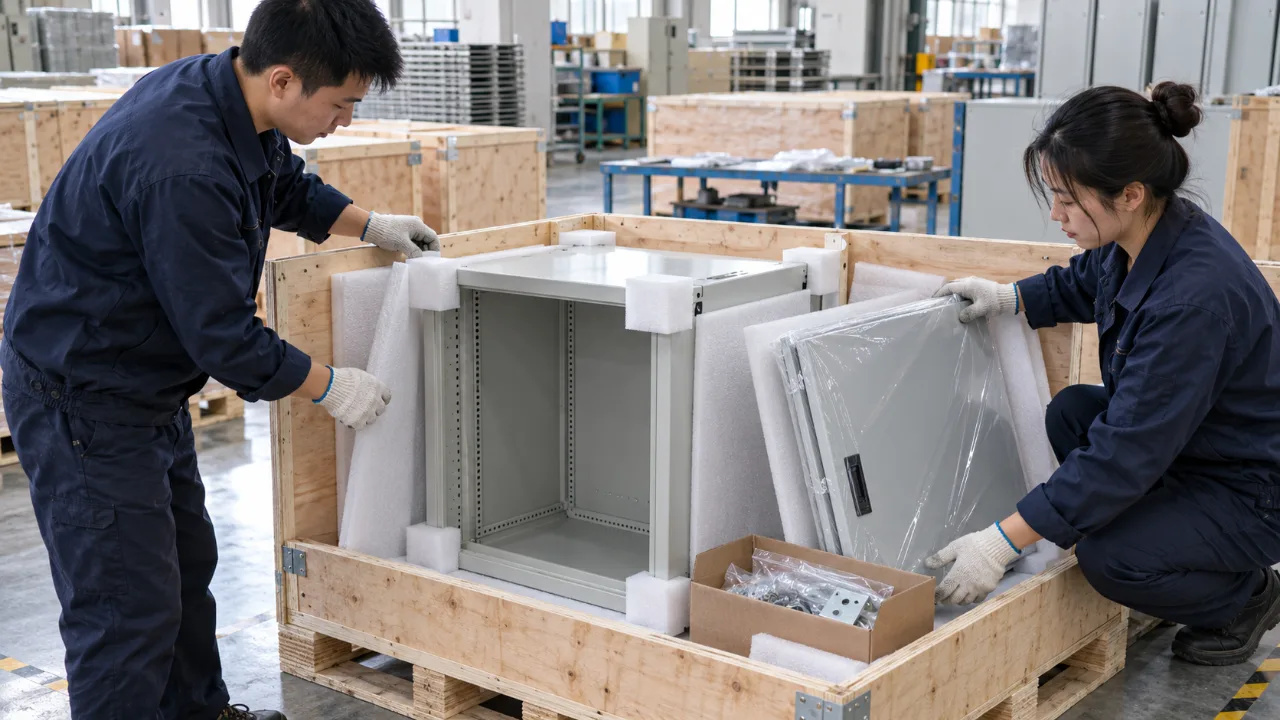
Mechanical fit-up for empty cabinet bodies, doors, mounting plates and passive hardware. Packing is planned around the cabinet weight, finish and agreed lifting points.
Assembly of compact enclosure shells, covers, hinges, latches and mounting brackets. We review the finished fit and protect visible faces for handling and shipment.
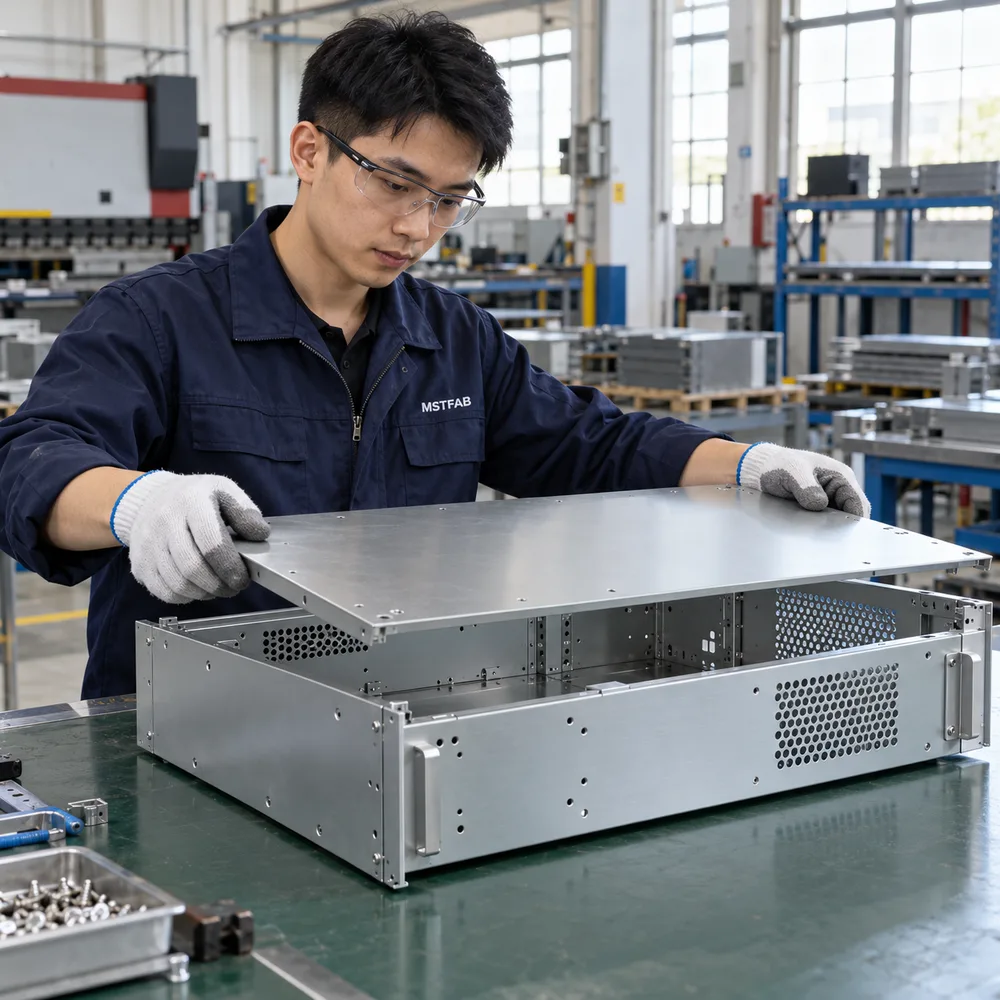
Mechanical assembly of folded chassis, removable covers, brackets and panels. The scope covers the metal housing and passive hardware, with interfaces checked against the released drawings.
Counted sets of fabricated panels and brackets packed with separators and identified loose hardware. Kit contents and the unpacking sequence are agreed before dispatch.
| Requirement | Options and agreed scope |
|---|---|
| Supply scope | Custom sheet metal parts, empty enclosure shells and specified mechanical hardware |
| Assembly items | Doors, covers, mounting plates, brackets, hinges, latches, handles and accessory kits |
| Hardware requirements | Buyer-specified part numbers, installation sides, threads and finish sequence |
| Fit checks | Drawing-defined gaps, alignment, mounting interfaces, service access and operation |
| Finish protection | Compatible film, non-abrasive separators, foam and corner protection as agreed |
| Outer packaging | Cartons, pallets or project-specific crates selected for weight, size and transport |
| Loose accessories | Counted, bagged, identified and secured at an agreed receiving location |
| Release evidence | Inspection records, accessory counts and packing photographs when included in the order |
| RFQ information | 2D drawings, STEP files, BOM, material, finish, quantity, destination and packing instructions |
| Buyer or integrator scope | Electronics, wiring, programming, energization and complete-system certification |
Sheet metal assembly can include specified PEM hardware, rivet nuts, weld nuts, studs, hinges, latches, handles, doors, covers, mounting plates, brackets, labels and mechanical accessory kits. The exact scope must be listed in the drawing and BOM.
No. MSTFAB’s standard scope is custom sheet metal fabrication and mechanical assembly. Electronics, wiring, pneumatic systems, programming, energization and complete-system certification remain with the buyer or system integrator.
Export packaging is the protection and restraint system used to move finished parts through handling and transport. It may combine film, bags, interlayers, foam, corner guards, cartons, pallets or project-specific wooden crates.
Cosmetic faces are separated from abrasive contact with compatible film, foam or non-abrasive interlayers. Hardware bags, straps and crate supports should not press directly against visible coated surfaces.
The decision depends on size, weight, center of gravity, finish, lifting points, shipment mode and receiving method. Large or fragile cabinets often require a pallet or crate with blocking that supports the structural frame rather than thin doors or covers.
Yes, when photographs are included in the agreed quality and shipment plan. The required views should identify the project, assembly status, accessory count, labels, protection and closed outer pack.
Keys, screws, brackets, labels and other loose items can be counted, bagged, identified and secured to an agreed receiving location. The BOM should distinguish installed items from loose shipment kits.
Send 2D drawings, STEP files, BOM, hardware list, material, finish, quantity, inspection requirements, destination, shipment method and packaging or marking instructions.
Sheet metal assembly joins fabricated parts and specified mechanical hardware into a usable shell, chassis or subassembly. Export packaging protects that finished work through handling and transport. Both depend on the same approved drawings, BOM and acceptance requirements.
The supply scope may include doors, covers, hinges, latches, handles and mounting parts. Electronics, wiring, software and complete-equipment certification are controlled by the buyer or integrator.
Send the current 2D drawings and STEP assembly with a BOM that separates installed hardware from loose shipment items. Identify mating equipment and dimensions that affect fit. Use the RFQ file checklist to prepare the package.
Specify the gaps, mounting interfaces and access requirements that matter after finishing. Door swing, latch engagement, removable-panel clearance and hardware location should have clear acceptance points.
State the hardware part numbers, installation sides and any thread or contact surfaces that need protection. The sequence should account for press access, welding, masking, coating and final mechanical fit-up.
Share the destination, transport method and receiving conditions. Packing decisions should account for the part’s shape, weight, finish and how the shipment will be lifted and unpacked.
Agree critical measurements, fit checks, accessory counts and required photographs before production. Where records are part of the order, they should identify the drawing revision and the corresponding parts or shipment.
Confirm package marks, packing-list details and where the receiving team will find keys, brackets and other accessories. Clear identification helps buyers check the shipment against the approved order.
 WeChat Contact
Scan to connect with MSTFAB for OEM sheet metal fabrication support.
[email protected]
 WhatsApp Me Directly
Scan or click for sheet metal fabrication quotes and drawing review.
+86 173 2831 6456