
A dependable powder-coated part begins before the coating line. Material condition, weld cleanup, edge geometry, masking, racking, cure requirements, inspection and packing must agree with the drawing and the intended environment.
This guide gives OEM buyers a practical sheet metal powder coating workflow. It does not prescribe one universal chemistry, film build, cure schedule or corrosion test. Those details belong to the selected coating system, substrate, project specification and approved processing route.
The powder coating workflow in seven control gates
Start with substrate and surface condition
“Steel” is not a complete pretreatment instruction. Cold-rolled steel, hot-rolled steel, galvanized sheet, aluminum and stainless steel bring different oxide layers, oils, zinc surfaces and preparation risks. The coating route must also account for laser scale, weld discoloration, grinding marks, sealants and residues from fabrication.
If the substrate changes after approval, treat it as a controlled change. A finish that worked on one material may not behave the same way on another.

| Substrate | Planning concern | Buyer question |
|---|---|---|
| Cold-rolled or mild steel | Oil removal, oxidation, edges and weld cleanup. | Which approved preparation and corrosion requirement applies? |
| Galvanized steel | Zinc-surface condition, pretreatment compatibility and adhesion risk. | Has the selected route been approved for this galvanized material? |
| Aluminum | Alloy, oxide layer, handling and pretreatment compatibility. | Does the finish system match the alloy and service environment? |
| Stainless steel | Whether coating is functionally needed and how adhesion will be prepared. | Would a native or mechanical finish better serve the requirement? |
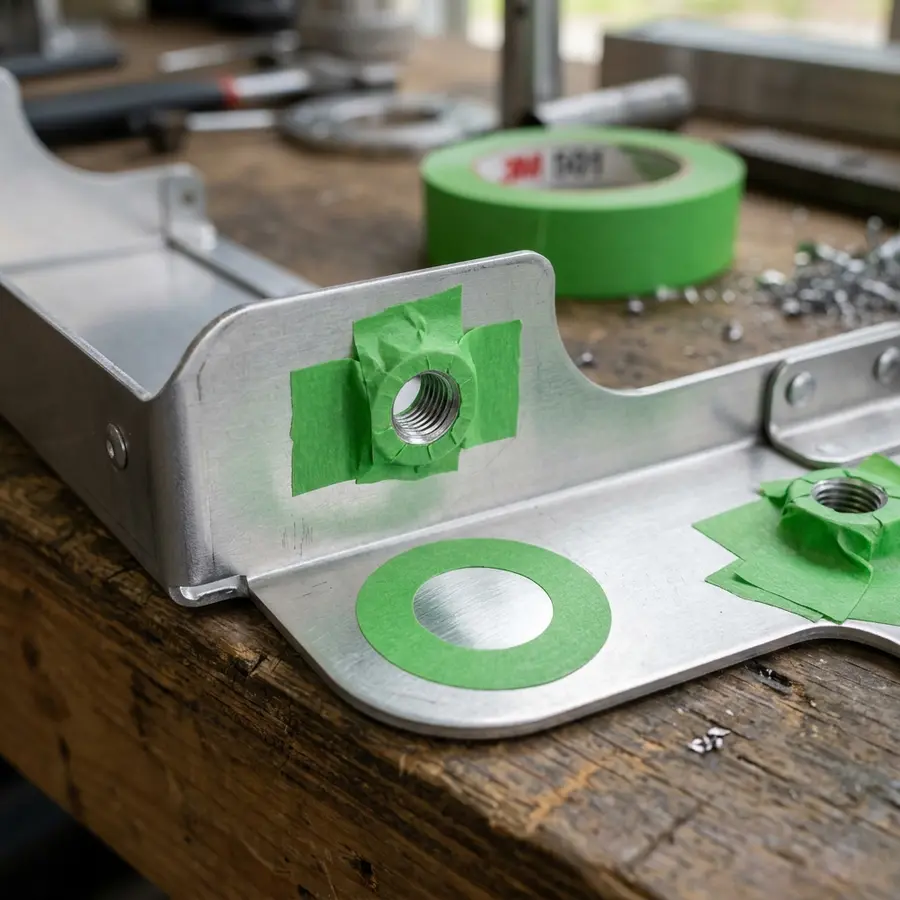
Masking is an engineering requirement
Masking instructions should live on a drawing, finish map or controlled work instruction. Mark every no-coat zone that affects function, including threaded features, protective-earth contacts, gasket sealing faces, bearing or sliding surfaces, datum pads and close-tolerance assembly interfaces.
Also define what happens after masking is removed. Sharp coating edges, adhesive residue and exposed substrate may need an agreed acceptance rule. The question is not only “Was it masked?” but “Did the finished interface still work?”
Application and cure must follow the approved system
Powder selection, electrostatic application and cure are connected. Part geometry affects coverage in corners and recessed areas; heavy sections and thin panels heat differently; rack orientation affects handling marks. The processing route should follow the powder supplier’s technical data and the buyer’s approved specification. When cure or film evidence is required, define the method and record before production begins.
Do not copy one film-build number or oven setting from another project. A value without the coating system, substrate, measurement method and acceptance rule is just a number wearing a hard hat.
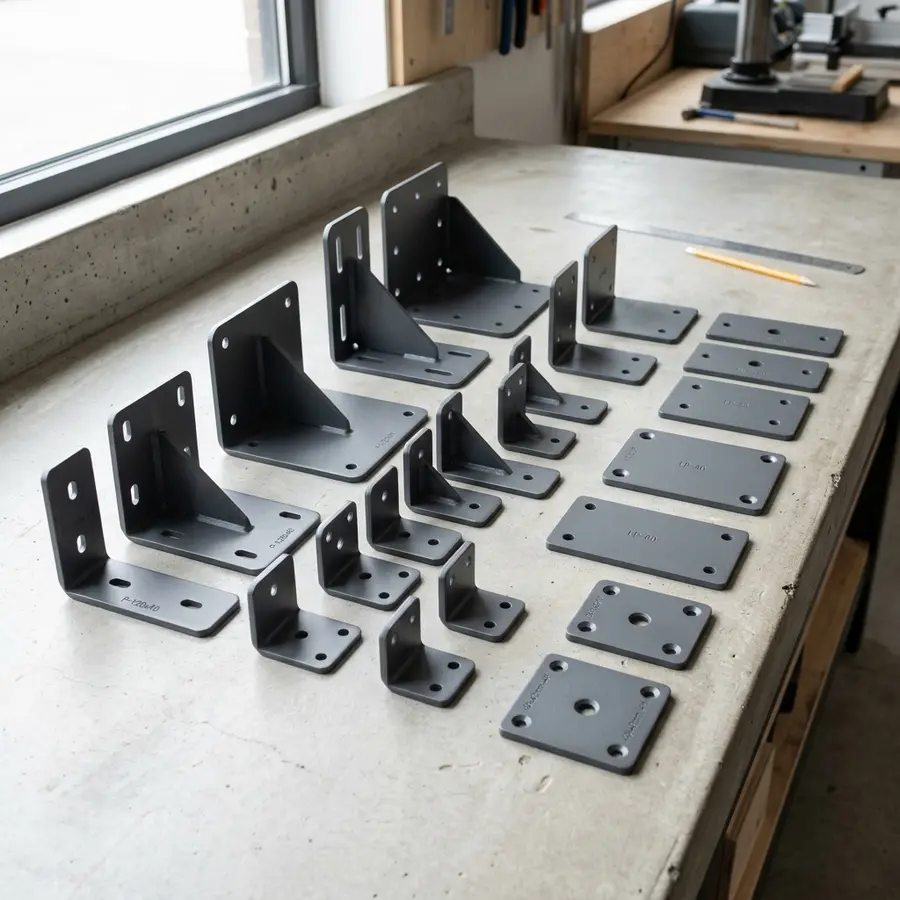
Build the inspection plan around the failure risk
| Risk | Possible control | Evidence to define |
|---|---|---|
| Poor adhesion | Approved substrate preparation and project-specific adhesion check. | Method, sample location, frequency and acceptance. |
| Blocked thread or tight fit | Masking map, gauges, mating-part check or controlled cleanup. | Which features are checked and who accepts them. |
| Color or texture drift | Controlled sample, viewing conditions and batch identification. | Reference, allowable range and approval owner. |
| Thin edge or recess coverage | Geometry review, rack strategy and agreed inspection points. | Critical locations and applicable requirement. |
| Under-cure or process drift | Approved cure control and records when specified. | Required record, lot link and retention period. |
| Shipping damage | Protection film, separators and pack-out review. | Cosmetic zones, handling route and pack approval. |
Control the outside-processing handoff
When powder coating is performed by a qualified long-term partner, the fabricator still needs a controlled handoff. The purchase or process instruction should identify the part revision, substrate, finish system, masking, appearance reference, tests, records, packaging and disposition route for nonconforming work.
For a deeper subcontractor-control checklist, read how to control outsourced powder coating. For appearance zones and viewing conditions, use the powder-coated cosmetic standards guide.
Verify assembly and protect the finish
Inspection should return to the actual part function. Confirm the specified masked areas, check interfaces affected by coating buildup and examine visible surfaces under the agreed conditions. When the scope requires trial assembly, perform it after coating rather than assuming a bare-metal fit will survive the finish.
Finished parts should not rub against each other in the carton. Use separators, corner protection, protective film and labels appropriate to the geometry and shipping route. Packaging is not glamorous, but neither is explaining a pallet of scratches.
What to send for a coordinated project
- Current STEP or STP file and controlled 2D drawing.
- Material grade, thickness and any approved substitutions.
- Finish system, color, texture, gloss and controlled sample where applicable.
- Masking map, grounding zones, gasket lands and critical fits.
- Indoor, outdoor, wet, chemical or abrasive exposure conditions.
- Required inspection, test records and approval owner.
- Prototype, pilot and forecast quantities for useful quotation stages.
- Cosmetic zones, packing requirements and export destination.
For quotation scope and responsibility boundaries, see the powder coating service for sheet metal parts.
Frequently asked questions
Does every powder-coated part need the same pretreatment?
No. Pretreatment depends on the substrate, surface condition, coating system, service environment and project specification. Confirm the approved route for the actual material.
Which areas are commonly masked?
Threads, electrical contacts, protective-earth points, gasket lands, bearing surfaces, sliding fits, datum pads and close-tolerance interfaces are common examples. The drawing should identify the project-specific zones.
How should film thickness be specified?
Use the coating system or project specification, identify the measurement method and critical locations, and consider assembly fit. Avoid applying one number to every geometry and environment.
What evidence should be requested from an outside coating process?
Request only evidence needed by the project, such as process confirmation, batch identity, inspection results, test records, finish samples or photos. Define the method, frequency and acceptance criteria before processing.
Why should parts be checked after coating?
Coating buildup and masking can affect threads, grounding, gasket faces, hinges and tight assemblies. Post-coating checks reconnect finish quality to the part’s actual function.
Define the finish before production
Send the drawing package, substrate, finish reference, masking plan, exposure and evidence requirements. MSTFAB will review the fabricated-part scope and coordinated processing route.
 WeChat Contact
 WhatsApp Me Directly