OEM ALUMINUM ENCLOSURE FABRICATION
Aluminum is a great enclosure material until somebody treats it like lightweight steel. Then the prototype cracks at the bend, the welded door warps, the powder coat hides the grounding point, and the buyer gets a very expensive lesson in material behavior. This guide is for OEM buyers who need custom aluminum sheet metal enclosure fabrication without buying a mystery box.
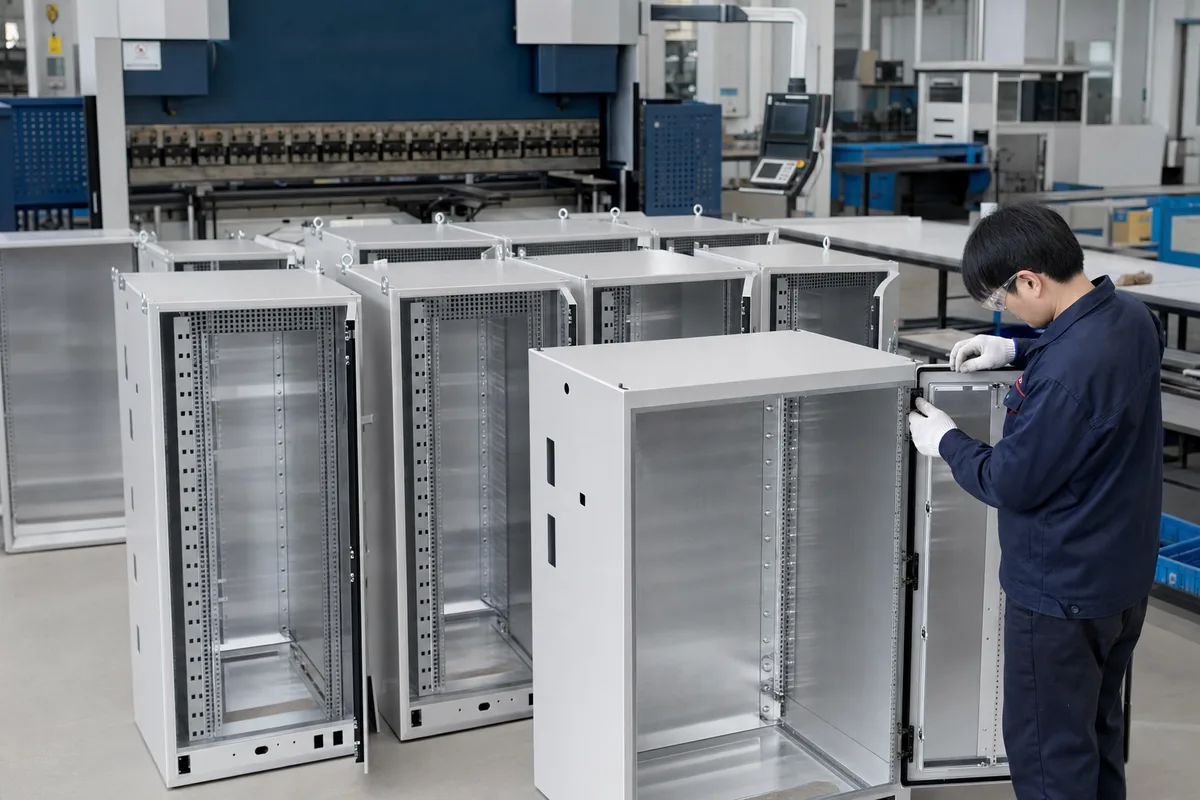
Quick Answer: What Makes Aluminum Enclosure Fabrication Different?
For most bent enclosure shells, 5052 aluminum is the safer choice because it forms well, resists corrosion and accepts powder coating or anodizing. 6061 is stronger, but it does not enjoy tight bends. Use it carefully for machined plates, thicker brackets or designs with generous bend radii. The big buying risks are bend cracks, welding distortion, galvanic corrosion, scratched cosmetic faces, masked grounding points and weak export packaging. In plain English: aluminum saves weight, but only if the supplier respects the metal.
What MSTFAB Makes, and What We Do Not Make
| Buyer Requirement | MSTFAB Scope | Not Included |
|---|---|---|
| Lightweight equipment housing | Custom empty aluminum cabinet, box, cover, door, chassis, panel and mounting rail from your drawings. | Internal electronics, PCB, inverter, charger module, battery cell or completed product assembly. |
| Outdoor enclosure shell | Rain lips, sloped covers, gasket channels, drain details, louvers, powder coat or anodizing preparation. | Electrical system design, IP/NEMA certification of the final assembled device, wiring or field installation. |
| Ready for your assembly line | PEM inserts, welded studs, masked threads, deburred cable cutouts, protective film and export-safe packing. | Switches, displays, cables, software, charging/payment functions or complete machine testing. |
Why OEM Buyers Choose Aluminum
Aluminum is roughly one-third the weight of steel, so it helps wall-mounted cabinets, portable equipment housings and telecom boxes ship and install more easily. Your installer will not send a thank-you card, but their back will know.
Aluminum forms a protective oxide layer, making it useful for outdoor and coastal projects. For harsh washdown chemicals or salt-heavy exposure, stainless may still be the better choice.
Aluminum supports brushed, anodized and powder coated finishes. It is a strong choice when the enclosure is customer-facing and scratches would make the product look cheap before it even powers on.
Aluminum conducts heat well, which can help equipment shells dissipate heat. But the enclosure is still an empty shell from us – your thermal engineer owns fan choice, electronics layout and final system validation.
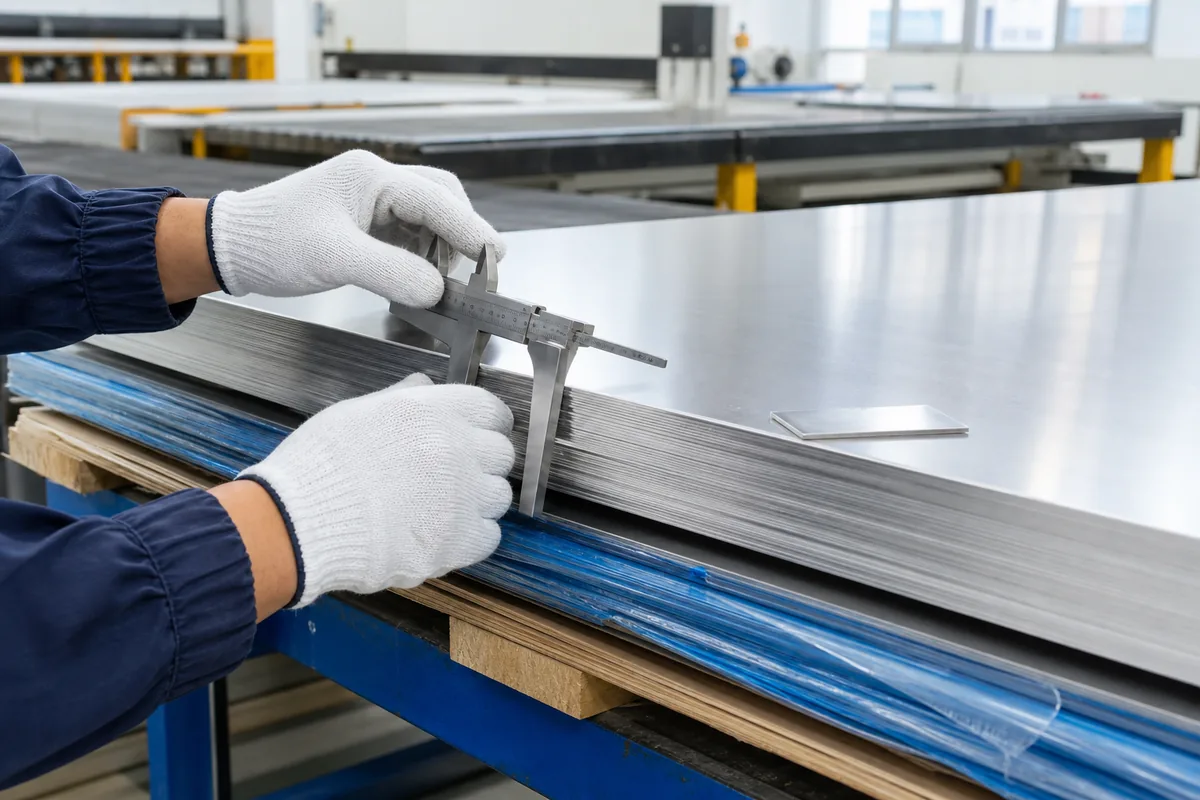
5052 vs 6061: Do Not Pick by Habit
The fastest way to ruin an aluminum enclosure is to choose an alloy because the last project used it. The alloy decides bend radius, weld behavior, surface quality and sometimes the price.
| Material | Best For | Buyer Warning |
|---|---|---|
| 5052-H32 Aluminum | Bent enclosure shells, doors, covers, panels, light outdoor cabinets and cosmetic housings. | Usually the practical enclosure choice. Still needs correct bend radius and scratch protection. |
| 6061-T6 Aluminum | Machined plates, stronger brackets, thicker structural parts and components with limited forming. | Can crack on tight bends. If someone says “same as 5052,” quietly move your chair away from the fire. |
| 5083 / 5754 Aluminum | Marine, transport or heavier corrosion-focused applications when specified by the buyer. | Check stock and lead time before promising delivery. Special grades can turn a quote into a waiting room. |
DFM Rules That Save the Prototype
Good aluminum enclosure fabrication starts before cutting. If the drawing ignores how aluminum bends, welds and scratches, the factory floor only reveals the problem with better lighting.
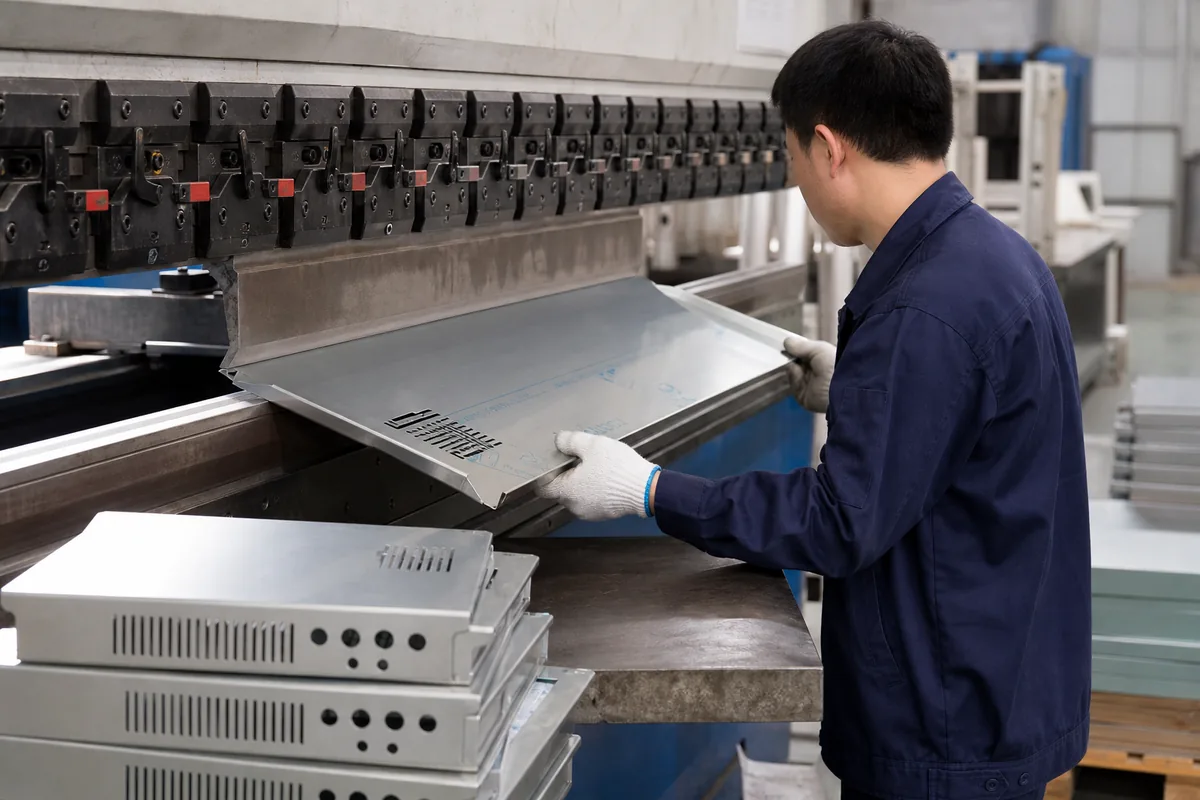
- Use a safe bend radius: 5052 can form well, but tight bends still create stress. 6061 needs even more respect.
- Keep holes away from bends: Holes too close to a bend line stretch into strange shapes and make hardware alignment painful.
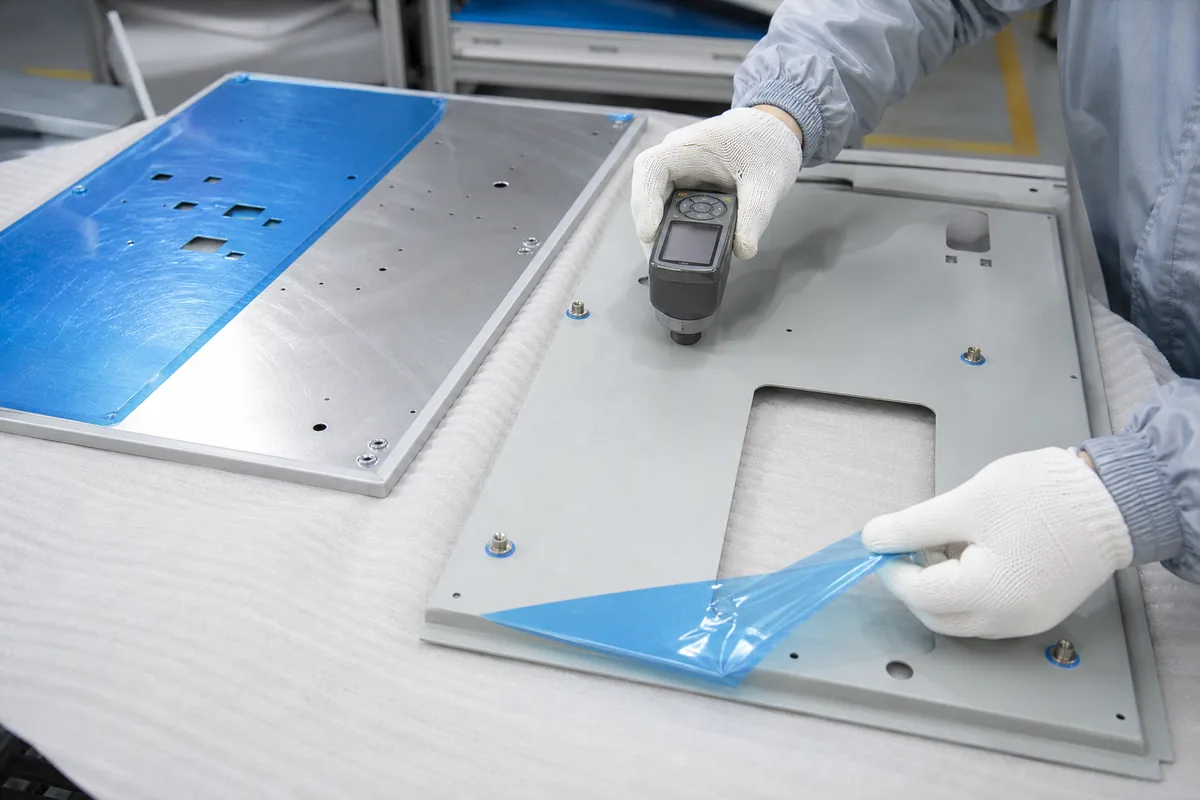
- Protect cosmetic faces: Use PE film and padded handling for visible panels. Aluminum scratches if you look at it with bad intentions.
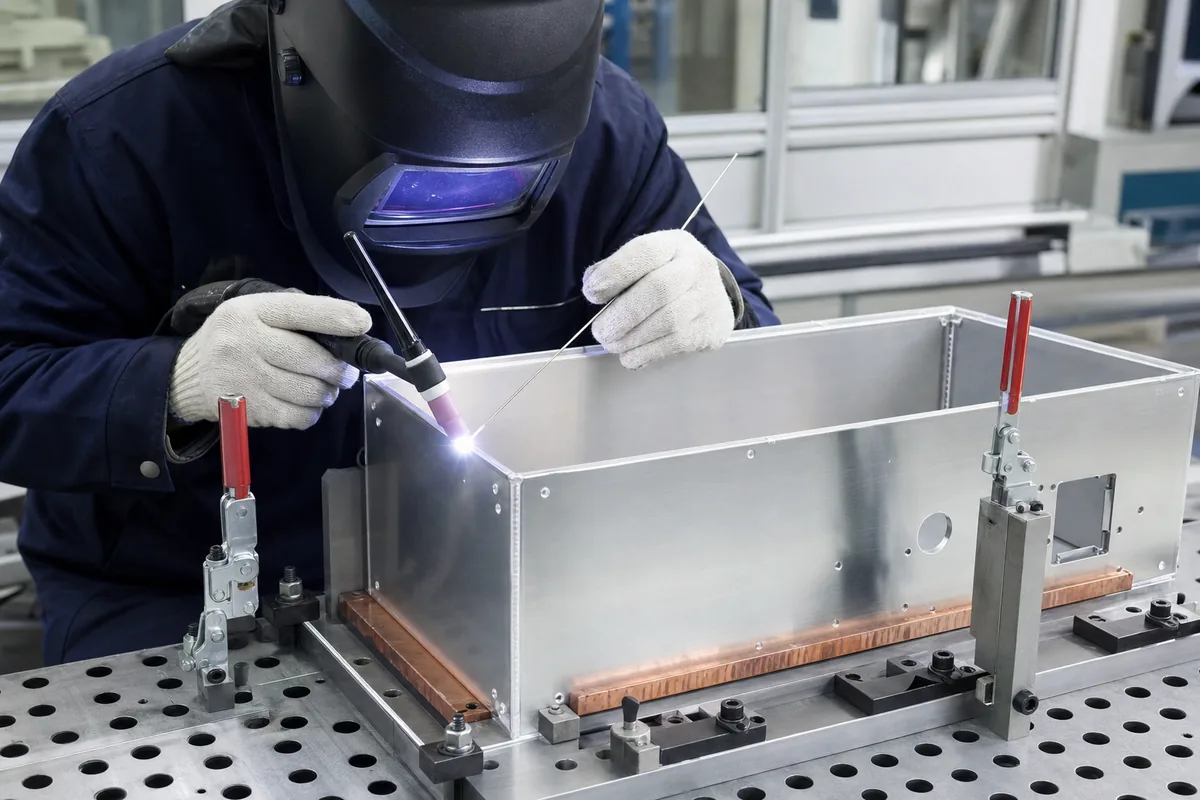
- Control welding heat: TIG welding needs fixtures, sequence control and sometimes heat sinks to reduce warpage.
- Isolate dissimilar metals: Stainless or steel fasteners touching aluminum in humidity can trigger galvanic corrosion.
- Mask grounding and threads: Powder coat on threads and grounding studs turns final assembly into hand-scraping misery.
Welding, Riveting or Fasteners?
Welding looks clean, but aluminum moves under heat. Thin panels can warp, door openings can go out of square, and a beautiful CAD box can become a banana with hinges. For structural corners, MSTFAB uses fixture-controlled TIG or MIG welding when the drawing needs it. For cosmetic covers or lightweight assemblies, rivets, PEM hardware or mechanical fasteners may be smarter because they avoid heat marks and reduce distortion.
Surface Finish: Powder Coat, Anodize or Brushed Aluminum?
Finish is not decoration after the real work. It decides corrosion behavior, cosmetic acceptance, thread masking and final assembly effort. Powder coating is common for outdoor equipment shells and custom colors. Anodizing gives aluminum a premium technical look but has a more limited color range. Brushed aluminum can look excellent, but only if the handling process protects every visible face.
If grounding is required through the enclosure, tell the supplier before coating. Masked studs, bare contact patches and clear inspection photos prevent the classic surprise: “nice paint, no ground.” For a deeper comparison, see our sheet metal surface finishing guide.
Trust Table: What Procurement Should Ask For
| Risk | Ask the Supplier | Good Evidence |
|---|---|---|
| Wrong alloy or thickness | Can you confirm material grade, thickness and stock before production? | Material certificate, incoming inspection photos and thickness check. |
| Cracked bends | What bend radius will you use for this alloy and thickness? | DFM comments, sample bend photos and first article dimensions. |
| Warped welded shell | Will the enclosure be welded in a fixture, and how will distortion be controlled? | Fixture photos, weld sequence review and flatness check. |
| Assembly trouble after coating | Which holes, threads and grounding points will be masked? | Masking plan, coating thickness check and post-coat thread verification. |
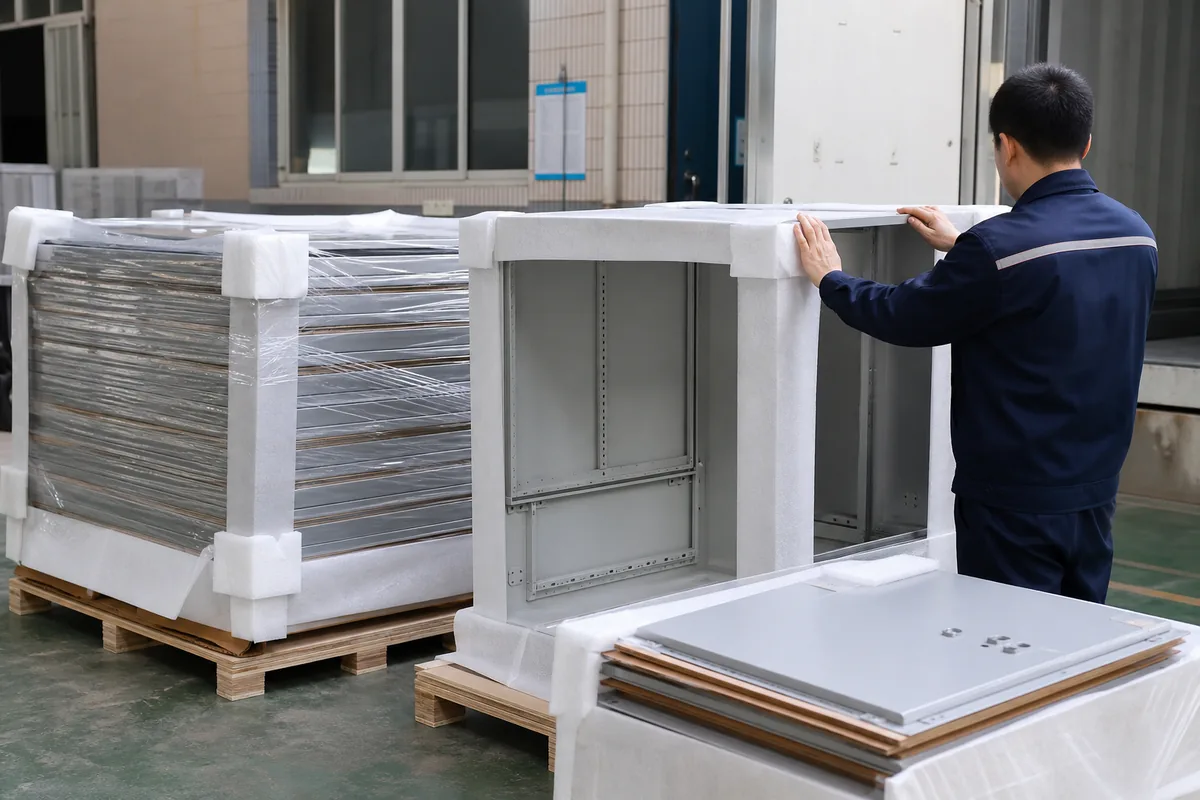
| Damage in transit | How are doors, corners and cosmetic faces protected for export? | Packing photos, foam edge guards, interlayers and pallet/crate specification. |
How to Send a Clear RFQ
A clear aluminum enclosure quote needs more than a nice STEP file. Send the 3D model, 2D drawing, material grade, thickness, finish, quantity, tolerance table, hardware list, gasket expectation, cosmetic surface requirements and packaging requirements. Also state what you will install inside the shell, but do not ask the enclosure supplier to guess the electrical design. Guessing is cheap until production starts.
For quote structure and hidden cost checks, use the approach in How to Read a Sheet Metal Quote. For tolerance decisions, see sheet metal tolerances explained for OEM buyers. For design rules before release, review DFM design rules for sheet metal parts.
Common Mistakes That Waste Money
- Specifying 6061 for a tight-bent enclosure because it sounds stronger.
- Calling out “aluminum” without grade, thickness or temper.
- Forgetting that powder coat adds thickness and can block threaded holes.
- Using stainless fasteners directly against aluminum without isolation in outdoor environments.
- Judging only the unit price and ignoring packaging, setup, finish and inspection.
- Assuming the enclosure supplier also provides electronics or system certification.
Frequently Asked Questions
Is 5052 or 6061 better for aluminum sheet metal enclosures?
For most bent enclosure shells, 5052-H32 is the safer and more practical choice because it forms well and resists corrosion. 6061 is stronger but can crack on tight bends, so it is better for machined plates, thicker brackets or designs with generous bend radii.
Does MSTFAB supply complete electrical products?
No. MSTFAB supplies empty aluminum sheet metal enclosures and related fabricated parts. We do not supply electronics, batteries, chargers, wiring harnesses, software or finished electrical systems.
Can aluminum enclosures be powder coated?
Yes. Powder coating is common for aluminum equipment housings, especially when a custom color or outdoor finish is required. Threads, grounding points and close-fit areas should be masked or verified after coating.
How do you prevent aluminum enclosure scratches?
Use PE protective film, padded work surfaces, interlayers between panels, glove handling and export packaging with foam corner protection. Cosmetic aluminum panels need scratch control from cutting through final packing.
What should I include in an aluminum enclosure RFQ?
Send STEP and 2D drawings, alloy, thickness, finish, quantity, tolerance table, hardware, gasket details, visible surface requirements, packaging requirements and target application. The clearer the RFQ, the fewer expensive surprises later.
Need an Empty Aluminum Enclosure Shell?
Send MSTFAB your drawings and target application. We will review alloy choice, bend radius, welding risk, finish masking and packing requirements, then quote the sheet metal enclosure shell only – cleanly, directly and without pretending to be your electronics supplier.
 WeChat Contact
 WhatsApp Me Directly