
Machinery Enclosure Drip Protection DFM: Water Paths, Drip Edges and FAI
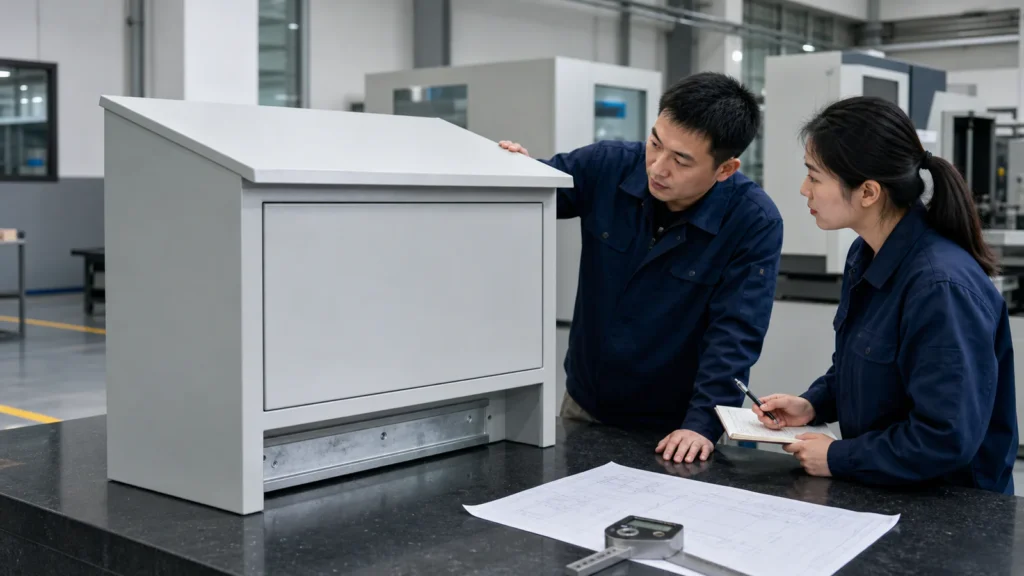
A buyer-focused DFM guide to machinery enclosure roof slope, drip edges, seams, door setback, protected louvers, gland plates and production-intent FAI.
Industrial Enclosure Disconnect Handle DFM Guide
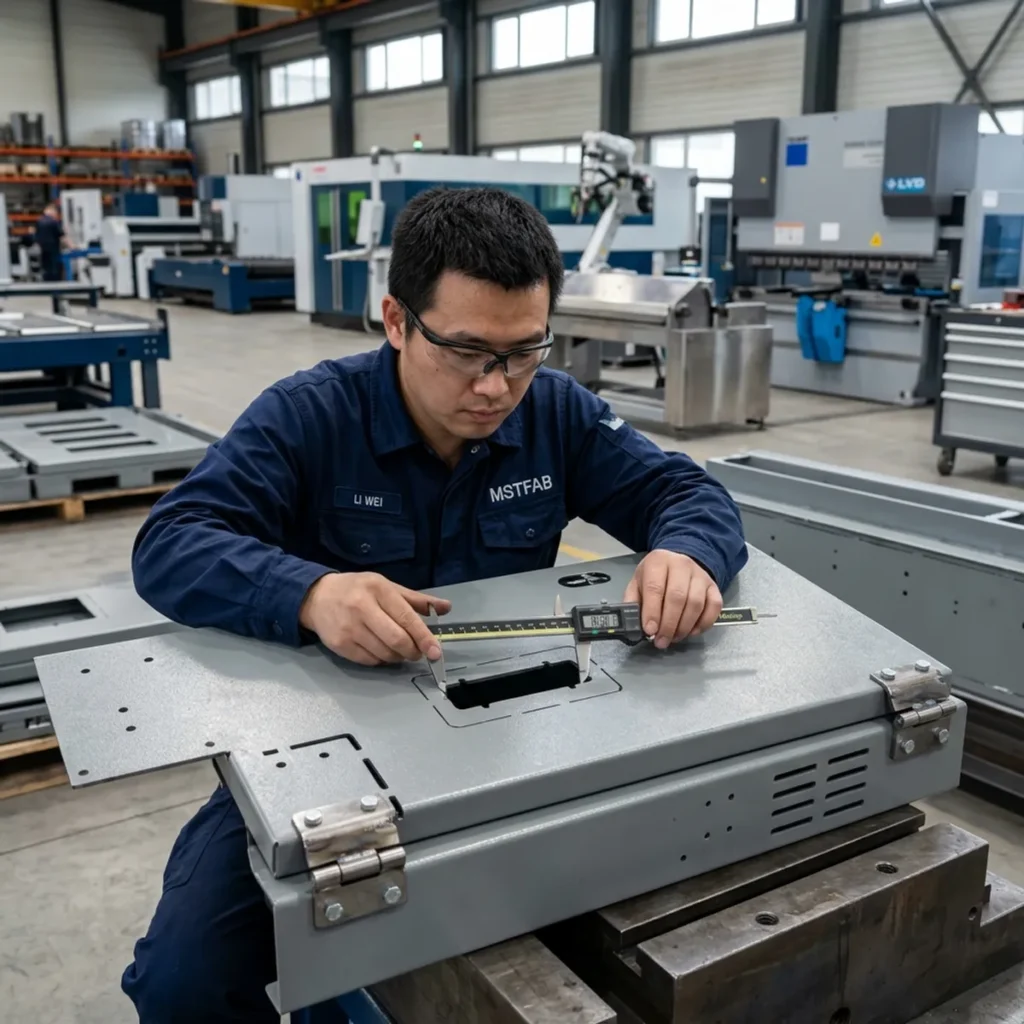
DFM guide for buyer-defined industrial enclosure disconnect handle interfaces: door cutouts, shaft alignment, support depth, FAI, and change control.
Machine-Mounted Electrical Enclosure DFM: Mounting Brackets, Bolt Patterns and Vibration Interfaces
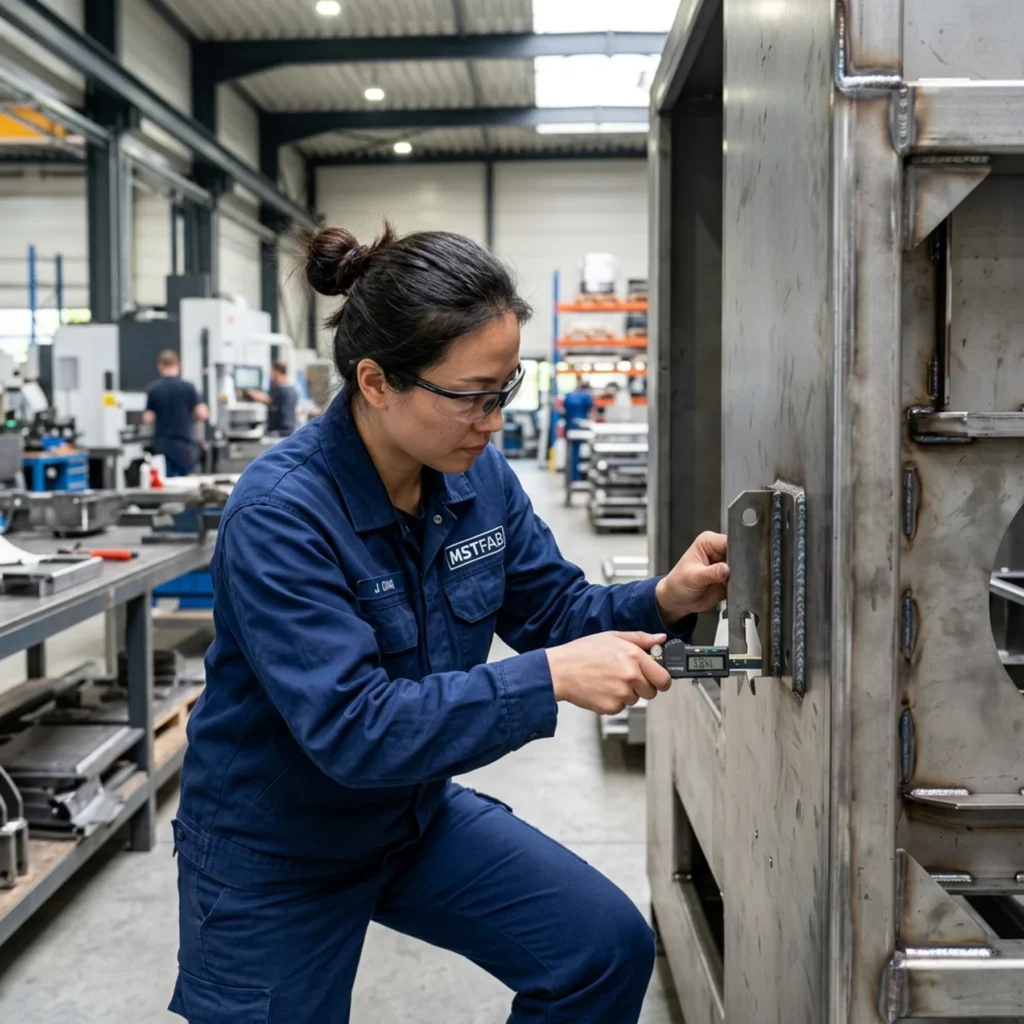
Quick Answer A machine-mounted electrical enclosure can be perfectly square and still be a bad machine component. Why? Because the enclosure does not spend its life sitting peacefully on an inspection table. It gets bolted to a machine frame, vibrated, opened for service, loaded with buyer-installed equipment, pulled by cables, supported through brackets and flanges, […]
Electrical Enclosure Ventilation & Louver DFM Guide for OEM Buyers | MSTFAB
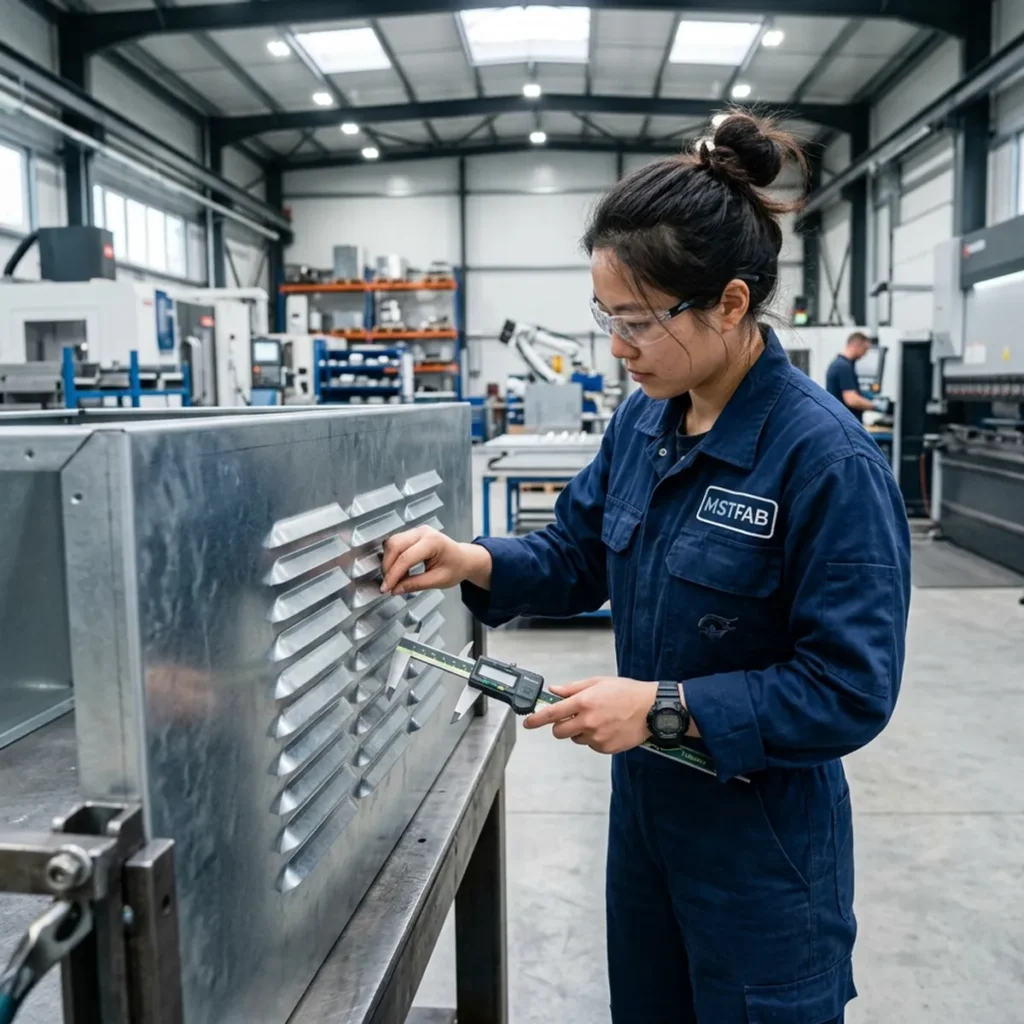
⚡ Direct Answer: How to Design Sheet Metal Ventilation Louvers for Electrical Enclosures? Electrical enclosure ventilation louver DFM requires balancing convective heat rejection with NEMA/IP ingress protection. Key engineering rules include: 1) Standardize Louver Tooling (use standard 76mm, 102mm, or 152mm form tools to avoid $600+ custom punch fees); 2) Orient Louver Openings Downward with […]
Inner Cover Cutout Alignment DFM for Empty Electrical Enclosure Shells
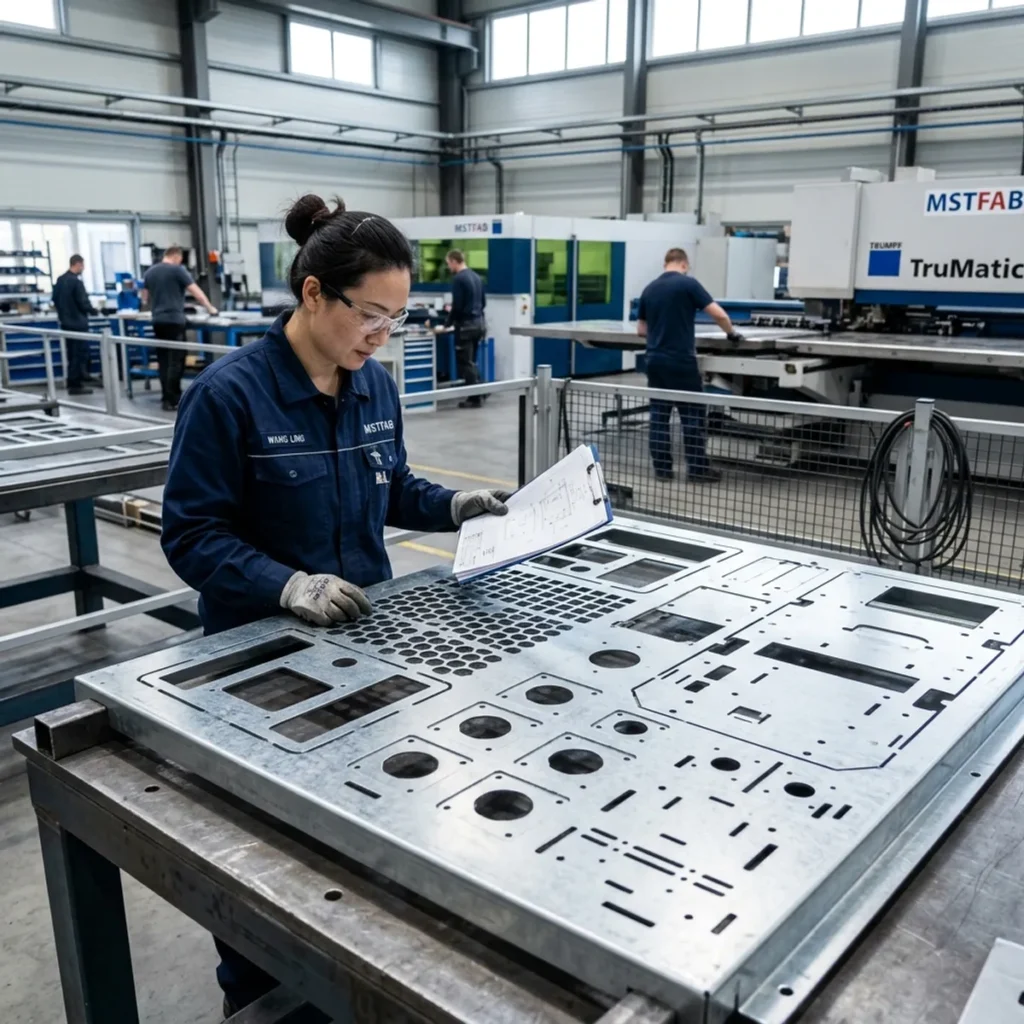
BUILD-TO-PRINT INNER COVER METALWORK Quick answer: inner cover cutout alignment DFM defines how a buyer-designed secondary panel lines up with equipment behind it after laser cutting, bending, hardware installation and finishing. MSTFAB manufactures the empty enclosure shell, inner cover and drawing-defined mechanical interfaces. MSTFAB does not install electrical devices, perform wiring or certify a finished […]
Electrical Enclosure Mounting Plate DFM: Datums, Hole Patterns and Assembly Fit
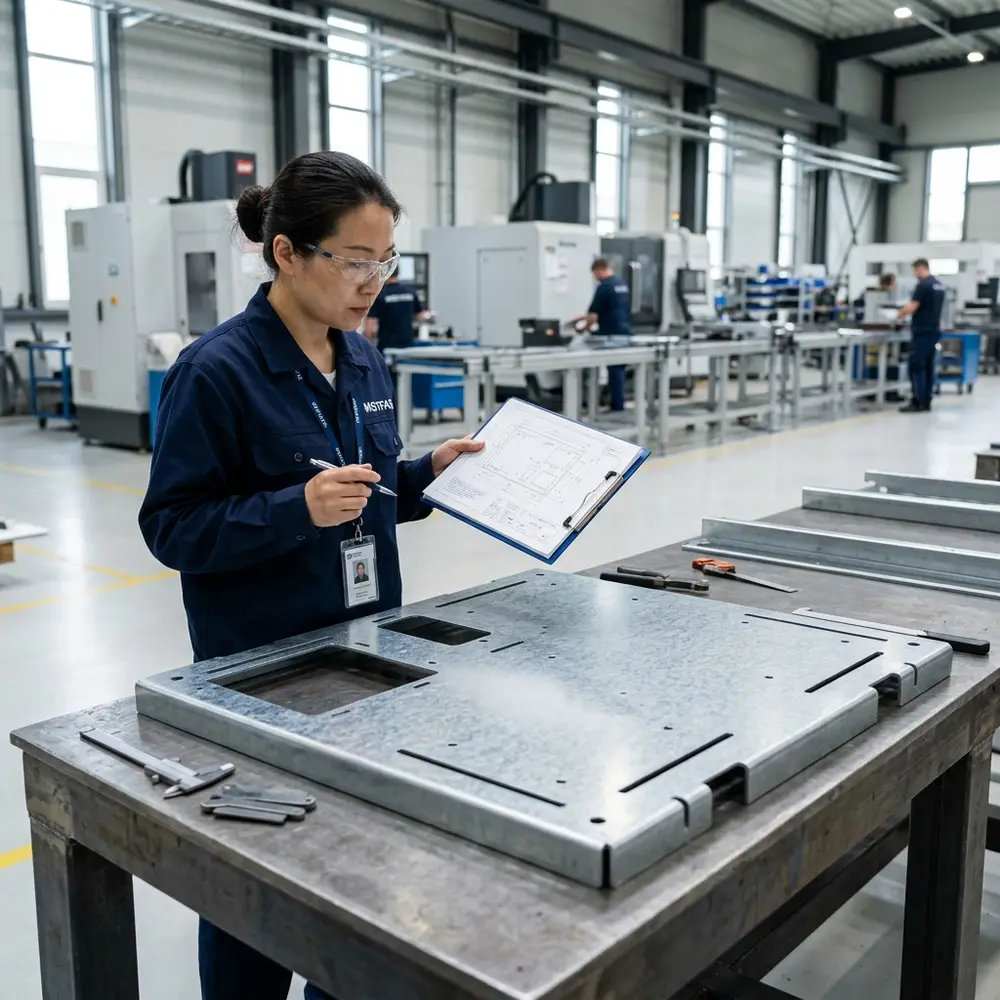
BUILD-TO-PRINT MOUNTING PLATE METALWORK Quick answer: electrical enclosure mounting plate DFM controls how a buyer-designed plate locates inside an empty cabinet shell after cutting, forming, stud welding and finishing. MSTFAB fabricates the shell, mounting plate and drawing-defined mechanical interfaces. We do not select electrical components, wire panels, perform energized tests or certify completed electrical equipment. […]
PEM Hardware DFM for Medical Equipment Enclosure Shells: Inserts, Studs and Standoffs That Stay Put
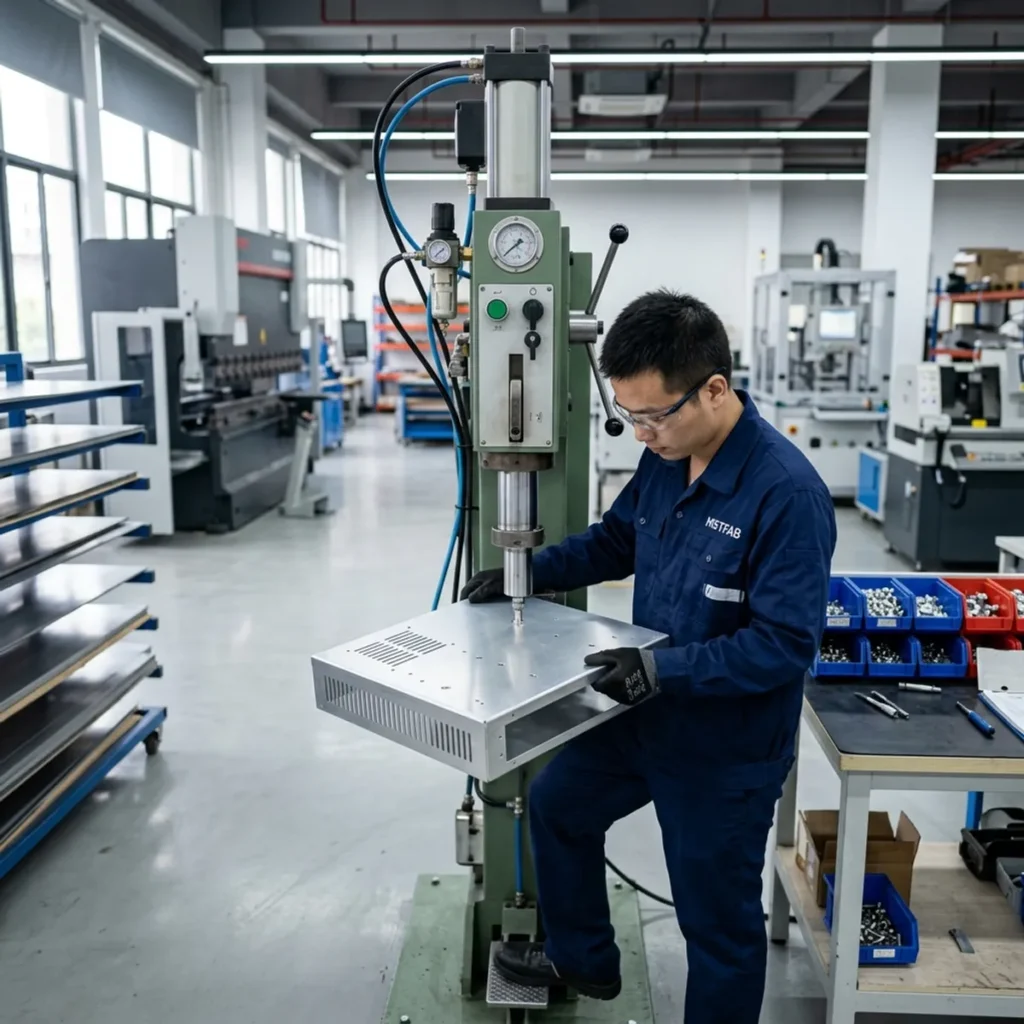
Direct Answer: PEM Self-Clinching Hardware DFM Rules for Medical Device Enclosures Preventing self-clinching PEM fastener spin-out, sheet bulging, and cosmetic A-surface read-through on medical enclosures requires matching fastener hardness to the parent sheet (CLS/SOSS stainless inserts for 5052-H32 aluminum; SOS4/FHS4 for 304 SS), holding laser-cut mounting holes to +0.08/–0.00 mm, and enforcing minimum centerline-to-bend distance […]
Washdown Enclosure Door Sealing DFM: Gasket Lands, Latch Compression and Weld Distortion
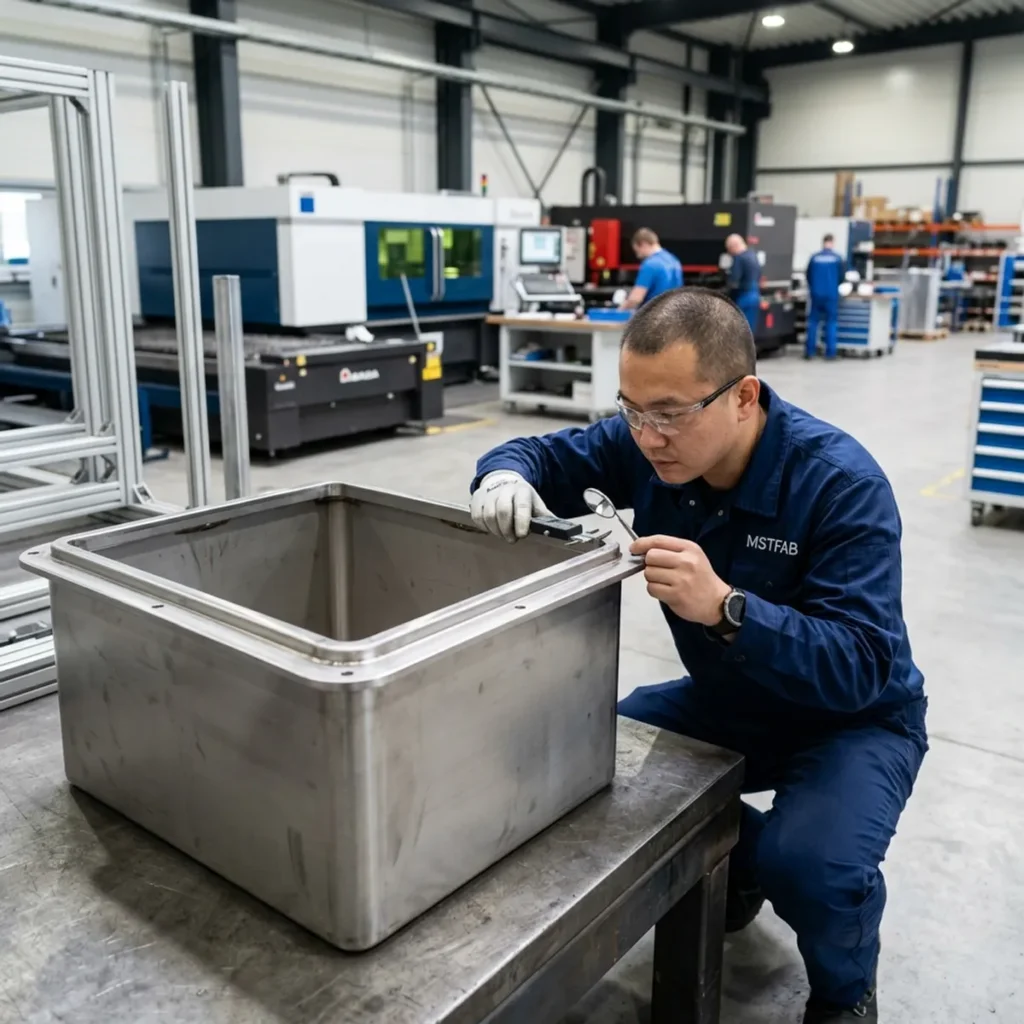
Quick Answer A washdown enclosure does not seal because somebody glued a gasket around the door. It seals only when several mechanical features work together: Cabinet opening geometry, Door flatness, Gasket-contact land, Hinge position, Latch position, Latch compression, Weld distortion control, Corner geometry, Coating thickness, Cable-entry interfaces, Hardware, and Final assembly condition. That means sealing […]
Automation Enclosure Cable Entry DFM: Gland Plates, Conduit Cutouts and Service Clearance
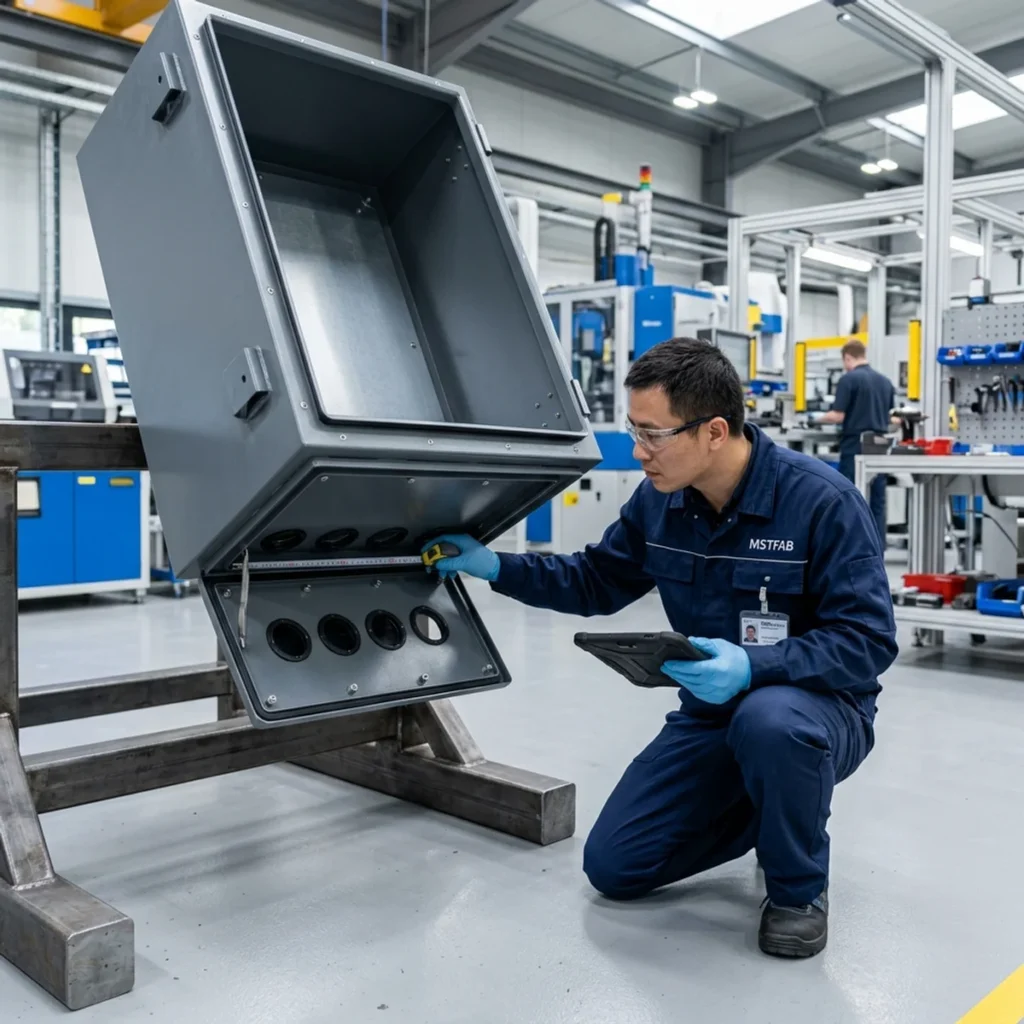
Automation enclosure cable entry DFM checklist for gland plates, conduit cutouts, connector fit, tool access, sealing, coating and first-article inspection.
 WeChat Contact
 WhatsApp Me Directly