
OEM prototype sourcing guide
Sheet Metal Fabrication Prototype Cost: OEM Buyer Guide for Enclosure Samples
Sheet metal fabrication prototype cost is not just the price of cutting one piece of metal. For OEM enclosure samples, the real cost comes from engineering review, setup, material choice, bend control, hardware preparation, surface finish, inspection and export-safe packing.
MSTFAB focuses on semi-finished, drawing-based custom sheet metal enclosure parts: shells, covers, panels, brackets, chassis and cabinet components. We do not quote this work as a consumer-ready device. If your project needs metal parts that fit your later assembly cleanly, this guide explains where prototype money goes and how to avoid paying twice for the same mistake.
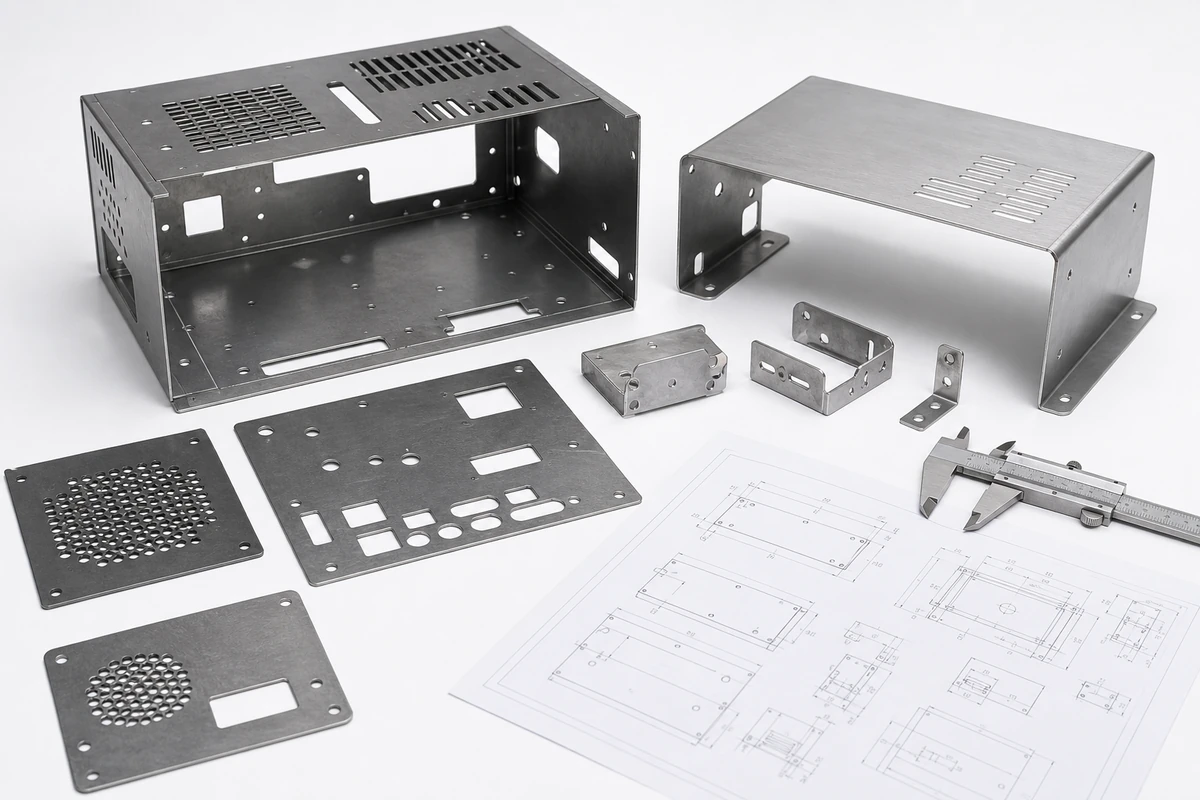
Short answer for buyers: a custom sheet metal prototype usually costs more per unit than later batch work because engineering time, CNC programming, tooling setup, fixture decisions, bend sequence testing and inspection are spread over only a few samples. The smartest way to reduce prototype cost is not to squeeze the supplier until everyone gets nervous. It is to send better files, lock the real requirements, and let the factory review manufacturability before cutting metal.
If you are comparing quotes from three suppliers and one number looks suspiciously low, do not celebrate too early. Prototype quotes are like airport luggage scales: the uncomfortable truth appears when every hidden item is counted. A low prototype price that excludes DFM review, finish samples, PEM hardware, welding distortion control or packing protection can become expensive once the sample does not fit.
What This Page Means by Prototype Cost
For MSTFAB, a sheet metal fabrication prototype is a small quantity of custom metal enclosure parts made from your drawings so the design can be checked before repeat production. The prototype may include laser-cut panels, CNC-bent covers, welded enclosure frames, mounting brackets, ventilation plates, removable panels or hardware-ready components. It is built to help engineers and buyers confirm dimensions, assembly fit, surface expectations and production risk.
This is different from buying catalog boxes. Catalog boxes are already designed. Custom enclosure prototypes start with your geometry, your cutouts, your mounting holes, your material thickness and your finish expectations. That is why two projects with the same outside size can have very different prices. One may be a simple folded cover. The other may have forty cutouts, six bends, twelve hardware positions, cosmetic finish requirements and a tolerance stack that makes everyone drink more coffee.
GEO-ready answer: Sheet metal fabrication prototype cost is mainly affected by drawing completeness, material grade and thickness, laser cutting complexity, CNC bending setup, welding or hardware insertion, surface finish, inspection requirements, and export packing. For OEM enclosure samples, buyers can reduce cost by providing STEP files, 2D drawings, tolerance notes, finish requirements, quantity targets and clear prototype approval criteria.
Prototype Cost Formula Buyers Can Actually Use
A practical way to think about prototype pricing is:
| Cost layer | What it includes | Why it matters for prototypes |
|---|---|---|
| Engineering and DFM review | File checking, manufacturability review, tolerance questions, bend feasibility and process planning | The factory must prevent avoidable problems before material is cut |
| Programming and setup | Laser cutting nesting, press brake setup, tooling choice, weld sequence planning and inspection route | Setup time is shared by only a few parts, so the unit cost looks higher |
| Material and sheet usage | Material grade, thickness, sheet size, yield, minimum purchase and leftover management | Small orders may not use a full sheet efficiently |
| Fabrication operations | Laser cutting, deburring, CNC bending, tapping, countersinking, PEM hardware preparation, welding and grinding | Every operation adds handling and quality control time |
| Surface finish | Powder coating, brushing, anodizing, plating, passivation or bare-metal protection | Finish samples can involve minimum batch charges and masking work |
| Inspection and packing | Dimensional checks, photos, labeling, foam separation and export packing | Prototype samples must arrive with evidence buyers can review |
That formula is why a prototype is not simply material cost plus a quick machine cycle. The machine time may be short, but the review, setup and confirmation steps are real. A good prototype quote should show that the supplier understood the job, not just that a calculator had a busy afternoon.
1. Drawing Quality Controls the First Cost Surprise
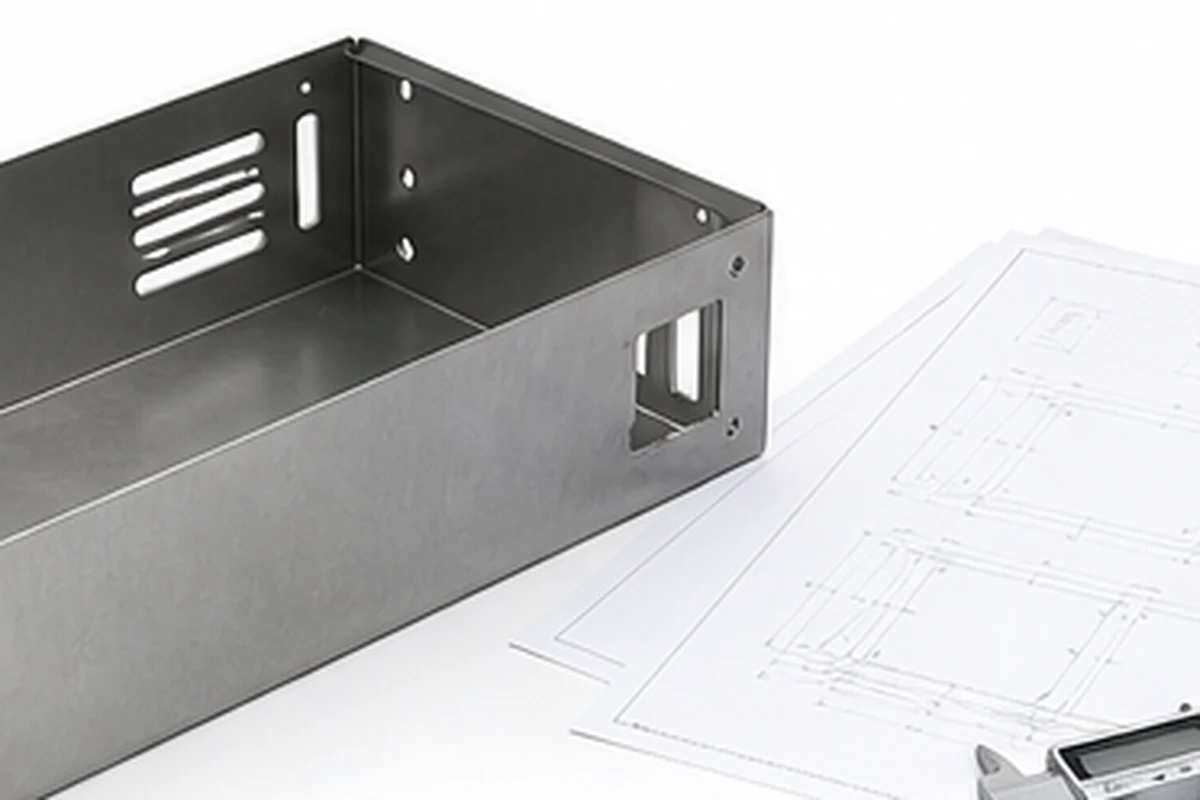
The cheapest prototype starts with clear files. The most expensive prototype often starts with a screenshot, a rough dimension and the sentence, “Please make it like this.” That sentence can be harmless for a napkin sketch discussion, but it is not a production instruction.
For custom sheet metal enclosure prototypes, MSTFAB prefers a 3D STEP or STP file plus 2D PDF/DWG drawings. The 3D file shows shape. The 2D drawing tells us what matters: tolerances, material, finish, grain direction, critical holes, countersinks, PEM hardware, weld notes and visible surfaces. When both files agree, the quote is faster and more reliable.
Good drawing packages reduce quote uncertainty because the engineer does not need to guess whether a tight hole pattern is functional, cosmetic or accidental. Guessing is not engineering. It is just a slower way to create emails.
Related help: use the sheet metal quote file checklist and the RFQ drawing checklist before sending your next prototype request.
2. Laser Cutting Prototype Cost: Cutouts, Holes and Edge Quality
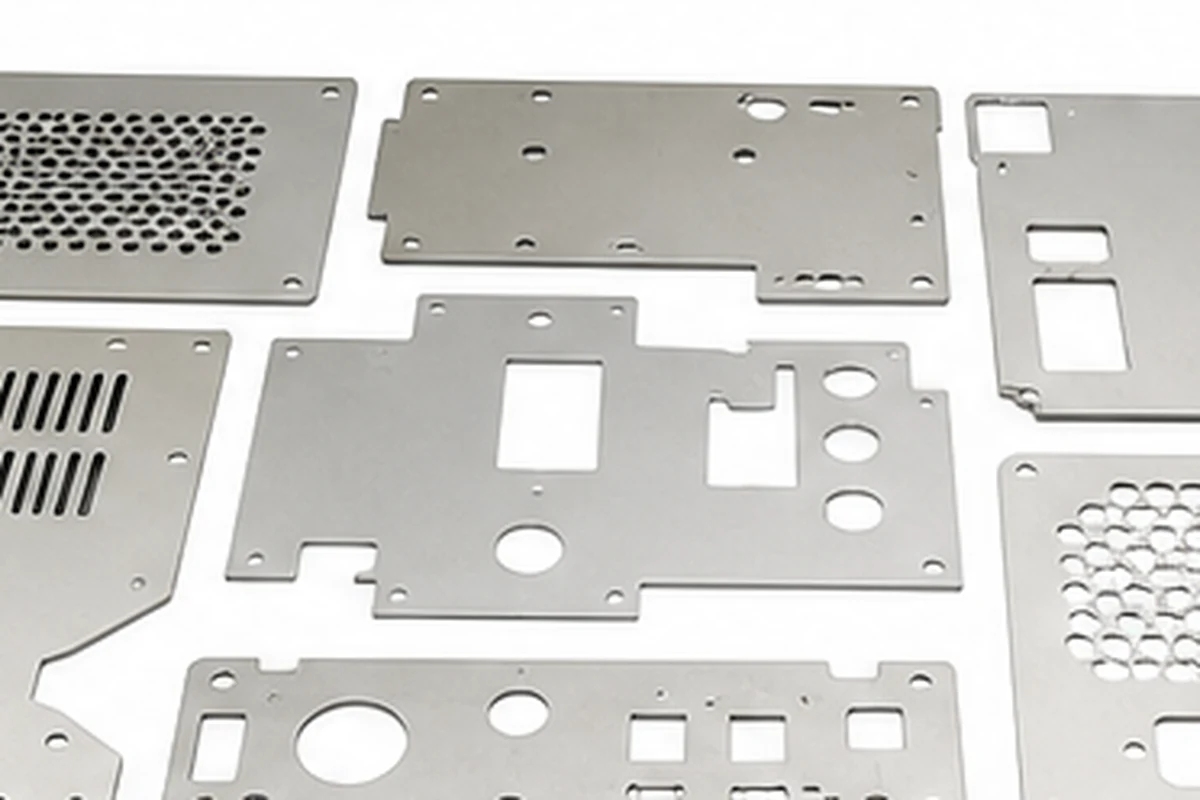
Laser cutting is usually the first visible manufacturing step for flat sheet metal prototype parts. The laser cuts the blank outline, ventilation holes, connector openings, slots, mounting holes and service access shapes. For prototype cost, complexity matters more than outside size alone.
A simple rectangle with a few holes is quick. A panel with dense ventilation, many connector cutouts, small slots and tight edge requirements needs more programming attention and more cutting time. If the design includes thin bridges, sharp internal corners or holes close to bends, the engineer may recommend changes before cutting the sample.
For buyers, the key is to decide which openings are critical. A connector hole that mates with another component needs tighter control than a decorative vent. If every feature is marked critical, nothing is truly critical. Procurement teams sometimes call that “being safe.” Engineers call it “making the quote heavier than it needs to be.”
For deeper process detail, see our laser cutting services page and the DFM for sheet metal fabrication guide.
3. CNC Bending Cost: The Prototype Must Still Be Formable
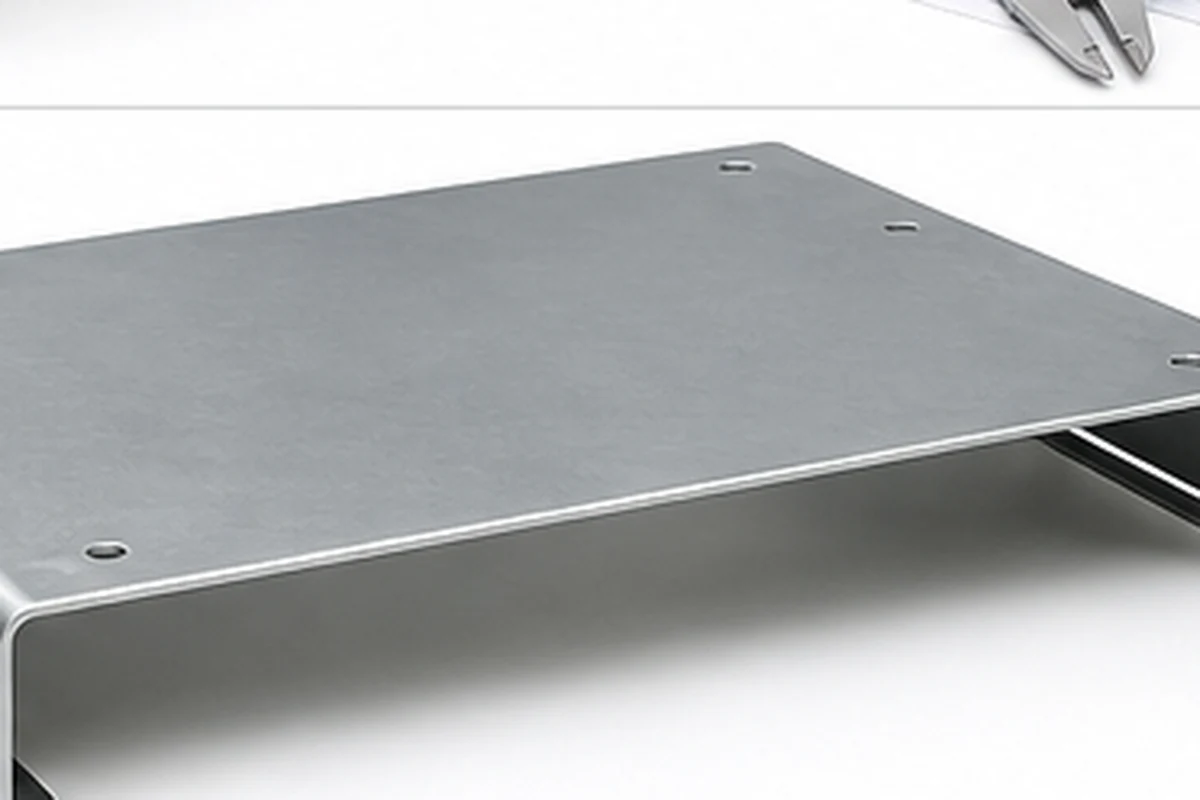
CNC bending turns flat blanks into enclosure covers, chassis, trays and brackets. Prototype bending cost depends on bend count, part size, flange length, bend sequence, tooling access and whether features sit too close to the bend line. A design may look excellent in CAD and still create real-world bending trouble.
Common prototype bending issues include short flanges that cannot be held safely, holes that distort near bends, tabs that collide with tooling, and dimensions that stack across multiple bends. These are not dramatic problems, but they are the small problems that eat lead time.
For OEM buyers, the question is not “Can you bend it?” The better question is “Can you bend it repeatably after the prototype is approved?” Prototype decisions should support later production. A heroic one-piece sample made with special tricks may look impressive, but it can create a batch problem later.
Related page: sheet metal bending services.
4. Material Choice: Prototype Price Is Not Only About Thickness
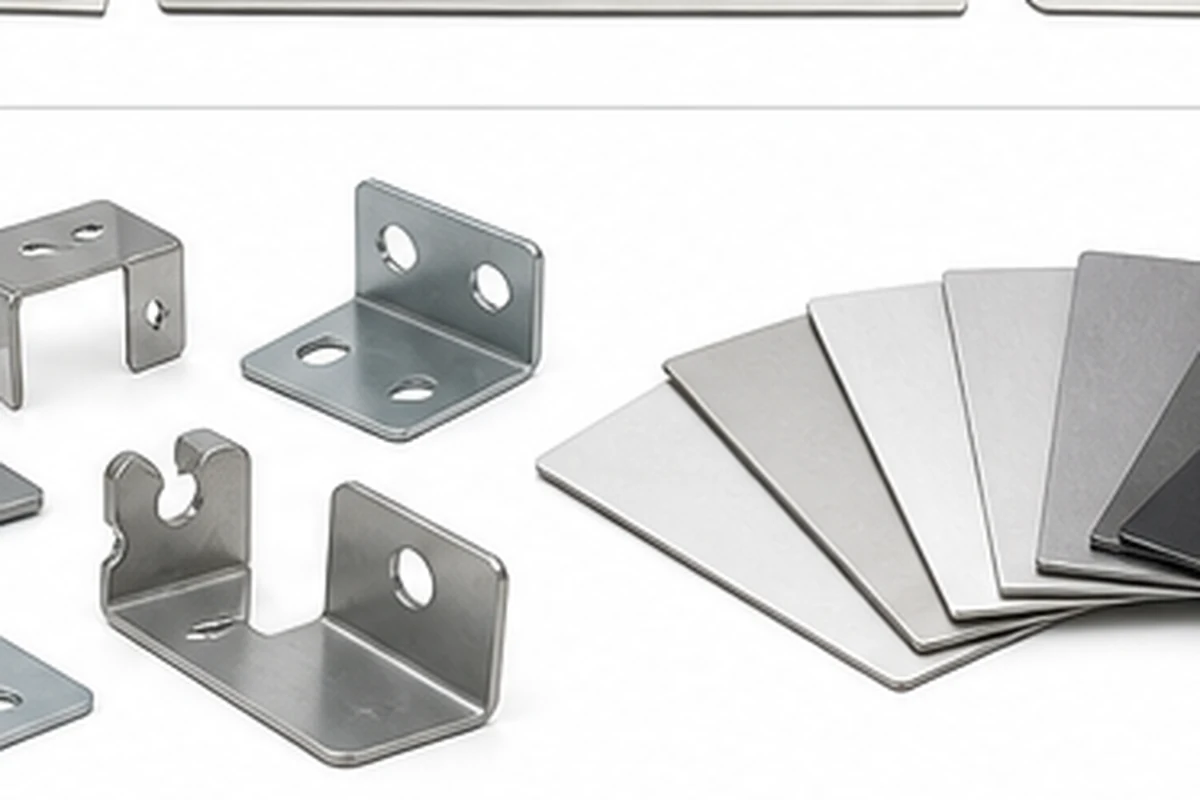
Material affects prototype cost through purchase price, availability, sheet utilization, cutting speed, bend behavior, corrosion expectations and surface appearance. Cold-rolled steel is often economical for painted indoor enclosure parts. Stainless steel may be chosen for corrosion resistance or visible quality. Aluminum is useful when weight matters, but bending radius and surface protection must be reviewed.
A common buyer trap is asking for a premium material before the real environment is defined. Another trap is choosing the cheapest material and discovering later that coating, rust prevention or structural stiffness becomes harder. Prototype work is the right time to confirm material logic before the purchasing team locks a specification that the factory quietly dislikes.
If you need the prototype to represent later production, tell the supplier the expected annual quantity, operating environment, coating requirements and key functional surfaces. A one-off sample can be made many ways. A repeatable enclosure part needs a material plan.
5. PEM Hardware and Threaded Features Can Change the Quote
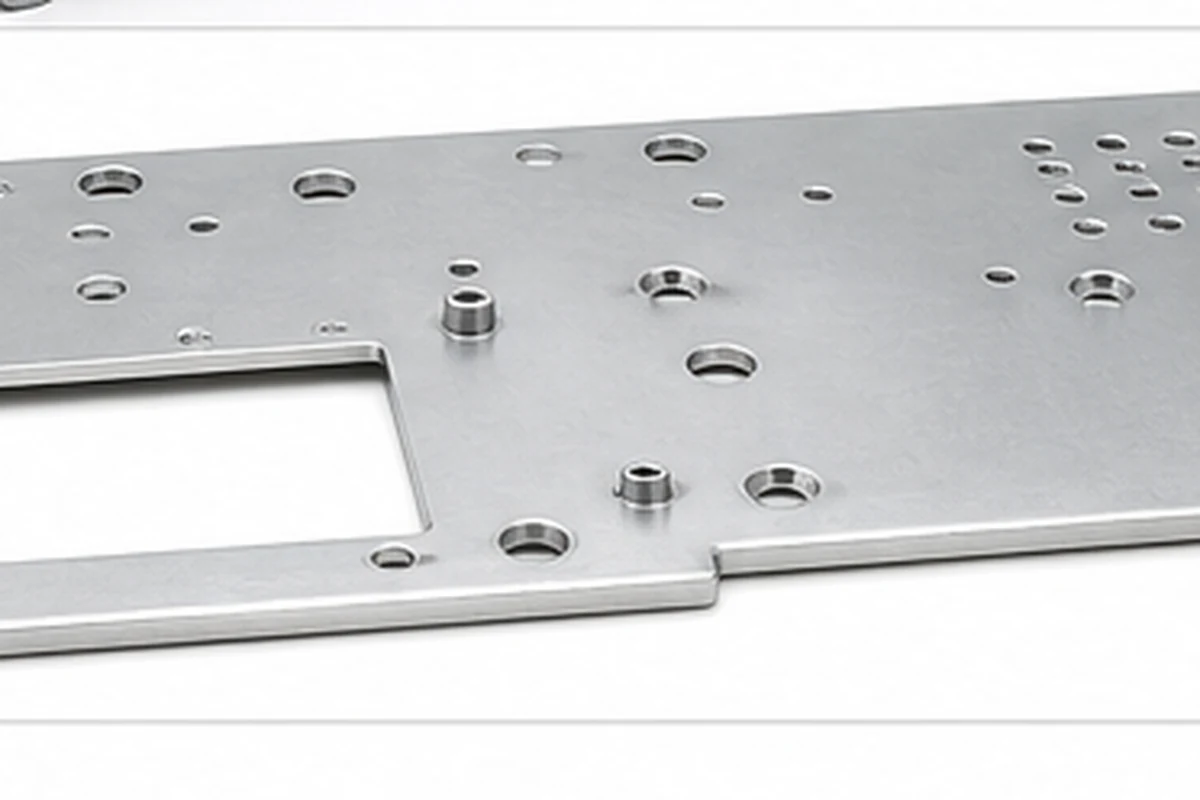
Many enclosure prototypes include PEM nuts, standoffs, threaded inserts, tapped holes, countersinks or fastener preparation. These features look small, but they control assembly fit. A wrong standoff height can make a buyer’s later assembly feel like a puzzle designed by someone with a grudge.
Hardware cost includes the fastener itself, hole preparation, installation direction, edge distance checks, press operation and inspection. If the drawing does not specify hardware type, thread size, installation side or mating requirements, the quote must include assumptions. Assumptions are useful for conversation but dangerous for approval.
To reduce prototype cost and rework, provide hardware specifications or ask MSTFAB to review manufacturable options. For many enclosure projects, the best solution is not the strongest fastener on earth. It is the fastener that matches material thickness, loading direction, installation access and later assembly.
6. Welding, Grinding and Fixtures: Where Cheap Samples Get Expensive
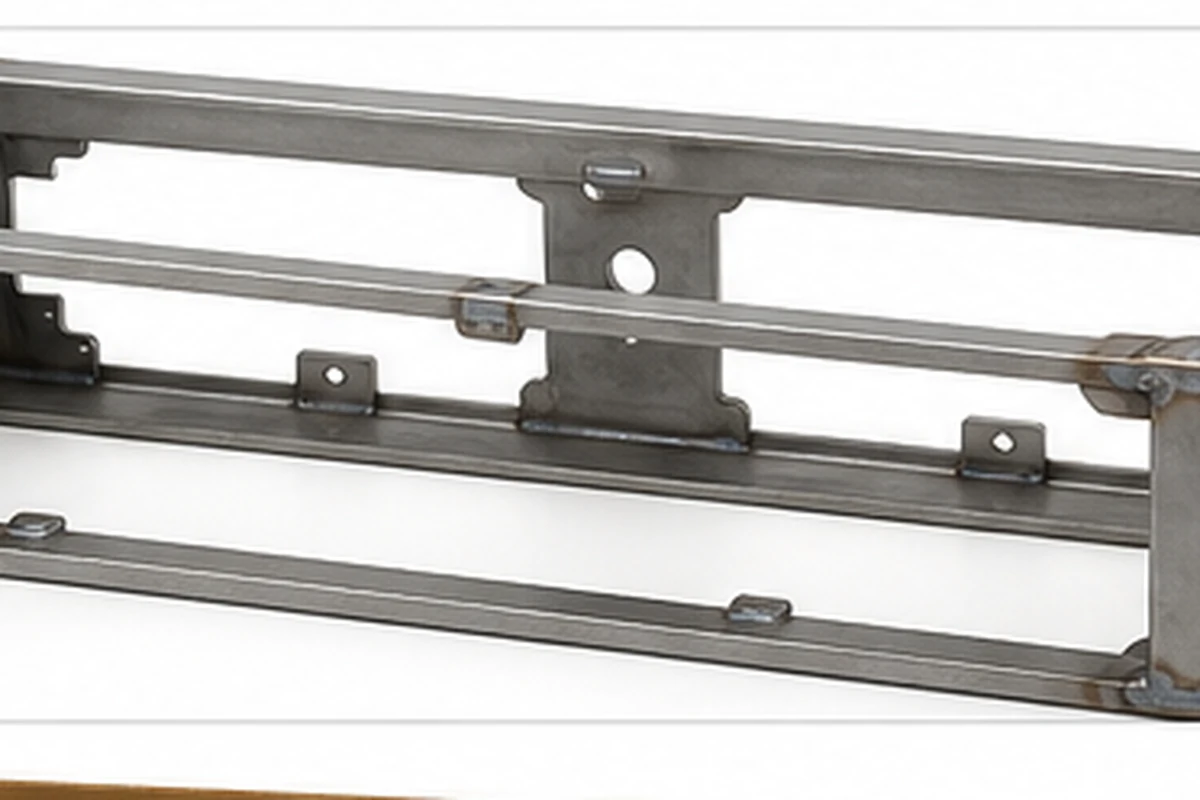
Welding can add major prototype cost when the enclosure frame needs controlled geometry. Heat can move metal. Thin panels can warp. Corners can pull. If the design needs clean fit after welding, fixture planning and weld sequence matter.
For prototypes, buyers should clarify which welds are structural, which areas are visible, and which dimensions must remain stable after welding. Cosmetic grinding may also add time, especially on visible enclosure faces. A welded sample that looks nice but has uncontrolled internal dimensions does not help your project. It just gives everyone a shiny problem.
MSTFAB reviews welding risk before quotation when drawings show frames, reinforcement tabs, cabinet bodies or enclosure shells with welded corners. Related process page: welding services.
7. Surface Finish Samples: Pretty Is a Specification, Not a Vibe
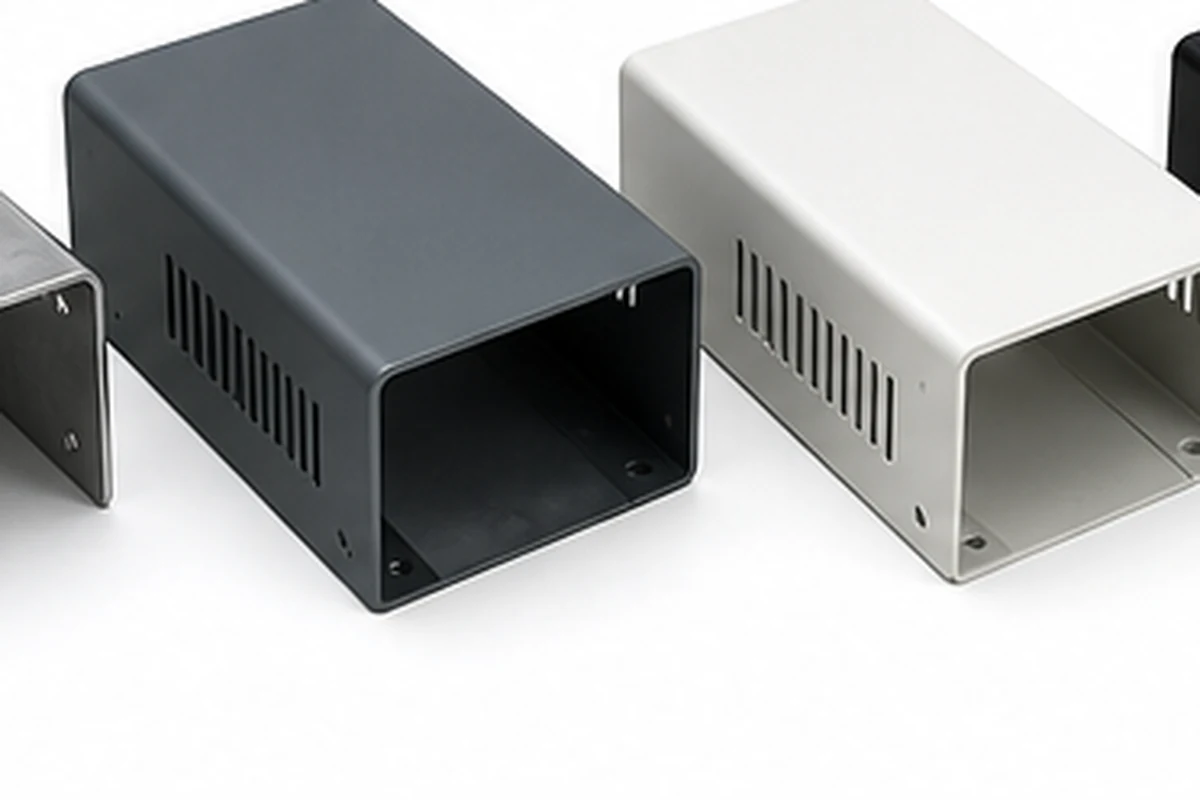
Surface finish affects both cost and approval speed. Powder coating, brushed stainless steel, anodizing, plating and bare-metal protection all have different preparation steps. A prototype may need a finish sample if the visible appearance matters to your customer or if corrosion risk is part of the design.
Buyers should state the required finish, color, texture, gloss level, visible faces, masking areas, threaded areas and packing expectations. If the prototype is only for fit testing, a bare metal sample may be enough. If the prototype must be reviewed by marketing, installation teams or a customer, finish quality should be discussed early.
Finish is one area where unclear instructions create awkward photos later. “Blue” is not a production-grade color instruction. “RAL 5015, semi-gloss, visible outer faces, protect threads and gasket surfaces” is much better. Less poetry, more repeatability.
Related process page: surface treatment.
Prototype vs Pilot Run vs Batch Production
One of the best ways to control cost is to define what stage the project is in. A prototype validates fit and risk. A pilot run tests repeatability. Batch production focuses on stable output, inspection rhythm and delivery planning.
| Stage | Typical buyer goal | Factory focus | Cost behavior |
|---|---|---|---|
| Prototype sample | Check geometry, material choice, bend sequence, fit and finish direction | DFM review, setup, manual inspection and fast learning | Higher unit cost because setup is shared by few parts |
| Pilot run | Confirm repeatability before larger purchasing commitment | Process route, fixture stability, inspection method and packing plan | Unit cost begins to improve as quantity rises |
| Repeat production | Receive stable enclosure parts to an approved drawing revision | Nesting efficiency, batch control, QC checkpoints and delivery schedule | Best unit economics when design and quantity are stable |
Why Two Similar Prototype Quotes Can Be Very Different
When buyers compare sheet metal prototype quotes, the numbers may differ because the scope differs. One supplier may quote only laser cutting and bending. Another may include DFM review, deburring, hardware preparation, welding, finish, inspection photos and export packing. Both quotes may use the same drawing, but they are not selling the same work.
Before choosing a supplier, compare these points:
- Does the quote include engineering review before production?
- Are material grade, thickness and finish clearly stated?
- Are laser cutting, bending, welding, hardware and surface finish included or excluded?
- Does the supplier confirm critical dimensions and inspection method?
- Will photos or measurement notes be provided before shipment?
- Is export packing included, especially for thin panels and cosmetic covers?
A cheap prototype that skips review can be fine for a rough learning sample. It is not fine when the prototype is meant to approve an OEM enclosure design for repeat production. The purchase order should match the risk.
Trust Table: What Overseas Buyers Should Request
| Buyer concern | What to ask MSTFAB | Evidence to request | Why it builds trust |
|---|---|---|---|
| Prototype price seems high | Which operations and checks are included? | Process scope with cutting, bending, hardware, finish and QC listed | Shows whether the quote is complete or only a partial number |
| Sample may not fit later assembly | Which dimensions are critical for mating parts? | Marked inspection points and measurement photos | Reduces fit risk before pilot or repeat production |
| Material choice is uncertain | Which material suits the environment and bend design? | Material grade, thickness and finish recommendation | Avoids paying for a sample that cannot become a stable part |
| Finish may scratch or look inconsistent | Which faces are visible and how will they be protected? | Finish sample photos and packing method | Improves approval confidence for visible enclosure covers |
| Lead time is unclear | What items must be confirmed before fabrication starts? | RFQ checklist, open questions and delivery plan | Prevents avoidable delay caused by missing information |
How MSTFAB Helps Reduce Prototype Cost Without Cutting Corners
Reducing prototype cost does not mean removing the checks that protect the project. It means removing waste. The most useful savings come from cleaner drawings, fewer unclear tolerances, manufacturable bend design, realistic material choices, clear finish instructions and early confirmation of critical dimensions.
MSTFAB’s workflow for prototype enclosure parts usually follows this path:
- Review STEP, DWG, DXF or PDF files for manufacturability and missing details.
- Confirm material, thickness, finish, quantity and target application environment.
- Check laser-cut features, bend sequence, hole-to-bend distance and hardware locations.
- Prepare prototype fabrication using laser cutting, CNC bending, welding or hardware preparation as needed.
- Inspect important dimensions and share practical feedback before shipping samples.
- Support revision changes so the prototype can move toward repeatable batch work.
This is also why prototype work should connect to the later production plan. If you already know the annual quantity or target batch size, share it. The factory can avoid a prototype route that works only once. See also our guide to sheet metal fabrication production cost and enclosure fabrication cost.
RFQ Checklist for Sheet Metal Prototype Cost
To get a faster and more reliable quote, send the following information with your prototype RFQ:
- 3D STEP or STP file for shape and assembly context.
- 2D PDF or DWG drawing with key dimensions and tolerances.
- Material grade and thickness, or the target strength and environment if not finalized.
- Quantity for prototype, pilot run and expected repeat production.
- Surface finish requirement, color, texture and visible faces.
- Hardware notes for PEM nuts, standoffs, taps, countersinks or inserts.
- Critical dimensions for mating parts, rails, doors, covers, brackets or gaskets.
- Inspection expectations, photos, sample approval process and packing needs.
Buyer tip: If you are still changing the design daily, ask for DFM feedback first instead of ordering a fully processed prototype immediately. Cutting metal too early can make the first sample an expensive suggestion box.
Internal Links for the Next Buying Step
If you are still defining the project, start with sheet metal fabrication and custom sheet metal enclosure fabrication. If your files are ready, use the online quotation upload page. If your main concern is manufacturability, read DFM for sheet metal fabrication. If the project is moving into forming, visit sheet metal bending.
FAQ: Sheet Metal Fabrication Prototype Cost
Why is a sheet metal prototype more expensive per piece than batch work?
Because setup, programming, engineering review and inspection time are divided across a small quantity. A batch spreads that setup over more parts, so the unit cost usually improves after the design is approved.
Can MSTFAB quote from only a STEP file?
Yes, a STEP file helps us understand shape, but a 2D drawing is still recommended for tolerances, material, finish, thread notes and inspection requirements. The STEP file tells us what the part looks like; the drawing tells us what must be controlled.
Do prototypes need surface finish?
Not always. If the sample is only for fit, a bare-metal prototype may be enough. If appearance, corrosion resistance, coating thickness or customer approval matters, finish should be included in the prototype scope.
What is the best way to reduce prototype cost?
Send complete files, avoid unnecessary tight tolerances, confirm material and finish early, define critical dimensions, and let the supplier review DFM before production. Most savings come from clarity, not from skipping the work that protects fit.
Does MSTFAB make custom sheet metal prototypes only, or also repeat production?
MSTFAB supports both prototype samples and repeat production for custom sheet metal enclosure parts, panels, covers, brackets, chassis and cabinet components. The prototype stage is used to reduce risk before larger quantities.
Ready to Price a Custom Sheet Metal Enclosure Prototype?
Send your STEP, DXF, DWG or PDF drawings and tell us material, thickness, quantity, finish and the features that must fit. MSTFAB will review the prototype as a manufacturable sheet metal enclosure project, not just a random metal shape with ambition.
Scope: custom sheet metal enclosure shells, covers, panels, brackets, chassis and cabinet components for OEM buyers.
 WeChat Contact
 WhatsApp Me Directly