
Repeat-order cost control
A repeat part number does not necessarily mean a repeat manufacturing cost. Material, quantity, revision, finish, inspection, packaging and delivery can change while the familiar filename quietly stays the same.

Build a Cost Baseline the Next Buyer Can Understand
The baseline should record the drawing revision, material grade and thickness, batch quantity, process route, purchased hardware, finish, inspection scope, packing method, delivery term and quote validity. It should also identify exclusions. This is less glamorous than arguing over a percentage, but considerably more useful.
Material basis
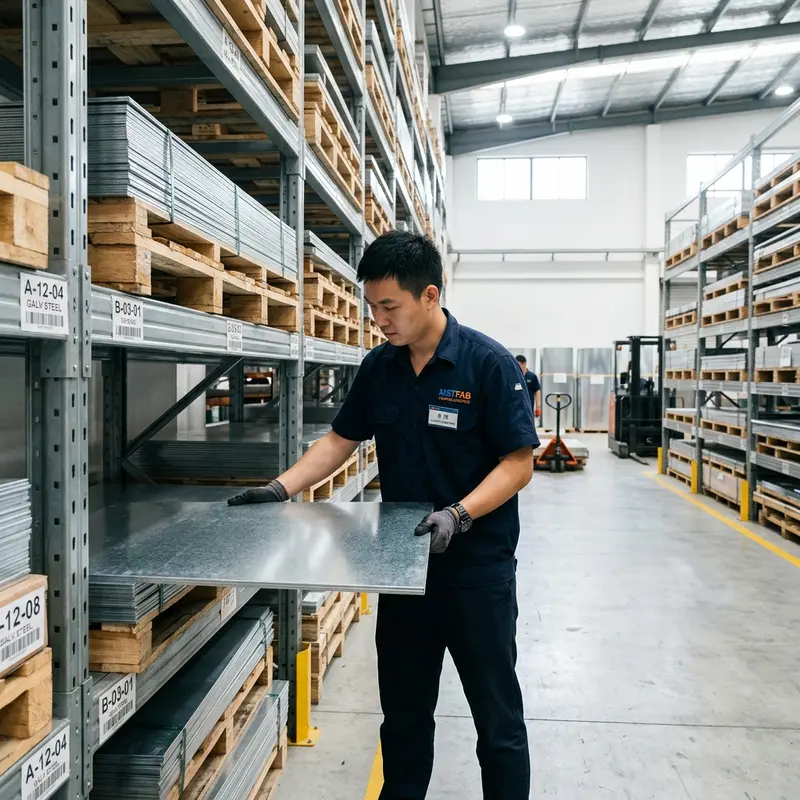
Record grade, thickness, sheet format assumptions and whether certificates or special traceability are included.
Conversion work
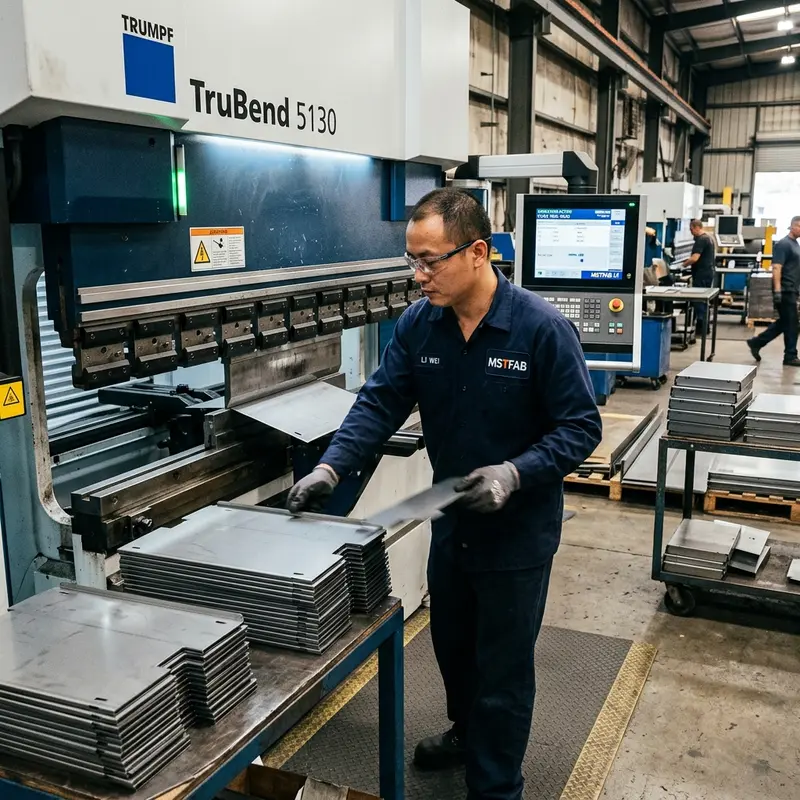
List laser cutting, bending, welding, hardware insertion, assembly and any dedicated tooling or setup.
Quality scope
Separate standard in-process checks from first-article reports, special gauges, testing or customer-specific records.
Landed scope
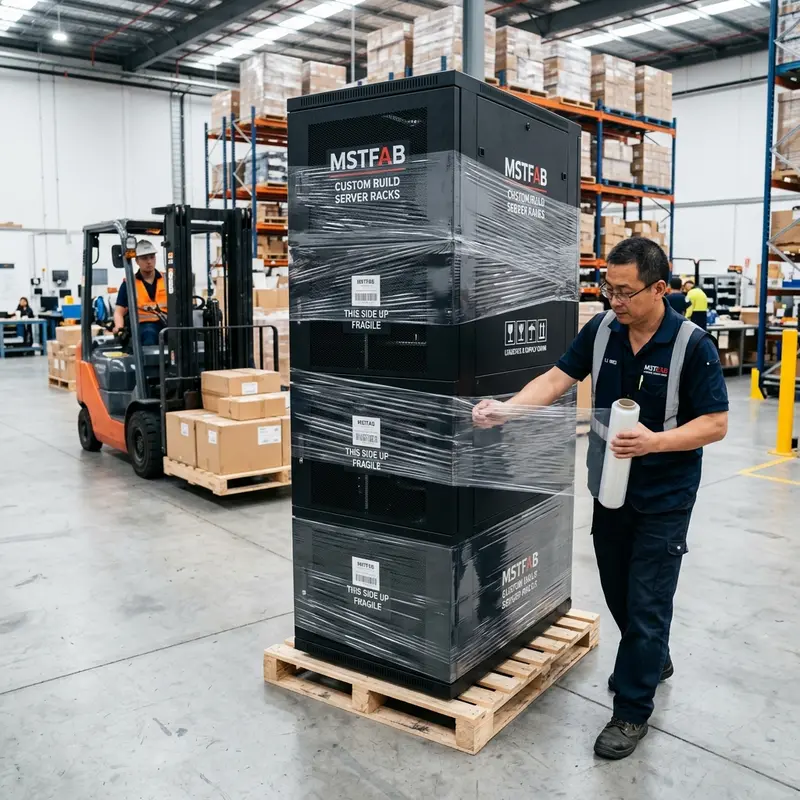
State packing, pallet or crate, labeling, delivery term and destination assumptions used by the quotation.
Buyer Trust Table
| Change trigger | Evidence to compare | Commercial question |
|---|---|---|
| Drawing revision | Redline, change note and new process route | Which operation, setup or inspection changed? |
| Quantity or schedule | Old and new batch size, releases and requested date | Are setup and purchasing costs spread across fewer parts? |
| Material or finish | Specification, supplier basis and effective date | Did input price, minimum purchase or outside processing change? |
| Packing or delivery | Pack plan, destination, freight term and shipment size | Is the comparison ex-works or landed at the same place? |
Review the Delta, Not Just the New Total
Ask the supplier to identify the main drivers rather than disclose confidential labor rates or overhead formulas. A useful explanation can show that a new cutout added programming and deburring, a tighter tolerance added inspection, or a smaller release changed material yield. That gives engineering something it can act on.
- Confirm the drawing and bill of materials before requesting a requote.
- Separate one-time engineering or tooling from recurring unit cost.
- Compare the same quantity, finish, inspection and delivery basis.
- Approve alternatives only through documented deviation control.
- Update the baseline after the revised first article is accepted.
MSTFAB quotes drawing-defined sheet metal parts and empty enclosure shells. Final pricing depends on the released package and commercial scope; this checklist explains inputs, not a universal price formula.
Frequently Asked Questions
Why can a repeat order cost more?
Input prices, quantity, schedule, revision, inspection, finish, packing or delivery may have changed. Compare each item to the previous quote baseline.
Should buyers ask for a complete cost breakdown?
Ask for enough driver information to evaluate the change. Suppliers may reasonably protect detailed internal rates and margin data.
How can engineering help?
Keep revisions controlled, mark truly critical tolerances and avoid changing material, finish or interfaces after quotation without a formal review.
Compare the Same Scope Before Comparing Price
Send the current drawing, prior revision, quantity, finish, inspection and delivery details. MSTFAB can identify the fabrication changes that affect the new quotation.
 WeChat Contact
 WhatsApp Me Directly