
A render is charming. A 3D print is helpful. A real sheet metal enclosure shell is the moment your product stops flirting with reality and starts negotiating with it. Suddenly the PCB standoffs matter, the connector cutout is 2 mm too low, the lid seam looks suspicious, and the battery that fit perfectly in CAD has developed an attitude.
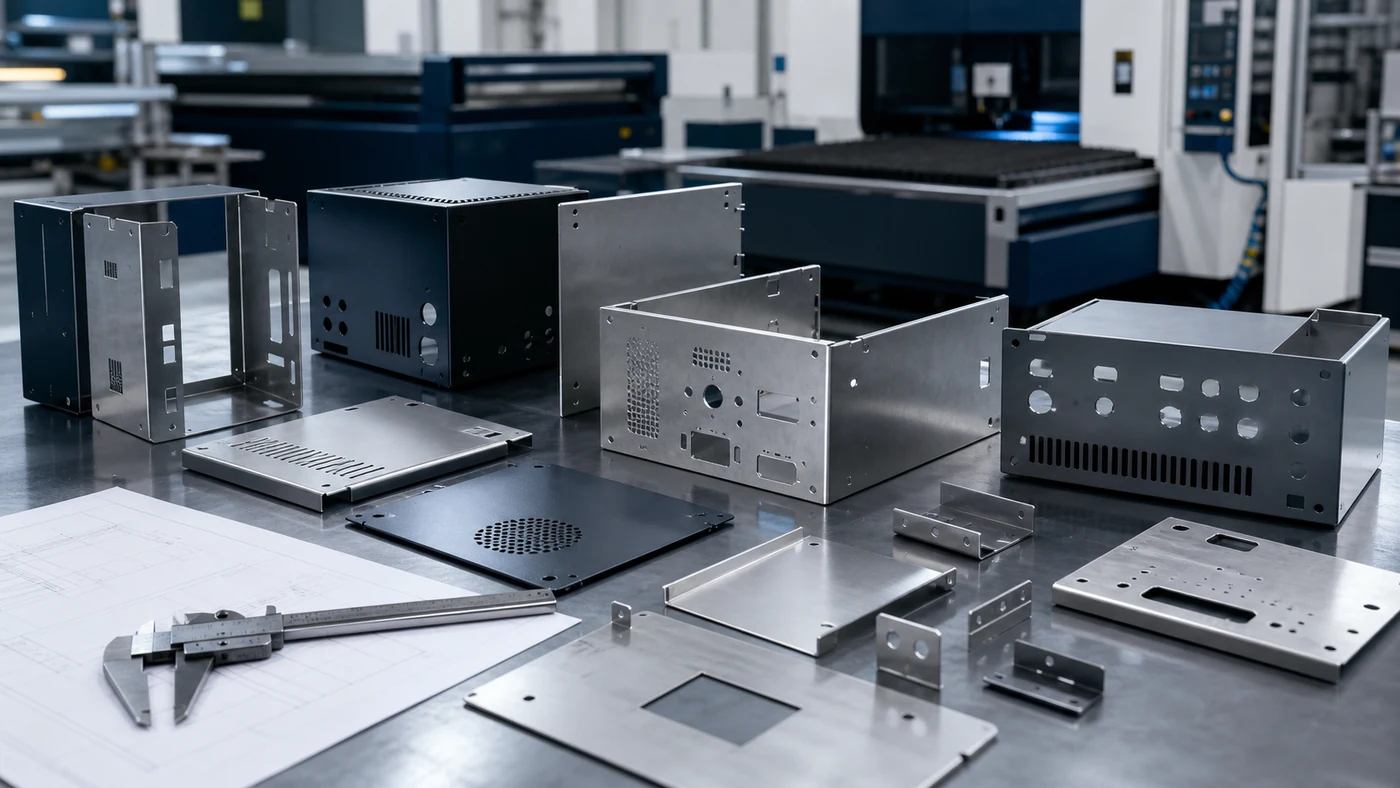
Quick answer: A prototype sheet metal enclosure manufacturer for product startups should turn your STEP and 2D drawings into real metal enclosure shells quickly, while giving DFM feedback on cutouts, bend radius, PEM hardware, tolerances, finish and assembly fit. The goal is not a perfect showpiece. The goal is fast physical learning before you order a pilot batch. MSTFAB manufactures custom sheet metal enclosure shells, chassis, panels, brackets, mounting plates and related metalwork. We do not manufacture finished electronic devices or complete consumer products.
Prototype means learning speed, not decoration
Production is about repeatability and cost. Prototyping is about learning velocity. A startup prototype should answer a specific question: will the PCB fit, will the connector align, will the enclosure close, will the gasket surface work, will the mounting holes survive the bend, will the cosmetic face look acceptable?
If a supplier over-builds a beautiful prototype with every production finish and tolerance before the design is stable, congratulations: you have purchased an expensive object you may throw away next week. Very educational, but not in the way accounting enjoys.
Scope note: This article is about empty sheet metal enclosure shells and mechanical metalwork for product startups. MSTFAB does not supply finished IoT products, medical devices, consumer electronics, batteries, chargers, wiring, firmware or certified end products. We make the metal enclosure parts from your drawings so your team can validate the product.
What the first metal prototype should prove
| Prototype question | What to check on the metal part | Common surprise |
|---|---|---|
| PCB and component clearance | Standoffs, mounting plate datum, lid clearance and cable route. | The board fits until the connector or heatsink joins the party. |
| Connector and display openings | Cutout size, edge burrs, face alignment and user access. | A pretty hole in CAD becomes an awkward hole in a real panel. |
| Bend feasibility | Bend radius, flange length, hole-to-bend distance and springback. | The bend works, but the holes moved just enough to be annoying. |
| Hardware fit | PEM nuts, standoffs, hinge tabs, grounding studs and fasteners. | Hardware blocks assembly sequence or pulls thin sheet out of shape. |
| Finish and cosmetic face | Texture, coating thickness, masking, visible surface and scratch risk. | A finish that looked fine on a coupon changes the fit on the real shell. |
| Packaging survival | Corners, panels, powder coat, foam separation and export carton. | The prototype passes inspection and then loses a fight with shipping. |
Prototype methods for sheet metal enclosure shells
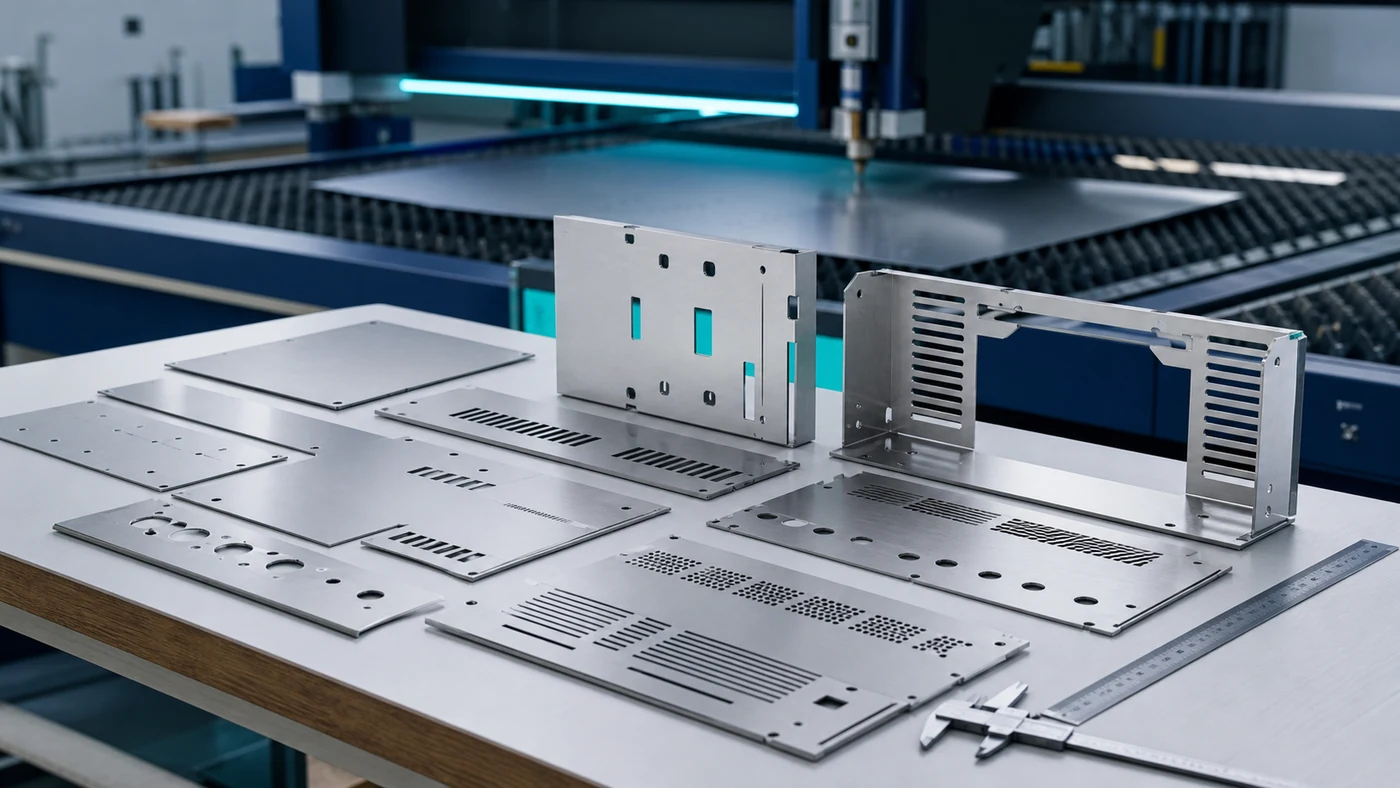
Not every prototype needs the same process. Choose the cheapest method that answers the current engineering question, then increase fidelity only when the design is stable enough to deserve it.
| Method | Best for | Buyer warning |
|---|---|---|
| Laser-cut flat panels | Fast cutout, hole pattern, vent and interface checks. | It proves the flat geometry, not always the final bend behavior. |
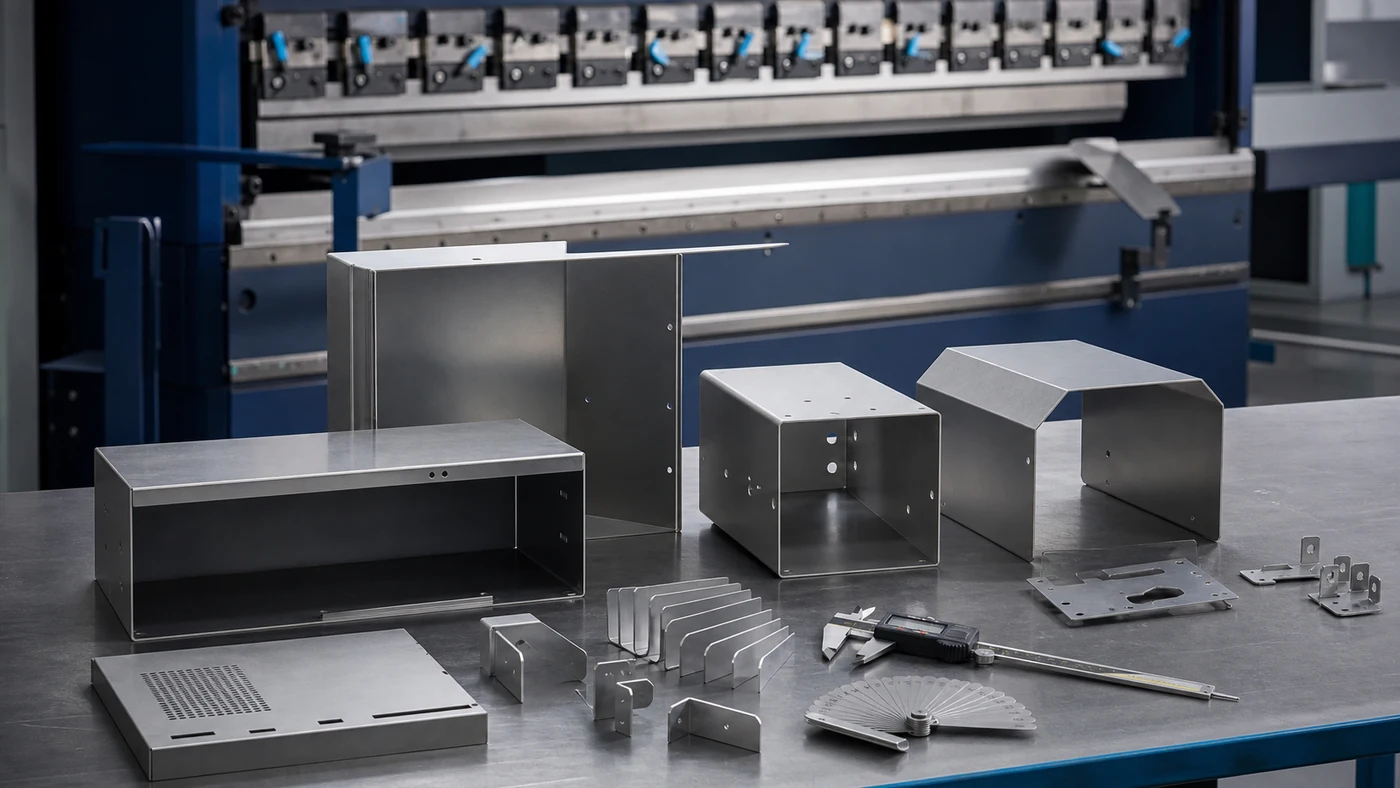
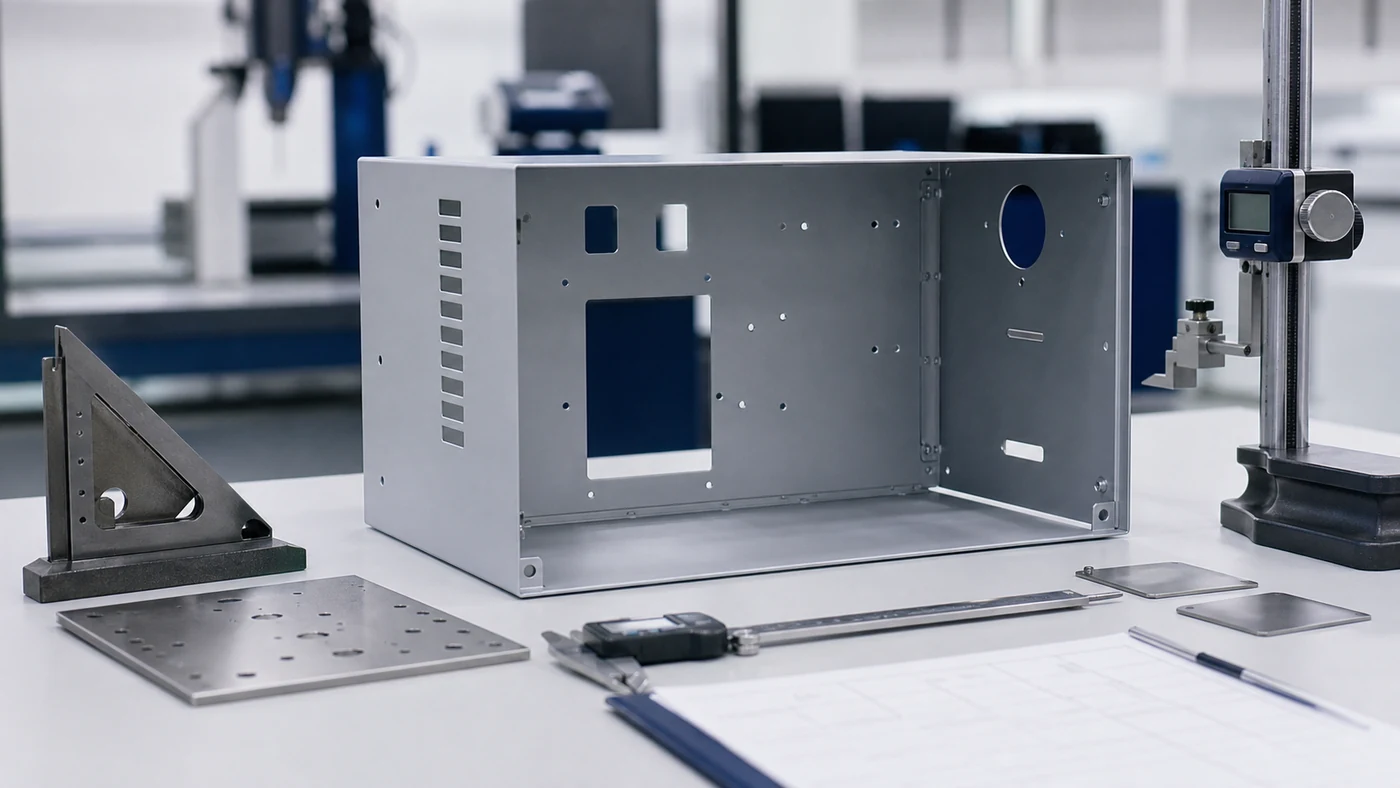
| CNC bent prototype shells | Real enclosure fit, flange position, lid closing and assembly access. | Review bend radius and hole-to-bend distance before cutting blanks. |
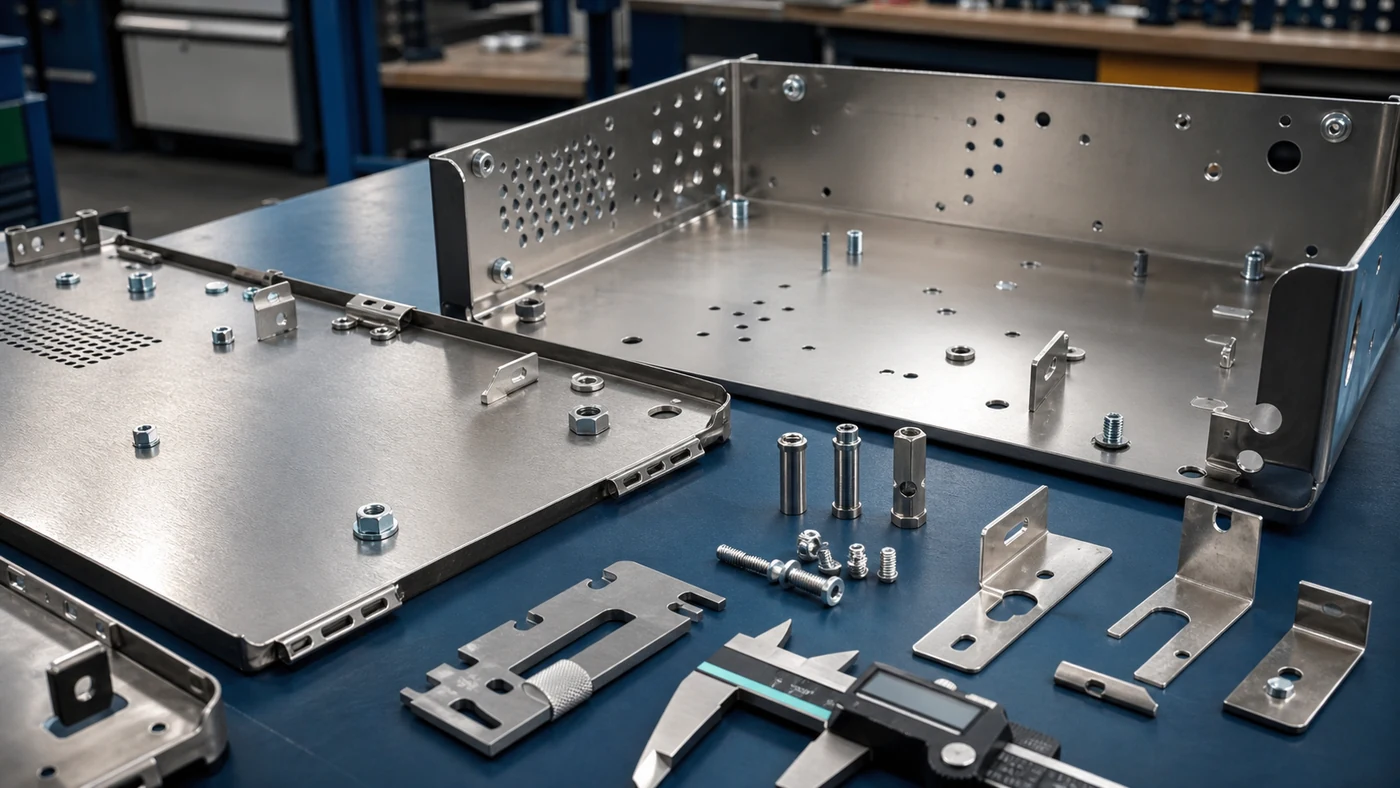
| PEM hardware sample | Standoffs, threads, grounding points, hinges and fastener clearance. | Thin sheet and wrong hardware do not become friends under pressure. |
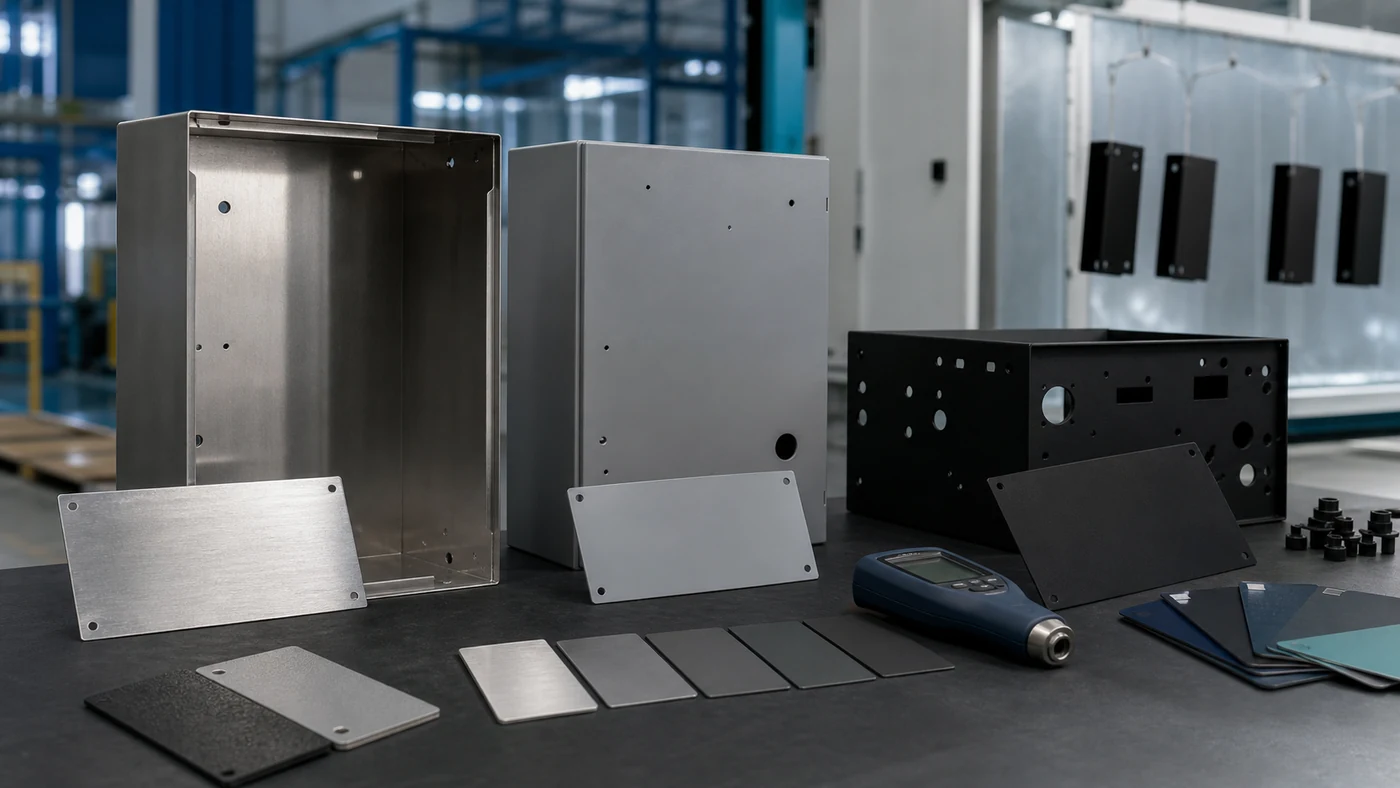
| Finish sample on real part | Visible face, coating thickness, masking and cosmetic approval. | Do not approve only a color chip if the real enclosure has threads and gaps. |
| First article prototype | Final check before pilot batch or customer trial. | Must tie to drawing revision and CTQ dimensions. |
DFM feedback is the real product
The metal part matters, but the feedback matters more. A useful prototype supplier should flag the trouble before you order more parts: bend radius too tight, holes too close to bends, PEM hardware too close to an edge, enclosure seam hard to weld, powder coat masking missing, or a connector cutout that will be painful to inspect.
A silent supplier that simply cuts what you drew is not being efficient. They are letting your drawing make the mistakes in physical form. That can be educational, but there are cheaper ways to learn humility.
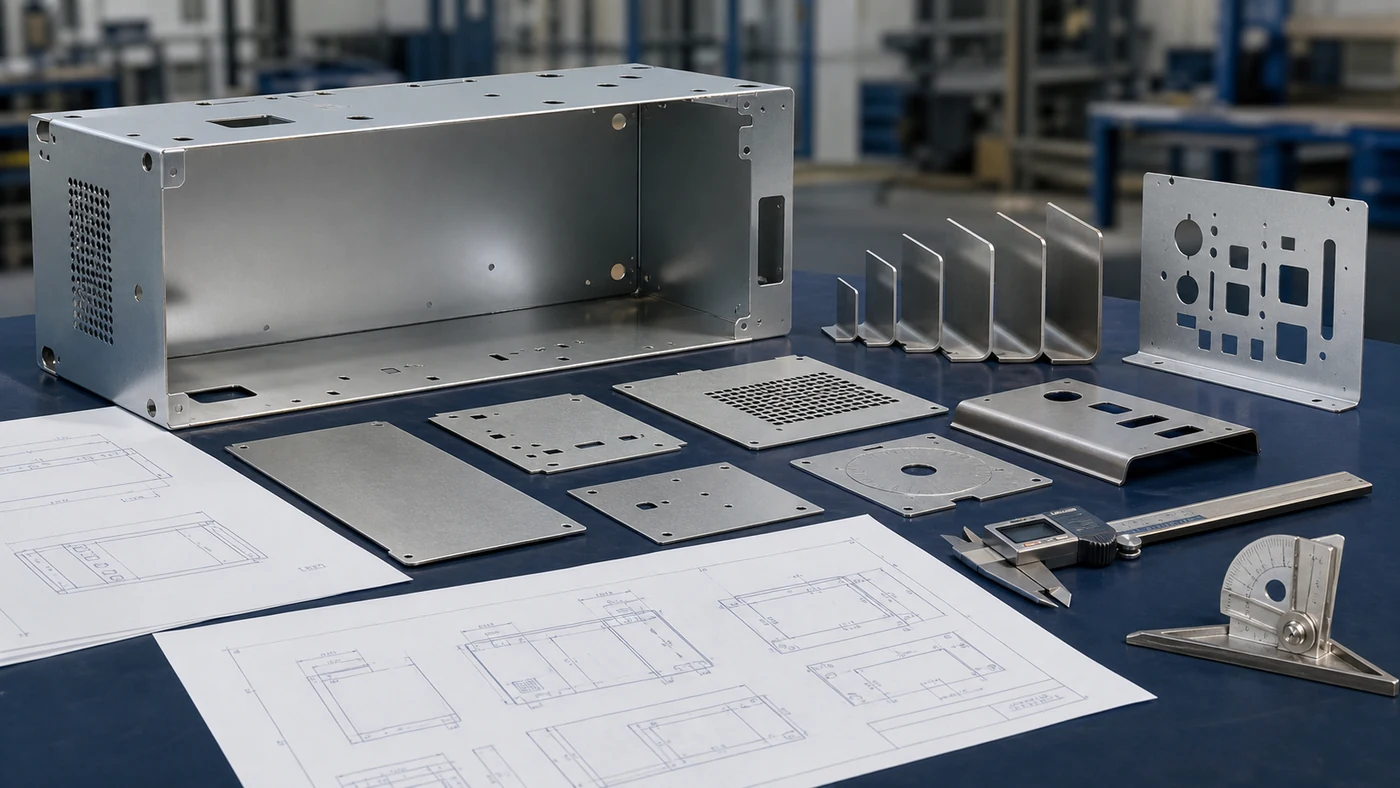
What MSTFAB needs for a fast prototype quote
- STEP file plus 2D PDF drawing with revision number.
- The exact prototype question: fit, cutout, bend, finish, hardware, thermal opening or assembly access.
- Material grade and thickness, or permission to recommend a prototype-friendly equivalent.
- Which dimensions must be production-accurate and which can be good enough for learning.
- Required hardware: PEM nuts, standoffs, hinges, locks, grounding studs and fasteners.
- Surface finish requirement: raw metal, brushed, powder coated, masked, passivated or sample only.
- Target delivery date and the date you are really defending, such as demo, EVT or customer trial.
- IP requirements: NNN, watermarking, limited geometry release or controlled file access.
Hardware and first article checks
Prototype enclosure problems often hide in small details: a standoff that blocks a component, a PEM nut installed on the wrong side, a hinge tab that needs a tool you cannot reach, or a grounding stud placed exactly where the cable wants to be. None of these are dramatic until they happen the night before a demo.
Startup buyer trust table
| Buyer concern | What to ask the prototype supplier | Good evidence |
|---|---|---|
| Will the prototype teach us something? | What design risks do you see before cutting metal? | Specific DFM comments tied to drawing features. |
| Will it arrive fast enough? | What can be made in days, and what needs more setup? | Process options with speed versus fidelity clearly explained. |
| Will it match the next batch? | Which prototype route can carry into low-volume production? | Process route, revision control and first article inspection. |
| Will IP be protected? | Can we release minimum geometry under confidentiality terms? | NNN agreement, controlled drawings and limited file access. |
| Will cosmetic finish surprise us? | Can we test finish on the real enclosure, not only a coupon? | Coating sample, masking note and finish inspection photos. |
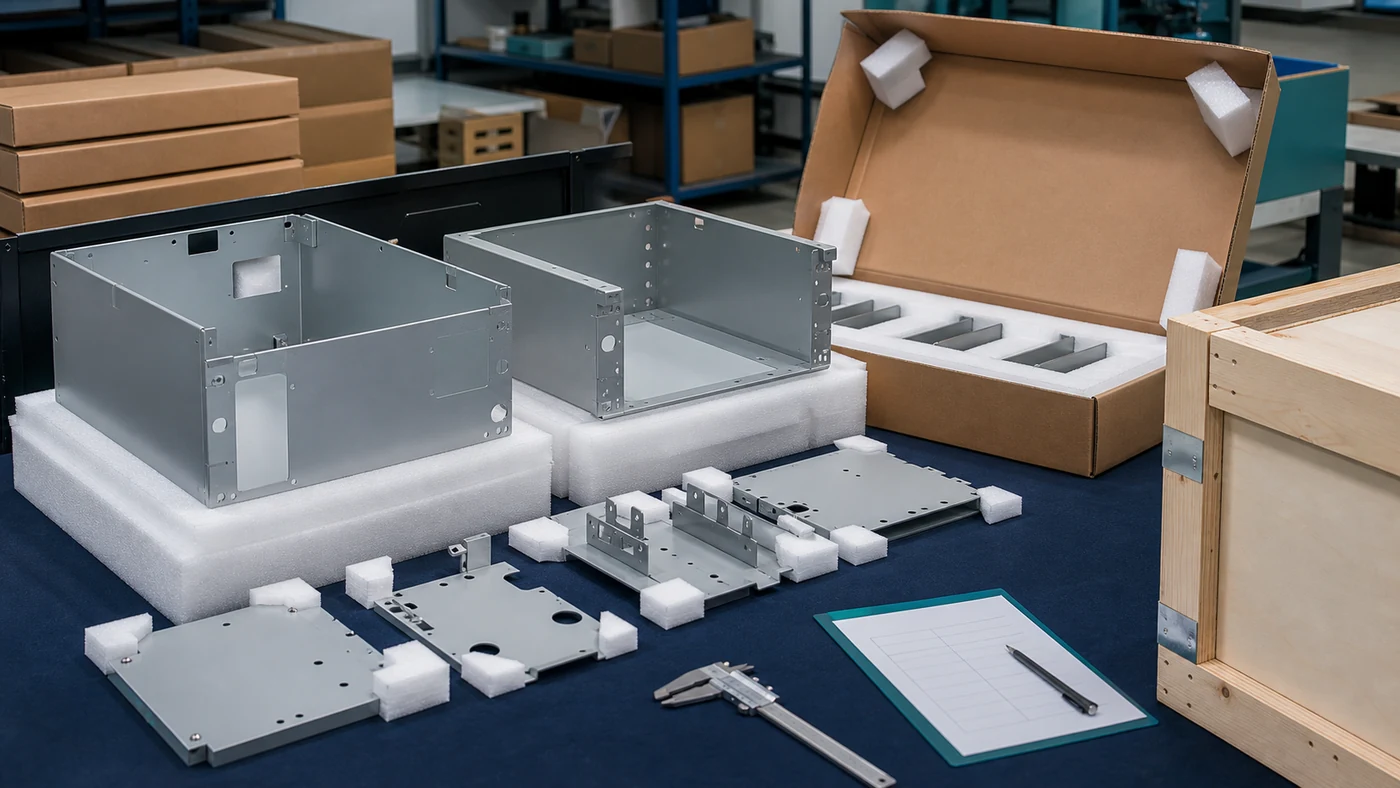
| Will shipping damage the sample? | How will corners, panels and coated surfaces be protected? | Packaging photos and foam or carton specification. |
When to stop prototyping and move to low volume
Keep prototyping while the design is still answering basic fit, form, hardware and finish questions. Move to low volume when the drawing revision is stable, the critical dimensions are known, the finish is approved and the next question is repeatability instead of possibility.
The clean handoff is simple: prototype, FAI, revision closure, pilot batch. Skipping those steps can work, in the same way running through a dark workshop can work. Sometimes you make it. Sometimes you meet a sharp edge with your invoice.
Red flags before ordering a prototype
- The supplier quotes without asking what the prototype must prove.
- No DFM feedback on bends, cutouts, PEM hardware, finish or inspection.
- They push full cosmetic finish before the mechanical design is stable.
- They cannot explain how the prototype process will bridge into low-volume production.
- No drawing revision control for prototype spins.
- No IP terms before requesting full native files.
- Their pictures show finished electronic devices instead of actual sheet metal enclosure shells.
Related buyer resources
FAQ
How fast can a startup get a prototype sheet metal enclosure?
Simple laser-cut panels can often move quickly when the drawing package is clear. A bent enclosure shell with PEM hardware, finish and inspection takes longer because setup, bending sequence and first article checks matter. Send STEP, 2D PDF, quantity, material and the prototype goal to get a realistic date.
Should a prototype enclosure match production exactly?
Early prototypes do not always need production-perfect finish. They need to answer the right question. The prototype used before pilot production should be close enough to the intended process to validate bends, hardware, fit and CTQ dimensions.
Does MSTFAB make complete startup hardware products?
No. MSTFAB manufactures custom sheet metal enclosure shells, chassis, panels, brackets, mounting plates and related metalwork. Electronics, firmware, certification and final product integration remain with the buyer or system integrator.
What is the most useful prototype feedback?
The best feedback explains what will be hard, expensive or risky to repeat: bend radius, holes near bends, PEM hardware clearance, welding distortion, finish masking, inspection method and packaging risk.
When should a startup move from prototype to low-volume production?
Move when the design revision is stable, the prototype has passed fit and first article checks, the finish is approved and the buyer needs repeatability rather than another design-learning loop.
 WeChat Contact
 WhatsApp Me Directly