
Agricultural OEM Sheet Metal Fabrication
Tractor and agricultural equipment metalwork has a rough job. It gets vibration, mud, fertilizer, pressure washing, UV, stone impact and the occasional boot from someone using a cover as a step. A pretty panel is nice. A panel that still fits after real field use is the one buyers actually reorder.
Scope note for buyers: MSTFAB manufactures custom sheet metal covers, enclosure shells, guards, brackets, mounting plates, panels and welded metal subassemblies from your drawings. We do not manufacture complete tractors, harvesters, engines, hydraulic systems, electrical machines or finished agricultural equipment. If your OEM project needs the sheet metal enclosure or guard made correctly before final assembly, that is our lane.
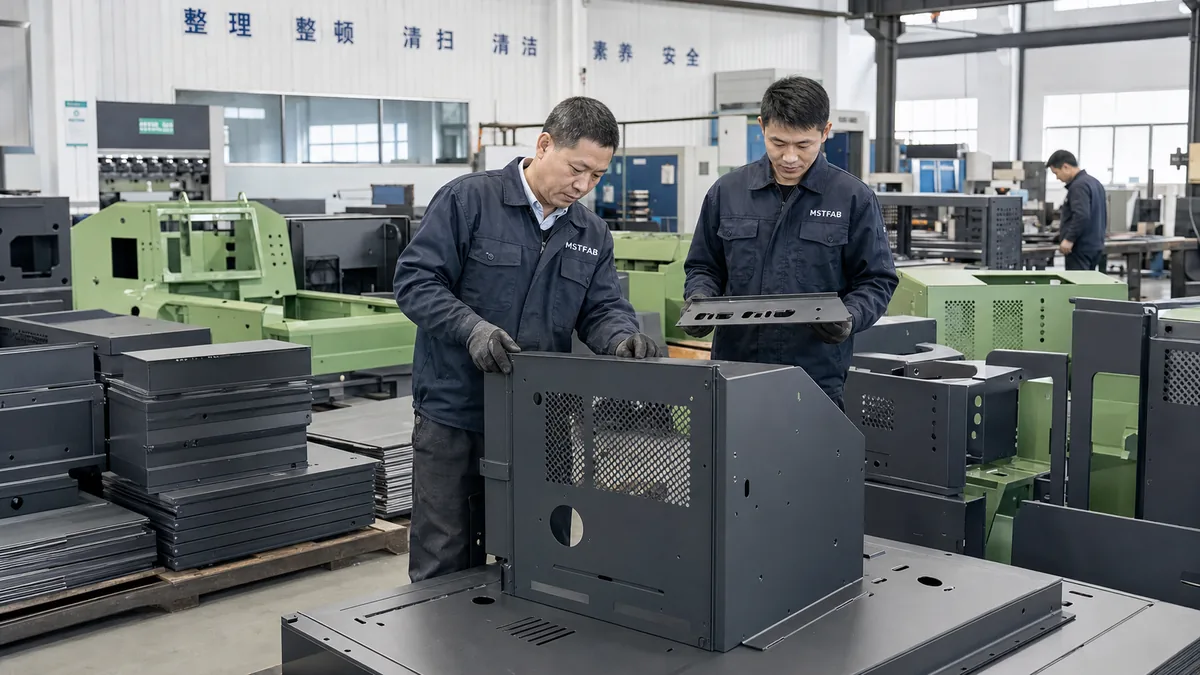
Quick answer: To source tractor sheet metal covers or agricultural equipment guards, verify six things before the PO: drawing review, material grade and thickness, bend and weld control, hardware location, outdoor finish, and export packaging. A good factory asks about vibration, mud clearance, corrosion, mounting interfaces, tolerance stack-up and coating damage. A supplier that quotes a rugged field part like a simple flat bracket is inviting trouble to dinner.
What This Page Is Really About
This page is not about buying tractors. It is about buying the metal parts that protect, mount or cover the systems inside agricultural machinery: sheet metal enclosure shells, battery or control box covers, pump guards, motor covers, side panels, fan shrouds, brackets, hinge plates, service doors and welded frames.
The buyer pain is usually not “can someone cut metal?” Plenty of shops can. The real question is whether the supplier can keep the part repeatable when the order moves from prototype to pilot run to production, without the door rubbing, the bracket cracking, the powder coat chipping or the mounting holes wandering off like they have weekend plans.
Good Fit for MSTFAB
- Sheet metal covers, guards and enclosure shells for agricultural OEMs
- Laser cut, bent, welded and powder-coated metal panels
- Mounting plates, hinge brackets, frame parts and protective housings
- Prototype, low-volume pilot and repeat production from drawings
Not Our Scope
- Complete tractors, harvesters, seeders or farm machines
- Engines, transmissions, hydraulics, electronics or final product assembly
- Retail replacement parts without controlled drawings
- Final certification for complete agricultural equipment
Start With DFM, Not Hope
Agricultural sheet metal looks simple until the part has three bends, welded tabs, slots near the bend line, a hinge, four PEM nuts and a coating thickness that nobody remembered. The cheapest time to catch that problem is before the first sheet is cut.
Send 2D drawings and STEP files, then ask the supplier to review bend access, hole-to-edge distance, weld distortion, hardware sequence and finish allowance. A real DFM comment is not a delay. It is a small umbrella before the weather arrives. For the rules behind this, see our DFM design rules for sheet metal parts.
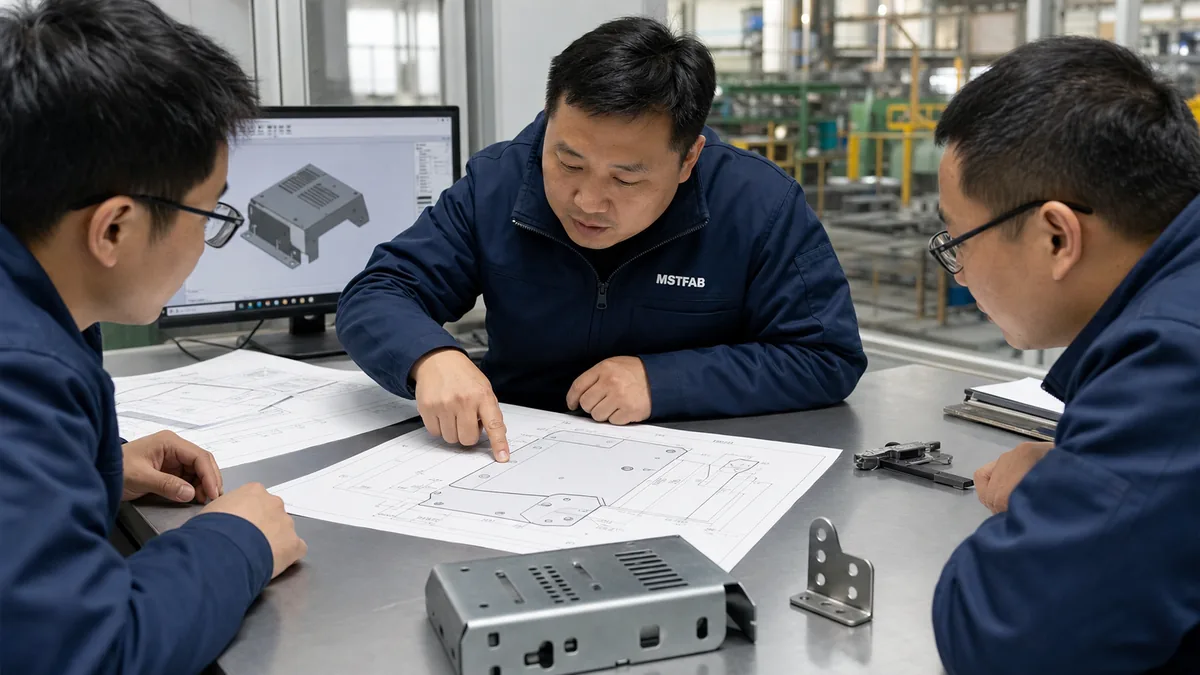
Material Choice: Strong Enough, Not Just Expensive
Agricultural metal parts often live outdoors and around water, soil, fertilizer and vibration. That does not mean every part needs stainless steel. It means the material should match the environment and the job.
- Carbon steel: common for rugged guards and covers when coated properly.
- Galvanized steel: useful where corrosion resistance is needed before powder coating.
- Aluminum: useful for lighter covers, but it needs the right thickness and bend design.
- Stainless steel: good for harsh corrosion zones, washdown areas or exposed brackets, but not a magic budget saver.
If the buyer is new to metal selection, use the sheet metal material selection guide before locking the RFQ. “Use the same material as last time” is not a spec. It is a superstition wearing work boots.
Manufacturing Steps Buyers Should Verify
Fiber Laser Cutting
Laser cutting defines the holes, vent slots, bracket profiles and mounting features that everything else depends on. On agricultural covers, burr control and cut quality matter because rough edges can damage coating, create fit issues and make assembly slower.

CNC Bending
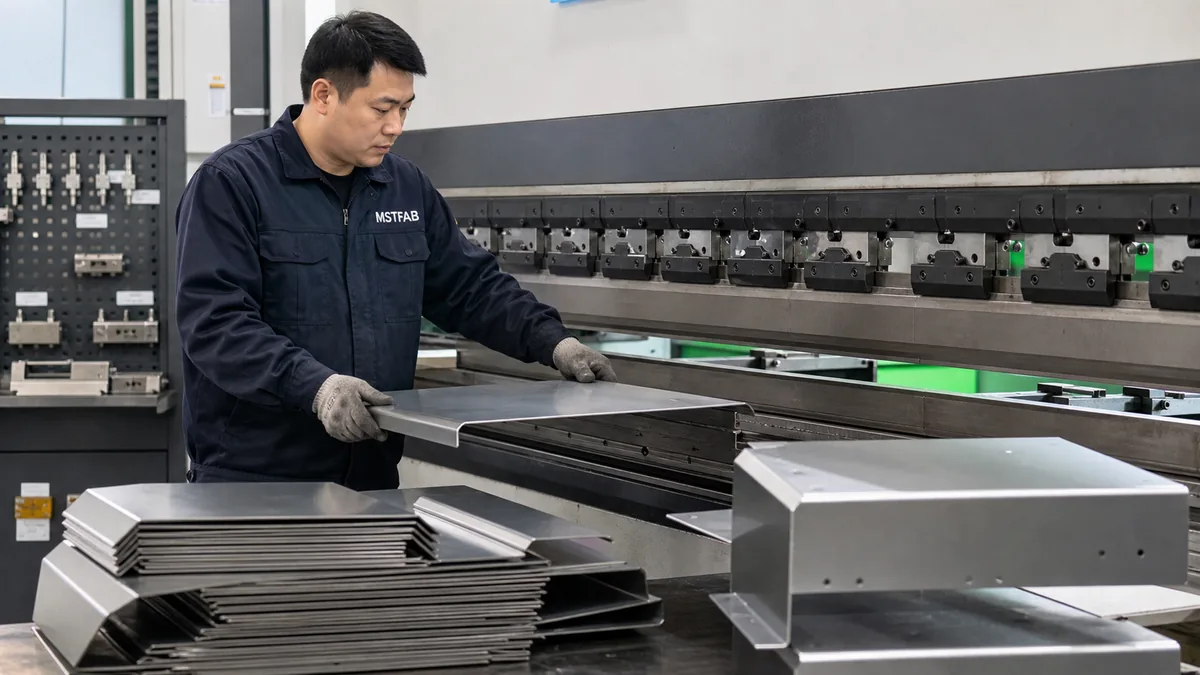
Flat panels become useful parts at the press brake. Buyers should confirm bend radius, flange height, bend-to-hole tolerance and whether the shop can hold the geometry across repeat batches. A cover that looks close but misses its mounting points is not close. It is scrap with confidence.
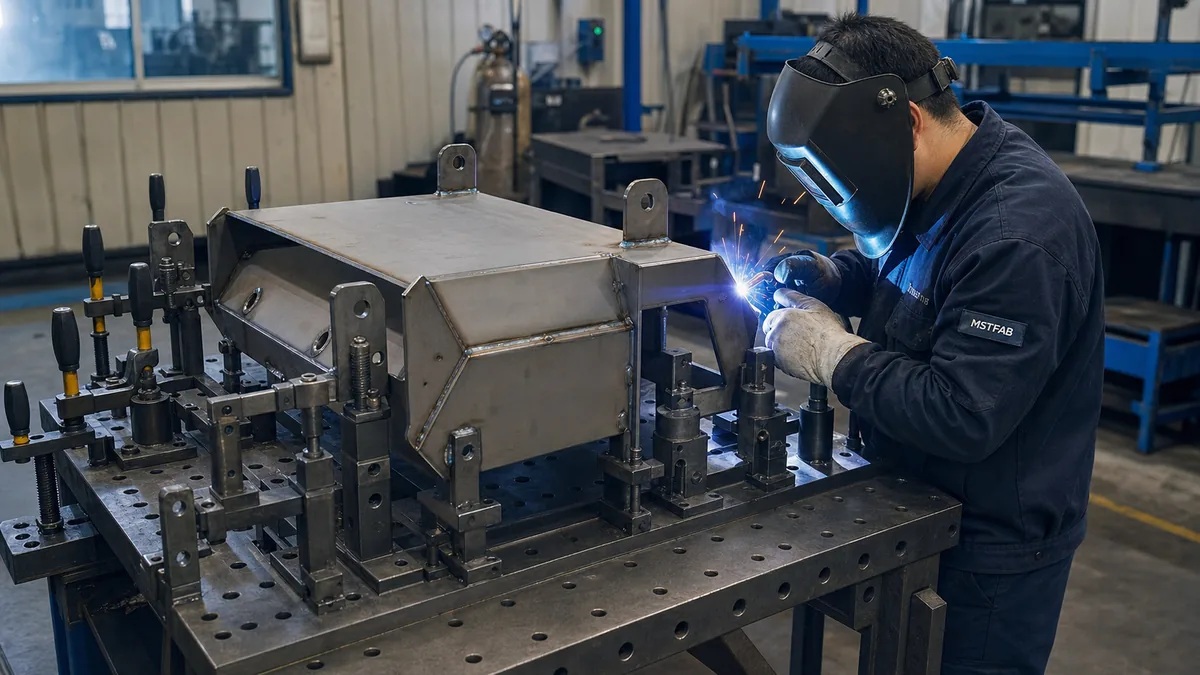
Welding and Distortion Control
Welded agricultural guards need strength, but thin sheet metal does not forgive heat. Fixture welding, symmetric sequence and post-weld checks help prevent twisting, bowing and bracket misalignment. Ask for fixture photos on welded frames or repeat parts.
PEM Hardware, Studs and Mounting Interfaces
Small hardware causes big production headaches. PEM nuts, threaded studs, hinge points, grounding studs and latch brackets must be installed in the right sequence. If powder coating fills the threads or a stud lands one millimeter off, assembly gets very loud very fast.
This is where clear drawings and tolerance control matter. Our sheet metal tolerance guide explains which features deserve tighter control and which ones can breathe.

Finish: The Field Finds Weak Coating Fast
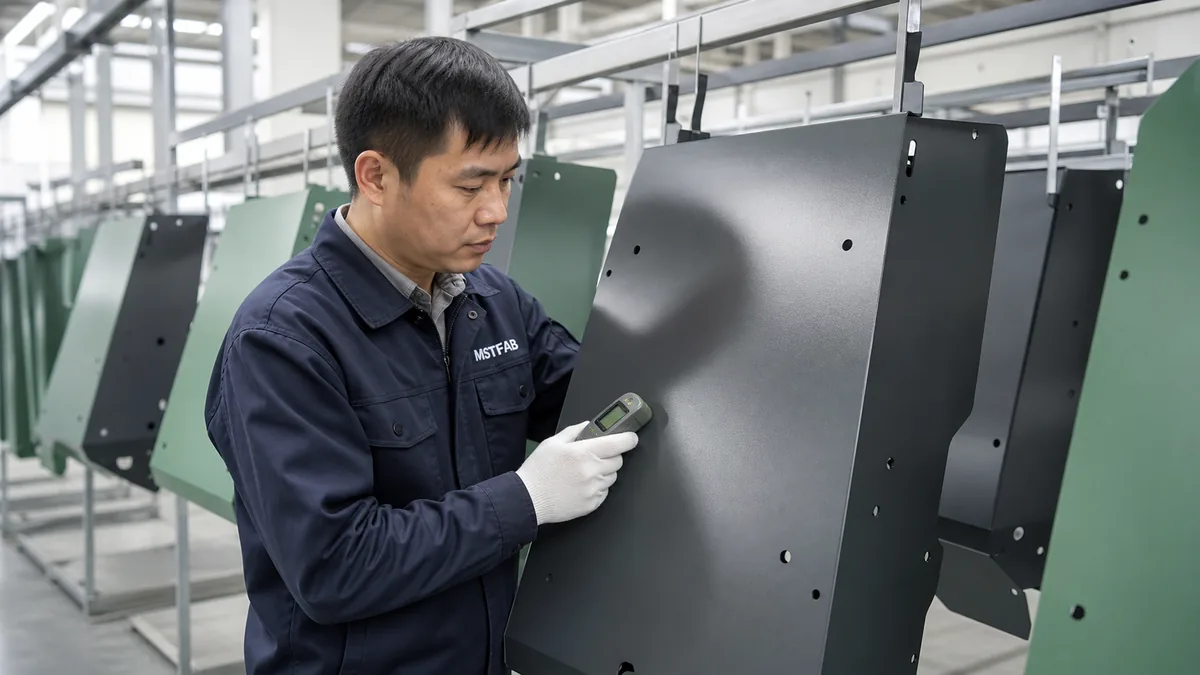
Farm equipment is not gentle. Coating must survive moisture, sunlight, mud, cleaning and handling. For sheet metal covers and guards, specify color, gloss, texture, coating thickness, masking areas and acceptance standard. Threads, gasket faces and mating surfaces should be called out before production.
If the finish spec says only “paint green,” the factory has to guess. Guessing is free until the parts arrive and the shade, thickness or masking is wrong. Use a clear surface finishing requirement and approve samples where appearance matters. The sheet metal surface finishing guide is a useful starting point.
Quality Control That Actually Builds Trust
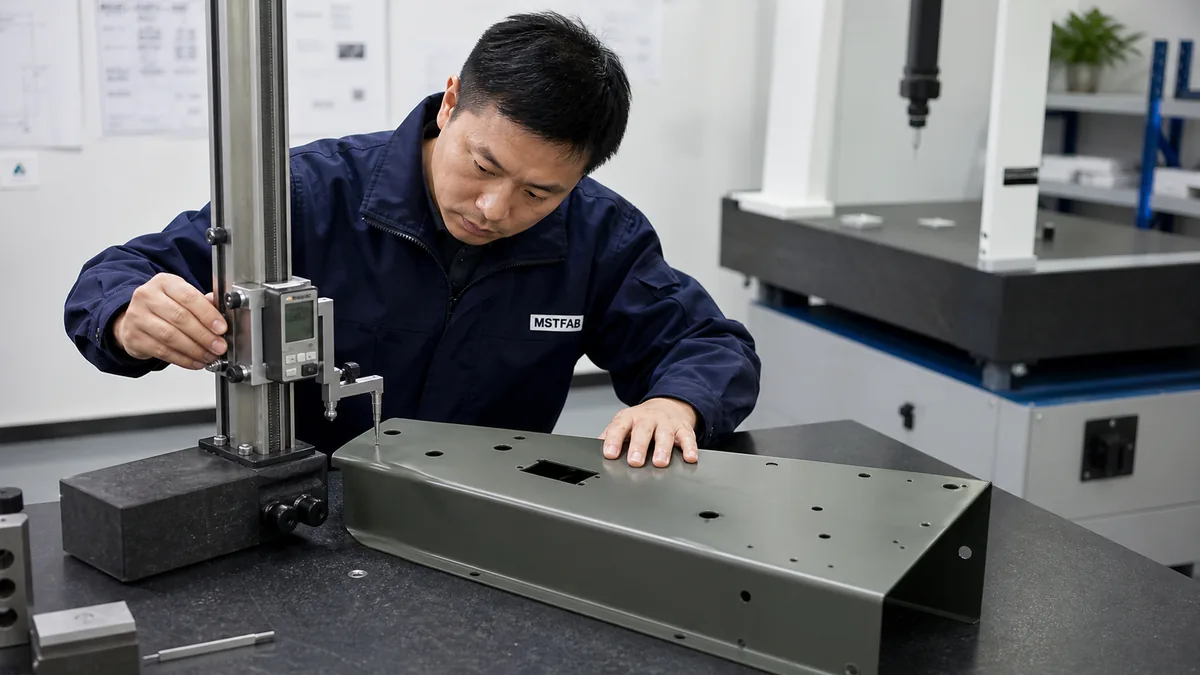
“Quality first” is a nice slogan, but buyers need evidence. For agricultural sheet metal parts, inspection should focus on the features that affect assembly and field reliability: hole position, flange size, bracket angle, flatness, weld location, hardware torque, coating thickness and packing condition.
For prototypes and first batch orders, ask for first article photos and measurement records. You do not need CMM reports on every decorative edge, but critical fit features should be measured. Our FAI, CMM and SPC quality control guide explains how to ask for the right level of inspection without setting your budget on fire.
Trust Table for Agricultural OEM Buyers
| Buyer Concern | What to Ask the Supplier | Good Evidence | Risk if Ignored |
|---|---|---|---|
| Drawing interpretation | Which features are risky to bend, weld or coat? | Marked DFM notes, revision control and engineering feedback | Prototype changes, batch rework and slow launch |
| Material and thickness | What exact grade and thickness are quoted? | Named material, thickness, stock confirmation and certificate option | Wrong strength, rust risk or price surprises |
| Vibration and fatigue | How are brackets, tabs and welds reinforced? | Welding fixture, controlled sequence and critical weld inspection | Cracks, loose covers and field complaints |
| Fit-up consistency | Which dimensions are checked before shipment? | First article measurements and batch inspection photos | Mounting holes do not align on the assembly line |
| Coating durability | What finish, thickness, masking and sample approval are included? | Coating thickness check, color sample and masking plan | Rust, chipped coating or blocked threads |
| Export packing | How are coated panels protected in transit? | Foam, separators, corner protection and crate photos | Good parts arrive scratched, bent or unusable |
Packaging Is Part of the Part
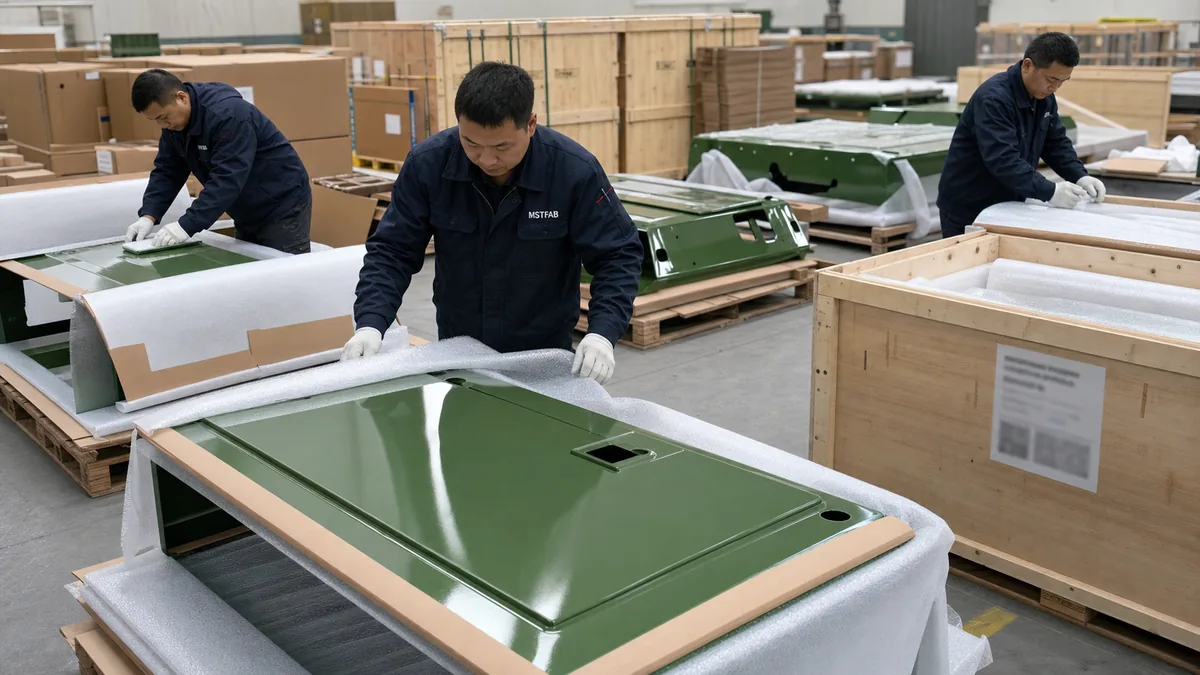
Agricultural covers and guards are often large, coated and easy to scratch. The part is not finished when it leaves the powder line. It is finished when it arrives usable. Ask for foam protection, separators, edge guards, crate design and packing photos before shipment.
What to Send for a Reliable Quote
A short RFQ creates long emails. Send the same complete package to every factory so the quotes are comparable. For a structured list, use our sheet metal fabrication quote checklist or the guide on how to read a sheet metal quote.
- 2D PDF drawing with dimensions, tolerances and revision number
- STEP file or 3D model for geometry review
- Material grade, thickness and finish requirement
- Critical mounting interfaces, hardware locations and fit-up points
- Prototype quantity, annual forecast and target batch size
- Packaging requirement and shipping destination
Red Flags Before Placing the Order
- The supplier talks about complete tractors when you only need sheet metal parts.
- The quote says “steel” but does not name grade or thickness.
- No DFM feedback on bends, hardware or welding sequence.
- No coating thickness, masking or sample approval plan.
- No first article inspection before batch production.
- No packing photos for coated panels shipped overseas.
Key Takeaways
- MSTFAB makes agricultural sheet metal covers, guards and enclosure metalwork from drawings, not complete farm machines.
- Good sourcing starts with DFM, material choice, bend control, weld control, finish details and inspection evidence.
- Buyers should define critical dimensions and packaging before the PO, not after parts are already in crates.
- The supplier who asks better questions is usually protecting your schedule, not slowing it down.
Frequently Asked Questions
Does MSTFAB manufacture complete tractors or agricultural equipment?
No. MSTFAB manufactures custom sheet metal covers, guards, brackets, panels, enclosure shells and welded metal subassemblies from buyer drawings. We do not manufacture complete tractors, engines, hydraulic systems or finished farm machines.
What agricultural sheet metal parts can you fabricate?
Typical parts include protective covers, side panels, fan guards, control box shells, mounting plates, pump guards, brackets, hinge plates, service doors and welded sheet metal frames for OEM assembly.
Which material is best for agricultural metal covers?
It depends on strength, corrosion exposure, weight and finish. Carbon steel with powder coating is common, galvanized steel improves corrosion resistance, aluminum reduces weight, and stainless steel is used for harsher washdown or corrosion zones.
How do I reduce fit-up problems in batch production?
Define critical dimensions, use DFM review before cutting, approve a first article, and ask for measurement records on mounting holes, flanges, hardware and welded assemblies. Do not rely on “standard tolerance” for critical fit features.
What makes an agricultural sheet metal quote trustworthy?
A trustworthy quote names material, thickness, finish, hardware, inspection scope, packaging and lead time. If the quote only gives a unit price, the missing details are where the expensive surprises usually live.
Need Agricultural Sheet Metal Covers or Guard Parts?
Send your 2D drawings, STEP files, material and finish requirements. MSTFAB can review manufacturability, flag sheet metal risks and quote the custom covers, guards, brackets or enclosure shells your OEM project needs.
 WeChat Contact
 WhatsApp Me Directly