
Choosing the right sheet metal panel is not only about selecting a material and thickness.
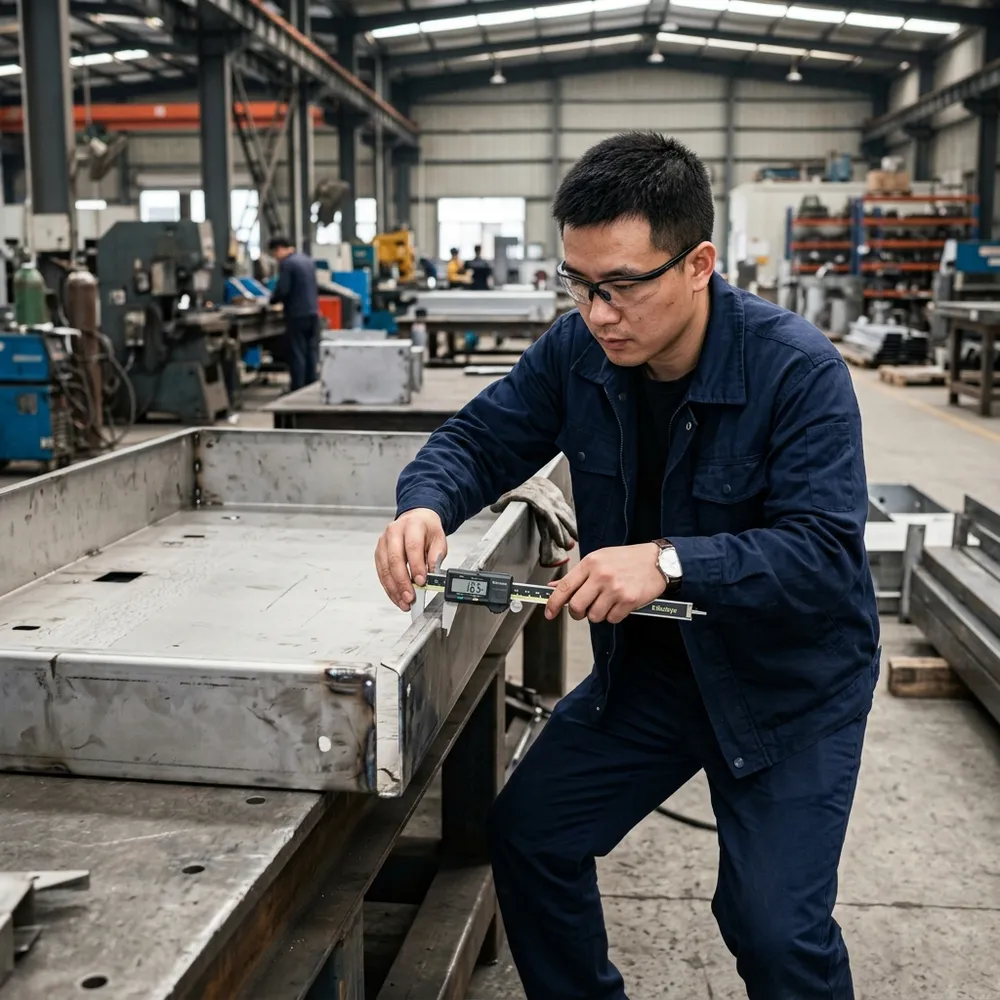
A poor panel decision can lead to real problems:
- Rust or coating failure
- Warped panels after welding
- Cracked bends
- Misaligned mounting holes
- Poor gasket compression
- Difficult assembly
- Surface scratches
- Higher replacement cost
- Delayed production
The best sheet metal panel is not always the thickest, cheapest, or most expensive option. The right choice depends on application, material, structure, finish, tolerance, and manufacturing process.
This guide explains how OEM buyers and engineers can choose sheet metal panels more effectively before sending drawings for quotation.
Start with the Application
Before choosing material or thickness, define how the panel will be used.
Important questions include:
- Is the panel used indoors or outdoors?
- Will it be visible to the end user?
- Does it need to support weight?
- Will it be exposed to moisture, dust, salt spray, oil, or chemicals?
- Does it need ventilation holes or cable entries?
- Will it be bent, welded, or assembled with hardware?
- Does it need powder coating, anodizing, brushing, or polishing?
- Is it part of an enclosure, cabinet, chassis, bracket, or equipment cover?
A panel for an indoor control cabinet is different from a panel for an outdoor telecom enclosure. A medical equipment panel is different from a heavy-duty agricultural machinery panel.
Application should drive the material and process decisions.
Choose the Right Material
Material selection affects strength, weight, corrosion resistance, appearance, cost, and manufacturability.
Cold-Rolled Steel
Cold-rolled steel is commonly used for indoor panels, equipment covers, electrical enclosures, control boxes, and machine housings.
It offers good strength and is suitable for powder coating or painting.
Best for: Indoor equipment panels, control cabinet panels, machine covers, industrial housings, and powder-coated parts.
Galvanized Steel
Galvanized steel provides improved corrosion resistance compared with standard cold-rolled steel.
It is often used for electrical cabinets, telecom enclosures, outdoor equipment panels, and semi-outdoor applications.
Best for: Outdoor or semi-outdoor panels, electrical cabinet panels, telecom cabinet parts, power distribution cabinets, and industrial equipment covers.
Stainless Steel
Stainless steel is used when corrosion resistance, clean appearance, or long-term durability is important.
Common applications include medical equipment, food equipment, outdoor structures, humid environments, and premium industrial panels.
Best for: Medical equipment panels, food equipment panels, corrosion-resistant panels, brushed or polished surfaces, and harsh working environments.
Aluminum
Aluminum is lightweight and corrosion-resistant. It is often used for equipment housings, front panels, HMI panels, telecom equipment, EV charger parts, and lightweight structures.
Best for: Lightweight panels, aluminum equipment housings, front panels, HMI enclosures, telecom and EV charger parts, and anodized or brushed panels.
Carbon Steel
Carbon steel is strong and cost-effective for heavy-duty applications. It is often used for structural panels, support parts, frames, bases, and industrial machinery components.
Best for: Heavy-duty panels, structural parts, machine frames, brackets and supports, and welded assemblies.
The material should be clearly specified on the drawing. Writing only “steel” or “aluminum” is usually not enough for accurate quotation.

Material Comparison Table
| Material | Corrosion Resistance | Weight | Cost Level | Best Application |
|---|---|---|---|---|
| Cold-Rolled Steel | Low (Requires Coating) | Heavy | Low | Indoor cabinets, machine covers |
| Galvanized Steel | Medium | Heavy | Low – Medium | Telecom enclosures, semi-outdoor panels |
| Stainless Steel | Excellent | Heavy | High | Medical devices, food equipment, outdoor parts |
| Aluminum | High | Light | Medium – High | HMI panels, EV chargers, lightweight covers |
Select the Right Thickness
Thickness affects strength, weight, cost, bending feasibility, and final assembly.
Common sheet metal panel thickness ranges may include:
- 0.8 mm to 1.5 mm for light panels and covers
- 1.5 mm to 3.0 mm for enclosures, cabinets, and equipment panels
- 3.0 mm to 6.0 mm for structural panels, brackets, bases, and heavy-duty parts
However, increasing thickness is not always the best solution. A panel can often be strengthened by using:
- Flanges
- Return bends
- Reinforcement ribs
- Curled edges
- Welded frames
- Internal brackets
- Stiffener channels
- Formed structures
A well-designed panel can be strong without becoming unnecessarily heavy or expensive.
Consider Panel Structure, Not Just Flat Sheet
A flat panel may seem simple, but real equipment usually needs formed features.
Custom sheet metal panels may include:
- Mounting holes
- Cable entries
- Ventilation holes
- Louvers
- HMI screen cutouts
- Push button holes
- Connector openings
- Countersunk holes
- PEM nuts or threaded inserts
- Bent flanges
- Welded brackets
- Reinforcement ribs
- Gasket contact areas
These features should be designed before fabrication using a custom laser cutting service, not added manually after finishing.
Manual drilling or cutting after powder coating can damage the finish, expose raw metal edges, and increase corrosion risk.
Choose the Right Surface Finish
Surface finish affects durability, appearance, corrosion resistance, and customer perception.
Common surface finishes include:
- Powder coating
- Wet painting
- Brushing
- Polishing
- Galvanizing
- Zinc plating
- Anodizing
- Passivation
- Anti-corrosion coating
- Silkscreen printing or marking
Powder Coating
Powder coating is widely used for industrial panels, electrical cabinets, telecom enclosures, control cabinets, and machine covers. It provides a clean appearance and durable surface protection.
Brushing and Polishing
Brushing and polishing are common for stainless steel and aluminum panels where appearance matters.
Anodizing
Anodizing is commonly used for aluminum front panels, equipment housings, and visible parts that need a clean and durable finish.
Galvanizing and Zinc Plating
These finishes can improve corrosion resistance for steel panels used in industrial or outdoor environments.
If a specific color is required, provide a RAL code or color sample.
For outdoor panels, surface treatment should be selected based on the real environment, not only appearance.
Check Tolerance Requirements
Tolerance affects cost and assembly.
Not every dimension needs tight tolerance. Overly strict tolerances can increase production cost without improving product performance.
Critical tolerance areas may include:
- Mounting holes
- Screen cutouts
- Connector openings
- Door alignment areas
- Hinge positions
- Gasket contact surfaces
- Assembly interfaces
- Internal bracket positions
- Cable entry locations
For non-critical outer dimensions, general sheet metal tolerances are often practical.
The best approach is to clearly mark only the dimensions that affect function, fit, or assembly.
Review Bending and Hole Placement
If the panel includes bends, flanges, or formed structures, CNC sheet metal bending design must be reviewed before production.
Important design points include:
- Bend radius
- Material thickness
- Bend angle
- Hole-to-bend distance
- Flange length
- Tooling access
- Bend sequence
- Springback
- Surface protection
Holes, slots, louvers, and cutouts should not be placed too close to a bend line. During bending, the material stretches and may deform nearby features.
A good DFM review can help avoid oval holes, cracked bends, and difficult assembly.
Plan for Welding and Assembly
Some panels are simple flat or bent parts. Others need welded brackets, reinforcement structures, frames, or hardware.
Welding may be required for:
- Reinforced cabinet panels
- Structural support panels
- Heavy-duty covers
- Equipment frames
- Mounting brackets
- Chassis panels
- Base structures
Welding requirements should be clearly defined in the drawing.
Important points include:
- Spot welding or full welding
- Visible or hidden welds
- Grinding or polishing requirements
- Sealing requirements
- Distortion control
- Fixture requirements
For visible panels, welding can affect appearance. For enclosure panels, welding can affect flatness, sealing, and assembly.
Use DFM Review to Reduce Waste and Rework
Design for Manufacturability is one of the most important steps when choosing sheet metal panels.
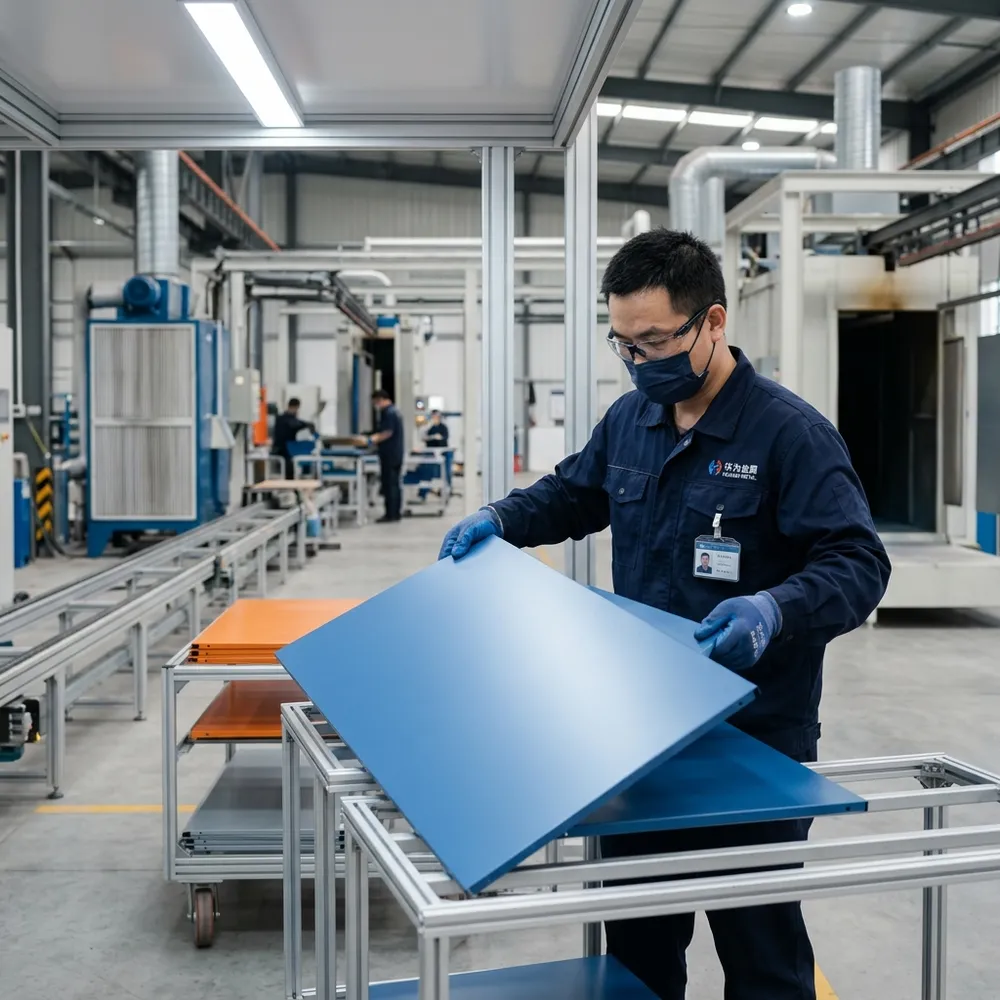
Before production, DFM review can check:
- Material suitability
- Sheet thickness
- Bend radius
- Hole clearance
- Welding structure
- Surface finish risk
- Hardware position
- Assembly sequence
- Flatness requirements
- Packaging protection
- Cost reduction opportunities
A design issue found before production is easy to fix.
A design issue found after fabrication can become expensive rework.
For OEM buyers, DFM review helps reduce scrap, improve consistency, and control total project cost.
Think About Sustainability Through Durability
Sustainability is not only about using recyclable metal.
A panel that rusts, cracks, fails, or needs to be replaced quickly creates more waste, more cost, and more supply chain pressure.
A more practical approach is to choose panels that last longer through:
- Suitable material selection
- Correct thickness and structure
- Better corrosion resistance
- Proper surface finishing
- Clean edge treatment
- Accurate fabrication
- Reduced rework
- Better packaging protection
The most sustainable panel is often the one that performs correctly for the full service life of the equipment.
Common Sheet Metal Panel Applications
Custom sheet metal panels can be used in many industries.
Electrical Enclosures
Panels for electrical cabinets, control boxes, power distribution cabinets, and PLC enclosures.
Telecom Equipment
Panels for outdoor telecom cabinets, network enclosures, 5G equipment, and cable management systems.
EV Charging Equipment
Panels for EV charger enclosures, display areas, cable holder structures, and ventilation zones.
Medical Equipment
Clean and precise panels for medical device housings, aesthetic equipment, diagnostic systems, and laboratory equipment.
Industrial Machinery
Machine covers, access panels, support panels, control panels, and reinforced equipment panels.
Battery Storage Systems
Panels for battery cabinets, energy storage enclosures, UPS cabinets, and power system housings.
Quality Control for Sheet Metal Panels
Panel quality affects appearance, assembly, and product reliability.
Typical inspection items include:
- Material confirmation
- Sheet thickness check
- Laser cutting dimension inspection
- Hole position inspection
- Bend angle inspection
- Flatness inspection
- Welding quality inspection
- Surface finish inspection
- Hardware installation check
- Assembly fit check
- Packaging inspection
For visible panels, surface scratch control and packaging protection are especially important.
What to Send for a Sheet Metal Panel Quote
To quote custom sheet metal enclosures and panels accurately, please provide:
- 3D STEP file
- 2D PDF drawing
- Material requirement
- Thickness
- Quantity
- Surface finish
- Tolerance requirements
- Hole and cutout details
- Bending requirements
- Welding or hardware notes
- Application environment
- Packaging or shipping requirements
If drawings are not available yet, reference photos, samples, and size requirements can help with early evaluation.
For production orders, clear drawings are strongly recommended.
Request a Custom Sheet Metal Panel Quote
If you need custom sheet metal panels for enclosures, cabinets, machines, equipment housings, brackets, chassis, or OEM assemblies, send us your drawings or project requirements.
Our engineering team will review the design, check manufacturability, and provide a practical quotation based on material, thickness, structure, finish, quantity, and application.
A good sheet metal panel should fit correctly, protect the equipment, support assembly, and perform reliably in the real working environment.
That starts with choosing the right material, structure, finish, and fabrication process.
Request a Custom Sheet Metal Panel Quote
Ready to manufacture custom sheet metal panels for your OEM equipment? Send us your drawings for a comprehensive engineering review and factory-direct pricing.
Frequently Asked Questions
How do I choose sheet metal panels?
Start with the application environment, then choose the material, thickness, structure, surface finish, tolerance, and fabrication process based on strength, corrosion resistance, appearance, and assembly requirements.
What materials are used for sheet metal panels?
Common materials include cold-rolled steel, galvanized steel, stainless steel, aluminum, carbon steel, brass, and copper depending on the application.
What thickness should I choose for sheet metal panels?
Thickness depends on panel size, load requirement, material, structure, and application. Light covers may use thinner sheet, while structural panels and heavy-duty parts require thicker material or reinforcement.
Which finish is best for outdoor sheet metal panels?
Outdoor panels often require powder coating, galvanizing, stainless steel, aluminum, zinc plating, or other anti-corrosion treatment depending on the environment.
Can sheet metal panels be customized according to drawings?
Yes. Custom sheet metal panels can be manufactured according to 3D STEP files, 2D PDF drawings, CAD files, samples, or reference photos.
Why is DFM review important for sheet metal panels?
DFM review helps identify bending, welding, hole placement, material, surface finish, and assembly risks before production, reducing rework and cost.
custom sheet metal enclosure fabrication
MSTFAB manufactures custom sheet metal enclosures, electrical cabinets, control boxes and industrial metal housings for OEM buyers.
 WeChat Contact
 WhatsApp Me Directly