Material selection guide for OEM buyers
Common Materials Used in Sheet Metal Fabrication
Mild steel, SPCC, SGCC, stainless steel, aluminum, brass and copper can all become good parts. The trick is choosing the material that behaves well after cutting, bending, welding, coating and shipping, not only the one that looks cheapest in the quotation.
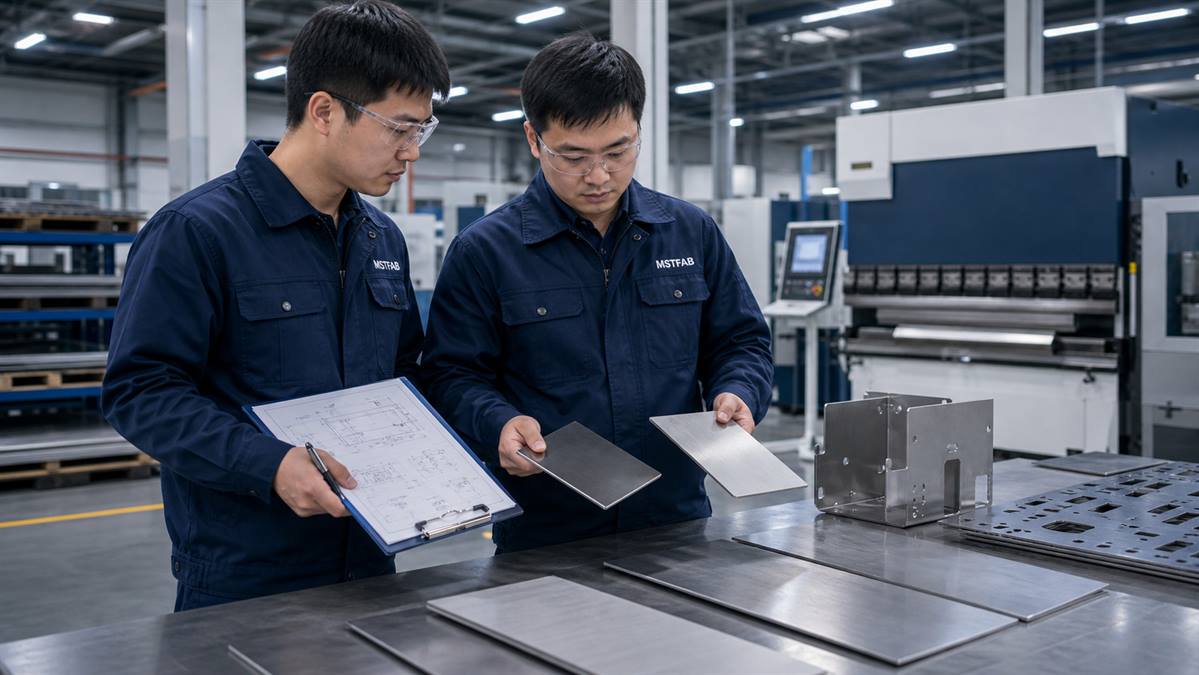
On a CAD screen every sheet is perfectly obedient. In the factory, metal has opinions. It springs back, scratches, warps if welded carelessly and complains loudly when the finish requirement is vague. This guide gives procurement teams a practical way to talk about material before the first laser cut.
Short Answer
The common materials used in sheet metal fabrication include mild steel, SPCC cold rolled steel, SGCC galvanized steel, stainless steel, aluminum, brass and copper. Each material changes the way a part behaves during laser cutting, CNC bending, welding, powder coating, assembly and long-distance export packaging.
Indoor clean panels
SPCC and cold rolled steel are common when the part needs a smooth surface, accurate forming and powder coating.
Outdoor exposure
Galvanized steel, stainless steel or aluminum may reduce corrosion risk when rain, humidity or road dust is part of the job.
Appearance parts
Brushed stainless steel, aluminum and well-controlled powder coating can improve the finished product?s visual quality.
Quick Comparison of Common Sheet Metal Materials
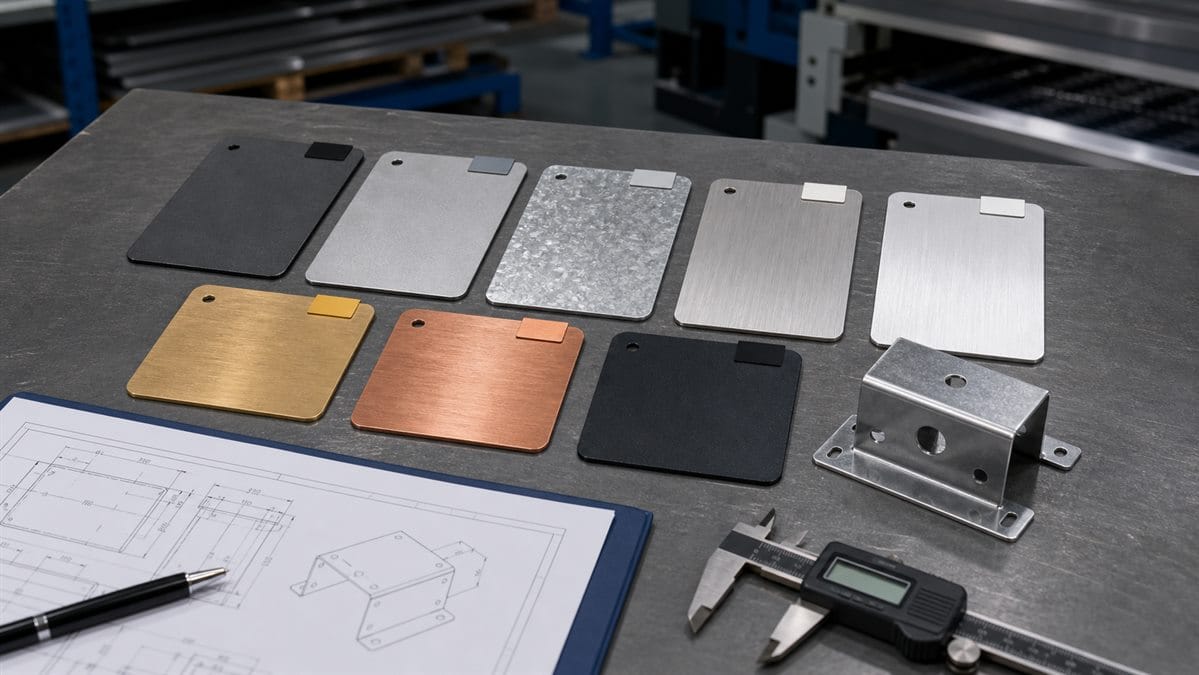
Use this table as a buyer-friendly starting point. Final selection should still be confirmed against drawing geometry, thickness, tolerance, finish, environment and production volume.
| Material | Typical Use | Buyer Advantage | Watch Before Production |
|---|---|---|---|
| Mild steel | Brackets, guards, frames, covers | Strong, weldable and cost-effective | Needs coating or plating for corrosion resistance |
| SPCC cold rolled steel | Enclosure panels, cabinet doors, indoor housings | Clean surface and good forming behavior | Not naturally corrosion-resistant |
| SGCC galvanized steel | Outdoor cabinets, cable plates, semi-exposed parts | Better corrosion resistance than plain steel | Zinc layer, welding and coating process must be reviewed |
| Stainless steel | Clean, corrosion-resistant and premium parts | Durable, hygienic and strong visual appearance | Cost, surface protection and welding discoloration control |
| Aluminum | Lightweight housings, panels and equipment covers | Light, corrosion-resistant and modern appearance | Bend radius, alloy choice and welding distortion |
| Brass / copper | Conductive parts, decorative panels, grounding details | Electrical conductivity and distinct appearance | Material cost, softness, fingerprints and finish protection |
Why Buyers Get Material Selection Wrong
Most mistakes start with one innocent sentence: ?Just make it from metal.? That is a little like telling a chef, ?just use food.? It may technically be an instruction, but nobody is happy when the result lands on the table.
A sheet metal part needs a material that fits the job. A painted indoor control box, a coastal telecom cabinet, a medical housing and a heavy machine guard should not be treated as the same problem with different dimensions.
Material Notes for Real Production

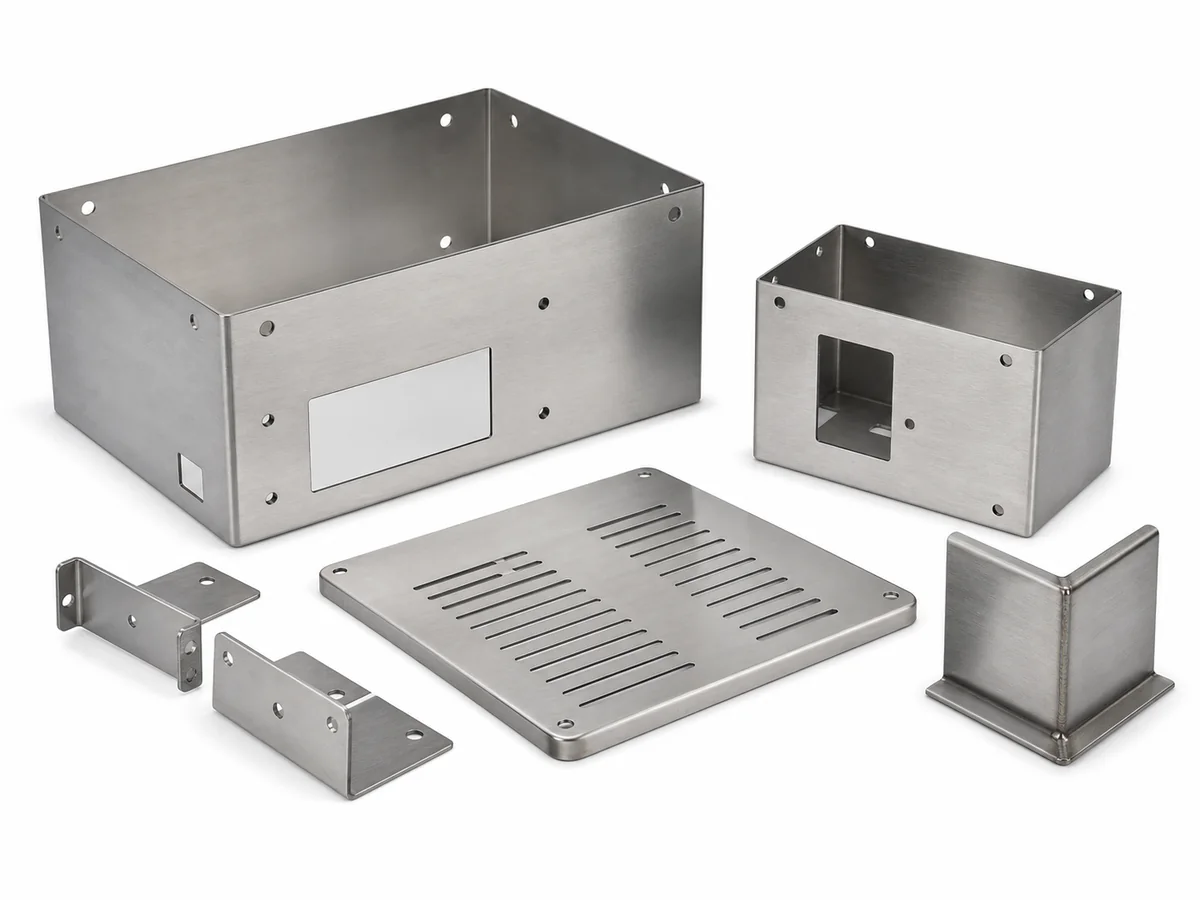
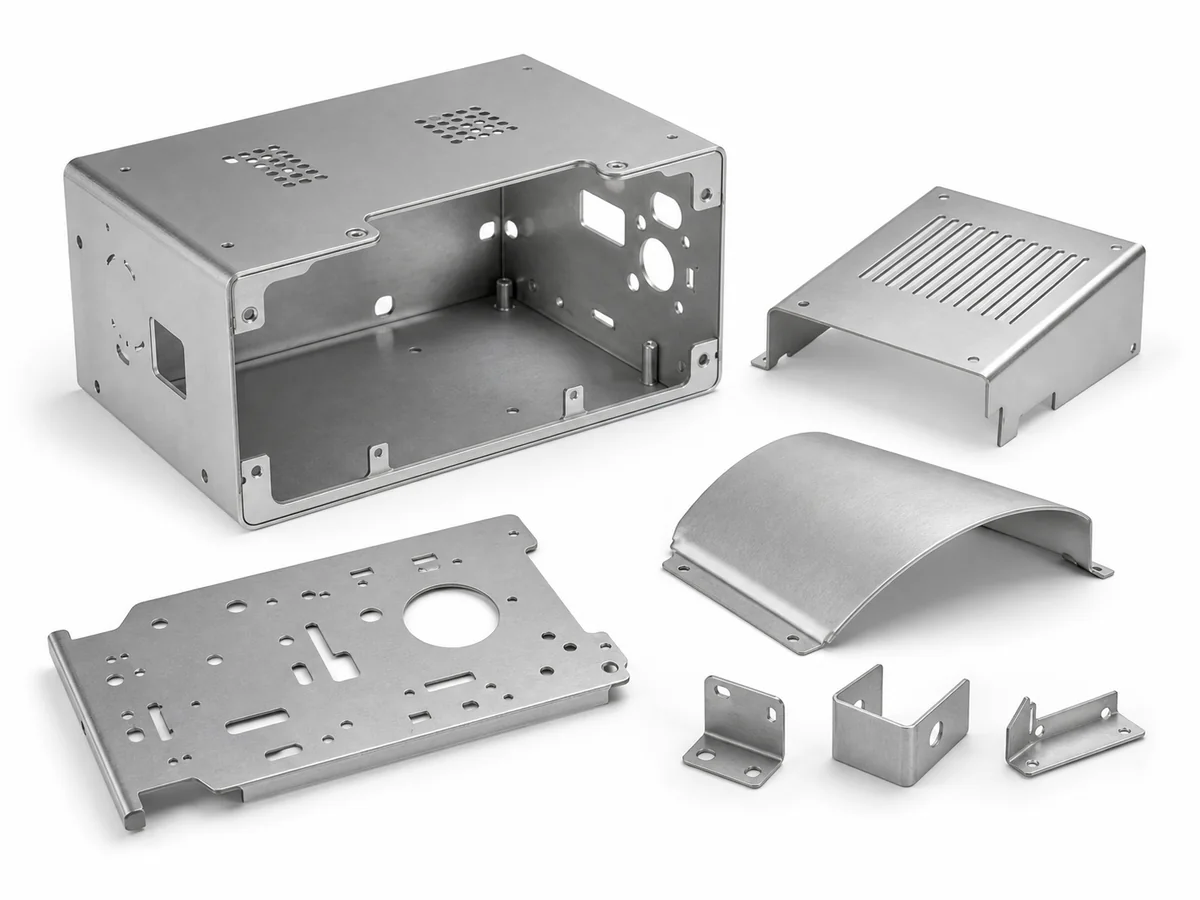
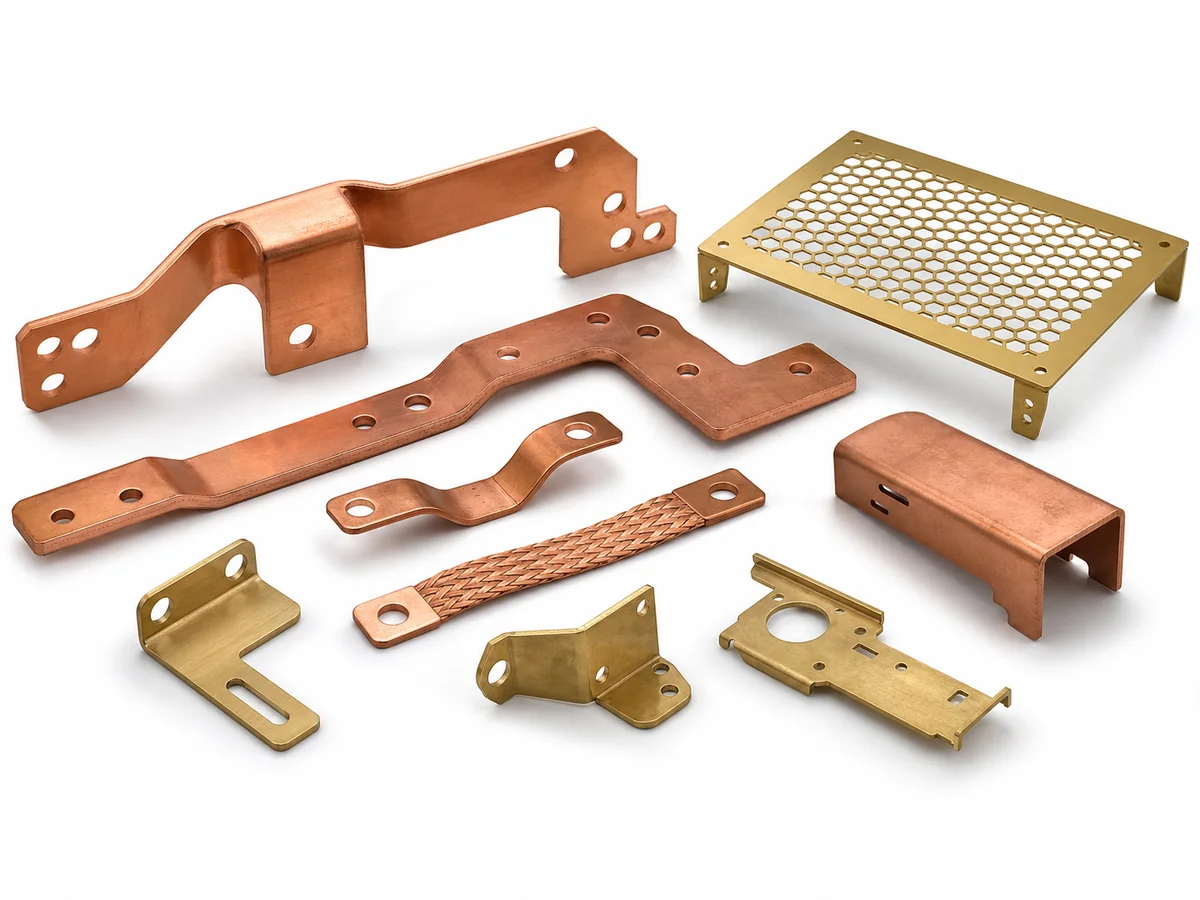
Mild Steel
Mild steel sheet metal fabrication is common for brackets, frames, guards, covers and structural OEM parts. It is strong, economical and easy to weld. The main question is surface protection: powder coating, plating, galvanizing or another finish should match the installation environment.
SPCC Cold Rolled Steel
SPCC sheet metal works well for indoor enclosures, cabinet panels, covers and parts that need a smooth powder coated finish. It forms predictably, but it should not be treated as outdoor-ready without a suitable coating system.
SGCC and Galvanized Steel
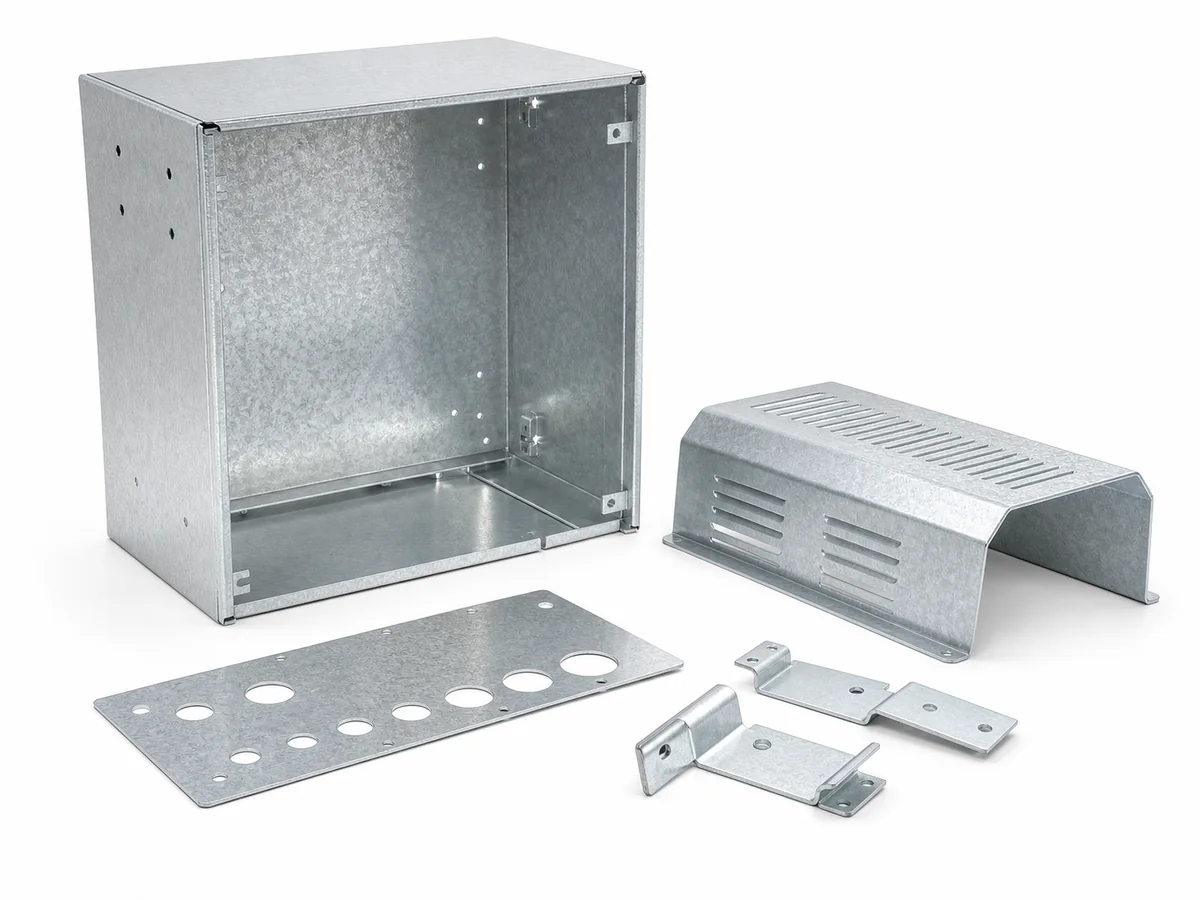
SGCC and galvanized sheet metal give better corrosion resistance because of the zinc coating. They are useful for outdoor or semi-outdoor cabinets, equipment covers and cable entry parts. Welding, cut-edge protection and finish compatibility should be discussed before mass production.
Stainless Steel 304 and 316
304 stainless steel is a practical choice for many clean, corrosion-resistant parts. 316 stainless steel is stronger against chlorides and harsh environments, so it is often considered for coastal, chemical, marine or high-humidity applications. Surface handling matters because beautiful stainless steel can still be scratched by careless packaging.
Aluminum
Aluminum sheet metal fabrication is useful when weight, corrosion resistance and appearance matter. It is common for equipment housings, panels, covers and lightweight structures. Alloy selection, bending radius and welding plan should be checked early.
Brass and Copper
Brass and copper are less common for general cabinets, but they are valuable for conductive parts, grounding details, busbar-related covers and visible decorative elements. They are softer and more expensive, so handling, fingerprints and finish protection matter.
Trust Table: How MSTFAB Reviews Material Before Quoting
| Review Point | What We Check | Why It Helps Buyers |
|---|---|---|
| Application environment | Indoor, outdoor, humid, coastal, chemical, high-touch or cosmetic exposure | Reduces wrong material and wrong coating choices |
| Drawing and geometry | Bend radius, hole distance, slots, weld areas, tabs and assembly fit | Prevents springback, cracking, distortion and assembly surprises |
| Finish route | Powder coating, brushing, polishing, anodizing, plating or passivation | Aligns material with surface appearance and corrosion goals |
| Production repeatability | Thickness, grade availability, tolerance needs and batch volume | Keeps sample approval from becoming a batch headache |
| Export packaging | Surface protection, corner protection, stacking risk and carton or crate plan | Protects parts during long-distance shipment |
Material Selection by Product Type
Sheet metal enclosures
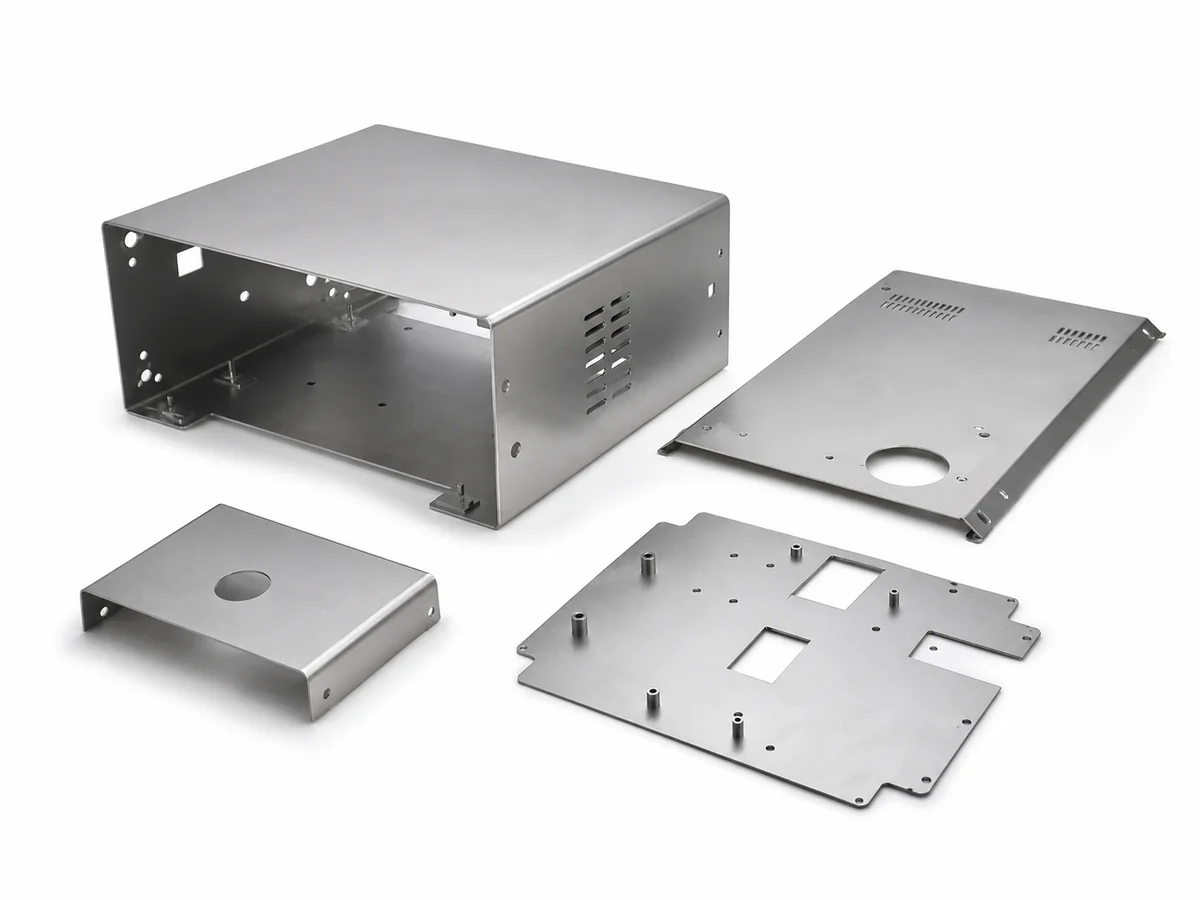
SPCC, galvanized steel, stainless steel and aluminum are common depending on indoor use, outdoor exposure, finish and weight.
Electrical enclosures
Material must support grounding, cable entry, panel strength, door fit, coating quality and service access.
Telecom cabinets
Galvanized steel, aluminum and stainless options may be reviewed for outdoor durability, ventilation and corrosion resistance.
Network cabinets
SPCC and coated steel are common for indoor rack cabinets, rails, doors and equipment panels.
Industrial automation parts
Mild steel and stainless steel are often used for machine guards, brackets, control boxes and operator panels.
Machinery parts
Material choice depends on strength, vibration, welding, coating and whether the part will live a quiet indoor life or a hard outdoor one.
What to Send for a Faster Material Decision
A clear RFQ saves everyone from the ancient purchasing ritual of twelve emails asking for the same missing information. Send the items below and the material discussion becomes much faster.
- 2D drawing and STEP/STP file if available
- Preferred material grade and thickness
- Indoor or outdoor application
- Corrosion, cleaning or weather exposure
- Surface finish, texture or RAL color
- Quantity and expected repeat order volume
- Welding, hardware or assembly requirements
- Critical dimensions and tolerance notes
- Packaging and export delivery requirements
- Photos or samples if the part already exists
For a fuller checklist, use our sheet metal RFQ drawing requirements guide before sending files.
FAQ: Common Materials Used in Sheet Metal Fabrication
What are the most common materials used in sheet metal fabrication?
The most common choices are mild steel, SPCC cold rolled steel, SGCC or galvanized steel, stainless steel, aluminum, brass and copper. The right option depends on strength, corrosion resistance, surface finish, bending behavior, welding needs and cost.
Which material is best for powder coated sheet metal enclosures?
SPCC, mild steel and galvanized steel are common choices for powder coated enclosures. SPCC gives a clean indoor surface, mild steel is strong and economical, and galvanized steel adds corrosion resistance when the exposure risk is higher.
Should I choose 304 or 316 stainless steel?
304 stainless steel works for many clean, indoor or general corrosion-resistant parts. 316 stainless steel is better for coastal, chemical, humid or chloride-rich environments where stronger corrosion resistance is needed.
Is aluminum a good material for sheet metal parts?
Yes, aluminum is useful when low weight, corrosion resistance and clean appearance matter. Buyers should review alloy, thickness, bend radius, welding needs and surface finish before production.
What information should I send for material review?
Send the drawing, STEP file if available, material grade, thickness, quantity, finish requirement, application environment and any coating, tolerance, welding or packaging requirements.
Need help choosing the right material?
Send your drawing, material idea, finish requirement and application environment. MSTFAB can review the fabrication route before your project becomes a very expensive ?we should have checked that earlier? story.
MSTFAB manufactures custom sheet metal enclosures, electrical cabinets, control boxes and industrial metal housings for OEM buyers.
 WeChat Contact
 WhatsApp Me Directly