Article focus: aluminum fabrication process route.
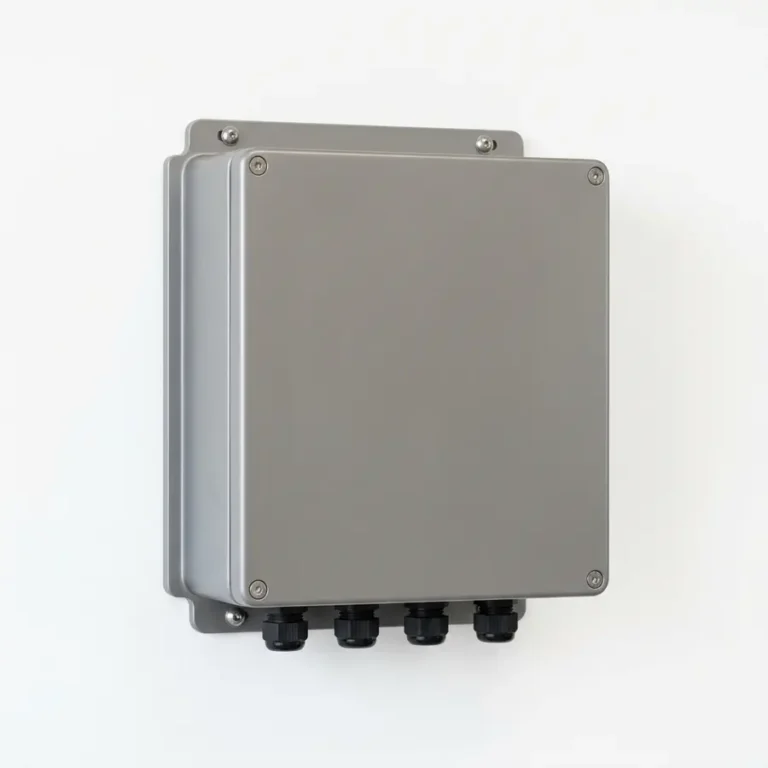
Aluminum fabrication is not just steel fabrication with a lighter personality. Alloy, temper, bend radius, surface handling and finish choice all affect the final part. This guide explains the process route for aluminum sheet metal fabrication services.
This page is process-focused. The aluminum parts manufacturer page should describe product examples and applications.
What OEM buyers should check first
- Select alloy and temper based on bending, strength and finish requirements.
- Use suitable bend radii to avoid cracking.
- Control scratches during cutting, bending and packing.
- Choose finish: anodizing, powder coating, brushing or bare aluminum as required.
- Confirm inspection criteria for visible aluminum surfaces.
Decision table
| Decision area | What buyers should check |
|---|---|
| 5052 aluminum | Common for formed sheet metal parts and enclosures. |
| 6061 aluminum | Higher strength but bending needs more care. |
| Anodizing | Durable finish for visible aluminum parts. |
| Powder coating | Color control and added surface protection. |
Manufacturing route at MSTFAB
For drawing-based programs, MSTFAB reviews the part requirement before quoting so the manufacturing route matches the real use case. A typical route includes alloy review, cutting, forming, welding or assembly, surface finishing, QC. The goal is not to make the quote look heroic; the goal is to make the delivered parts fit, finish and assemble correctly.
Evidence buyers can request
For quality-sensitive OEM projects, buyers can request sample photos, production-process confirmation, finish notes, packaging photos or dimensional checks for critical features. This is especially useful when the part includes mating holes, doors, hinges, cable openings, visible surfaces or welded structures.
Useful internal resources
Related MSTFAB resources: custom sheet metal fabrication service, laser cutting service, CNC bending service, surface treatment and powder coating.
FAQ
Why does aluminum crack during bending?
Tight radius, wrong alloy temper or poor grain direction can cause cracking.
What finish is common for aluminum?
Anodizing and powder coating are common, depending on appearance and corrosion needs.
 WeChat Contact
 WhatsApp Me Directly