
SGCC Sheet Metal Fabrication Supplier: OEM Enclosure Buyer Checklist
When sourcing SGCC enclosure parts, confirm the material specification, zinc coating condition, formed dimensions and protective finish before production. These details help buyers assess the quotation and define how the parts will be inspected.
MSTFAB manufactures semi-finished SGCC galvanized sheet metal enclosure parts for OEM buyers: cabinet shells, covers, front panels, mounting plates, back plates, brackets, door frames, rain lips, ventilation panels and powder-coating-ready parts. We make the metal structure. Your team integrates its own project components after delivery.

SGCC Enclosure Fabrication at a Glance
SGCC sheet metal fabrication is the manufacturing of zinc-coated galvanized steel sheets into custom enclosure shells, panels, covers, brackets and cabinet parts through DFM review, laser cutting, CNC bending, welding or hardware preparation, surface finishing, inspection and export packing.
Before requesting a quote: A reliable SGCC sheet metal fabrication supplier should verify material grade, zinc coating condition, bend direction, hole-to-bend distance, coating compatibility, weld risk, critical tolerances, inspection evidence and packing method before production. For OEM enclosure projects, the goal is repeatable semi-finished metal shells that fit the buyer’s own assembly workflow.
Use this guide to define galvanized material, cut-edge protection and finishing requirements. Review our sheet metal fabrication services for process options and enclosure fabrication scope for shells, panels and mounting features.
What SGCC Means in Real OEM Purchasing
Material reference: China Steel and Nippon Steel Vietnam’s product information lists SGCC under JIS G 3302 for hot-dip zinc-coated steel. Define the coating designation, thickness, surface treatment and required documentation in the RFQ; SGCC alone does not specify the finished cabinet’s corrosion performance.
SGCC is hot-dip galvanized steel sheet. The zinc coating helps protect the base steel from corrosion, which is useful for indoor cabinets, utility enclosures, equipment covers, brackets, back plates and some outdoor-supporting parts when the design and finish are chosen correctly.
Corrosion protection also depends on the finished design and exposure conditions. Review cut edges, water traps, coating damage during fabrication and compatibility with any additional finish.
For OEM buyers, SGCC is often selected when a project needs a practical balance of cost, formability, strength and corrosion resistance. It is common in galvanized sheet metal enclosure fabrication, wall-mount cabinet shells, service covers, machine guards, internal mounting plates and support brackets.
Buyer Pain Points This SGCC Checklist Solves
Zinc coating can be scratched by handling, welding prep, aggressive deburring or poor packing. Define visible surfaces and protection expectations early.
Laser-cut edges do not carry the same zinc layer as the sheet face. Outdoor or humid projects need finish planning, sealing or coating decisions.
Review bend radius, K-factor, flange height and hole-to-bend distance before sampling so formed features can be checked against the drawing.
Welded SGCC cabinet bodies need fixture planning, heat control and agreed checks for distortion and local coating damage.
SGCC can be powder coated, but pretreatment, masking, surface cleanliness and coating thickness should match the end-use requirement.
Confirm the material, finish, inspection and packing scope so supplier quotations can be compared on the same basis.
SGCC Fabrication Route for Custom Enclosure Parts
The best process route depends on the drawing, material thickness, corrosion requirement, appearance level and order volume. For a custom SGCC sheet metal enclosure, MSTFAB usually starts with manufacturability review before cutting metal.
| Step | What MSTFAB checks | Why OEM buyers care |
|---|---|---|
| RFQ and DFM review | STEP files, 2D drawings, material grade, thickness, finish, tolerance, quantity and packing notes | Prevents quoting a part that cannot be formed or inspected reliably |
| Laser cutting | Cutouts, vent slots, mounting holes, edge quality, sheet utilization and burr direction | Keeps front panels, covers and back plates accurate before forming |
| CNC bending | Bend radius, flange length, bend sequence, hole-to-bend distance and tooling access | Controls enclosure fit, bracket repeatability and door alignment |
| Welding or hardware prep | Spot welding, seam welding, PEM holes, threaded inserts, tabs, ribs and distortion risk | Gives the shell enough structure without creating avoidable rework |
| Surface finishing | Specified cleaning and pretreatment, powder coating where required, masking, visible faces and cut-edge protection | Protects appearance and corrosion performance |
| Inspection and packing | Critical dimensions, coating photos, finish checks, separated panels and export cartons | Reduces receiving complaints, scratches and assembly delays |
1. Laser-Cut SGCC Panels: Where Accuracy Starts
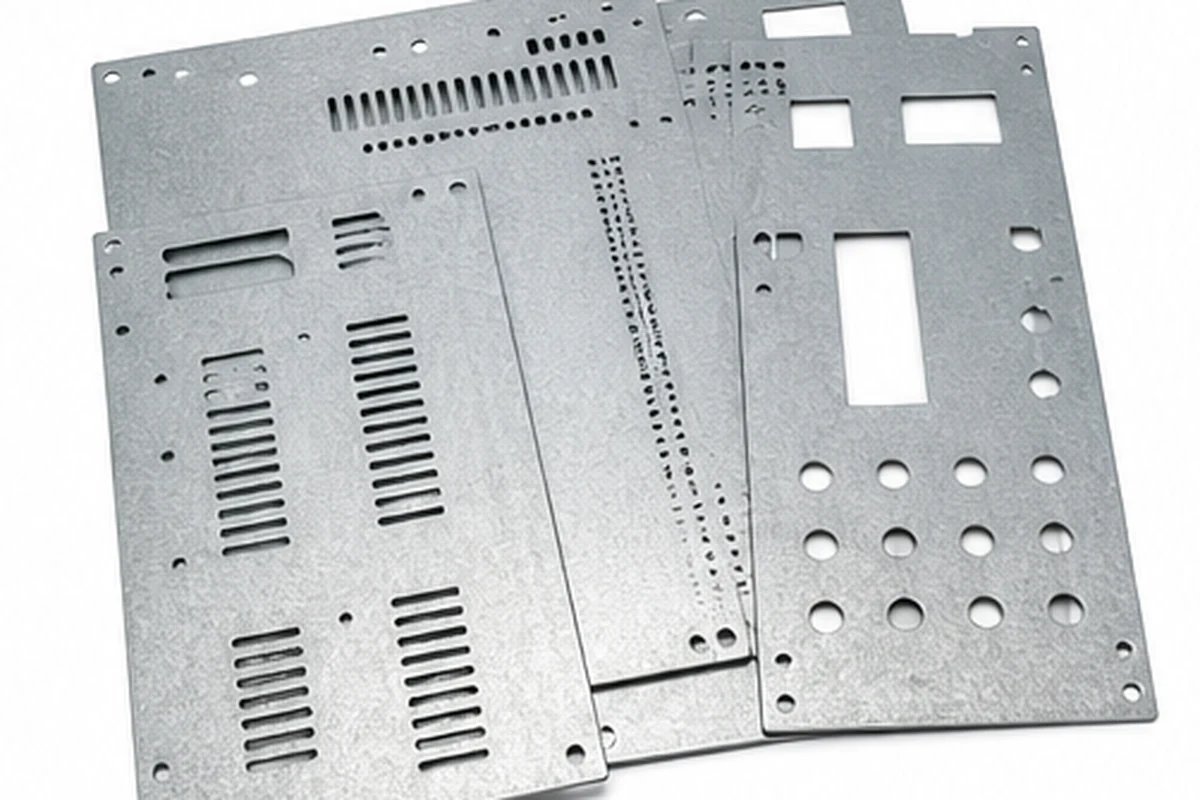
Laser-cut SGCC panels are common in front covers, ventilation plates, access covers, display openings, cable gland blank plates and mounting panels. The cutting quality affects nearly everything that follows: bend quality, coating appearance, gasket fit and assembly time.
When buyers send drawings, the important details are not only outer dimensions. Mark slot direction, visible faces, deburring needs, critical holes, PEM hardware positions and whether a cut edge will be exposed to moisture. Review holes near bends for deformation risk and define the required position after forming.
MSTFAB connects SGCC cutting work with laser cutting services so buyer files can move from flat pattern review into fabrication with fewer surprises.
2. CNC Bending: Making Galvanized Sheet Fit the Real World
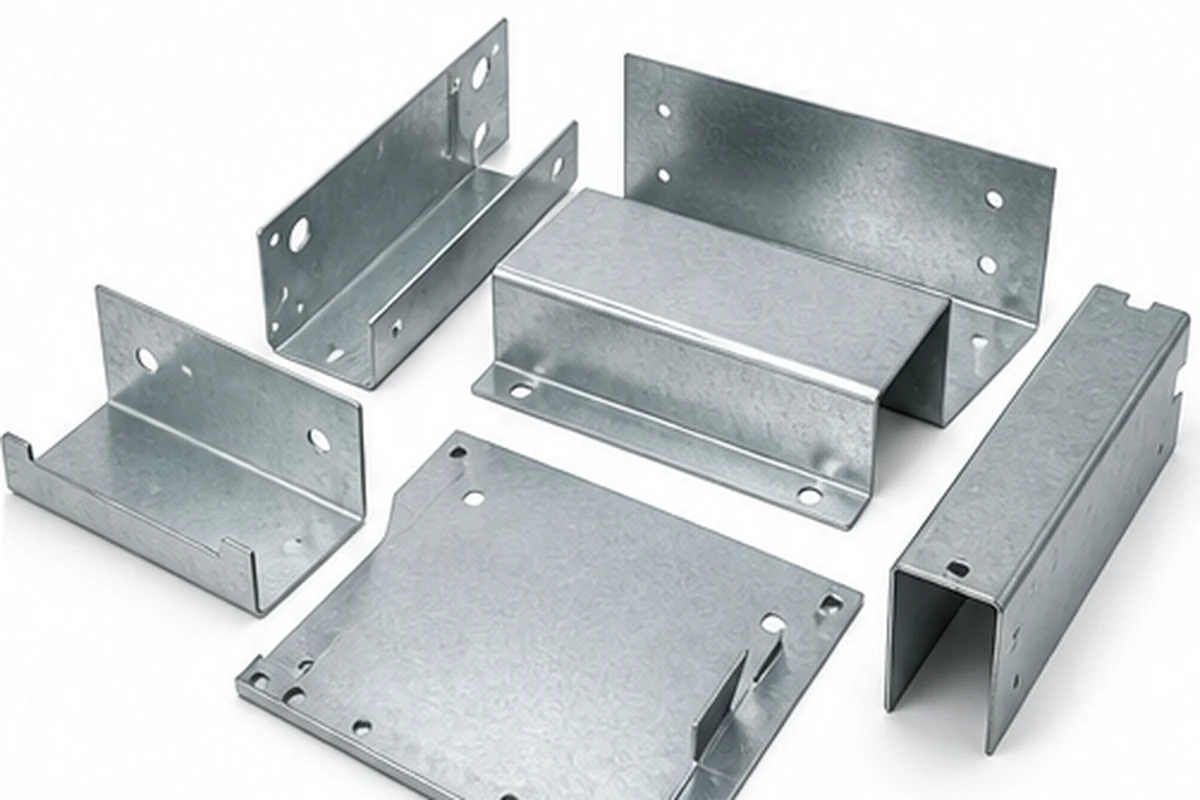
CNC bending turns SGCC sheet into covers, channels, cabinet sides, U-brackets, bases and flange features. For enclosure projects, repeatable bending is often more important than making one beautiful sample. Confirm the inspection method and acceptance criteria for repeat orders as well as the first sample.
Buyers should define material thickness, inside bend radius, critical flange heights, outside dimensions and any areas that must stay flat. SGCC is formable, but tight radii or poor hole placement can crack coating, deform openings or make the part difficult to inspect consistently.
For related process detail, see MSTFAB’s sheet metal bending page.
3. Door Frames, Gasket Channels and Outdoor Edges
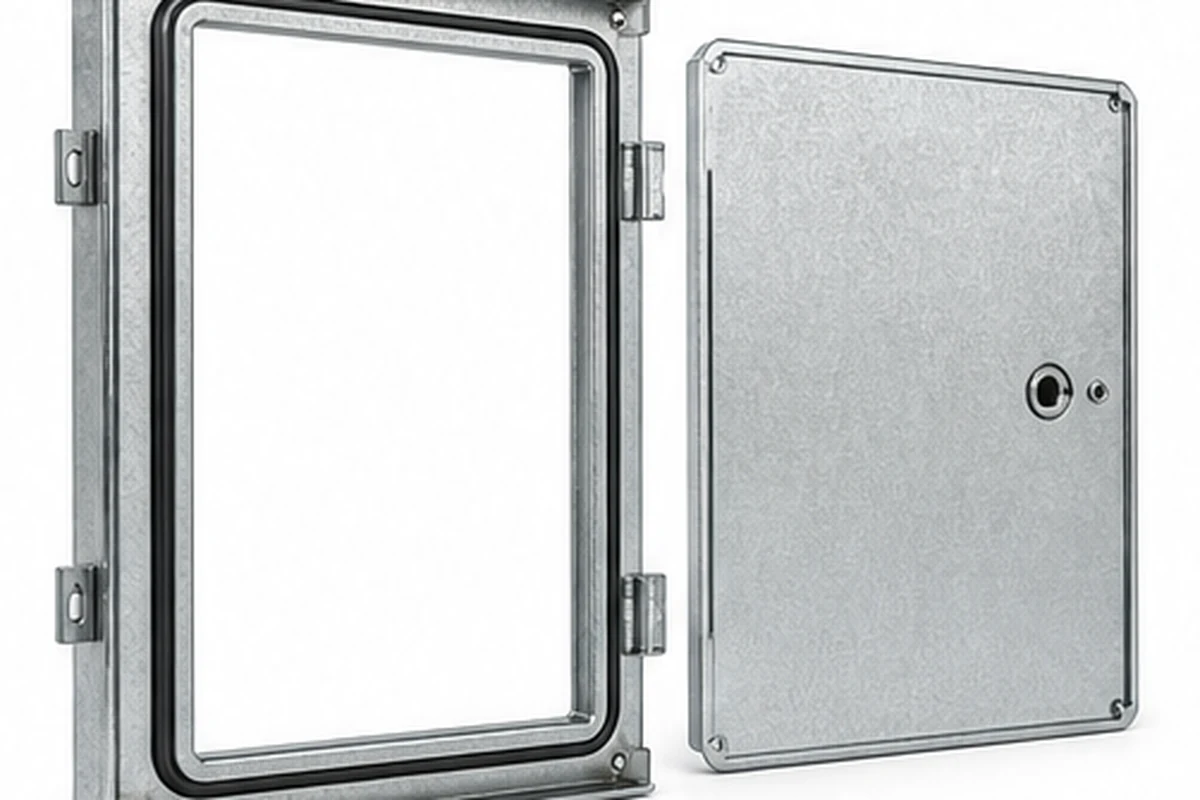
Many SGCC enclosure projects involve a door, removable cover or inspection panel. The metal design should protect gasket compression, hinge spacing, lock cutout location, rain-lip direction and service access. A door that closes nicely in a CAD screenshot can still fail if the frame twists after bending or welding.
For outdoor or humid applications, the buyer should confirm whether SGCC alone is enough or whether powder coating, cut-edge sealing, stainless hardware, drainage features or a different material should be considered. The right answer depends on exposure, target life, cost and drawing design.
MSTFAB does not guess the final project requirement. We review manufacturability and help point out risks, then fabricate the semi-finished sheet metal enclosure parts according to the agreed specification.
4. Mounting Brackets, DIN Rail Plates and Back Panels
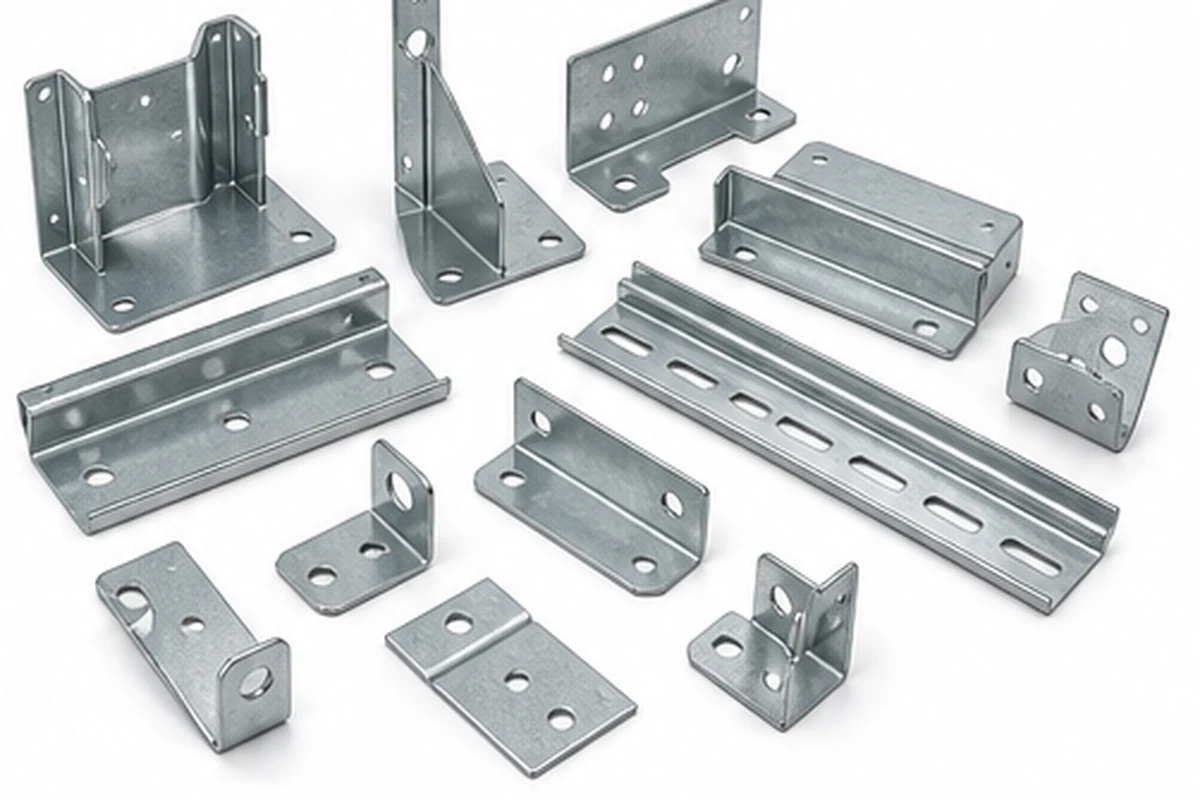
SGCC is often a practical choice for brackets, back plates, DIN rail supports, grounding tabs, reinforcement ribs and mounting plates inside enclosure systems. These parts may look small, but they decide whether buyer-installed modules line up without field drilling.
For bracket RFQs, include bend direction, hole tolerance, slot length, surface finish, quantity, packaging preference and whether the part is visible after integration. A hidden internal bracket does not need the same cosmetic standard as an exposed cabinet front. Set cosmetic requirements according to the part’s visibility and function while retaining the required corrosion protection and dimensional checks.
5. Welding SGCC Enclosure Bodies Without Creating New Problems
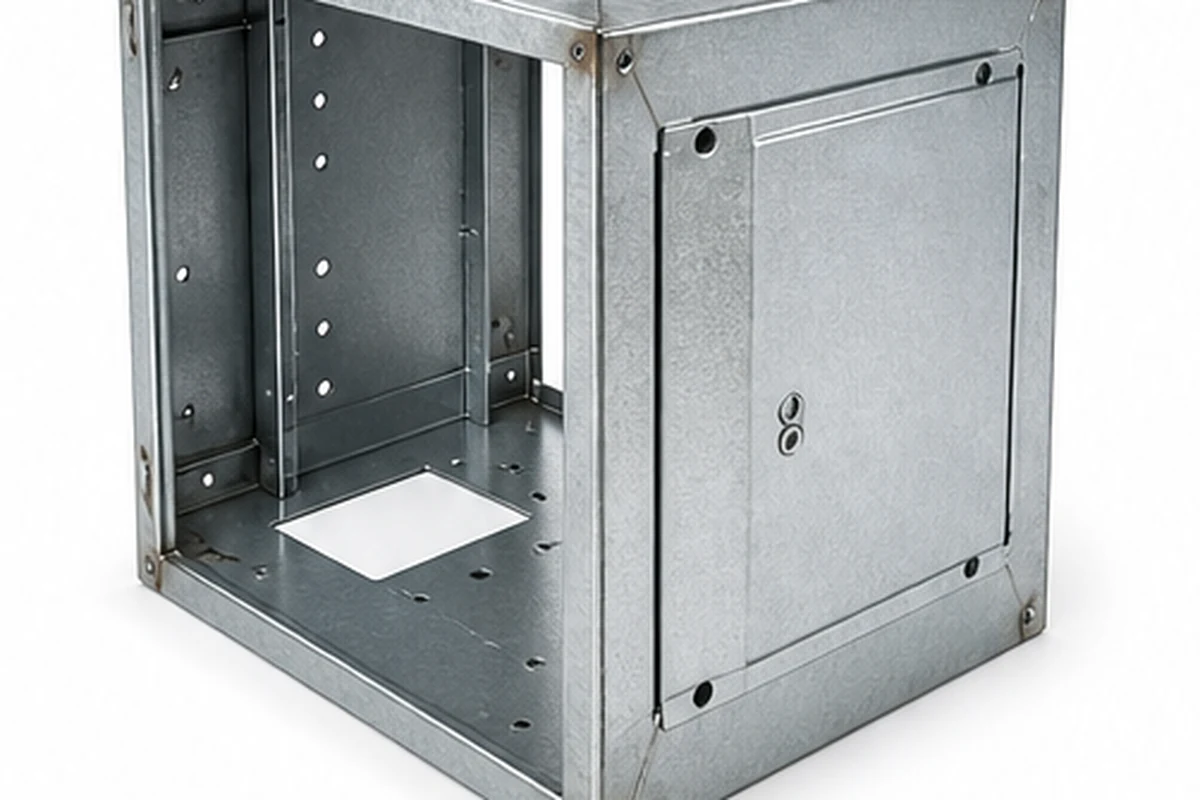
Some galvanized sheet metal enclosure bodies need welded corners, reinforced bases, tabs, support rails or frame structures. Welding can improve strength, but heat can also move panels, damage local zinc coating and increase grinding work.
Good DFM asks whether each weld is necessary. Some designs can use formed tabs, rivet nuts, inserts or mechanical fastening to reduce distortion. Other areas truly need welding and should be controlled by fixture, weld sequence and inspection points. The goal is not “more welding.” The goal is a stable enclosure shell that survives handling, coating and installation.
For broader process context, visit MSTFAB welding services.
6. Powder Coating and Surface Protection for SGCC
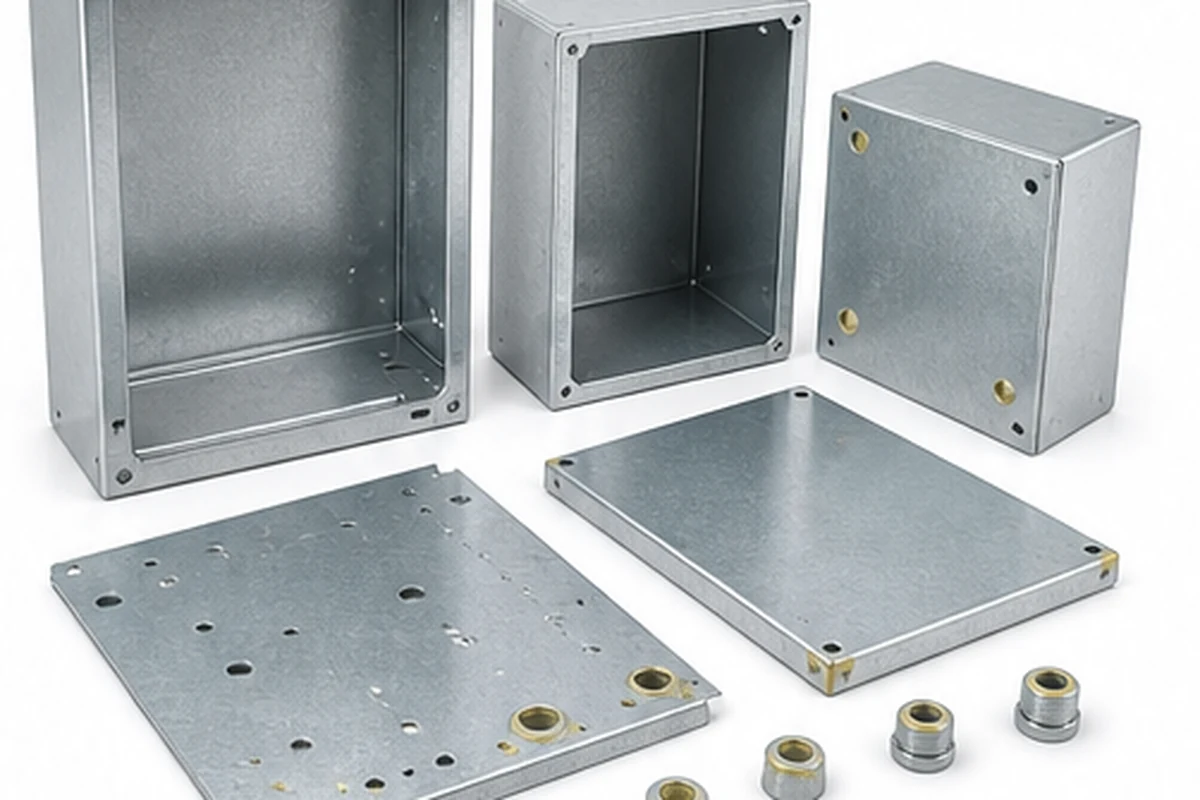
SGCC already has a zinc coating, but many enclosure projects still require powder coating for color, branding, appearance, corrosion control or touch protection. The key issue is compatibility: surface cleaning, pretreatment, masking, threaded inserts, coating thickness and visible face requirements should be defined before production.
If a buyer wants both corrosion resistance and a clean cosmetic surface, the drawing should state finish color, gloss, texture, masking zones, coating thickness target and inspection method. For outdoor-facing parts, cut edges and water traps deserve special attention.
MSTFAB handles surface planning through our surface treatment workflow so the fabrication route and finishing route are not treated as two unrelated conversations.
SGCC vs Other Sheet Metal Materials
SGCC is not always the best material, but it is often a very practical one. Buyers comparing suppliers should avoid choosing material only by habit. The correct choice depends on environment, appearance, forming complexity, strength, cost and finish.
| Material | Best fit | Buyer caution |
|---|---|---|
| SGCC galvanized steel | Cost-effective enclosure shells, back plates, covers, brackets and indoor or protected cabinets | Cut edges and scratched coating need review, especially for wet environments |
| SPCC cold-rolled steel | Painted indoor enclosures, covers and low-cost structural parts | Usually needs coating for corrosion protection |
| Stainless steel | Premium, medical, food-adjacent or corrosion-demanding metal housings | Higher cost, grain direction and finish handling matter |
| Aluminum | Lightweight cabinets, covers and telecom-style shells | Bend radius, scratching and welding approach need careful control |
| Galvanized plus powder coating | Enclosures needing zinc base protection and colored exterior surfaces | Pretreatment and adhesion control should be confirmed before batch work |
RFQ Checklist for an SGCC Sheet Metal Fabrication Supplier
Include the drawing revision, material, finish, quantities and inspection requirements with the RFQ. Identify any missing information so it can be resolved before production.
- STEP or STP 3D model for the enclosure shell, panels and brackets.
- 2D PDF drawings with material, SGCC grade if known, thickness and finish.
- Critical dimensions, tolerance notes and inspection priority.
- Flat patterns if your engineering team already controls them.
- Visible surface notes, grain or spangle sensitivity and scratch limits.
- Hardware positions, PEM holes, threaded inserts and mounting details.
- Powder coating color, texture, masking areas and packing requirements.
- Prototype quantity, pilot quantity and expected repeat production demand.
For file upload workflow, use the online quotation page. If your project is still in early design, review DFM for sheet metal fabrication first.
How to Judge an SGCC Fabrication Quote
The lowest number on a spreadsheet is not always the lowest project cost. For SGCC enclosure fabrication, quote quality matters because material, finish, tolerance and packing decisions affect the real total cost.
| Quote item | Weak quote | Reliable quote |
|---|---|---|
| Material | “Galvanized sheet” | SGCC or agreed galvanized grade, thickness and surface expectation |
| Cutting and bending | No flat pattern or tolerance discussion | DFM notes for bend radius, hole placement and critical dimensions |
| Finish | “Powder coat included” | Color, texture, pretreatment, masking and visible surface definition |
| Inspection | No measurement plan | Critical dimension checks, finish photos and sample approval route |
| Packing | Bulk packed metal parts | Separated panels, corner protection, foam or carton planning for export |
| Scope | Unclear about what is included | Clear scope for semi-finished enclosure shells, covers, panels and brackets |
What Makes MSTFAB a Practical SGCC Sheet Metal Fabrication Supplier?
Agree on the production drawing, critical dimensions, finish requirements and inspection records before placing the order. Confirm which material records, measurements, finish photographs and packing photographs will be supplied for your project.
| Buyer concern | MSTFAB support | Business value |
|---|---|---|
| Can the part be manufactured repeatably? | DFM review for bend sequence, cutouts, hardware positions and finish requirements | Lower sample correction risk |
| Will SGCC survive the application? | Material and finish discussion based on exposure, coating and cut-edge concerns | Better material decisions before tooling or batch work |
| Will covers and brackets fit? | Laser cutting, CNC bending, welding control and inspection checkpoints | Less assembly delay after delivery |
| Will visible surfaces be acceptable? | Visible face notes, powder coating planning and packing protection | Fewer cosmetic rejections |
| Can the supplier support export buyers? | Photo evidence, packing planning and communication around drawing-based production | Cleaner handoff for overseas procurement teams |
Cost Drivers in SGCC Sheet Metal Enclosure Fabrication
SGCC material can be cost-effective, but fabrication cost still depends on thickness, part size, hole density, bend complexity, welding, hardware, finish, inspection and packing. A simple flat cover is not priced like a welded enclosure body with hinges, gasket channel, mounting rails and powder coating.
Cost reduction usually comes from smarter design: common thickness, fewer unique brackets, better hole standardization, realistic tolerances, simplified welding and clear finish requirements. Any change to material thickness should be reviewed against the part’s load, stiffness and assembly requirements before approval.
For deeper sourcing context, read sheet metal fabrication cost for enclosures and custom sheet metal fabrication for OEM parts.
Related Fabrication and RFQ Guides
Use this SGCC guide when the material is already part of your drawing package. For broader enclosure sourcing, start with custom sheet metal enclosure fabrication. For manufacturing process pages, compare laser cutting, CNC bending, welding and surface treatment. When your drawings are ready, send them through online drawing upload or contact MSTFAB directly through the contact page.
FAQ: SGCC Sheet Metal Fabrication Supplier
Is SGCC good for custom sheet metal enclosures?
Yes, SGCC is often useful for galvanized sheet metal enclosure shells, covers, brackets and back plates when corrosion resistance, formability and cost balance matter. The final choice still depends on exposure, coating, cut-edge protection and drawing design.
Can SGCC parts be powder coated?
Yes. Powder coating can be applied to SGCC parts when surface cleaning, pretreatment, masking and coating thickness are controlled. Buyers should define color, texture, visible faces and corrosion expectations in the RFQ.
Does MSTFAB make only SGCC parts?
No. MSTFAB also fabricates cold-rolled steel, stainless steel and aluminum sheet metal parts. This page focuses on SGCC because galvanized steel has specific buyer risks around zinc coating, cut edges, bending and finishing.
What does MSTFAB supply for SGCC enclosure projects?
MSTFAB supplies semi-finished metal enclosure shells, panels, covers, back plates, brackets, rails, door frames and related sheet metal parts. Buyers integrate their own project-specific modules after delivery.
How can I get a more accurate SGCC fabrication quote?
Send STEP files, 2D drawings, material thickness, finish notes, quantity, tolerance requirements, hardware locations and packing expectations. Identify the drawing revision and any open requirements so the quotation states its assumptions clearly.
Need SGCC Galvanized Sheet Metal Enclosure Parts?
Send your STEP, DXF, DWG or PDF drawings for SGCC enclosure shells, covers, panels, back plates, brackets and cabinet parts. MSTFAB will review manufacturability, material risk, fabrication route and quote scope clearly.
Scope note: MSTFAB fabricates custom sheet metal enclosure shells and semi-finished SGCC metal parts for OEM projects.
 WeChat Contact
 WhatsApp Me Directly