
Why Sheet Metal Fabrication Is Used for Enclosures
Enclosures look simple from far away: a box, a cover, a door, maybe a few holes. Then the buyer opens the drawing package and discovers bend radius, hole alignment, vent patterns, gasket edges, hardware positions, coating thickness and export packing. That is exactly why sheet metal fabrication is used for enclosures.

Short answer: sheet metal fabrication is used for enclosures because it turns flat metal into strong, accurate and customizable semi-finished shells, covers, panels, brackets and chassis trays without expensive hard tooling for every design. For OEM buyers, it supports laser cutting, CNC bending, welding, powder coating, hardware preparation, inspection and export packing from STEP, DXF and approved drawings.
MSTFAB scope: we manufacture custom sheet metal enclosure parts and related metal structures. Good-fit projects include empty enclosure shells, doors, covers, back plates, louver panels, mounting brackets, rails, tabs and chassis trays. We do not position this article as an installed device or internal system service. The buyer controls later project integration.
Why Buyers Use Sheet Metal Enclosures in the First Place
OEM engineers choose sheet metal enclosures because metal gives structure, durability and design freedom at the same time. A plastic housing may work for lightweight consumer items. A cast housing may work when the design is stable and volume is high. But many industrial, electrical, telecom, energy, automation and machinery projects need custom enclosure geometry, practical cost, fast revision changes and reliable protection. Sheet metal sits in that very useful middle ground.
For procurement teams, this matters because enclosure sourcing is rarely just a price-per-piece decision. The enclosure protects the buyer’s project, defines service access, affects heat flow, carries labels and hardware, and influences how easy assembly will be later. If the enclosure is poorly fabricated, the problem shows up as misaligned holes, scratched panels, doors that do not sit flat, brackets that fight the assembly team, and freight damage that makes everyone suddenly very interested in packaging.
Sheet metal fabrication works well for custom enclosures because it starts from sheet stock, not a fixed mold. Laser cutting creates the profile. CNC bending creates the shape. Welding or fastening creates structure when needed. Surface finishing adds corrosion resistance or appearance. Inspection and export packing protect the work after fabrication. In simple language: flat sheet becomes a useful metal enclosure part, and the buyer does not need to pay for a mold every time the drawing changes.
| Buyer need | Why sheet metal helps | What to confirm before RFQ |
|---|---|---|
| Custom dimensions | Flat patterns can be laser cut for project-specific openings, holes and panel sizes | STEP file, 2D drawing, DXF, revision and tolerance notes |
| Strong structure | Bends, flanges, ribs and welded corners improve stiffness without making every part heavy | Material grade, thickness, bend radius and load areas |
| Service access | Doors, covers, removable panels and brackets can be designed for maintenance | Hinge areas, latch holes, fastener access and panel removal direction |
| Airflow and cable routes | Vents, louvers, slots and gland plates can be cut into the enclosure parts | Vent area, hole spacing, cut edge requirement and coating rule |
| Export purchasing | Repeatable fabrication, QC evidence and packing photos help overseas buyers reduce risk | Inspection points, packing method, labels and shipping protection |
Sheet Metal Fabrication Gives Custom Enclosures Design Freedom
Custom enclosure projects often begin with a practical problem: the buyer needs a metal shell that fits a specific layout, installation space, mounting pattern or environmental requirement. Standard catalog boxes sometimes work, but many OEM projects need a different width, different hole position, special gland plate, modified ventilation pattern, unique bracket location or custom cover shape.
That is where custom sheet metal fabrication earns its seat at the table. A factory can cut and form parts from the buyer’s drawing instead of forcing the buyer to design around an off-the-shelf housing. Laser cut panels can include display openings, cable entries, louvers, switch holes, mounting holes and slots. CNC bending can create flanges, returns, lips and box shapes. Welded seams or fastened structures can add strength where the drawing needs it.
The value is not only flexibility. It is controlled flexibility. A proper sheet metal enclosure manufacturer checks whether a slot is too close to a bend, whether a flange is too narrow to form, whether a hole pattern will remain accurate after bending, and whether the material is realistic for the bend radius. A supplier that says yes to everything may sound friendly, but metal is not impressed by optimism.
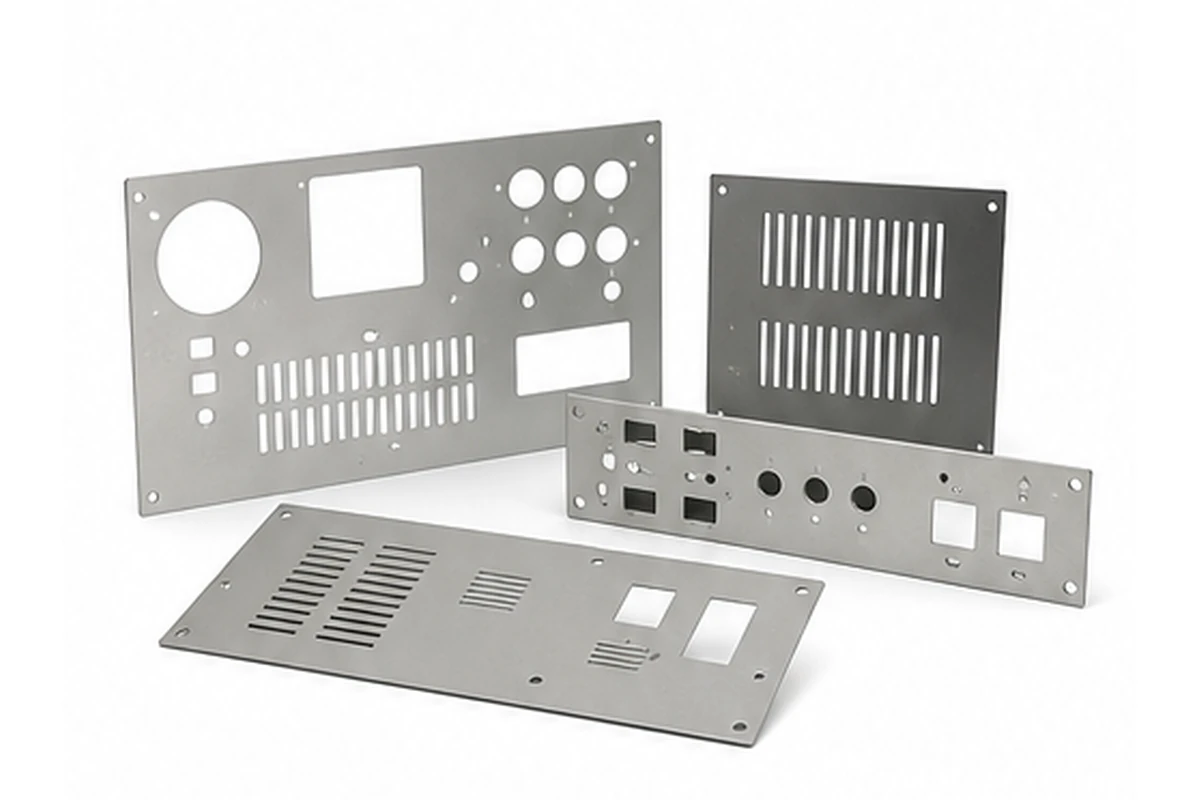
Laser Cutting Makes Enclosure Openings Practical
Laser cutting is one of the main reasons sheet metal fabrication is used for enclosures. It can create accurate profiles, holes, ventilation slots, cable gland openings, display cutouts, mounting holes, louvers and bracket blanks without making dedicated stamping tooling. For prototype, low-volume and repeat OEM projects, this saves time and keeps design changes practical.
For buyers, the key is to define which features matter. A hidden clearance hole may not need the same visual standard as a front panel display opening. A gasket edge may need cleaner control than a rear support tab. A louver pattern may need both airflow and coating compatibility. When the drawing identifies critical features, the laser cutting process can be planned with the right inspection focus.
MSTFAB uses laser cutting for custom enclosure panels, covers, doors, back plates, mounting plates, brackets and bend-ready blanks. If the part will later be bent, welded or powder coated, we review the flat pattern with the next process in mind. A clean flat part should not become a difficult formed part.
Holes and slots
Laser cutting supports precise hole patterns, slotted mounting points and cable entry features for custom sheet metal enclosure parts.
Vents and louvers
Ventilation patterns can be designed around airflow needs, strength, surface finish and powder coating requirements.
Revision control
Drawing-based laser files make design revisions easier than hard tooling, especially during prototype-to-production development.
CNC Bending Turns Flat Sheet into a Strong Enclosure Structure
A flat panel is useful, but most enclosures need three-dimensional strength. CNC bending adds flanges, returns, lips, side walls, trays and formed corners. These bends increase stiffness and create mounting surfaces without adding a lot of extra weight. That is why many enclosure shells, covers and chassis trays are made from bent sheet metal.
Bending is also where many sourcing problems begin. Hole-to-bend distance, bend radius, material thickness, grain direction and tooling access all affect the result. If a hole is too close to the bend line, it can distort. If a flange is too short, it may be difficult to form cleanly. If the bend sequence is not planned, the part can trap itself in the press brake. Metal has a dry sense of humor that procurement does not always enjoy.
For custom sheet metal enclosures, MSTFAB checks bend feasibility before production. We look at flange dimensions, bend relief, material thickness, inside radius, tolerance requirements and whether the part will need welding, hardware installation or finish afterward. The buyer receives a fabricated enclosure part that is designed around manufacturing reality, not just screen geometry.
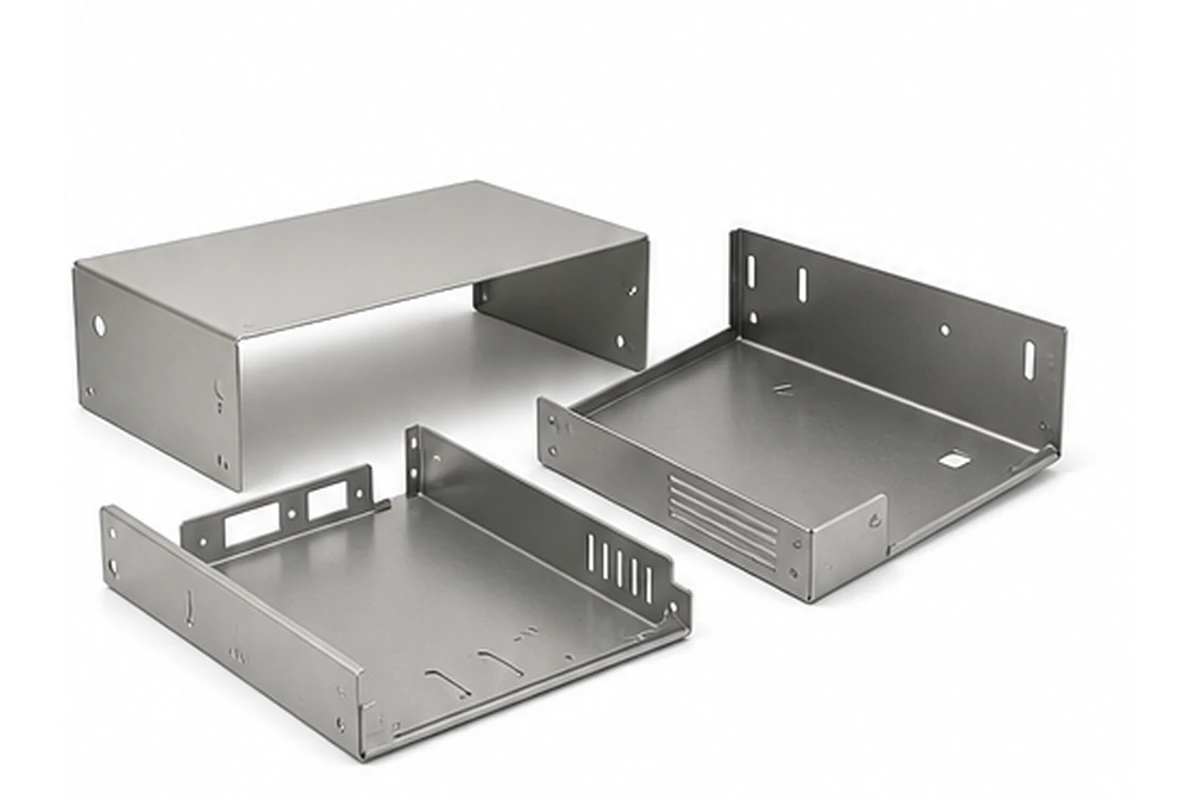
Sheet Metal Enclosure Shells Are Useful Semi-Finished Parts
One common misunderstanding is that an enclosure supplier must deliver a fully built system. That is not MSTFAB’s positioning. We focus on semi-finished sheet metal enclosure shells and parts made from customer drawings. These can include empty boxes, cabinet bodies, doors, covers, side panels, back plates, brackets, rails and chassis trays.
This focus is important for buyers because it keeps the procurement scope clean. If your team needs fabricated metal shells and panels for your own project, a sheet metal enclosure factory is the right type of supplier. If your team needs the later system-level build, that is a different procurement category. Mixing those two scopes can create unclear pricing, unclear responsibility and a quote that tries to be everything for everyone.
For MSTFAB, the right RFQ usually includes drawings for metal enclosure parts, not a vague request for a complete machine. The better the metal part scope is defined, the better we can control material, laser cutting, CNC bending, welding, finish, inspection and export packing.

Airflow, Louvers and Cutouts Are Easier with Fabricated Sheet Metal
Many enclosure projects need airflow. Outdoor cabinets, network enclosure panels, industrial control boxes and power cabinet shells often require vents, louvers, filters or perforated panels. Sheet metal fabrication makes these features practical because the airflow pattern can be designed into the flat panel and then formed or finished as required.
Buyers should not treat ventilation as decoration. A vent pattern changes strength, coating behavior, water exposure and dust control. Louvers need direction. Perforations need spacing. Filters need mounting details. A cutout that looks simple on a CAD screen can become weak, sharp, noisy or difficult to coat if the design is not reviewed.
MSTFAB can manufacture louvered panels, perforated covers, vent plates and related enclosure parts from buyer drawings. We keep the scope on the fabricated metal parts and help buyers review practical details such as cut edge condition, bend clearance, coating coverage and panel stiffness.

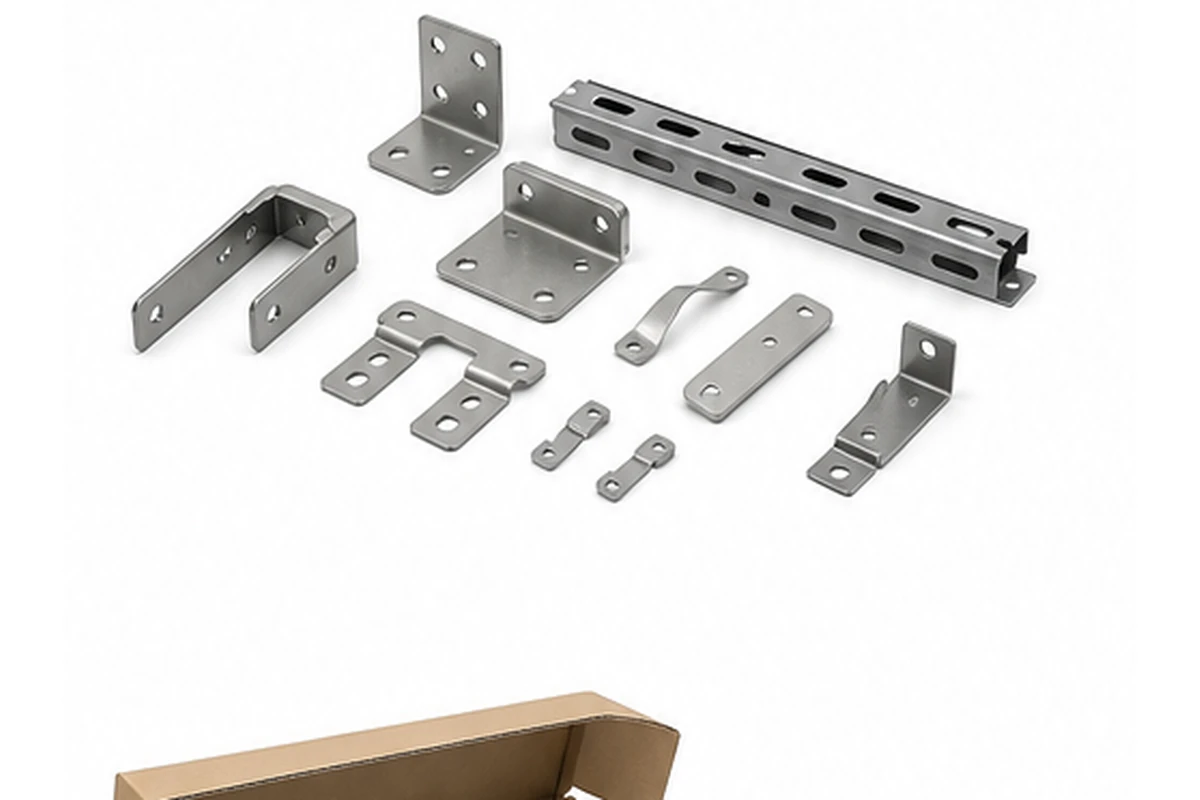
Mounting Brackets, Rails and Tabs Make Enclosures Work
Enclosures are not only boxes. They are collections of metal parts that must mount, align and stay serviceable. Small brackets, rail strips, hinge plates, tabs and spacer parts often decide whether the buyer’s later assembly is smooth or full of colorful vocabulary. A small bracket is cheap until it is wrong.
Sheet metal fabrication is useful because these supporting parts can be cut and bent to match the enclosure design. A bracket can include slots for adjustment. A rail strip can match the hole pattern. A hinge plate can be reinforced. A tab can be added where the project needs it. Compared with fixed catalog hardware, custom sheet metal parts help the enclosure match the project instead of forcing the project to compromise.
For RFQ, buyers should include bracket drawings, hole patterns, thickness, bend direction, surface finish and the function of each part. If a bracket aligns with another part, share that relationship. If a rail spacing controls installation, mark it clearly. Precision is easier when the drawing tells the factory what matters.
Material Choice Is a Major Reason Sheet Metal Works for Enclosures
Sheet metal enclosure fabrication gives buyers several material choices. Cold-rolled steel is common for powder-coated indoor enclosures and panels. Galvanized steel can help with corrosion resistance in utility and outdoor-oriented parts. Stainless steel supports harsh environments or premium visible panels. Aluminum helps reduce weight but needs careful attention to bend radius, surface protection and finish.
The best material depends on where the enclosure part will be used, what strength is required, how it will be finished, and how much the buyer wants to spend. There is no magic material that is low-cost, ultra-light, corrosion-proof, scratch-proof, easy to bend and beautiful forever. If someone finds it, procurement departments will probably hold a parade.
MSTFAB helps buyers align material and process. For example, a powder-coated cold-rolled steel cover may be a good choice for many indoor panels. A stainless front cover may be better when appearance and corrosion resistance matter. Aluminum may be right for lightweight telecom or energy cabinet covers, but bend and surface notes need more care.
| Material | Common enclosure part use | Buyer check before quotation |
|---|---|---|
| Cold-rolled steel | Painted cabinet panels, doors, covers, brackets and chassis trays | Thickness, finish color, indoor environment, bend radius and surface side |
| Galvanized steel | Utility panels, outdoor-oriented brackets, back plates and cabinet parts | Cut edge treatment, welding route, coating compatibility and corrosion expectation |
| Stainless steel | Visible panels, premium covers, corrosion-resistant enclosure parts | Grade, grain direction, visible face, burr rule and scratch protection |
| Aluminum sheet | Lightweight covers, telecom enclosure parts, removable panels | Alloy, temper, bend radius, anodizing or coating, packing protection |
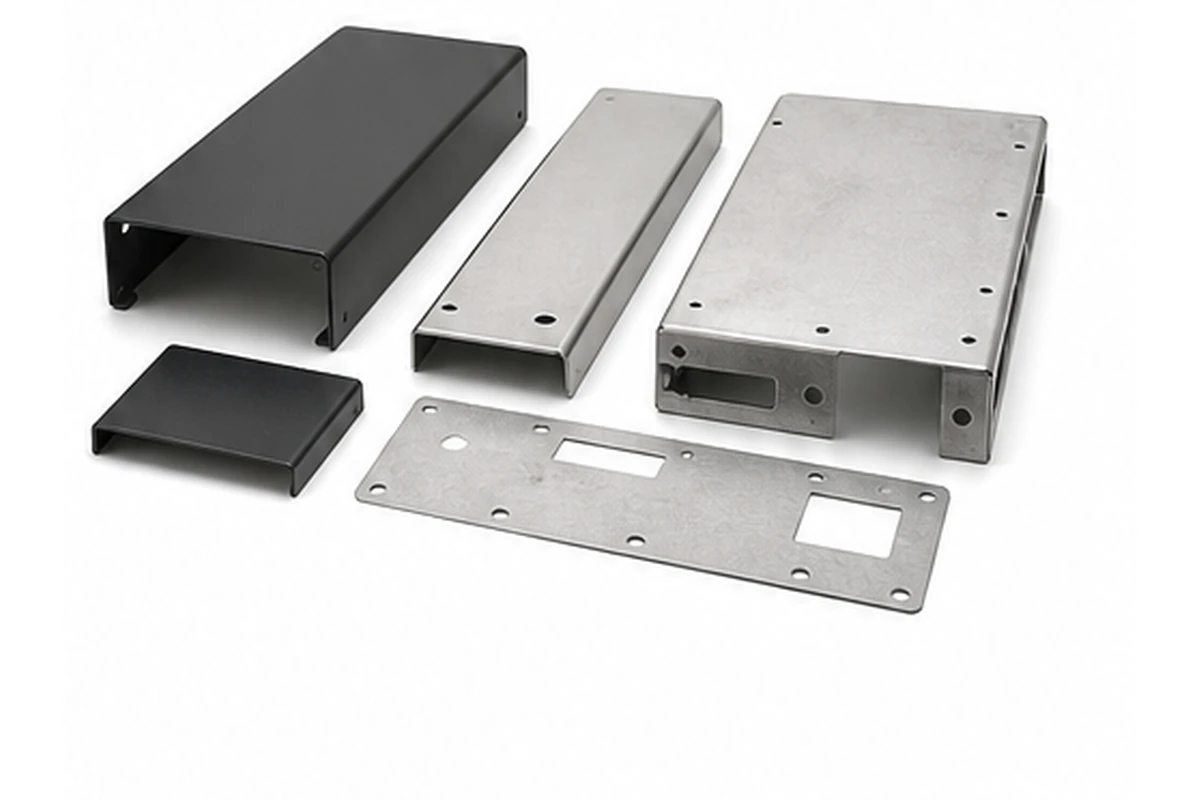
Surface Finishing Adds Protection and Buyer Confidence
Surface finish is not just cosmetics. Powder coating, brushing, plating, anodizing and protective handling can affect corrosion resistance, appearance, assembly fit and customer acceptance. A good sheet metal enclosure project defines the surface expectation before production, not after the first carton is opened.
Powder coating adds thickness. Stainless steel can show scratches. Aluminum can dent. Galvanized steel needs careful treatment when edges are exposed. If the buyer has a visible surface, that surface should be marked on the drawing. If a hole must stay clear after coating, the requirement should be defined. If color consistency matters, reference samples or color codes help.
MSTFAB supports surface finishing for custom sheet metal enclosure parts while keeping the scope on fabricated metal shells and components. We can help review finish notes, visible faces, coating thickness concerns and packing protection so the parts arrive in a condition that matches the buyer’s expectation.
Welding Helps When Enclosures Need Extra Strength
Not every enclosure part needs welding. Many covers, panels and trays are laser cut and bent only. But some enclosure shells, frames, brackets or support structures need welded corners, welded tabs, reinforced joints or fixture-controlled assembly. Welding is useful when a bent shape alone cannot provide the required strength or geometry.
Welding also introduces risk. Heat can distort panels. Poor fixture control can shift holes. Grinding can affect appearance. If a welded sheet metal enclosure part has visible surfaces or tight alignment requirements, the RFQ should clearly identify those features. Welding should solve a structure problem, not create a new measurement puzzle.
MSTFAB reviews welded enclosure parts for joint access, distortion risk, fixture needs, grinding requirement and downstream coating. This helps buyers keep custom sheet metal enclosure fabrication practical from prototype through repeat production.
Inspection and Export Packing Protect the Value of the Work
A well-made enclosure part can still fail the buyer’s receiving inspection if it arrives scratched, bent, mixed up or missing labels. Export packing is not glamorous, but it is part of the manufacturing result. Thin panels need separation. Powder-coated covers need surface protection. Mixed kits need labels. Heavy parts need pallet support. Small brackets need grouping so they do not vanish into the bottom of a carton like tiny metal fugitives.
For overseas OEM buyers, useful inspection evidence can include first-piece photos, critical dimension checks, finish photos and packing photos before shipment. The goal is not paperwork for its own sake. The goal is confidence before the goods leave China.
MSTFAB can provide inspection and packing support for custom sheet metal enclosure projects. We focus on practical checks: critical dimensions, hole positions, bend angles, surface condition, quantity, labels, carton protection and pallet readiness.
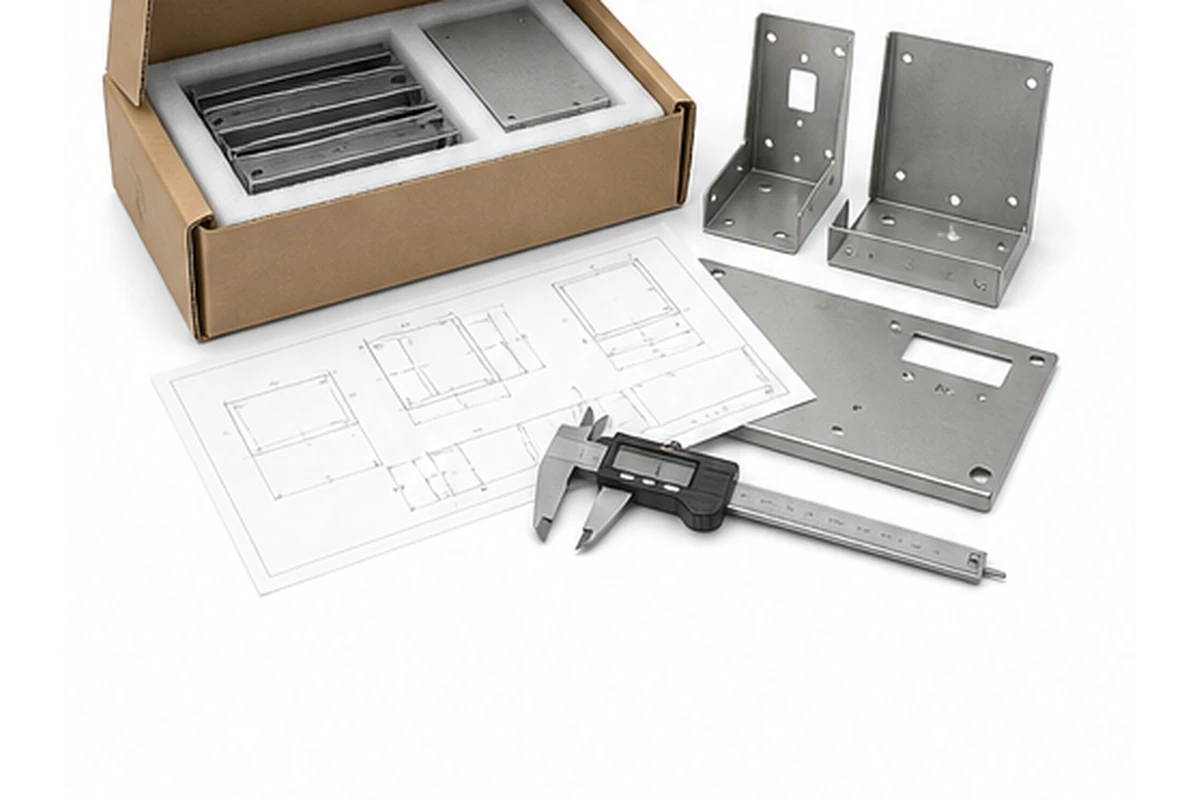
| Control point | What it prevents | Buyer evidence to request |
|---|---|---|
| First-piece check | Repeated batch errors from wrong setup or file mismatch | Photos and key measurement record before batch continuation |
| Critical dimension check | Hole misalignment, poor fit and assembly delay | Inspection photos for holes, cutouts, flange height and overall size |
| Surface review | Scratches, coating defects and visible face complaints | Finish photos under normal light and marked visible surface notes |
| Packing confirmation | Freight damage, mixed parts and missing quantities | Carton labels, foam separation, pallet photos and packing list |
Why Sheet Metal Is Cost-Effective for OEM Enclosure Projects
Cost-effective does not mean the cheapest quote on the screen. It means the total project cost stays under control from RFQ to delivery. Sheet metal fabrication can be cost-effective because it uses standard sheet stock, flexible laser cutting, repeatable CNC bending and practical finishing routes. The buyer can change the drawing without paying for a new mold every time. That is valuable when the design is still being refined.
For low-volume and medium-volume enclosure projects, this flexibility is especially important. A buyer may need prototypes, pilot runs, then repeat production. Sheet metal fabrication supports that path better than many fixed-tooling methods. The same project can start with a few samples and later move to larger batches while keeping drawing control.
However, cost depends on many details: material grade, thickness, part size, hole density, bend complexity, welding time, finish requirement, inspection demand, packaging and order quantity. A buyer who wants a meaningful quotation should provide these details early. A vague quote may look fast, but it often becomes expensive later.
DFM Review Keeps Enclosure Designs Manufacturable
DFM means design for manufacturing. In custom sheet metal enclosure fabrication, it is the review that asks whether the drawing can be produced repeatedly without unnecessary cost or quality risk. DFM is not the supplier rewriting the buyer’s design. It is the supplier pointing out practical metal behavior before production.
Common DFM checks include bend radius, minimum flange length, hole-to-bend distance, slot width, louver spacing, welding access, material thickness, coating thickness, visible surface protection and packing risk. If a buyer sends only a rough sketch, the supplier can quote only a rough idea. If the buyer sends STEP, DXF and 2D drawings with notes, the supplier can review real risks.
MSTFAB provides DFM feedback where useful for sheet metal enclosure parts. We focus on issues that affect manufacturability, repeatability and buyer receiving quality. This helps reduce the chance that a nice CAD model becomes an awkward physical part.
What to Send for a Sheet Metal Enclosure RFQ
To get a reliable quote, send a complete drawing package. The best package includes a STEP or STP model, 2D PDF or DWG drawing, DXF flat file if available, material grade, thickness, quantity, finish, critical tolerances, visible surface notes, hardware details, packaging requirement and target delivery schedule.
If the enclosure part belongs to a larger kit, identify the relationships. Which holes align with another panel? Which bracket carries load? Which edge seals against a gasket? Which side is visible? Which area must not be scratched? A few extra notes can prevent a lot of late discussion.
For buyers comparing suppliers, ask whether the quote includes laser cutting, CNC bending, welding, finishing, hardware preparation, inspection and packing. Also ask what the supplier did during DFM review. A low quote that ignored coating thickness, packing or hardware can look attractive until the real project starts tapping you on the shoulder.
Send the files
- STEP or STP 3D model
- 2D PDF or DWG drawing
- DXF flat pattern where available
- Revision number and approval status
Define the process
- Material grade and thickness
- Laser cutting and CNC bending scope
- Welding or hardware locations
- Powder coating or other finish
Control the risk
- Critical dimensions
- Visible surfaces
- Packing and labeling
- Inspection evidence before shipment
Commercial Keywords Buyers Use for This Topic
Buyers researching this topic may use different search terms depending on where they are in the sourcing process. Some search broadly for why sheet metal fabrication is used for enclosures. Others search with stronger commercial intent, such as sheet metal enclosure fabrication, custom sheet metal enclosure manufacturer, OEM sheet metal enclosure supplier, custom metal enclosure fabrication, sheet metal box fabrication, laser cut enclosure panels, CNC bending enclosure shells, powder coated sheet metal enclosures and export sheet metal fabrication factory.
This article supports that search intent without pretending MSTFAB makes every type of equipment. The focus stays on custom sheet metal enclosure parts made from drawings: shells, covers, panels, brackets, rails, tabs, trays and related fabricated metal structures. That clear scope helps Google understand the page and helps real procurement teams decide whether to send drawings.
Related MSTFAB Resources
For broader capability, visit Custom Sheet Metal Fabrication. For enclosure-specific work, see Custom Sheet Metal Enclosure Fabrication and Metal Enclosure Box Fabrication. For core processes, review Laser Cutting Services, Sheet Metal Bending Services, Welding Services and Surface Treatment.
If your team is preparing an RFQ, use What Files Are Needed for a Sheet Metal Fabrication Quote?, Sheet Metal Fabrication Cost for Enclosures or Online Laser Cutting Quotation Service. These pages help buyers move from research to a clearer drawing-based inquiry.
FAQ: Sheet Metal Fabrication for Enclosures
Why is sheet metal fabrication used for enclosures?
It is used because sheet metal can be laser cut, bent, welded, finished and inspected into custom enclosure shells, panels, covers, brackets and chassis trays without requiring a new mold for every design.
What enclosure parts can MSTFAB manufacture?
MSTFAB can manufacture empty sheet metal enclosure shells, doors, covers, side panels, back plates, louver panels, mounting plates, brackets, rails, tabs and chassis trays from buyer drawings.
Is sheet metal fabrication suitable for custom OEM projects?
Yes. It is especially useful when the buyer needs custom dimensions, special cutouts, repeatable bending, surface finishing, inspection records and export packing for drawing-based enclosure parts.
What files should I send for a quote?
Send STEP or STP models, 2D PDF or DWG drawings, DXF flat files if available, material grade, thickness, quantity, finish, tolerance notes, visible surface requirements and packing notes.
How does sheet metal compare with casting or plastic housing methods?
Sheet metal is usually more flexible for custom industrial enclosure parts, lower tooling risk for small and medium batches, and easier to revise during OEM development. Casting or molding may fit stable high-volume designs, but they are less flexible when the drawing changes often.
Can sheet metal enclosures be powder coated?
Yes. Powder coating is common for steel enclosure panels, covers and shells. Buyers should define color, texture, visible surfaces, coating thickness concerns and any holes or threads that need protection.
How can buyers avoid enclosure sourcing problems?
Use complete drawings, mark critical dimensions, define material and finish, explain visible surfaces, confirm bend and welding risks, request key inspection evidence and review packing before shipment.
Need custom sheet metal enclosure parts from drawings?
Send your STEP, DXF, DWG or PDF drawings with material, quantity, finish and packing notes. MSTFAB will review the sheet metal enclosure fabrication scope before quotation.
 WeChat Contact
 WhatsApp Me Directly