
Stainless Steel Fabrication Supplier in China: OEM Audit and RFQ Guide
A low unit price is useful only when the material, finish, inspection and packing scope are the same. Otherwise, buyers are comparing numbers that happen to share a currency symbol.
This guide shows OEM sourcing teams how to evaluate a stainless steel fabrication supplier in China for drawing-based panels, brackets, cabinets, welded assemblies and empty enclosure shells.
Begin with one comparable RFQ
A useful supplier comparison starts before quotations arrive. Issue the same drawing revision, material designation, finish reference, visible-surface map, critical dimensions, inspection requirement, quantity and packing destination to each factory.
If one supplier prices a bare laser-cut panel and another includes welding, grain restoration, protected film and export packing, the cheaper quotation has not won. It has simply answered a smaller question.
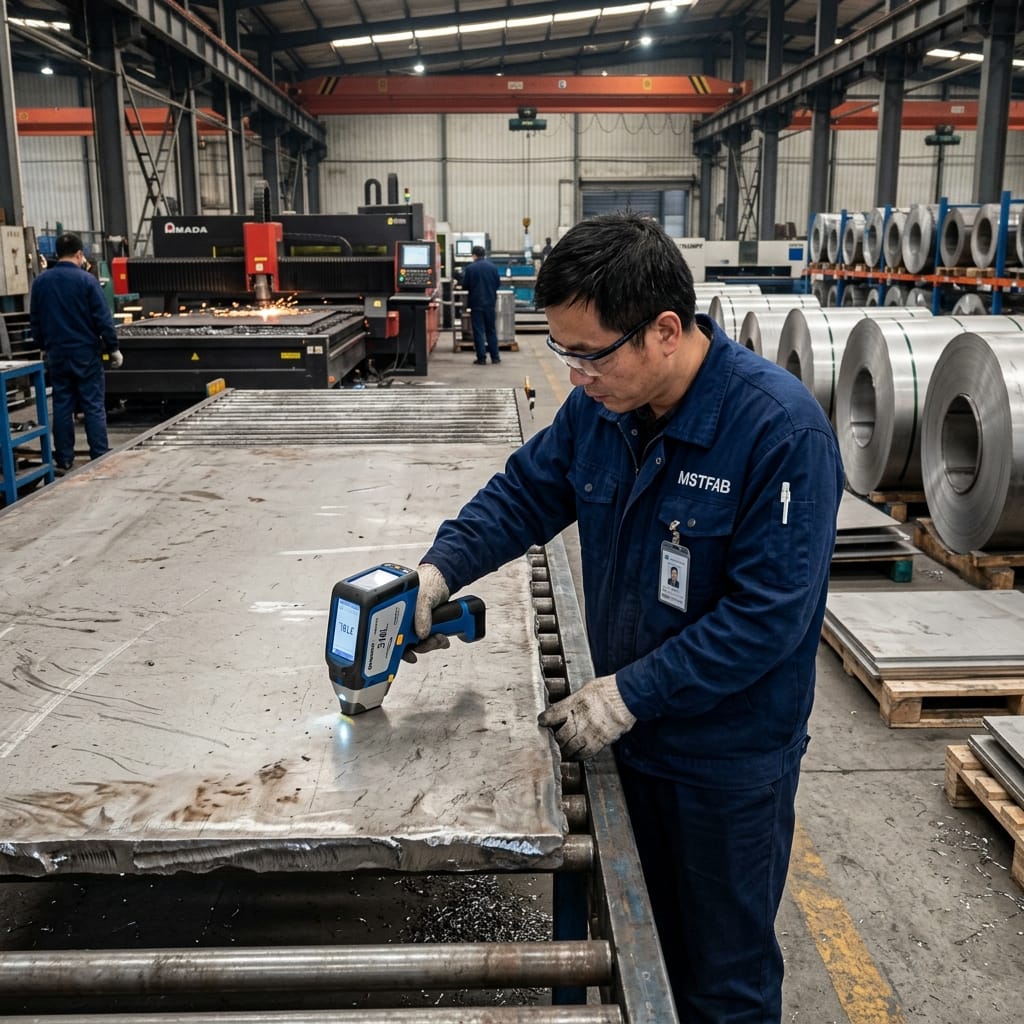
| RFQ input | What to define | Why quotes drift without it |
|---|---|---|
| Controlled files | STEP or STP model, 2D drawing, revision and change notes. | Suppliers may price different geometry or make different assumptions about formed dimensions. |
| Material | Grade, condition, thickness, permitted substitutions and evidence required. | “Stainless” does not identify 304, 304L, 316, 316L or a buyer-approved equivalent. |
| Surface | Finish sample or reference, grain direction, visible faces, protective film and acceptance limit. | A mill finish, directional brush and polished cosmetic face require different handling and labor. |
| Evidence | FAI scope, inspection report, material records, photographs or packing approval. | Documentation and inspection time disappear from the cheapest quote unless they are requested. |
Audit the process risks, not the factory brochure
Match the supplier to the actual stainless job
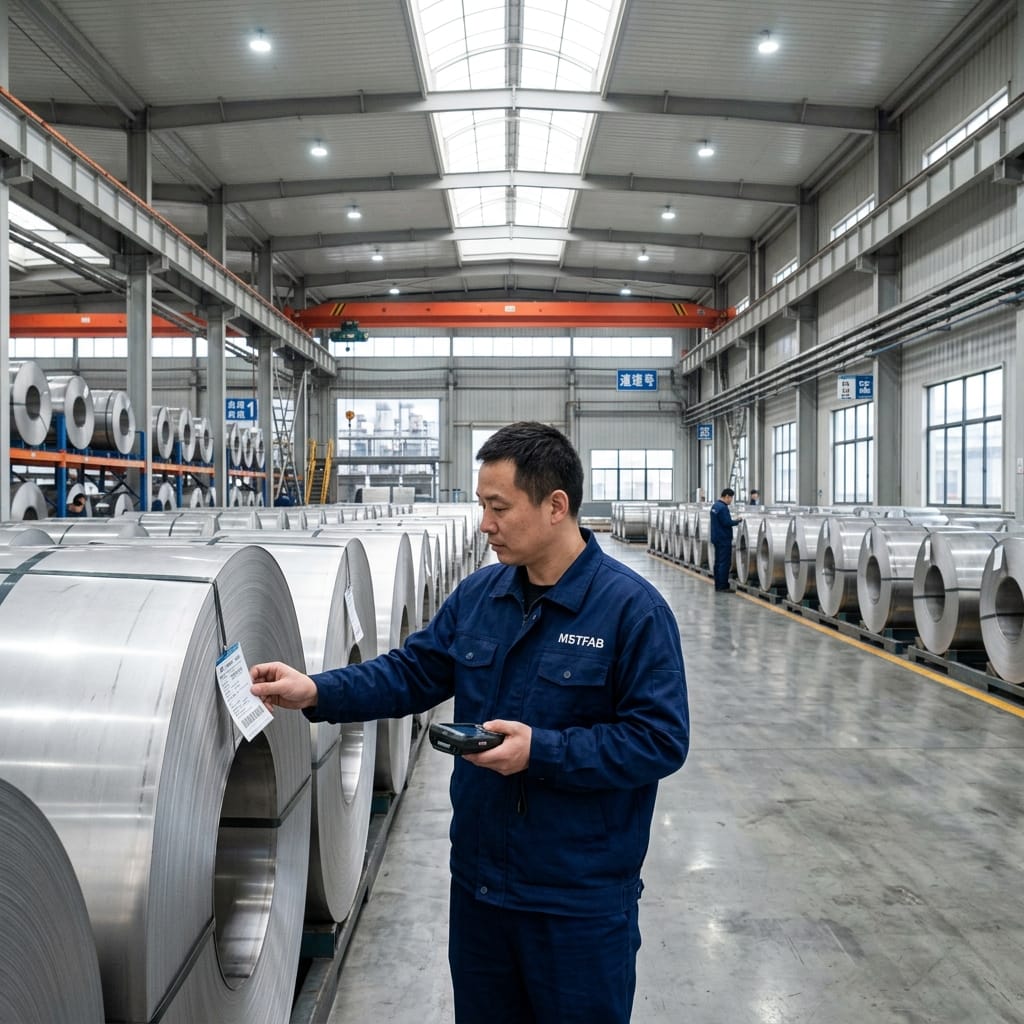
A factory suited to simple brackets may not be the best fit for welded cosmetic cabinets. A prototype shop may communicate quickly but lack a stable repeat route. A high-volume plant may be efficient after release but uninterested in a small development batch. “Best supplier” is therefore a profile match, not a permanent league table.
| Project profile | Evidence worth checking | Common mismatch |
|---|---|---|
| Flat and bent parts | Cut-edge condition, burr acceptance, bend protection, hole position and batch inspection. | Paying for a cosmetic cabinet workflow when the part is a hidden bracket. |
| Welded assemblies | Fixture concept, joint access, distortion plan, weld standard and post-weld finish. | Comparing only laser capacity while ignoring fit-up and heat control. |
| Cosmetic panels | Approved finish reference, grain direction, visible-face map, handling and packing. | Writing “brushed finish” and expecting every supplier to imagine the same appearance. |
| Outdoor or corrosive use | Buyer-selected grade, joint design, drainage, dissimilar-metal interfaces and specified treatment route. | Assuming stainless grade alone guarantees the finished product’s field performance. |
For grade selection, use the separate 304 vs 316 stainless sheet metal guide. For a detailed production reference, review the stainless steel fabrication quality plan.
Turn claims into reviewable evidence
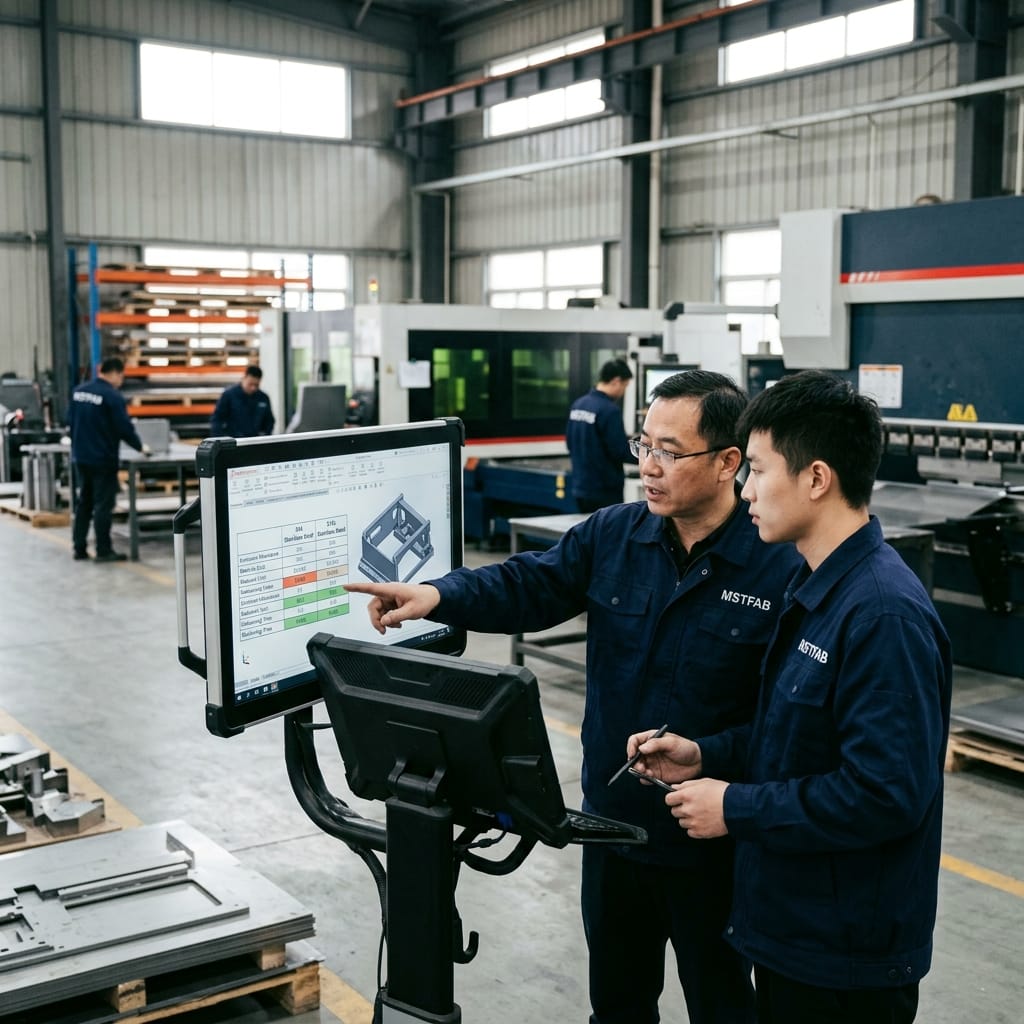
“High quality” is not an inspection method. Ask the supplier to connect each important claim to a record, sample or control that applies to your part.
Evidence should be proportional to risk. A simple internal bracket may need basic dimensional results. A visible welded housing may need an approved finish sample, trial assembly, weld acceptance and protected packing. More paperwork is not automatically better; relevant evidence is.
| Supplier claim | Useful evidence | Buyer decision |
|---|---|---|
| “We use the right grade.” | Purchase/material record, job identification and project-specific verification where required. | Confirm the evidence level in the quotation before release. |
| “Our finish is excellent.” | Reference sample, grain direction, visible-face map, lighting condition and defect limit. | Approve a visual baseline that production and receiving inspection can both use. |
| “We hold tight tolerances.” | Marked critical characteristics, datum method, measurement condition and first-article results. | Control functional features instead of applying one blanket number. |
| “We can scale.” | Released process route, fixture or program control, sampling plan and revision history. | Use a pilot batch to test repeatability before committing forecast volume. |
Normalize quotations before comparing price
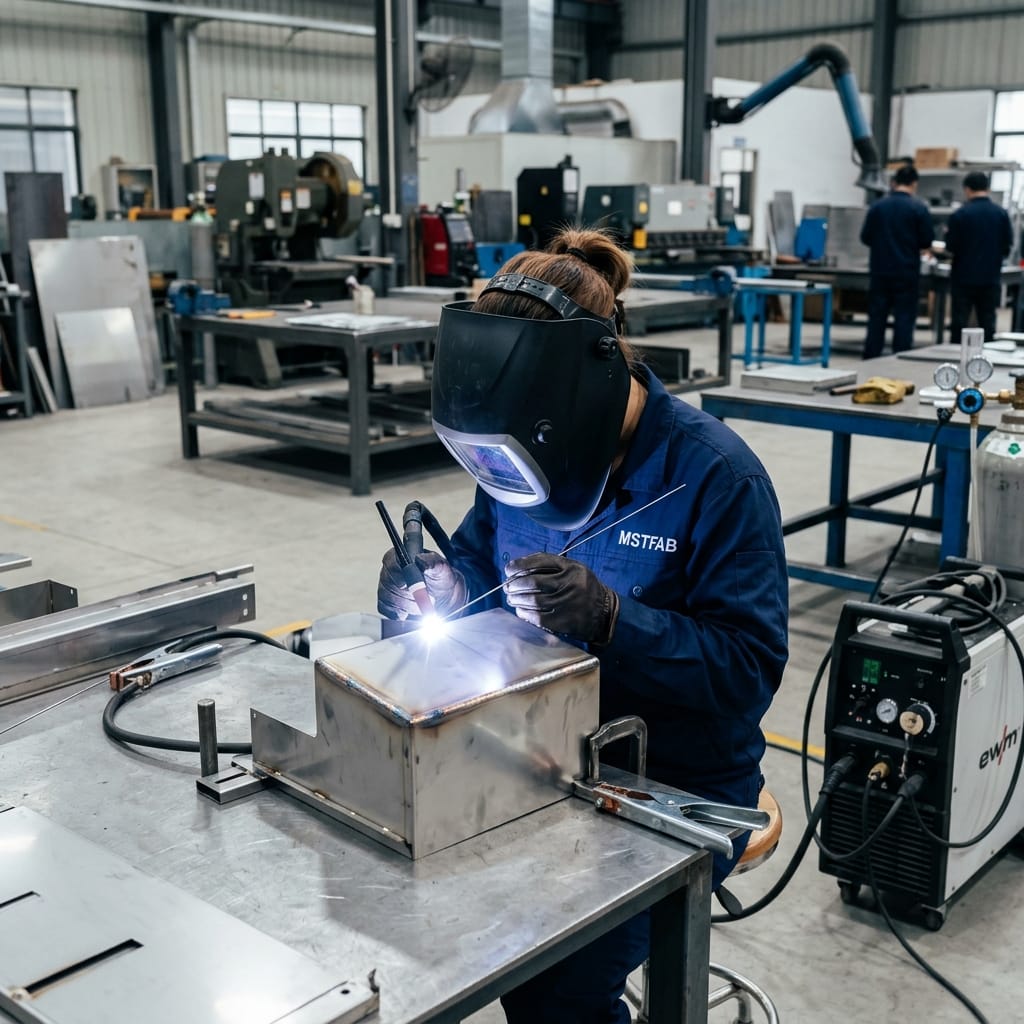
Separate tooling or setup, raw material, fabrication, hardware, outside treatment, inspection, packing and freight assumptions. Also check scrap allowance, quantity breaks, drawing revision and quotation validity. A quote can be low because the route is efficient. It can also be low because several requirements quietly fell off the page.
- Compare the same Incoterm or delivery boundary.
- Confirm whether hardware, welding, finishing and protective film are included.
- Identify one-time engineering, fixture or sample costs separately.
- Check whether first-article evidence and packaging are included or optional.
- Record approved alternatives instead of accepting substitutions by surprise.
The broader 304 stainless steel fabrication buyer guide explains material, bending, welding and packing inputs in more detail.
Use the trial order as the final supplier interview
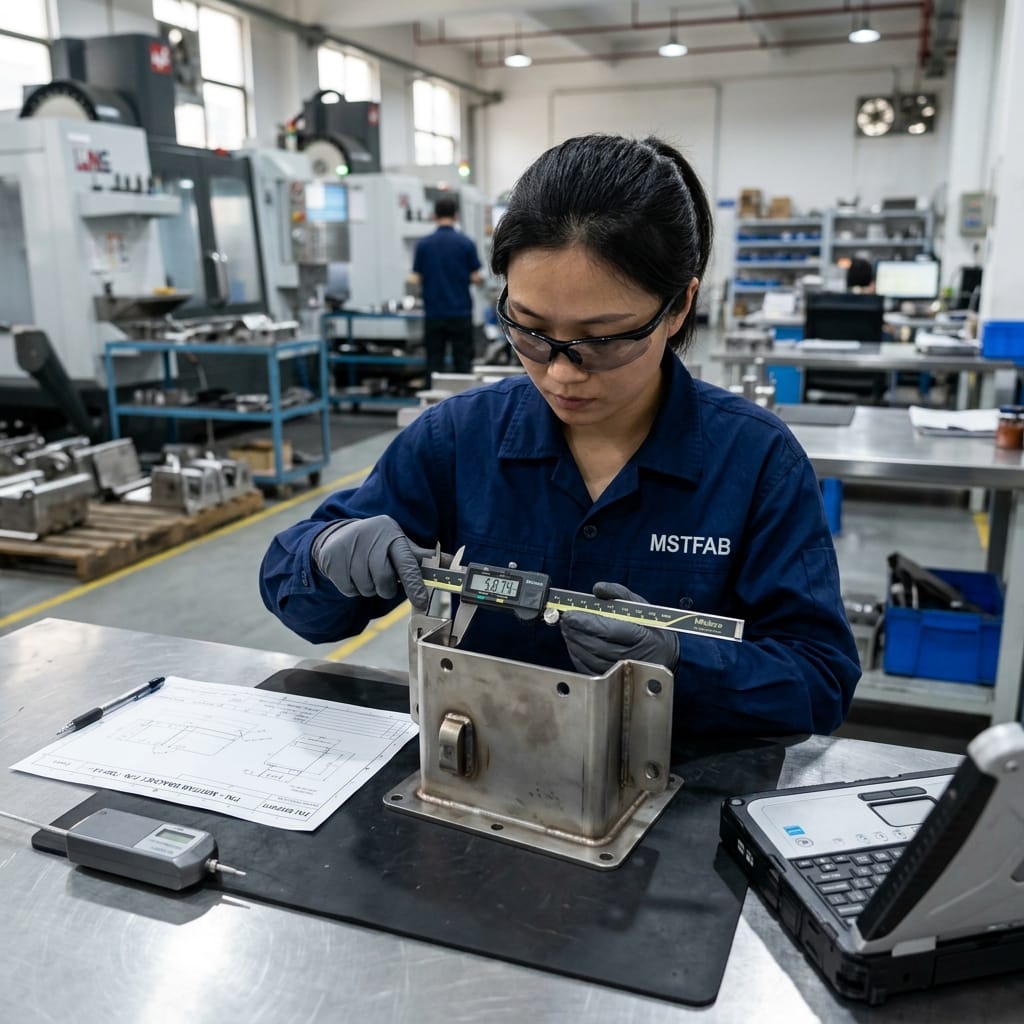
A small first article or pilot batch reveals more than a long presentation. Record drawing questions, approved deviations, inspection results, finish observations, packing performance and response time. Freeze the accepted revision and evidence package before the next order.
Frequently asked questions
How do I compare stainless steel fabrication suppliers in China?
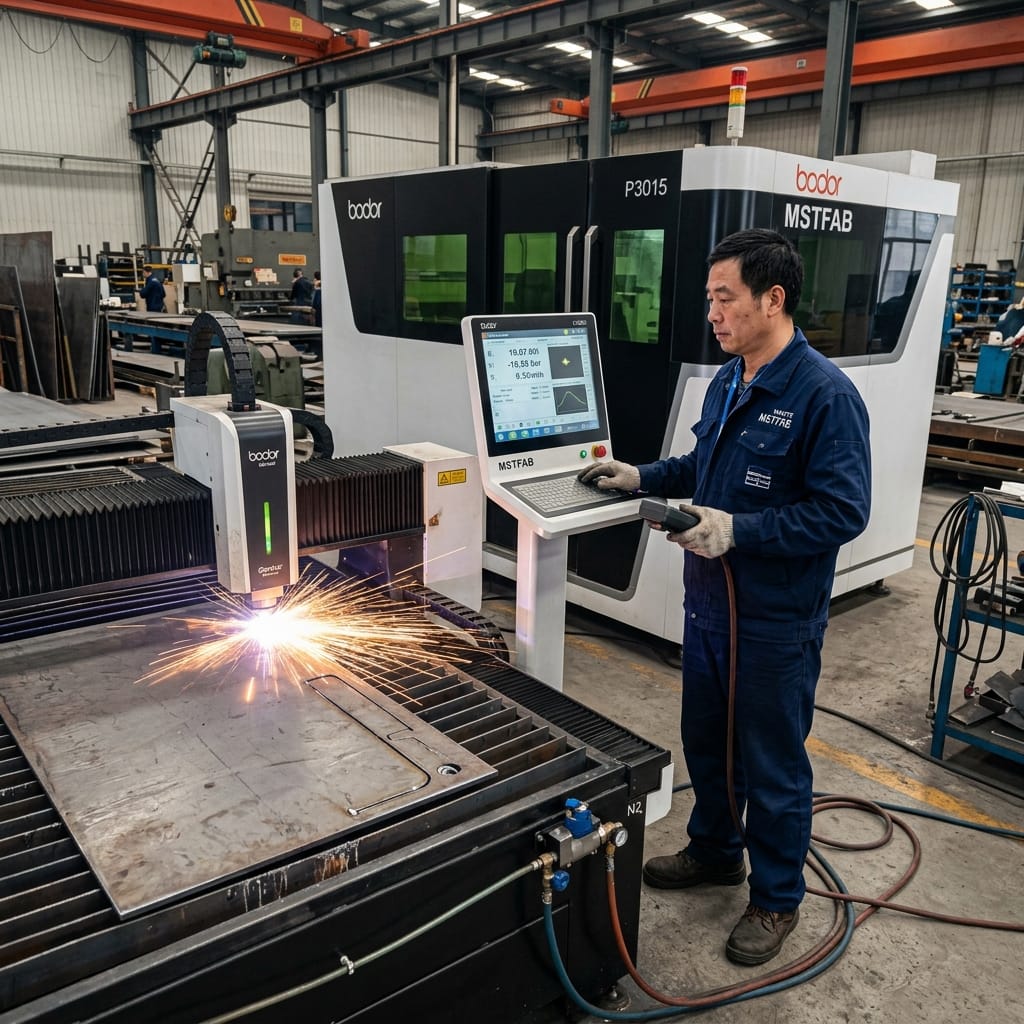
Send the same controlled RFQ package and compare project fit, material evidence, process controls, inspection, finish acceptance, packing and commercial scope. Use a trial order before treating a quotation as proof of repeat-production capability.
Is the lowest stainless steel fabrication quote the best value?
Not automatically. First normalize material, process, evidence, packing and delivery boundaries. A lower price may reflect an efficient route, but it may also exclude work that another supplier included.
Should a supplier always provide PMI?
No single evidence method fits every project. The buyer should define the grade risk and required records. PMI or other project-specific verification can be requested when justified and included in the approved scope.
What should a stainless steel first-article report include?
It should identify the drawing revision, inspected characteristics, datum or method, result and disposition. Add material, finish, weld, assembly or packing evidence where those items are critical to the project.
Does MSTFAB supply complete stainless steel electrical equipment?
No. MSTFAB supplies drawing-based fabricated parts, welded assemblies and empty mechanical enclosure shells. Buyer-specified electrical systems, wiring, software, final validation and product certification remain outside the normal fabrication scope.
Send one RFQ package that suppliers can actually compare
Share the controlled 3D and 2D files, material, finish, visible faces, critical dimensions, quantity, evidence and packing requirements. MSTFAB will review the drawing-based fabrication scope before quotation.
 WeChat Contact
 WhatsApp Me Directly