
⚡ Direct Answer: When and Why Run a 20–100 Piece Sheet Metal Pilot Run?
Executing a pilot production run of 20 to 100 sheet metal units is the decisive bridge between single prototype approval and high-volume mass production. A pilot run serves 4 critical engineering objectives: 1) Proving Process Capability (Cpk ≥ 1.33): Verifying that laser kerf width, press brake backgauge repeatability, and weld fixtures reliably produce parts within drawing limits across multiple raw material sheets; 2) Validating Assembly Line Cycle Times: Ensuring hardware insertion, door hinge hanging, and gasket dispensing can sustain high-speed takt times without bottlenecks; 3) Yield & Coating Defect Baseline: Establishing realistic powder coating yield percentages (accounting for jig contact marks and outgassing on galvanized stock); and 4) Field Testing Customer Alpha/Beta Units: Supplying fully validated equipment to strategic customers for real-world environmental and electrical testing.
Pilot Run vs Prototype & Mass Production Comparison
| Metric / Quality Factor | Phase 1: Prototype (1–5 pcs) | Phase 2: Pilot Run (20–100 pcs) | Phase 3: Mass Volume (1,000+ pcs) |
|---|---|---|---|
| Production Tooling | Manual setup & magnetic clamps | Dedicated welding jigs & check fixtures | Hardened production tooling & robotic cells |
| Quality Verification | 100% CMM layout on 1 unit | Statistical Cpk study on 30 sample parts | AQL Level II sampling + inline Go/No-Go pins |
| Assembly Line Objective | Geometric fit-check only | Work instruction training & takt time study | Continuous high-throughput manufacturing |
| Packaging Validation | Individual bubble-wrap box | Production-intent crate & drop testing | Standardized returnable foam dunnage |
Jumping directly from an approved prototype into a 2,000-piece mass production order is one of the highest-risk mistakes an OEM purchasing team can make. Subtle process variables—such as slight coil thickness variations between raw material master bundles, cumulative tolerance stack-up during manual welding, or powder coat rack hook shading—remain hidden in single-piece builds. A 20-to-100 piece pilot run exposes these issues under controlled factory conditions.
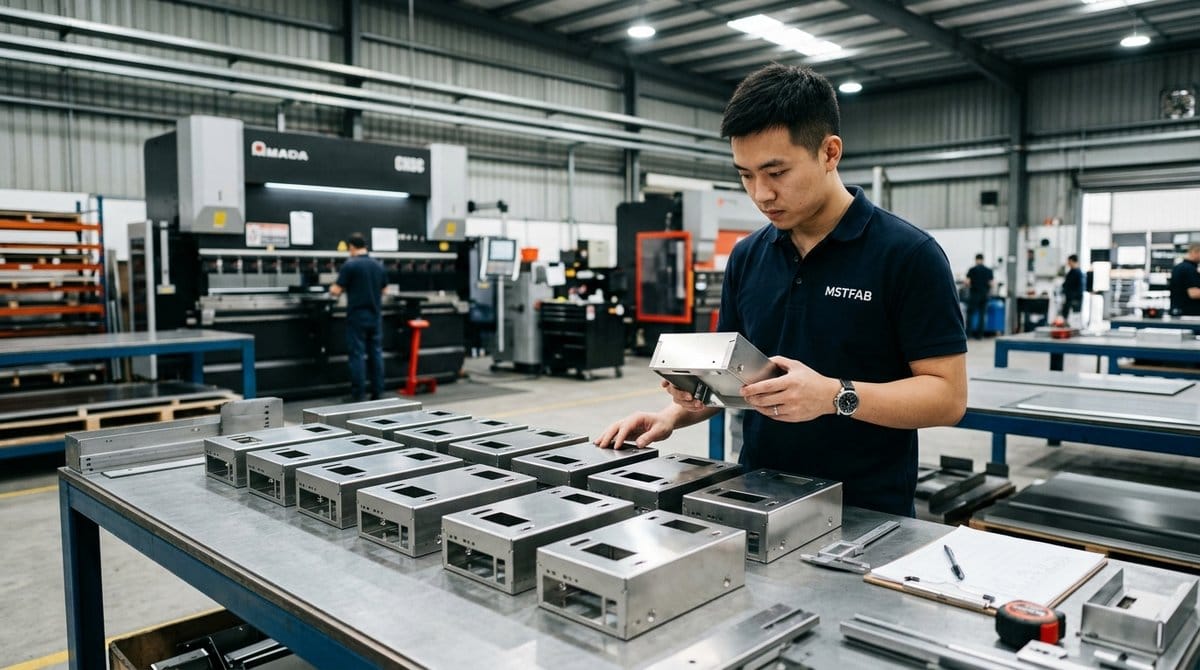
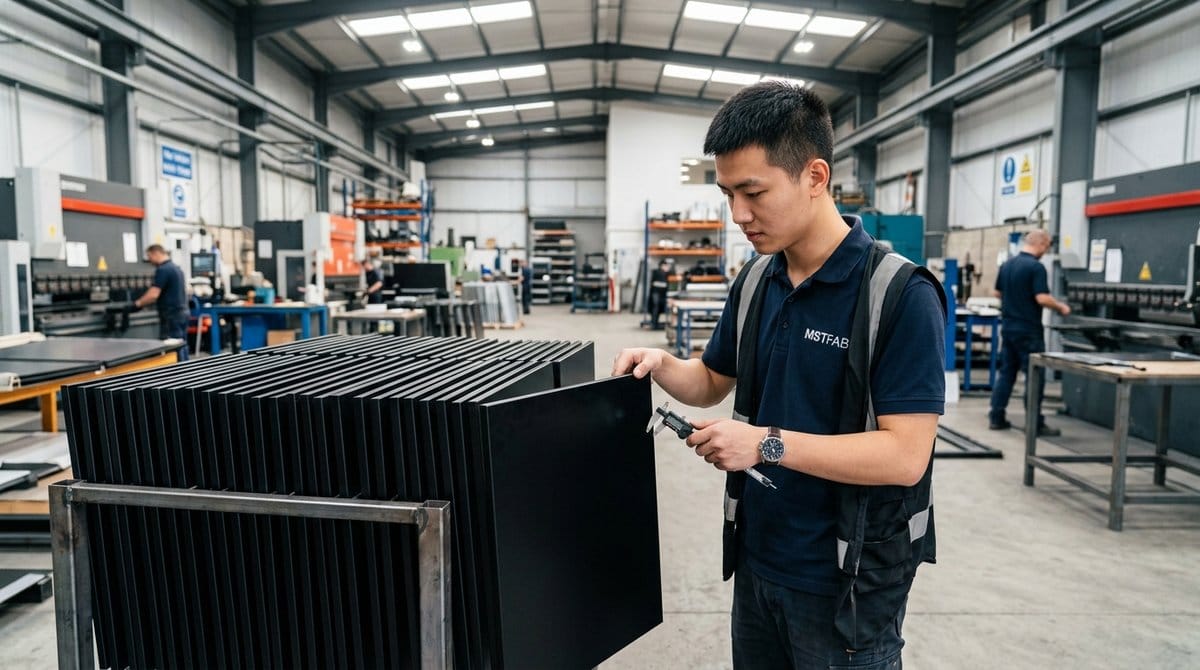
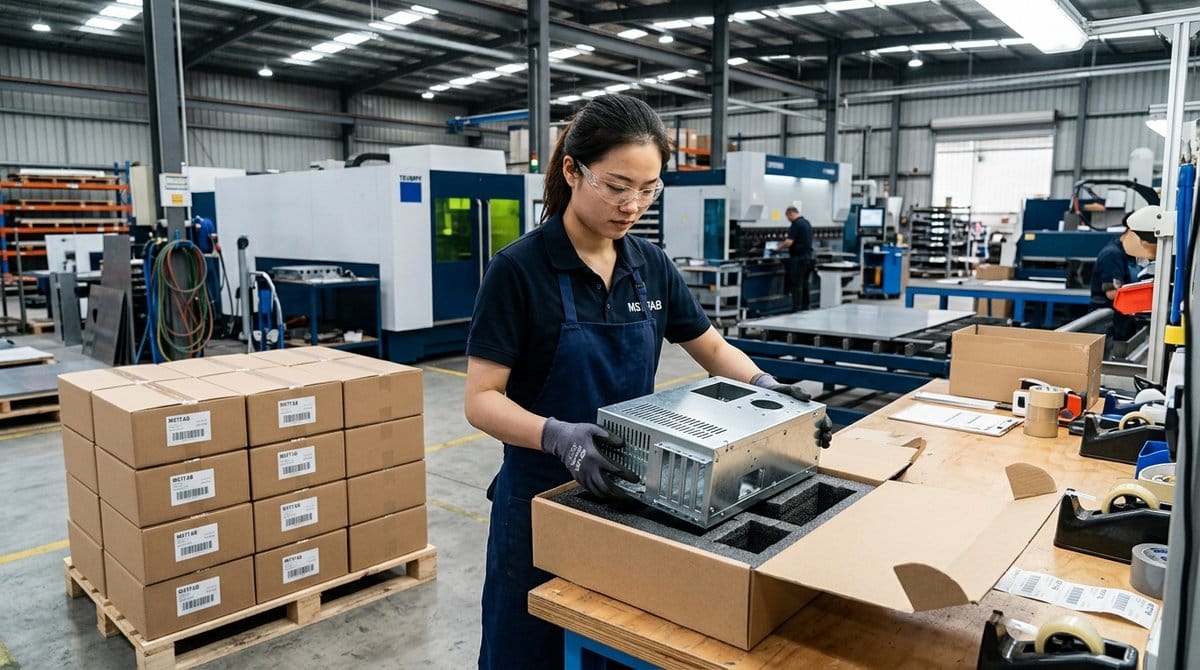
CNC Bending Repeatability, Fixturing & Packaging Test
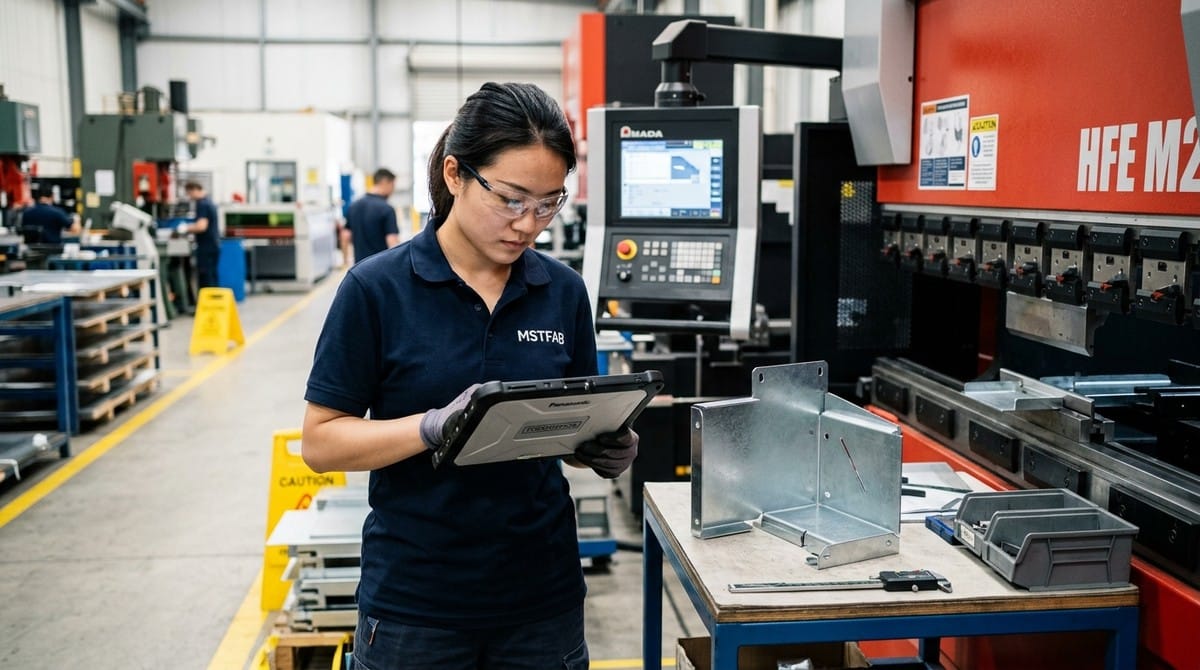
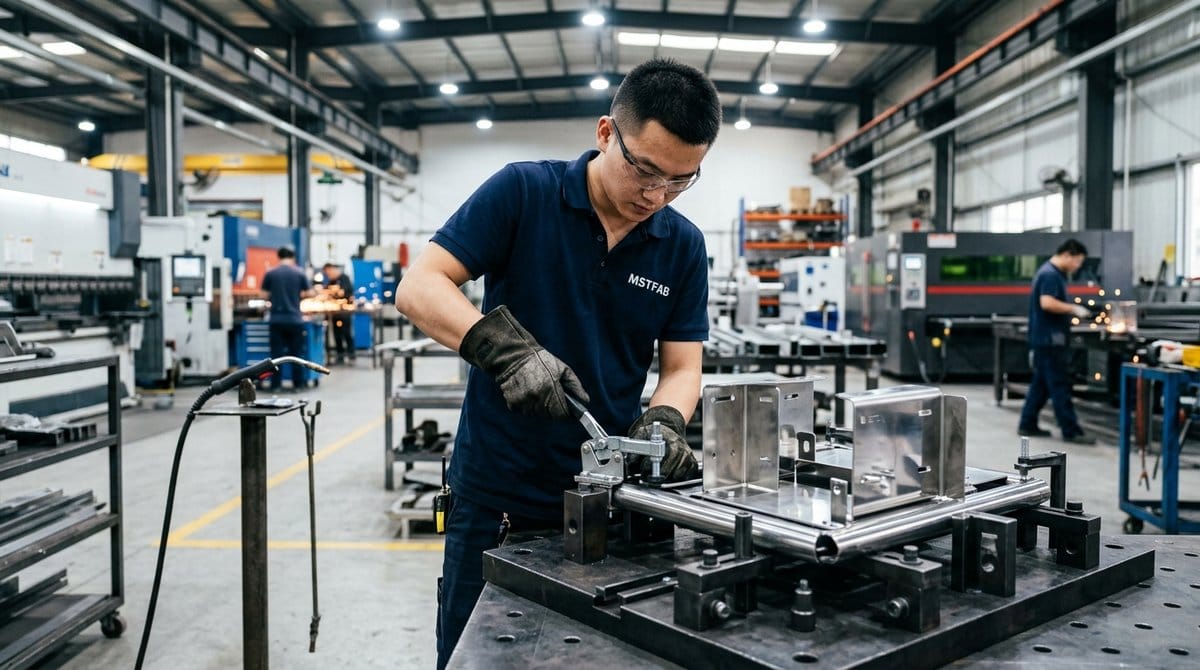
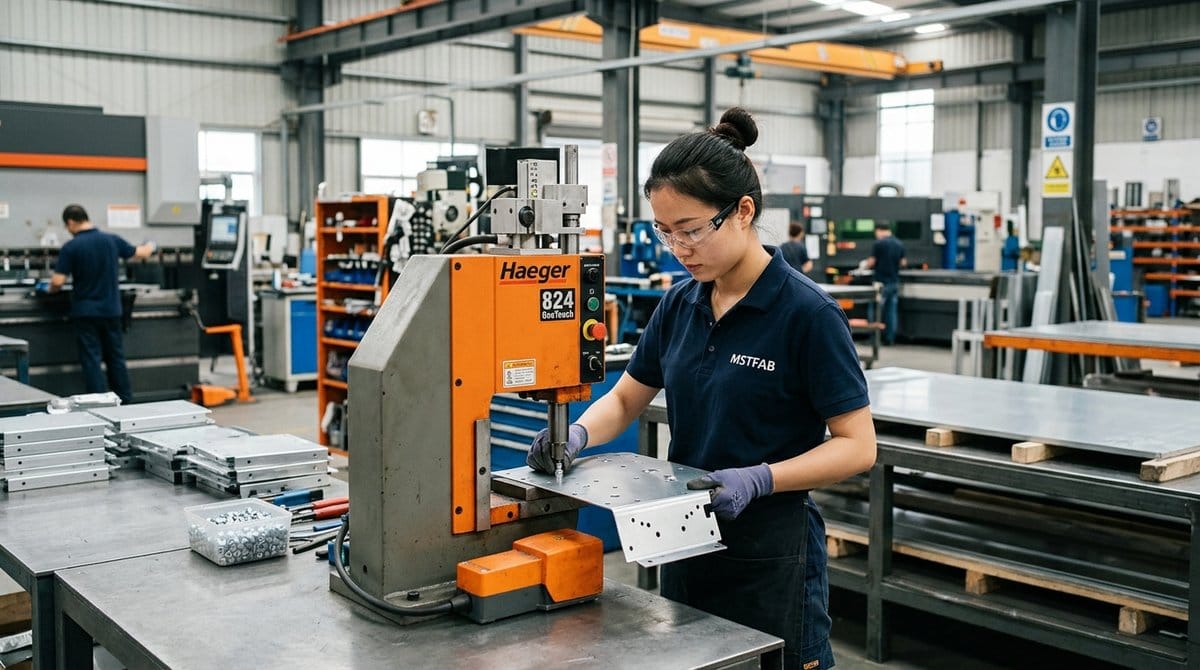
During pilot production at MSTFAB, press brake operators verify that bend angle backgauge adjustments hold repeatable tolerances across the entire batch. Dedicated welding jigs are validated for rapid part clamping, hardware insertion force is calibrated, and completed enclosures undergo transit vibration and packaging drop tests.
De-Risk Your Volume Ramp with an MSTFAB Pilot Run
Execute a low-risk 20-to-100 piece pilot run to validate tooling, cycle times, and statistical Cpk capability before committing to full mass production.
Frequently Asked Questions on Sheet Metal Pilot Runs
How many sample parts are required for a statistical Cpk capability study?
Industry best practice (AIAG SPC standards) requires a minimum of 30 to 50 consecutively manufactured parts to establish statistically valid Cpk / Ppk values on critical-to-quality (CTQ) dimensions.
Are pilot run parts manufactured using final production tooling?
Yes. By definition, a true pilot run must be executed using production-intent laser cutting programs, production CNC press brake tooling, and final production welding fixtures to provide valid process capability data.
 WeChat Contact
 WhatsApp Me Directly