
A repeat order should not depend on someone finding last year’s email and hoping the old attachment is still correct. The buyer and supplier need one controlled baseline for the next batch, plus a simple way to notice what has changed.

Build a Reorder Packet That Can Survive Staff Changes
For drawing-based enclosure shells, panels, covers and brackets, keep the approved drawing and 3D model together with the bill of materials, finish reference, hardware list and previous approval record. Add the critical dimensions and the intended inspection frequency for the new lot. The package should be clear enough for a new engineer on either side to use without guessing.
| Reorder item | Buyer sends or confirms | Supplier checks before release |
|---|---|---|
| Part and revision | Approved 2D/3D files and change summary | Production files, setup notes and old stock status |
| Material and hardware | Grade, thickness, inserts, fasteners and approved sources | Availability and any proposed substitution |
| Finish and sample | Color, texture, visible faces and reference sample status | Approved route, masking and sample condition |
| Quality evidence | Critical characteristics, sampling or special checks | Current-lot record and any requalification trigger |
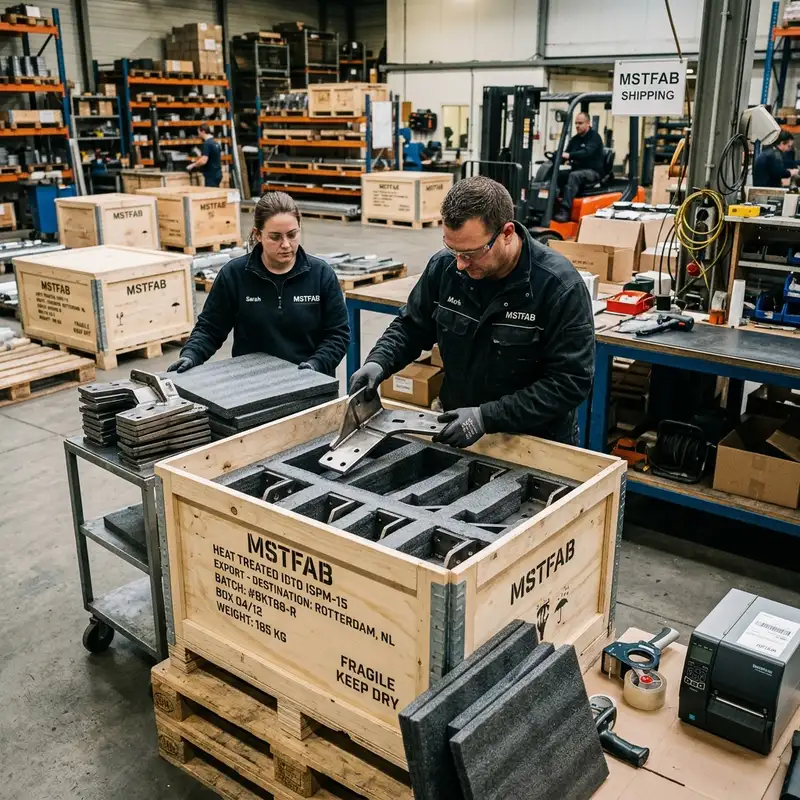
| Delivery | Quantity, forecast, destination and packaging | Feasible schedule and transport protection |

Keep the Process Baseline, Not Just the CAD File
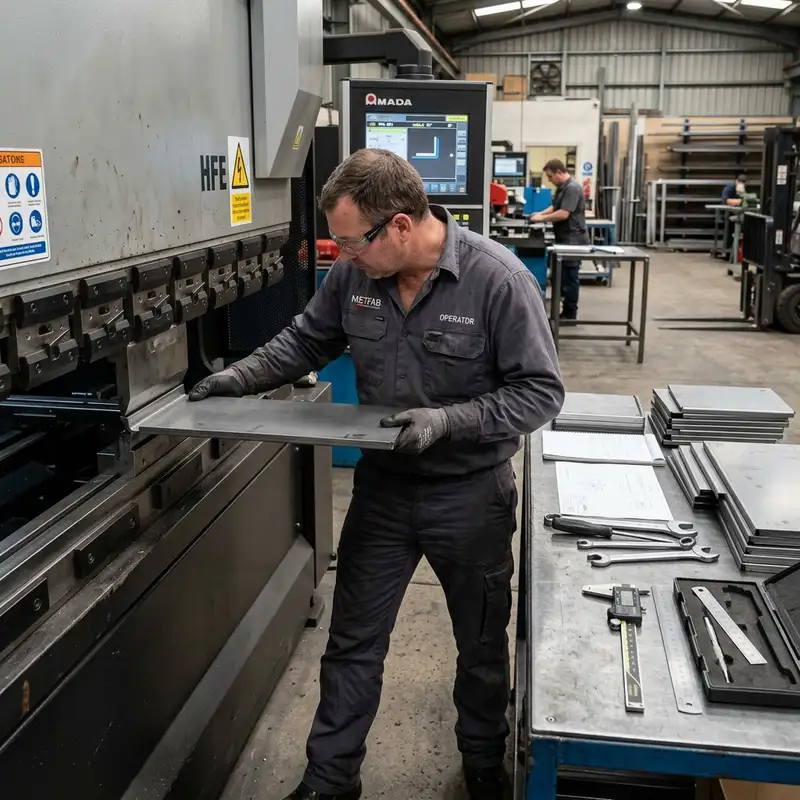
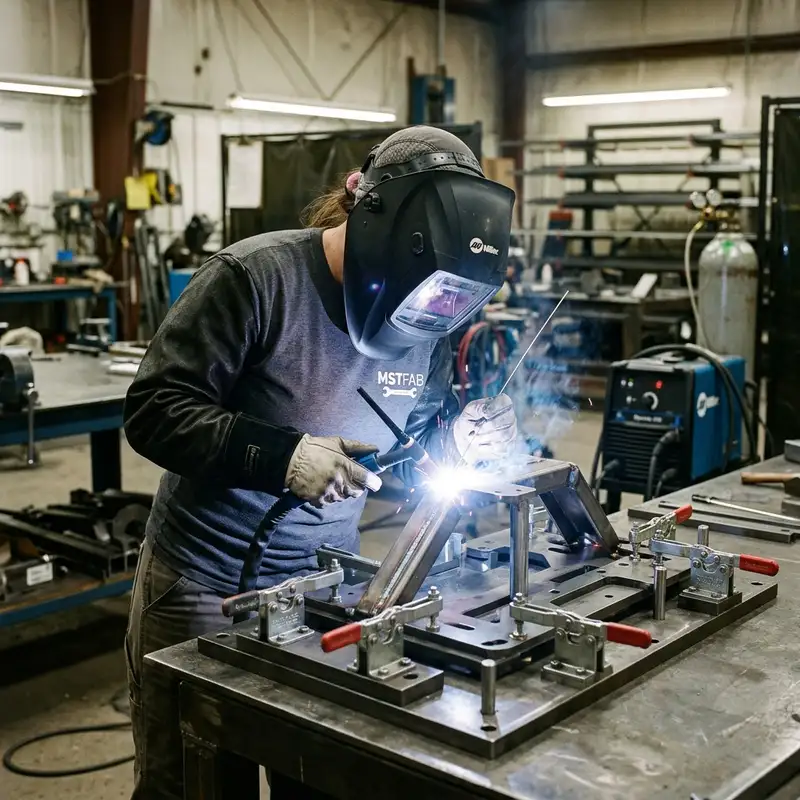
Tooling access, bend order, weld sequence, fixture position, hardware installation and finish masking can all affect repeatability. Record the setup information that matters to the part. If the route changes, review which approved characteristics could move and whether a targeted or full new first-article check is needed.
A golden sample can help compare appearance, but it does not overrule the drawing or replace current-lot inspection. Our sample-versus-first-article guide explains the difference.
Treat Material and Finish Changes as Decisions
A familiar part number does not make a substitute sheet, coating or partner process automatically acceptable. Confirm grade, thickness, finish reference and the approved route before the next lot starts. Where surface treatment is completed by an established partner, agree the handoff and return checks. Color and texture should be compared with an approved reference under agreed viewing conditions, not described as guaranteed identical forever.
For incoming stock, define the receipt evidence in advance; see the material inspection guide. The ongoing inspection plan should identify what is checked on the current lot and what is recorded before shipment.
Manage Forecasts Without Inventing a Fixed Promise
Share expected quantities and timing early, then confirm each firm release. A forecast helps plan material and capacity, but it is not a guaranteed lead time or a standing commitment to hold unlimited stock. MOQ and delivery depend on geometry, material, finish route and the confirmed order. If demand jumps, ask what can be expedited without skipping the approved checks.

Frequently Asked Questions
Can a repeat order use last year’s drawing?
Only if that revision is still the buyer-approved baseline. Check the current purchase order, model and drawing together before release.
Does an approved first article remove all later checks?
No. The new lot still needs its agreed inspection plan, and relevant changes may require partial or full requalification.
Can the supplier promise an identical finish forever?
Do not rely on that wording. Define an approved color or texture reference, viewing conditions, acceptable variation and change-notification route.
Send a Controlled Reorder Package
Share the current STEP/STP model, dimensioned PDF, DXF/DWG data when relevant, previous approval record, updated quantity and delivery destination. MSTFAB can review the next release and any changed requirement before quoting.
 WeChat Contact
 WhatsApp Me Directly