
Sheet Metal Prototype Validation Plan: Tolerance, Fit and Ramp-Up
MSTFAB helps OEM buyers turn drawings into real prototype metal parts, then checks the things CAD politely refuses to complain about: fit, holes, hardware, finish, packing and whether the door actually closes.
First Articlecritical dimensions checked
Trial Fitdoor, panel and hardware review
Low Batch Readyrevision confirmed before repeat orders
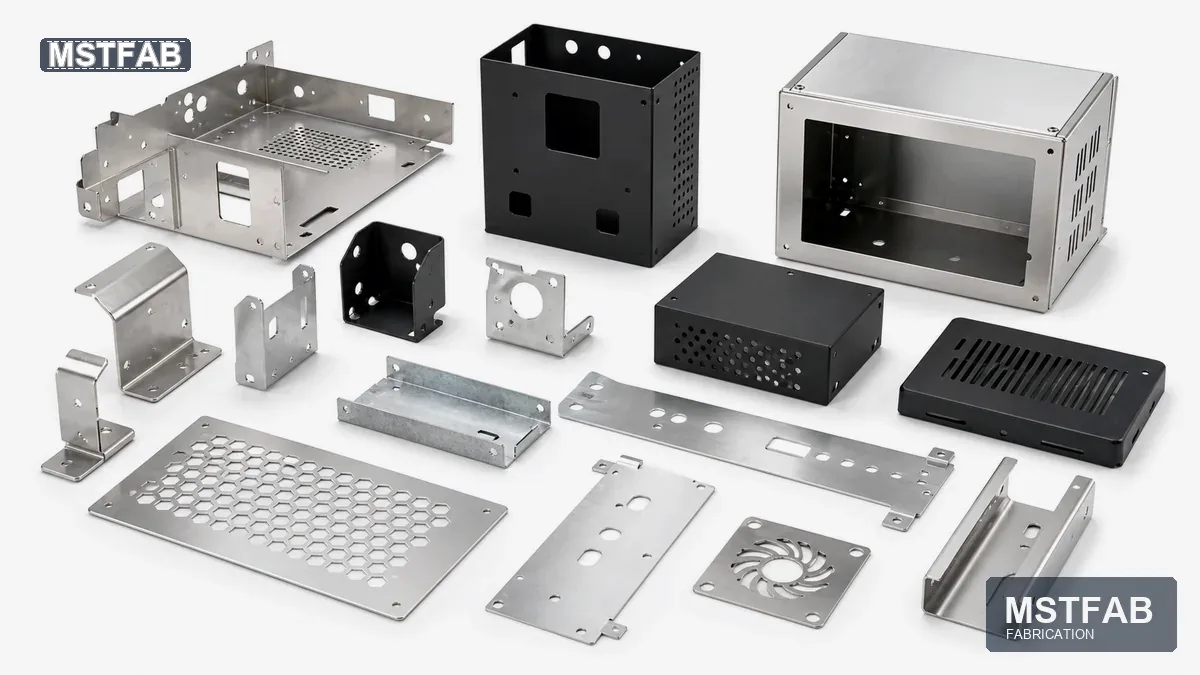
Technical review: Quality & Prototype Fabrication Team
Last updated: July 4, 2026
Factory location: Guangzhou, China
Prototype production is not simply making one metal part before a larger order. It is the stage where a drawing meets real material, real bending, real welding, real hardware, real coating and real assembly conditions.
A CAD model may look perfect. A prototype shows whether mounting holes align, whether bend geometry works, whether a cabinet door opens, whether cable clearance is realistic, whether a PEM nut still accepts the fastener after coating, and whether the finished part can survive shipping without arriving as modern art.
That is why choosing a custom metal parts manufacturer for prototype production should not be based only on who can cut a DXF file quickly. The real value is manufacturing feedback before a small problem becomes a very expensive repeat problem.
MSTFAB supports drawing-based prototype production for brackets, panels, covers, electrical cabinet components, equipment housings, chassis parts, mounting plates, guards, welded frames and custom sheet metal assemblies. For broader OEM manufacturing capability, see our custom sheet metal fabrication for OEM parts guide.
Need production capability? This article focuses on sheet metal prototype validation plan. For manufacturing scope, process capability and drawing-based quotation support, review MSTFAB’s custom sheet metal fabrication services.
Prototype Production Is Design Validation, Not Just a Sample
A sample can show material, color or general workmanship. A prototype should validate the actual part in the real product environment. In plain buyer language: a sample says “this looks possible,” while a prototype says “this should actually fit on Tuesday morning when your assembly team is watching.”
DFM Drawing Review
Check bend radius, hole-to-bend distance, material, hardware, welding access and finish risk before cutting.
First Article
Make the first completed prototype and inspect the dimensions that affect fit, function and assembly.
Trial Fit
Test door gaps, panel alignment, cable space, hardware access and service clearance against the real use case.
Revision Confirmation
Freeze the approved drawing revision after buyer feedback, not after the batch has already learned bad habits.
Low Batch Production
Move to controlled low-volume production only after the design and route are proven.
What a Prototype Should Prove
Fit and installation
Hole positions, door gaps, hinge alignment, screwdriver access, gasket contact and cable-entry space must work after cutting, bending and finishing.
Manufacturing route
The prototype should follow the intended route: laser cutting, CNC bending, welding, hardware insertion, surface finishing, inspection and packing.
Hardware behavior
PEM nuts, studs, hinges, locks, threaded inserts and grounding points must be accessible and functional after coating.
Finish and protection
Powder coating, brushing, anodizing or protective film can change clearances, thread function and scratch risk.
Start With DFM Before Cutting Material
DFM means Design for Manufacturing. It does not mean changing your design behind your back. It means we flag practical production risks while changes are still cheap enough to discuss calmly. A DFM review may cover material grade, bend radius, minimum flange length, weld access, hardware installation space, grounding areas, gasket surfaces, visible faces and packaging needs.
For a deeper checklist, read our sheet metal fabrication design for manufacturability guidance.
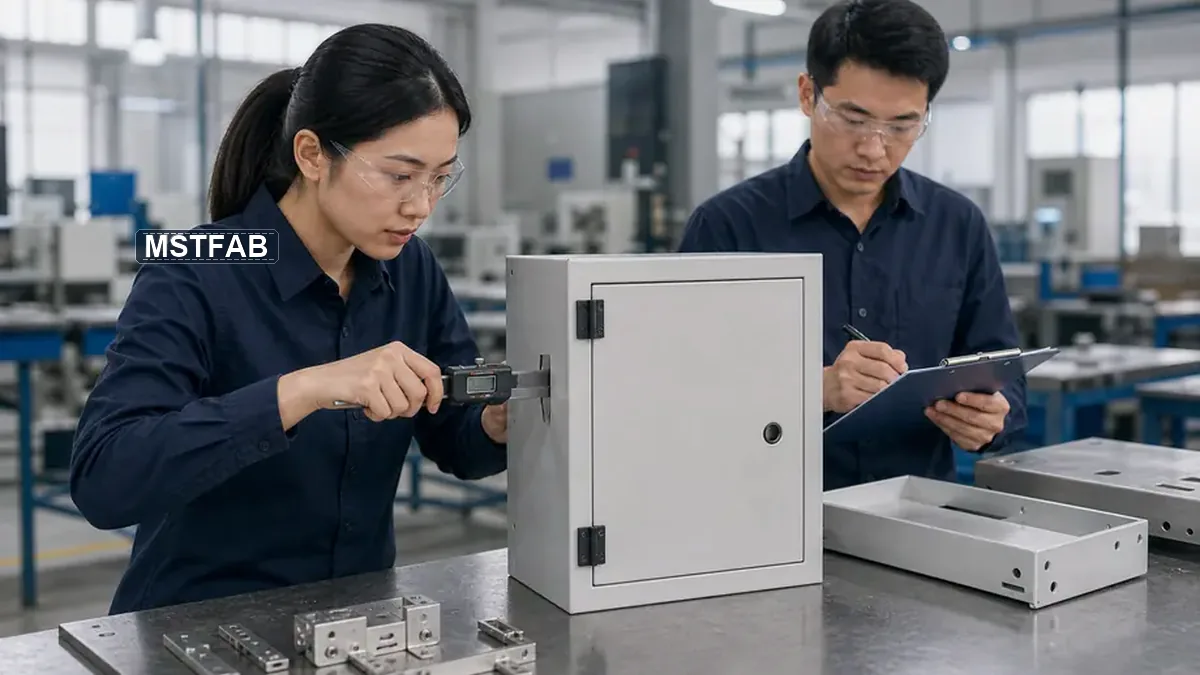
Trial Fit: The Door Must Close in the Real World
Door and panel fit is where prototype work earns its lunch. A flat drawing cannot prove hinge position, latch engagement, gap consistency, gasket contact or whether an internal cable quietly blocks the door. Trial fitting helps catch these issues before your low-volume order repeats them 50 times with great confidence.
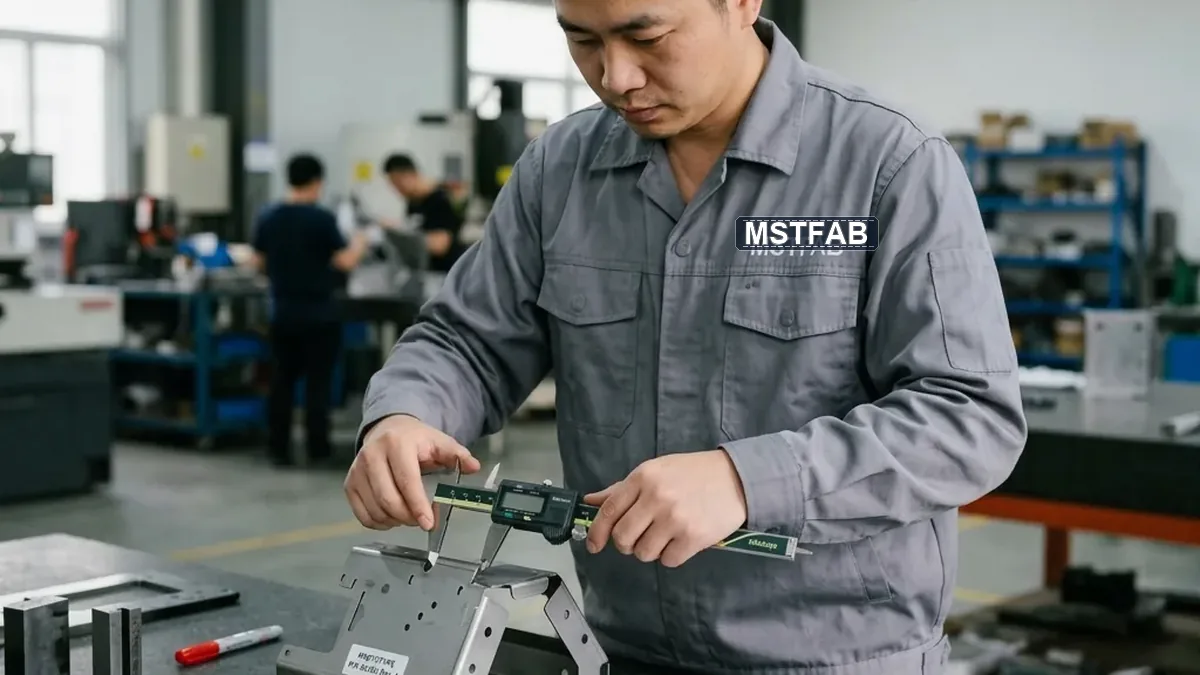
First-Article Inspection Should Test What Matters
A first article is the first completed prototype part or assembly checked against the approved drawing and project requirements. Inspection should focus on the features that affect fit, function, safety, alignment, sealing, grounding, movement, installation and visible appearance.
If your project needs documented evidence for incoming QC, ask for a dimensional inspection report.
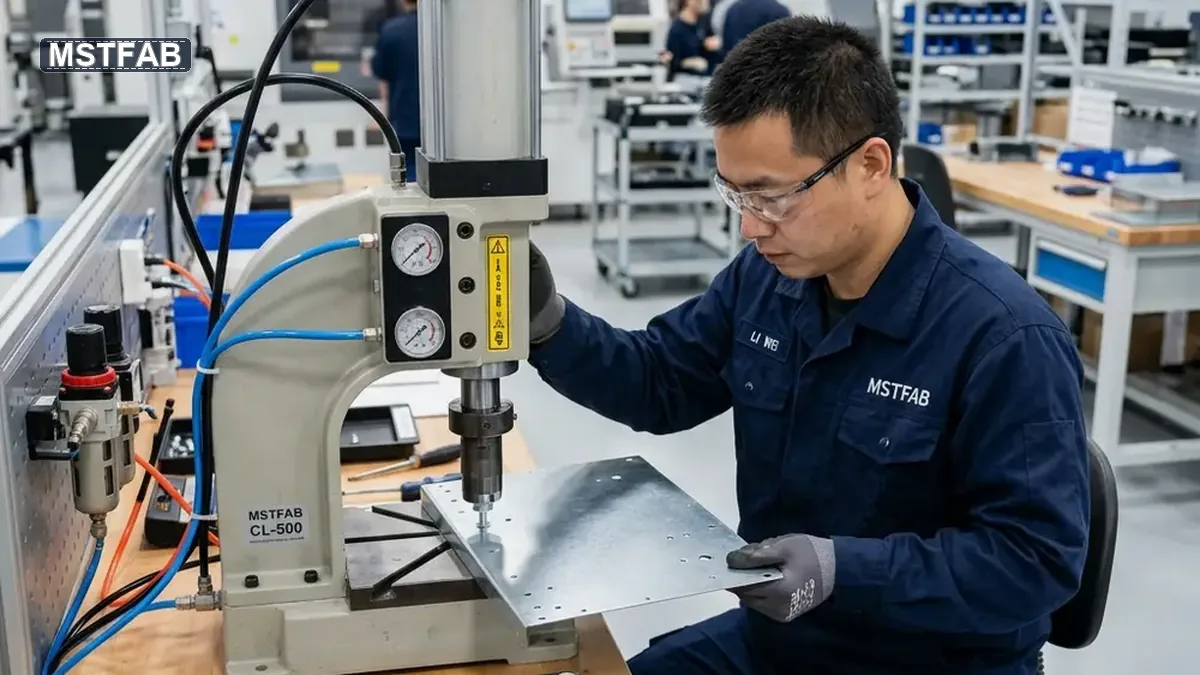
Hardware Is Not a Final Detail
PEM nuts, studs, rivet nuts, weld nuts, hinges, handles, locks and grounding studs affect the complete manufacturing route. A prototype should verify whether the hardware works after bending, welding and coating. The worst time to learn a screw no longer fits is when the installer is holding the screw and staring at you.
Prototype parts often combine laser cutting, CNC sheet metal bending and sheet metal welding services before hardware insertion and finishing.
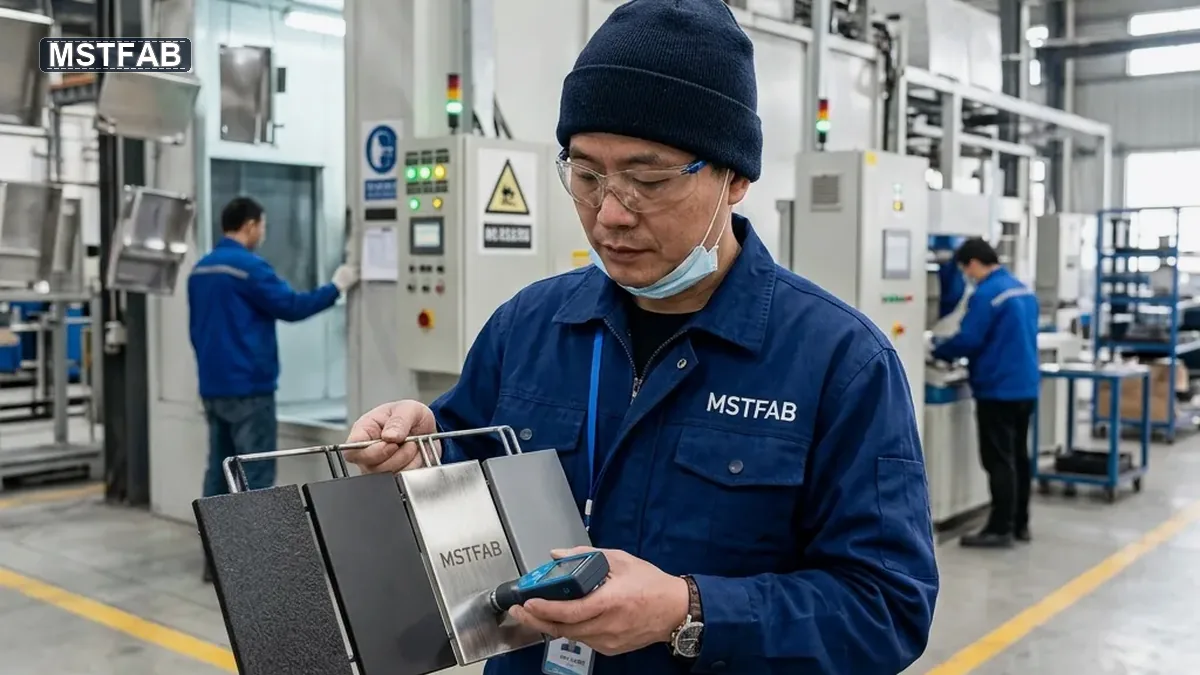
Surface Finish Should Be Approved on the Prototype
“Black finish” is not a complete requirement. Matte black, textured black, glossy black, anodized black and painted black can behave very differently. Prototype finishing helps confirm color, texture, gloss, thread masking, grounding points, gasket contact, visible surfaces and scratch protection.
For coating and finish planning, see our surface treatment services for sheet metal parts.
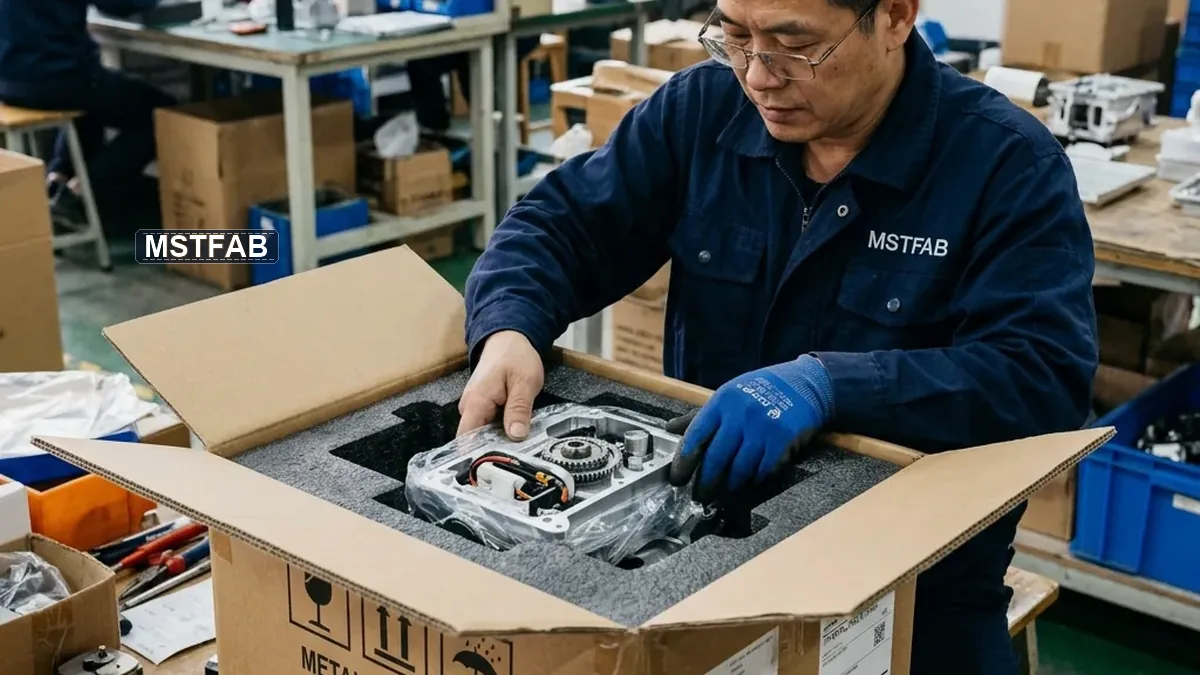
Packaging Matters Even for Prototype Orders
Prototype parts often travel to engineering teams, test labs or OEM assembly sites. A brushed stainless panel needs more protection than a hidden internal bracket. A door with handles and locks needs protection around protruding hardware. A loose fastener kit should not go on a little vacation inside the cabinet shell.
How to Compare Prototype Metal Parts Quotes
Do not compare prototype quotes by unit price alone. Compare what the manufacturer will validate and deliver.
| Quote Item | What Buyers Should Confirm | Why It Builds Trust |
|---|---|---|
| DFM review | Drawing feedback, manufacturability notes and critical-risk identification. | Shows the factory is engineering the part, not just pressing “cut.” |
| Material | Grade, thickness and prototype-to-production match. | Prevents prototypes that behave differently from the final batch. |
| Laser cutting | Profiles, holes, slots, cutouts, bend reliefs and deburring. | Controls the flat pattern before bending and assembly. |
| CNC bending | Bend count, bend radius, post-bend dimensions and tool access. | Confirms the formed part fits after springback. |
| Hardware | PEM parts, threads, hinges, latches, studs and inserts. | Confirms the prototype can actually be installed and serviced. |
| Surface finish | Color, texture, gloss, masking and visible-face standard. | Protects function, appearance and corrosion performance. |
| Inspection | First article, critical dimensions, fit checks and photos. | Gives buyer-side QC evidence before release. |
| Packaging | Foam, labels, hardware bags, protective film and crates. | Protects the prototype so evaluation feedback is meaningful. |
Frequently Asked Questions
What is prototype production for custom metal parts?
Prototype production is the manufacture of early-stage custom metal components used to validate drawings, material, dimensions, bends, hardware, welding, finish, assembly fit, service access and packaging before low-volume or repeat production.
Can a prototype include laser cutting, bending, welding, finishing and hardware?
Yes. Suitable prototype projects can include DFM review, laser cutting, CNC bending, welding, hardware insertion, surface finishing, first-article inspection, assembly checks and protective packing.
Can I make a prototype from a sketch or existing sample?
A sketch, old sample, product photo or assembly image can help start the discussion. Accurate prototype production still benefits from confirmed dimensions, material, thickness, finish, hardware and functional requirements.
Why is a prototype useful before low-volume production?
A prototype can reveal design, fit, finish, welding, hardware, service-access and packaging issues before those issues affect a larger number of parts.
Should the prototype use the final production material?
Whenever practical, yes. Using the intended material, thickness, finish and hardware helps reveal how the final part will behave during bending, welding, coating, assembly and shipping.
Start Your Prototype Metal Parts Project
Send drawings, material requirements, prototype quantity, finish details, critical dimensions, hardware list, assembly information and packaging expectations. We will review the design before the next production order gets expensive.
 WeChat Contact
 WhatsApp Me Directly