
Short answer: Send a controlled 2D PDF drawing with the part number, revision, material, thickness, critical dimensions, hardware and finish notes. Add a matching STEP/STP model for shape and assembly fit. Supply DXF/DWG files when flat-pattern or cut-profile review is needed. If the files disagree, resolve the conflict before anyone prices or cuts metal.
A STEP model shows the shape. The released drawing tells the fabricator what must be controlled. Neither file should silently overrule the other. A supplier saying “we used the latest file” is not much comfort when the latest file was the wrong revision.
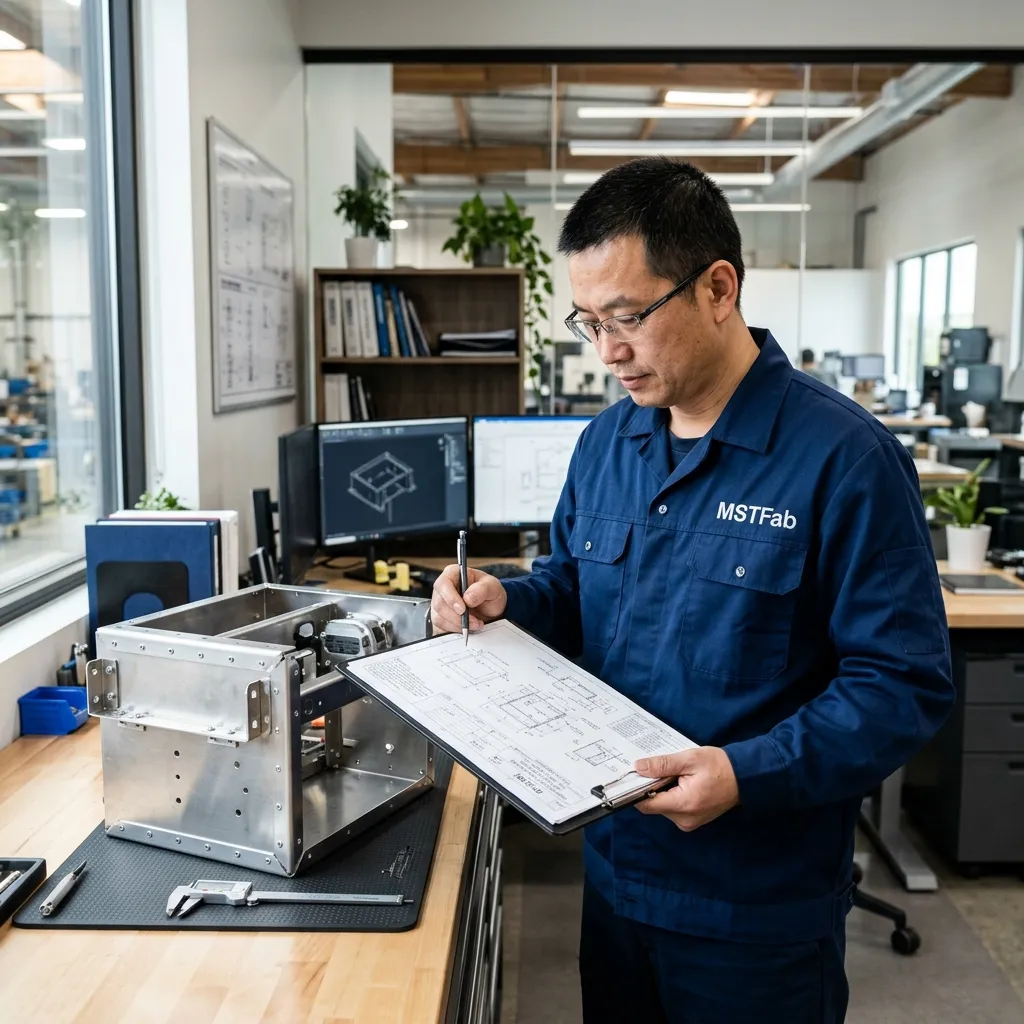
Manufacturing scope: MSTFAB (Guangzhou Maisituo Sheet Metal Manufacturing Co., Ltd.) fabricates drawing-based metal parts and empty enclosure shells. The OEM or integrator controls the finished product, electrical integration and final validation. Finishing arrangements, inspection records and packaging should be agreed in the quotation; selected finishes may be completed by qualified long-term partners.
What belongs in a quote-ready drawing package?
Send only files that have a clear purpose and a clear revision. The table is a handoff checklist, not a demand for every file format on every project.
| Input | What the buyer should confirm | Question to close before quotation |
|---|---|---|
| Controlled 2D PDF | Part number, revision, units, material, thickness, datums, critical dimensions, tolerances, bend and weld notes. | Which drawing is the released authority for inspection? |
| STEP/STP model | Overall shape, bends, cutouts and relevant mating interfaces; match its revision to the PDF. | Does the model agree with the released drawing? |
| DXF/DWG, if needed | Cut profiles or 2D geometry, with the intended units and revision identified. | Is this a reference file or an approved manufacturing input? |
| Hardware and finish notes | PEM fasteners, studs, hinges, welds, visible faces, color, texture, coating and masking zones. | Which items and finishing operations are included in the quote? |
| Order and acceptance notes | Quantity, critical-to-quality features, required first-article or batch records, packing and destination. | What evidence is needed before shipment release? |
Make one revision the source of truth
Put the drawing number and revision on the RFQ and require the supplier to repeat them on the quotation. If a STEP model, PDF and DXF do not match, do not ask the shop to guess which one wins. Record the clarification, issue a corrected package and retire the superseded files.
Before batch release, confirm that purchasing, production and inspection are using the same approved revision. If a change arrives after quotation, ask for its effect on price, tooling, material, inspection and delivery to be reviewed in writing.
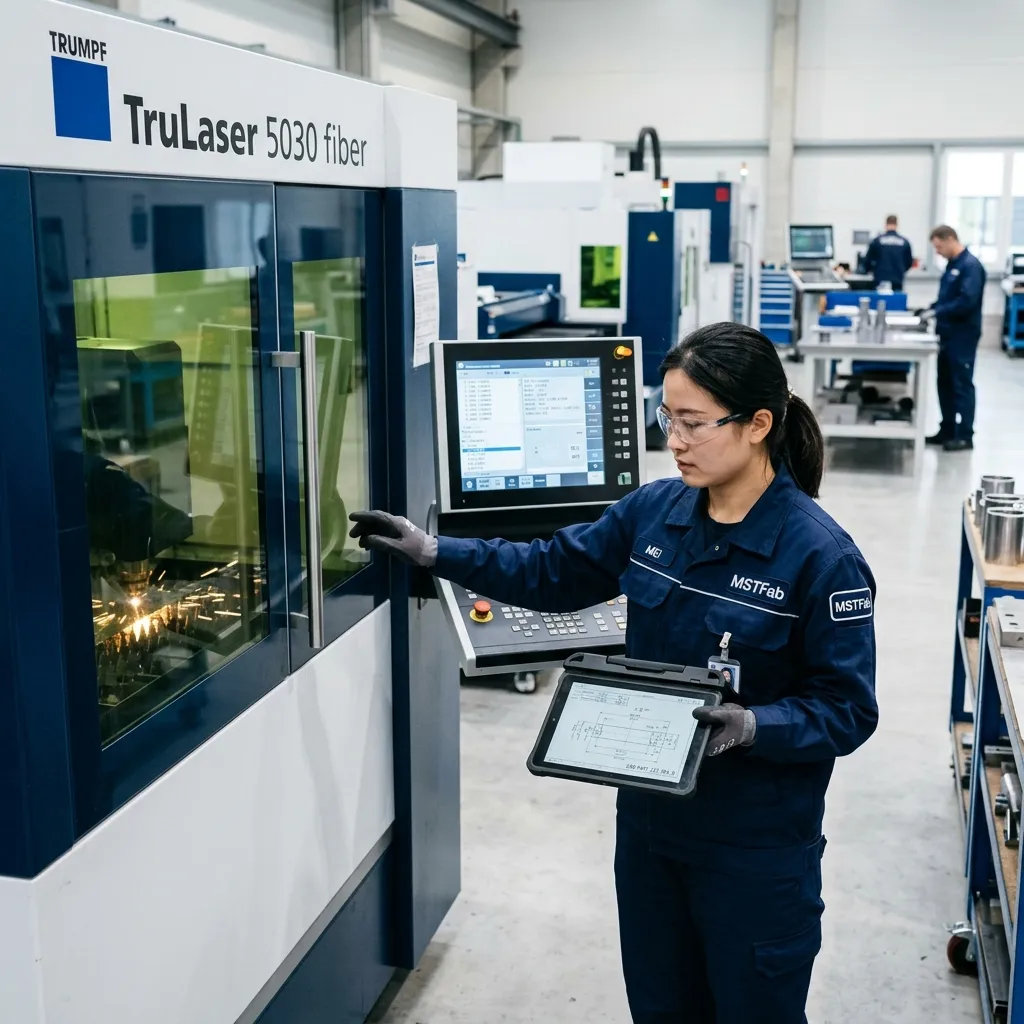
Mark the features that can stop assembly
Not every dimension needs the tightest tolerance. Mark the features that affect fit or safety, identify the intended datum or mating part, and agree how the finished, formed part will be checked. A perfectly cut flat blank can still fail after bending or welding.
Bends, holes and access
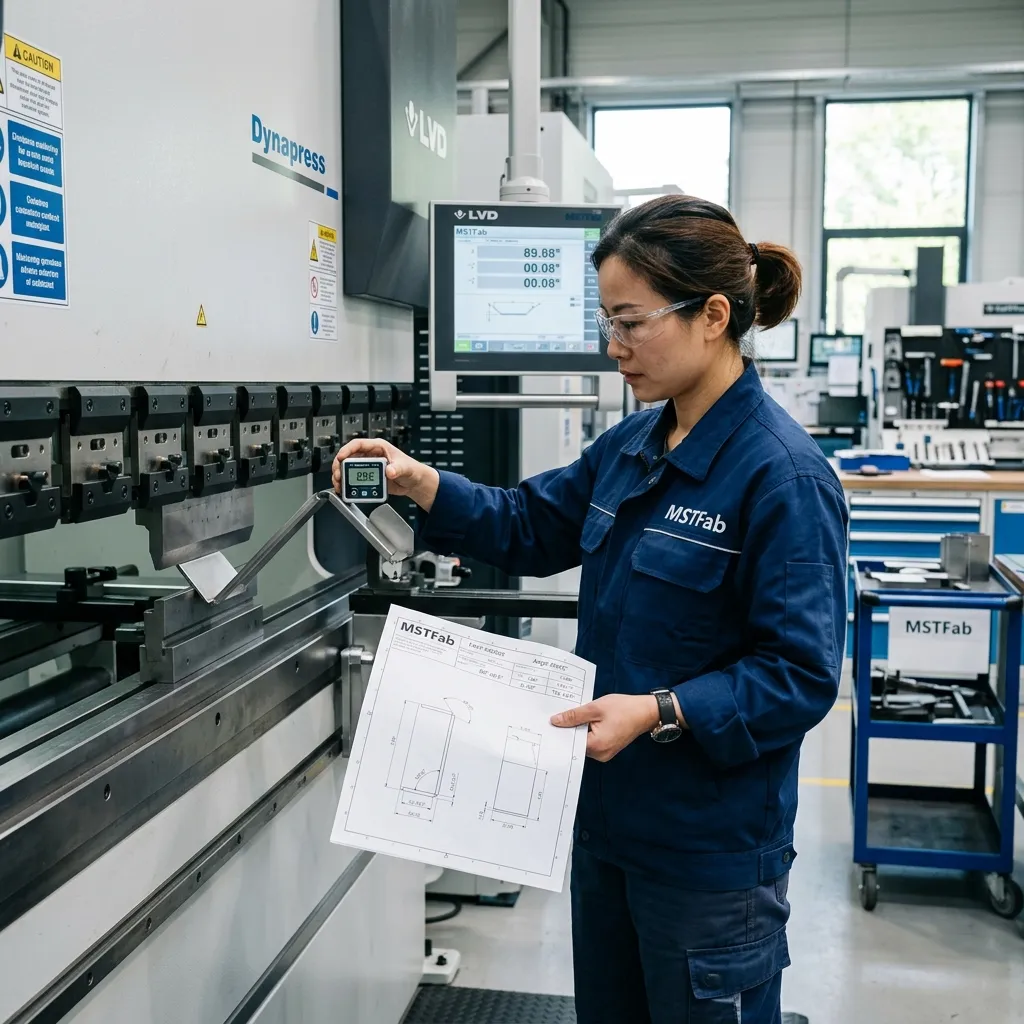
Call out material, thickness, inside bend radius where required, flange lengths and hole-to-bend relationships. Show the mating part or keep-out zone when a fastener or tool needs room to work. A short flange may look elegant in CAD and be unreachable in a press brake; that is a drawing conversation, not a surprise to save for production.
Welds and hardware
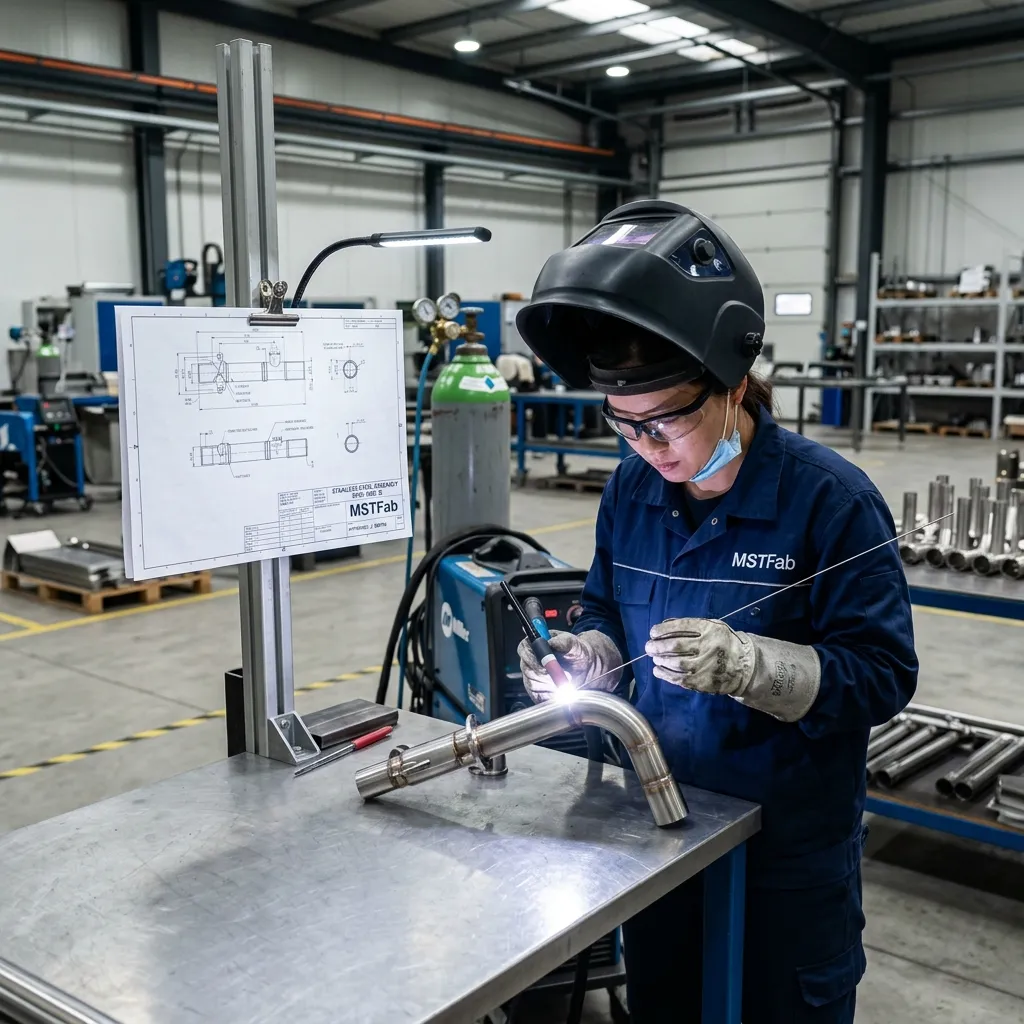
Identify weld locations and any appearance or distortion limits that matter to the assembly. List the exact insert, stud, hinge or latch where the hardware choice changes hole size or installation sequence. When a symbol or note is ambiguous, request a marked-up clarification before release.
Finish, masking and visible faces
State the finish, color or reference sample, cosmetic faces and no-coat zones. Threads, grounding contacts and gasket lands may need masking or a different sequence. If finishing is coordinated through a partner, identify the agreed finish specification and the evidence expected back with the parts.
Agree the acceptance evidence before the purchase order
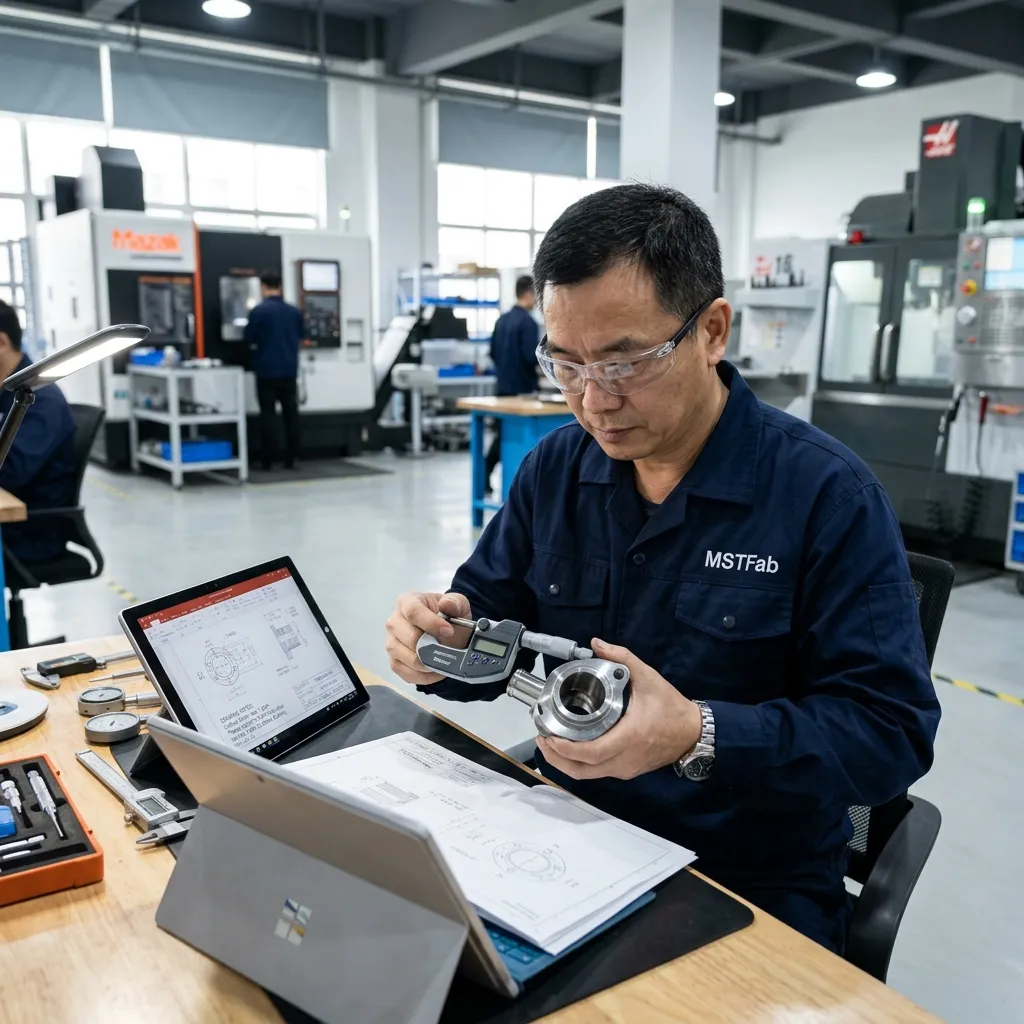
For a new or changed part, decide whether a first-article report, marked drawing, material evidence, finish record or functional fit check is needed. Specify the sample quantity or inspection frequency for critical features. Sampling is not a promise that every part in the lot has been measured.
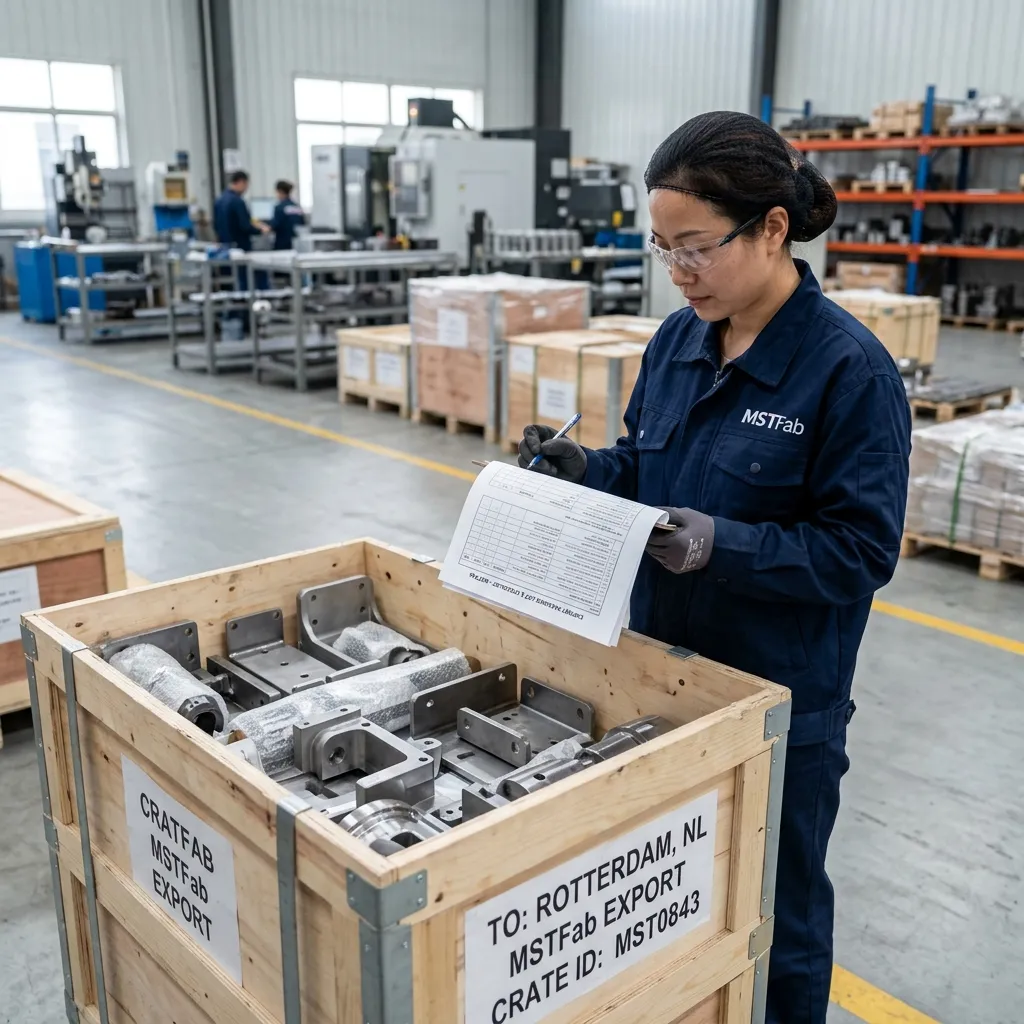
Include labels, protective separation and carton or crate requirements if the parts will travel internationally. The packing list should identify the approved part number, revision, quantity and loose hardware. A good enclosure that arrives scratched is still a receiving problem.
For the next handoff, review the enclosure DFM guide and the sheet metal quote checklist. These answer different questions: can the part be built, and what exactly is priced?
Questions buyers ask before sending files
Is a DXF enough for a sheet metal quote?
Usually not for a formed or assembled part. A DXF may define a profile, but it often omits material, thickness, bend direction, hardware, finish and inspection requirements. Send the controlled PDF drawing and a matching STEP/STP model when available.
What if the PDF and STEP model disagree?
Stop and identify the discrepancy. The buyer should approve a corrected revision or a written clarification before quotation or production; the supplier should not choose the answer by assumption.
Does every RFQ need a full inspection report?
No. Match the record to the risk. Identify critical dimensions and required evidence for the part, then include that scope in the quote. The OEM inspection checklist helps buyers choose useful records.
Send a controlled drawing package
Share the released PDF and matching STEP/STP model, with DXF/DWG if needed. Include material, quantity, finish, critical features, inspection evidence, packing and destination. MSTFAB can review the manufacturing scope and flag open questions before quotation.
 WeChat Contact
 WhatsApp Me Directly