
When a prototype test, replacement enclosure or pilot build is waiting on custom metal parts, lead time stops being a purchasing metric and starts becoming the topic of every meeting.
Custom sheet metal fabrication with fast turnaround should remove avoidable waiting without removing drawing review, material checks or inspection. A rush order made from the wrong revision is simply an expensive way to receive scrap sooner.
MSTFAB manufactures custom sheet metal shells, covers, panels, brackets, chassis and welded housings for OEM equipment. We do not sell finished machines, install buyer electronics or promise one universal schedule for every drawing.
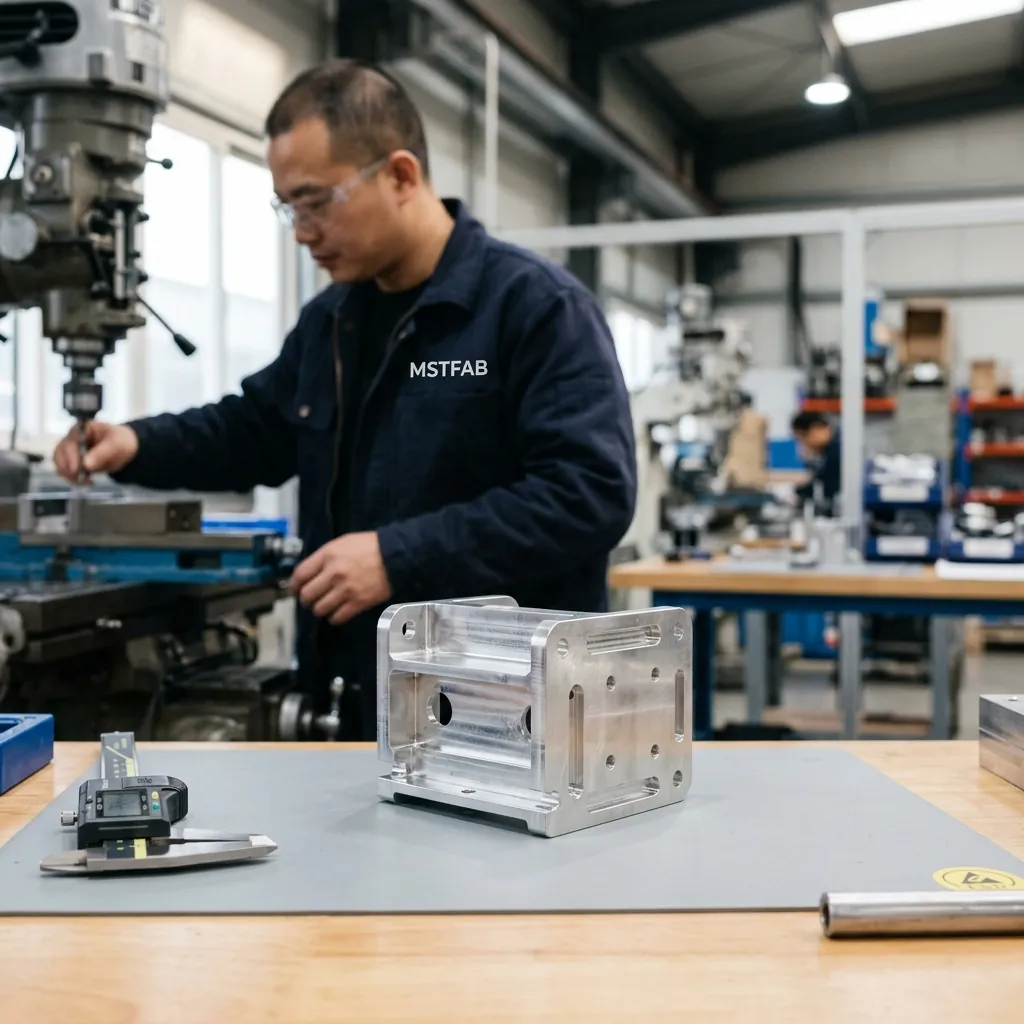
What Does Fast-Turnaround Custom Sheet Metal Fabrication Mean?
Custom sheet metal fabrication with fast turnaround means shortening the time between a complete RFQ and an inspected shipment by removing unclear requirements, slow handoffs and preventable rework. The speed comes from organized engineering and production, not from skipping controls.
Many straightforward prototype and low-volume enclosure projects are evaluated against a planning window of roughly 7 to 15 working days after drawings, material, quantity, finish and inspection requirements are confirmed. This is a planning reference, not a blanket promise. Complex welding, special powder colors, uncommon material or detailed assembly can require more time.
A Fast Schedule Begins Before the First Cut
The fastest quote usually comes from the project with the fewest mysteries. Send the 3D model for geometry and a controlled 2D drawing for material, thickness, tolerances, threads, welding, finish and inspection notes.
When only a STEP or DXF file is available, MSTFAB can begin an initial review and list the missing decisions. That clarification is not paperwork for sport. It is cheaper than discovering after bending that the display opening belonged to revision B while purchasing sent revision A.
- STEP or STP model plus a dimensioned PDF drawing
- Material grade, thickness, quantity and delivery destination
- Critical tolerances, visible surfaces and assembly interfaces
- Hardware, welding, finish and packing requirements

The Six-Step Lead-Time Control Map
The reference image you supplied uses a clear workflow map. For sheet metal enclosure buyers, the practical version looks like this:
Confirm the real requirement
Files, revision, material, finish, quantity, delivery destination and the date that actually matters.
Find delays before cutting
Check bend radius, short flanges, hole-to-bend distance, weld access, hardware clearance and coating buildup.
Build a realistic route
Confirm stock, tooling, machine sequence, outside finishing and whether an approved alternative is useful.
Control the digital handoff
Verify units, contours, flat patterns, bend direction and the released manufacturing program.
Protect fit and appearance
Plan fixtures, distortion control, grinding, masking, surface preparation and finish expectations.
Ship parts the buyer can use
Verify critical features, assembly fit and surface protection before the order leaves the factory.
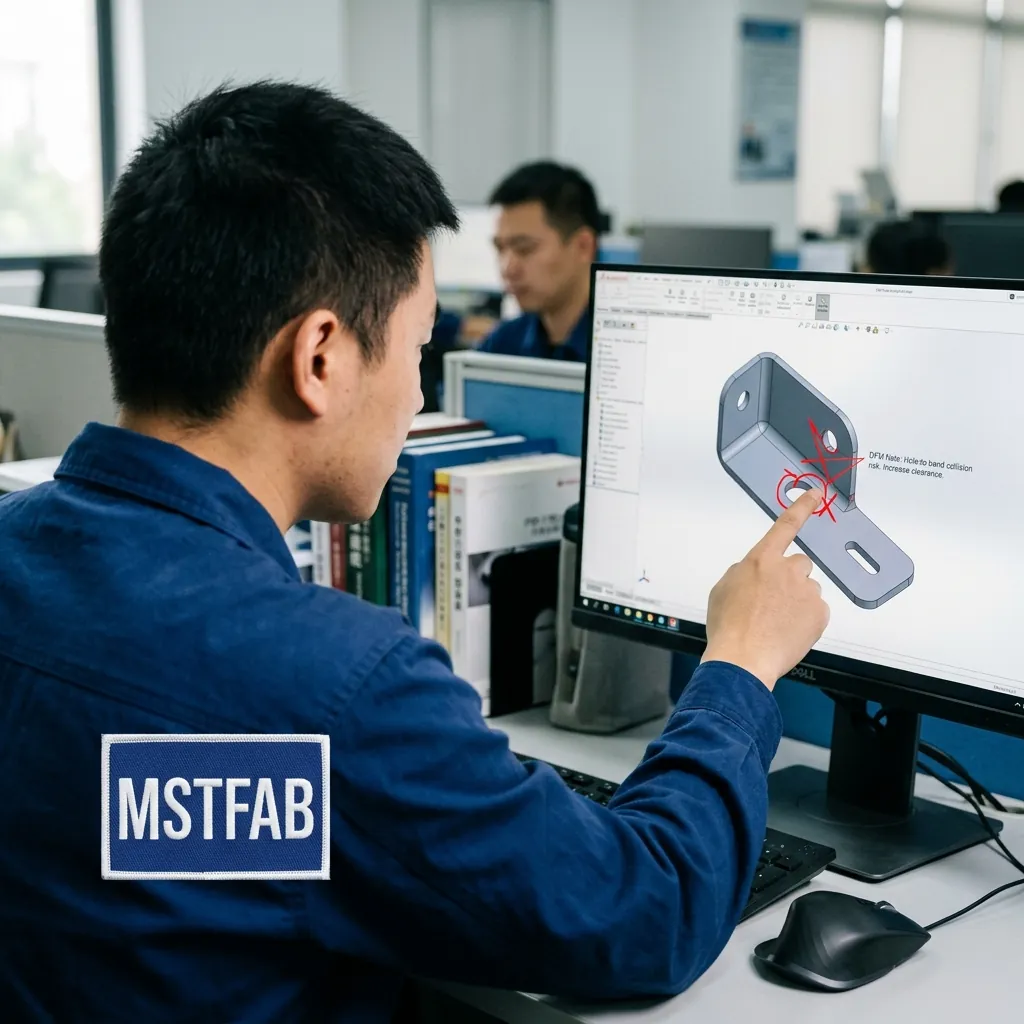
Fast Feedback Is Better Than Fast Rework
A short flange may not fit standard press brake tooling. A hole near a bend line may distort. Long weld seams on thin panels may pull an enclosure out of square. None of these problems improves when everyone speaks faster.
MSTFAB flags practical risks and proposes options for buyer approval. No important design change is made quietly. Revision control is part of speed because making the wrong version quickly does not count as progress.
For the core manufacturing scope, review our custom sheet metal fabrication services.
Which Projects Are Good Candidates for Faster Production?
Usually easier to schedule
- Prototype brackets, panels, covers and mounting plates
- Low-volume chassis and unpopulated equipment housings
- Replacement sheet metal parts with clear released drawings
- Standard materials, common thicknesses and stocked hardware
- Laser-cut and bent parts using standard tooling
Usually need more planning
- Large welded cabinets with tight door and panel alignment
- Cosmetic weld blending across visible exterior surfaces
- Special alloys, uncommon thicknesses or buyer-nominated material
- Custom powder colors, complex masking or outside certification
- Multi-level assemblies with buyer-supplied components
Plain buyer advice: ask for the fastest practical route, not the shortest sentence a salesperson can type. A realistic schedule is useful. A heroic promise followed by three revised delivery dates is not.
Laser Cutting and CNC Bending: Where Time Is Often Won
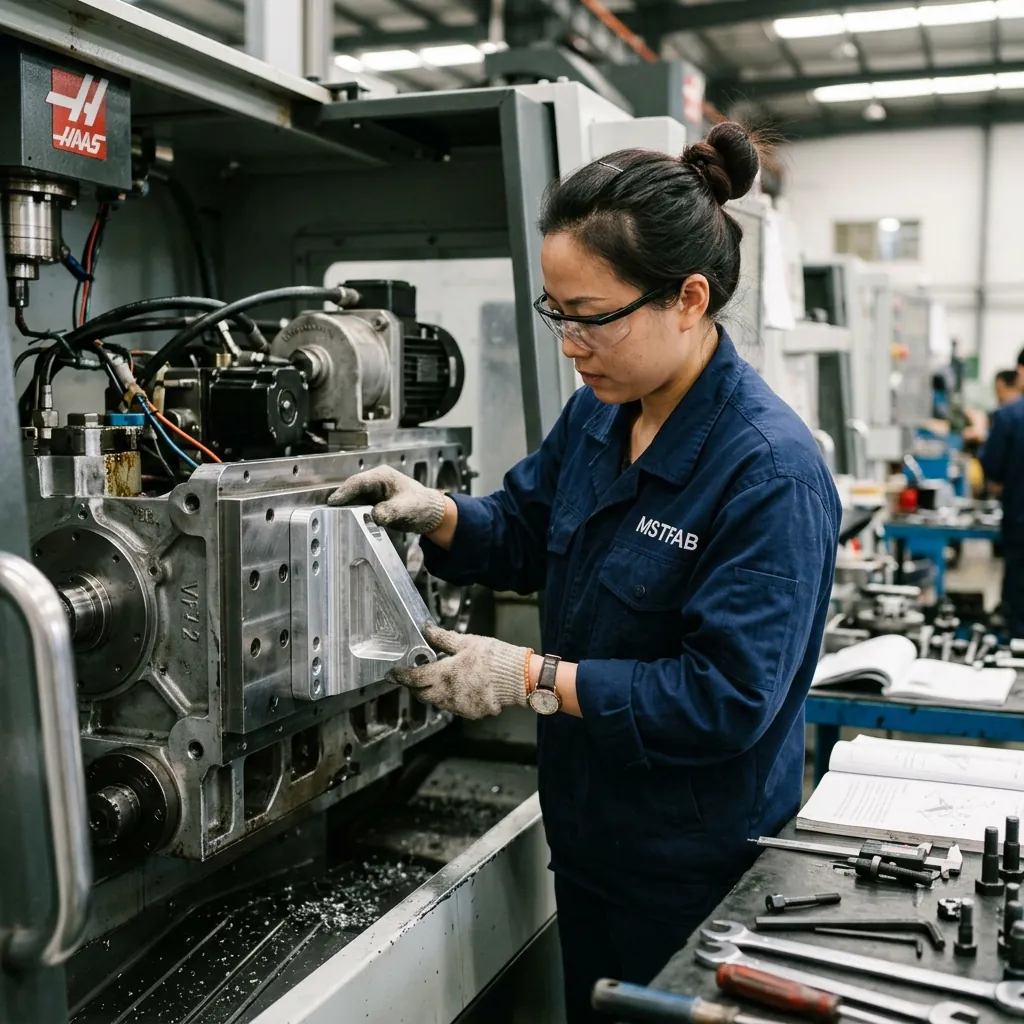
Digital cutting and standard press brake tooling can move prototype enclosure parts quickly when the file is clean and the geometry is practical. Laser cutting handles profiles, ventilation patterns, slots and mounting features. CNC bending forms brackets, skins, doors, trays and covers.
Before release, MSTFAB checks drawing scale, units, open contours, duplicate lines, bend direction and feature clearance. Parts using common bend radii and accessible tooling are generally easier to schedule than parts that require special punches, staged forming or manual rescue.
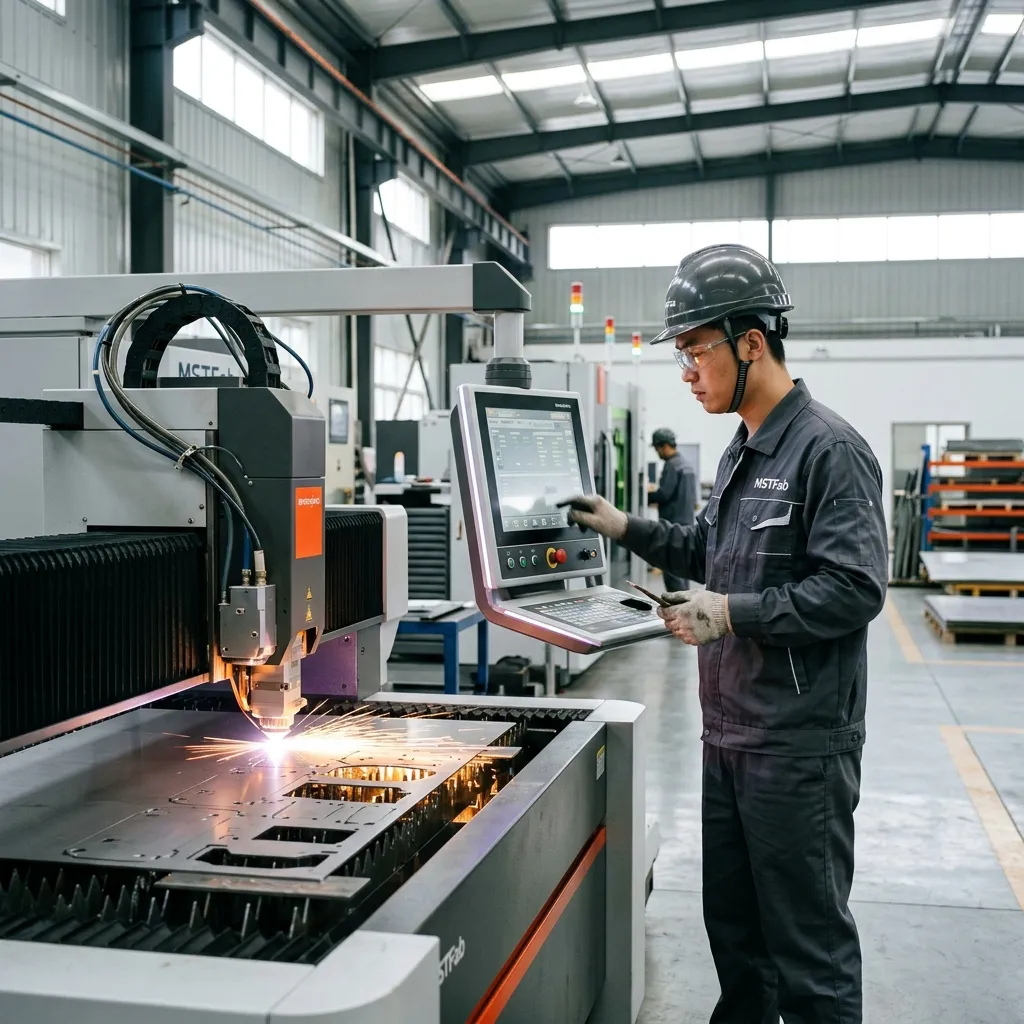
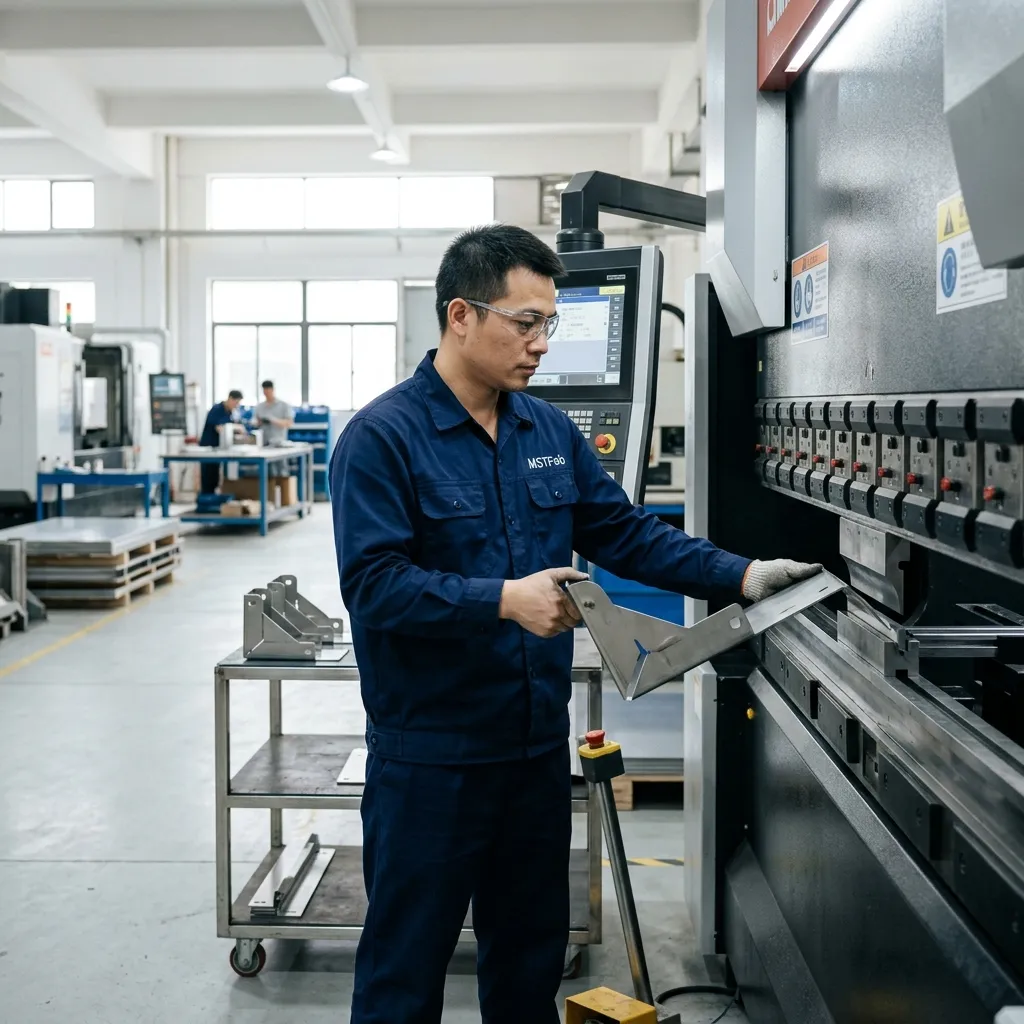
Projects combining these operations can use the same manufacturing logic described on our sheet metal bending resource.
Welding and Finishing Need Honest Lead-Time Planning
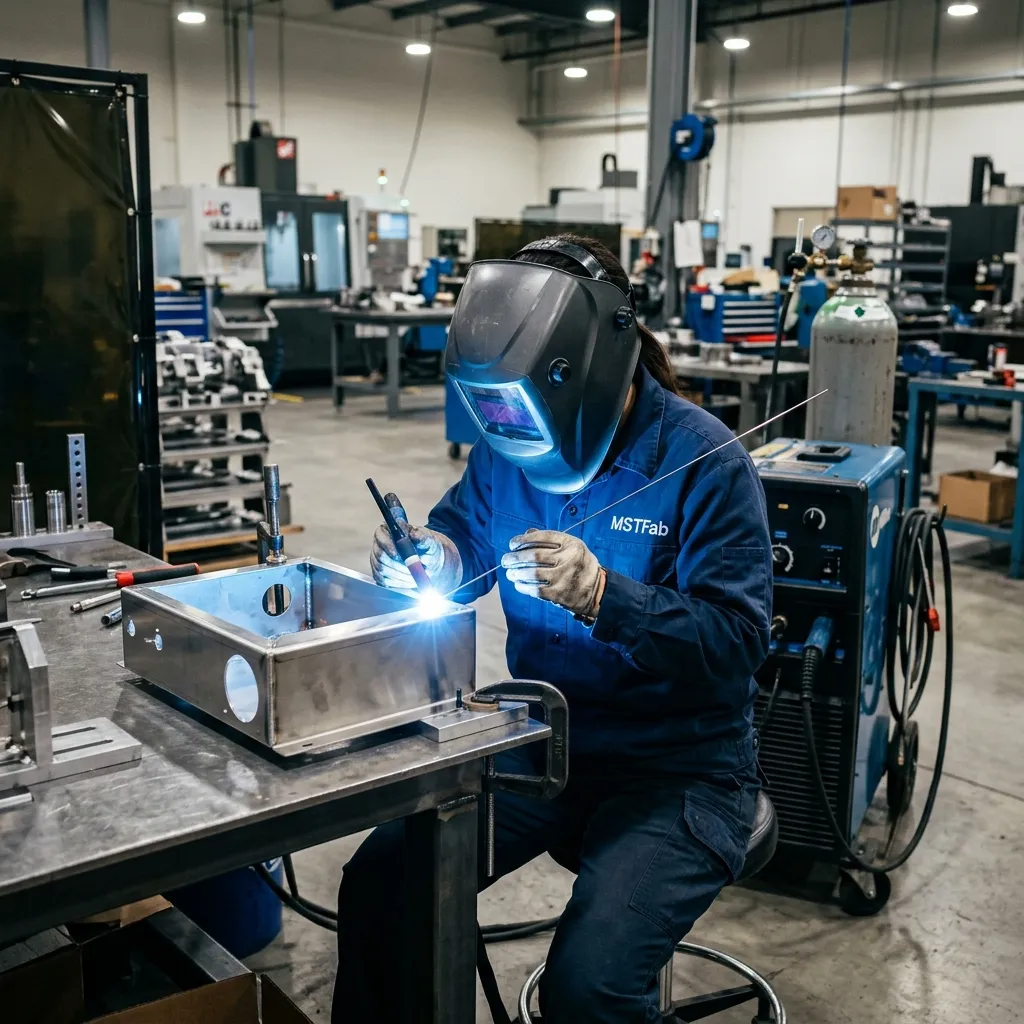
Welding is not just another machine cycle. Fixture preparation, heat distortion, joint access, grinding and cosmetic standards all affect the route. A functional internal weld and a fully blended visible seam may share a drawing, but they do not share the same labor time.
Surface finishing can also become the longest stage. Standard powder colors are often easier to arrange than custom color matching. Threads, grounding points and precision interfaces must be masked correctly or the team saves one day in coating and loses two days cleaning paint from places it never belonged.
See our sheet metal welding services and surface finishing guide for process-specific details.
Material Availability Can Change the Calendar
MSTFAB commonly works with cold-rolled steel, galvanized steel, stainless steel, aluminum, copper and brass. Standard grades and sheet sizes are usually easier to source than unusual alloys or thicknesses.
When the design permits an alternative, engineering and purchasing teams can compare availability, forming behavior, corrosion resistance and cost during quotation. Substitutions are never made without buyer approval.
| Requirement | Usually easier to schedule | Possible lead-time risk |
|---|---|---|
| Material | Common steel, stainless and aluminum grades in standard thicknesses | Special alloy, certified source or uncommon gauge |
| Hardware | Standard PEM nuts, studs, rivet nuts and common fasteners | Buyer-nominated or imported hardware with limited stock |
| Finish | Standard powder colors, brushed stainless or unfinished prototype parts | Custom color match, special masking, plating or multiple outside processes |
| Geometry | Standard bend radii, accessible welds and practical inspection points | Special tooling, restricted weld access or broad cosmetic blending |
Fast Production Still Needs Assembly and First-Article Checks
Inspection should focus on what determines fit, function and appearance. Marking every dimension as extremely tight can increase programming and inspection time without improving the enclosure. Identify the datums, hole patterns, door gaps, mounting interfaces and finish areas that matter most.

| Control point | What MSTFAB checks | Useful buyer evidence |
|---|---|---|
| Revision | Released CAD and 2D drawing agree with the production traveler | Revision reference in the inspection record |
| Critical features | Datums, hole positions, bends, threads and assembly interfaces | First-article report or agreed measurement sheet |
| Hardware and welds | Type, location, thread condition, joint appearance and fit | Inspection photos and functional checks where specified |
| Cosmetic surfaces | Visible-face defects, color, texture, edge coverage and protection | Approved sample or agreed appearance standard |
Packaging and Shipping Are Part of the Lead Time
Factory completion and arrival at the buyer’s site are different dates. Express courier, air freight, sea freight, customs and local delivery should be discussed separately from manufacturing time.
Powder-coated skins and visible enclosure panels may need film, foam, separators and corner protection. Large welded housings may need reinforced cartons or crates. Shipping a perfect panel without surface protection is an efficient way to manufacture a complaint.
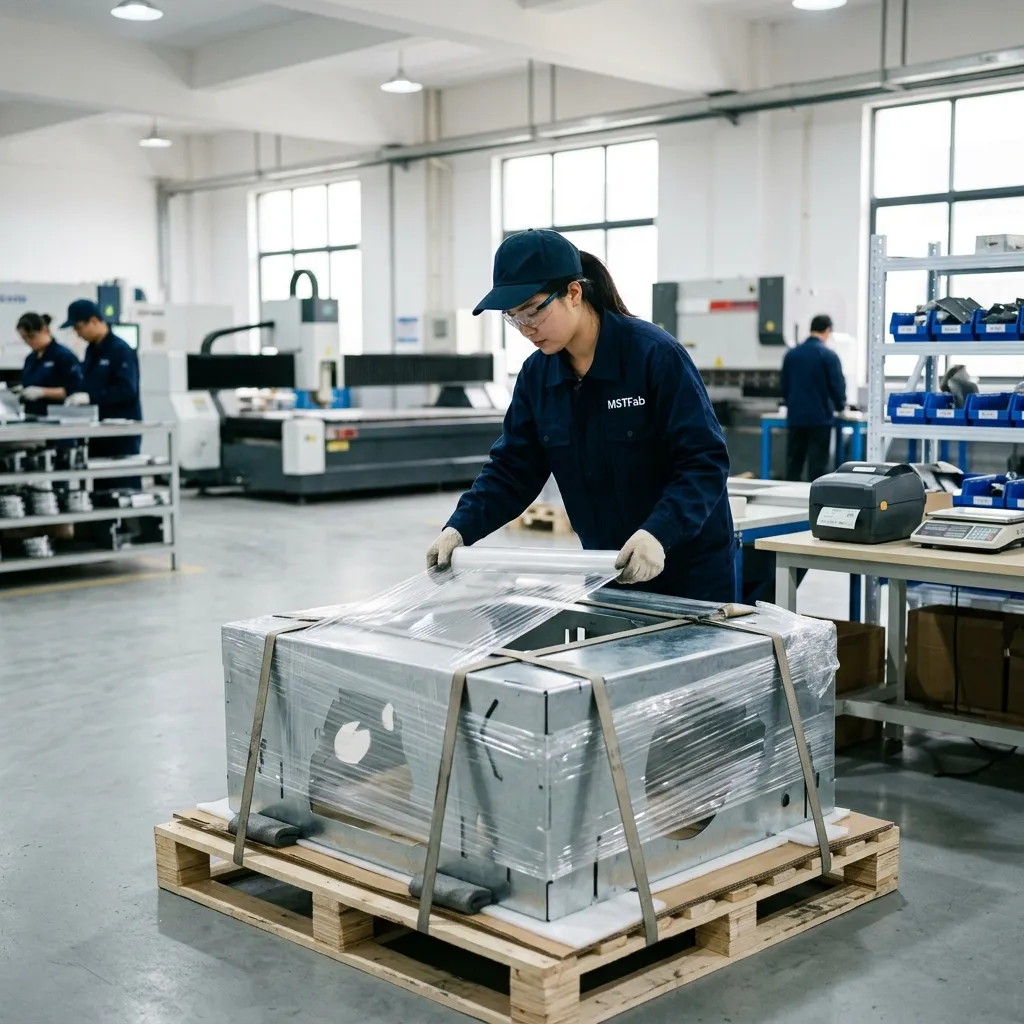

More detail is available on our assembly and export packaging page.
How Buyers Can Reduce Sheet Metal Lead Time
Freeze the correct revision
One approved file set is faster than a detective story involving six attachments and a late-night email.
Separate critical from general
Mark dimensions, surfaces and interfaces that control fit instead of tightening every feature equally.
Confirm acceptable options
Approved material, hardware or finish alternatives can help when the first choice is not in stock.
State the real delivery target
Clarify factory completion versus arrival date, destination and preferred shipping method.
Send assembly information
Include mating parts, BOM notes and installation sequence when the enclosure must be test-fitted.
Approve questions promptly
A one-day engineering decision should not spend four days waiting in an inbox.
Our OEM metal parts ordering checklist gives purchasing teams a reusable RFQ reference.
Manufacturing scope: MSTFAB supplies drawing-based sheet metal shells, covers, panels, brackets, chassis and mechanically assembled housings. Buyer electronics, software, final equipment function, certification and end-use compliance remain outside this fabrication scope.
Custom Sheet Metal Fabrication with Fast Turnaround FAQ
Can every custom sheet metal order use the same lead time?
No. Geometry, quantity, material, welding, finish, hardware, inspection and current production capacity all affect the route. MSTFAB confirms a drawing-specific schedule after reviewing the complete requirement.
What files help MSTFAB review lead time fastest?
Send a STEP or STP model, controlled PDF drawing, material and thickness, quantity, finish, critical tolerances, hardware notes, destination and required arrival date.
Which parts are usually easier to produce quickly?
Prototype brackets, panels, covers, mounting plates and low-volume enclosure parts using standard materials, common thicknesses and practical tooling are generally easier to schedule.
Why can welding and powder coating extend the schedule?
Welding may require fixtures, distortion correction and cosmetic blending. Powder coating may require surface preparation, masking, custom color material and outside processing coordination.
Does fast-turnaround production still include inspection?
Yes. The inspection plan should prioritize drawing revision, material, critical dimensions, hardware, welds, finish and assembly interfaces. First-article reports can be arranged when specified.
Can MSTFAB support prototypes followed by low-volume production?
Yes. A prototype or first article can verify fit, bend direction, hole alignment, hardware, weld quality and appearance before the approved revision moves into a repeat batch.
Related MSTFAB Buyer Resources
Need a Realistic Fast-Turnaround Plan?
Send the released drawings, quantity, material, finish and delivery target. MSTFAB will review the fastest practical route and identify schedule risks before production starts.
 WeChat Contact
 WhatsApp Me Directly