
Affordable Sheet Metal Manufacturer for Early-Stage Startups
How to reduce the total cost of custom sheet metal parts through better DFM, clear quotations, sensible tolerances, low-volume process choices and controlled trial orders—without buying the same parts twice.
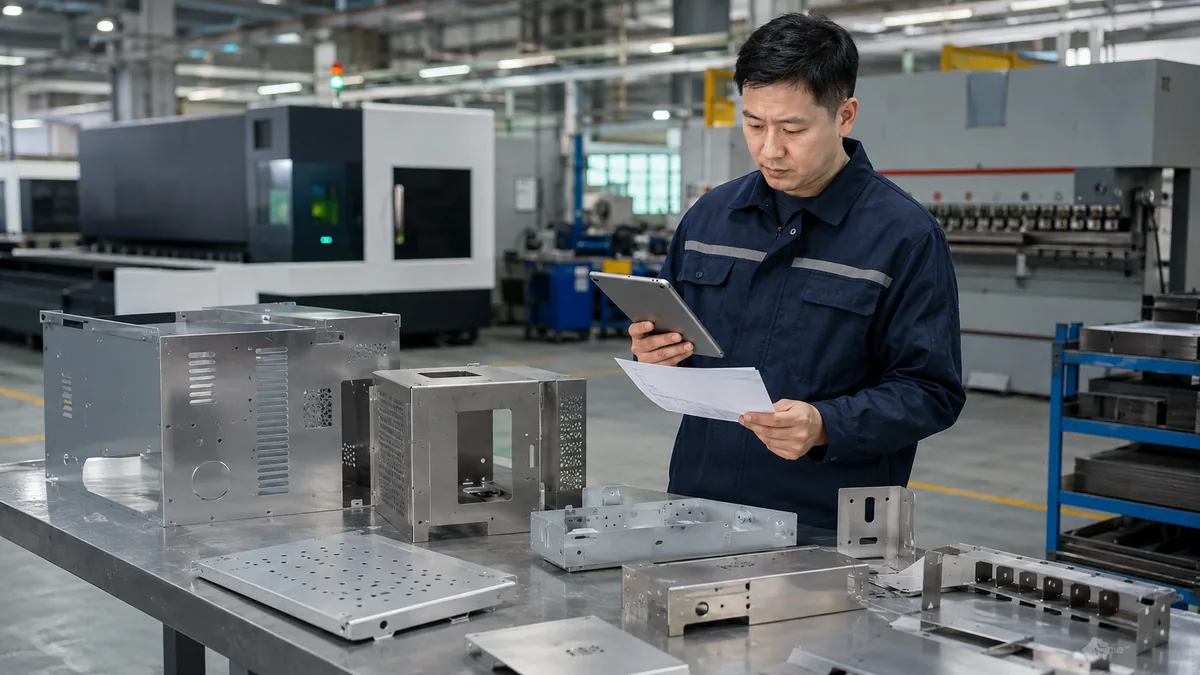
An affordable sheet metal manufacturer for an early-stage startup minimizes total delivered cost, not only unit price. The practical route is to simplify the design, use laser cutting and standard press-brake tooling where suitable, specify only functional tolerances, select the minimum finish that meets the application, separate one-time setup from recurring unit cost, and validate the supplier with a small controlled order. “Affordable” means clear scope, fewer surprises and less rework.
At prototype and seed stage, cash is limited and the design is still moving. That makes a low quote attractive—but a quotation is only useful when it covers the same material, process, finish, inspection, packaging and delivery scope you expect to receive. If one supplier excludes deburring, hardware, masking, first-article inspection or export packing, its unit price cannot be compared directly with a complete quote.
This guide is specifically about custom sheet metal fabrication: laser-cut blanks, CNC-bent brackets and panels, welded assemblies, hardware insertion, surface treatment, inspection and export packing. It is written for startups buying enclosures, chassis, panels, frames and precision metal parts—not generic business outsourcing.
Affordable means lowest total cost of ownership
| Cost layer | What changes it | Question to ask |
|---|---|---|
| Material | Grade, thickness, utilization, minimum purchase and certificate requirements. | Is the quoted grade exact, and how is sheet utilization calculated? |
| Programming and setup | CAM work, machine setup, press-brake tools, fixtures and first-piece approval. | Which charges are one-time and which repeat on every order? |
| Fabrication | Cut time, number of bends, tool changes, welding length, grinding and hardware. | Which feature or operation is driving cycle time? |
| Finish | Preparation, coating type, color, masking, cosmetic class and batch minimum. | What is the least costly finish that still meets function? |
| Inspection | Tolerance, CTQs, FAI, reports, gauges and sampling level. | Which dimensions are critical enough to require records? |
| Packaging and logistics | Part geometry, cosmetic protection, carton volume, pallet and Incoterm. | What is included in the delivered cost and what remains buyer-paid? |
| Failure cost | Rework, late delivery, obsolete stock, requalification and field returns. | How will risk be detected before the full batch ships? |
The linked guide on how to read a sheet metal quote and spot hidden costs provides a detailed line-by-line checklist. Use it to normalize supplier quotations before comparing totals.
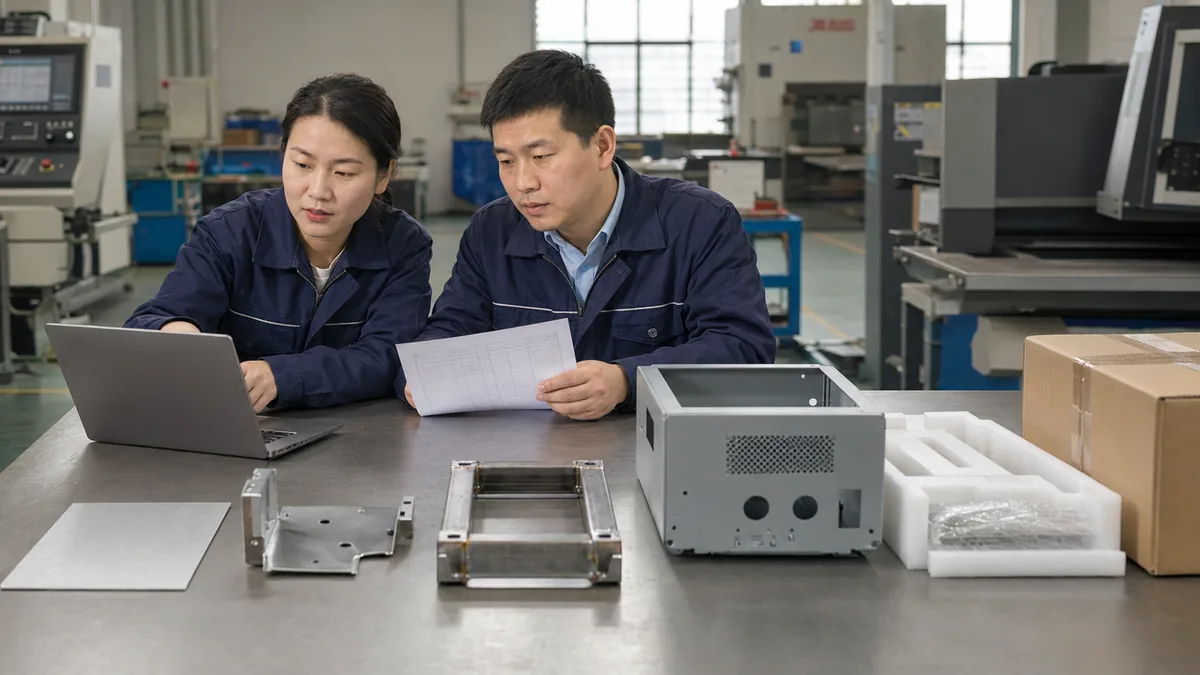
Nine ways an early-stage startup can lower sheet metal cost
1. Use DFM before the quotation is frozen
DFM can reduce cost by removing unnecessary bends, avoiding narrow return flanges, increasing hole distance from bend lines, making tooling access practical, replacing complex welded subassemblies with simpler formed parts and standardizing hardware. The goal is not to make every design visually simple; it is to remove operations that do not add customer value.

2. Prefer tooling-light processes while the design is changing
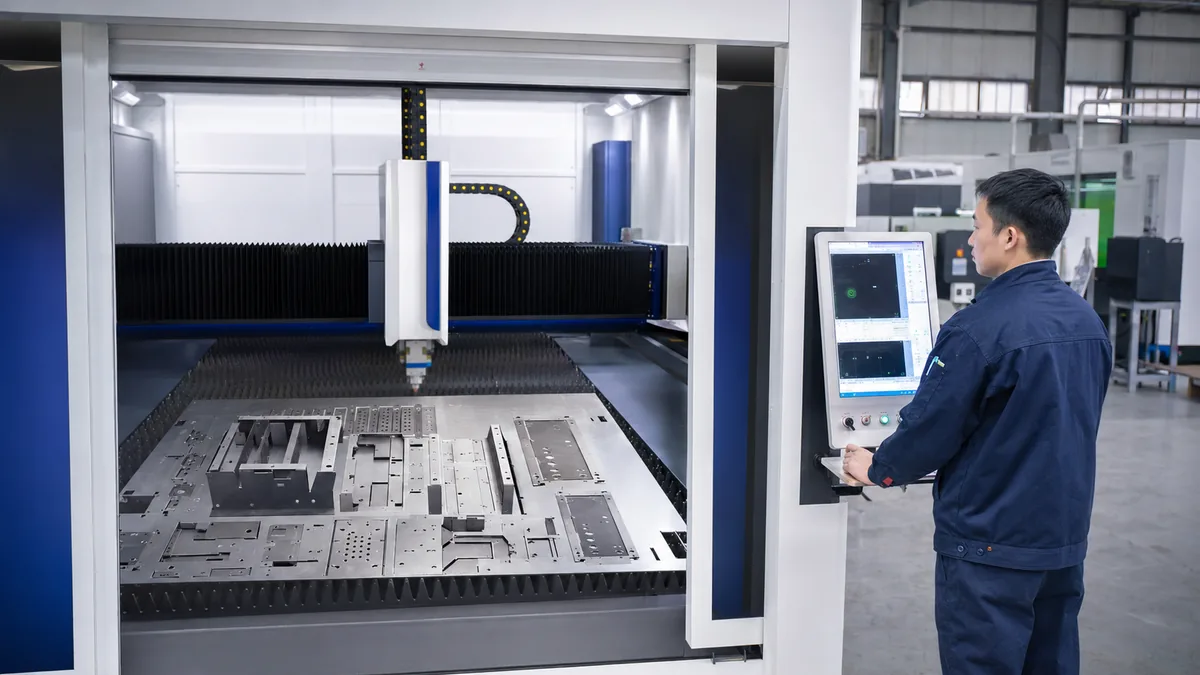
Fiber laser cutting normally avoids dedicated blanking dies, which can make it suitable for prototypes and low-volume production. CNC press-brake bending often uses standard tooling, but unusual radii, deep boxes, hems or restricted access may still require special tools or fixtures. Welding and assembly may also need production fixtures as quantity grows.
Ask the supplier to show which features can use existing equipment and which need one-time tooling. This is more accurate than saying all low-volume sheet metal is “tooling free.” Review MSTFAB’s custom metal laser cutting services.
3. Standardize material grade and thickness where engineering allows
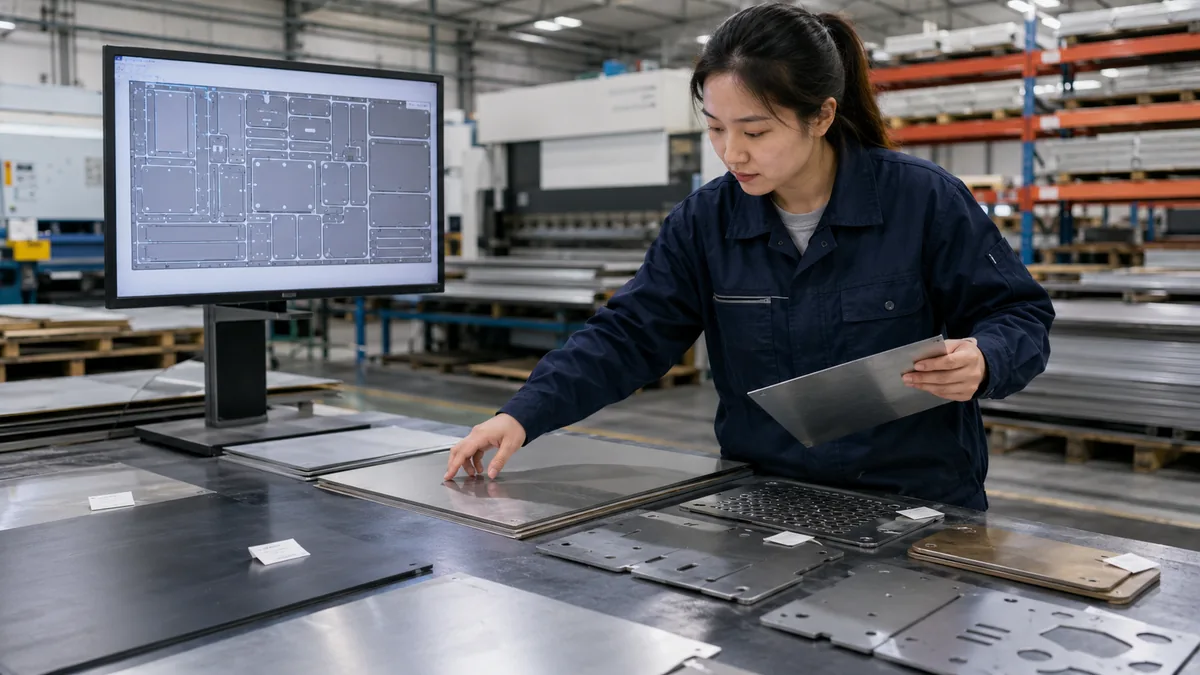
Nonstandard sheet thickness, small-quantity special alloys and certificate requirements can raise material cost or delay availability. Consolidating several parts around a suitable standard grade and thickness may improve purchasing and nesting efficiency—but only after strength, corrosion, weight and finish requirements are checked.
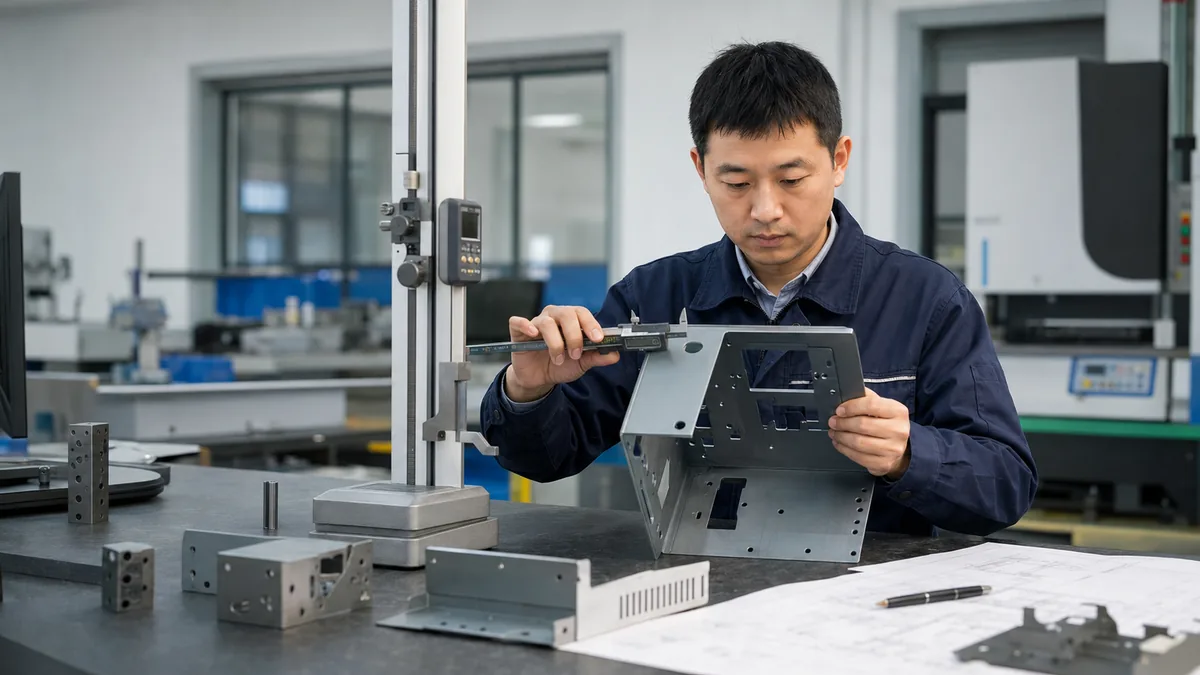
4. Mark critical-to-function tolerances and relax the rest
A blanket tight tolerance can increase programming, forming control, fixtures, inspection time and rejection risk. Identify the dimensions that control fit, alignment, sealing, safety or assembly. Use appropriate general tolerances for noncritical features and clearly define datums for the critical ones.
Do not loosen a tolerance only to reduce price if it affects product function. The right approach is to connect each tight tolerance to a reason and inspection method.
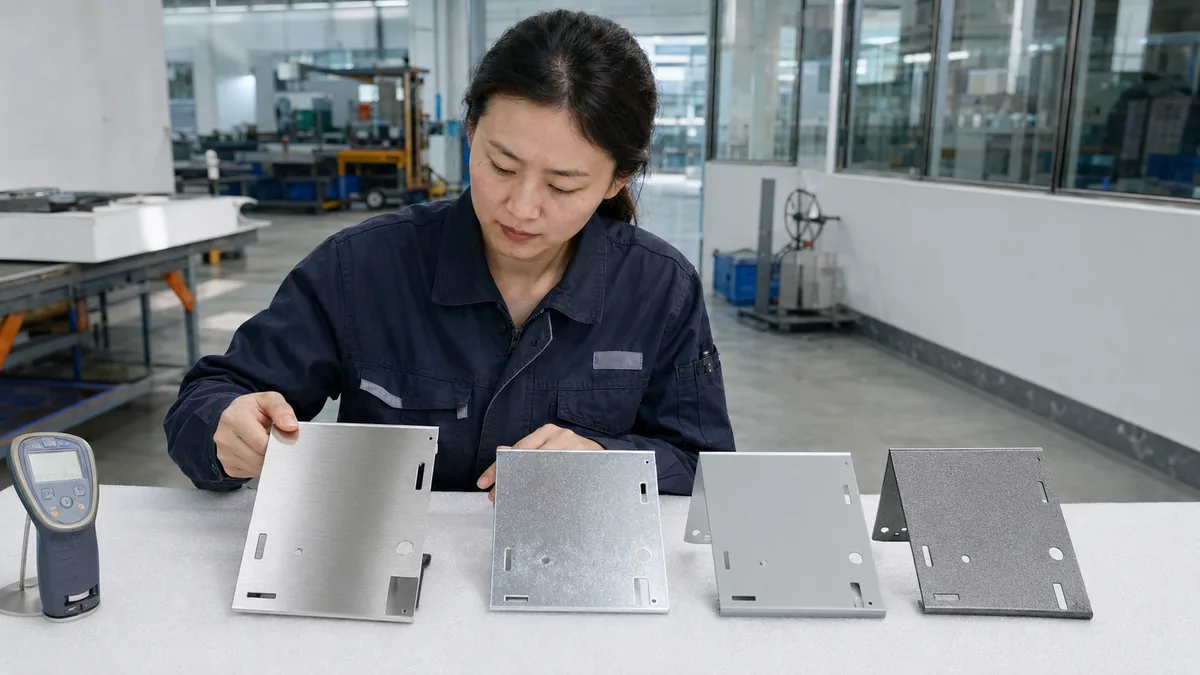
5. Specify the minimum finish that meets the application
Finish cost changes with pretreatment, coating type, color, texture, gloss, masking, coating thickness, batch size and cosmetic criteria. A hidden internal bracket may not need the same appearance standard as a customer-facing enclosure door. Conversely, removing required corrosion protection to save money can create a larger lifecycle cost.
6. Combine compatible parts and orders intelligently
Parts with the same material, thickness, finish and delivery window may share purchasing, nesting or finishing batches. This can reduce setup cost, but combining incompatible materials or colors may add handling rather than save money. Ask the supplier which parts can genuinely share a process route.
7. Use price breaks without buying obsolete inventory
Request price points for realistic stages such as prototype, pilot and forecast production. The economic quantities will differ by drawing; avoid publishing a universal 50/500/5,000 curve as if every part has the same cost structure. Balance unit-price reduction against cash tied up in stock and the risk of a design revision.
The sheet metal MOQ negotiation guide explains how setup, material utilization and batch processing affect minimum quantities.
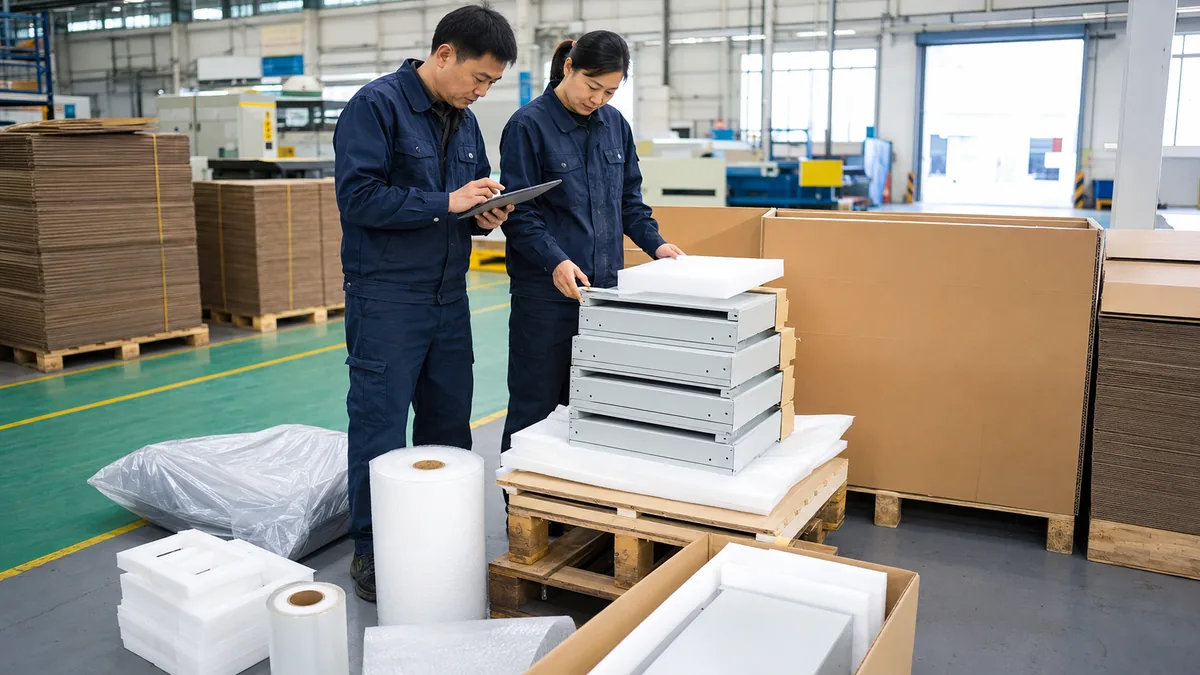
8. Design packaging together with the part
Large empty enclosures can cost more to ship than their weight suggests. Sharp flanges, cosmetic faces and protruding hardware also need protection. Nestable geometry, removable panels, edge guards and right-sized cartons can reduce volume and damage—but the packaging method must not deform the part.
9. Prove the route with a controlled trial order
A small paid trial can validate DFM response, revision control, first-article reporting, finish consistency, communication and packing before a larger commitment. Define acceptance criteria and include a representative feature; do not use an artificially easy part that tells you nothing about the real project.

Use the sheet metal supplier trial-order plan to structure the evaluation.
How to request an affordable but complete quotation
- STEP model plus controlled 2D drawing and revision
- Material grade, thickness and certificate requirement
- Critical dimensions, datums and realistic general tolerances
- Welding, hardware, grinding and assembly scope
- Finish, color, masking and cosmetic surfaces
- Prototype, pilot and forecast quantities
- Inspection report and approved-sample requirements
- Packaging, destination and requested Incoterm
- Required delivery date with decision and approval milestones
- Request for itemized one-time and recurring costs
Payment terms: do not assume a new overseas factory will offer Net 30. Deposit, balance, milestone or credit terms depend on order value, tooling, customer history, risk and company policy. Compare the cash-flow impact, but agree terms in writing before the purchase order.
Red flags in a “too cheap” sheet metal quote
- A complex drawing receives a price with no questions about material, finish, tolerance or quantity.
- The quote shows only unit price and omits setup, tooling, secondary operations, packing or Incoterm.
- The supplier promises every tolerance without explaining the process or inspection method.
- Material certificates or full inspection reports are offered as generic marketing items instead of project-defined deliverables.
- Tooling is pushed before the design revision is stable.
- The prototype is not tied to a controlled drawing and production process.
- The supplier cannot explain what will change when quantity increases.
For fixtures and dedicated tools, compare ownership and cash flow using the tooling buyout versus amortization guide.
Protecting IP without making unsupported promises
Use appropriate confidentiality terms, controlled file access, part numbers, revisions and release records. Share the geometry required for quotation and manufacturing, but avoid universal rules such as “never send native CAD.” Some DFM work requires editable geometry. The correct level of disclosure depends on the project, contract and supplier relationship; obtain qualified legal advice for valuable cross-border IP.
Why early-stage startups may shortlist MSTFAB
MSTFAB is a Guangzhou source factory for custom sheet metal enclosures, brackets, panels, cabinets and welded assemblies. Its published process route connects DFM review, laser cutting, CNC bending, welding, hardware, surface treatment, inspection and export packaging.
For startup projects, MSTFAB can quote prototype, pilot and forecast quantities separately and identify drawing-specific cost drivers. Final MOQ, setup, tooling, lead time, inspection and payment terms are confirmed per project. Buyers can review the broader startup sheet metal manufacturer selection guide and MSTFAB’s factory profile.
Want a cost-focused review of your sheet metal drawings?
Send the STEP model, 2D drawing, material, finish and realistic quantity stages. MSTFAB will review the manufacturing route and prepare an itemized quotation based on the actual part.
Key takeaways
- Affordable sheet metal fabrication is measured by total delivered cost, not the lowest unit price.
- DFM, standard material, sensible tolerances and the right finish reduce cost before negotiation.
- Laser cutting is tooling-light, but bending, welding, fixtures and inspection may still carry setup costs.
- Separate one-time charges from recurring price and compare identical scope across suppliers.
- Use a controlled trial order before committing scarce startup cash to a larger batch.
Frequently asked questions
How can a startup make sheet metal fabrication more affordable?
Reduce total cost through early DFM, standard materials, fewer operations, realistic tolerances, an appropriate finish, clear quantity stages and a small trial order. Compare complete delivered scope instead of unit price alone.
Is the cheapest sheet metal quote usually the best value?
Not necessarily. A low number may exclude setup, tooling, finishing, inspection, packing or delivery. Normalize the scope and evaluate rework and schedule risk before deciding.
Is low-volume sheet metal fabrication tooling free?
Laser cutting generally avoids a dedicated blanking die, and standard press-brake tools may cover many bends. Special geometry, welding, assembly or inspection can still require tooling, fixtures or setup.
When should a startup pay for dedicated tooling?
When the design is sufficiently stable and the expected volume, quality or cycle-time benefit justifies it. Compare buyout, amortization, ownership, maintenance and transfer terms in writing.
What quantity should an early-stage startup order?
There is no universal answer. Use the smallest batch that gives the required learning and meets realistic material, setup and finish economics. Request drawing-specific price breaks and compare them with obsolete-inventory risk.
Can a startup request payment terms from a sheet metal factory?
Yes, but approval depends on order value, tooling exposure, credit history and supplier policy. New relationships often use deposits and balance payments; milestone or credit terms may develop later.
Does MSTFAB support prototype and pilot quantities?
Yes. MSTFAB reviews prototype, pilot and repeat-order projects. MOQ, setup, tooling, lead time and inspection are confirmed after the drawing and complete manufacturing route are reviewed.
 WeChat Contact
 WhatsApp Me Directly