
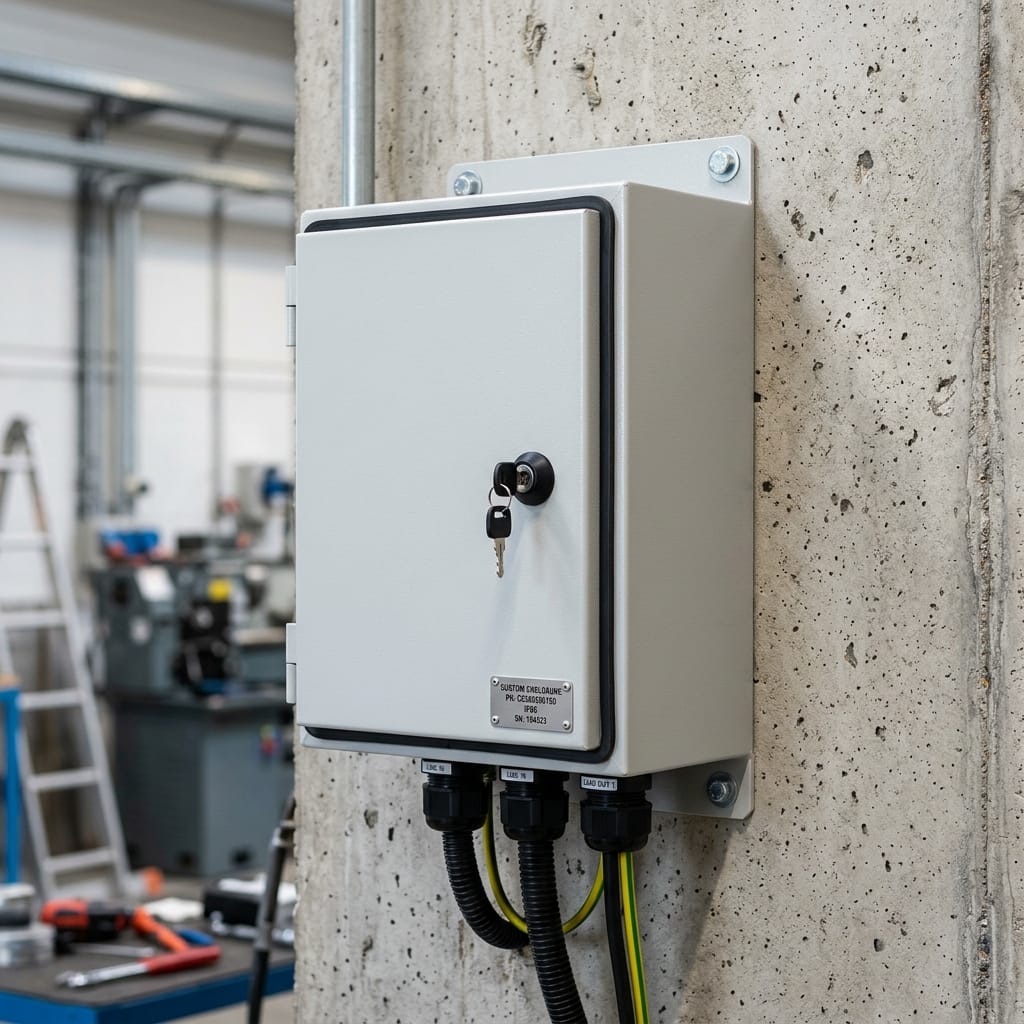
Quick answer: Specify a small wall-mounted metal box by its mounting interface, door or cover arrangement, internal equipment envelope and finished-part acceptance requirements. Small size does not define the required tolerance or protection rating. MSTFAB fabricates drawing-defined mechanical shells and parts; electrical integration and completed-equipment validation remain with the responsible OEM.
Why “Simple” Wall-Mounted Boxes Are the Hardest to Get Right
A compact enclosure can have limited space for hinges, fasteners, cable entries and service tools. Review these interfaces together. The effect of a dimensional variation depends on the approved clearance and mating parts, not a universal threshold copied from another box.
Use controlled drawings to distinguish critical mounting and fit dimensions from general cosmetic dimensions. Ask the fabricator to confirm feasibility and inspection methods for the actual material, geometry and finish.
The Five Critical Manufacturing Challenges
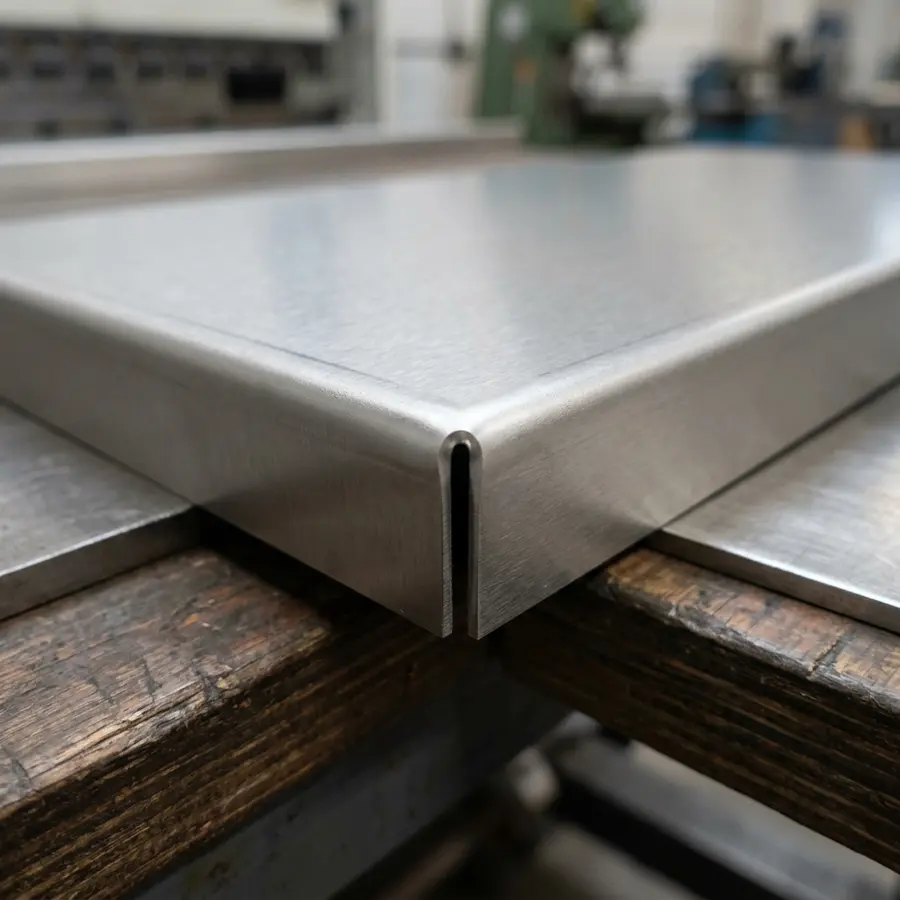
1. Door-to-Frame Alignment
Define the door gap, hinge and latch references, opening direction and any required removal path. Agree whether fit is inspected before or after finishing and identify the relevant datums. A small dimensional error does not automatically imply a sealing failure; acceptance follows the specified assembly requirements.
2. Gasket Channel Consistency
Where a gasket is required, specify its reference, path, joints and mating geometry. Review weld distortion, coating and latch engagement together. A gasket channel or visual fit check is not evidence of an IP classification. The responsible product owner must define the applicable configuration and validation.
3. Mounting Hole Accuracy
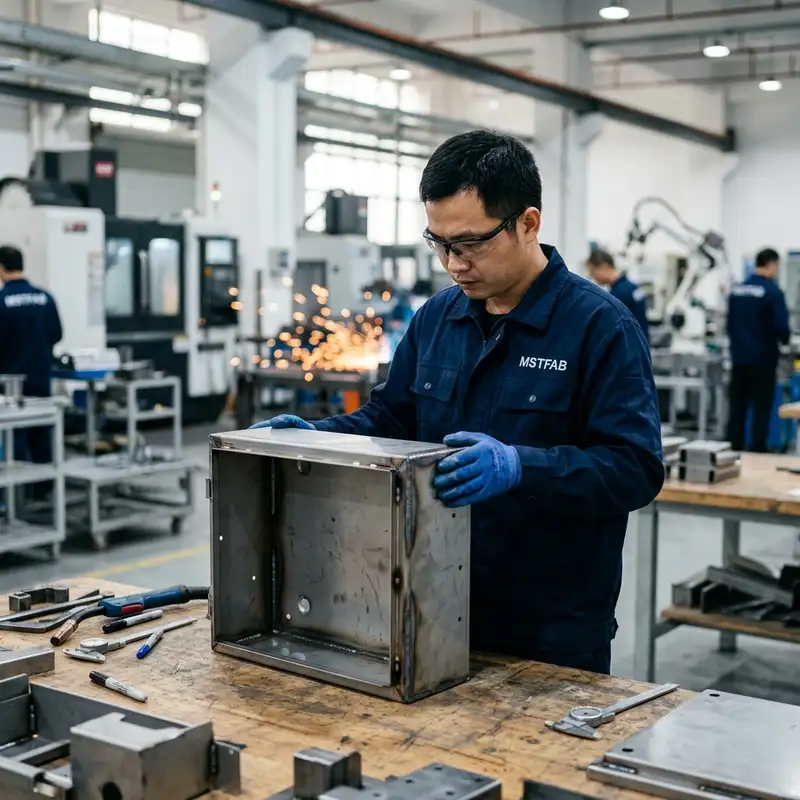
Provide the wall-mounting pattern, datums, attachment details and buyer-approved loading requirements. Check access for installing and tightening the selected hardware. Do not force a box onto mismatched anchors or enlarge holes without approval. Agree hole size and position tolerances for the actual installation.
4. Internal Component Clearance
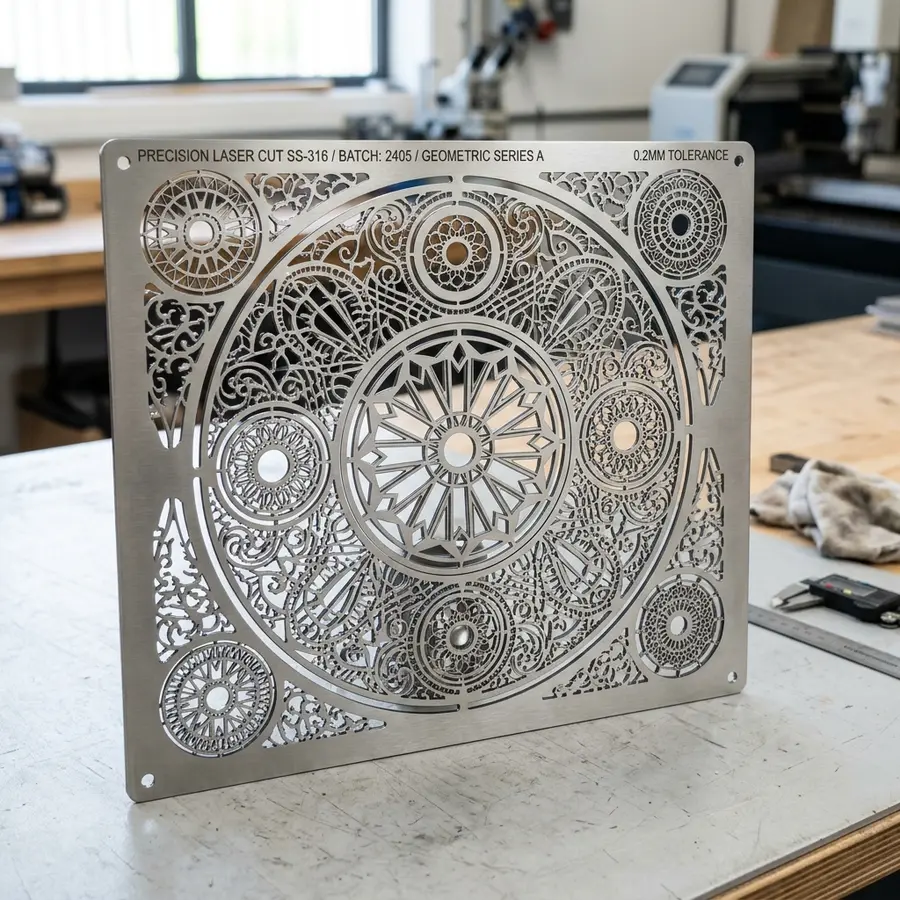
Model buyer-selected components, connector projections and the tools needed for installation. Check the route for removing a mounting plate or cover after cables and equipment are installed. A physical fit check requires agreed mating parts or an approved gauge; a dimensional check alone should not be described as full system validation.
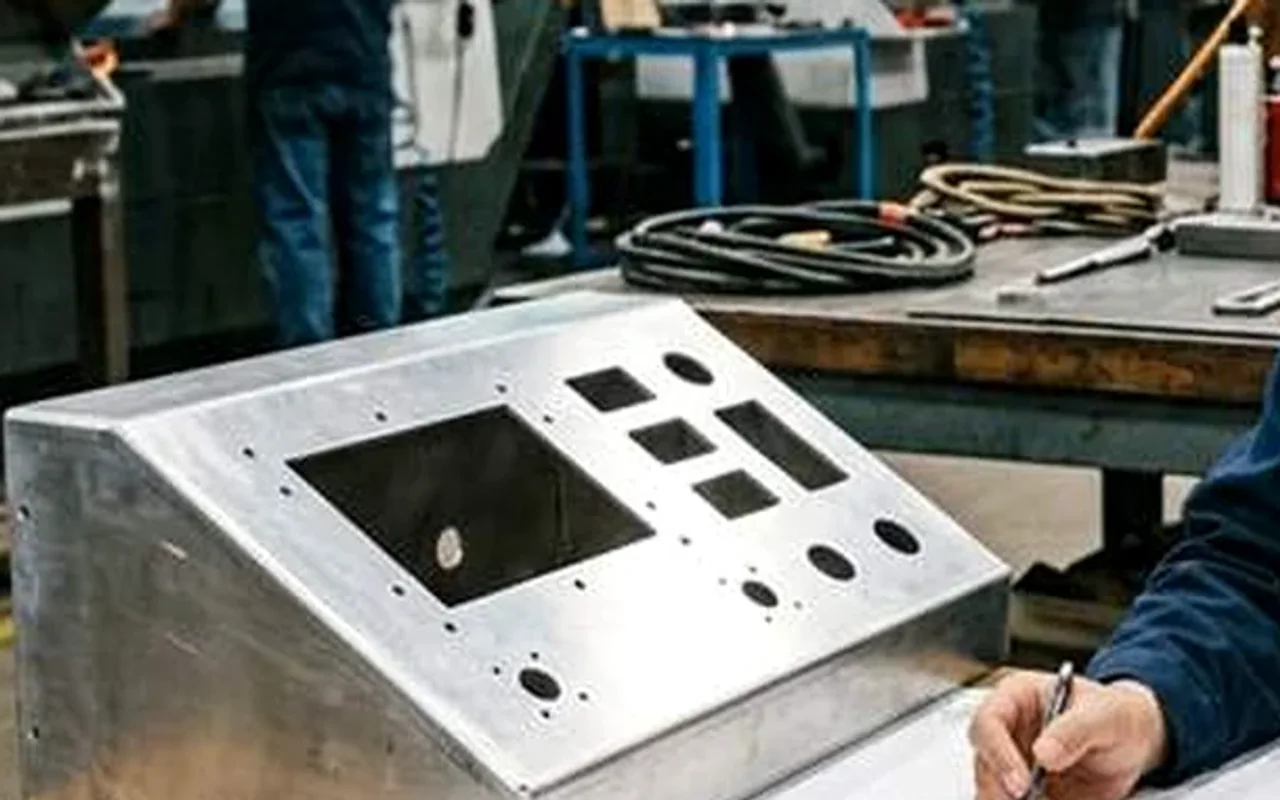
5. Surface Finish Quality at Small Scale
On a large cabinet, minor powder coating inconsistencies may be invisible. On a 300mm box mounted at eye level, every orange peel texture, drip mark, and color variation is immediately noticeable. Professional factories use controlled pre-treatment, electrostatic powder application, and precise curing profiles to achieve consistent cosmetic quality on small parts.

Material Selection for Wall-Mounted Enclosures
The right material depends on the installation environment, IP rating requirement, and cosmetic expectations. Here’s what experienced buyers specify:
| Material option | Requirements to confirm |
|---|---|
| Carbon or coated steel | Grade, thickness, preparation, protective finish and exposure requirements |
| Stainless steel | Actual grade, surface finish, weld treatment, cleaning exposure and visible faces |
| Aluminum | Alloy, temper, forming route, hardware strategy and required finish |
None of these materials establishes an IP rating by itself. Select the material for the actual design and environment, then separately define the completed enclosure evaluation.
Our Manufacturing Process: From Drawing to Finished Box
Every wall-mounted enclosure at MST FAB follows a controlled six-step production flow. Each step is verified before the part moves forward.
Step 1: DFM Review & Drawing Optimization
Review material, bends, mounting interfaces, weld notes, hardware access and finish. DFM suggestions require approval by the design owner. Connect accepted changes to the model, drawing, quotation and first article before releasing production.
Step 2: Fiber Laser Cutting
Cutting requirements should identify the relevant dimensions, hole patterns and edge condition. Confirm the process capability for the submitted part rather than adopting a machine positioning figure as a universal finished-part tolerance.
Step 3: CNC Press Brake Bending
Review bend radius, flange length, sequence and tool access for the selected material. Define the formed dimensions that control door fit and mounting interfaces, and agree the measurement condition.
Step 4: Welding & Structural Assembly
Specify joint details, weld extent, appearance and required examination. Review the effect of joining on the opening and mounting geometry. Continuous welding is not a universal prescription for every enclosure, and weld appearance alone does not prove structural or ingress performance.
Step 5: Surface Treatment & Powder Coating
Confirm the finishing route, including any process partner. Define preparation, coating reference, visible faces, masking and acceptance criteria. Inspect critical fit in the agreed finished condition rather than assuming one standard color or thickness fits every order.
Step 6: Final Inspection & Export Packaging
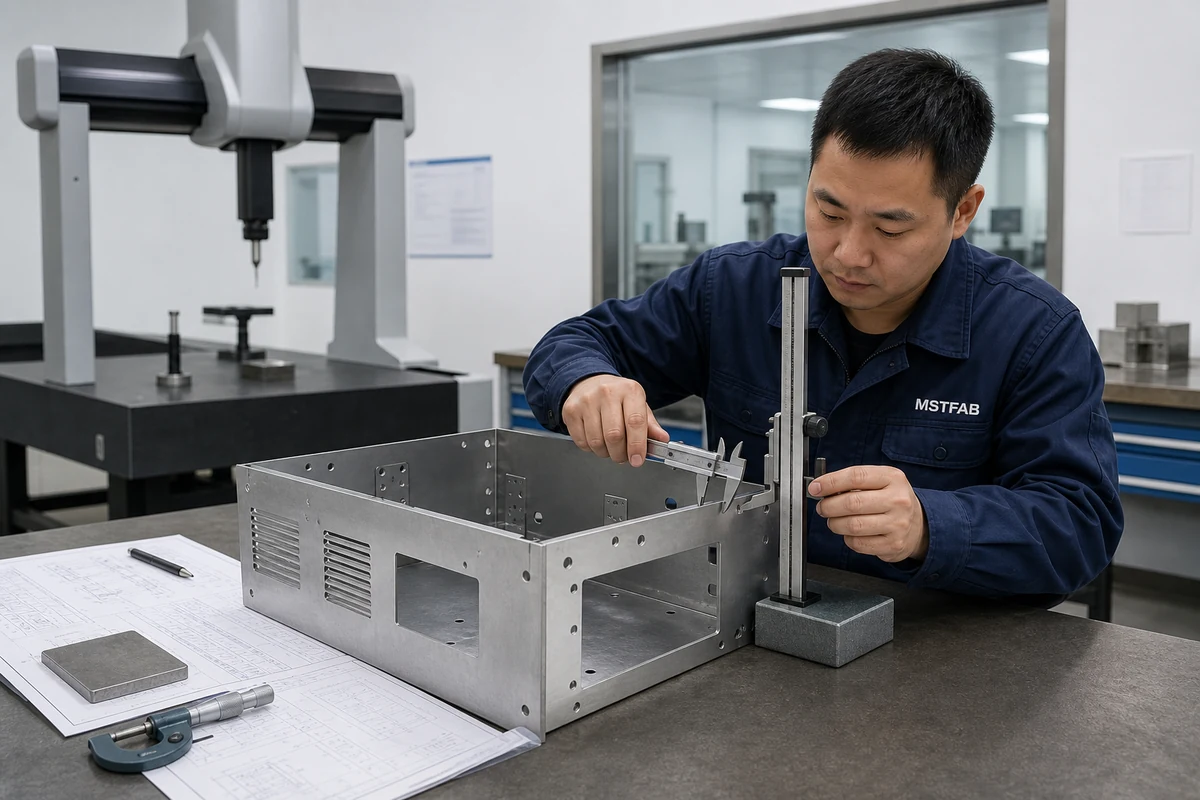
Every batch receives dimensional verification against the approved drawing, visual inspection for surface quality, door fit check, and gasket seating verification. Parts are individually wrapped and packed in export-grade cartons with foam protection.
Why Integrated Manufacturing Matters for Small Enclosures
Coordination matters whether operations are internal or performed by disclosed process partners. Identify who controls the drawing revision, approves changes, checks each handoff and accepts the finished part. External finishing is not inherently a defect; unclear responsibility is the procurement risk.
Agree first-article records for mounting dimensions, door or cover fit, hardware and finish. Record deviations and obtain written approval before repeat production.

OEM Customization Options
Every wall-mounted box we produce is custom-built to your specification. Common customization points include:
- Door configuration: Hinged (left/r), removable, or screw-down cover
- Locking: Quarter-turn cam lock, key lock, padlock hasp, or electronic lock preparation
- Cable entry: Pre-punched knockouts, metric cable glands, or custom cutout patterns
- Internal mounting: DIN rail, PCB standoffs, earth stud, mounting plate
- Ventilation: Buyer-approved louver patterns, fan cutouts or sealed-interface geometry
- Marking: Silk-screen printing, laser engraving, or adhesive label zones
Typical Lead Times
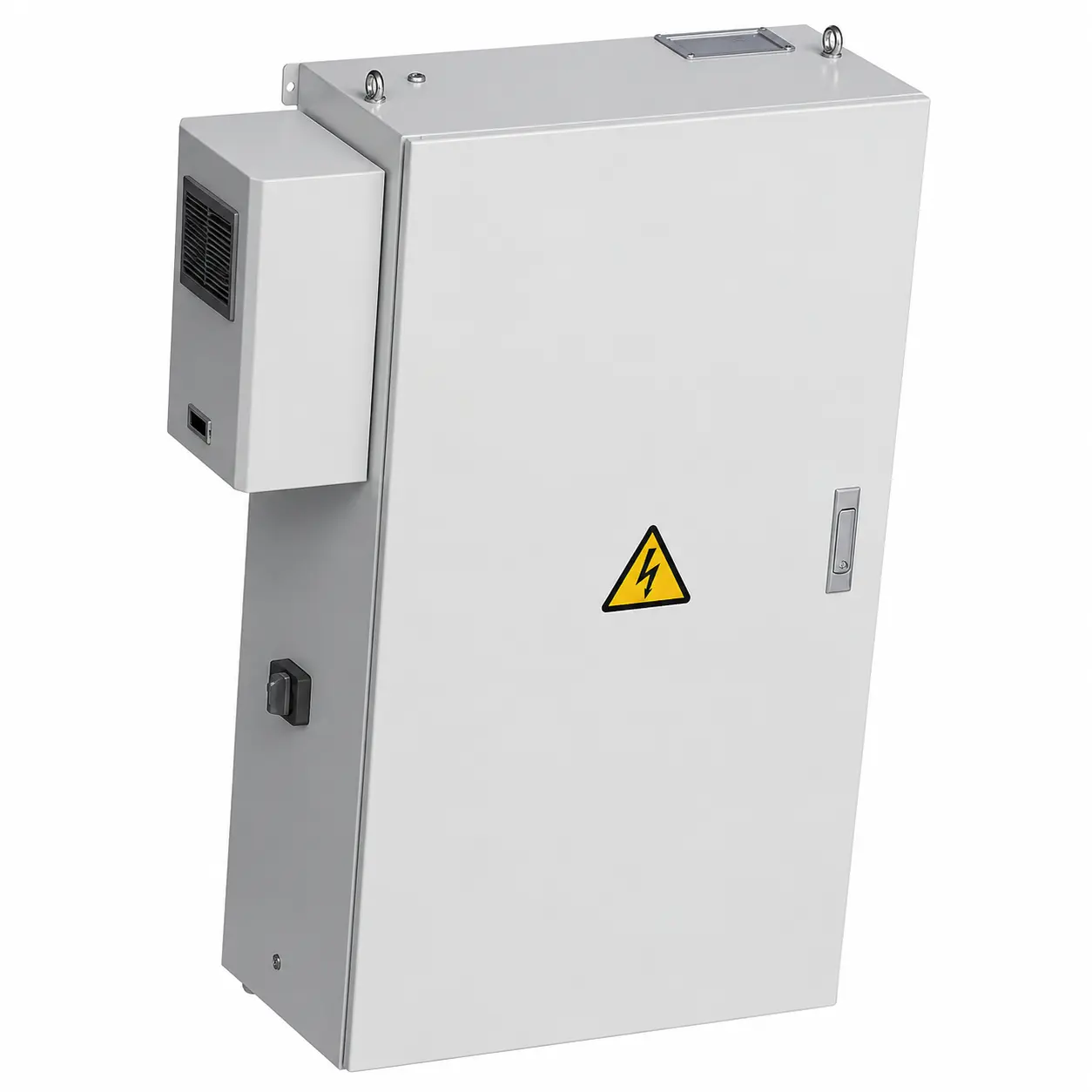
Confirm timing after reviewing the drawings, quantity, materials, hardware, finishing and required records. Identify sample approval milestones and delivery assumptions in the quotation. Delivery terms depend on the destination and agreed responsibilities; no worldwide duty-paid service or fixed production window is promised here.
Ready to Source Your Custom Wall-Mounted Enclosure?
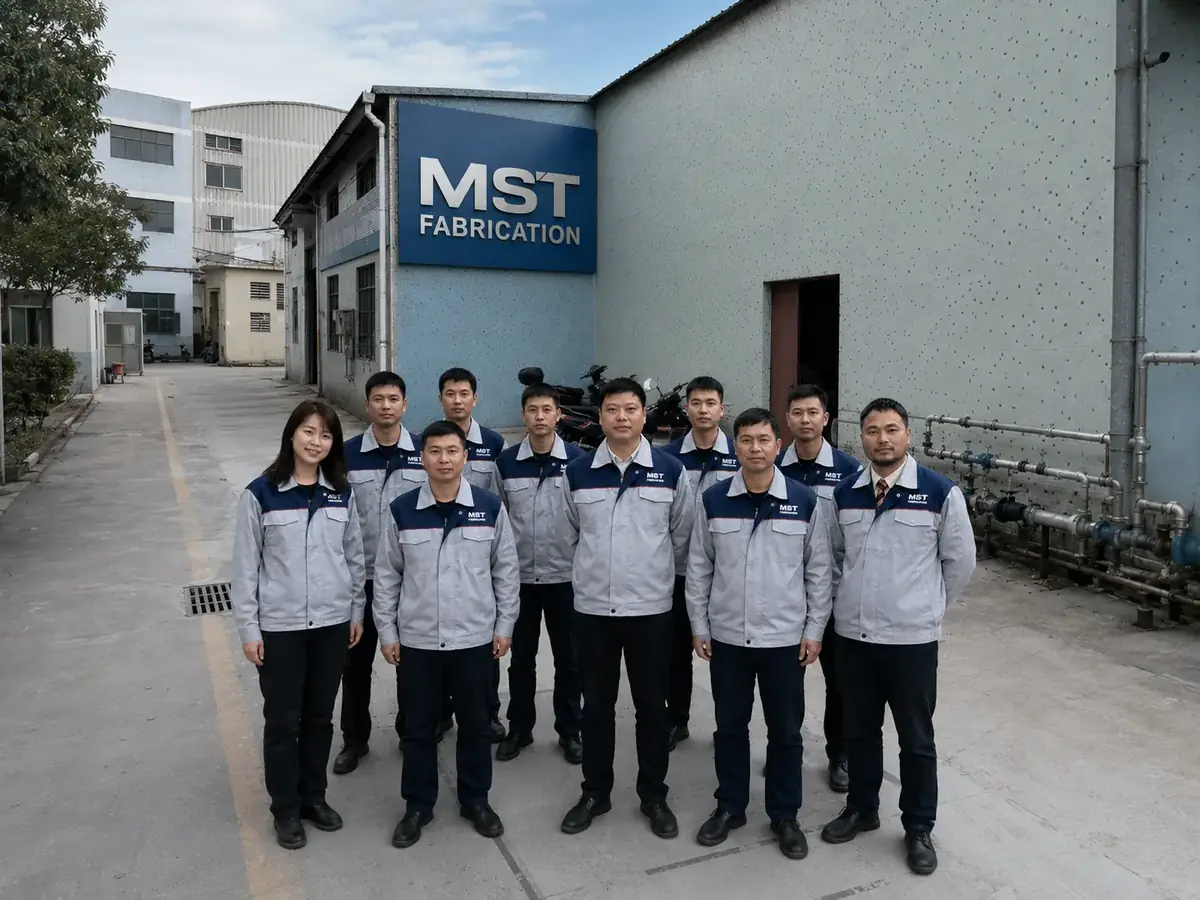
Send the available STEP, DWG, DXF or PDF files with material, finish, quantity, mounting requirements and required acceptance records. MSTFAB can review the drawing-defined fabrication scope and identify open questions before quotation.
Upload Your Drawing for a Free Engineering Review →
custom sheet metal enclosure fabrication
MSTFAB manufactures custom sheet metal enclosures, electrical cabinets, control boxes and industrial metal housings for OEM buyers.
 WeChat Contact
 WhatsApp Me Directly