
Article focus: agricultural fabrication process capability.
Agricultural equipment metal fabrication needs practical strength. Parts are exposed to vibration, dirt, weather, impact and the occasional field repair that was definitely not in the CAD model. This guide explains the manufacturing processes used for farm machinery parts.
This page is about process capability. Region-specific sourcing and bracket-specific pages should stay separate.
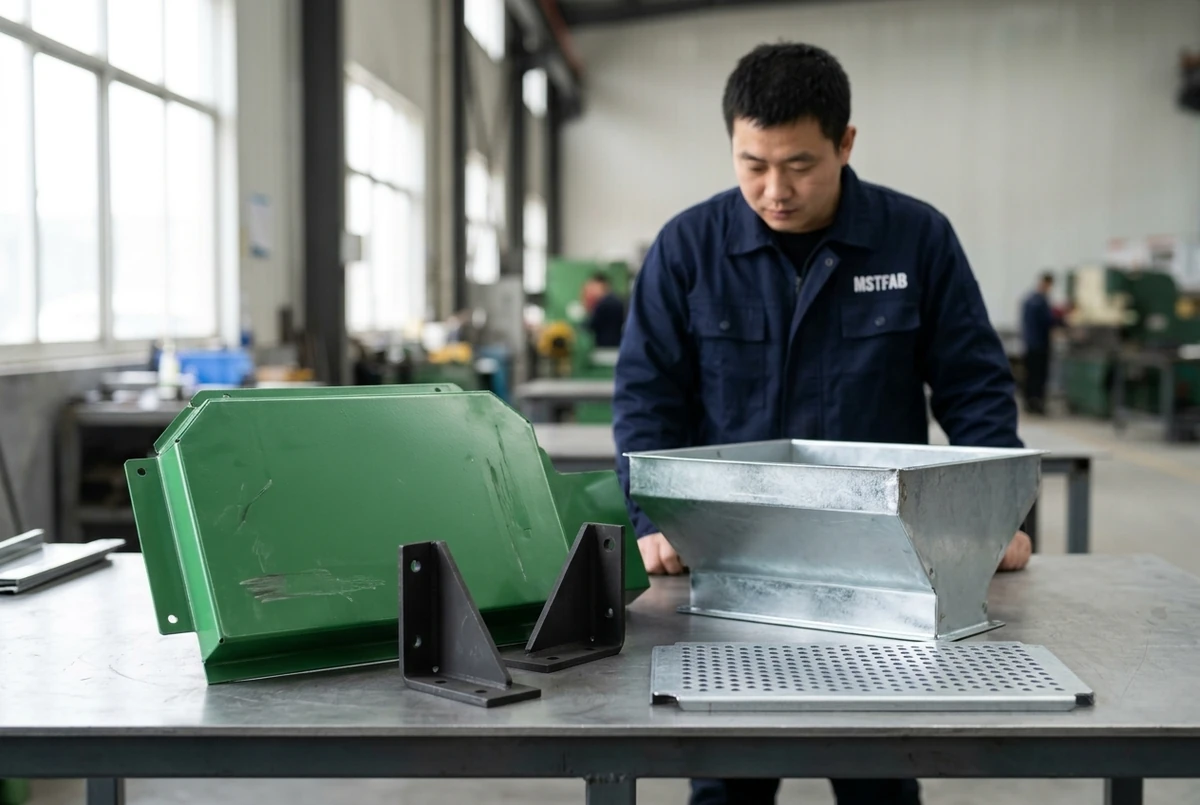
What OEM buyers should check first
- Choose material thickness based on load and field exposure.
- Use bend structures that resist vibration and impact.
- Plan welding where strength matters, but avoid welds that only add cost.
- Select coating for outdoor durability and abrasion resistance.
- Check hole alignment for equipment assembly.
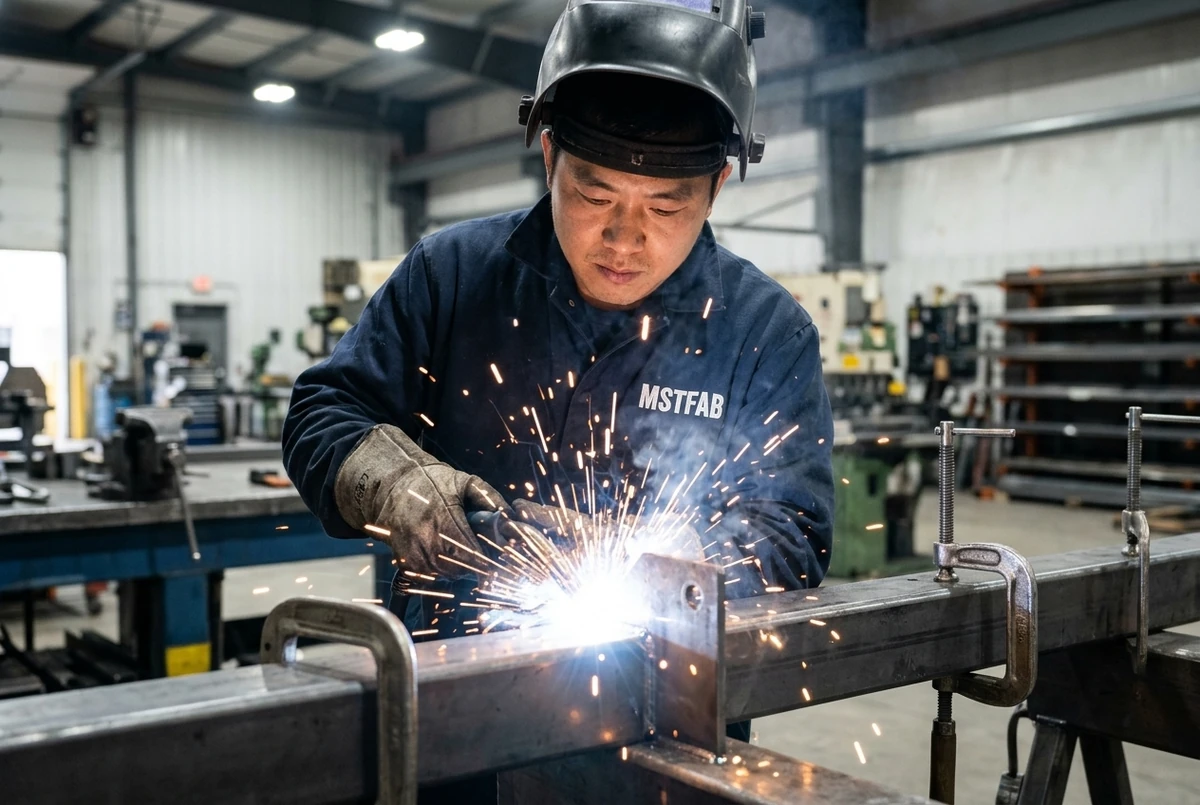
Decision table
| Decision area | What buyers should check |
|---|---|
| Laser cutting | Accurate profiles, slots and mounting holes. |
| CNC bending | Strong formed brackets, covers and guards. |
| Welding | Frames, supports and reinforced structures. |
| Powder coating | Outdoor durability and corrosion protection. |
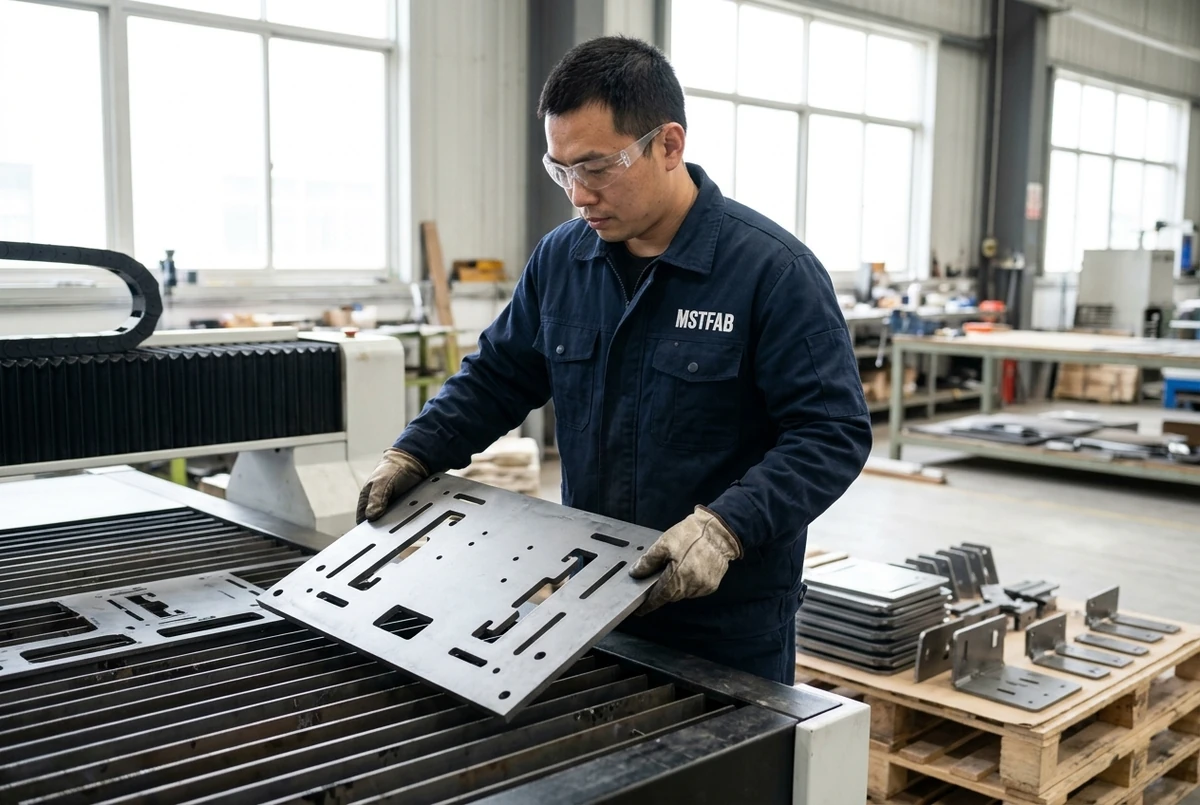
Manufacturing route at MSTFAB
For drawing-based programs, MSTFAB reviews the part requirement before quoting so the manufacturing route matches the real use case. A typical route includes material review, cutting, forming, welding, coating, batch inspection. The goal is not to make the quote look heroic; the goal is to make the delivered parts fit, finish and assemble correctly.
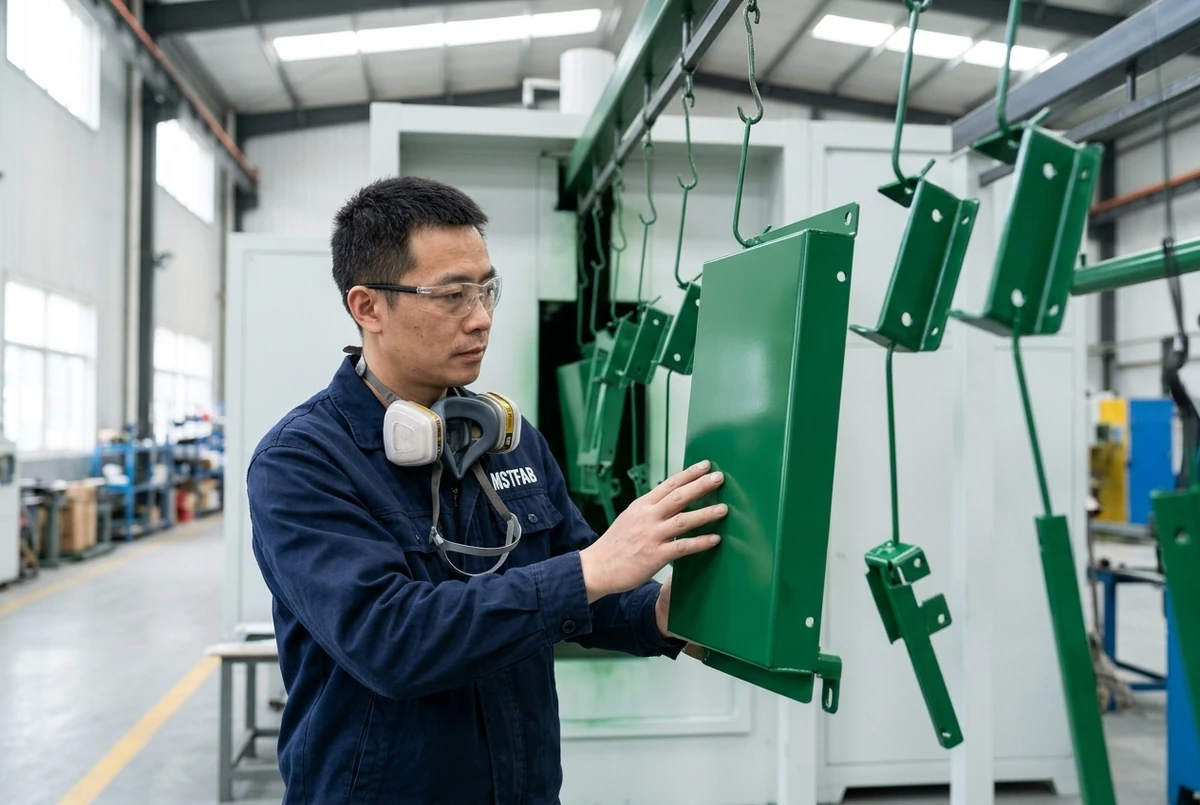
Evidence buyers can request
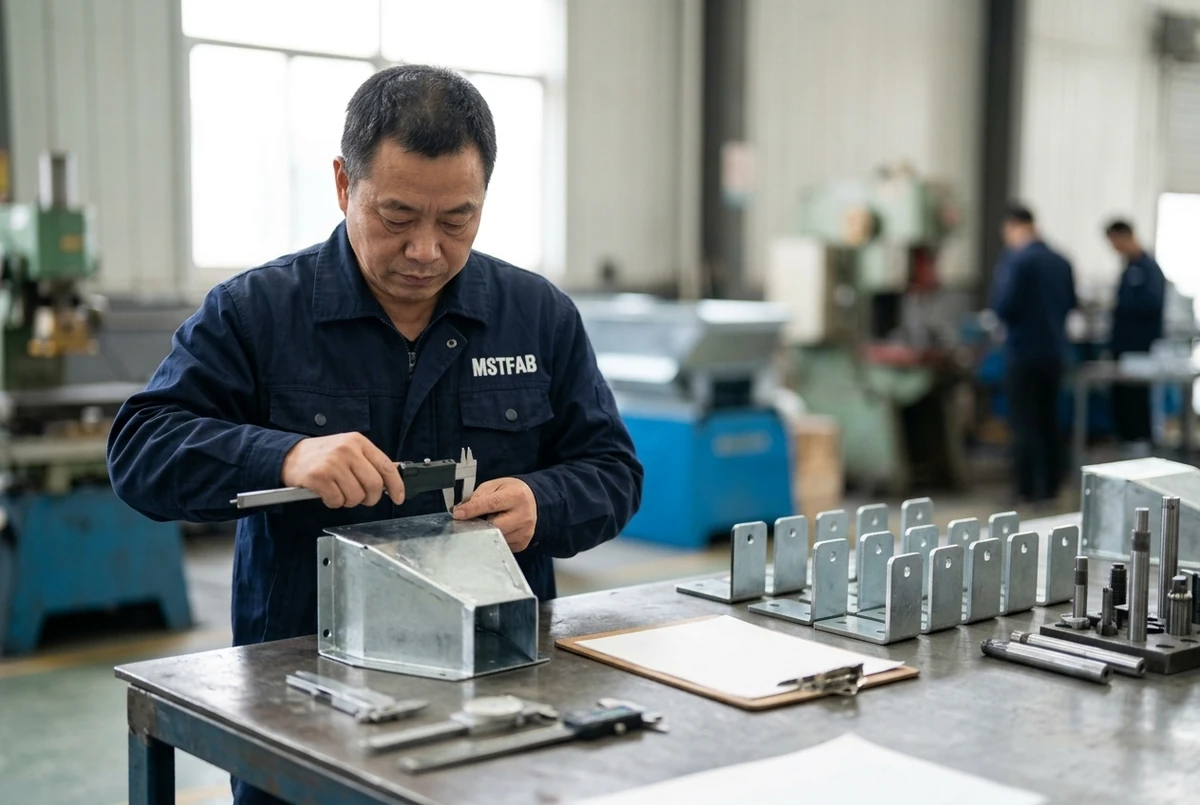
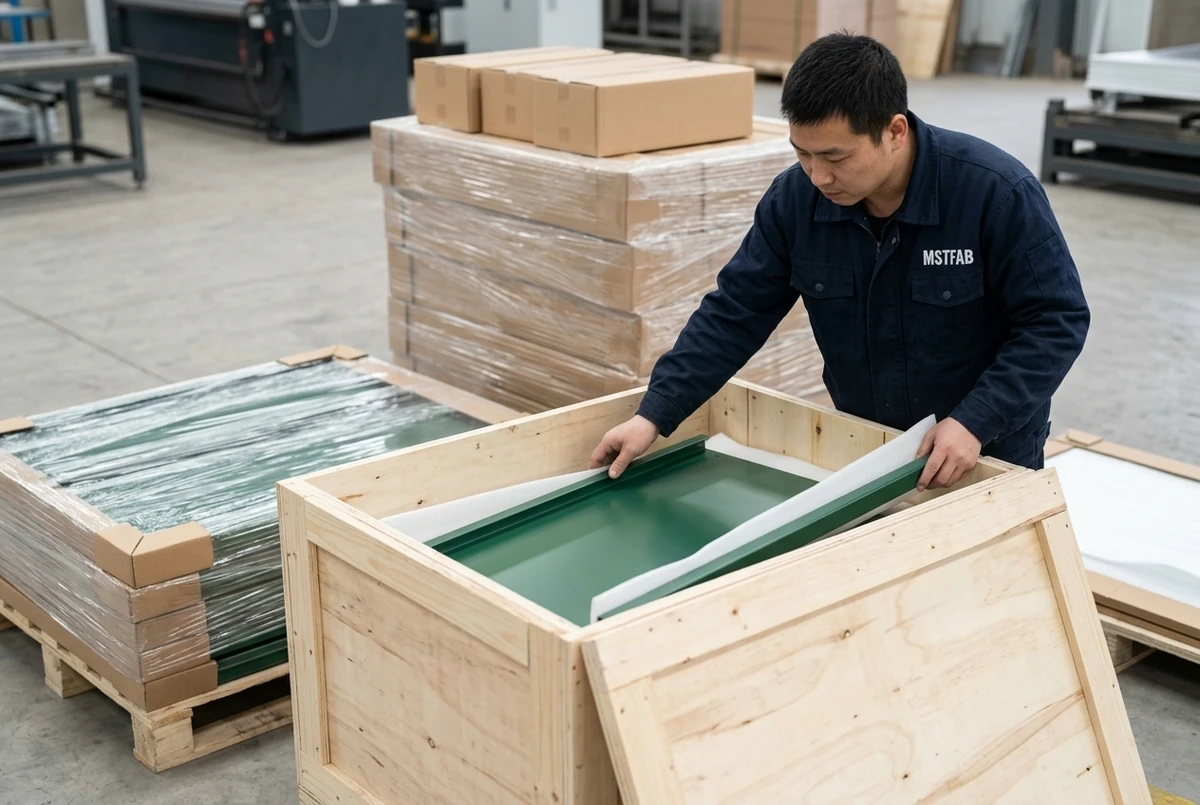
For quality-sensitive OEM projects, buyers can request sample photos, production-process confirmation, finish notes, packaging photos or dimensional checks for critical features. This is especially useful when the part includes mating holes, doors, hinges, cable openings, visible surfaces or welded structures.
Useful internal resources
Related MSTFAB resources: agricultural sheet metal parts, custom sheet metal fabrication service, CNC bending service, sheet metal welding service.
FAQ
What parts are common in agricultural fabrication?
Guards, brackets, hoppers, covers, panels and support structures.
Why is coating important?
Farm parts see moisture, soil, fertilizer and handling wear.
Agricultural Equipment Metal Parts: Release the Actual Service Requirements
Guards, mounting brackets and hoppers have different load, access and exposure requirements. Select the grade, thickness, joining details and finish from the released design rather than applying one agricultural specification to every component. Fabrication does not establish a machine’s structural or safety performance.
| Component | Design information to confirm | Evidence to agree |
|---|---|---|
| Guards and access covers | Supported spans, mounting holes, edge condition, removal path and finish. | Finished fit and visible-surface checks against the drawing. |
| Structural mounting brackets | Grade, thickness, load-related geometry, bend direction and weld callouts. | Engineer-approved design, initial-part measurements and specified weld acceptance. |
| Hoppers and chutes | Actual handled material, chemical exposure, joints and cleaning conditions. | Agreed material documentation, finish and mechanical inspection records. |
Do Not Use Generic Dimensions as Drawing Approval
- Use the actual alloy, temper, thickness and tooling review to select a bend radius; no universal radius guarantees a crack-free HSLA part.
- Locate slots and holes from the approved mating interface. Do not add a fixed slot size simply to absorb an undefined frame error.
- Specify surface preparation and coating compatibility for the supplied material and service exposure. Passivation or powder coating does not make a metal immune to corrosion.
- Agree fixtures, inspection frequency and any additional tests in the quality plan. A process name does not imply robotic welding or 100% gauge inspection.
 WeChat Contact
 WhatsApp Me Directly