OEM sheet metal cost reduction guide
11 Ways to Reduce Sheet Metal Fabrication Costs for OEM Parts
Reducing sheet metal fabrication cost does not mean bullying a supplier into the lowest quote and hoping physics feels generous. Real cost reduction comes from removing waste: unnecessary tolerances, awkward bends, excessive welding, special materials, unclear RFQ files and avoidable assembly work.
Why Sheet Metal Fabrication Costs Increase
Custom sheet metal parts are priced by more than material weight. A supplier also has to account for laser cutting time, CNC bending setups, welding labor, grinding, hardware insertion, surface finishing, inspection, packaging and engineering risk. A part that looks simple in CAD may need three setups and a very patient operator.
If you are still building the RFQ package, start with our sheet metal fabrication quote file checklist. If you already have drawings and want pricing, use the custom sheet metal fabrication quote page.
| Cost Driver | Why It Raises Price | Better Buyer Action |
|---|---|---|
| Tight tolerances everywhere | More inspection, more process risk, slower production | Tighten only critical-to-function dimensions |
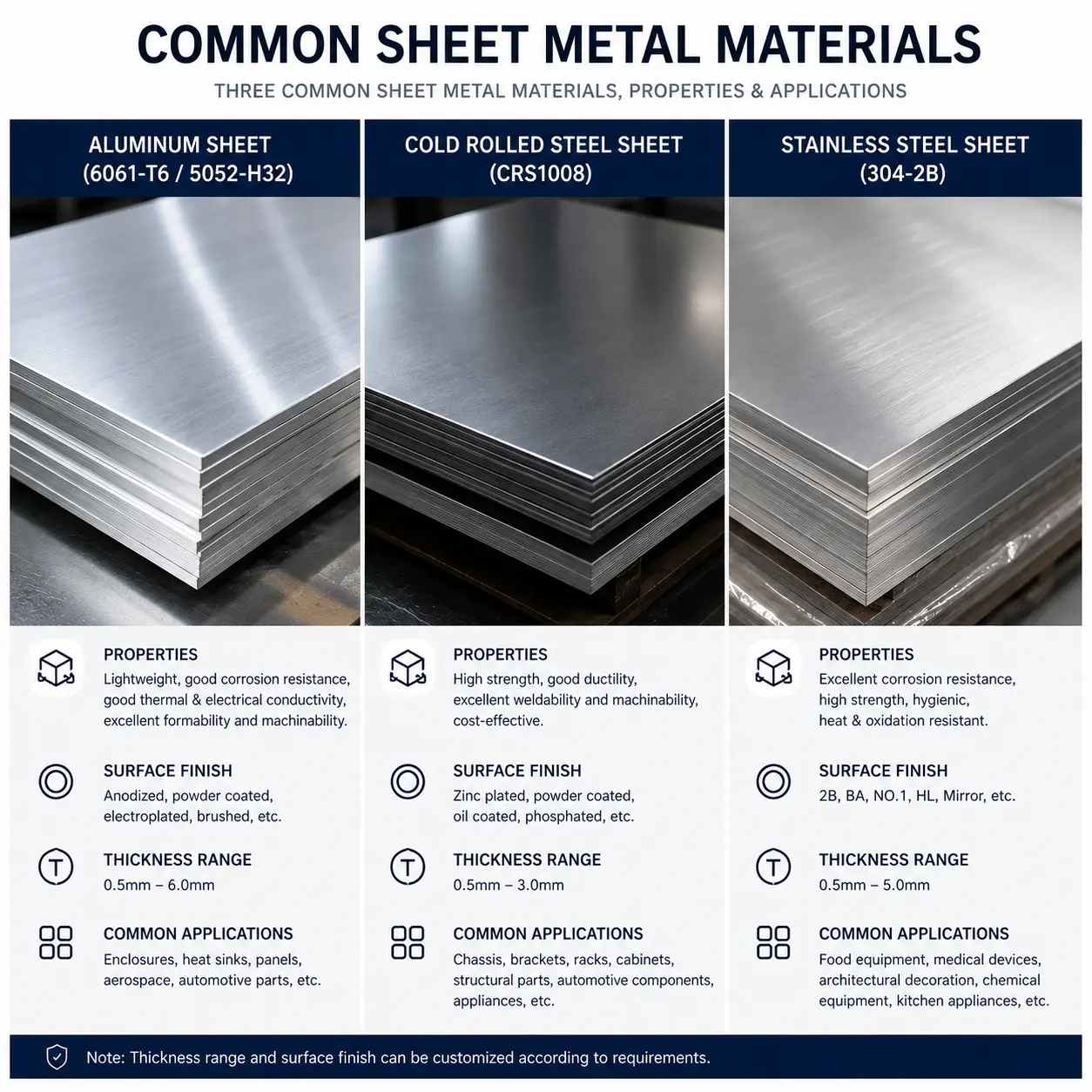
| Special material or thickness | Harder sourcing, lower nesting efficiency, higher minimum order risk | Use standard grades and thicknesses where possible |
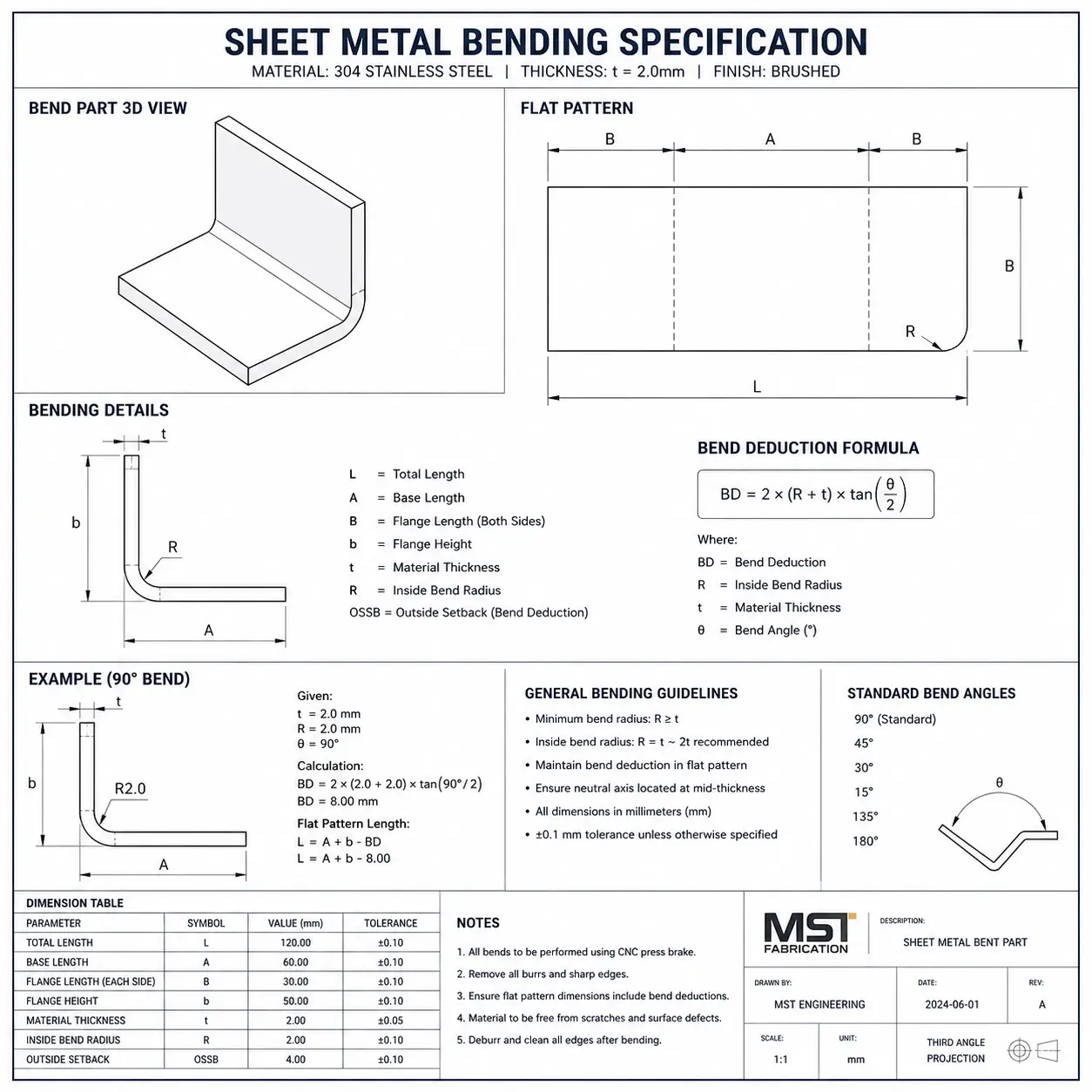
| Complex bending | Extra setups, tooling limits, collision risk | Review bend sequence and flange length early |
| Too much welding | Labor, heat distortion, grinding and cosmetic rework | Use tabs, bends, rivets or PEM hardware where suitable |
| Unclear surface finish | Wrong process assumptions, masking changes, coating rework | Define finish, texture, color, corrosion target and masking areas |
Faster Quotation
Cleaner RFQ files reduce supplier guessing and back-and-forth emails.
Lower Unit Cost
DFM removes unnecessary setup, labor, inspection and finishing work.
Better Batch Stability
Repeatable design choices make samples easier to scale into OEM production.
11 Practical Ways to Reduce Sheet Metal Fabrication Costs
1. Start With DFM Before You Ask for the Final Price
Many cost problems are designed into the part before any supplier sees the drawing. A short DFM for sheet metal fabrication review can catch tight bend radii, poor hole placement, inaccessible welds, over-tolerancing and unclear finish notes.
For a fast rule-based check, use our 7 sheet metal DFM rules. DFM is not paperwork. It is cost control wearing engineering shoes.
2. Use Standard Material Thicknesses
Material grade and thickness affect sheet utilization, availability, forming behavior and finish choice. Standard thicknesses are easier to source and easier to process. Special thickness can be justified, but it should earn its place on the drawing.
For material selection support, see our common materials used in sheet metal fabrication guide. The cheapest sheet is not always the cheapest finished part.
3. Avoid Unnecessary Tight Tolerances
Tolerances should protect function, not decorate every dimension. If every hole and flange is called critical, the supplier has to quote extra inspection and process control. That cost lands in the unit price.
Use tight tolerances for fit, sealing, alignment, electrical clearance and assembly interfaces. Use general tolerances for non-critical features. The sheet metal fabrication tolerance guide explains where tighter control makes sense.
4. Design Bends Around Real Tooling
Bends are cheap when they are friendly to tooling. They become expensive when flange length, bend radius, part size or bend sequence creates collision risk. A design that needs special tooling may still be manufacturable, but the quote will remember it.
For forming decisions, review the sheet metal bending process and keep bend radius, flange length and bend sequence realistic.
5. Reduce Laser Cutting Time Where Possible
Small holes, dense perforations, long decorative cutouts and complex profiles all add cutting time. If those features are functional, keep them. If they are inherited from an old drawing and nobody knows why, challenge them before RFQ.
Our laser cutting services page explains where precision cutting helps and where excessive geometry can increase cost.
6. Minimize Welding and Grinding
Welding is strong and useful, but it is rarely free. It adds labor, fixture requirements, heat distortion risk, weld cleanup and cosmetic grinding. If a bend, tab, rivet, PEM fastener or formed feature can replace a weld without hurting performance, cost usually improves.
For welded assemblies, review our TIG vs MIG sheet metal welding guide and mark only the welds that actually matter. Welding everything because it feels strong is how a simple bracket becomes a tiny shipyard.
7. Standardize Hardware and Inserts
Special screws, unusual studs and mixed fastener types slow purchasing and assembly. Standard PEM nuts, studs, standoffs, hinges and latches are easier to quote, stock and install.
For OEM projects, share your preferred hardware list early. If MSTFAB can use one hardware family across related parts, assembly becomes faster and purchasing risk drops.
8. Reduce Part Count and Assembly Steps
Every separate part needs cutting, handling, inspection, storage and assembly. Combining features into one formed part can reduce cost, but only when it does not create impossible bending or finishing problems.
The goal is not always fewer parts. The goal is fewer bad parts, fewer awkward assembly steps and fewer opportunities for someone to ask, “Where did that tiny bracket go?”
9. Choose the Right Surface Finish Early
Powder coating, anodizing, plating, brushing and passivation all affect cost and manufacturing flow. Outdoor cabinets need corrosion protection. Cosmetic housings need appearance control. Electrical parts may need grounding points and masked areas.
Define finish before quotation. Compare options on our surface treatment page and the industrial enclosure surface finishing guide.
10. Plan Packaging Before the Parts Are Beautiful
A perfect powder coated enclosure can become expensive scrap if it rubs against another part during export shipping. Packaging cost is cheaper than repainting, sorting, arguing and air-freighting replacements.
For visible panels, cabinets and enclosures, specify protective packaging for sheet metal assemblies, foam, carton separation, pallet method and labeling requirements before production.
11. Choose a Supplier That Can Review Manufacturing Risk
The lowest quote is not always the lowest cost. If a supplier does not review drawings, does not ask about finish, ignores assembly risk and says yes to everything, the missing cost may return later as rework.
MSTFAB supports custom sheet metal fabrication for OEM parts, larger OEM sheet metal fabrication projects and export-focused production through our export sheet metal fabrication factory workflow. If you are comparing suppliers, this sheet metal fabrication manufacturer selection guide can help.

OEM Cost Reduction Checklist
| Before Sending RFQ | Yes / No | Why It Helps |
|---|---|---|
| STEP or STP file included with 2D PDF drawing | Check before quote | Improves geometry review and reduces assumptions |
| Material grade and thickness clearly stated | Check before quote | Reduces sourcing uncertainty |
| Critical tolerances separated from general tolerances | Check before quote | Avoids unnecessary inspection cost |
| Surface finish, color, texture and masking defined | Check before quote | Prevents coating and assembly rework |
| Welds marked only where required | Check before quote | Controls labor and distortion risk |
| Hardware list provided | Check before quote | Improves purchasing and assembly planning |
| Annual volume and first order quantity shared | Check before quote | Allows better process planning and price structure |
Cost control resource map
Related Resources for Lower Sheet Metal Fabrication Cost
Use these internal MSTFAB guides to connect each cost driver with the right engineering decision: RFQ files, DFM, material selection, tolerance control, bending, laser cutting, welding, finishing, enclosure design and export packaging.
Cutting and bendingLaser cutting and CNC bending servicesControl laser time, flange design, bend radius and tooling risk before quotation.
Tolerance controlSheet metal fabrication tolerance guideSeparate critical dimensions from general tolerances to avoid unnecessary inspection cost.
Material choiceCommon materials used in sheet metal fabricationCompare steel, stainless steel, aluminum and galvanized steel before locking the BOM.
Welding decisionTIG vs MIG welding for sheet metalChoose weld methods by material, thickness, cosmetic surface and production volume.
Welded assembliesWelded sheet metal fabrication servicesPlan fixtures, weld sequence, grinding and inspection for cabinets, frames and OEM assemblies.
Surface finishSheet metal surface finishing guideAvoid coating rework by defining powder coating, plating, passivation, masking and cosmetic requirements.
Assembly and packingAssembly and packaging capabilityProtect finished panels, cabinets and export shipments before damage becomes replacement cost.
Enclosure projectsCustom sheet metal enclosure fabricationConnect cost planning with enclosure structure, doors, hardware, finish and assembly requirements.
Where MSTFAB Helps Reduce Cost Without Cutting Corners
DFM Review
Drawing review before quotation to flag bending, welding, tolerance, finish and assembly risks.
In-House Process
Laser cutting, CNC bending, welding, finishing, hardware insertion, assembly and inspection under one workflow.
Export Experience
23+ years supporting buyers in the USA, Europe and Australia with factory-direct sheet metal production.
For enclosure-specific cost planning, see sheet metal fabrication cost for enclosures. For broader cost factors, compare sheet metal fabrication cost factors, production cost and OEM part pricing.
FAQ: Reducing Sheet Metal Fabrication Costs
What is the fastest way to reduce sheet metal fabrication cost?
The fastest path is DFM review before quotation. Confirm material, thickness, bend radius, tolerances, weld requirements, finish and RFQ files before suppliers price the project.
Do tight tolerances always increase cost?
Not always, but unnecessary tight tolerances usually increase inspection time, manufacturing risk and unit price. Use tight tolerances only where fit, sealing, safety or assembly requires them.
Does reducing welding lower cost?
Often yes. Welding adds labor, fixtures, heat distortion and grinding. Replacing non-critical welds with bends, tabs or standard hardware can reduce cost if the design still meets performance requirements.
Can a cheaper material reduce total cost?
Sometimes, but not always. A cheaper sheet that causes corrosion, weak stiffness, forming problems or finish rework can cost more in the finished part. Material should be selected for the full application, not only the raw sheet price.
Can MSTFAB help optimize my sheet metal drawings?
Yes. MSTFAB can review drawings, STEP files, material, tolerances, bending, welding, finish and assembly notes before quotation, then provide manufacturing feedback for cost-effective OEM production.
Want to reduce cost before the first sample?
Send your STEP, STP, DWG or PDF drawings. MSTFAB will review manufacturability, material choices, bend sequence, welding, finish notes and RFQ completeness before quoting.
Related resources: How to Reduce Sheet Metal Fabrication Cost | Sheet Metal Fabrication Cost Factors | Sheet Metal Fabrication Design Guide
sheet metal welding services
MSTFAB provides TIG and MIG sheet metal welding services for structural assemblies, cabinets, frames and OEM metal components.
 WeChat Contact
 WhatsApp Me Directly