
When should an OEM hardware company replace a sheet metal fabrication supplier?
An OEM should replace a sheet metal supplier when objective operational metrics cross four critical warning thresholds: (1) chronic On-Time Delivery (OTD) failure falling below 85% for two consecutive quarters, (2) defect rates exceeding 2,500 PPM with repeat assembly-stopping NCRs, (3) executing unapproved process, material, or sub-tier finishing changes without PCN notification, and (4) recurrent superficial 8D responses (“operator retrained”) that fail to resolve underlying mechanical root causes.
Replacing an incumbent sheet metal fabricator is never an easy decision. Sourcing managers worry about tooling transfer headaches, new First Article qualification lead times, and potential assembly disruptions. However, tolerating chronic supplier underperformance is far more dangerous. When late deliveries cause daily line starvation and defective enclosures demand emergency dock sorting, the supplier is bleeding company profitability. Knowing when and how to exit protects your brand and supply chain health.
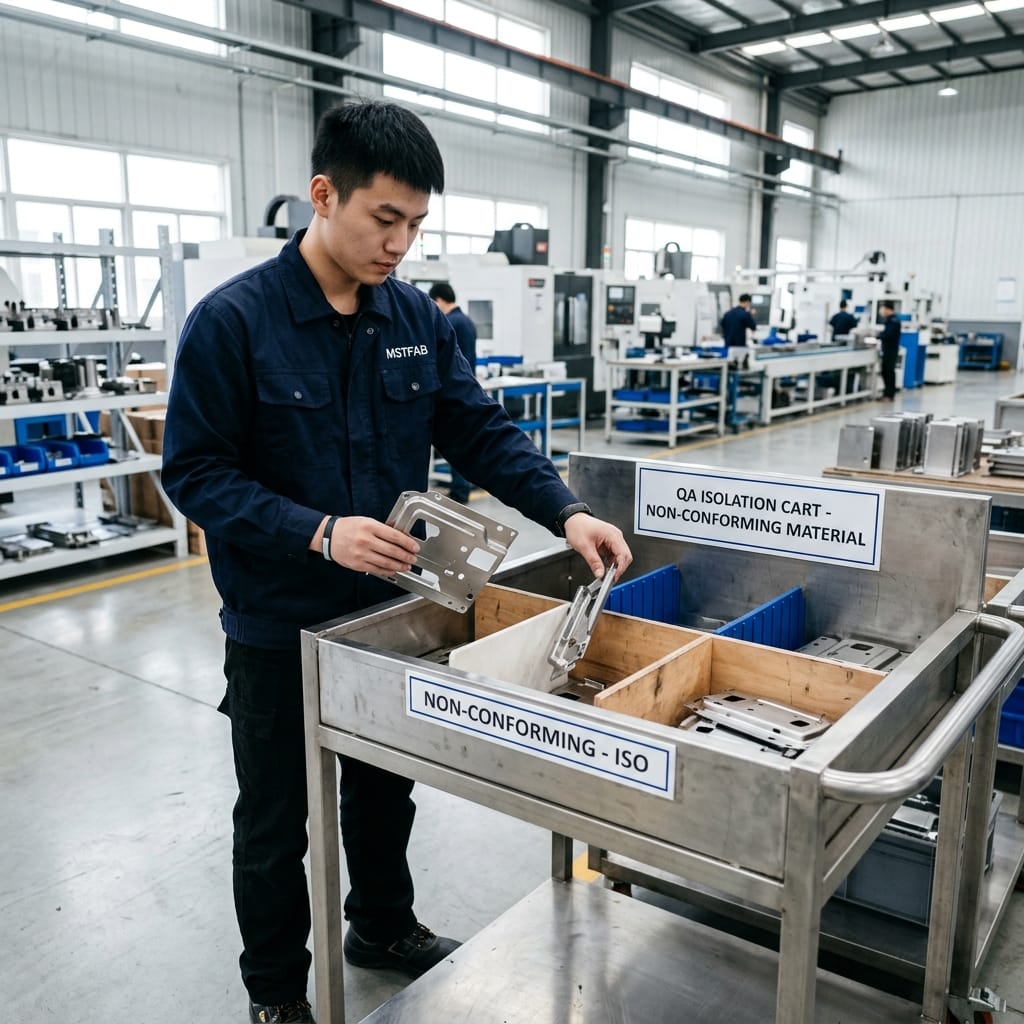
The 4 Critical Triggers for Supplier Replacement
Trigger 1: Chronic On-Time Delivery (OTD) Erosion
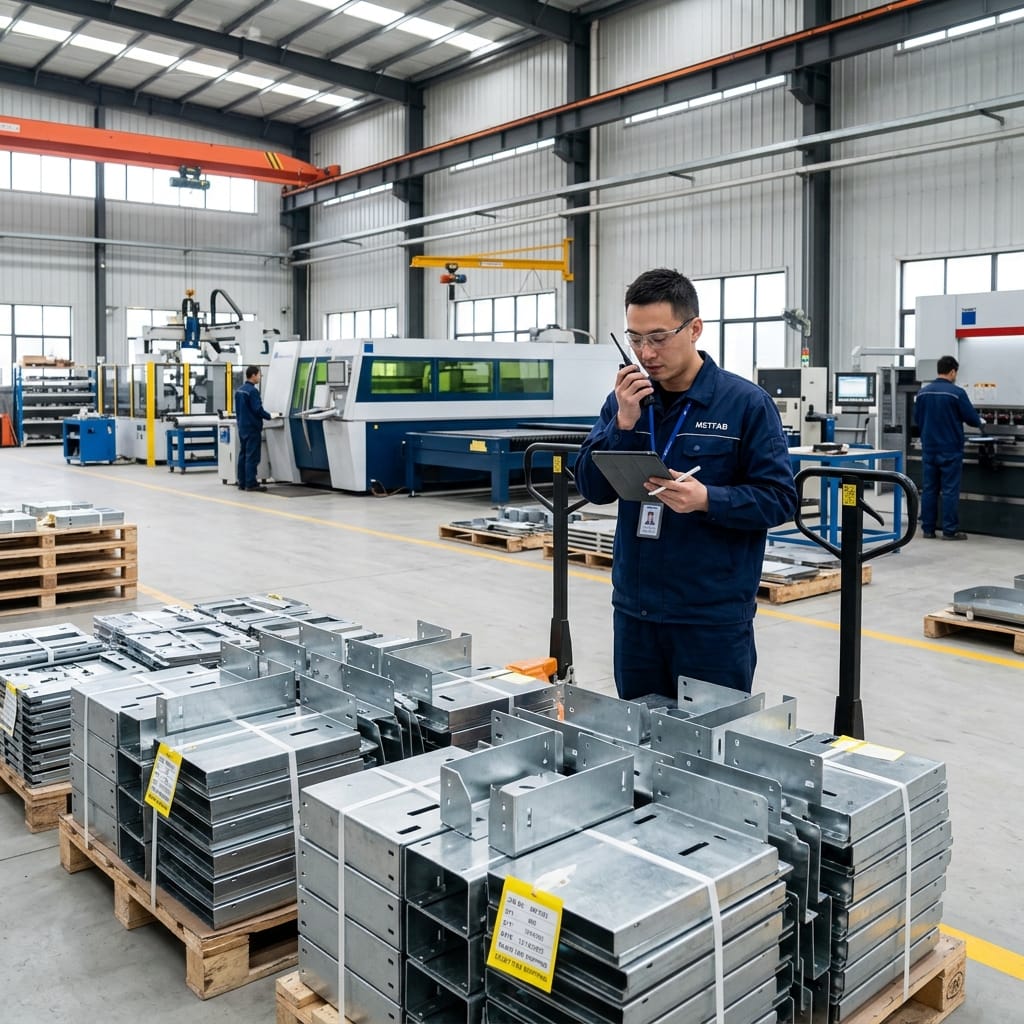
An occasional shipping delay due to severe regional blizzards or port congestion is manageable. However, when a supplier’s OTD drops below 85% for two consecutive quarters, it reflects systemic capacity overloading, poor ERP scheduling, or financial instability. Waiting for a complete delivery collapse before seeking a replacement is an unacceptable supply chain risk.
Trigger 2: Defect PPM Spikes & Assembly Line Halts
Precision sheet metal fabrication should achieve defect levels under 500 PPM. When defect rates consistently exceed 2,500 PPM – with dimensional drift on mounting holes, cracked bend flanges, and flaking powder coating – the fabricator has lost process control. Every assembly line stoppage costs between USD 2,500 and USD 10,000 per hour in unabsorbed plant overhead.
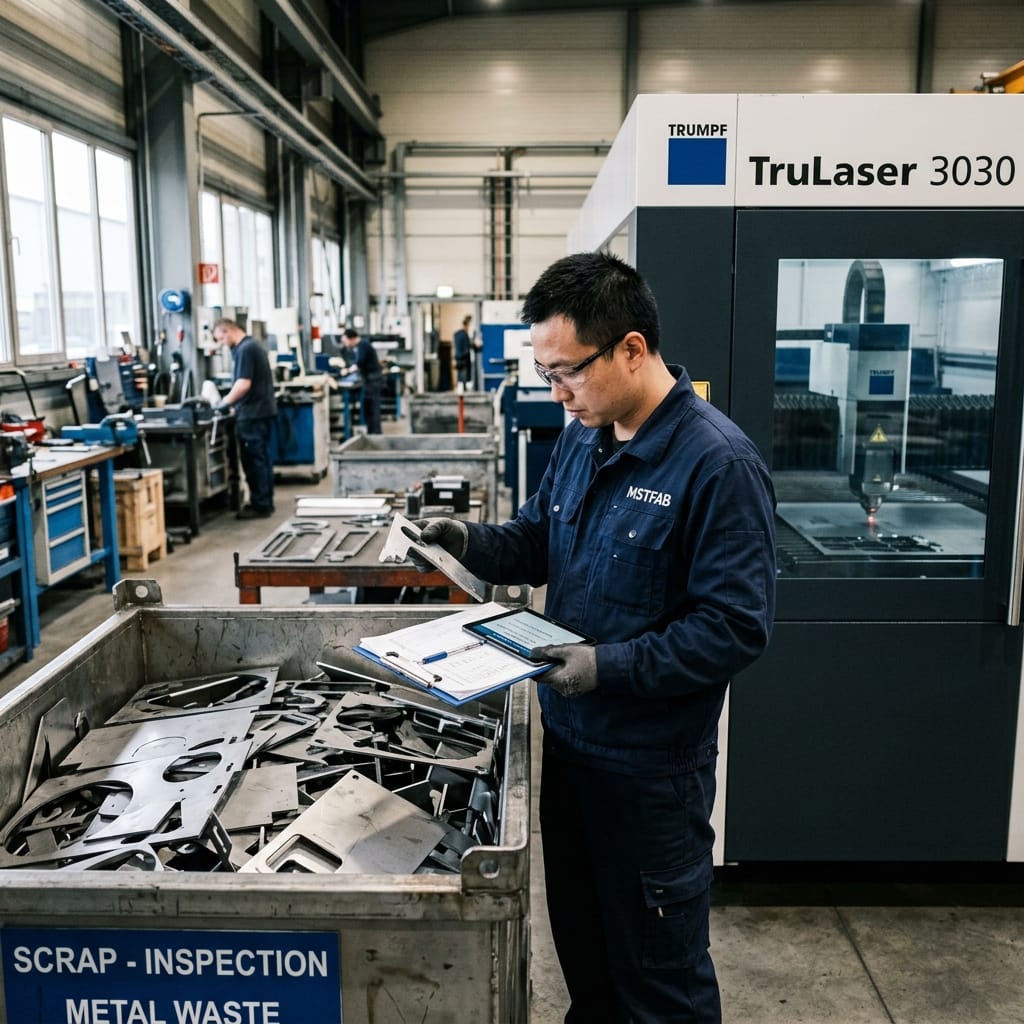
Trigger 3: Unapproved “Silent” Process Changes
The cardinal sin in contract manufacturing is changing materials, machines, or processes without written Process Change Notification (PCN). If an incoming inspection audit reveals the supplier switched laser assist gas from nitrogen to compressed air, altered powder coating vendors, or moved tooling to an un-audited sister facility, immediate replacement is justified on regulatory and quality grounds.
Trigger 4: The Superficial 8D Loop
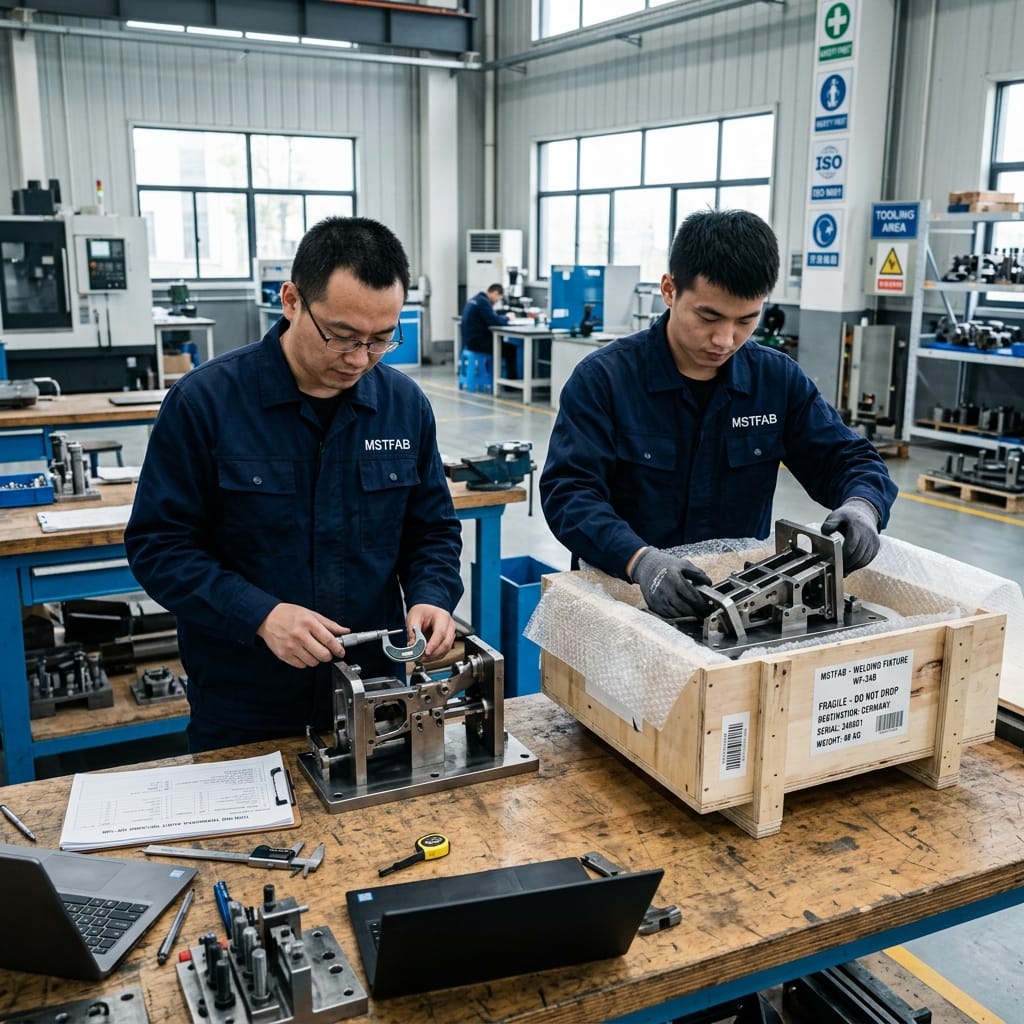
When an NCR is issued, a competent manufacturer identifies tooling wear, CNC offset errors, or operator fatigue, implementing physical poke-yoke error-proofing. If your vendor repeatedly responds with “Operator was retrained” while the exact same hole misalignment recurs the following month, they lack the technical capability to improve.
Supplier Performance Evaluation Scorecard Matrix
The table below provides a weighted scorecard to objectively decide when to place a supplier on probation versus initiating immediate replacement:
| Performance Category | Healthy Tier (Approved) | Warning Tier (Probation) | Critical Exit Trigger (Replace) | Weight |
|---|---|---|---|---|
| On-Time Delivery (OTD) | ≥ 98.0% On-Time In-Full | 90.0% – 97.9% OTD | < 85.0% for 2 consecutive quarters | 30% |
| Defect Rate (PPM) | ≤ 500 PPM | 501 – 2,000 PPM | > 2,500 PPM or assembly halt defect | 25% |
| Process Control & PCN | 100% adherence to PCN protocol | Minor delayed notification (> 30 days) | Unapproved material, tooling, or plant shift | 20% |
| 8D Corrective Action Rigor | Closed < 30 days with verified poke-yoke | Closed < 45 days, procedural fix only | Repeat non-conformance within 90 days | 15% |
| Cost Recovery & Cooperation | Debit memos accepted within 10 days | Partial negotiation on sorting labor | Refusal to cover verified scrap/downtime costs | 10% |
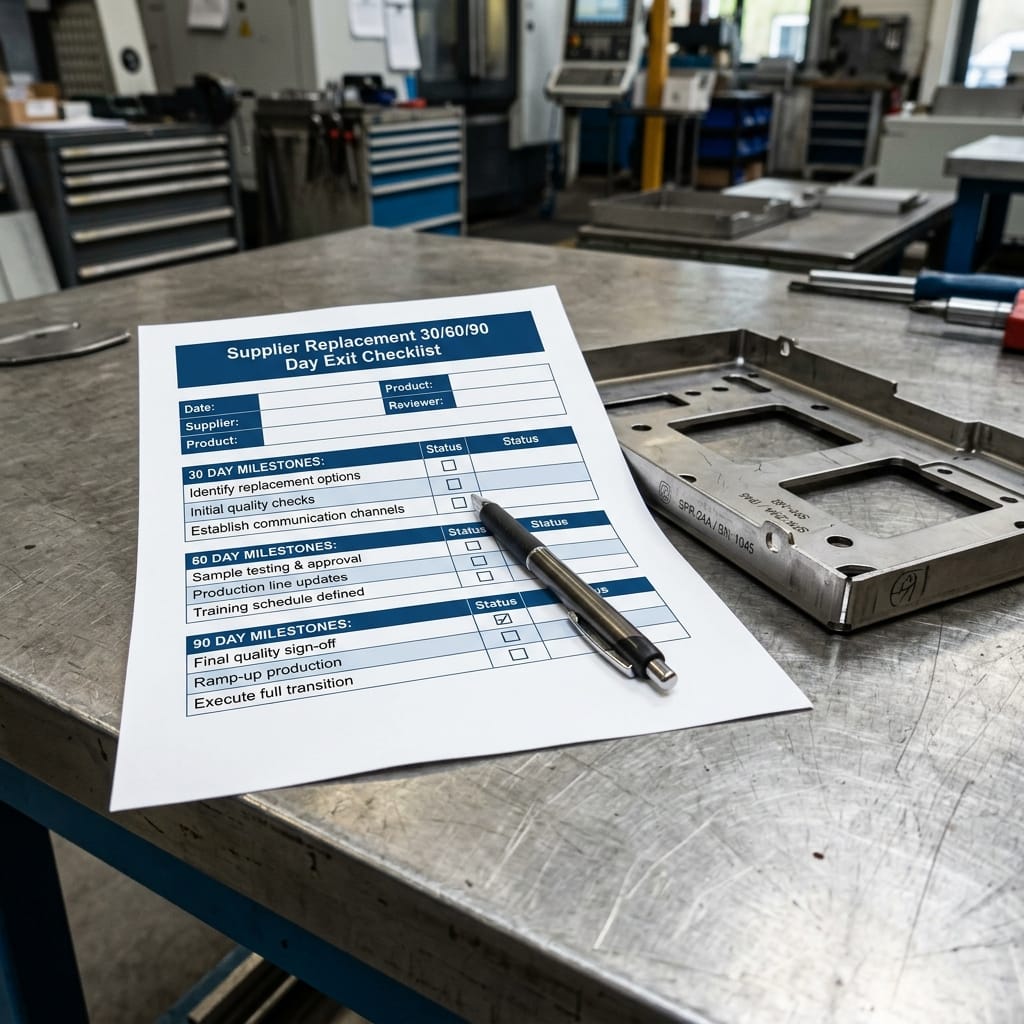
Replace Underperforming Sheet Metal Suppliers With Confidence
Don’t let chronic supplier delays and defect costs paralyze your assembly line. MSTFAB provides seamless supplier transition services, including rapid DFM reviews, CMM-backed Level 3 PPAP qualification, and high-speed production capacity. Partner with our engineering directors today for an audit-ready transition quote.
 WeChat Contact
 WhatsApp Me Directly