Robotics manufacturers do not buy sheet metal parts only because they need a metal cover, bracket, or frame. They need parts that fit the robot structure, protect sensitive components, reduce vibration, support repeatable assembly, and survive real working conditions.
A small bending error, poor hole alignment, or weak welded joint can delay final assembly, increase rework cost, and affect the reliability of the whole robot system. At MSTFAB, we provide custom sheet metal fabrication services for robotics manufacturers, automation equipment builders, and OEM engineering teams. From prototype parts to small-batch and production runs, we help buyers turn drawings into accurate, durable, and assembly-ready metal components.
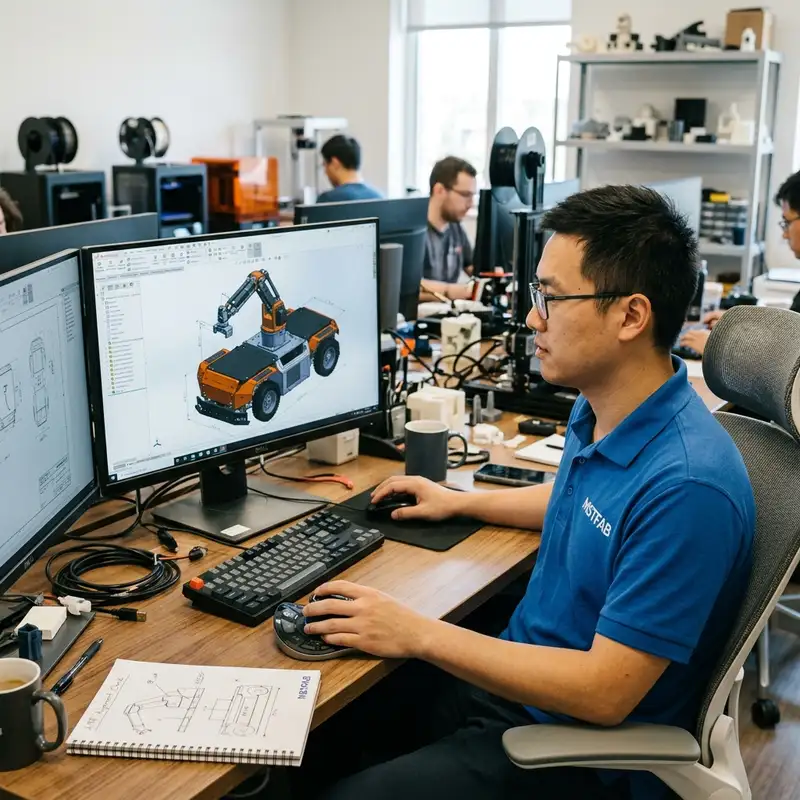
During the electrical chassis design layout, consulting a supplier of sheet metal fabrication for power electronics helps ensure that heat sinks, high-current transformers, and EMC shielding partitions assemble correctly.
For mobile setups exposed to high dynamic loads, partnering with a supplier of metal fabrication for transport refrigeration equipment ensures that condenser frames and evaporator housings endure severe road shock.
During the structural design review of the main frame, sourcing specialized fabricated metal parts for commercial machinery ensures that heavy motor plates, front door panels, and internal base plates align perfectly.
During the device housing review, consulting a specialist in custom sheet metal for laboratory equipment helps ensure that delicate display bezels, PCB pillars, and chemical-resistant finishes align seamlessly.
During the electrical cabinet design phase, consulting a specialist in sheet metal fabrication for battery equipment ensures that heavy rack frames, high-current busbar barriers, and conductive grounding paths align properly.
During the cabinet frame design phase, consulting a specialist in sheet metal parts for smart locker manufacturers ensures that multiple door clearances, latch positions, and weather seals align perfectly.
During the thermal cabinet design phase, consulting a specialist in custom metal fabrication for HVAC equipment helps optimize fan shroud tolerances, ventilation louvers, and condensate drain channels.
Why Robotics Manufacturers Need Precision Sheet Metal Parts
Robotics products often combine mechanical structures, electrical systems, sensors, motors, controllers, and moving components in a limited space. Sourcing custom parts from a dedicated custom sheet metal panel manufacturer solves specific installation issues:
- Robotic Arm & Frame Accuracy: Support structures must hold precise alignment. We control hold-pitch and flange dimensions within ±0.1mm so motors and rails bolt on smoothly.
- Lightweight Shells: Weight affects motor torque and battery life. We fabricate lightweight aluminum enclosures to keep dynamic loads low.
- Grounding & Shielding: Sensitive controller cards need EMI protection. We mask grounding studs and contact zones before powder coating to keep them paint-free.
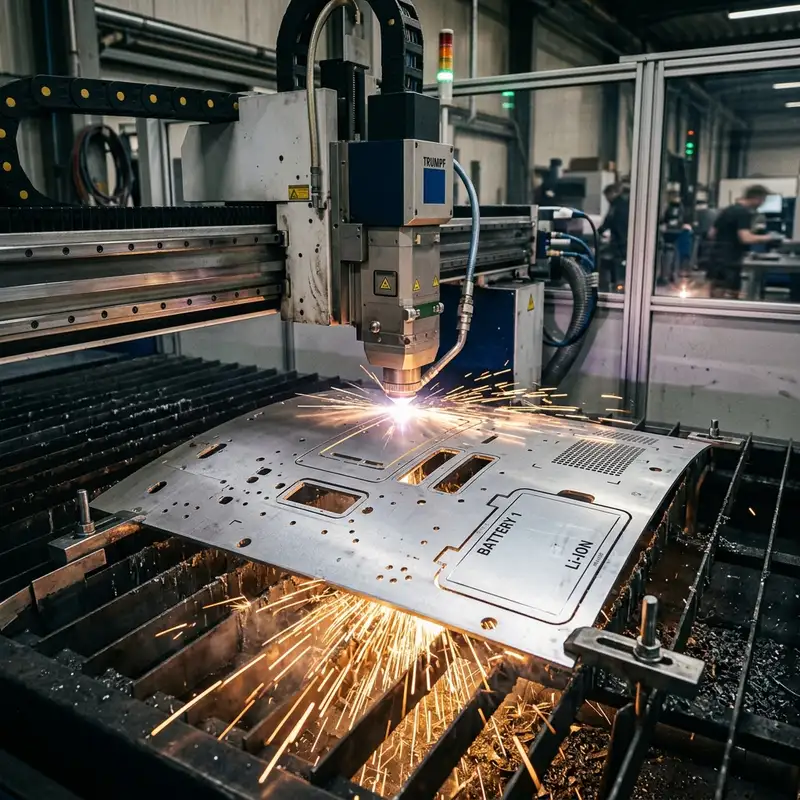
Common Fabricated Parts for Robotics Systems
Robot Chassis & Base Frames
Structural bases carry motors, heavy batteries, and actuator components. Sourcing frames from a specialized custom metal fabrication with final assembly supplier ensures welded structures stay square. Explore our custom sheet metal enclosure fabrication.
Robotic Arm Covers & Guards
Covers protect internal wire harnesses and gearboxes. Bending them requires precision press brakes. Learn about our CNC bending service.
Sensor & LiDAR Mounting Brackets
Sensor brackets control scanner alignments. A minor angle error offsets calibration. Sourcing mounting plates from a dedicated metal mounting bracket fabrication manufacturer ensures precise angles. Learn about our custom sheet metal base plate manufacturer and custom sheet metal tray manufacturer capabilities.
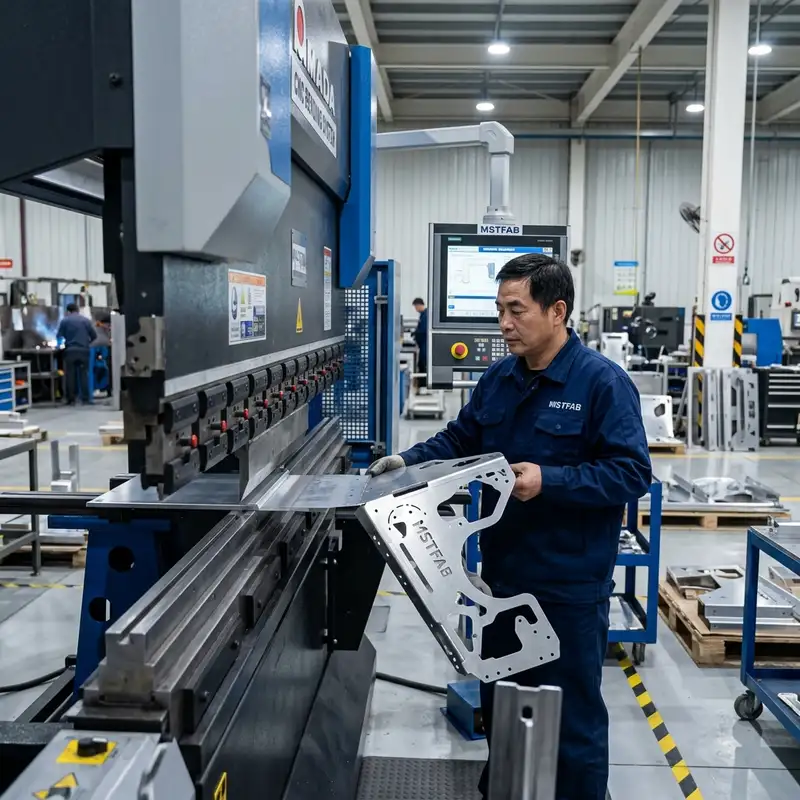
Trust Table: Cheap Supplier vs. MSTFAB Robotics Parts
Robotics systems need metal parts that install without forcing and withstand dynamic movements. Here is how MSTFAB compares:
| Quality Metric | The Cheap Supplier’s Parts | MSTFAB’s Site-Ready Components |
|---|---|---|
| Mounting Hole Pitch | Slightly shifted hole pitch. Rails and motors require forced mounting. | Hole-to-hole tolerances controlled within ±0.1mm for a perfect fit. |
| Welded Frame Flatness | Uncontrolled weld heat warps the frame. Robot rocks or vibrates. | Sequence welding and heavy jig fixtures keep structural bases flat. |
| Cable Entry Slots | Sharp burrs on wire pass-through holes, cutting robotic harness insulation. | 100% deburred and rounded edges on all cable pass-through slots. |
| Grounding Continuity | Grounding studs covered in paint, blocking electrical contact. | Silicone masked studs and paint-free contact surfaces for grounding safety. |
| Weight Control | Using heavy steel when aluminum was specified, overloading motors. | Formed 5052-H32 aluminum parts to optimize strength-to-weight ratios. |
| Transit Packaging | Loose packaging. Corners bend and surfaces scratch during shipping. | Corner foam buffers, stretch film wrapping, and heavy-duty wooden crates. |
Material Selection for Robotics Systems
Material choices depend on payload load direction, weight limits, and operating environment:
- Aluminum (5052/6061): Highly popular for AMR shells, robotic covers, and brackets where weight reduction matters. Explore our aluminum sheet metal fabrication.
- Stainless Steel (SUS304/SUS316): Crucial for pick-and-place robots in cleanroom, medical, or food processing lines. Learn about our stainless steel sheet metal fabrication.
- Carbon Steel (SPCC/DC01): High strength and cost-effective. Ideal for heavy stationary robot bases. We apply durable finishes as an established powder coated metal parts manufacturer.
- Galvanized Steel (SGCC/SECC): The default choice for internal control brackets and PLC mounting trays.
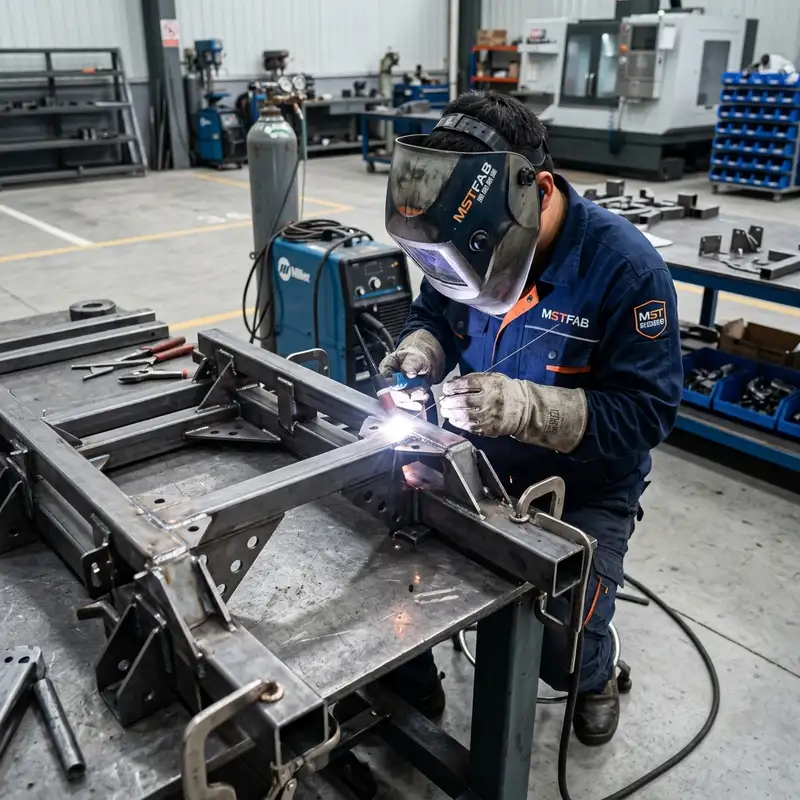
Core Manufacturing Operations
Laser Cutting & Cable Port Processing
Sensor cutouts require precise openings. We use fiber lasers to ensure openings are clean, flat, and burr-free to prevent cable insulation damage during robotic arm movements. Explore our custom laser cutting service.
Welding Distortion Control
Welding heavy base plates or arm columns introduces intense heat, causing sheet metal to warp. We use heavy pneumatic clamping fixtures and strategic spot-welding sequences to limit the heat-affected zone, ensuring welded structures remain straight. Read details on our sheet metal welding service.
PEM Hardware and Grounding Masques
We install PEM nuts, standoffs, and grounding studs using hydraulic insertion machines. Grounding contact zones and threads are masked with high-temperature silicone plugs before powder coating. This prevents paint buildup in threads, ensuring a clean ground connection. Read details on sheet metal fabrication with PEM hardware installation.
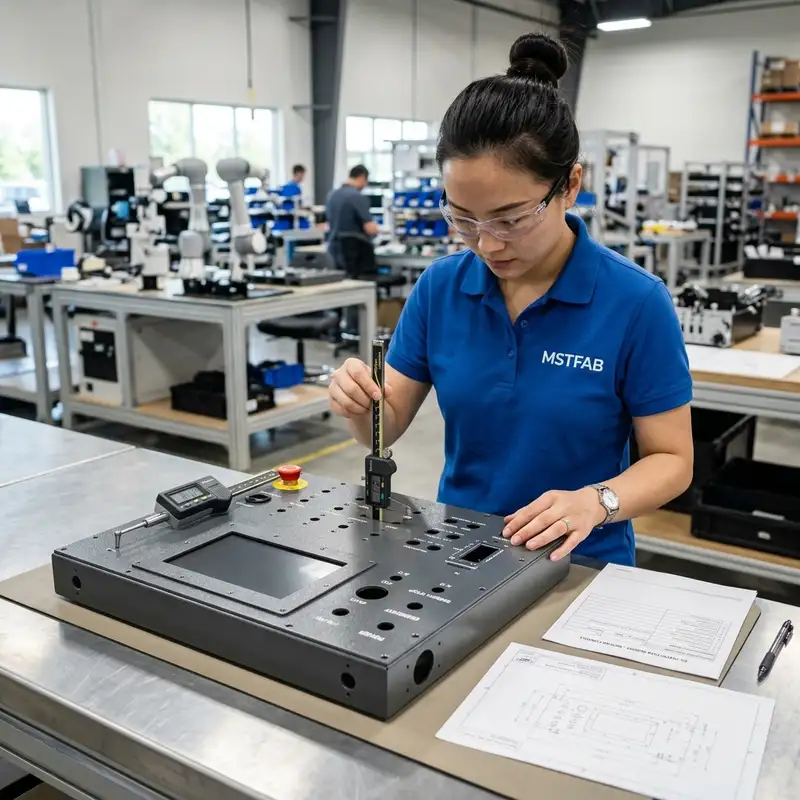
Rigorous DFM Checks Before Cutting
Before cutting metal, our engineers perform a complete DFM check on your designs. We verify:
- Bending Clearances: Checking that tight return folds do not collide with press brake punches.
- Gasket Compression: Verifying flange returns provide flat, consistent surfaces for rubber door gaskets to compress.
- Louver Clearances: Checking that formed ventilation louvers clear internal PCBA cards and power modules.
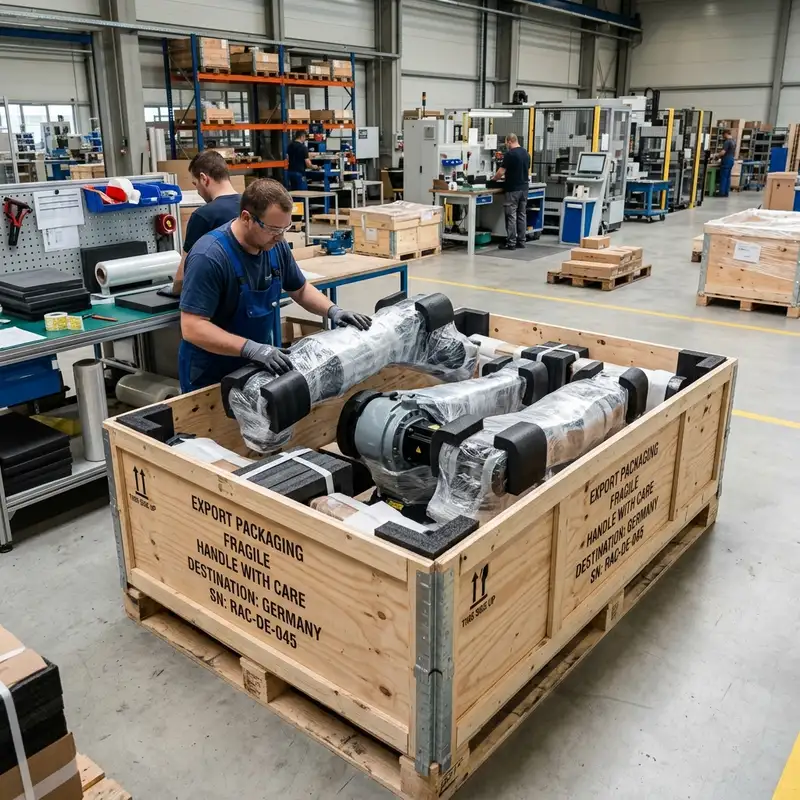
Transit Protection: Export Packaging
Robotics sheet metal parts often feature delicate brackets, return flanges, and powder coated finishes. If they collide during transit, flanges bend and surfaces scratch. MSTFAB protects finished parts by wrapping them in protective film, inserting foam separators, buffering corners, and shipping them in reinforced wooden crates to ensure they arrive flat and ready for your assembly line.
Request a Custom Robotics Sheet Metal Quote
Ready to source brackets and covers that actually fit your robotics layouts? Send MSTFAB your native 3D STEP files and 2D engineering drawings (PDF, DXF, or DWG). Our engineering team will review your drawings and prepare a competitive quote.
Upload Drawings & Get QuoteFAQ: Metal Fabrication for Robotics Systems
What files do I need to send for a robotics sheet metal quote?
Please send a 3D CAD model (STEP or STP file) for shape verification, along with 2D drawings (PDF, DXF, or DWG) defining tolerances, material grade, powder coating specifications, and hardware part numbers. Learn more about what files are needed for a sheet metal fabrication quote.
How do you control welding distortion on robot frames?
We use heavy-duty clamping fixtures, spot-welding sequences, and TIG welding. This limits the heat zone and prevents thermal warping on critical assembly surfaces.
Can you mask grounding contact zones?
Yes. We use high-temperature silicone masking caps on grounding studs and peelable masking tape on flat conductive contact areas prior to powder coating, ensuring a paint-free contact area.
Does MSTFAB integrate electrical components or motors?
MSTFAB focuses on physical sheet metal fabrication according to customer drawings. Motor wiring, controller integrations, and software programming must be managed by the customer’s engineering team.
MSTFAB provides CNC press brake bending services for precision sheet metal parts, enclosures, brackets and OEM assemblies.
 WeChat Contact
 WhatsApp Me Directly