
⚡ Direct Answer: What Makes a Sheet Metal Prototype Truly “Production-Intent”?
A production-intent sheet metal prototype is engineered using the exact materials, tolerances, and manufacturing methods that will be deployed in mass production, adhering to 4 non-negotiable criteria: 1) Identical Raw Material Grade & Temper: Utilizing certified mill-spec alloy (e.g. true 5052-H32 rather than soft 1100 aluminum, or genuine SPCC rather than scrap cold-rolled coil) to guarantee real-world structural stiffness; 2) Exact Grain Direction & Bend Radii: Programming laser nests perpendicular to sheet rolling grain to mirror mass-production fracture limits; 3) Production Hardware & Clinch Tooling: Installing authentic self-clinching PEM fasteners on pneumatic presses rather than hand-welding nuts or loose hardware; and 4) Full Multi-Stage Surface Finishing: Applying production-grade pre-treatment (zinc phosphate / zirconium) and powder coating rather than quick spray-can primer.
Production-Intent vs Quick-Turn “Looks-Like” Prototype
| Design Attribute | Quick-Turn “Looks-Like” Prototype | MSTFAB Production-Intent Prototype |
|---|---|---|
| Material Traceability | Scrap / remnant bin metal; uncertified alloy temper | Prime mill-certified sheet with chemical Mill Test Report (MTR). |
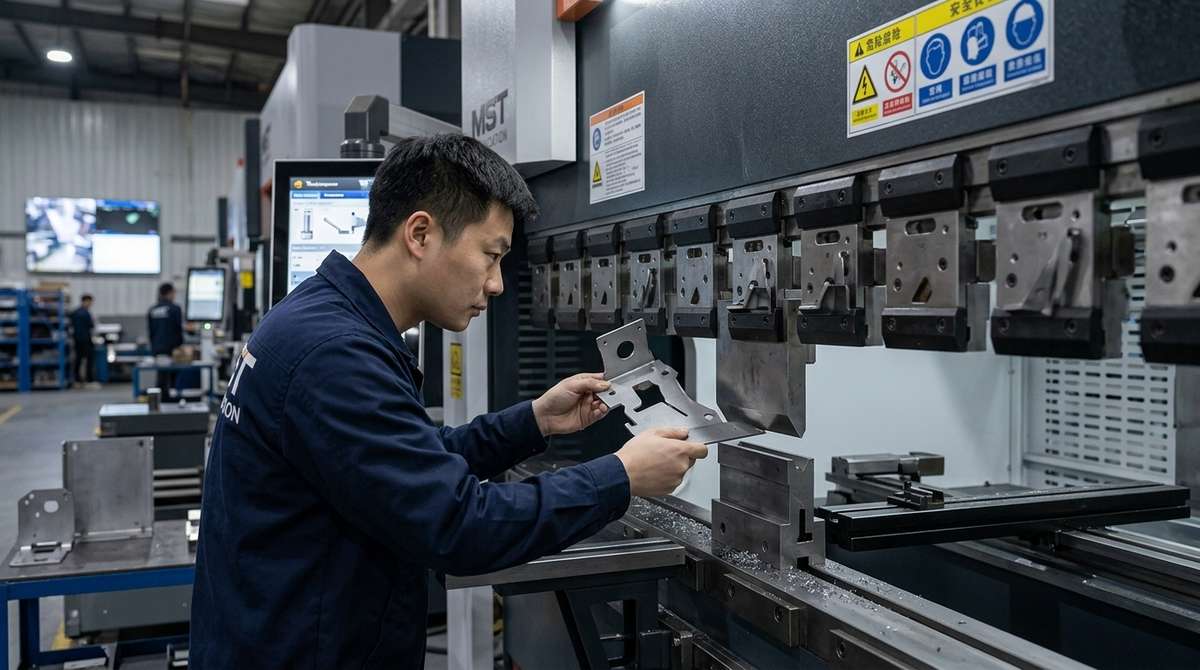
| Bending Tolerances | Hand-bent or manually adjusted to fit sample | Formed on CNC press brake with optical angle sensors (±0.3°). |
| Fastener Installation | Tack-welded standard nuts or loose hardware | Automated hydraulic PEM insertion with torque/push-out logging. |
| Downstream Validation | Fails UL/CE testing; reveals zero manufacturing DFM issues | Validates thermal heat dissipation, vibration, and EMI shielding. |
Prototypes that merely “look like” the final CAD model are dangerous. If a prototype shop cuts corners by hand-fitting brackets with a grinder, using softer aluminum to avoid cracking, or skipping pre-treatment before painting, the OEM engineering team receives false confidence. When the design moves to mass production, flanges suddenly crack, mounting holes misalign, and paint flakes off. MSTFAB builds prototypes strictly with scalable production processes.
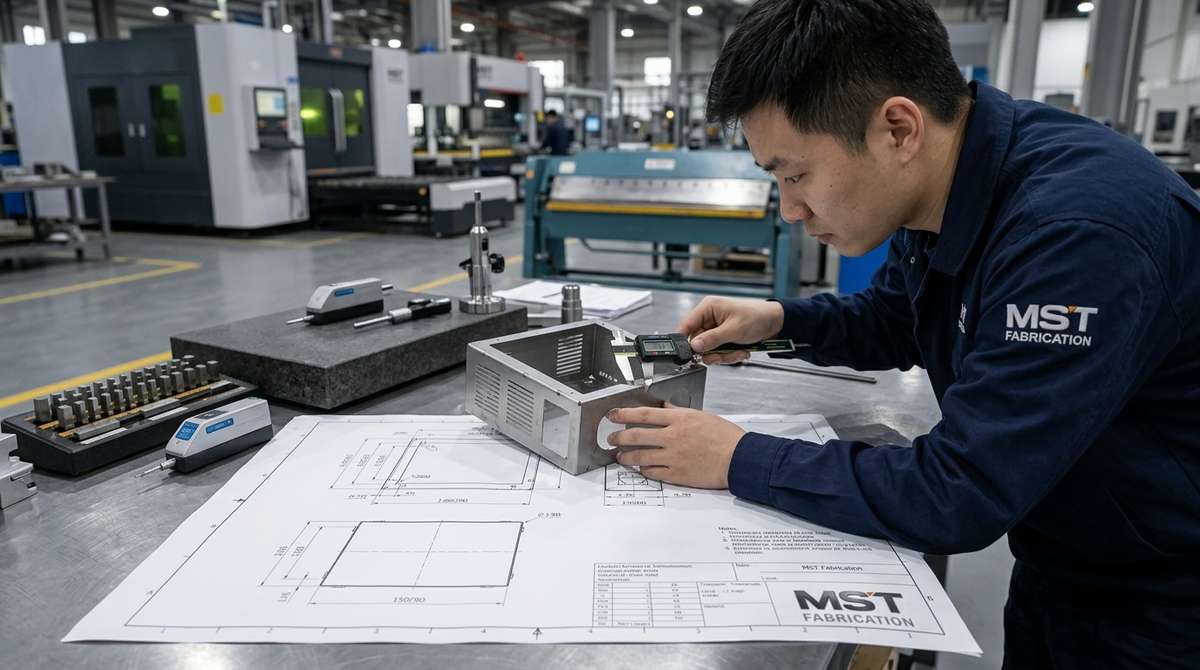
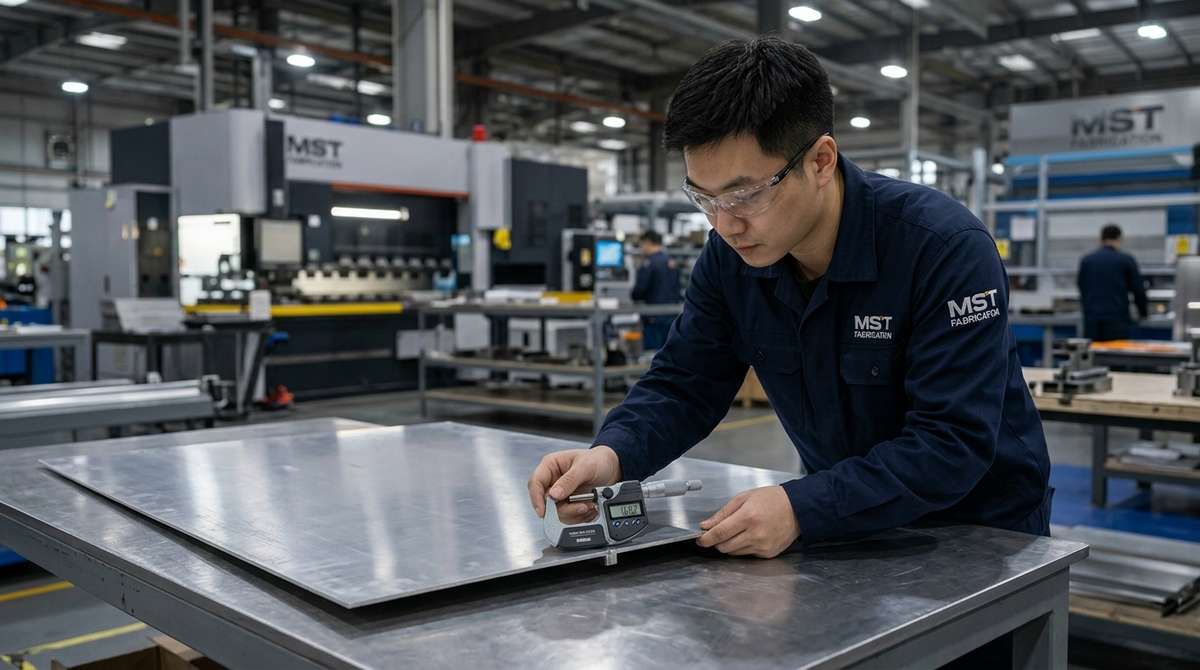
Material Verification, Precision Forming & CMM Inspection
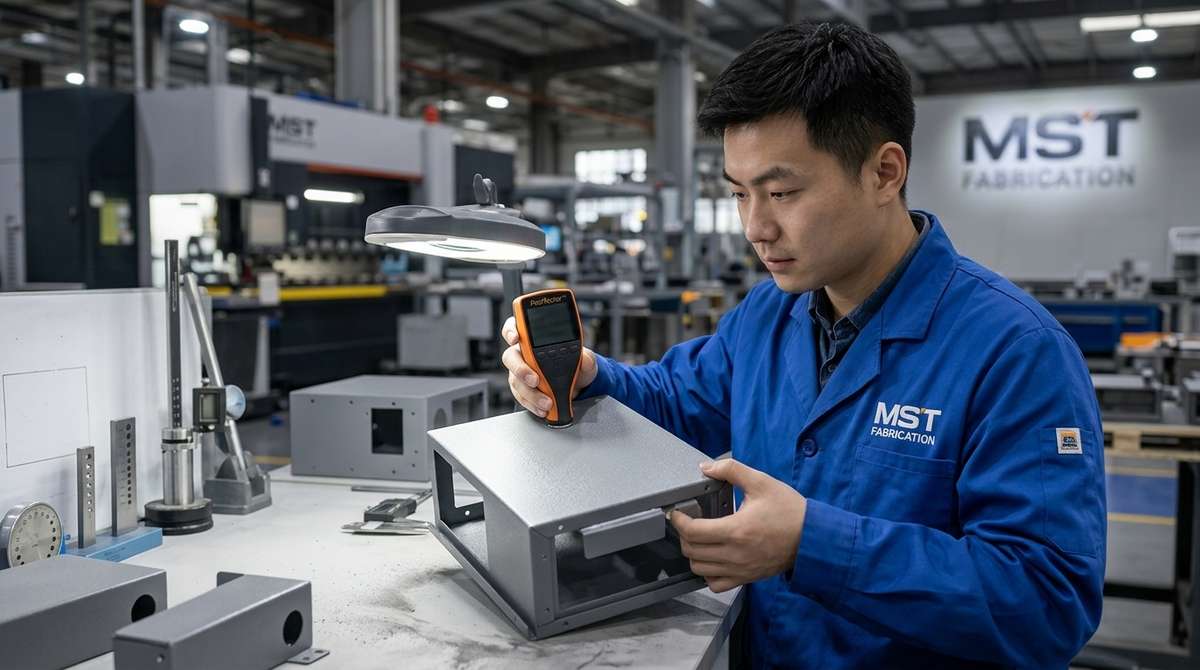
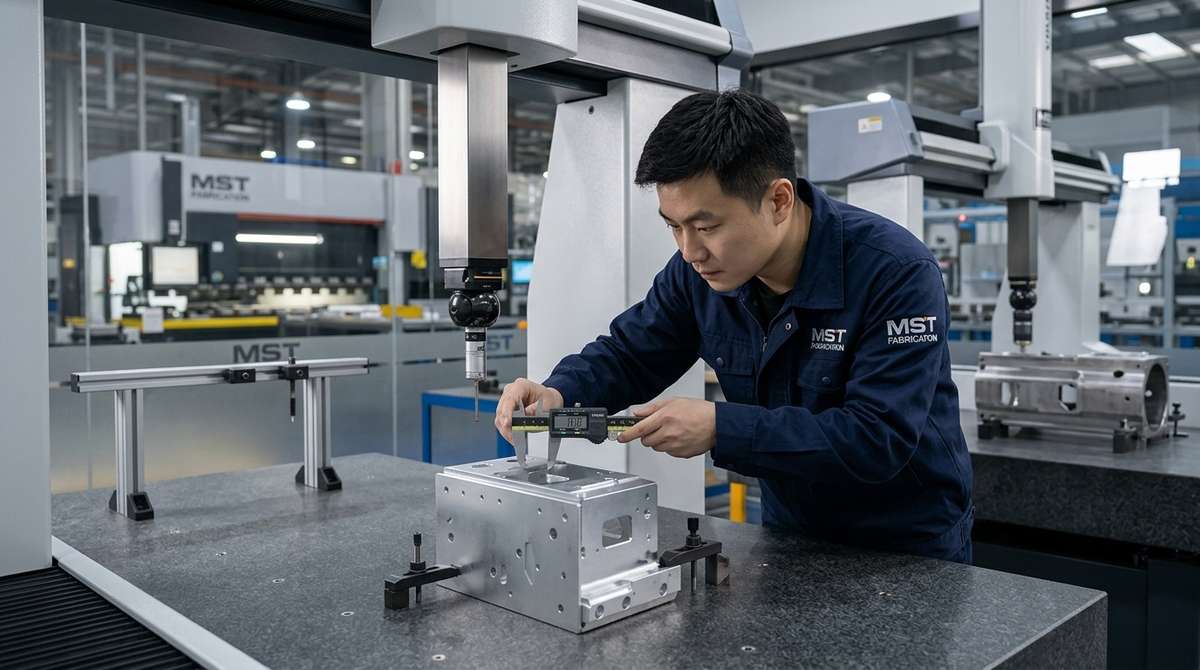
Every prototype order is accompanied by raw material thickness gauging, digital press brake angle verification, and CMM coordinate measurement logs. This ensures that every test conducted on the prototype—from vibration testing to thermal dissipation modeling—accurately predicts volume production performance.
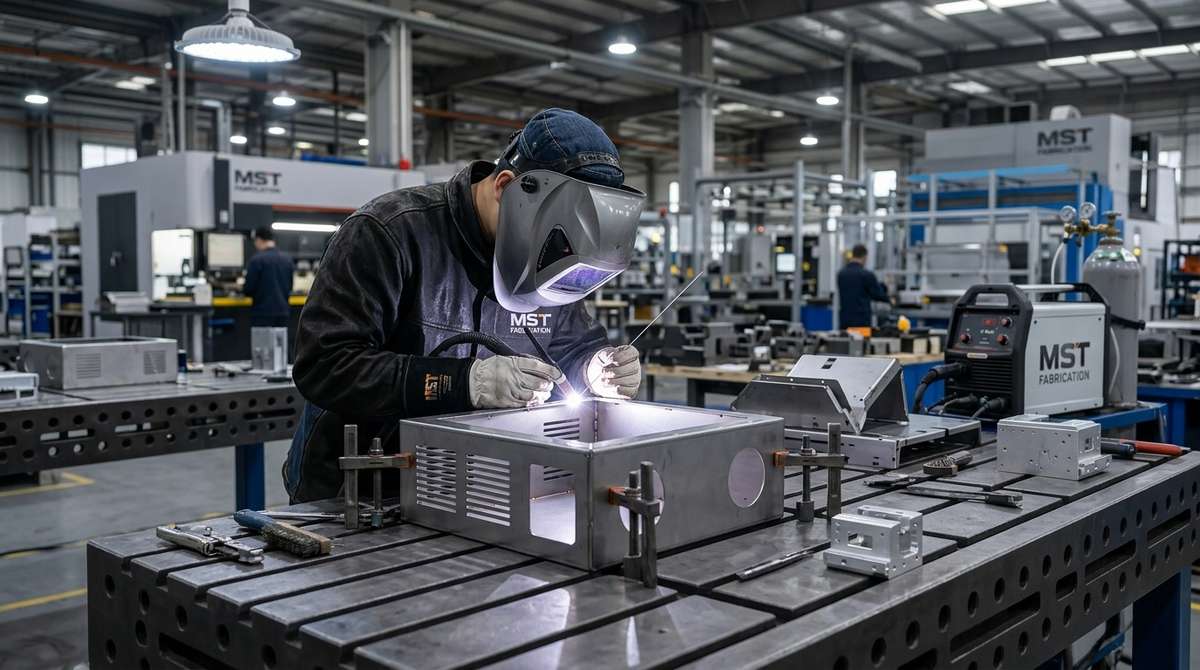
Need Production-Intent Sheet Metal Prototypes for OEM Testing?
Partner with MSTFAB for certified materials, production-grade CNC bending, automated PEM clinch insertion, and architectural powder coatings.
Frequently Asked Questions on Production-Intent Prototypes
Why is grain direction critical even on small prototype orders?
Bending parallel to the rolling grain of cold-rolled sheet metal significantly increases the risk of tensile cracking on the outer bend radius. Orienting bend lines across the grain ensures maximum bend ductility during prototyping and volume production.
Can MSTFAB certify prototypes to UL 508A or CE requirements?
Yes. We provide complete material certification records, grounding path resistance logs, and paint thickness reports required for third-party agency testing.
 WeChat Contact
 WhatsApp Me Directly