
From outdoor telecommunication enclosures and solar tracker mounting brackets to agricultural equipment chassis and industrial HVAC ducting, galvanized sheet metal parts provide the optimal balance of mechanical strength, sacrificial corrosion protection, and manufacturing cost-efficiency. However, transforming coated steel into high-precision, defect-free OEM assemblies requires deep metallurgical expertise: managing zinc vapor during fiber laser cutting and welding, preventing zinc flaking during CNC press brake bending, calibrating galvanic cut-edge self-healing dynamics, and engineering multi-layer duplex powder coating systems. As an ISO 9001:2015 certified sheet metal fabrication partner, MSTFAB provides end-to-end manufacturing for galvanized components—spanning hot-dip galvanized (HDG), continuous hot-dip (GI), electro-galvanized (SECC), and advanced zinc-aluminum-magnesium (ZAM) alloys.
Table of Contents
- 1. Electrochemistry of Galvanized Steel: Galvanic Series and Sacrificial Anode Protection
- 2. Galvanizing Methodologies: Hot-Dip (HDG), Continuous (GI), Electro-Galvanized (SECC), and ZAM
- 3. Zinc Coating Weight Designations (G30 to G235) and ISO 9223 Corrosivity Classes
- 4. The Science of Cut-Edge Protection & Galvanic Self-Healing Dynamics
- 5. Precision Fiber Laser Cutting: Nitrogen High-Pressure Assist and Fume Extraction
- 6. CNC Press Brake Forming: Preventing Flaking, Tool Galling, and Bend Radii Rules
- 7. Welding & Joining Galvanized Steel: Overcoming Porosity, Spatter, and LME
- 8. Duplex Coating Systems: Synergistic Zinc + Powder Coat Pretreatment and Outgassing Control
- 9. Critical DFM Rules for Galvanized Sheet Assemblies: Fasteners, Clearances, and Drainage
- 10. Metrology & Quality Assurance: Coating Thickness, Salt Spray Testing, and Adhesion
- 11. Comprehensive Engineering Data Matrices and Corrosion Benchmarks
- 12. Real-World OEM Case Studies: Severe-Environment Validations
- 13. Frequently Asked Technical Questions (36 Detailed Engineering Q&As)
1. Electrochemistry of Galvanized Steel: Galvanic Series and Sacrificial Anode Protection
Unlike organic paint coatings or barrier plating that protect base steel solely by mechanical isolation, zinc coatings provide both a physical moisture barrier and continuous electrochemical cathodic sacrificial protection. Understanding this mechanism requires examining the standard reduction potentials in the electrochemical galvanic series:
- Zinc Standard Reduction Potential: E_0 = -0.763 V
- Iron (Steel) Standard Reduction Potential: E_0 = -0.440 V
Because zinc possesses a significantly more negative electrochemical potential than iron, zinc acts as the sacrificial anode while the underlying steel substrate functions as the cathode. When moisture, oxygen, and electrolytes (such as airborne sodium chloride or sulfur dioxide) bridge an exposed scratch or cut edge, a micro-galvanic cell is created. The zinc preferentially releases electrons and oxidizes into zinc ions (Zn2+), effectively suppressing the anodic dissolution of iron and preventing red rust (ferric oxide, Fe2O3):
Anodic Reaction (Sacrificial Zinc): Zn -> Zn2+ + 2e- (Oxidation)
Cathodic Reaction (Steel Substrate): O2 + 2H2O + 4e- -> 4OH- (Reduction)
Atmospheric Patina Formation and Passivation Kinetics
In atmospheric exposure, zinc undergoes a three-stage natural chemical reaction that creates a stable, water-insoluble protective patina:
- Zinc Oxide Stage: Fresh zinc reacts immediately with atmospheric oxygen to form zinc oxide (ZnO): 2Zn + O2 -> 2ZnO.
- Zinc Hydroxide Stage: When exposed to rain or dew, zinc oxide reacts with water to form zinc hydroxide: ZnO + H2O -> Zn(OH)2.
- Basic Zinc Carbonate Patina: As zinc hydroxide reacts with ambient carbon dioxide (CO2), it converts into basic zinc carbonate: 5Zn(OH)2 + 2CO2 -> 2ZnCO3 . 3Zn(OH)2 + 2H2O.
This dense, tenacious carbonate layer acts as a tight diffusion barrier that slows atmospheric corrosion rates down to 0.5 to 2.0 microns per year in benign outdoor environments. However, when fresh galvanized sheets are packed tightly without adequate ventilation during transit, moisture traps create “white rust” (porous zinc hydroxide without carbon dioxide exposure), degrading the protective layer before service begins. MSTFAB eliminates white rust through factory-applied hexavalent-free trivalent chromate passivation or dry-film acrylic sealers.
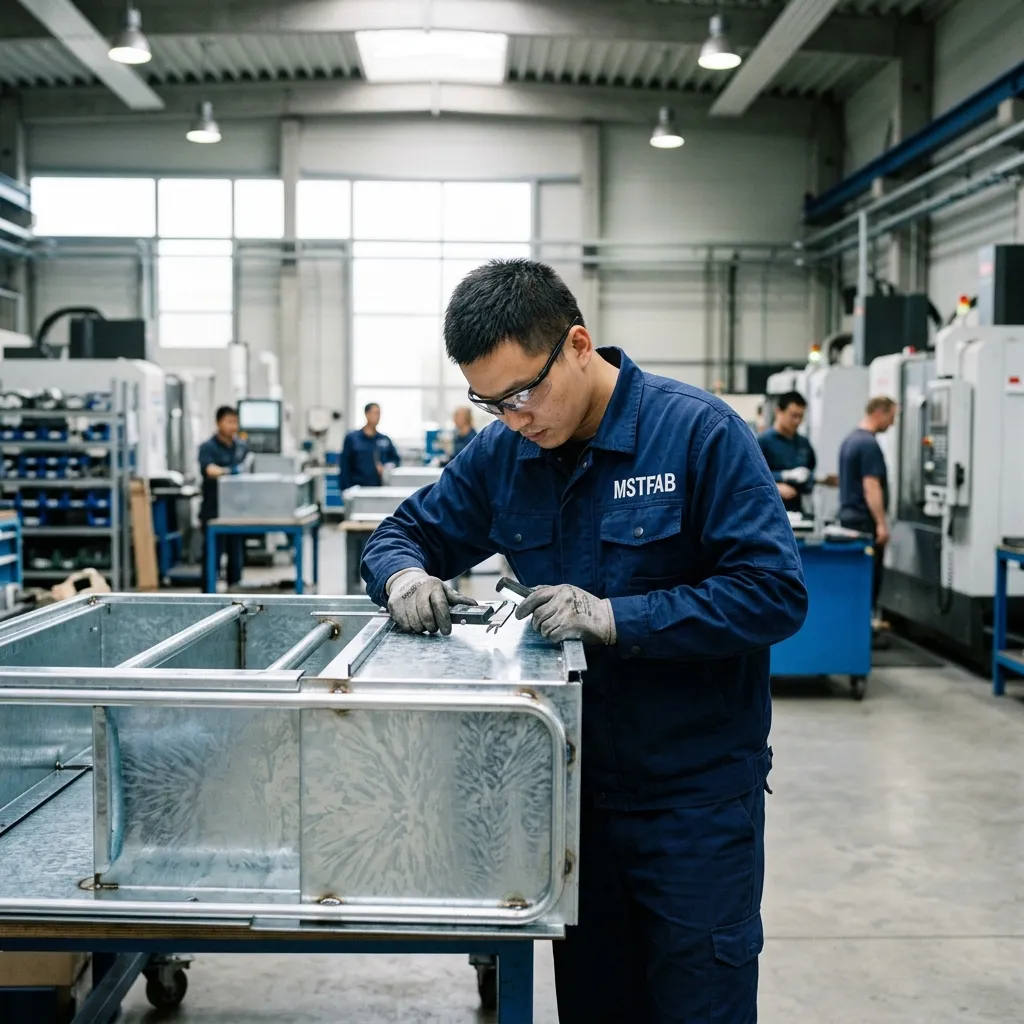
Figure 1: MSTFAB precision manufacturing: inspecting outdoor galvanized sheet metal electrical enclosures and mounting brackets engineered for long-term sacrificial corrosion resistance.
2. Galvanizing Methodologies: Hot-Dip (HDG), Continuous (GI), Electro-Galvanized (SECC), and ZAM
Different OEM applications require distinct galvanizing methodologies, each exhibiting unique microstructural, mechanical, and aesthetic characteristics:
1. Batch Hot-Dip Galvanizing (HDG per ASTM A123 / ISO 1461)
In batch HDG, fabricated steel parts (welded assemblies, heavy structural brackets, frame chassis) are cleaned, pickled in acid, fluxed, and dipped into a molten zinc bath at approximately 450 deg C (840 deg F). The molten zinc metallurgically reacts with iron in the steel to produce a series of iron-zinc intermetallic alloy layers:
- Gamma Layer (Gamma): 75% Zn, 25% Fe (Diamond Pyramid Hardness: 280 DPH). Extremely thin, metallurgical bond to substrate.
- Delta Layer (Delta): 90% Zn, 10% Fe (Hardness: 244 DPH). Highly organized columnar crystals.
- Zeta Layer (Zeta): 94% Zn, 6% Fe (Hardness: 179 DPH). Harder than the underlying base steel.
- Eta Layer (Eta): 100% Zn (Hardness: 70 DPH). Soft, ductile outer pure zinc layer.
Because the intermetallic layers are harder than structural steel, batch HDG provides unmatched abrasion and impact resistance, with coating thicknesses typically ranging from 65 to 120 microns. However, high thermal immersion causes heat distortion on thin sheet metal (T < 2.0 mm), making it unsuitable for precision sheet enclosures with tight dimensional tolerances.
2. Continuous Hot-Dip Galvanized Sheet (GI per ASTM A653 / EN 10346 DX51D+Z)
Continuous galvanizing passes cold-rolled steel coil through a continuous annealing furnace and molten zinc bath at high line speeds (up to 180 meters per minute), followed by high-pressure gas wiping knives that control coating thickness to exact micron tolerances. The zinc contains a small addition of aluminum (approx 0.2%) to suppress brittle iron-zinc alloy layers, creating an exceptionally ductile, pure zinc coating that withstands severe CNC press brake forming, hemming, and roll forming without flaking.
3. Electro-Galvanized Sheet (EG / SECC per JIS G3313 / ASTM A879)
Electro-galvanizing deposits pure zinc ions electrochemically from an aqueous zinc sulfate or chloride electrolyte bath at ambient temperatures onto cold-rolled sheet steel (SPCC substrate). Unlike thermal dipping, electro-galvanizing produces zero thermal stress, zero distortion, and zero intermetallic alloy layers. The resulting coating is mirror-smooth, uniform, and exceptionally thin (typically 1.5 to 7.5 microns, equivalent to 10 g/m2 to 50 g/m2). SECC is the industry standard for indoor IT server racks, audio equipment, medical consoles, and automotive interior panels requiring Class A aesthetic powder coating.
4. Zinc-Aluminum-Magnesium Alloys (ZAM / Magnelis / ASTM A1046)
ZAM represents the cutting-edge evolution of coated steel, featuring a bath alloyed with 93% Zinc, 3.5% Aluminum, and 3.0% Magnesium. The addition of magnesium triggers the formation of a dense, highly stable protective layer composed of simonkolleite (Zn5(OH)8Cl2 . H2O). ZAM provides 3 to 5 times greater corrosion resistance than standard GI coatings, and delivers revolutionary cut-edge self-healing performance in aggressive chloride and ammonia environments (such as marine solar farms and agricultural livestock buildings).
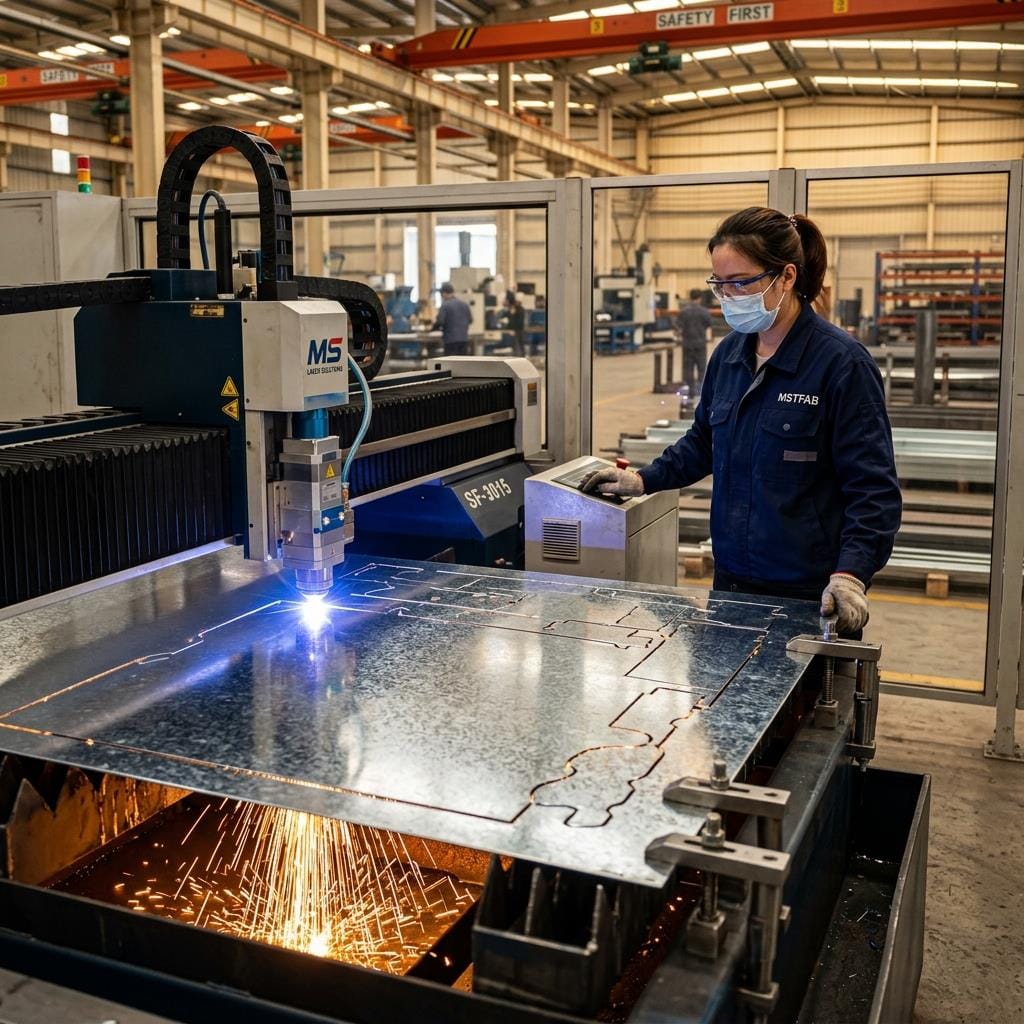
Figure 2: Laser cutting precision: CNC fiber laser cutting galvanized sheet steel blanks using high-pressure nitrogen to eliminate edge dross and preserve sacrificial zinc boundaries.
3. Zinc Coating Weight Designations (G30 to G235) and ISO 9223 Corrosivity Classes
Specifying the proper zinc coating weight is the primary factor dictating an OEM component’s operational lifespan in outdoor environments. ASTM A653 designates coating weights by total zinc mass deposited across both sides of the sheet in ounces per square foot (oz/ft2), whereas European EN 10346 designates coating mass in grams per square meter (g/m2):
Conversion Between Coating Weight and Thickness
To calculate single-side zinc coating thickness from total two-sided mass, engineers use the physical density of zinc (rho = 7.14 g/cm3):
Thickness_single_side (microns) = Total Mass (g/m2) / (2 * 7.14 g/cm3 * 0.1) = Total Mass / 14.28
- G30 (Z90): 90 g/m2 total both sides = approx 6.3 microns per side. Recommended for indoor benign electronics and office equipment.
- G60 (Z180): 180 g/m2 total both sides = approx 12.6 microns per side. Standard for light commercial HVAC, appliance frames, and sheltered outdoor cabinets.
- G90 (Z275): 275 g/m2 total both sides = approx 19.3 microns per side. The universal global baseline for unsheltered outdoor equipment, solar brackets, and telecom enclosures.
- G210 / G235 (Z600 / Z700): 600 – 700 g/m2 total both sides = approx 42 – 49 microns per side. Heavy continuous galvanizing for marine, agricultural, and corrosive chemical infrastructure.
ISO 9223 Atmospheric Corrosivity Categories
ISO 9223 standardizes atmospheric corrosivity into six distinct categories, establishing the annual corrosion rate of bare zinc versus unalloyed carbon steel:
| Corrosivity Category | Typical Environment | Zinc Mass Loss (g/m2/yr) | Zinc Thickness Loss (um/yr) | Carbon Steel Loss (um/yr) | G90 (19.3 um) Service Life |
|---|---|---|---|---|---|
| C1: Very Low | Heated indoor spaces, clean dry air | < 0.7 | < 0.1 | < 1.3 | > 100 Years |
| C2: Low | Unheated storage, rural dry outdoor | 0.7 to 5.0 | 0.1 to 0.7 | 1.3 to 25 | 28 to 100 Years |
| C3: Medium | Urban / industrial moderate SO2, coastal low salt | 5.0 to 15 | 0.7 to 2.1 | 25 to 50 | 9 to 28 Years |
| C4: High | Industrial plants, coastal marine moderate salinity | 15 to 30 | 2.1 to 4.2 | 50 to 80 | 4.5 to 9 Years |
| C5: Very High | High salinity coastal, aggressive industrial chemical | 30 to 60 | 4.2 to 8.4 | 80 to 200 | 2.3 to 4.5 Years |
| CX: Extreme | Offshore splash zones, extreme chemical scrubbers | 60 to 180 | 8.4 to 25 | 200 to 700 | < 2 Years (Duplex Required) |
4. The Science of Cut-Edge Protection & Galvanic Self-Healing Dynamics
A primary concern among OEM design engineers is whether laser cutting, shearing, or punching pre-galvanized sheet metal leaves the exposed bare steel cut edges vulnerable to premature red rusting. The answer lies in the physics of galvanic cut-edge self-healing.
Electrochemical Bridging and Throwing Power
When a cut edge is exposed to electrolyte (rainwater, humidity, salt spray), the adjacent zinc coating acts as a sacrificial anode. Electrons flow from the zinc into the exposed steel core, polarizing the steel cathodically. Simultaneously, dissolved zinc ions (Zn2+) migrate across the electrolyte film toward the cut edge, reacting with hydroxide ions (OH-) and dissolved carbon dioxide to precipitate a physical barrier film of basic zinc carbonate and zinc hydroxide directly over the exposed steel edge.
This electrochemical “throwing power” effectively protects raw cut edges up to a specific critical thickness threshold:
- Sheet Thickness T <= 1.5 mm: Full galvanic self-healing. Sacrificial zinc completely protects the cut edge; red rust is suppressed even during direct outdoor exposure.
- Sheet Thickness 1.5 mm < T <= 2.5 mm: Marginal to good self-healing. Light cosmetic staining may appear during initial exposure, but stabilizes as zinc patina precipitates over the core. In C4/C5 environments, edge sealing or powder coating is recommended.
- Sheet Thickness T > 3.0 mm: Exceeds the electrochemical throwing distance of standard zinc coatings. The core will develop active red rust if left untreated. MSTFAB applies edge chamfering followed by zinc-rich primer touch-up (ASTM A780) or post-fabrication electrostatic powder coating.
- ZAM Alloy Advantage: On Zinc-Aluminum-Magnesium coated steel, the magnesium-aluminum-zinc corrosion products (simonkolleite) exhibit superior solubility kinetics, expanding the effective cut-edge self-healing threshold up to 4.0 mm sheet thickness!
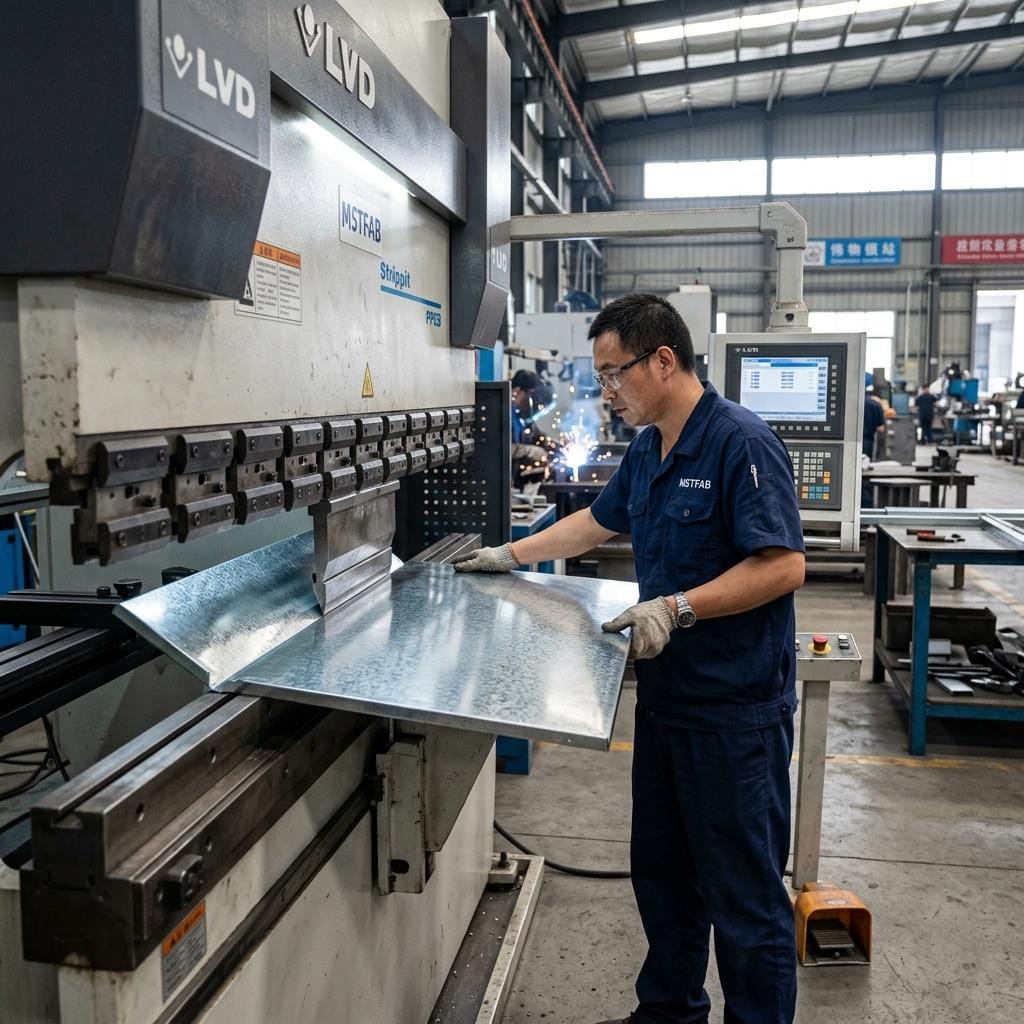
Figure 3: Flawless CNC forming: bending galvanized steel brackets with calibrated V-die clearances and polished die shoulders to prevent zinc coating flaking and galling.
5. Precision Fiber Laser Cutting: Nitrogen High-Pressure Assist and Fume Extraction
Thermal cutting of galvanized steel poses distinct metallurgical and optical challenges due to the stark disparity between the physical properties of zinc and iron:
- Zinc Melting Point: 419.5 deg C (Boiling Point: 907 deg C)
- Iron (Steel) Melting Point: 1538 deg C (Boiling Point: 2862 deg C)
When the high-energy laser beam strikes the galvanized sheet, the surface zinc layer vaporizes instantaneously (at 907 deg C) long before the underlying steel melts. If oxygen assist gas is used, this zinc vapor ignites into violent micro-explosions, creating severe dross burrs on the bottom edge, spattering molten slag onto the focusing lens, and stripping the protective zinc layer away from the cut line by up to 2.0 mm.
MSTFAB Nitrogen Laser Cutting Protocol
To achieve pristine cut quality and preserve edge corrosion resistance, MSTFAB cuts all galvanized components using high-power fiber lasers equipped with high-pressure nitrogen assist gas:
- High-Pressure Nitrogen Assist (18 to 25 bar): Pure nitrogen inert gas suppresses exothermic combustion, instantly blowing molten steel and vaporized zinc out of the kerf without oxidation. The resulting cut edge is 100% oxide-free, perfectly square, and immediately ready for welding or powder coating without secondary deburring.
- Dedicated Zinc Cutting Nozzles & Beam Modulation: We utilize specialized conical chrome-plated nozzles with optimized gas flow dynamics that prevent back-reflection and zinc vapor buildup inside the cutting head.
- High-Velocity Down-Draft Fume Extraction: Vaporized zinc readily oxidizes into airborne zinc oxide (ZnO) nanoparticles. Inhalation of these fumes causes “metal fume fever” (flu-like chills, fever, nausea). MSTFAB operates high-capacity down-draft cutting tables with HEPA cartridge filtration (airflow > 12,000 m3/h) to maintain workplace safety and zero environmental emissions.
6. CNC Press Brake Forming: Preventing Flaking, Tool Galling, and Bend Radii Rules
During press brake forming, the zinc coating must undergo identical tensile stretching and compressive deformation as the underlying steel substrate. Under improper tooling parameters, severe defects can occur:
1. Zinc Flaking and Micro-Cracking
If the inside bend radius is too sharp, the tensile strain on the outer radius exceeds the fracture strain of the zinc coating or the brittle intermetallic Fe-Zn boundary layers. The zinc cracks, delaminates, and flakes away in powdery chips, exposing raw steel. To prevent flaking, MSTFAB enforces strict minimum inside bend radius rules:
- Electro-Galvanized (SECC / ASTM A879): Extremely ductile. Minimum inside bend radius: R_min = 0.5 * T to 0.8 * T.
- Continuous Galvanized Commercial Steel (CS Type B / DX51D): R_min = 1.0 * T to 1.5 * T.
- Heavy Coating Galvanized (G90 / G140): Thicker zinc requires more generous bend radii: R_min = 1.5 * T to 2.0 * T.
- Batch Hot-Dip Galvanized: Should never be bent after dipping due to brittle alloy layers. All forming must occur prior to dipping!
2. Tool Galling and Zinc Transfer
Zinc is a relatively soft, sticky metal (Mohs hardness approx 2.5). Under the extreme contact pressures of press brake V-die forming, zinc transfers onto the hardened steel die shoulders, forming galling buildup. This adhered zinc scuffs subsequent workpieces, damages cosmetic surfaces, and introduces angular variations. MSTFAB eliminates zinc galling using three production controls:
- Nitrided and Hard-Chromed Tooling: Our press brake punches and V-dies undergo plasma nitriding and hard chrome polishing (hardness > 65 HRC), preventing zinc adhesion.
- High-Viscosity Forming Lubricants: Application of evaporative vanishing oils that provide boundary lubrication during high-pressure strokes without leaving greasy residue.
- Urethane Die Protection Films: For pre-painted or cosmetic galvanized panels, we line the V-die shoulders with heavy-duty 80-micron polyurethane protective tape, eliminating all direct metal-to-metal contact.
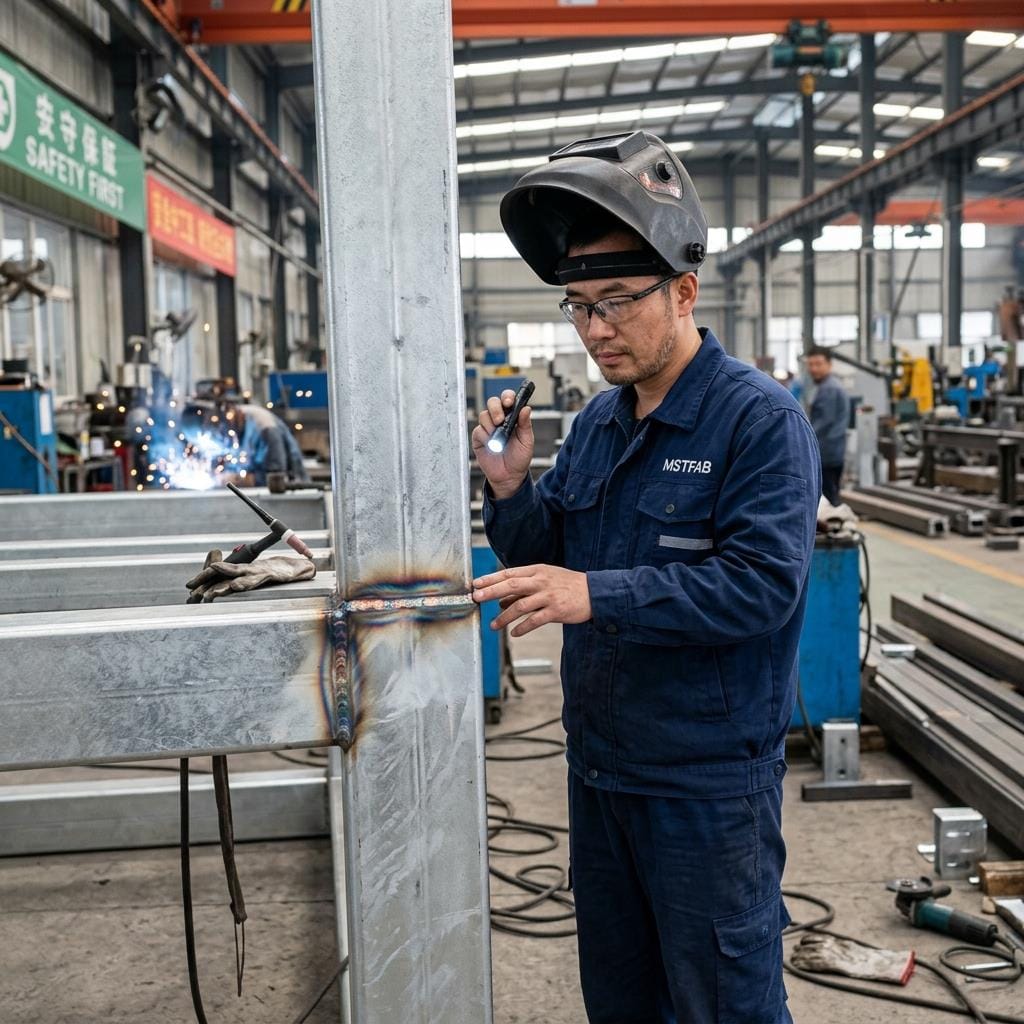
Figure 4: Welding excellence: robotic welding of galvanized chassis assemblies utilizing silicon-bronze MIG brazing to eliminate zinc spatter and preserve joint corrosion resistance.
7. Welding & Joining Galvanized Steel: Overcoming Porosity, Spatter, and LME
Joining galvanized sheet metal presents unique metallurgical obstacles. When conventional fusion welding (MIG/TIG) is applied, the zinc coating boils at 907 deg C, generating massive volumes of high-pressure zinc vapor beneath the molten steel puddle (which freezes at 1538 deg C). If this gas cannot escape, it causes:
- Severe Wormhole Porosity: Large gas voids trapped along the weld root, degrading mechanical shear and tensile strength by up to 50%.
- Violent Spatter: Ejection of molten steel droplets across adjacent surfaces, destroying cosmetic appearance and requiring expensive grinding.
- Liquid Metal Embrittlement (LME): In high-strength steels, molten zinc penetrates along austenitic grain boundaries under tensile welding stress, inducing catastrophic intergranular cracking.
MSTFAB Advanced Joining Solutions
MSTFAB deploys three proven industrial joining technologies that conquer these welding challenges:
1. GMAW / MIG Brazing with Silicon-Bronze (CuSi3 / CuAl8)
MIG brazing utilizes a copper-silicon alloy wire (97% Cu, 3% Si) with a low melting point (approx 965 deg C to 1030 deg C). Because the brazing temperature is barely above the boiling point of zinc, base steel is not melted (diffusion bonding occurs without melting substrate iron). This virtually eliminates zinc vaporization, prevents porosity, eliminates spatter, and leaves the surrounding zinc coating largely intact. MIG brazing is widely used in automotive body assemblies and outdoor electrical enclosures.
2. Automated Resistance Spot Welding (RSW) with CuCrZr Electrodes
Spot welding galvanized steel requires approximately 20% to 30% higher electrical current and 10% longer weld times than bare mild steel to compensate for the lower electrical resistance of the soft zinc coating. Molten zinc alloys with copper welding tips to form brittle brass, accelerating electrode wear. MSTFAB utilizes class 2 Copper-Chromium-Zirconium (CuCrZr) electrodes equipped with automated pneumatic electrode tip dressers that re-cut the electrode face every 150 spot welds, ensuring consistent weld nugget diameters (> 5 * sqrt(T)) and certified shear strength.
3. Robotic Fiber Laser Welding with Controlled Gap
When laser welding lap joints on galvanized sheet, MSTFAB incorporates a deliberate 0.10 mm to 0.20 mm mechanical standoff gap between the overlapping sheets (achieved via embossed dimples or micro-spacers). This micro-gap creates a continuous lateral chimney that vents vaporized zinc harmlessly out of the joint before the laser keyhole freezes, producing 100% pore-free laser welds at speeds exceeding 3.0 meters per minute.
Post-Weld Zinc Restoration (ASTM A780)
Where high-temperature welding vaporizes the zinc coating in the heat-affected zone (HAZ), corrosion protection must be restored. MSTFAB cleans the weld seam via stainless steel wire brushing or localized blast cleaning, followed by the immediate application of organic cold-galvanizing compounds containing at least 92% to 95% metallic zinc dust by weight in the dry film, in strict accordance with ASTM A780 Standard Practice for Repair of Damaged Galvanized Coatings.
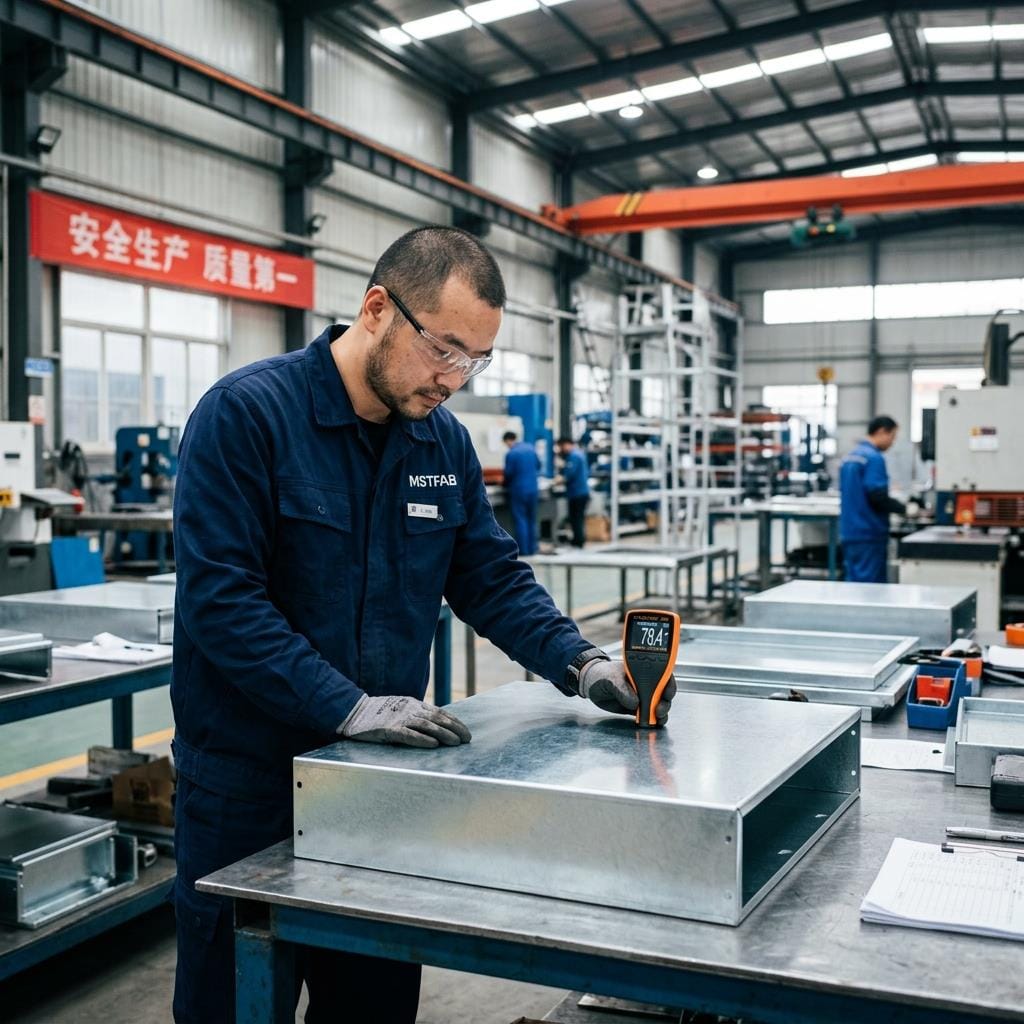
Figure 5: Rigorous quality verification: measuring electro-magnetic zinc coating thickness and cross-hatch paint adhesion on finished OEM galvanized components.
8. Duplex Coating Systems: Synergistic Zinc + Powder Coat Pretreatment and Outgassing Control
For high-end architectural enclosures, coastal solar infrastructure, and marine telecom cabinets exposed to aggressive ISO 9223 C4, C5, or CX environments, neither galvanizing nor powder coating alone provides sufficient long-term protection. The industry gold standard is a Duplex Coating System—the application of an organic powder coating over a galvanized steel substrate.
The Synergistic Multiplier Effect
A duplex system does not merely provide additive protection; it delivers a proven synergistic multiplier effect. The overall service life of a duplex system (T_duplex) is calculated by:
T_duplex = K_syn * (T_galvanized + T_powder)
Where K_syn ranges from 1.5 to 2.5!
The powder coat protects the zinc from acid rain, industrial pollutants, and mechanical wear, while the underlying zinc prevents under-film corrosion creep and rust bleeding if the paint film is scratched or chipped in the field. A G90 galvanized part with 80 microns of architectural polyester powder coating routinely achieves 30 to 50 years of maintenance-free service in severe marine environments.
Overcoming Outgassing Pinholes and Blisters
Applying powder coating directly onto galvanized steel without specialized processing inevitably leads to disastrous cosmetic defects known as outgassing pinholes, craters, and micro-blisters. Zinc is naturally porous and traps trace moisture, oil, and air within micro-fissures. When the part enters the powder cure oven at 180 deg C to 200 deg C, this trapped moisture vaporizes and expands violently through the molten powder film before cross-linking completes. MSTFAB prevents outgassing through a rigorous 5-stage preparation process:
- Alkaline Cleaning & Deoxidation: Mild alkaline wash to remove all oils, dirt, and white rust without etching away the beneficial zinc layer.
- Trivalent Conversion Pretreatment: Application of a nanoceramic zirconium silane or trivalent chromium conversion layer to passivate the zinc surface and maximize powder mechanical interlocking.
- High-Temperature Thermal Degassing Bake: Prior to applying powder, parts are run through a preheat degassing oven at 220 deg C (30 deg C above the powder cure temperature) for 30 minutes. This forces all trapped moisture and entrapped gases to vent completely.
- Electrostatic Powder Application with Degassing Additives: We utilize specialized degassing-grade epoxy and polyester powders containing microscopic wax and benzoin flow agents that keep the molten polymer matrix open longer, allowing any residual micro-bubbles to heal before curing.
- Curing Cycle: Controlled curing at optimal temperature curves, achieving uniform film thicknesses of 70 to 110 microns with zero pinholes and 5B cross-hatch adhesion per ASTM D3359.
9. Critical DFM Rules for Galvanized Sheet Assemblies: Fasteners, Clearances, and Drainage
To ensure high production yields and long operational reliability, mechanical design engineers should incorporate the following Design for Manufacturability (DFM) rules when detailing galvanized components:
1. Fastener Compatibility and Clinch Hardware (PEM)
- Galvanic Dissimilar Metal Isolation: Never fasten bare brass, copper, or unplated stainless steel directly against galvanized sheet in outdoor damp environments. The severe potential difference (Delta E > 0.60 V) will rapidly consume the zinc around the fastener. Always use zinc-plated Grade 8.8 steel hardware or stainless steel fasteners isolated with UV-stable EPDM/nylon washers.
- Self-Clinching Nuts & Studs (PEM): When installing clinch hardware into pre-galvanized sheet, specify zinc-plated hardened carbon steel clinch nuts (e.g., PEM Type S) rather than 300-series stainless nuts. The cold-flow clinching action locks tightly into ductile steel, and the zinc plating preserves uniform galvanic potential across the assembly.
2. Flange Reliefs and Corner Notch Geometry
Because the zinc layer adds 15 to 40 microns per side, sheet metal corner reliefs must be sized generously to prevent flange binding and paint buildup. Corner relief notches should be specified with width and depth W, D >= T + R + 0.5 mm.
3. Drainage and Venting Provisions for Post-Fabrication Dipping
If parts are designed for post-fabrication batch hot-dip galvanizing (ASTM A123), enclosed hollow tubular sections and deep pockets must incorporate venting and drainage holes per ASTM A385. Without proper air venting, trapped air pockets will explode inside the 450 deg C molten zinc kettle, causing catastrophic tooling damage and serious personnel injury.
10. Metrology & Quality Assurance: Coating Thickness, Salt Spray Testing, and Adhesion
MSTFAB enforces strict quality assurance protocols to certify every production batch of custom galvanized sheet metal parts:
- Magnetic Induction Coating Thickness (ASTM B499 / ISO 2178): Calibrated digital magnetic gauges measure single-side and total zinc coating thickness across critical flat faces, formed radii, and flanges to ensure compliance with specified G60, G90, or SECC standards.
- Cross-Hatch Adhesion Testing (ASTM D3359 Method B): A precision multi-blade cutter creates a 6×6 lattice grid pattern through the coating down to the steel substrate. Pressure-sensitive tape is applied and vigorously pulled off. Duplex parts must achieve a 5B rating (0% flaking or detachment).
- Neutral Salt Spray Testing (ASTM B117 / ISO 9227): Representative production test coupons undergo continuous 5% neutral salt spray fog testing at 35 deg C. G90 parts must withstand > 250 hours to white rust and > 500 hours to red rust; duplex powder-coated parts must exceed 1,500 to 3,000 hours without blistering or under-film creep.
- Optical Coordinate Metrology: Bridge CMM and optical 3D scanners verify that thermal heating or heavy forming has not induced out-of-tolerance bow, camber, or hole true position drift.
11. Comprehensive Engineering Data Matrices and Corrosion Benchmarks
The following engineering reference tables summarize technical specifications for galvanized sheet metal manufacturing:
Table 1: Zinc Coating Specification & Performance Comparison Matrix
| Coating Type | Standard Spec | Typical Thickness | Cut-Edge Self-Healing | Formability & Bending | Recommended Application |
|---|---|---|---|---|---|
| Electro-Galvanized (SECC) | JIS G3313 / ASTM A879 | 1.5 – 7.5 um (10-50 g/m2) | Low (Indoor only) | Outstanding (R = 0.5 * T) | IT server racks, audio equipment, automotive interior |
| Continuous Hot-Dip (G60) | ASTM A653 / EN 10346 | 12.6 um (180 g/m2) | Good for T <= 1.2 mm | Excellent (R = 1.0 * T) | Commercial HVAC, appliance chassis, sheltered electrical |
| Continuous Hot-Dip (G90) | ASTM A653 / EN 10346 | 19.3 um (275 g/m2) | Excellent for T <= 2.0 mm | Very Good (R = 1.2 * T) | Outdoor telecom, solar tracker brackets, agricultural |
| Zinc-Alu-Magnesium (ZAM) | ASTM A1046 / EN 10346 | 15.0 – 25.0 um | Superior (Up to T = 4.0 mm) | Excellent (R = 1.0 * T) | Coastal solar infrastructure, livestock barns, marine |
| Batch Hot-Dip (HDG) | ASTM A123 / ISO 1461 | 65 – 120 um | N/A (Coats all cut edges) | Form prior to dipping only | Heavy structural skids, outdoor frames, utility trailers |
Table 2: Welding Method Recommendations for Galvanized Sheet
| Process | Filler / Electrode | Operating Temp | Spatter Level | Porosity Risk | Corrosion Resistance of Joint |
|---|---|---|---|---|---|
| GMAW / MIG Brazing | CuSi3 (Silicon Bronze) | 980 deg C – 1020 deg C | Near Zero | Extremely Low | Superior: Copper-bronze does not rust |
| Standard GMAW / MIG | ER70S-6 + Ar/CO2 | 1550 deg C – 1650 deg C | High (Requires grinding) | Moderate to High | Requires zinc-rich primer restoration |
| Resistance Spot Welding | CuCrZr Class 2 Tips | Localized melting | Low (With tip dressing) | Low | High (Zinc flows around nugget boundary) |
| Fiber Laser Welding | Autogenous (0.15 mm gap) | High density beam | Minimal | Zero (Vented gap) | Requires localized touch-up or duplex coat |
12. Real-World OEM Case Studies: Severe-Environment Validations
Case Study 1: Utility-Scale Solar Tracker Torque Tube Mounting Brackets
- Application: Heavy articulable pivot brackets for a 500 MW desert solar tracking facility.
- Material: 3.0 mm G90 (Z275) continuous hot-dip galvanized steel with CNC laser cutting, tight-tolerance forming, and robotic clinch stud insertion.
- Customer Problem: Previous supplier experienced severe edge rusting along laser-cut slots within 6 months of field deployment. Salt spray testing revealed that cutting with oxygen had burned away the zinc coating up to 1.8 mm back from the edge.
- MSTFAB Solution: Transitioned cutting to 20-bar high-purity nitrogen assist gas, preserving the adjacent zinc layer. Introduced edge vibratory chamfering and applied localized zinc-rich silane barrier sealing on all slots.
- Results: Salt spray resistance exceeded 1,200 hours without red rust. Field inspections after 4 years of desert UV and rain exposure confirmed zero corrosion degradation across 120,000 deployed brackets.
Case Study 2: Marine Port IP66 Telecommunications Power Supply Enclosures
- Application: Outdoor wall-mounted battery backup and fiber-optic junction box for a commercial container port terminal (ISO 9223 C5 Marine Corrosivity).
- Material: 1.5 mm SECC electro-galvanized sheet steel with a Duplex Coating System (Zirconium conversion + 90 microns Architectural Super-Durable Polyester Powder).
- Customer Problem: The OEM previously used bare cold-rolled steel with standard powder coat. Salt air caused blistering and severe red rust creep underneath the paint film whenever the paint received minor surface scuffs during maintenance, resulting in enclosure failure within 18 months.
- MSTFAB Solution: Re-engineered enclosure base to SECC galvanized sheet steel. Implemented a 5-stage automated conversion wash with thermal degassing pre-bake at 220 deg C to eliminate outgassing pinholes. Joined internal brackets via CuSi3 MIG brazing to preserve galvanized integrity.
- Results: ASTM B117 salt spray testing validated over 3,000 hours without blistering. Field units deployed at the port have logged 5+ years of continuous service with zero rust creep and pristine cosmetic appearance.
Case Study 3: Agricultural Harvester Grain Chutes and Separation Shrouds
- Application: Heavy vibrating grain transport chutes subject to abrasive wheat flow, rain, and wet organic acid slurry.
- Material: 2.5 mm Zinc-Aluminum-Magnesium (ZAM / ASTM A1046) sheet metal.
- Customer Problem: Standard G90 galvanized chutes suffered rapid abrasive wear through the zinc layer, followed by severe organic acid attack from rotting grain residues, requiring annual replacement.
- MSTFAB Solution: Replaced G90 with ZAM coated alloy. The dense simonkolleite crystal structure provided 3x higher scratch abrasion resistance and self-healed cut edges continuously despite aggressive organic acids.
- Results: Operating lifespan rupled from 1 harvest season to over 4 seasons, slashing warranty replacement claims by 88%.
13. Frequently Asked Technical Questions (36 Detailed Engineering Q&As)
Q1: What is the fundamental difference between hot-dip galvanizing (HDG) and electro-galvanizing (SECC)?
Batch HDG submerges fabricated steel into 450 deg C molten zinc, creating thick (65-120 um) iron-zinc intermetallic alloy layers with superior impact resistance. Electro-galvanizing deposits pure zinc electrochemically at room temperature, yielding a thin (1.5-7.5 um), mirror-smooth, distortion-free coating ideal for precision electronics and smooth powder coating.
Q2: How does zinc protect exposed laser-cut edges from rusting?
Through cathodic sacrificial protection. When an electrolyte (moisture) bridges the cut edge, zinc has a more negative electrochemical potential (-0.763 V vs -0.440 V for iron). Zinc dissolves sacrificially, donating electrons to the steel core, while dissolved zinc ions react with atmospheric CO2 to precipitate a protective basic zinc carbonate film directly across the bare steel edge.
Q3: Up to what sheet thickness does galvanic cut-edge self-healing remain effective?
In standard G90 galvanized steel, cut-edge protection is 100% effective up to 1.5 mm thickness, and moderately effective up to 2.0-2.5 mm. For thicknesses exceeding 3.0 mm, the electrochemical throwing power is exceeded, requiring edge touch-up (ASTM A780) or powder coating. On ZAM alloys, cut-edge healing remains effective up to 4.0 mm.
Q4: What causes white rust on galvanized sheet metal and how is it prevented?
White rust is porous zinc hydroxide (Zn(OH)2) that forms when fresh galvanized sheets are stored in tightly packed, humid conditions without exposure to circulating air. Without CO2, the dense protective zinc carbonate patina cannot form. MSTFAB prevents white rust by applying trivalent chromate passivation or dry-film acrylic sealers, combined with desiccant packaging.
Q5: Why does nitrogen assist gas produce superior laser cuts on galvanized steel compared to oxygen?
Oxygen causes exothermic combustion with vaporized zinc, creating severe bottom dross, violent spatter, and burning away the protective zinc layer up to 2.0 mm back from the edge. High-pressure nitrogen (18-25 bar) provides inert expulsion of molten metal, preventing oxidation and leaving a clean, dross-free edge with full zinc preservation.
Q6: How does MSTFAB prevent zinc coating flaking during CNC press brake bending?
We enforce minimum inside bend radii matched to coating type (R >= 1.0 * T for G60, R >= 1.2 * T for G90), utilize polished, hardened V-dies (hardness > 60 HRC), and deploy vanishing forming lubricants or urethane protective die films that eliminate tool friction and shear flaking.
Q7: What is a Duplex Coating System and why does it outperform single coatings?
A duplex system combines a galvanized steel substrate with an electrostatic powder coating. It delivers a synergistic multiplier effect (1.5x to 2.5x the sum of their individual lifespans). The paint protects the zinc from acid rain and mechanical erosion, while the zinc prevents under-film corrosion creep if the paint is scratched.
Q8: How do you prevent outgassing pinholes when powder coating galvanized parts?
Trapped moisture and air in micro-porous zinc vaporize during the 200 deg C powder cure. We eliminate pinholes by performing a high-temperature thermal degassing pre-bake at 220 deg C for 30 minutes prior to coating, followed by applying specialized degassing-grade powders containing flow-release agents.
Q9: Why is MIG brazing with silicon-bronze wire preferred over standard steel MIG welding?
Silicon bronze (CuSi3) melts at 980-1020 deg C, well below the melting point of steel and near the boiling point of zinc. This prevents severe zinc vaporization, eliminates weld porosity, generates virtually zero spatter, and creates a corrosion-resistant non-ferrous joint that does not rust.
Q10: What is liquid metal embrittlement (LME) and does it affect galvanized sheet?
LME occurs when molten zinc penetrates grain boundaries of high-strength steel under tensile welding stress, causing micro-cracking. On standard low-carbon galvanized sheet (SPCC, DX51D), LME risk is negligible. On high-strength structural steels, heat input must be minimized via pulsed MIG or brazing.
Q11: What is the expected outdoor lifespan of a G90 galvanized enclosure in an urban C3 environment?
G90 has 19.3 microns of zinc per side. In an ISO 9223 C3 environment (annual zinc loss of 0.7 to 2.1 microns), G90 provides approximately 15 to 25 years of maintenance-free service before 5% red rust initiation.
Q12: Can stainless steel screws be used to assemble galvanized sheet metal enclosures?
Direct contact between 304/316 stainless steel and galvanized sheet creates a galvanic couple in wet environments, accelerating zinc consumption around the fastener. Stainless screws must be isolated with UV-resistant EPDM or nylon insulating washers. Alternatively, use zinc-plated Grade 8.8 carbon steel screws.
Q13: What is Zinc-Aluminum-Magnesium (ZAM) and where is it superior to G90?
ZAM is an advanced coating (approx 93% Zn, 3.5% Al, 3% Mg) that precipitates simonkolleite, providing 3x to 5x greater corrosion resistance than standard GI. It excels in aggressive marine, chemical, and agricultural ammonia environments, and self-heals cut edges up to 4.0 mm.
Q14: How are damaged weld heat-affected zones repaired on galvanized assemblies?
Per ASTM A780, the HAZ is wire-brushed or blast-cleaned to bare metal, then coated with an organic zinc-rich compound containing >= 92% metallic zinc dust by weight in the dry film, achieving a minimum thickness of 75 to 100 microns.
Q15: How do you verify zinc coating thickness on finished sheet metal parts?
We use digital magnetic induction coating thickness gauges compliant with ASTM B499 and ISO 2178, taking multiple readings across flat surfaces and formed edges to verify nominal coating mass.
Q16: Can clinch nuts (PEM) be installed into pre-galvanized sheet metal?
Yes. Zinc-plated carbon steel self-clinching nuts (such as PEM Type S) seat cleanly into pre-galvanized steel without stripping the zinc coating. The mechanical cold-flow displaces sheet material into the undercut ring, maintaining electrical grounding and joint integrity.
Q17: Why do spot welding tips require frequent dressing when welding galvanized steel?
The soft zinc surface alloys with the copper electrode tip at high welding temperatures, forming a brass layer that increases electrical resistance and spreads the contact area, reducing current density. Automated tip dressers re-machine the electrode face every 150 welds to maintain nugget consistency.
Q18: What is metal fume fever and how does MSTFAB protect workers during laser cutting and welding?
Inhalation of vaporized zinc oxide nanoparticles causes metal fume fever (chills, fever, nausea). MSTFAB enforces high-volume down-draft fume extraction systems with HEPA cartridge filtration on all laser cutters and robotic welding stations.
Q19: What salt spray hours can be achieved by a duplex powder-coated galvanized part?
A properly pretreated and degassed duplex system (SECC or G90 + architectural powder coat) routinely withstands 1,500 to 3,000+ hours of continuous neutral salt spray testing (ASTM B117) with zero creep from an intentional scribe.
Q20: Why should batch hot-dip galvanizing be avoided on precision thin sheet metal enclosures?
Immersion into a 450 deg C molten zinc kettle releases residual rolling stresses, causing severe thermal warping, oil-canning, and dimensional distortion on sheet metal thinner than 2.5 mm. Precision enclosures should be fabricated from pre-galvanized sheet (GI or SECC).
Q21: What dimensional tolerances does MSTFAB maintain on formed galvanized sheet parts?
We maintain linear dimensions within +/- 0.15 mm and angular tolerances within +/- 0.30 degrees on precision CNC press brakes equipped with laser angle measurement and dynamic crowning.
Q22: How does zinc coating affect the electrical grounding and EMI shielding of enclosures?
Galvanized steel provides excellent low-resistance electrical contact and superior electromagnetic interference (EMI) shielding across RF frequencies, making it the preferred material for telecommunications and power distribution cabinets.
Q23: What surface pretreatment is best for galvanized steel before powder coating?
Automated multi-stage spray or immersion wash with mild alkaline degreasing followed by a zirconium-silane nanoceramic conversion coating. This passivates the zinc and promotes molecular adhesion without producing hazardous sludge.
Q24: Can laser welding be performed on lap joints of galvanized sheet metal?
Yes, provided a deliberate 0.10 to 0.20 mm gap is maintained between the sheets (using dimples or standoffs). This gap provides a continuous chimney for vaporized zinc to vent safely without blowing through the molten weld pool.
Q25: What is the minimum flange length required when forming galvanized sheet?
The standard minimum flange length is L_min >= 4 * T + R to ensure the sheet securely bridges both shoulders of the V-die without slipping during air bending.
Q26: What quality certifications does MSTFAB hold for galvanized sheet fabrication?
MSTFAB operates under an ISO 9001:2015 certified quality management system, ensuring full raw material mill test report (MTR) heat lot traceability, calibrated measurement equipment, and formal First Article Inspection (FAI) reporting.
Q27: How does cold forming affect the sacrificial life of the zinc coating at the bend radius?
Properly formed bends (R >= 1.0 * T) experience minor micro-thinning of the zinc layer (5% to 10%), but the sacrificial galvanic throwing power from the adjacent flat surfaces easily bridges the bend radius without reducing service life.
Q28: What is Galvalume (GL) and how does it compare to standard galvanized (GI)?
Galvalume consists of 55% Aluminum, 43.4% Zinc, and 1.6% Silicon. It offers superior high-temperature oxidation resistance and barrier protection compared to GI, but provides less sacrificial galvanic protection at raw cut edges.
Q29: How do you package galvanized sheet metal parts for sea freight export?
Parts are interleaved with non-hygroscopic polyethylene film, wrapped in heavy-duty vapor corrosion inhibitor (VCI) bags containing desiccant silica gel packets, and packed into ISPM-15 certified heat-treated timber crates to prevent marine transit white rust.
Q30: Can threaded studs be capacitor discharge (CD) welded onto galvanized sheet?
Yes, but the surface zinc must be locally stripped via spot facing or high-energy short-cycle welding timing must be calibrated to blow away the zinc layer before the stud arc strikes the base steel.
Q31: What is the typical lead time for custom galvanized sheet metal prototypes and production runs?
Laser-cut and CNC-formed prototypes ship within 5 to 7 working days. Production volumes (500 to 10,000 units) typically ship within 3 to 4 weeks depending on hardware and powder coating specifications.
Q32: How does galvanized steel compare to aluminum 5052 in cost and structural rigidity?
Galvanized steel has an elastic modulus (E = 205 GPa) three times higher than aluminum (E = 70 GPa), providing far higher flexural rigidity at thinner gauges. Galvanized steel raw material cost is typically 40% to 50% lower than aluminum, though aluminum offers lower component weight.
Q33: Can MSTFAB perform secondary gasket dispensing on galvanized enclosures?
Yes. We operate automated CNC continuous-bead formed-in-place foam gasketing (FIPFG) polyurethane dispensing systems, achieving certified IP65 and IP66 environmental ingress protection directly on galvanized enclosure doors.
Q34: How does chemical conversion coating (chromate / non-chromate) enhance zinc durability?
Conversion coatings convert surface zinc atoms into an amorphous, highly insoluble complex gel layer that passivates the metal, blocking oxygen and moisture diffusion and providing an active chemical bridge for powder coat bonding.
Q35: What 3D CAD formats are preferred when submitting an RFQ for galvanized components?
We accept 3D STEP (AP214 / AP242), IGES, and native SolidWorks files, paired with 2D PDF engineering drawings specifying tolerances, coating weight (e.g. G90), hardware part numbers, and critical dimensions.
Q36: How can global OEMs request a quotation for custom galvanized sheet metal parts from MSTFAB?
Submit your CAD models and drawing packages through our secure RFQ portal. Our DFM engineering team will review your zinc coating requirements, optimize blank nesting and forming parameters, and deliver a comprehensive quotation within 24 to 48 hours.
Partner with MSTFAB for High-Performance Galvanized Sheet Metal Manufacturing
Eliminate zinc spatter porosity, cut-edge red rust, and powder coating outgassing defects. Partner with MSTFAB for ISO 9001 certified precision galvanized sheet metal fabrication—backed by high-pressure nitrogen laser cutting, non-marking CNC forming, robotic MIG brazing, and outgassing-free duplex powder coating. Contact our engineering team today for an in-depth DFM review and quotation.
 WeChat Contact
 WhatsApp Me Directly