
What critical engineering standards govern custom sheet metal fabrication for industrial control panels?
Industrial control panel sheet metal fabrication is governed by six mission-critical engineering controls: (1) High-precision fiber laser cutting holding ±0.05 mm profile tolerances on rectangular HMI touchscreens, push-button arrays (standard 22.5 mm and 30.5 mm cutouts with anti-rotation keyways), and multi-pin Harting connector openings, (2) Strict panel flatness governance (≤ 1.0 mm per meter across large doors) using stretcher-leveled sheets and perimeter box-flange stiffeners to prevent elastomeric environmental gasket leaks, (3) Flush-head rear PEM stud insertion without front-face witness marks or cosmetic dimpling, (4) Rigid internal sub-panel backplates (2.5 mm–3.0 mm galvanized steel) engineered to support heavy DIN rails, contactors, and variable frequency drives (VFDs) without flexing, (5) Uncompromised protective grounding continuity (bare-metal masked copper/stainless grounding studs with electrical resistance ≤ 0.1 Ω per UL 508A), and (6) High-durability chemical-resistant powder coating with pristine cosmetic Class A exterior finishing.
Industrial control panels and operator consoles serve as the brain and primary user interface for automation lines, packaging machinery, and industrial plants. Unlike simple structural brackets, control panel faceplates and doors must deliver micron-level dimensional precision to allow delicate HMI touchscreens and sealed selector switches to mount flush. A warped faceplate or an out-of-square rectangular bezel cutout creates uneven gasket compression, resulting in IP65 or NEMA 4 seal failure and catastrophic electrical short circuits from ambient moisture.
Core Engineering Pillars of Industrial Control Panel Fabrication
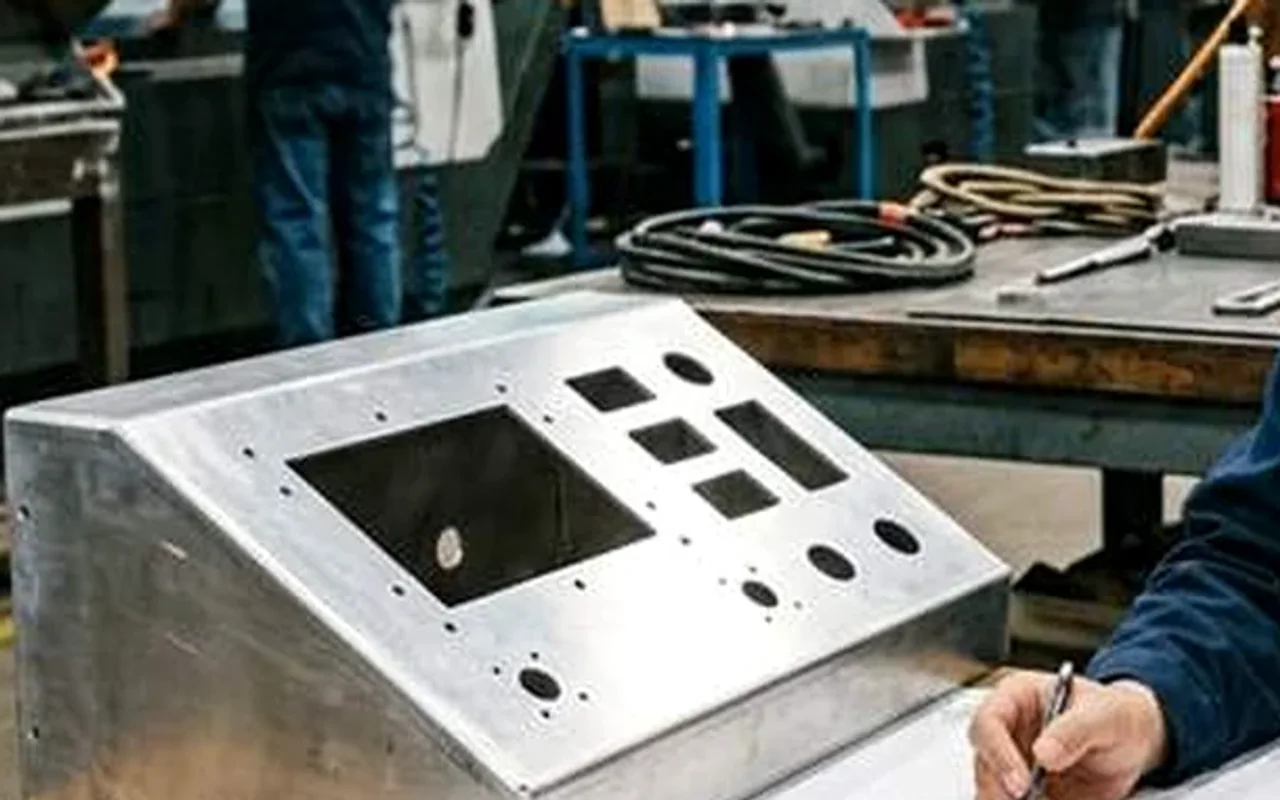
1. High-Precision Laser Cutouts for HMIs and Switchgear
Modern control fascias feature dense arrays of pilot lights, emergency stop mushrooms, key switches, and digital touch displays. CNC fiber lasers cut precise 22.5 mm and 30.5 mm diameter operator holes complete with anti-rotation locking notches. Rectangular HMI cutouts are programmed with micro-radiused corners (R ≥ 0.5 mm) to eliminate localized stress concentrations that can propagate cracks during press brake forming.
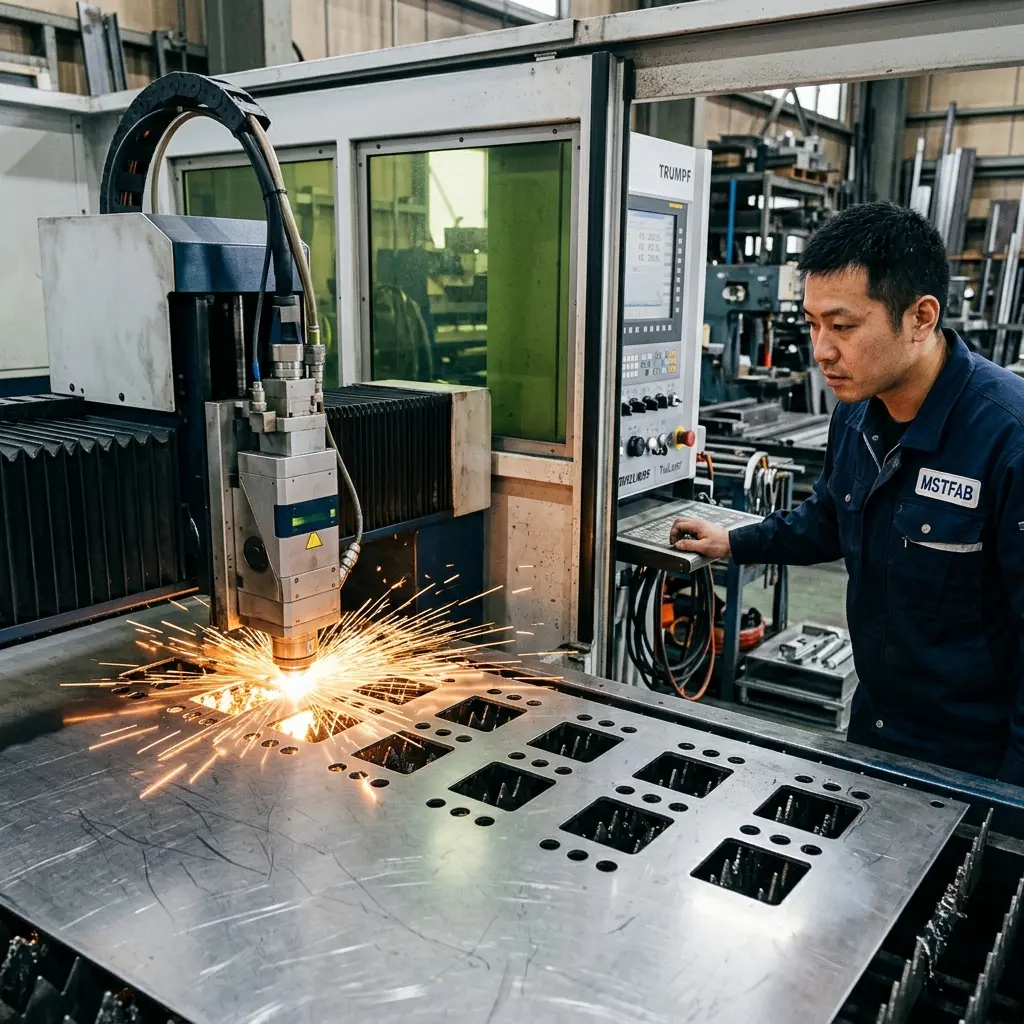
2. Panel Flatness and Warp Prevention
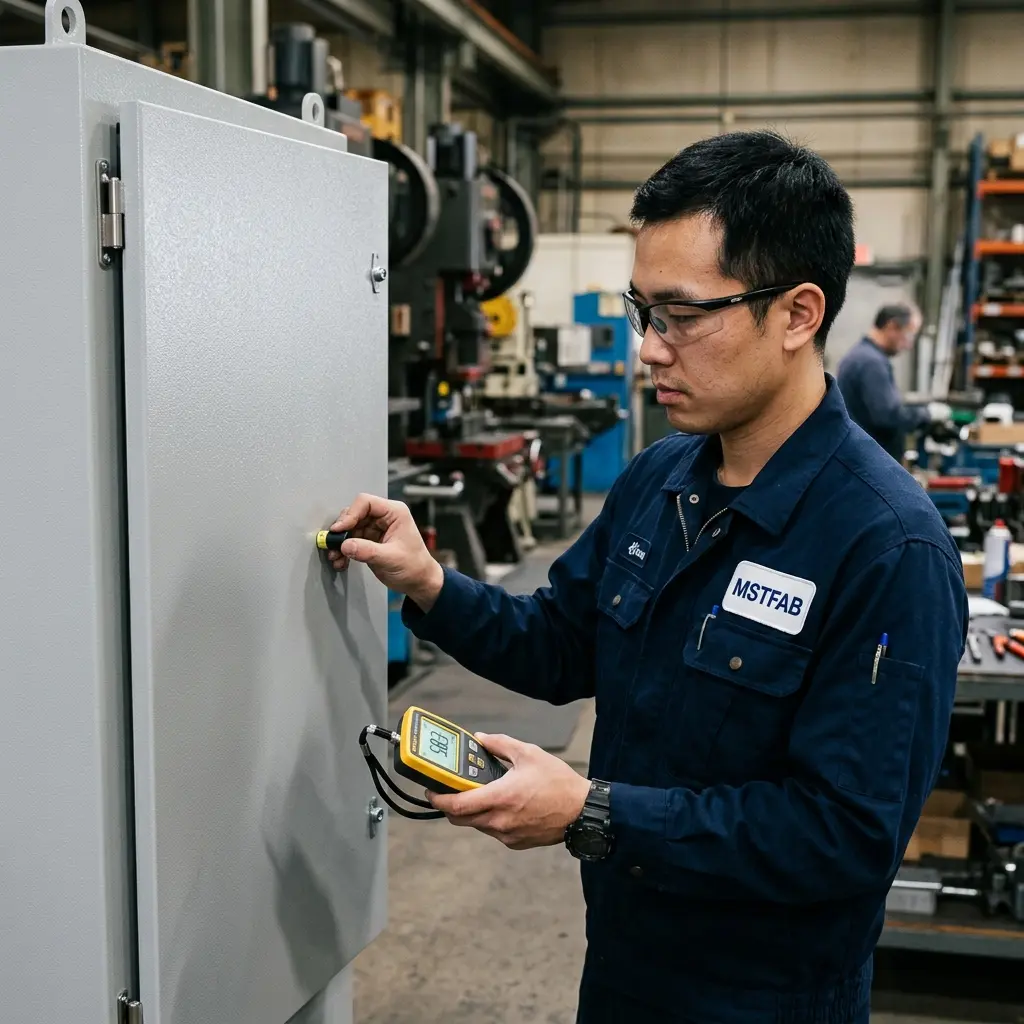
Large control panel doors (often exceeding 1800 mm × 800 mm) are prone to thermal and mechanical bow. Fabricating flat doors requires prime stretcher-leveled raw coil stock (AL 5052-H32, 304 SS, or cold-rolled SPCC). Formed doors incorporate continuous four-sided return box flanges and internal hat-channel stiffeners spot-welded to the inner skin, maintaining global flatness within 1.0 mm per meter.
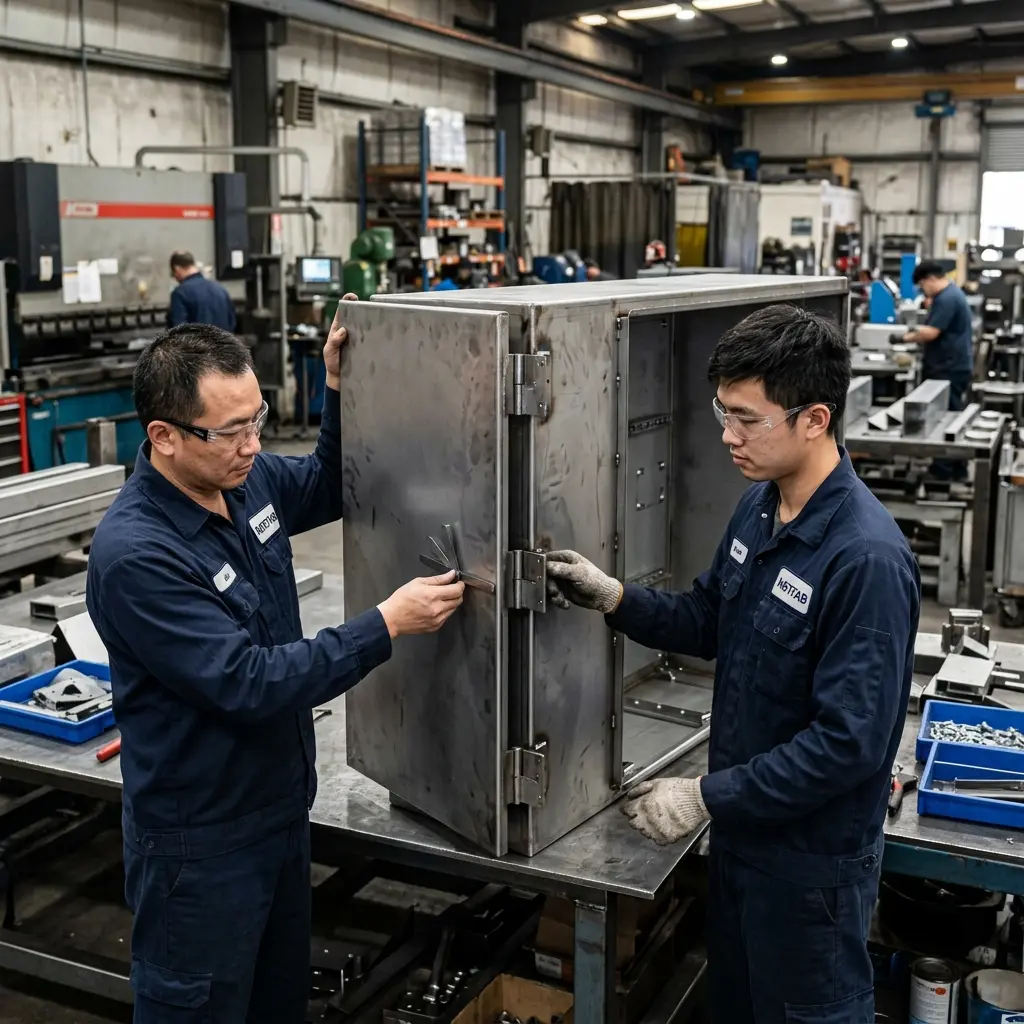
3. CNC Press Brake Return Flanges for Rigidity
To resist distortion under heavy operator latching forces, panel perimeters undergo multi-stage CNC press brake folding. Precision backgauges ensure bend angles remain within ±0.3°, while knife tooling folds return channels that house continuous Formed-In-Place (FIP) polyurethane environmental gaskets.
4. PEM Fastener Insertion Without Cosmetic Dimpling
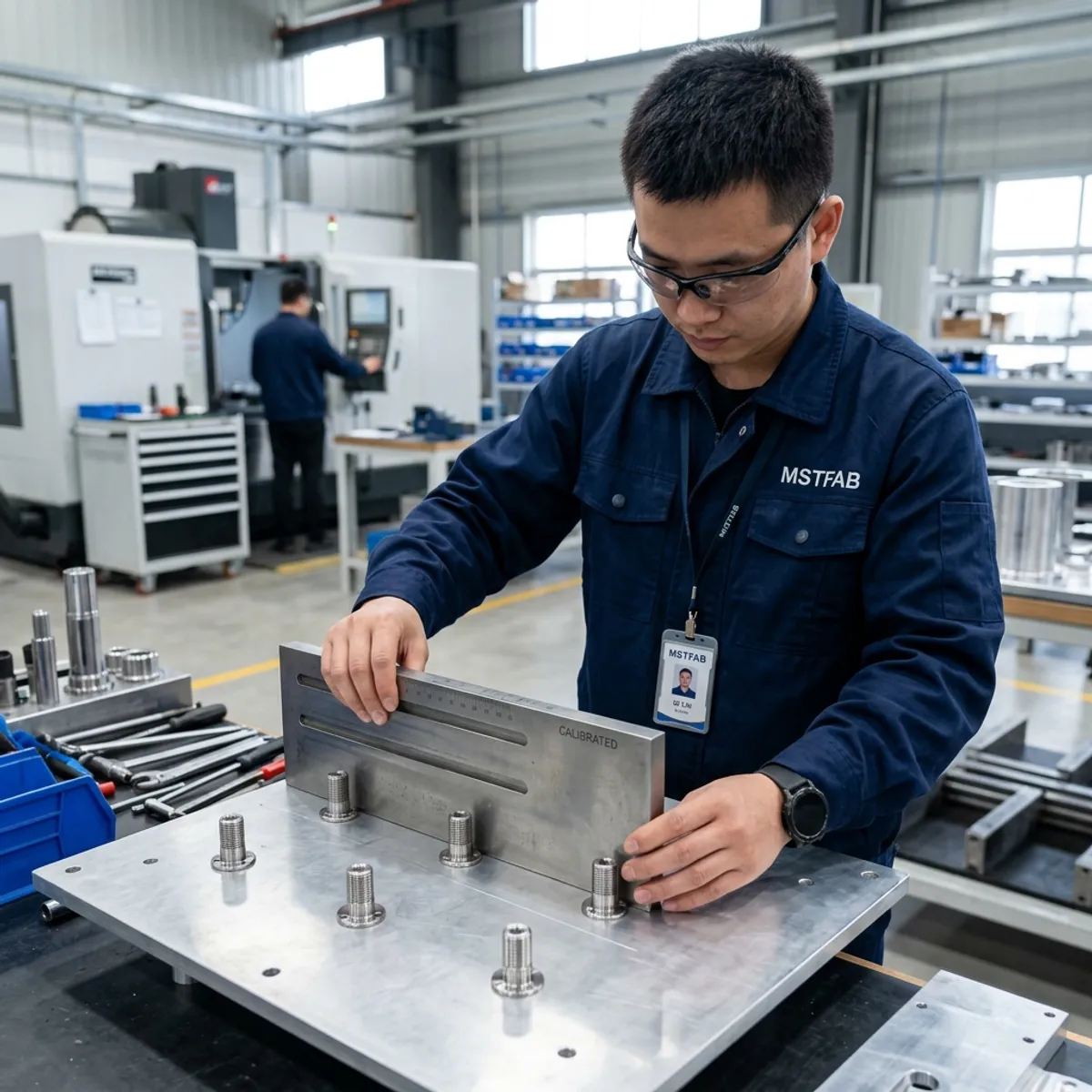
Mounting internal display brackets, PCB carriers, and door ground straps requires dozens of threaded PEM studs and standoffs. Automated Haeger hydraulic presses monitor insertion tonnage to seat fasteners flush into the backside metal without telegraphing punch marks, indentations, or paint blisters onto the front cosmetic faceplate.
5. Electrical Grounding Continuity and UL 508A Compliance
Every conductive metal control panel must be bonded to the main protective ground circuit per UL 508A and IEC 60204-1. Prior to powder coating, dedicated copper or stainless M6/M8 weld studs receive precision high-temperature polyimide masking to preserve bare, unpainted metal contact surfaces, guaranteeing low electrical resistance (≤ 0.1 Ω).

6. Internal Sub-Panels and Mechanical Integration
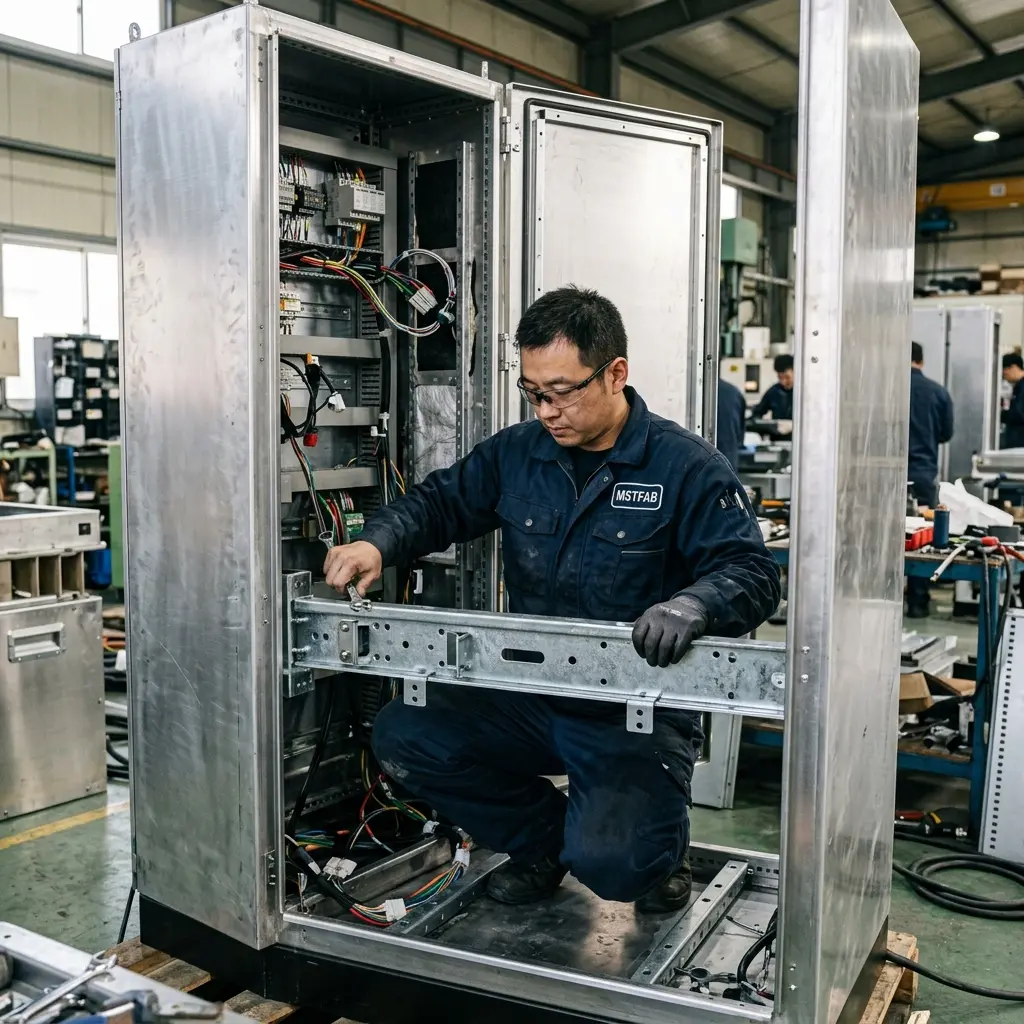
Internal sub-panels (gear plates) support heavy electrical switchgear, transformers, and wire troughs. Fabricated from 2.5 mm–3.0 mm galvanized steel (SGCC) with formed perimeter stiffening ribs, they resist dynamic bowing during transportation and equipment operation.
Control Panel Engineering Specification & Tolerance Matrix
The manufacturing matrix below outlines standard vs. precision tolerance limits across all control panel fabrication stages:
| Feature / Process | Standard Commercial Shop | MSTFAB Precision Standard | Engineering Function / Impact |
|---|---|---|---|
| HMI Bezel Cutout Profile | ±0.25 mm (loose fit) | ±0.05 mm profile | Uniform perimeter gasket compression for NEMA 4X / IP66 seal |
| Push-Button Cutout (22.5/30.5mm) | Round hole only (no notch) | Hole + anti-rotation keyway (±0.05 mm) | Prevents selector switches from spinning under torque |
| Panel Face Flatness | 3.0 mm per meter | ≤ 1.0 mm per meter | Eliminates door reveal gap variation and prevents seal leaks |
| PEM Fastener Front Face | Visible dimples and paint marks | 100% flush, zero cosmetic witness marks | Pristine Class A cosmetic finish for operator touch surfaces |
| Ground Stud Resistance | Uncontrolled paint overspray | ≤ 0.1 Ω (bare-metal masked) | UL 508A electrical safety compliance and EMI attenuation |
| Sub-Plate Deflection | 1.5 mm mild steel (deflects > 5 mm) | 2.5 mm SGCC with hat stiffeners | Supports heavy VFDs and transformers without sagging |
Build Precision OEM Control Panels with MSTFAB
MSTFAB delivers custom fabricated sheet metal control panels, consoles, and operator interfaces for global industrial automation OEMs. With automated fiber laser cutting, precision CNC bending, flush PEM insertion, and conveyorized powder coating, we guarantee perfect HMI fitment and UL 508A electrical grounding compliance. Contact our engineering team today.
 WeChat Contact
 WhatsApp Me Directly