
⚡ Direct Answer: How to Audit a Sheet Metal Fabricator’s Capacity Before Peak Season?
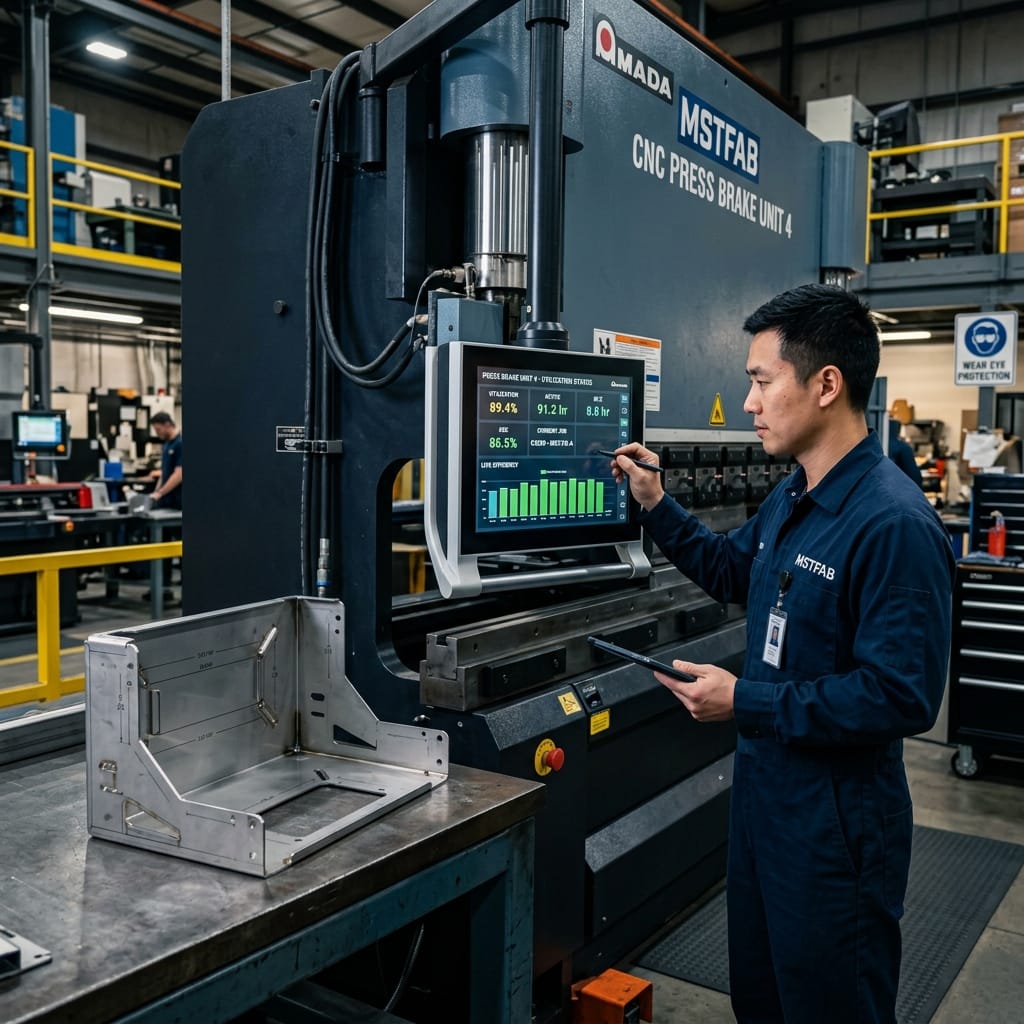
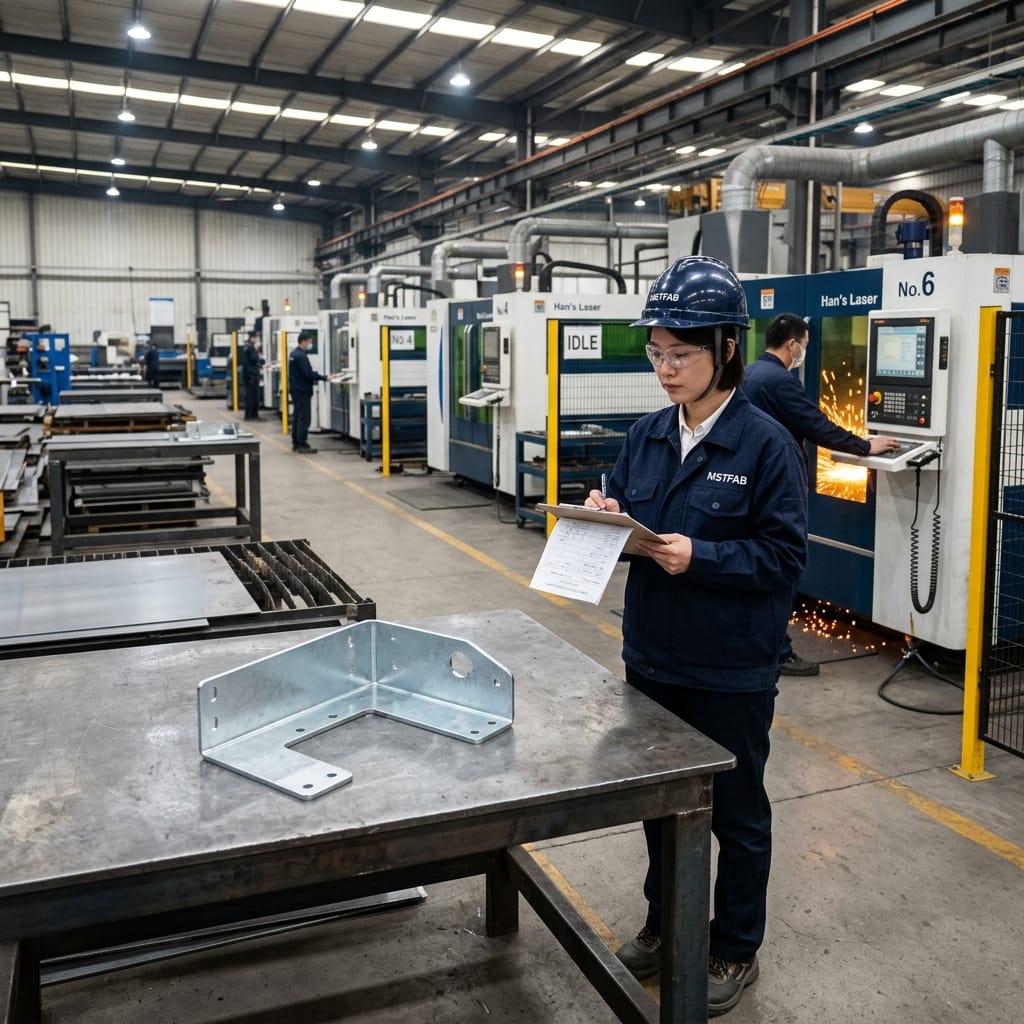
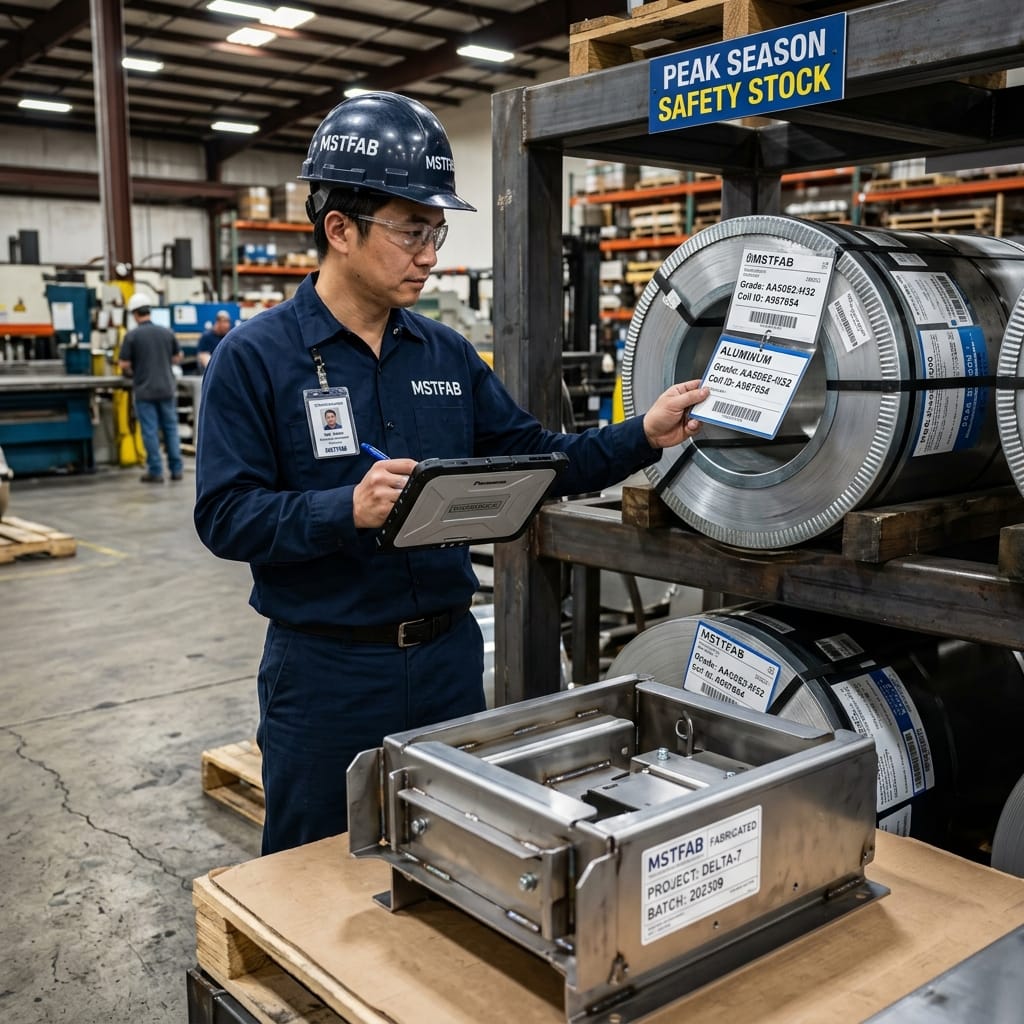
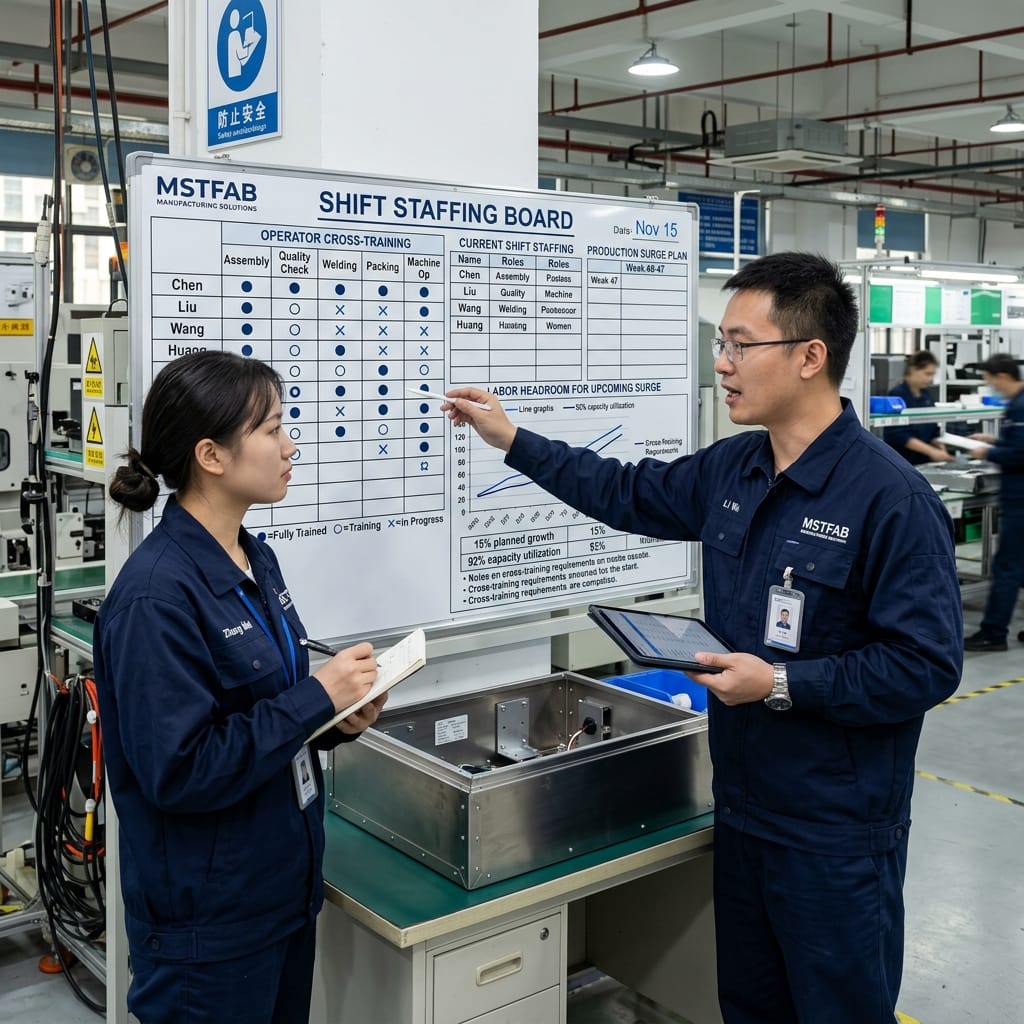
Auditing a custom sheet metal fabricator’s capacity ahead of peak season (Q3/Q4 demand surges) requires verifying physical floor reality against theoretical sales claims across 4 critical manufacturing nodes: 1) Bottleneck Equipment True Utilization: Inspecting digital machine-hour run counters on CNC press brakes and automated powder coating conveyor lines (if press brakes are already running at >85% utilization, the supplier cannot absorb a 30% volume surge); 2) Physical Floor-Walk Machine Audit: Counting active, running machines versus broken, idle, or un-tooled machines during peak shift hours; 3) Raw Material Safety Stock Pre-Buys: Auditing physical coil and sheet inventory in the warehouse against verified mill delivery manifests (confirming pre-bought metal for your seasonal ramp); and 4) Skilled Labor Headroom & Shift Capacity: Confirming whether the supplier has certified second/third-shift brake operators and robotic welding programmers currently on payroll, rather than planning to hire unvetted temporary workers when peak season hits.
Every sheet metal supplier promises infinite capacity during commercial sales presentations. However, when peak season arrives and consumer electronics, automotive heating, or industrial automation programs ramp simultaneously, factories lock up in massive bottleneck queues. Conducting a data-driven capacity audit 60 to 90 days before your demand spike ensures flawless on-time delivery.

The 4-Node Capacity Verification Scorecard
Deploy this quantitative audit scorecard to calculate a supplier’s true operational peak headroom:
| Manufacturing Node | Verification Metric | Red Flag (Capacity Crunch Imminent) | Peak-Ready Benchmark (MSTFAB) |
|---|---|---|---|
| 1. Fiber Laser Cutting | Automated sheet tower loading + beam-on cutting hours | Manual shuttle loading; single laser running 20+ hrs/day with zero maintenance window | Multiple 12kW-20kW fiber lasers with automated 15-shelf material loading towers; <65% baseline utilization |
| 2. CNC Press Brake Bending | Press brake count + skilled operator ratio per machine | Giant WIP staging piles of unbent blanks waiting at brakes; >85% machine utilization | Fleet of multi-axis CNC press brakes + robotic automated bending cells running 2-shift schedules with 35% reserve capacity |
| 3. Automated Powder Coating | Conveyor chain line speed + online wash stages | Outsourced to external job shop; manual batch spray booth with 3-day drying backlog | Fully integrated 500-meter automated overhead conveyor line with multi-stage pretreatment and dual quick-color swap booths |
| 4. Raw Material Staging | Physical coil & sheet master inventory in plant | Zero raw coil stock in warehouse; ordering steel sheets on 3-week spot lead times | Multi-ton master coil inventory in standard gauges (304/316 SS, AL 5052, Galv G90) pre-staged for dedicated client buffers |
How to Calculate Overall Equipment Effectiveness (OEE) on the Shop Floor
Do not rely on the supplier’s stated “nameplate capacity”. Calculate true effective production capacity using the universal OEE formula:
- Availability Rate: Actual Operating Time divided by Planned Production Time (accounting for tool swaps, nozzle cleanouts, and unscheduled breakdown maintenance). Typical benchmark: 85% to 90%.
- Performance Rate: Actual Parts Produced divided by Ideal Theoretical Machine Speed (accounting for operator micro-stops and feed-rate throttling). Typical benchmark: 80% to 88%.
- Quality Rate: Good Passed Parts divided by Total Parts Cut/Bent (accounting for setup scrap and rework). World-class benchmark: ≥98.5%.
Practical Insight: A factory with five 10kW laser cutters operating at 65% OEE delivers the same output as a well-managed shop running three lasers at 88% OEE! Rigorous floor maintenance and automated material handling outweigh raw machine counts.

Secure Scalable Peak Season Sheet Metal Capacity Sourcing With MSTFAB
MSTFAB operates high-capacity automated fiber laser towers, robotic press brakes, and in-house powder coating lines backed by China-enforceable NNN IP security and reserved capacity agreements. Accelerate your production with zero downtime.
Frequently Asked Questions (FAQ)
When should an OEM conduct a peak season capacity audit?
Audits should be completed at least 90 to 120 days prior to your anticipated demand surge (e.g., conducting audits in May/June for Q3/Q4 holiday surges). This provides sufficient lead time to resolve tooling bottlenecks, pre-buy raw mill coils, and qualify secondary backup lines if capacity deficits are discovered.
What is the most common hidden bottleneck in sheet metal fabrication?
CNC press brake bending. While high-power fiber lasers cut thousands of parts per hour, press brake bending requires skilled operators to manually handle each flange and manipulate heavy parts. In un-automated shops, a 50% increase in laser cutting output simply creates massive WIP piles waiting at the bending department.
How does MSTFAB guarantee capacity during global manufacturing surges?
MSTFAB integrates automated robotic press brake cells that operate unattended 24/7, multi-tower automated fiber laser systems, and formalized Capacity Reservation Agreements that contractually lock dedicated machine hours for our long-term OEM partners.
 WeChat Contact
 WhatsApp Me Directly