Hardware startups do not fail because someone forgot to dream big. They fail because the prototype looked great, the pilot batch arrived late, the enclosure holes missed the board, and the supplier suddenly discovered a 500-piece MOQ hiding behind the curtain. If your product needs a metal shell, your sheet metal enclosure manufacturer is not just a vendor. It is part of your launch schedule.
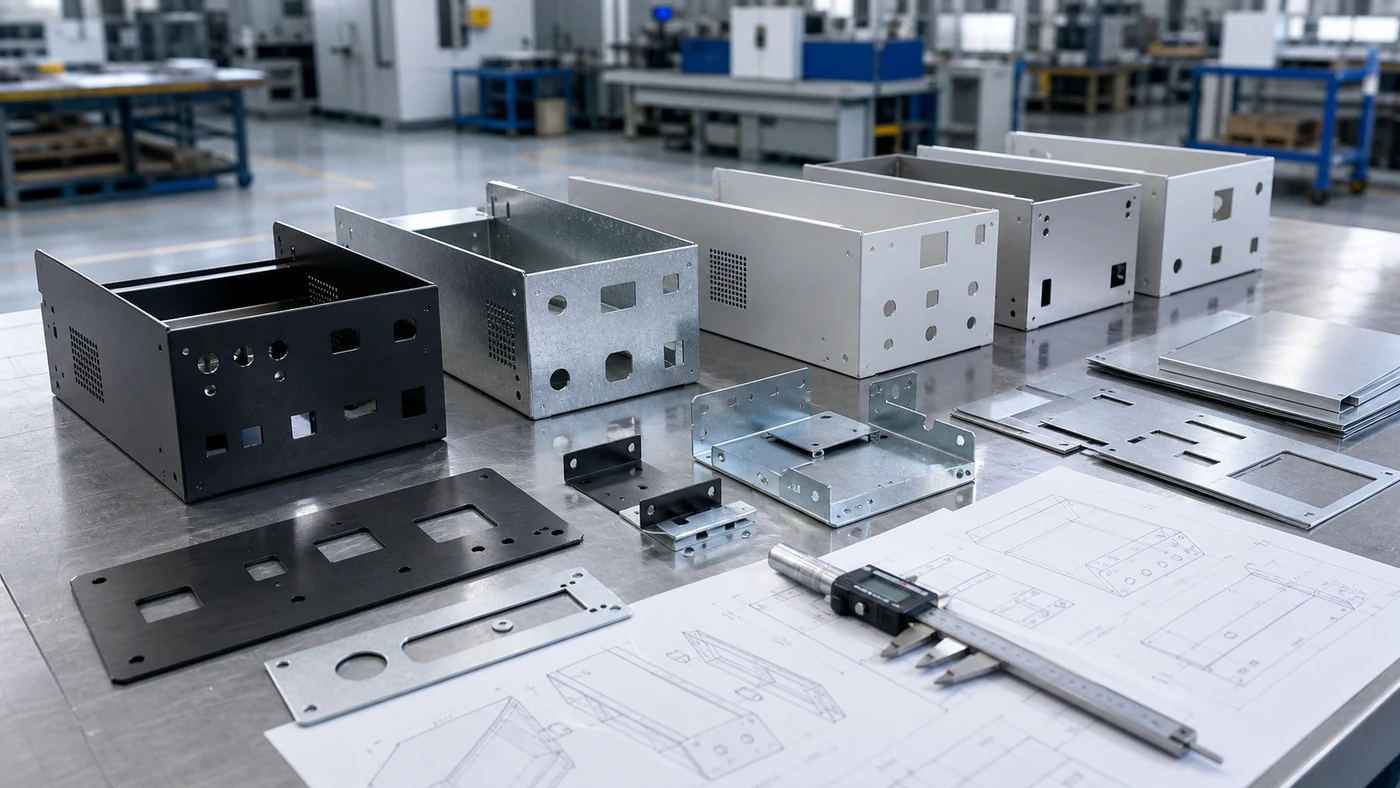
Quick answer: A sheet metal enclosure manufacturer for hardware startups should support low-volume prototype batches, fast DFM feedback, controlled drawing revisions, realistic MOQ, first article inspection, material traceability, IP protection and a clear scale-up path from EVT to pilot production. MSTFAB manufactures custom sheet metal enclosure shells, chassis, panels, brackets, mounting plates and related metalwork from buyer drawings. We do not manufacture finished electronic devices or complete consumer products.
Why startups need a different kind of factory
A large OEM usually sends frozen drawings, annual volume forecasts and a purchasing department with a spreadsheet big enough to need its own chair. A hardware startup sends a STEP file, a deadline, and a nervous sentence that begins with “we may need to revise this after testing.” Those are different worlds.
Your enclosure may need to change after PCB layout, thermal testing, user feedback, connector selection, display fit, compliance testing or investor demo abuse. A startup-friendly manufacturer must handle design churn without turning every revision into a miniature disaster movie.
Map your build stage before asking for a quote
| Stage | What you need from the factory | Buyer risk |
|---|---|---|
| EVT | 5 to 20 rough-but-real enclosure shells, fast DFM, laser cut blanks, bending checks, flexible finish. | Ordering too many units before the design is proven. |
| DVT | Better fit, real material, connector cutouts, PEM hardware, finish samples and functional tolerances. | Enclosure does not fit PCB, display, battery holder, heatsink or cable route. |
| PVT | 50 to 200 pilot units, first article inspection, repeatable route, packaging test and cost curve. | Prototype works, but the pilot batch behaves differently. |
| MP | Stable process, documented inspection, supply plan, batch packaging and volume pricing. | Unit cost or quality collapses right when orders grow. |
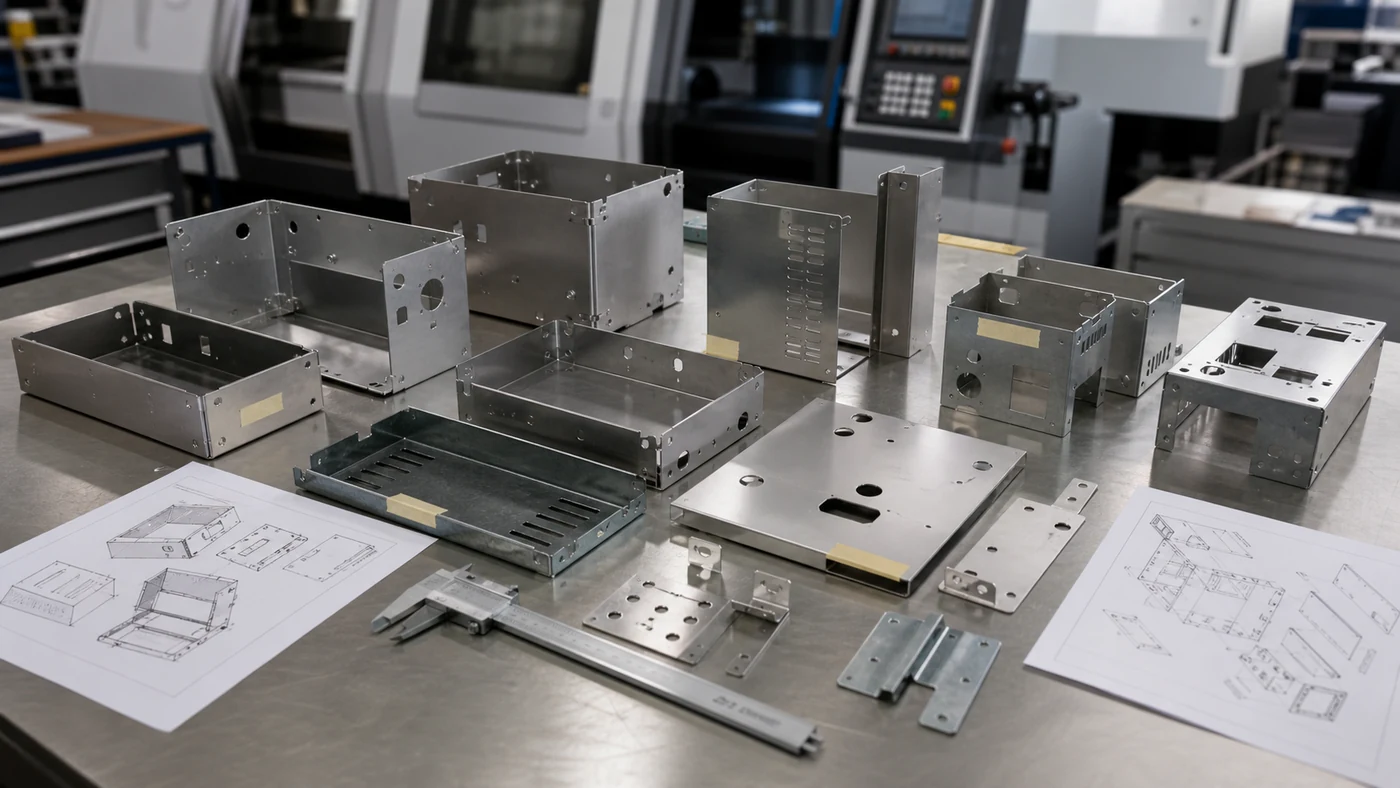
What a startup should expect from a sheet metal enclosure partner
DFM: where startups save the most money
Most enclosure problems are born before the first sheet is cut. Holes too close to bend lines, tiny flanges, impossible bend radii, unmasked threads, poor cable access, no grounding path, and connector cutouts that moved after PCB revision are the usual suspects. They do not look dramatic in CAD. They look dramatic when your demo unit refuses to close.
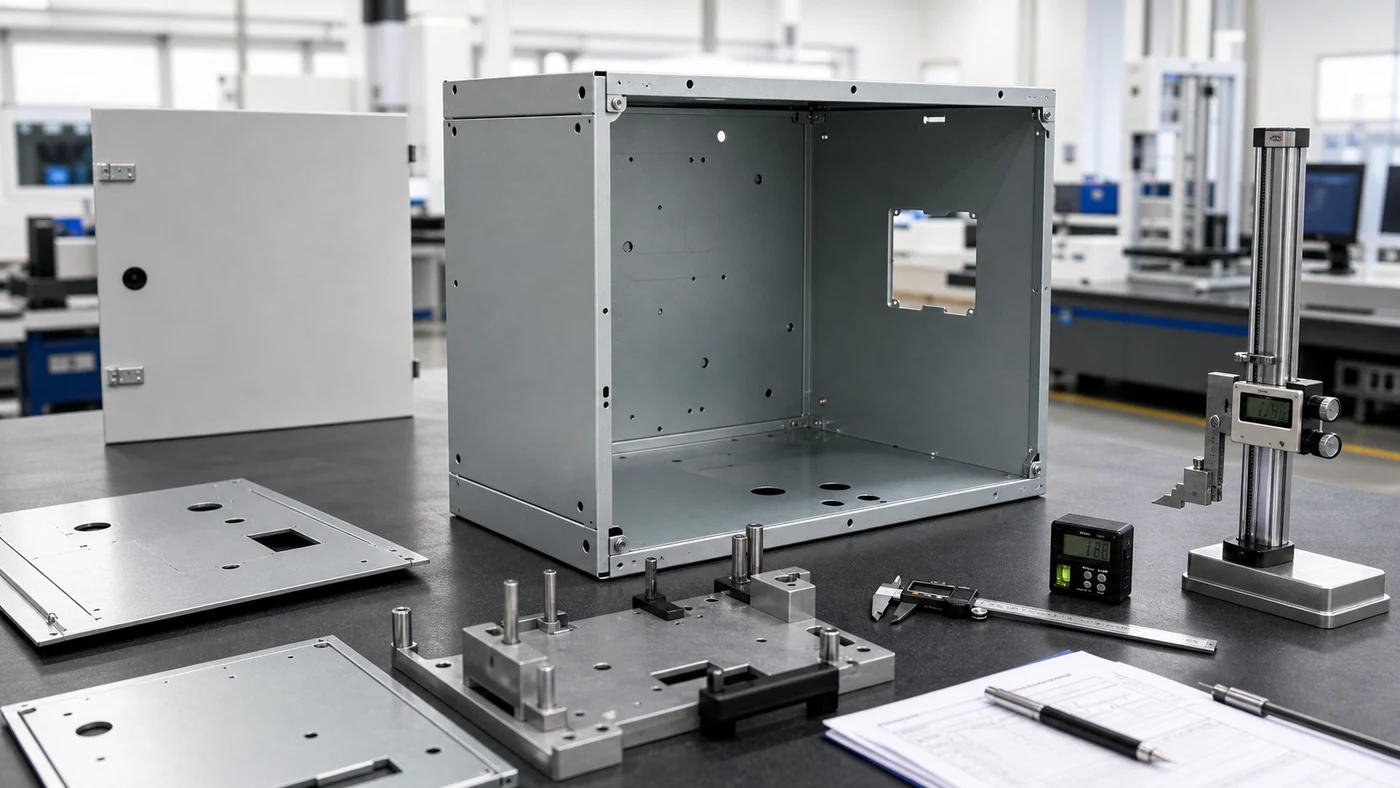
A useful DFM review should flag bend feasibility, hole-to-bend distance, PEM hardware clearance, weld distortion, surface finish risk, gasket surfaces, packaging risk and which dimensions are actually critical. If the supplier says “all good” in five minutes, either your design is a miracle or the review is not happening.
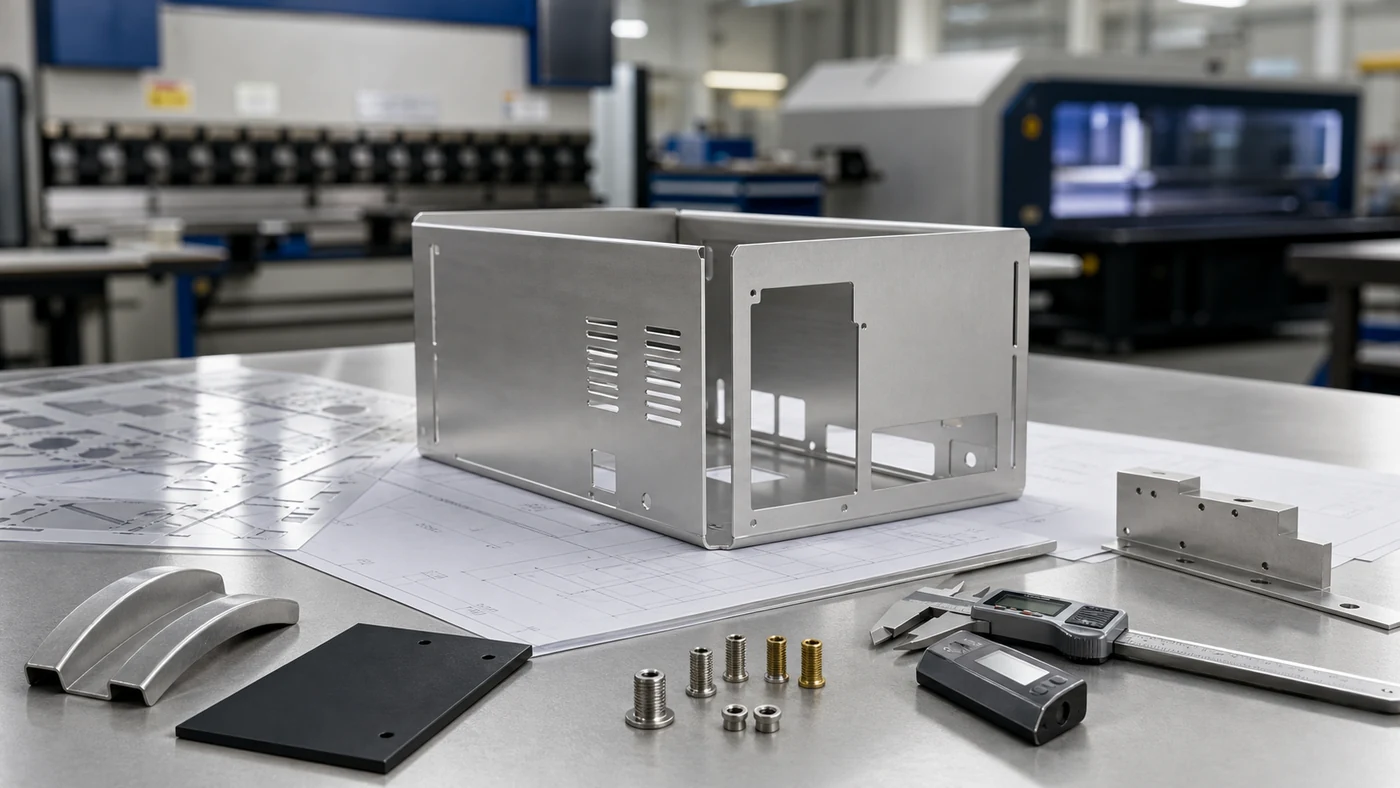
Process route for startup enclosure shells
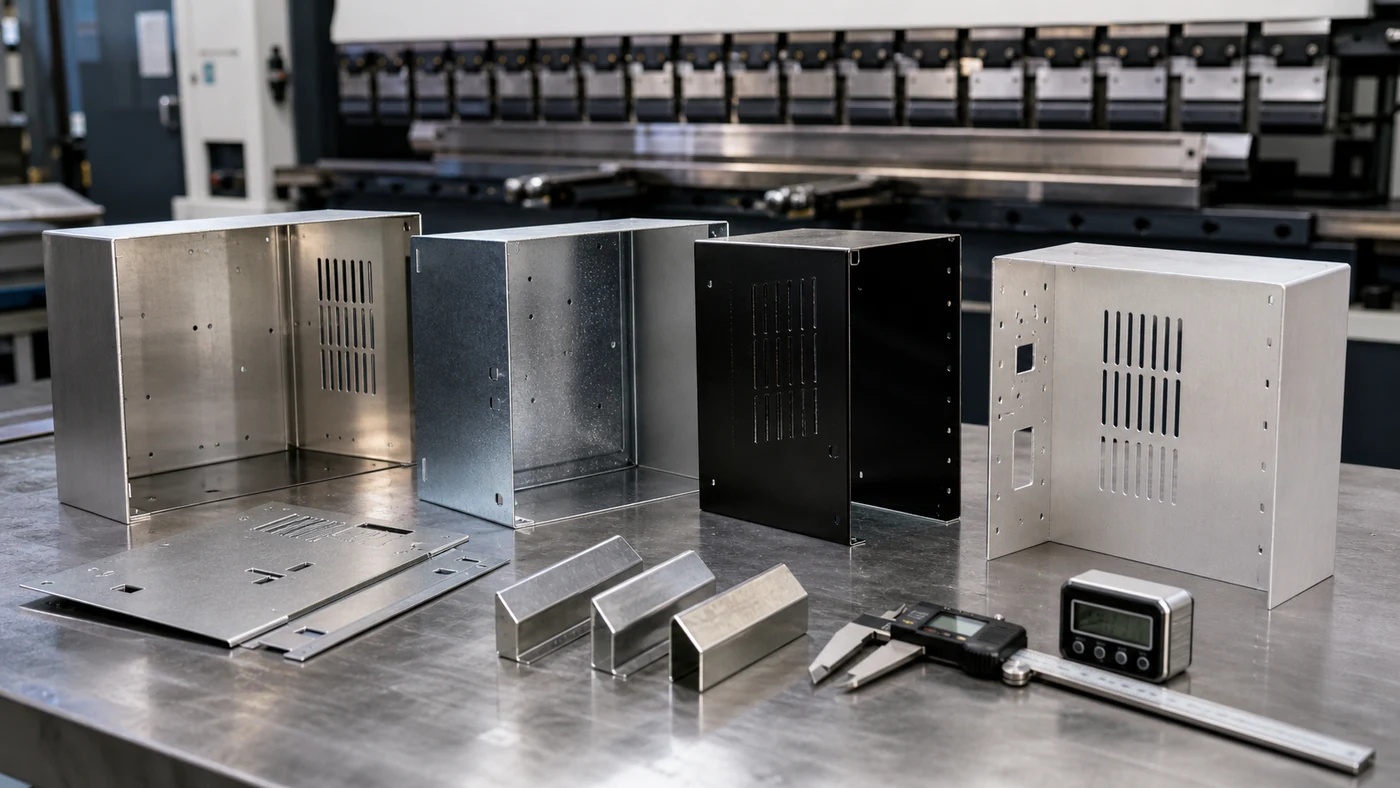
For most hardware startup enclosures, the core route is simple on paper and very sensitive in practice: material selection, laser cutting, deburring, CNC bending, hardware insertion, optional welding, finishing, first article inspection and export packaging.
- Use laser cutting when the design is still moving and you need fast cutout revisions.
- Use standard bend radii and shop tooling unless a function truly needs something special.
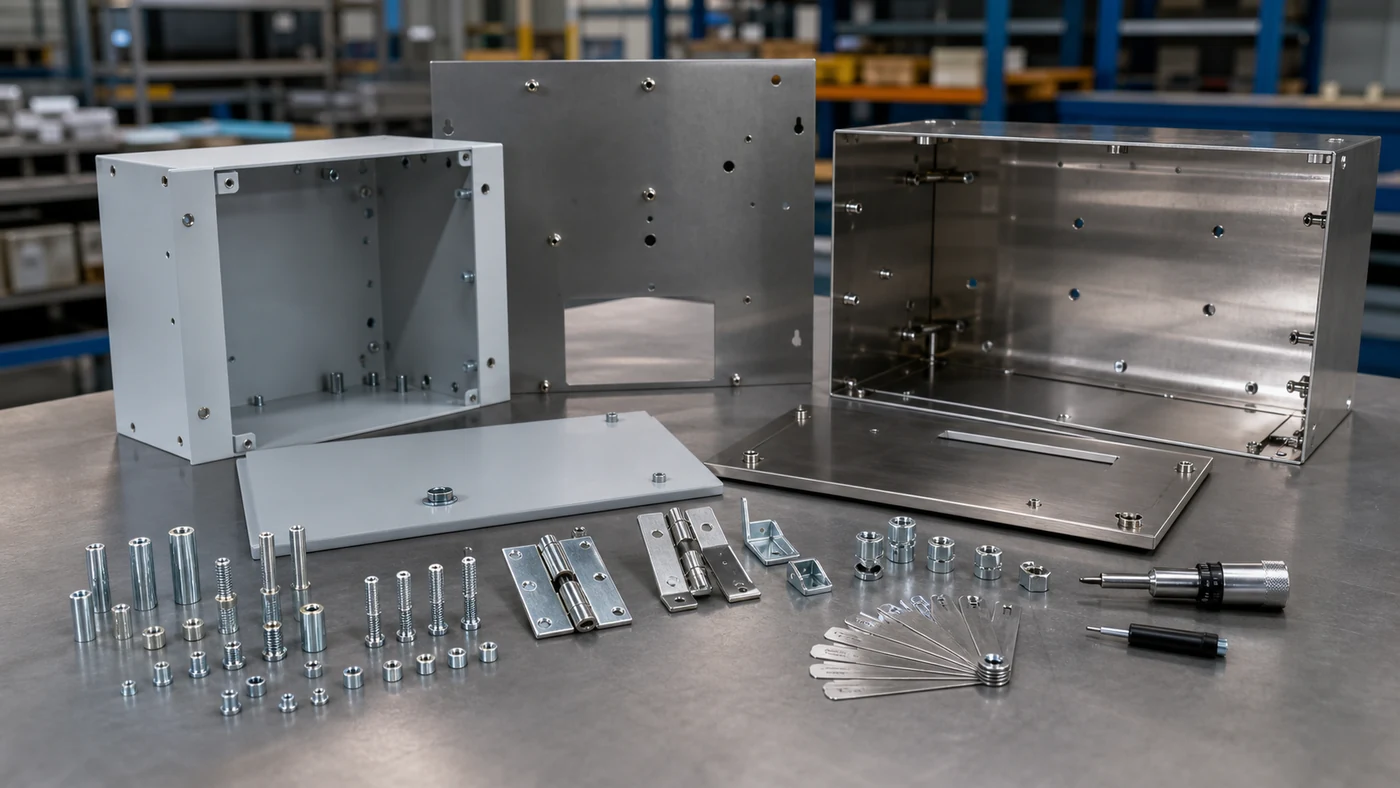
- Plan PEM inserts, standoffs, hinges and grounding studs before the enclosure sequence is fixed.
- Choose finish by environment: powder coat, brushing, passivation, anodizing or bare metal sample.
- Run first article inspection before committing to a larger pilot batch.
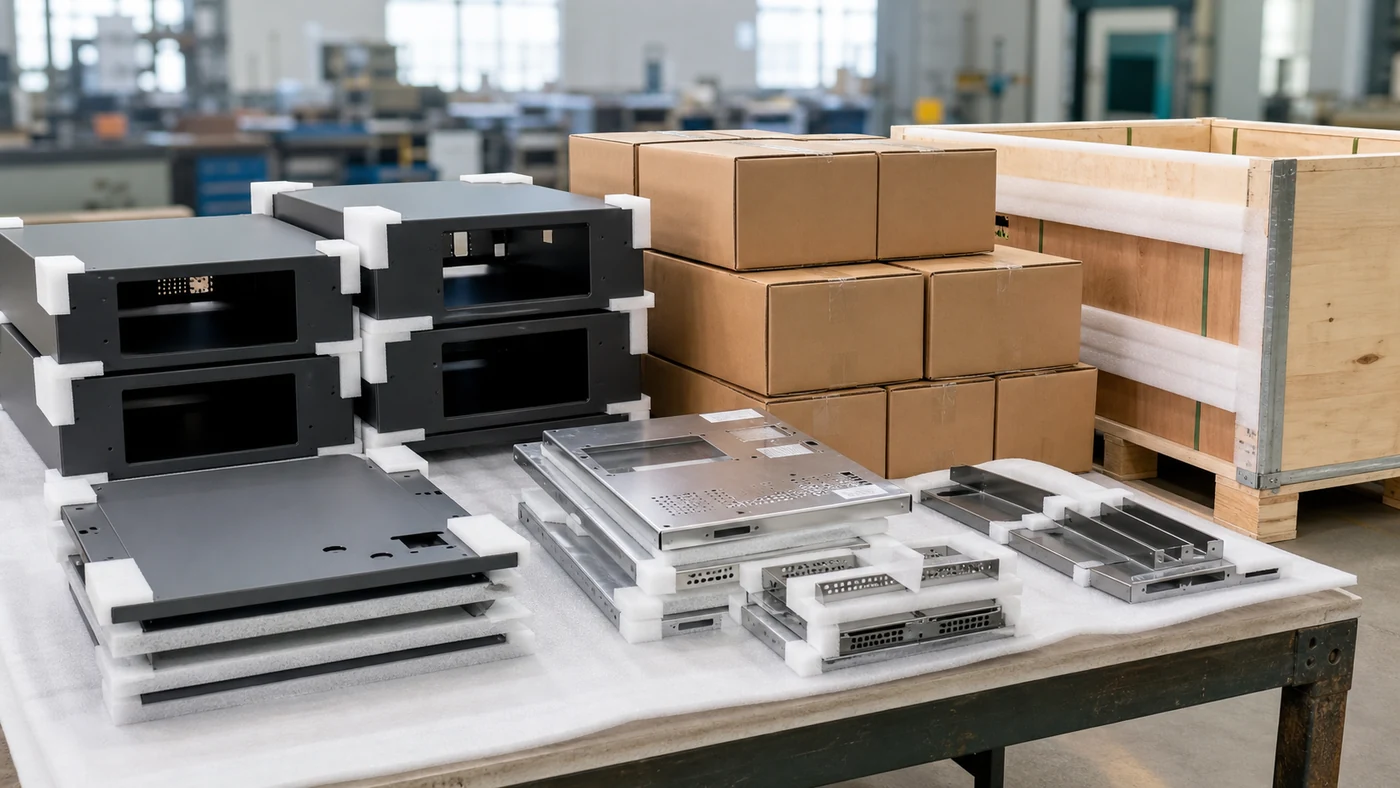
- Protect pilot units with packaging fit for export, not “it looked fine on the bench” packaging.
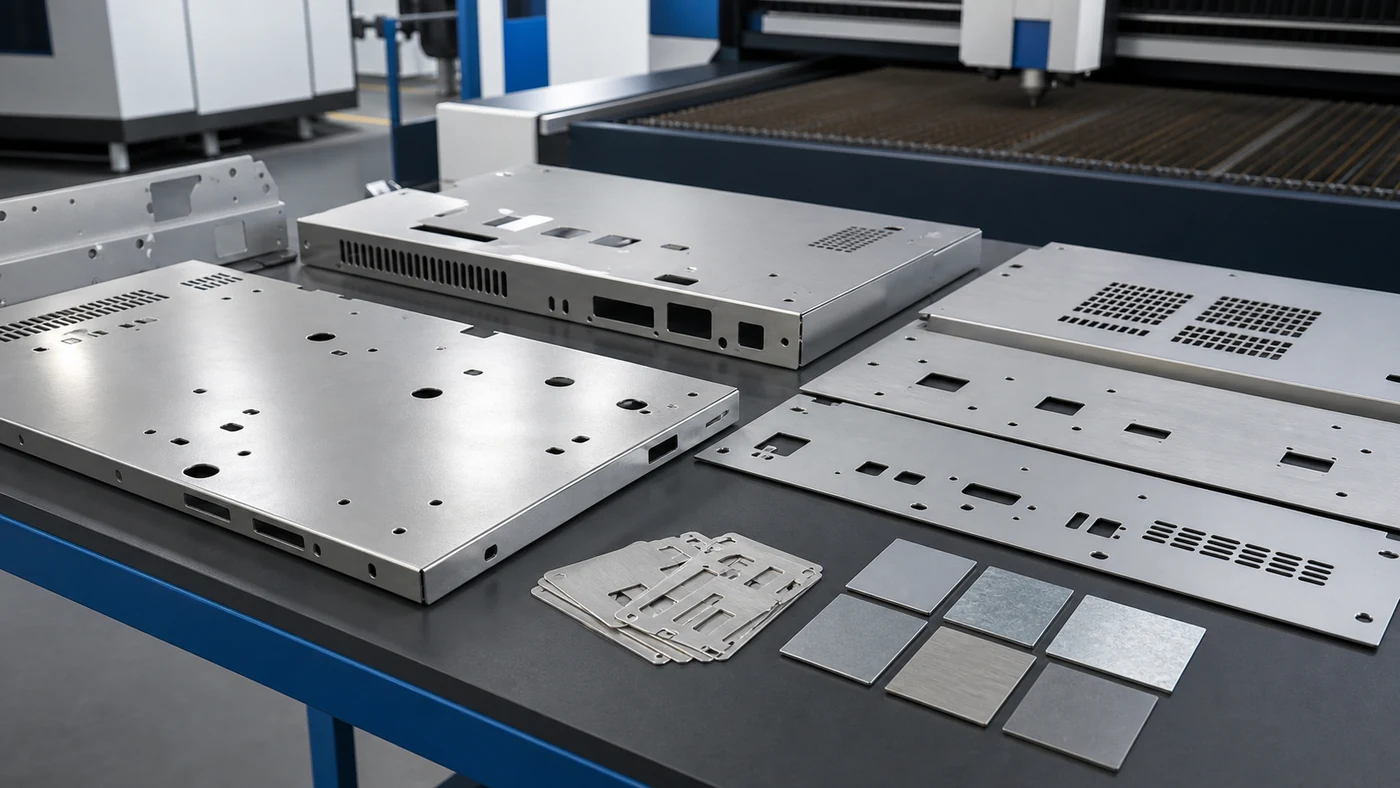
What MSTFAB does and does not make
MSTFAB manufactures custom sheet metal enclosure shells and related metalwork from buyer drawings: cabinet bodies, U-shaped chassis, covers, front panels, mounting plates, brackets, cable-entry plates, vent panels, hinge and latch areas, and welded frames. We support laser cutting, CNC bending, PEM hardware insertion, welding, surface finishing coordination, inspection and export packaging.
We do not manufacture finished electronic devices, IoT products, medical devices, battery systems, EV chargers or complete consumer hardware. Your startup or system integrator owns the electronics, firmware, product certification, compliance testing and final system assembly. MSTFAB makes the metal enclosure parts accurate, clean and ready for your route.
Startup buyer trust table
| Startup concern | What to ask the supplier | Good evidence |
|---|---|---|
| Will they handle design changes? | How do you manage EVT to DVT drawing revisions? | Revision log, ECN process and marked drawing control. |
| Can they quote low volume? | Can you quote 10, 50, 200 and 1,000 units separately? | Clear cost curve with setup, finish and packaging assumptions. |
| Will the enclosure fit the electronics? | Which features are critical-to-quality before pilot production? | FAI photos, caliper checks, CMM if needed and fit-up review. |
| Can they protect IP? | Can we release minimum geometry and use controlled files? | NNN agreement, drawing watermarking and limited internal access. |
| Will the pilot batch match the prototype? | What changes between prototype route and pilot route? | Process route, first article approval and inspection checklist. |
| Will shipping damage kill demo units? | How will enclosure corners, finish and panels be protected? | Packaging photos, foam separation and carton or crate plan. |
Red flags before you send the PO
- MOQ bullying before the supplier understands your stage.
- No DFM questions about bend radius, holes, finish, PEM hardware or tolerance.
- A quote that only shows unit price, with setup, finishing, inspection and packaging hidden.
- Supplier demands full native CAD before basic qualification or IP discussion.
- No clear cost curve from prototype to pilot batch.
- No first article inspection before a larger batch.
- They show finished devices instead of actual sheet metal enclosure shells and panels.
One-page RFQ brief for hardware startups
Send this and you will look like a buyer who knows where the traps are:
- Project stage: EVT, DVT, PVT or production.
- Quantity now and expected next batch.
- Material grade, thickness, surface finish and visible face requirements.
- STEP file plus 2D PDF drawing with critical dimensions marked.
- Connector openings, PCB mounting datum, thermal/ventilation needs and grounding points.
- Finish requirement, cosmetic standard and packaging requirement.
- Target ship date, demo date and any compliance milestone.
- IP requirement and drawing release limits.
Related buyer resources
FAQ
What should a hardware startup ask from a sheet metal enclosure manufacturer?
Ask for DFM feedback, low-volume pricing, revision control, material and finish options, first article inspection, packaging plan, IP handling and a cost curve from prototype to pilot production.
How many enclosure units should a startup order first?
Order only enough to prove the design stage. EVT may need 5 to 20 shells, while PVT may need 50 to 200 units. Do not let a supplier MOQ force you into inventory before the product is proven.
Can MSTFAB help with finished electronic product assembly?
No. MSTFAB manufactures sheet metal enclosure shells, chassis, panels, brackets and related metalwork. Electronics, firmware, certification and final system integration remain with the buyer or system integrator.
What is the biggest sourcing mistake startups make?
They choose the cheapest prototype quote without checking whether the supplier can support revisions, first article inspection and pilot production. Prototype speed is useful only if the process can scale.
How can startups protect IP when sourcing metal enclosures?
Use an NNN agreement, release only the geometry needed for fabrication, watermark drawings, keep sensitive modules black-boxed and avoid suppliers that demand full native CAD before trust is established.
 WeChat Contact
 WhatsApp Me Directly