
PILOT-BATCH VALIDATION
A low-volume sheet metal enclosure pilot batch should prove the released geometry, hardware, finish, inspection method, packing and change process before the buyer commits to repeat production. Quantity alone does not define the right route.
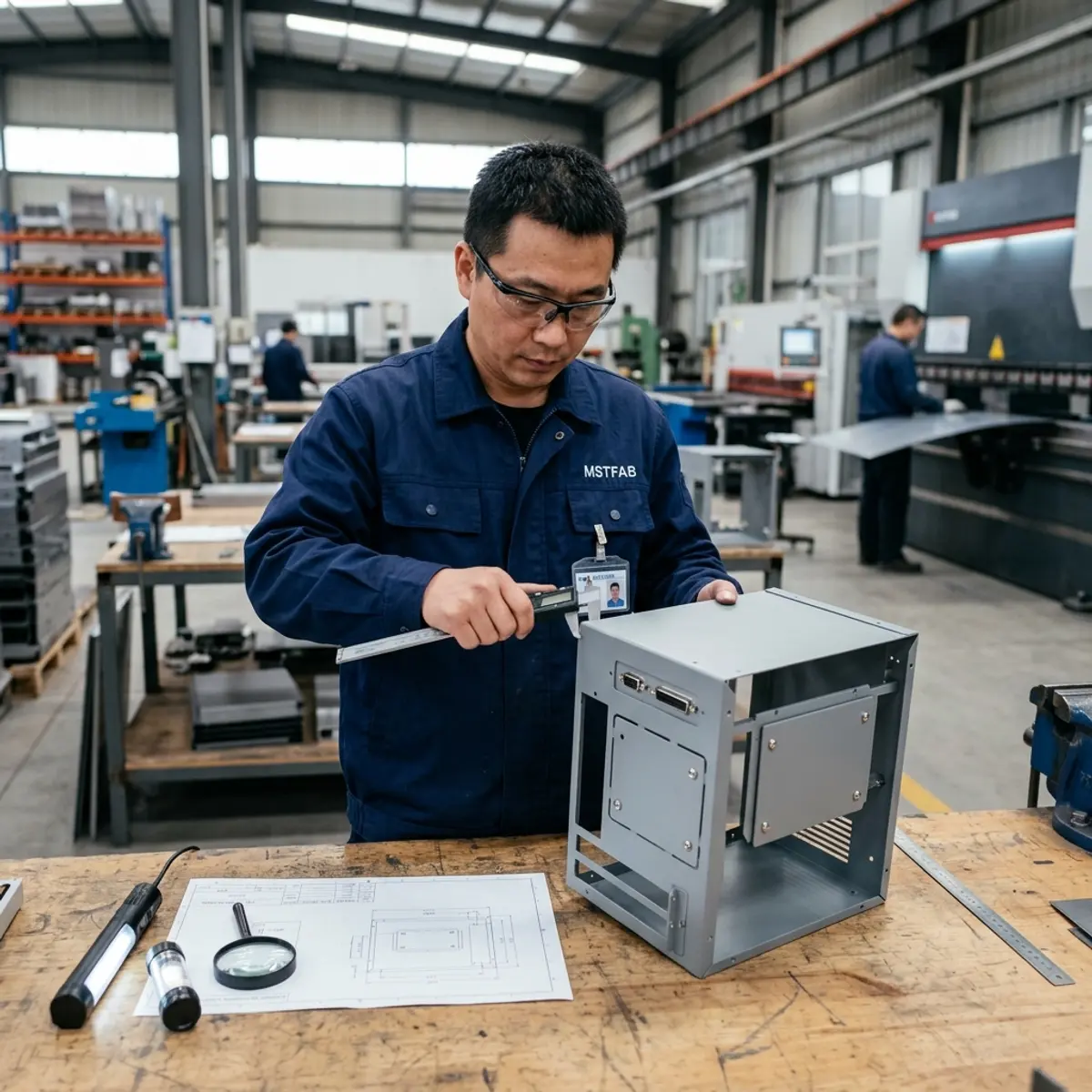
Choose the Route From Geometry and Change Risk
Laser cutting and CNC bending can suit many pilot programs because programs and general-purpose tooling can be changed between revisions. That does not mean every order has zero setup or zero tooling cost. Special punches, forming tools, weld fixtures, gauges, coating racks and inspection programs may still be required.
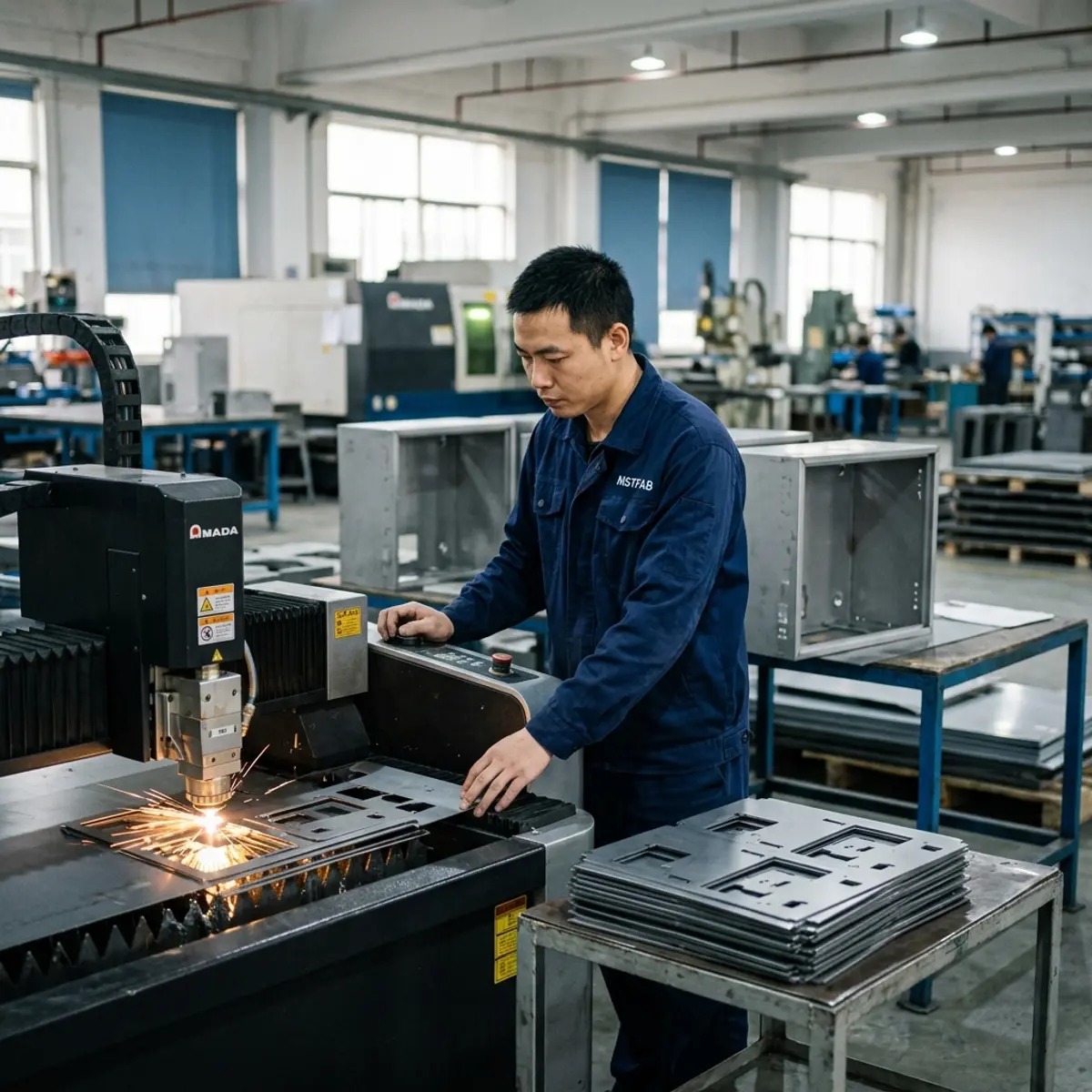
Define What the Pilot Batch Must Prove
| Validation area | Evidence | Release question |
|---|---|---|
| Geometry | FAI from functional datums and critical interfaces | Does the shell fit the buyer’s assembly? |
| Hardware | Part identity, installation and thread or latch checks | Can components be installed and serviced? |
| Finish | Approved sample, masks, appearance and thickness checks | Is the finish acceptable and repeatable? |
| Packing | Pack photos, separators, labels and delivery condition | Does the protection survive the route? |
| Documents | Revision, deviations, inspection record and change log | Is the repeat baseline controlled? |
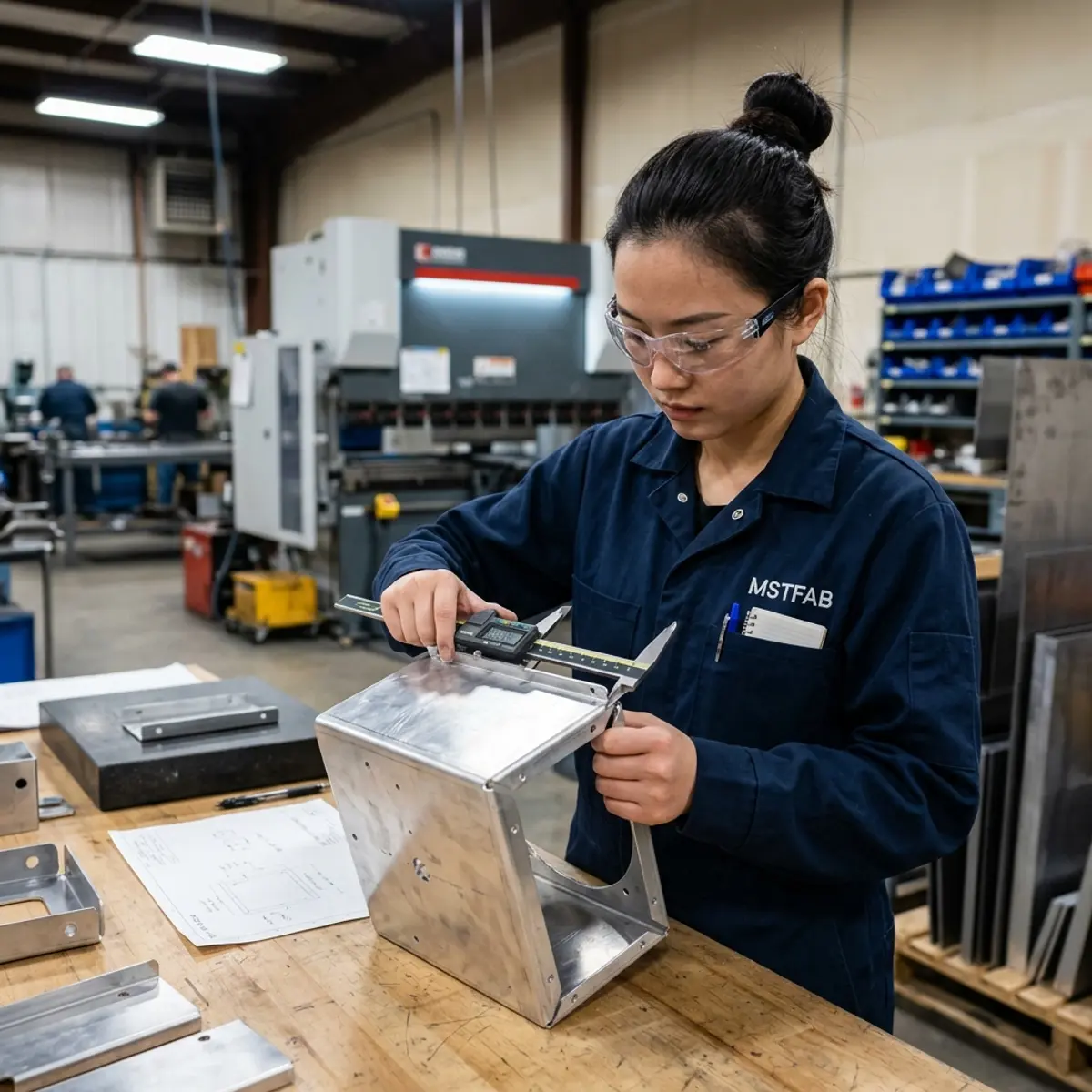
Measure After the Processes That Can Move the Part
Forming, welding, grinding, coating and hardware insertion can change functional relationships. Define which features need in-process checks and which must be verified in the finished condition. A first article is useful when it protects assembly, not when it simply reports easy dimensions.
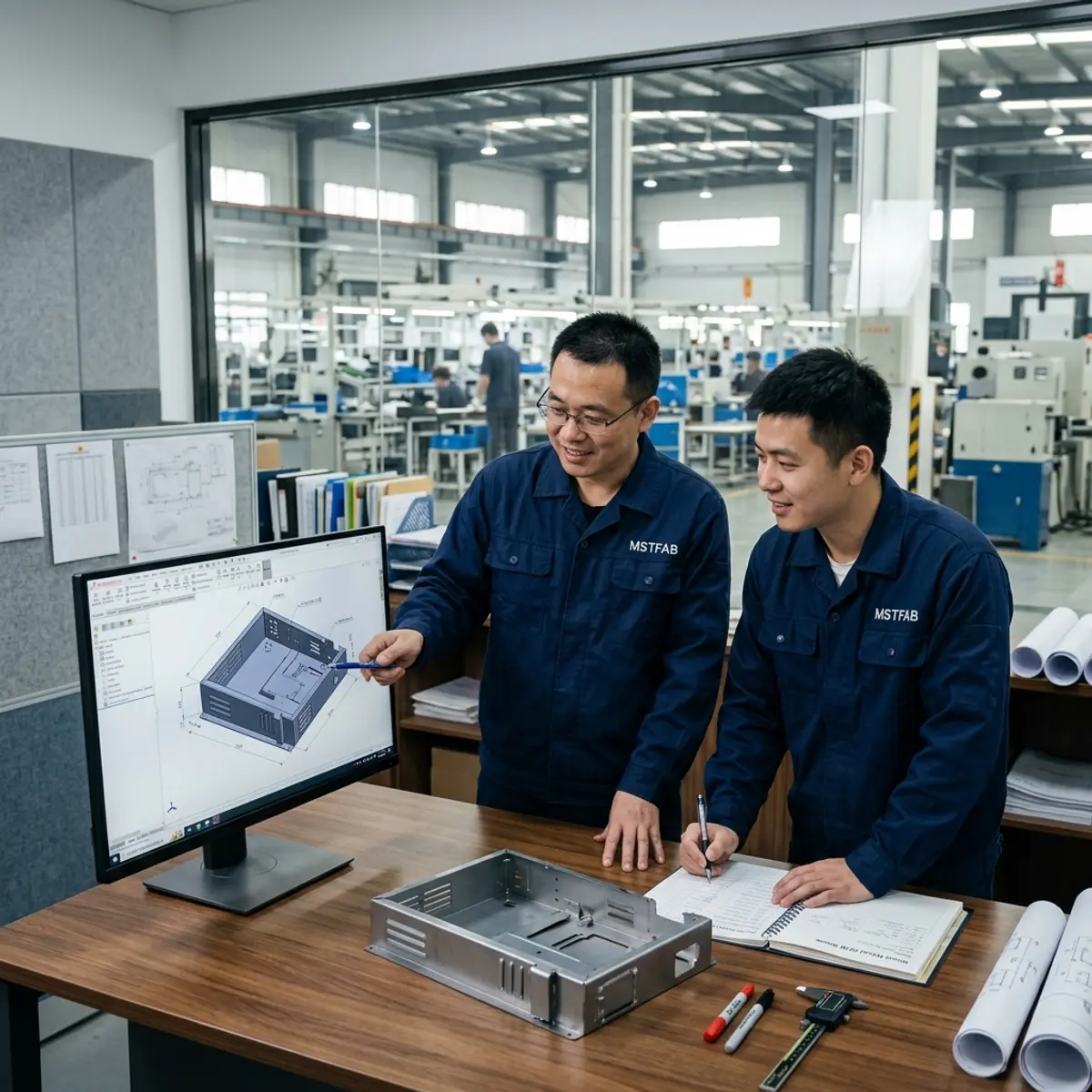
Plan the Next Revision Before Scaling
Record open issues, approved concessions, assembly feedback, finish observations and packing damage. Decide which changes enter the next revision and which require a new first article. Do not let a shop-floor workaround become an undocumented production method.
Buyer Trust Table
| Supplier statement | Evidence to request | Buyer value |
|---|---|---|
| “No tooling” | List of setup, special tooling, fixtures and gauges | Makes one-time costs visible |
| “Production grade” | Released material, process route and acceptance plan | Defines the production condition |
| “EMI shielded” | System design, seams, interfaces and responsible validation | Avoids treating metal material as compliance proof |
| “Ready to scale” | Closed issues, repeat plan and change-control baseline | Shows what has actually been proven |
Low-Volume Enclosure Pilot Checklist
- Current STEP model and 2D drawing
- Pilot and forecast quantities
- Material, finish and hardware controlled
- Assembly interfaces marked as CTQs
- FAI format and buyer approver named
- Known deviations recorded
- Appearance sample approved
- Packing trial included
- Next-revision rules agreed
- Repeat-production release gate defined
Frequently Asked Questions
What quantity counts as low volume?
There is no universal cutoff. The useful distinction is whether the quantity, geometry, revision risk and process economics suit a flexible fabrication route.
Does laser cutting mean there are no setup costs?
No. Programming, setup, special tooling, fixtures, gauges, finishing and inspection can still create one-time or batch-level costs.
Does a metal enclosure automatically pass EMC requirements?
No. EMC performance depends on the completed design, seams, apertures, bonding, installed components and validation. Material alone does not establish compliance.
For broader RFQ, quantity-break, revision-control and cost-planning guidance, read our low-volume sheet metal fabrication supplier guide.
Use the Pilot Batch to Build a Repeatable Baseline
Send the files, quantities, material, finish, hardware, CTQs and approval plan for a low-volume enclosure review.
 WeChat Contact
 WhatsApp Me Directly