A NEMA 4X electrical enclosure sounds simple until the first outdoor cabinet leaks, rusts around a weld, or arrives with a bent door. For OEM buyers, the job is not to buy a magic label. The job is to define the sheet metal enclosure shell so the finished assembly can actually meet the environment.
This guide explains how MSTFAB manufactures NEMA 4X-ready metal enclosure shells: material selection, laser cutting, bending, TIG welding, brushed finish, passivation planning, gasket channels, door-fit inspection and export packing. It keeps the focus where MSTFAB is useful: the metalwork.
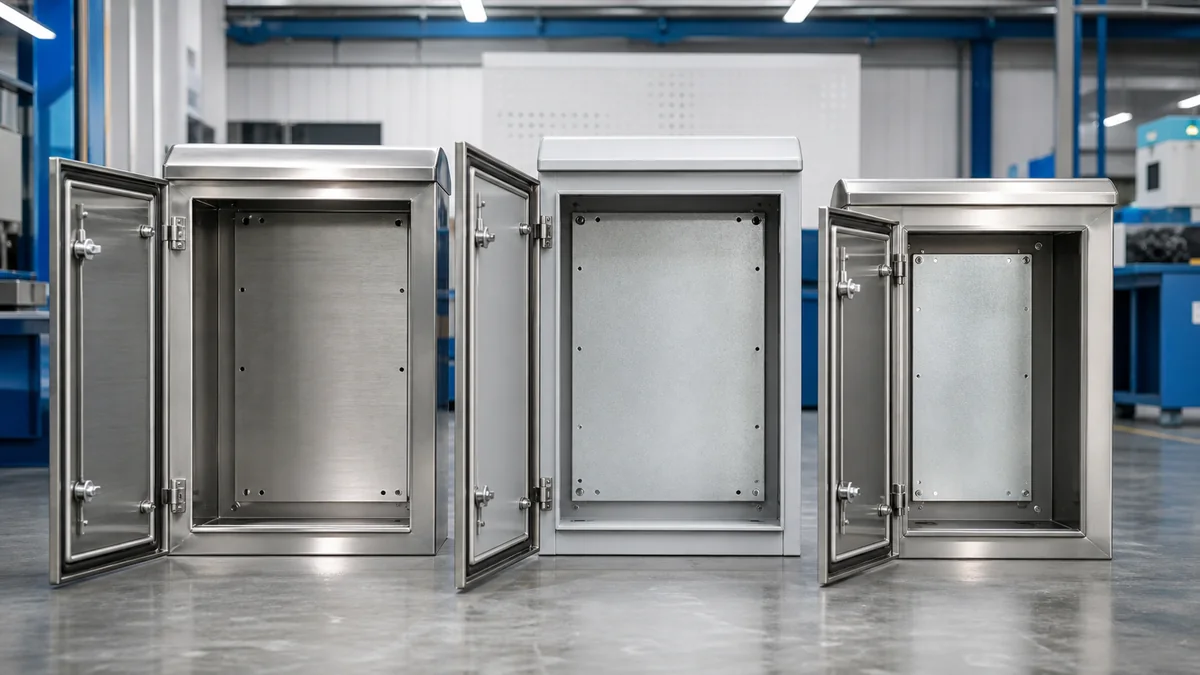
Quick Answer: What Makes a NEMA 4X-Ready Shell?
A NEMA 4X-ready enclosure shell needs corrosion-resistant material, controlled door gap, a continuous gasket path, clean cable-entry areas, protected hardware, good weld quality, surface finish control and packaging that does not damage the door. The shell does not pass the environment alone; fans, glands, locks, filters and installed electrical hardware all affect final performance.
| Buyer concern | What to define in the RFQ | Evidence to request |
|---|---|---|
| Corrosion resistance | 304, 316L, aluminum or coated steel based on chemical, coastal and washdown exposure | Material certificate, finish sample, passivation or coating plan |
| Door sealing | Door gap, gasket channel, latch compression, hinge side and rain lip geometry | Door-fit photos, gasket detail photos, first-article dimensions |
| Water entry risk | Gland plate layout, drain strategy, cable-entry height, vent/filter positions | DFM review screenshots and pre-assembly photos |
| Weld distortion | Continuous seam requirements, fixture datums, visible weld finish | Fixture photos, corner weld close-ups, squareness checks |
| Shipping damage | Protective film, foam corners, door restraint, crate or pallet method | Packing photos before shipment |
Do Not Confuse the Shell With the Finished Electrical Cabinet
This is where many RFQs go sideways. A metal shop can make an enclosure shell that supports NEMA 4X design intent. The final rating depends on the completed assembly: cable glands, vents, filters, fans, locks, gasket compression, internal hardware and how the electrical integrator installs everything.
So when comparing suppliers, ask what they actually control. MSTFAB controls sheet metal fabrication, enclosure structure, sealing features, surface treatment coordination, hardware fit-up and packing. We do not pretend to certify the full electrical cabinet after someone else installs the components. Clear scope saves everyone a long email chain with too many screenshots.
Material Selection: 304, 316L, Aluminum or Coated Steel?
Use 304 stainless for many indoor washdown and inland outdoor applications. Move to 316L when chloride, coastal air, salt spray, chemical mist or aggressive cleaning cycles are part of the environment. Aluminum can be useful when weight matters, but it needs the right finish and hardware choices. Powder-coated steel may still be fine for non-corrosive outdoor projects with cost pressure.
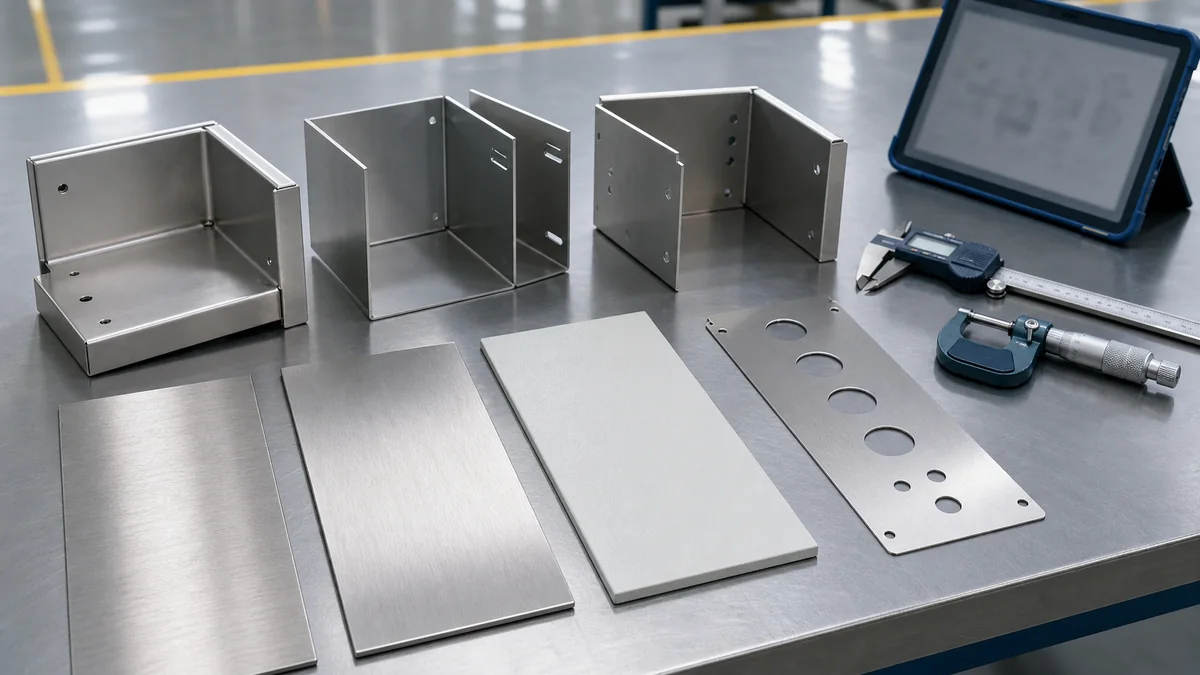
The buyer mistake is specifying “NEMA 4X” and leaving material blank. That is not a spec; that is a wish with a purchase order number. Define environment first, then material, then finish.
DFM Before Quote: Where Leaks and Rework Are Born
Most enclosure problems are designed in before the factory touches the sheet. A sharp corner near the gasket path, a cable hole too close to the bottom edge, a hinge stack-up nobody checked, a latch without enough compression: small CAD choices become big production drama.
Fabrication Route for NEMA 4X Enclosure Shells
A reliable shell is made through a controlled route: laser cutting, deburring, CNC bending, welding or fastening, finish treatment, hardware fit-up, inspection and packing. The factory floor is where design intent meets physics, which is always an interesting meeting.
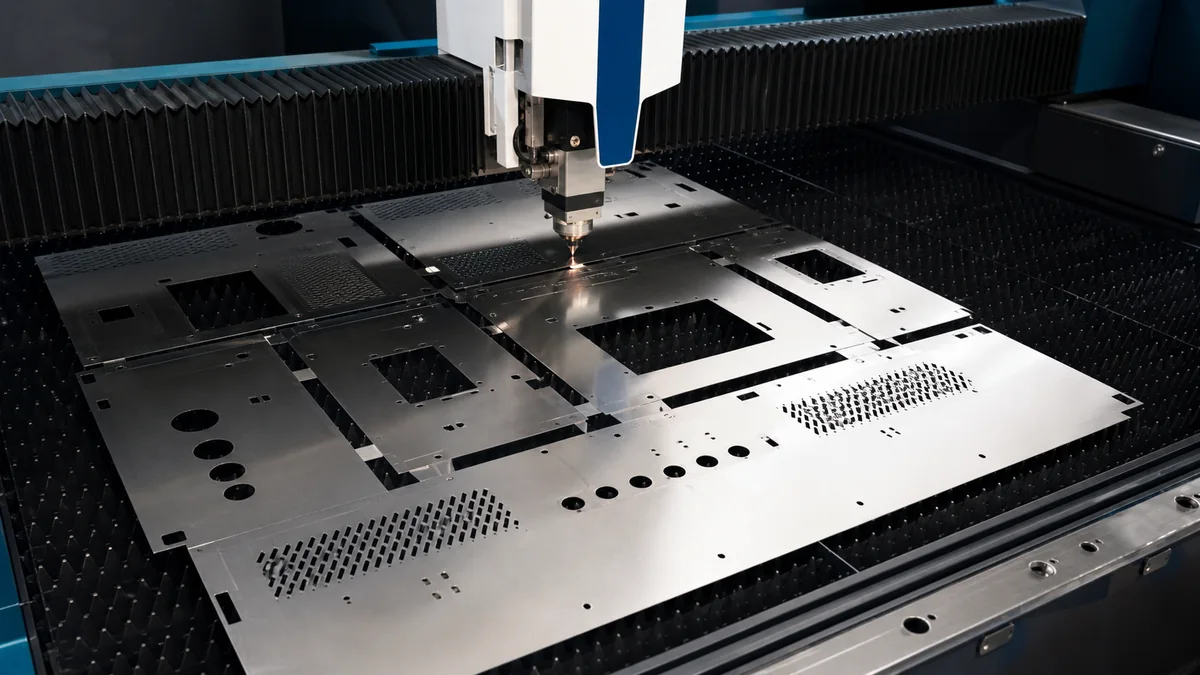
1. Laser cutting the panel features
Laser cutting defines door openings, gland plate holes, latch cutouts, hinge holes, vent patterns and mounting slots. Clean edges reduce corrosion initiation points and make later gasket and hardware fit-up more predictable.

2. Bending rain lips, flanges and returns
Bending controls the stiffness and sealing geometry of the shell. Rain lips, formed returns and deep flanges must be designed around tooling access, bend sequence and springback. A good quote should mention risky bends before production starts.

3. TIG welding and fixture control
For stainless shells, TIG welding gives clean control on visible seams. Fixtures help hold the door opening square and keep gasket surfaces consistent. Weld distortion is not a personality flaw; it is heat doing its job. The fix is process control.

4. Brushed finish and passivation planning
Stainless steel does not hide surface mistakes. Brushed grain direction, weld cleanup, handling marks and passivation requirements should be agreed early. If the enclosure will be seen by end users, finish approval is not decoration; it is risk control.
Door Sealing, Gasket Channel and Inspection
The gasket is only as good as the metal path under it. Door gap, hinge position, latch compression and channel shape all matter. Buyers should ask for close-up photos of the gasket path and door-fit checks, not just a line in a quote saying “sealed.”
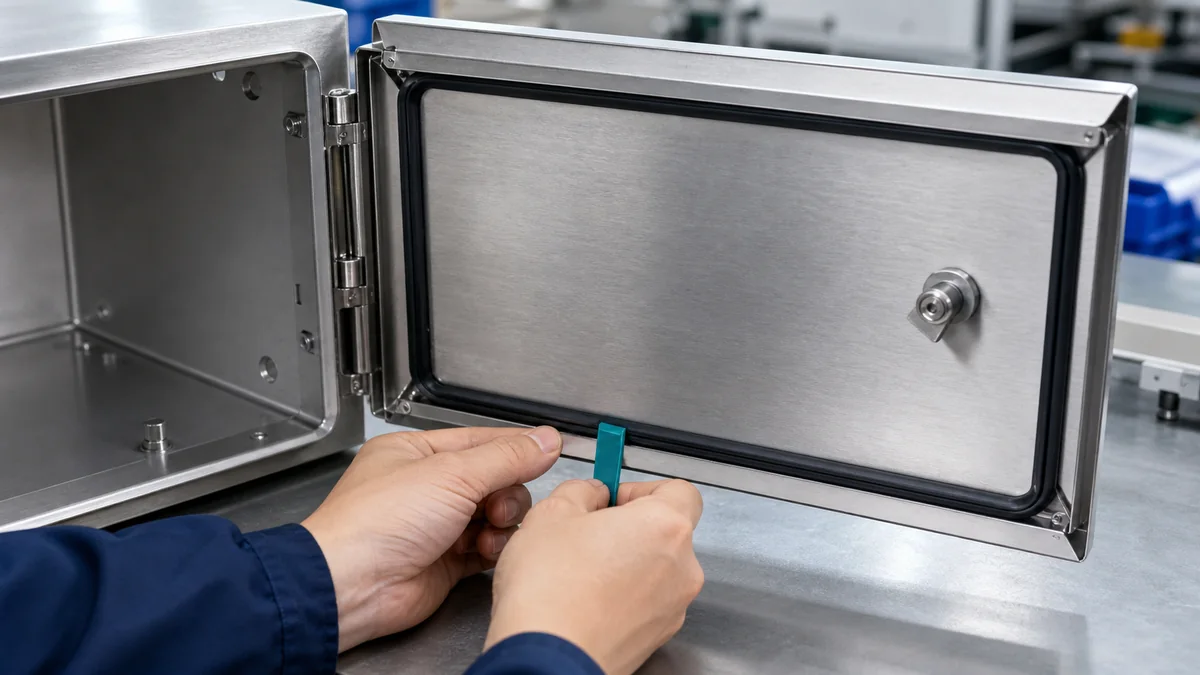
A shop can do process-level checks such as door fit, gasket contact and controlled spray checks. That is useful evidence. But final NEMA 4X validation should be done on the completed assembly after all components and cable entries are installed.

Export Packing: The Last Quality Step
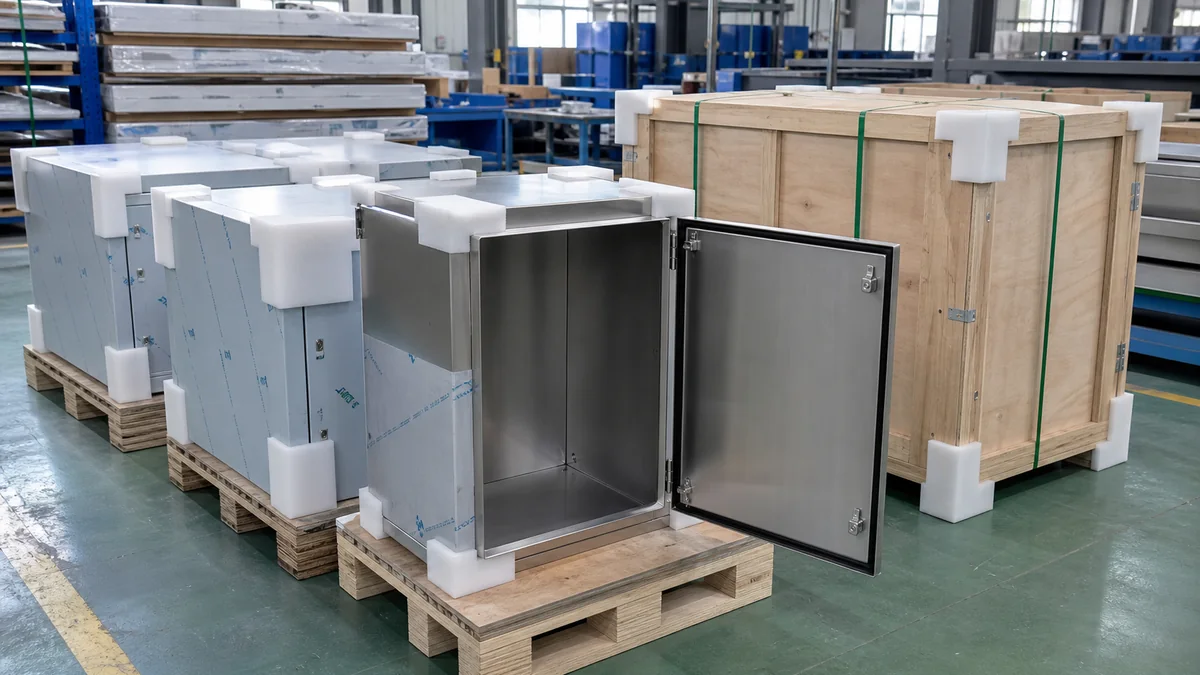
NEMA-style enclosures often have heavy doors, exposed corners, brushed surfaces and gasket areas that can be damaged in transit. Packing should lock the door, protect corners, separate panels and prevent surface rubbing. If the quote says nothing about packing, the ocean will add its own opinion.
RFQ Checklist for OEM Buyers
- 2D drawings and STEP files with revision number
- Target use: outdoor, washdown, coastal, chemical, marine or indoor
- Material grade and thickness: 304, 316L, aluminum or coated steel
- Finish requirement: brushed stainless, passivation, powder coating or other
- Door layout, hinge type, lock type, gasket type and latch compression concept
- Gland plate, drain, vent, fan/filter and cable-entry zones
- Critical dimensions: door gap, mounting holes, panel flatness, gasket channel
- Hardware BOM: hinges, locks, PEM inserts, studs, grounding points and fasteners
- Inspection evidence and packing photos required before shipment
Related Guides
If you are still choosing the metal, start with our sheet metal material selection guide. For stainless-specific use cases, read stainless steel electrical cabinet applications. If you need finish guidance, see the sheet metal surface finishing guide. For broader cabinet sourcing, see custom sheet metal enclosure fabrication.
Frequently Asked Questions
Does MSTFAB make complete NEMA 4X electrical cabinets?
No. MSTFAB makes the sheet metal enclosure shell and related metal parts. We do not install PLCs, breakers, wiring or electronics, and we do not certify the completed electrical assembly.
Can you manufacture NEMA 4X-ready enclosure shells?
Yes. We can manufacture metal features that support NEMA 4X design intent, including corrosion-resistant material, gasket channels, rain lips, controlled door gaps, gland plates, weld control, finish treatment and packing.
What material should I choose for a NEMA 4X enclosure?
304 stainless works for many inland or indoor washdown uses. 316L is better for coastal, chloride, salt spray and chemical exposure. Aluminum and powder-coated steel may fit some projects depending on environment and cost target.
Is a hose spray check the same as NEMA 4X certification?
No. A process spray check helps verify door fit and sealing behavior, but final NEMA 4X validation belongs to the complete assembly after all components, glands, vents, filters and hardware are installed.
What is the biggest buying mistake?
Comparing quotes without defining material, gasket path, hardware, finish, inspection and packing. A cheap enclosure that leaks, rusts or arrives bent is not cheap. It is just late bad news.
Send your STEP/DWG files, environment, material target, finish requirement and annual volume. MSTFAB will review the sheet metal enclosure details before quoting.
 WeChat Contact
 WhatsApp Me Directly