⚡ Direct Answer: What Are the Top Warning Signs of a Sheet Metal Fabricator’s Insolvency?
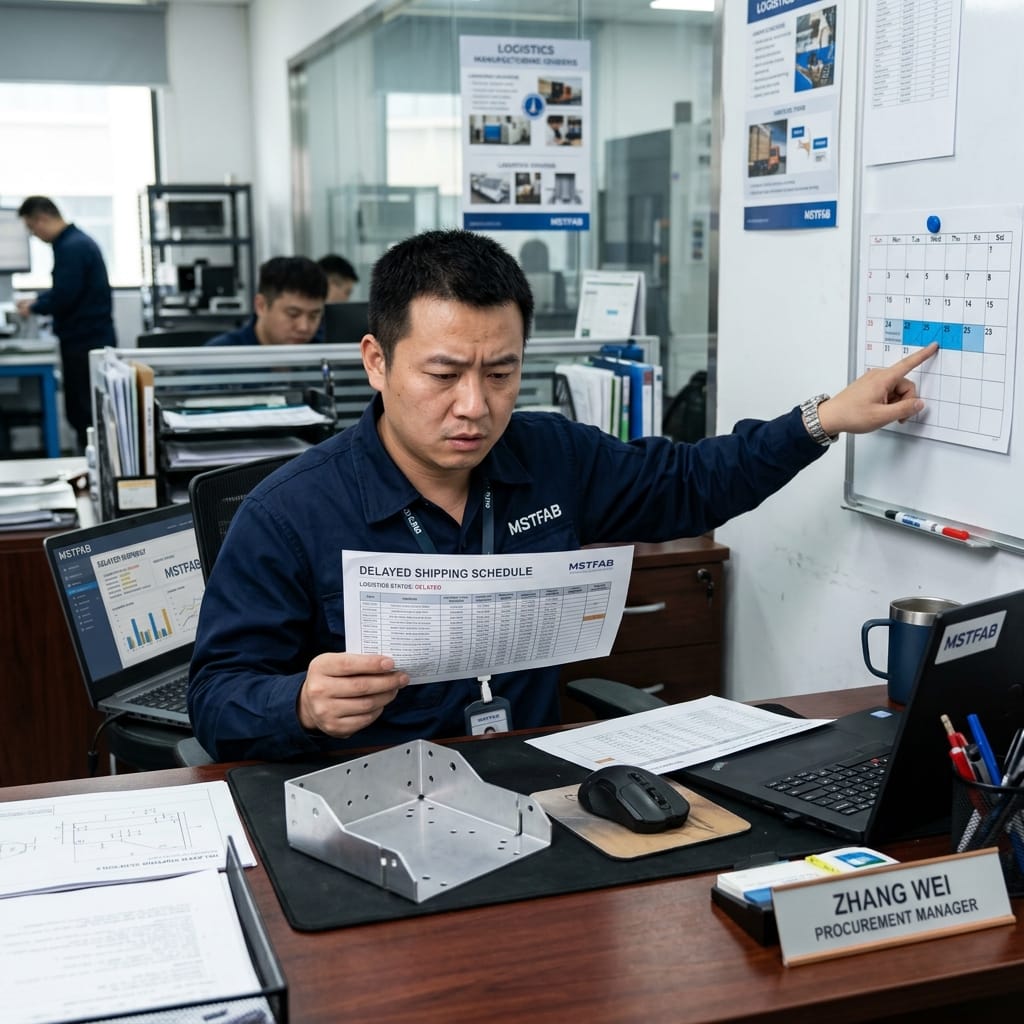
Before a custom sheet metal fabricator suddenly locks its factory gates and files for bankruptcy, it invariably displays 6 operational and financial early warning signs: 1) Chronic On-Time Delivery (OTD) Drift: Lead times quietly stretch from 4 weeks to 7–9 weeks as raw material mills place the supplier on credit hold; 2) Aggressive Demands for Unscheduled Advance Cash: Demanding 50% to 100% upfront deposits or asking for balance wires before pre-shipment inspection; 3) Disposal of Core Capital Machinery: Quietly selling off fiber laser cutters, CNC panel benders, or robotic welders on secondary industrial auction sites; 4) Surging Employee Turnover in Technical Leadership: Resignation of long-tenured quality managers and lead CAM programmers due to delayed wage payouts; 5) Subcontracting Work Without OEM Authorization: Offloading laser cutting or powder coating to cut-rate job shops, resulting in sudden dimensional or aesthetic quality spikes; and 6) Refusal of On-Site Factory Access: Evading customer audits or making excuses to prevent physical floor walkthroughs.
A supplier bankruptcy is a catastrophic event for an equipment manufacturer. When an insolvent supplier enters court receivership, factory assets—including your proprietary stamping dies, custom welding jigs, and raw material inventory—are routinely frozen by court bailiffs or seizing creditors. Detecting financial distress early allows OEM buyers to extract tooling and transition production before the factory locks down.

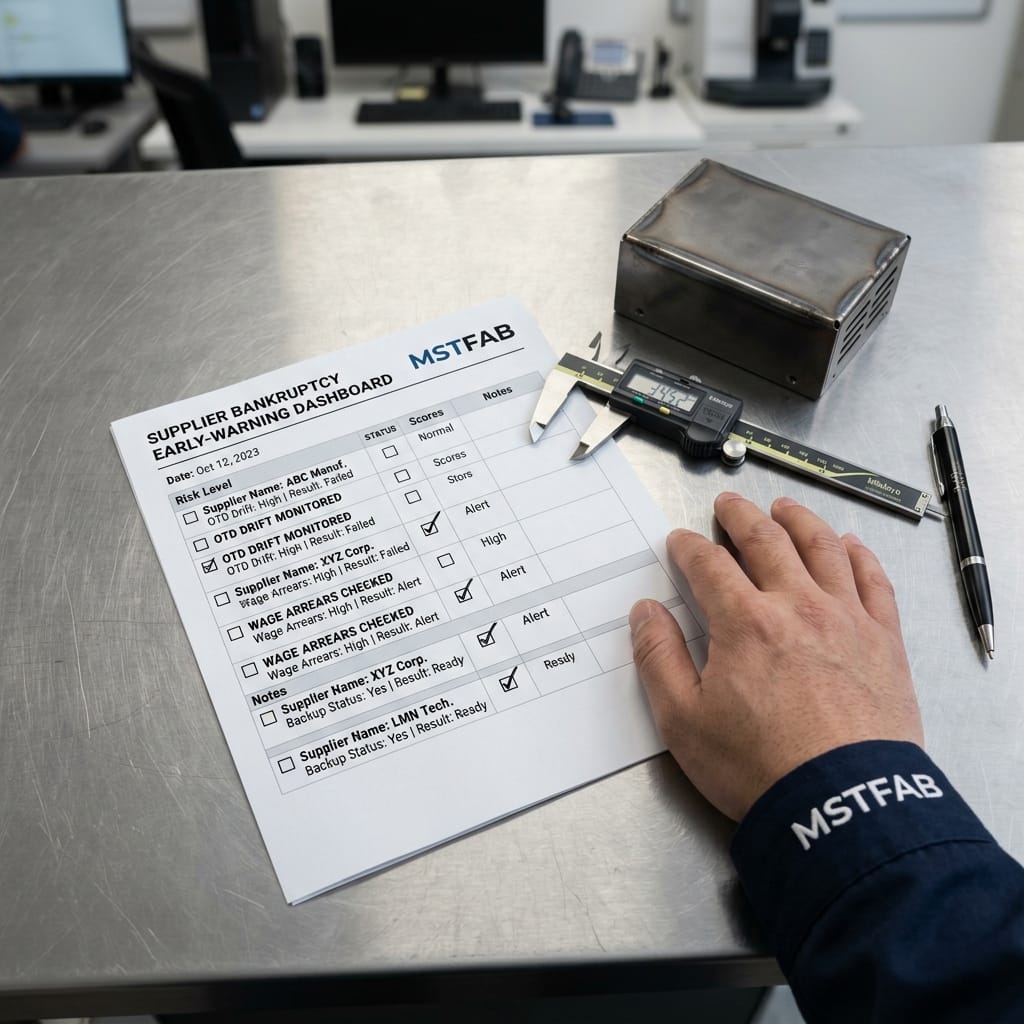
The 6 Early Warning Indicators & Escalation Triggers
Procurement teams should track these operational indicators quarterly to flag at-risk sheet metal suppliers:
| Early Warning Indicator | Root Cause on Factory Floor | Risk Severity | Recommended Buyer Action |
|---|---|---|---|
| 1. OTD Delivery Drift (>15 days) | Steel service centers refuse to deliver sheet stock due to unpaid invoices. | Moderate → High | Demand steel mill purchasing receipts; initiate backup supplier qualification. |
| 2. Sudden Demands for Upfront Cash | Bank credit lines frozen; company using your deposit to cover prior debt. | Critical | Reject upfront change; offer to pay raw material mill directly under escrow. |
| 3. Quality Metric Degradation (DPPM Spike) | Skilled CNC brake operators quit; uncalibrated machines; skipping QC gates. | High | Institute 100% third-party Pre-Shipment Inspection (PSI) at supplier’s gate. |
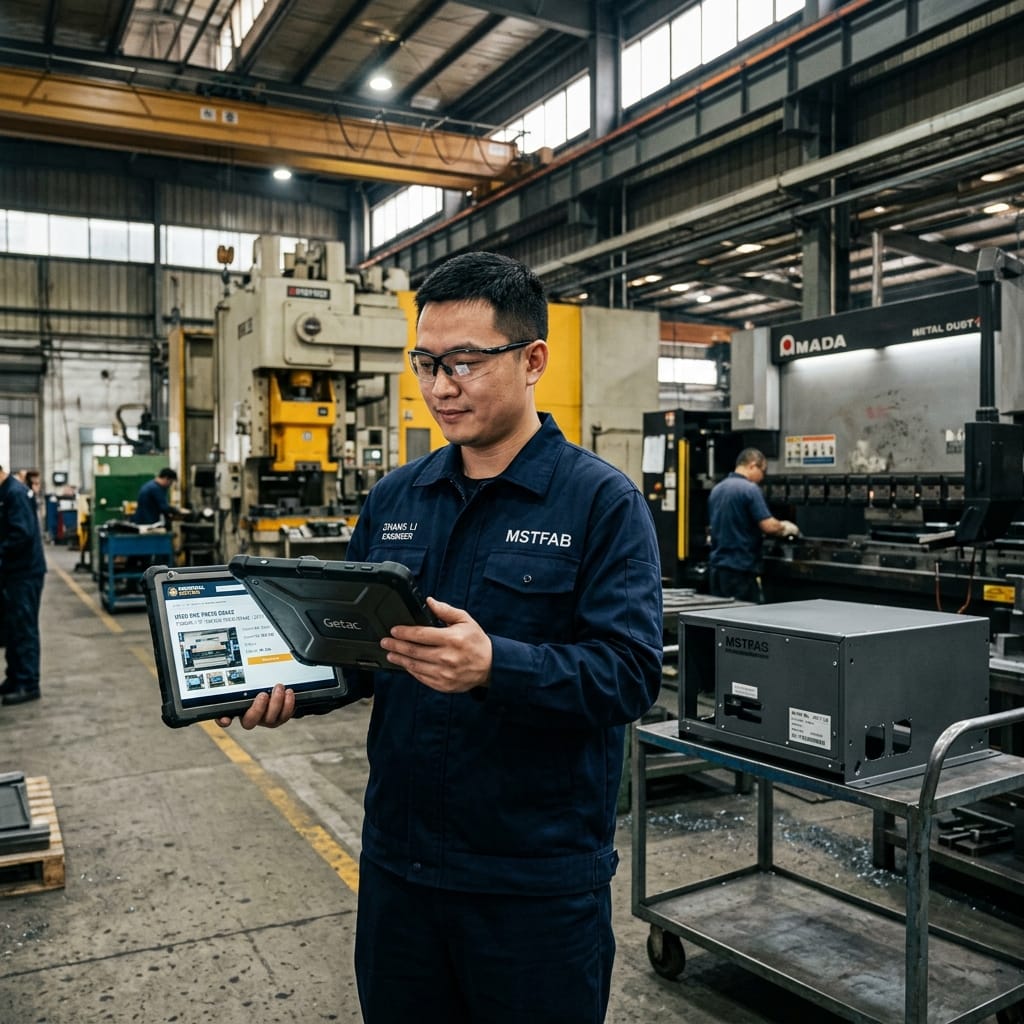
| 4. Asset & Machinery Liquidation | Selling high-end Trumpf / Amada lasers to stave off immediate payroll default. | Imminent Collapse | Execute Emergency Tooling Extraction Protocol immediately. |
| 5. Unauthorized Subcontracting | Unable to maintain in-house powder coating or laser consumables. | High (IP Risk) | Audit factory floor to verify production is occurring on designated equipment. |
| 6. Reluctance to Allow On-Site Visits | Hiding dark/idle factory halls, unpaid worker protests, or missing assets. | Critical | Dispatch an unannounced local legal auditor to inspect the physical premises. |
The Emergency Tooling Extraction Protocol
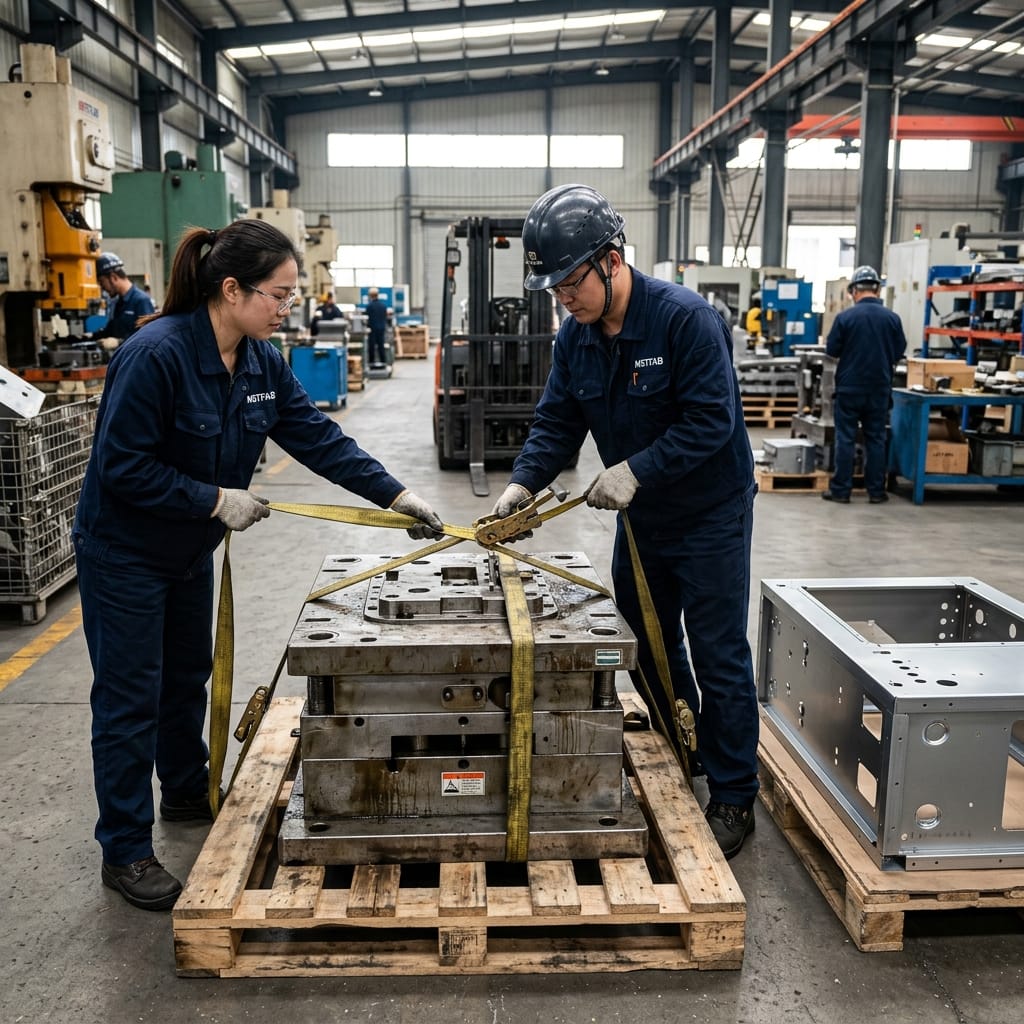
If you confirm that a supplier is heading toward insolvency, execute this emergency recovery protocol within 48 hours:
- Locate Tooling Asset Plates & Title Proof: Gather your original purchase order, proof of tooling payment, and photographic evidence of the physical metal asset tag bearing your company’s name.
- Invoke Contractual Tooling Repatriation Clause: Issue an immediate formal demand for the release of all buyer-owned tooling, dies, and CAD fixtures under your Bailment Agreement.
- Deploy Logistics Riggers with Legal Escort: Send a heavy machinery rigging crew with flatbed trucks to the supplier’s plant accompanied by your local legal counsel or trusted inspection firm.
- Transfer Assets to Your Audited Primary Partner (MSTFAB): Transport dies directly to a stable, ISO 9001 certified manufacturing partner with the capacity to inspect, re-mount, and re-qualify tools without assembly line stoppage.

Secure & Scalable Resilient Supply Chain Solutions Sourcing With MSTFAB
MSTFAB combines direct factory manufacturing, China-enforceable NNN IP security, transparent tooling ownership, and flexible low-MOQ rapid prototyping. Protect your designs and streamline precision production.
Frequently Asked Questions (FAQ)
Can creditors seize my stamping dies if a supplier files for bankruptcy?
If your tooling lacks clear title documentation and permanent physical asset nameplates, court receivers will presume the dies belong to the bankrupt debtor and auction them to pay creditors. However, if your contract contains an explicit “Title Transfer on Payment” clause and the die carries a physical metal plate reading “Property of [Buyer Name]”, the tools are legally protected from bankruptcy seizure under international property law.
How fast can MSTFAB absorb tooling transferred from a distressed supplier?
At MSTFAB, our emergency onboarding team can inspect, mount, and run First Article Inspection (FAI) on stamping dies, press brake tools, or welding fixtures within 3 to 5 business days of delivery to our plant, ensuring zero interruption to your final assembly lines.
What financial metrics prove MSTFAB’s long-term corporate stability?
MSTFAB operates with zero long-term debt, 100% self-owned automated manufacturing facilities, direct credit facilities with primary steel and aluminum mills (Baosteel, Chalco), and continuous multi-year supply contracts with global Fortune 500 equipment OEMs.
 WeChat Contact
 WhatsApp Me Directly