⚡ Direct Answer: How to Collaborate with Sheet Metal Fabricators on Demand Forecasting?
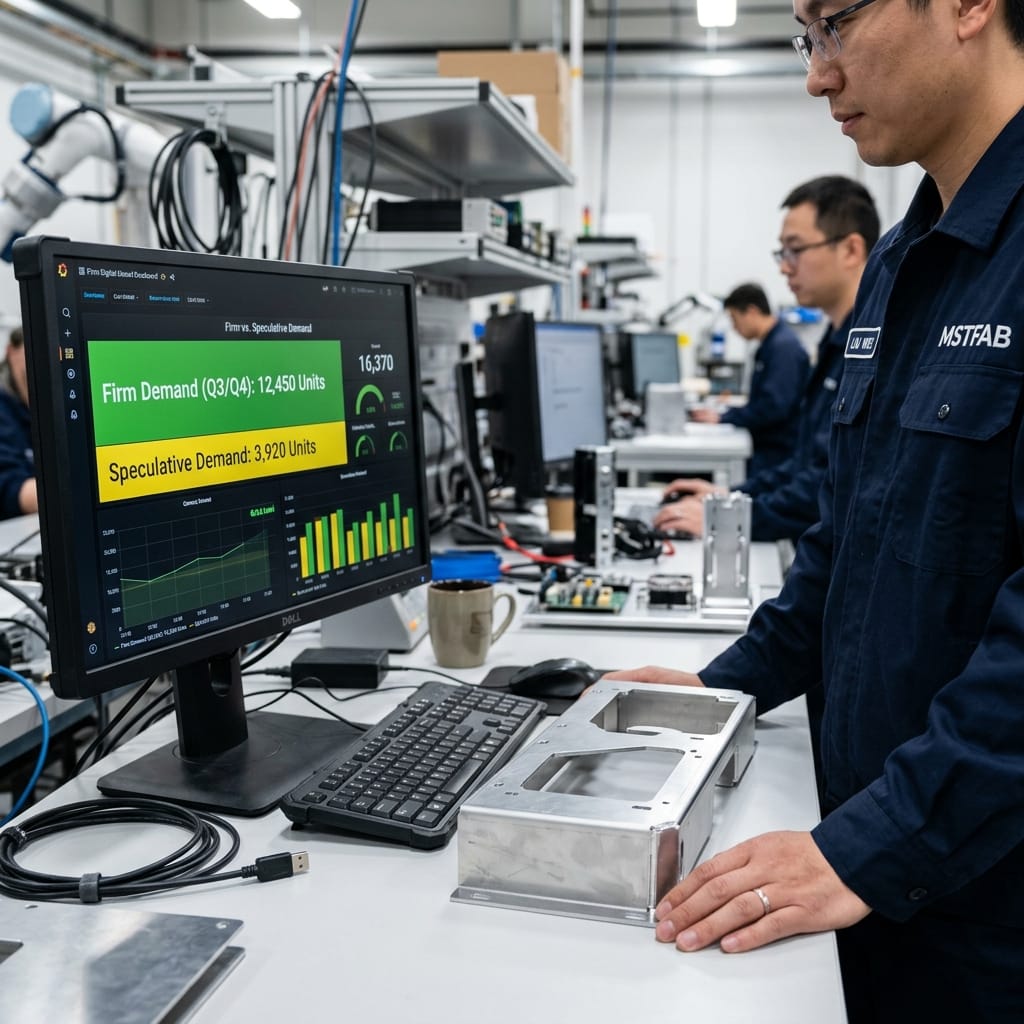
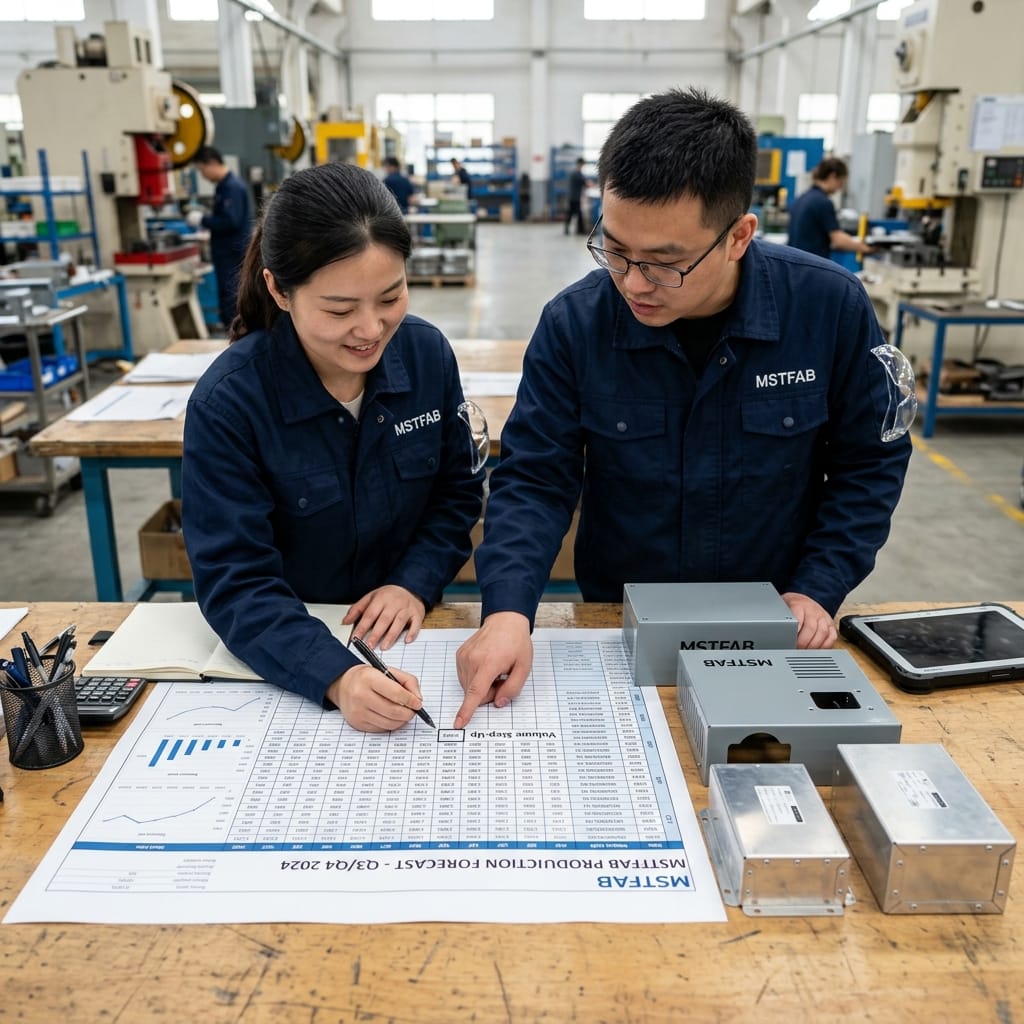
Effective demand forecasting for custom sheet metal fabrication requires replacing erratic spot purchase orders with a Collaborative Rolling 6-Month Demand Horizon Model partitioned into three structured commitment zones: 1) Zone 1: Firm Commitment Zone (Months 1–2): 100% legally binding purchase orders locked for fabrication, scheduling CNC laser cutting, press brake forming, and assembly; 2) Zone 2: Material Commitment Zone (Months 3–4): Pre-authorizing the fabricator to procure raw master coils (EN 10204 3.1 stainless steel, aluminum, or galvanized sheets) to lock primary steel mill campaign lead times without incurring fabrication labor liability; and 3) Zone 3: Capacity Planning Window (Months 5–6): Non-binding speculative visibility enabling the fabricator to reserve machine hours and plan staffing schedules; and 4) Monthly Collaborative Forecast Reviews: Updating demand projections on the 1st of every month to eliminate the “Bullwhip Effect” across the industrial supply chain.
When buyers transmit surprise purchase orders with a 2-week lead time demand, fabricators face an impossible dilemma: raw metal coil delivery from primary steel mills takes 4 to 8 weeks. Either the fabricator scrambles to purchase overpriced, uncertified sheet stock from local brokers, or production stops dead. Collaborative rolling forecasting ensures raw metal is already in-house before the cutting beam fires.

The 3-Zone Rolling Forecast Commitment Matrix
Structure your monthly collaborative demand forecast using this transparent risk-sharing model:
| Horizon Zone | Time Window | Buyer Commitment Level | Fabricator Operational Action (MSTFAB) |
|---|---|---|---|
| Zone 1: Firm Order | Weeks 1 – 8 (Months 1–2) | 100% Fixed PO (Zero volume cancel without penalty) | CNC laser cutting, CNC brake bending, PEM hardware insertion, robotic welding, automated powder coating, final crating. |
| Zone 2: Material Authorization | Weeks 9 – 16 (Months 3–4) | Raw Material Liability Only (Metal coil cost) | Pre-buying primary mill master coils (EN 10204 3.1 MTRs); staging raw sheet inventory; zero cutting labor committed. |
| Zone 3: Capacity Planning | Weeks 17 – 24 (Months 5–6) | 0% Financial Liability (Pure speculative visibility) | Machine hour slot reservation; tooling maintenance scheduling; shift labor planning and recruitment. |

How Collaborative Forecasting Eliminates the “Bullwhip Effect”
The Bullwhip Effect occurs when small fluctuations in OEM end-customer sales create massive, amplified swings upstream at the sheet metal fabricator and primary steel mill. When an OEM holds back demand data until the last minute, the fabricator overreacts by ordering double the required steel coil or rejecting the order due to apparent stockouts.
Collaborative forecasting with MSTFAB resolves this through monthly digital data synchronization:
- Electronic Data Interchange (EDI) / Live Portal Sharing: Direct ERP integration sharing rolling forecast spreadsheets and consumption burn rates.
- Steel Mill Rolling Campaign Alignment: Primary steel mills run specific alloy melt campaigns (e.g., 316L stainless or 2.5mm AL 5052) every 6 to 8 weeks. Sharing your forecast 12 weeks out allows MSTFAB to book coil slots at the lowest bulk price.
- Shared Cost Reduction: By eliminating emergency freight, rush machine setup premiums, and spot metal surcharges, collaborative forecasting delivers an immediate 8% to 15% net reduction in total part landed cost.


Secure Scalable Collaborative Sheet Metal Planning Sourcing With MSTFAB
MSTFAB operates high-capacity automated fiber laser towers, robotic press brakes, and in-house powder coating lines backed by China-enforceable NNN IP security and reserved capacity agreements. Accelerate your production with zero downtime.
Frequently Asked Questions (FAQ)
What happens if the OEM’s actual demand in Zone 2 is lower than forecasted?
In Zone 2 (Material Commitment), the fabricator has only purchased raw sheets or master coils; no cutting or forming labor has been expended. If demand drops, the raw metal remains securely stored in our warehouse. The customer is not charged for fabrication labor, and the raw metal stock is simply carried forward to the following quarter’s production.
How does forecasting help lower sheet metal unit costs?
Advanced forecasting enables MSTFAB to purchase raw metal in bulk primary mill heat lots (saving 10%-15% on metal prices), nest multiple recurring part numbers together across full 1,500×3,000mm master sheets, and schedule press brake tooling setups during low-cost night shifts.
Can small hardware startups participate in rolling forecast programs?
Yes! Even for smaller volumes (e.g. 50 to 100 units/month), providing a rolling 6-month forecast allows MSTFAB to pre-reserve standard gauge materials and bundle your production with our high-volume runs, granting your startup large-enterprise pricing and lead times.
 WeChat Contact
 WhatsApp Me Directly