Quick answer: For custom metal enclosures with fast turnaround, ask for a project-specific schedule tied to released drawings, available materials and hardware, finishing, inspection and shipment. State the quantity and condition needed at each milestone. A quotation date, factory dispatch date and arrival date are different commitments.
MSTFAB fabricates drawing-based mechanical enclosure shells and agreed assemblies. Urgent work requires scope and capacity review; this page does not offer a universal lead time, guaranteed stock or automatic priority production.

1. Define what must be ready, and where
Tell the supplier whether you need a bare-metal fit sample, a finished first article or a production quantity. Include the destination and required arrival date. Explain which assembly activity depends on those parts, so the supplier can identify the relevant constraints rather than guessing what “urgent” means.
A bare-metal sample may answer an early geometry question, but it does not approve the coated appearance or every finished interface. If a staged delivery would help, agree on the sample’s permitted use and the checks still required before production release.
2. Freeze the inputs that control the schedule
Provide matching STEP and PDF revisions, material grade and thickness, quantity, hardware list, finish, critical interfaces and required inspection records. Identify unresolved items. A drawing still waiting for a display cutout is not fully released simply because the purchase order has been sent.
Ask which material and hardware items need purchasing and when their availability will be confirmed. Do not assume a common material family means the required grade, thickness and quantity are already in stock. Any substitution needs approval before it becomes part of the recovery plan.

3. Review milestones instead of one headline lead time
| Milestone | Dependency to confirm | Record or decision needed |
|---|---|---|
| Manufacturing release | Controlled drawings and open design questions | Approved revision, scope and any accepted assumptions |
| Material and hardware ready | Actual purchasing and receipt status | Required items confirmed; substitutions approved if applicable |
| First article | Fabrication route and agreed sample condition | Specified measurements, fit checks and buyer disposition |
| Finishing and final inspection | Finish specification, processor schedule and acceptance criteria | Required finished-condition checks and closed deviations |
| Dispatch and arrival planning | Packing, shipment booking and receiving arrangements | Dispatch commitment distinguished from estimated arrival |
Include buyer approval time in the schedule. A first article waiting for review can delay the batch even when fabrication is on time. Assign a contact who can approve the sample or obtain the responsible designer’s decision.
4. Confirm the finishing route before promising the date
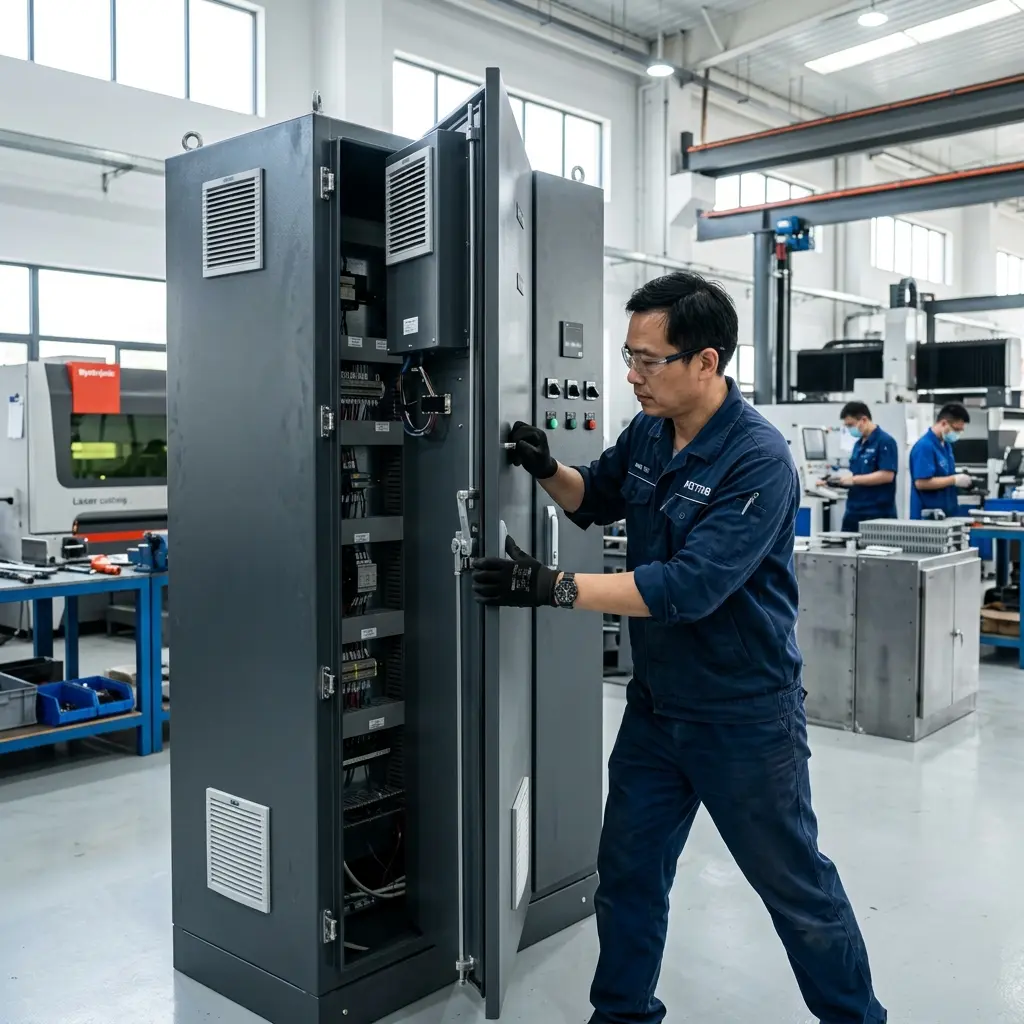
State the coating or surface treatment, appearance requirements, masked areas and any approval sample. Ask who performs the operation and how its schedule is coordinated. An outsourced finishing step is not automatically a problem; an unconfirmed dependency is.
Do not shorten a required treatment or omit inspection merely to preserve a date. If a different finish or shipment condition is proposed, the responsible buyer or designer should approve its effect on appearance, fit and intended use.

5. Keep fit checks and change approval in an urgent order
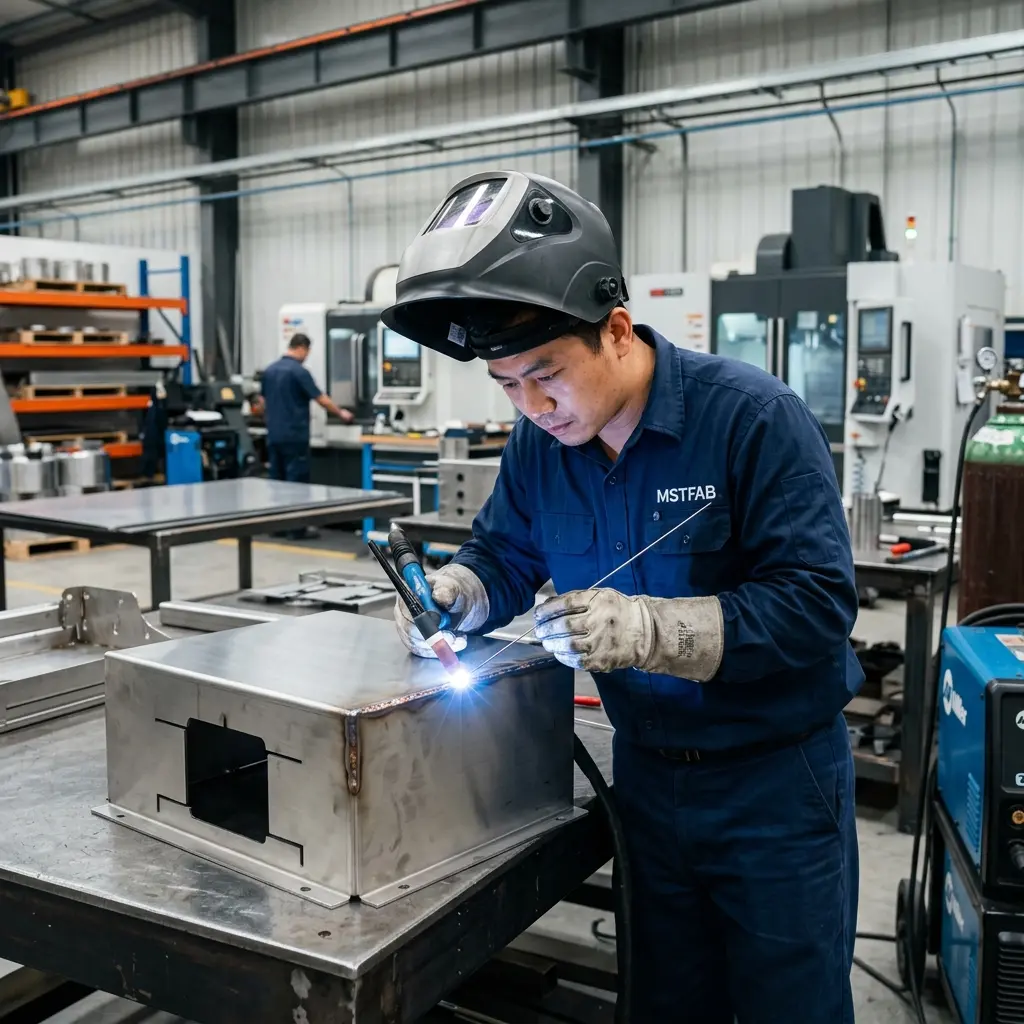
Identify the critical mounting interfaces, door operation, hardware access and finished clearances that must be checked. Agree on the inspection method and records rather than asking for an undefined “full QC.” A dimensional result does not establish an IP rating or validate the installed equipment.
Illustrative example, not a customer case: The enclosure shell is ready, but a specified latch is unavailable. Before accepting another latch, review its mounting pattern, operating clearance and effect on the door interface. Record the approved change and revised inspection requirement. A fast substitute that does not fit is not a recovered schedule.
6. Plan shipment without disguising its limits
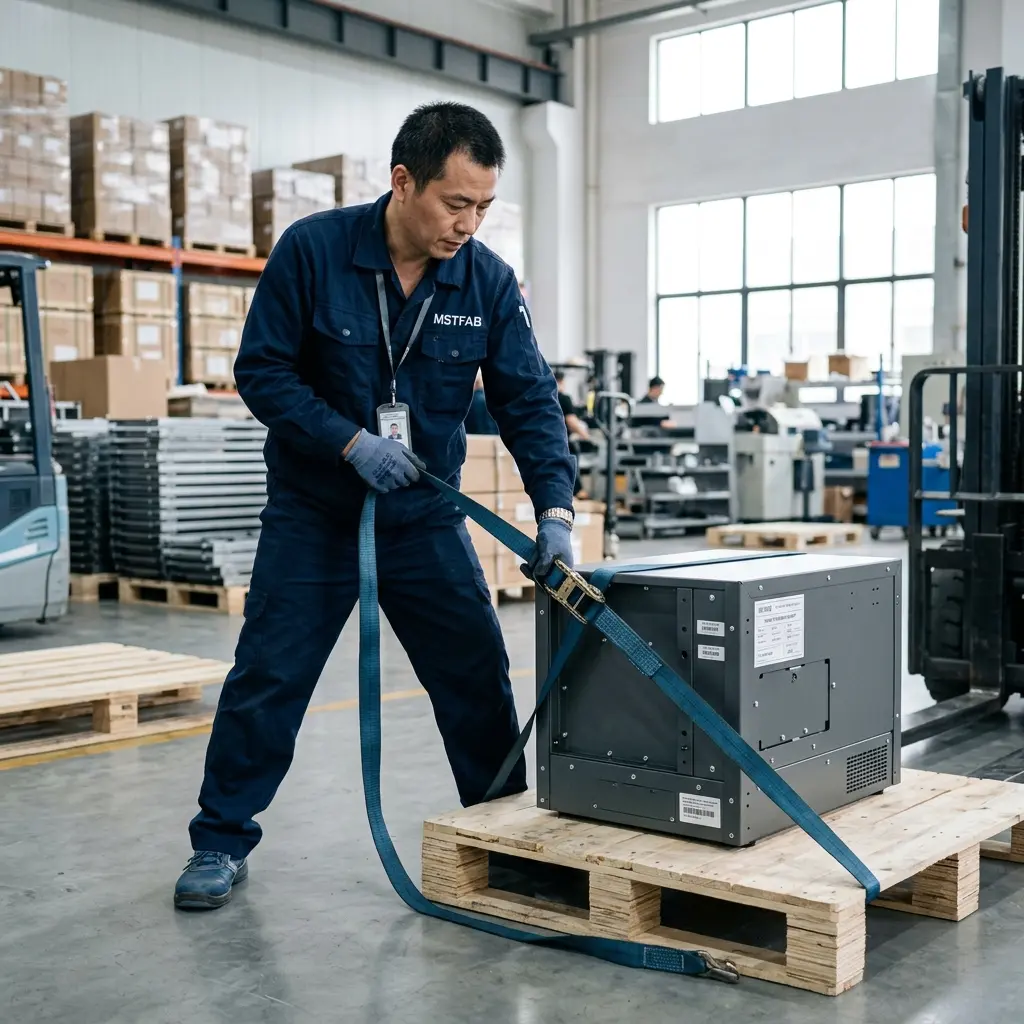
Agree on surface separation, corner protection, loose-part identification and packing appropriate to the geometry. Confirm whether the stated date means inspection complete, ready for collection or dispatched. Ask which transport dates remain estimates.
If only part of the order can ship, specify the quantities, part revisions and acceptance status. Make any remaining balance and revised dates visible. Partial shipment is a purchasing decision, not permission to send unaccepted parts.
Send an urgent enclosure RFQ
- Released models and drawings, with part numbers and revisions
- Material, hardware, finish and required inspection records
- Prototype, first-article and production quantities
- Required condition and location at each milestone
- Destination, arrival requirement and any acceptable staged delivery
- Approval contact and unresolved design inputs
For sample-stage risks, see our rapid sheet metal sample checklist. For manufacturing scope, review our sheet metal fabrication services.
Supply boundary: MSTFAB supplies mechanical metalwork and agreed assemblies, not complete electronic equipment. Project tolerances, operations, inspection, finishing arrangements and delivery commitments must be confirmed in the quotation. Equipment integration, system validation and final certification remain with the responsible buyer or OEM unless separately agreed.
Send your enclosure files, quantities and required dates for schedule review.
 WeChat Contact
 WhatsApp Me Directly