Quick Answer: To audit sub-suppliers used by a sheet metal fabrication company, don’t just audit the shop you sign the PO with — audit the shops they send your parts to. A fabricator routinely outsources plating, powder coat, anodize, heat treat, CNC sub-machining, weld sub-assembly, and packaging to sub-tiers you never see. The fix is a “flow-down” rule written into your contract: your supplier must name every sub-tier, pass your quality and traceability requirements down to them, and let you audit or witness their work. A proper sheet metal sub-supplier audit checks the sub-tier’s quality system, special-process certifications, material and heat-number traceability, process capability, calibration, and containment discipline — because a blind spot three layers deep still ships as your defect.
The Blind Spot Most Buyers Never Look At
You audited the fabricator. Great. You watched them laser-cut, bend, weld, and pack. You went home feeling safe. Then the parts came back with coating that peels, threads that won’t mate, or corrosion in a marine environment — and the fabricator shrugged: “We outsourced the plating.”

This is the gap. The company you buy from is rarely the company that does every operation. Sheet metal is a relay race: the primary shop runs the core, then hands off to sub-tiers for the processes it can’t or won’t do in-house. If you only audit the runner holding the baton at the start, you miss everyone who touches it after.
Subcontractor control in metal fabrication is the discipline of extending your quality eye past your direct supplier to the tier below. Skip it and you have audited the front door while the back door stays open.
What Counts as a Sub-Supplier in Sheet Metal
Almost every fabricator outsources something. Common sub-tiers in our trade:

- Surface finishing: plating (zinc, nickel, chrome), powder coating, anodizing (Type II/III), passivation, e-coat, painting.
- Heat treatment: stress relief, hardening, annealing for certain alloys.
- CNC sub-machining: tapped holes, milled features, tight-tolerance bores the laser/punch can’t hit.
- Weld sub-assembly: welded frames or sub-assemblies sent to a dedicated weld shop.
- Special processes: laser marking, silk screen, gasket bonding, potting.
- Packaging / fulfillment: a third party that kits, labels, or drop-ships to your customer.
If your part touches any of these and the fabricator didn’t do it, that’s a sub-supplier — and a place your requirements can quietly die.
Why Sub-Tiers Fail Silently
A sub-tier failure is nastier than a primary-shop failure for four reasons:
- No direct contract with you. You can’t point to a purchase order they signed. Your only leverage is what your fabricator passed down.
- The black box. The part leaves your supplier clean and returns processed; you rarely see the sub-tier’s floor, records, or certs.
- A broker in the middle. Some fabricators use a finishing broker who shops the job to whoever is cheapest that week. The “sub-supplier” changes per batch.
- Failure hides until field use. A thin plating or a wrong anodize class passes visual inspection and fails months later in the customer’s hands.
The Flow-Down Principle — Your Main Lever
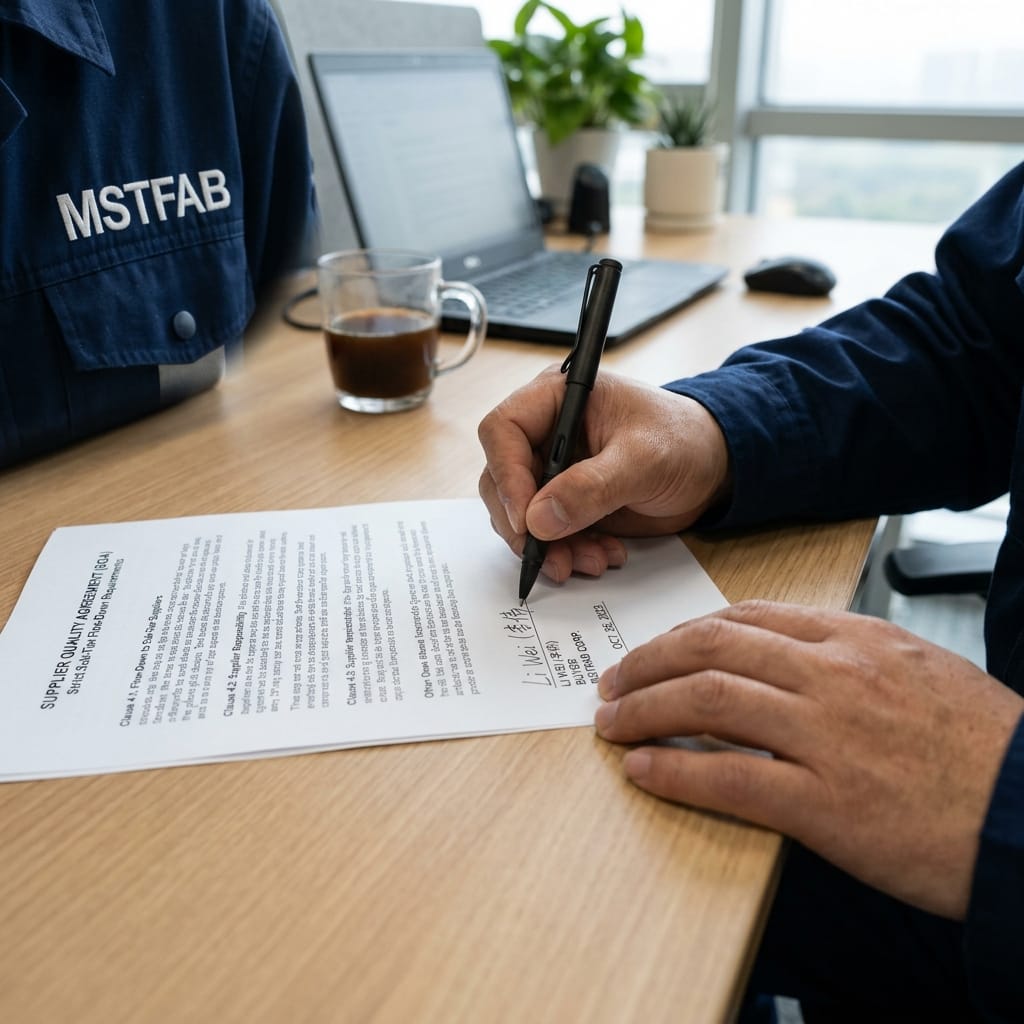
Everything starts here. You cannot audit what you don’t know exists, so your contract with the primary fabricator must force transparency:
- Name the sub-tiers. The fabricator discloses every sub-supplier that will touch your parts, and seeks your approval before changing one.
- Pass requirements down. Your drawings, specs, material grades, tolerances, and certs flow to the sub-tier verbatim — not “approximately.”
- Flow down traceability. Heat numbers, MTCs, and lot IDs travel with the part to the sub-tier and back, so a bad heat can still be traced through finishing.
- Flow down the quality agreement. The sub-tier is bound by the same defect, containment, and notification rules as the primary shop.
- Reserve audit rights. Your contract states you may audit or witness the sub-tier, directly or via your fabricator.
Without flow-down, your fabricator is a wall between you and the people actually doing the work. With it, the wall has windows.
What to Audit: Scope of a Sub-Supplier Audit
A sub-tier audit is lighter than a full primary-shop audit but hits the points that bite:

- 1. Quality system. ISO 9001 at minimum. Ask for the cert and the scope — a cert that excludes plating is useless for a plater.
- 2. Special-process certification. Finishing is a special process: you can’t fully verify the result by inspection alone. Look for proof the sub-tier is qualified to do it (e.g., Nadcap, specific ASTM classes, pyrometry surveys for heat treat).
- 3. Material & heat-number traceability. Confirm the sub-tier receives the heat number with the part and returns it with the cert.
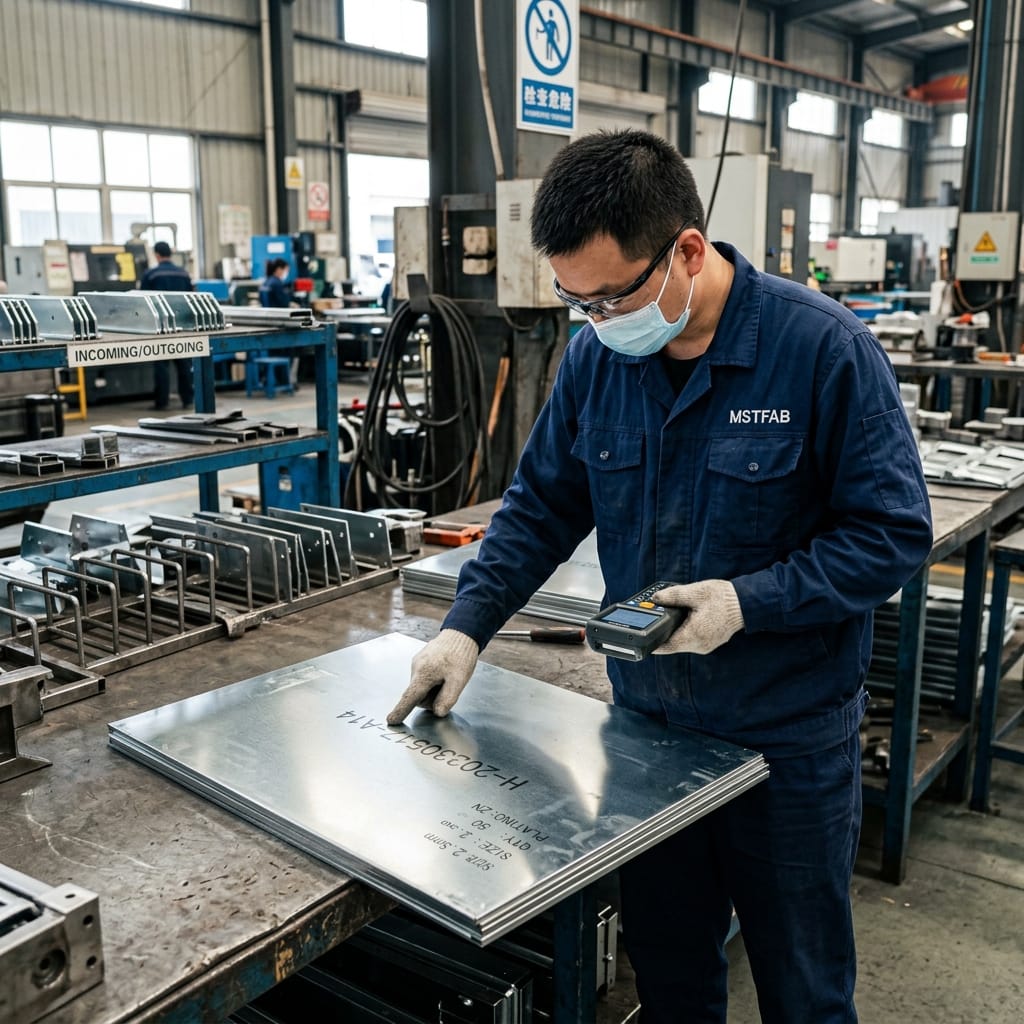
- 4. Process capability & equipment. Enough presses, ovens, tanks, or machines. A plater running at 120% capacity is a delivery and quality risk.
- 5. Calibration & inspection. Gauges, thickness gauges, salt-spray chamber — all calibrated, all logged. Ask to see the last calibration sticker.
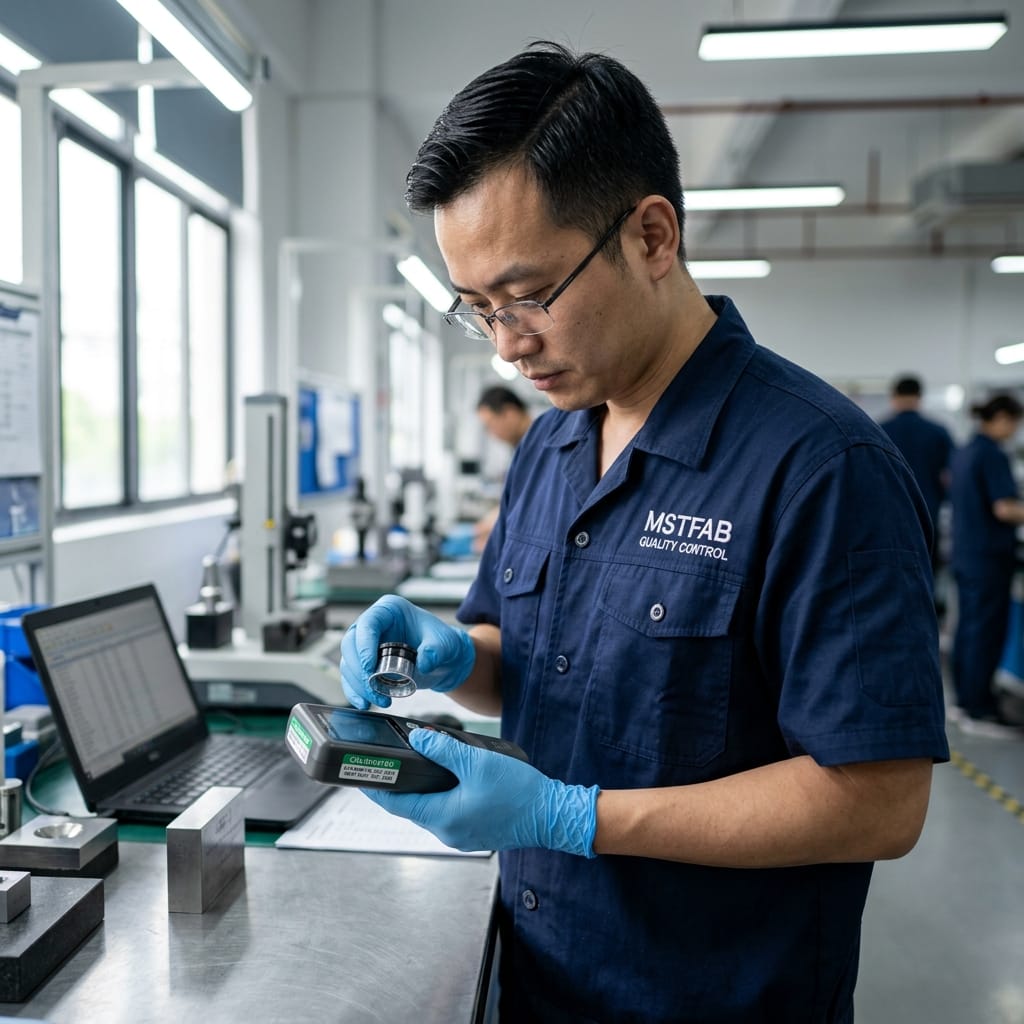
- 6. Containment & recall discipline. If a batch is wrong, can they quarantine it, notify upstream, and trace every affected part?
- 7. Certificates. They issue a process cert (plating thickness, anodize class) and, where applicable, forward the MTC. A sub-tier that “doesn’t do paperwork” is a sub-tier you shouldn’t use.
MSTFAB Trust & Quality Verification Table
| Sub-Tier Control | Standard Fabricator Practice | MSTFAB Protocol | Buyer Benefit |
|---|---|---|---|
| Transparency | “Black box” outsourcing; uses random brokers based on price | Pre-approved, named sub-tier list shared transparently with buyers | No unauthorized process shifting; consistent quality batch to batch |
| Requirement Flow-Down | Verbally tells the plater “make it look nice” | Strict, documented flow-down of ASTM specs, tolerances, and masking | Threads actually mate, and salt-spray requirements are met |
| Traceability | Heat numbers are lost the moment parts leave the primary shop | Lot and heat ID engraved/lasered before parts leave for finishing | Surgical recall capability even after complex surface treatments |
| Incoming Inspection (from Sub) | Visual check only; ships directly to customer | Mandatory coating thickness, adhesion, and thread-gauge checks upon return | We catch the sub-tier’s mistake on our dock, not yours |
On-Site vs Document Audit

You have two intensities:
- Document audit (tier 1): Request the certs, process certs, calibration records, and a sample traceability record. Cheap, fast, catches the unqualified. Do this for every new sub-tier.
- On-site audit (tier 2): Walk the floor of the plater or coaters: watch the process, check tank maintenance, interview the quality lead. Reserve for high-risk, high-value, or regulated work.
For most commodity finishing, a solid document audit plus your fabricator’s own incoming check is enough. For medical, aerospace, or marine, get your boots on their floor.
One-Page Sub-Supplier Audit Checklist
- [ ] Sub-tier disclosed and approved in writing?
- [ ] Quality cert in scope (ISO 9001 / sector standard)?
- [ ] Special-process qualification (Nadcap / class / pyrometry) on file?
- [ ] Heat number / MTC flows to and from sub-tier?
- [ ] Process capability adequate (no chronic overload)?
- [ ] Calibration current (gauges, thickness, salt-spray)?
- [ ] Containment & notification discipline demonstrated?
- [ ] Process cert issued per batch (thickness / class / temp)?
- [ ] Flow-down clause in primary quality agreement?
- [ ] Re-qual cadence defined and scheduled?

FAQ
What is a sub-supplier audit in sheet metal fabrication?
It is the audit of the downstream shops your direct fabricator sends parts to — platers, powder coaters, anodizers, heat treaters, CNC or weld sub-contractors. The goal is to confirm those sub-tiers meet your quality, certification, and traceability requirements through a contractual flow-down.
Why does subcontractor control matter if I already audit the fabricator?
Because the fabricator rarely does every operation in-house. A relay-race part can be cut and bent by your supplier, then plated or anodized by a sub-tier you’ve never checked. Failures at that sub-tier pass visual inspection and surface only in the field.
What should I check when auditing an outsourced finishing sub-tier?
Verify: a quality cert in scope, special process class and qualification, heat-number flow-down, current calibration of thickness gauges, and a per-batch process cert. A sub-tier that “doesn’t do paperwork” is one you shouldn’t use.
How do I get visibility into a fabricator’s sub-suppliers?
Write a flow-down clause into the contract: the fabricator must disclose every sub-tier, pass your specs and traceability requirements down verbatim, and reserve your right to audit or witness the sub-tier.
Is a document audit enough, or do I need to visit the sub-tier?
For most commodity finishing, a solid document audit plus your fabricator’s incoming check is enough. For medical, aerospace, marine, or high-risk work, you need to do an on-site audit and walk their floor.
 WeChat Contact
 WhatsApp Me Directly