
Why Do Hardware and Sheet Metal Fabrication Factories Generally Not Offer Assembly Services?
It seems like a simple request. You’ve designed a custom sheet metal enclosure, and the fabrication shop is already cutting, bending, welding, powder coating, and inserting hardware. Naturally, you ask: “Can you go ahead and install the hinges, locks, cooling fans, and internal wiring harnesses too? Just ship me the finished, plug-and-play product.” While many shops say yes to secure the order, full product assembly is a completely different operational discipline. Let’s look at why sheet metal shops generally separate fabrication from complex assembly, and what mechanical assembly scope they can reliably control.
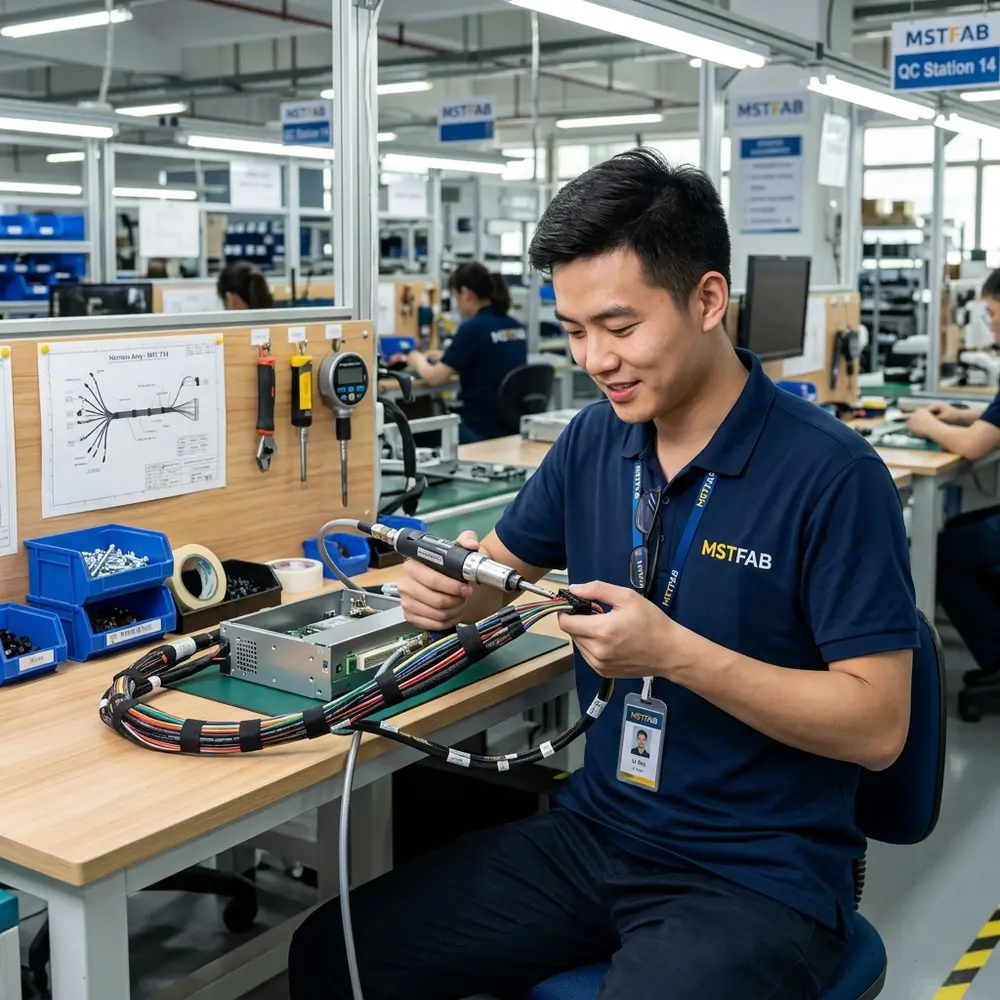
1. Fabrication and Assembly Are Not the Same Service
Sheet metal fabrication is about altering the physical state of raw metal. We laser cut sheet metal, bend it on press brakes, weld seams, insert clinch nuts, and apply powder coating. These operations are governed by material specifications, bend tolerances, and finishing standards. Once the metal is coated, it is technically a finished sheet metal part.
Product assembly, however, involves managing a multi-part Bill of Materials (BOM). It requires installing non-metal components, routing cables, routing wiring harnesses, sealing doors with rubber gaskets, and conducting functional testing. Simple mechanical assembly—like mounting door hinges and handles—complements fabrication. But full electromechanical assembly represents a distinct manufacturing scope.
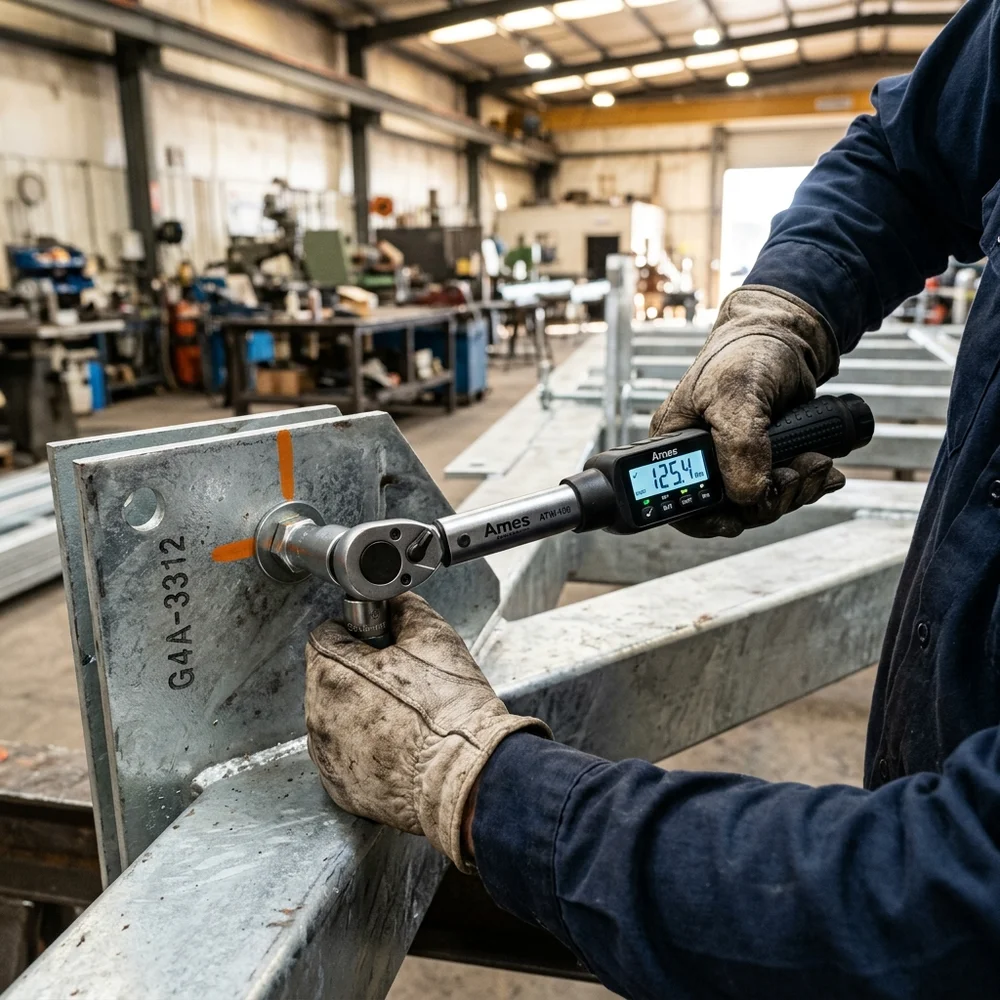
2. Four Core Reasons Sheet Metal Shops Limit Assembly Scope
Reason 1: Managing Complex Bills of Materials (BOM)
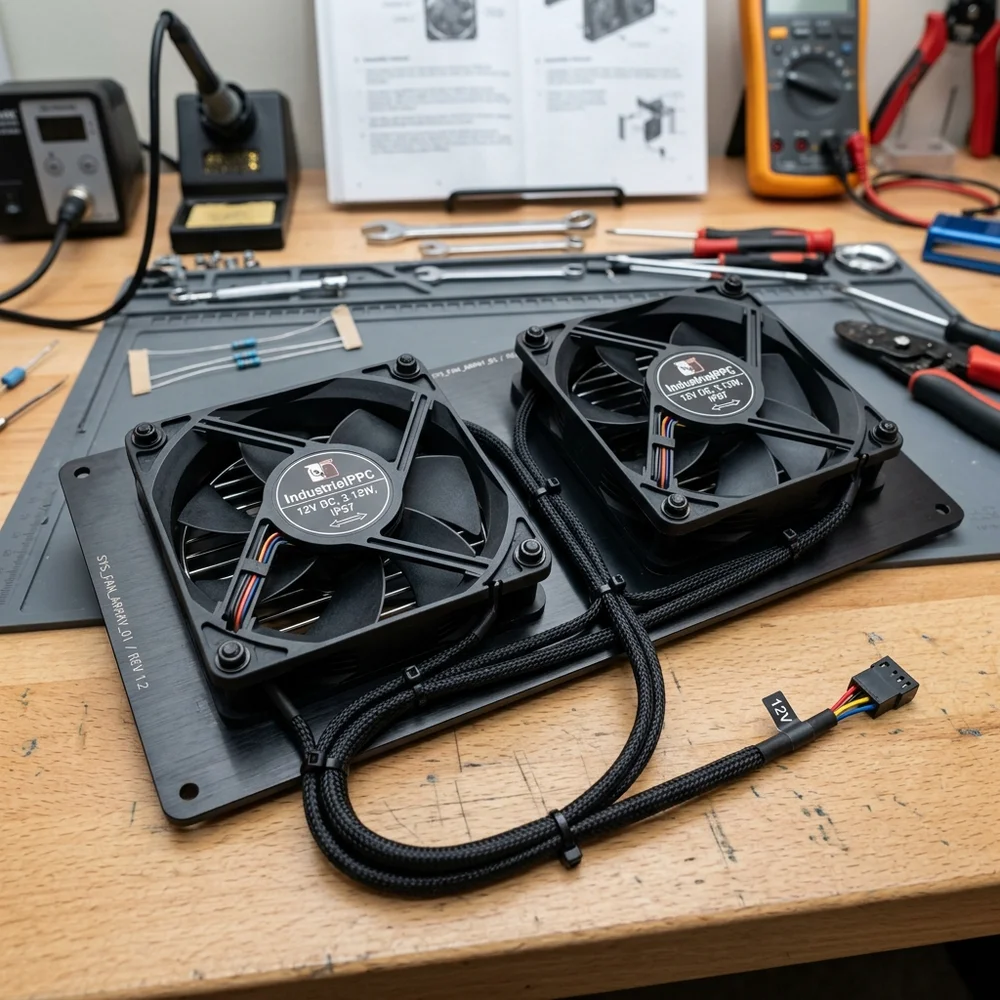
A sheet metal part requires a drawing, a material callout, a finish specification, and a quantity. Full assembly, however, requires a BOM with dozens of purchased standard parts—screws, washers, rubber feet, wire labels, fans, power supplies, and printed circuit boards (PCBs). A missing screw or a slightly off-specification connector can halt the entire shipping schedule. Managing third-party vendors and long-lead electronics is outside the typical procurement scope of a metal shop.
Reason 2: Different Labor Skills and Tooling Requirements
The skills required to operate a 6kW fiber laser cutter or a CNC press brake are not the same as those needed for wiring harness routing, torque-sensitive screw installation, or ESD (Electrostatic Discharge) protection. Experienced fabricators are trained to control weld shrinkage and bend tolerances, whereas assembly operators focus on assembly instructions, torque limits, and functional checking. Dedicated assembly lines also require clean workbenches and ESD-safe zones that are separate from metal processing environments.
Reason 3: Testing and Safety Liability
When we supply a custom sheet metal bracket or an enclosure, our liability is defined by drawing tolerances and finishes. If we assemble a complete electrical cabinet, we must verify the system’s function. This involves continuity tests, grounding tests, insulation tests, and high-voltage safety checks. If a component fails in the field due to a design error, identifying the cause becomes difficult. Most sheet metal shops do not have the equipment or certification authority (like UL or CE testing) to assume responsibility for final electronic performance.
Reason 4: Production Flow and Spatial Constraints
Fabrication shops operate on machine scheduling. Parts move through laser cutting, bending, welding, powder coating, and packaging in a continuous flow. Assembly, by contrast, can be delayed by late-arriving purchased parts, testing failures, or design adjustments. Storing partially assembled cabinets in a metal shop takes up valuable space and can impact overall production efficiency.
3. Trust Comparison: Traditional Shop vs. MSTFAB Assembly Standards
| Evaluation Metric | Traditional Sheet Metal Shop | MSTFAB Assembly Standard |
|---|---|---|
| BOM Management | Promises full sourcing; halts production due to incorrect screw types or missing parts. | Conducts a BOM review; defines client-supplied vs. factory-sourced parts up front. |
| Assembly Documentation | Relies on verbal instructions; leads to misaligned brackets or door gaskets. | Uses step-by-step visual assembly checklists for mechanical alignment. |
| Hardware Insertion | Clinch nuts are loose or pressed unevenly, risking detachment during field wiring. | Applies controlled tonnage pressure to insert PEM standoffs and nuts flat and secure. |
| Powder Coat Protection | Applies powder coat over threads and ground studs, requiring manual tapping later. | Uses high-temperature silicone plugs to mask ground studs, ensuring conductivity. |
| Export Packaging | Ships large enclosures with basic wrapping; panels arrive scratched or dented. | Uses custom foam inserts inside reinforced wooden crates to keep doors locked and protect finishes. |
| Pricing Structure | Provides a single flat rate; includes surcharges for assembly adjustments. | Itemizes labor times and tooling costs in the quotation; fixed price guarantee. |
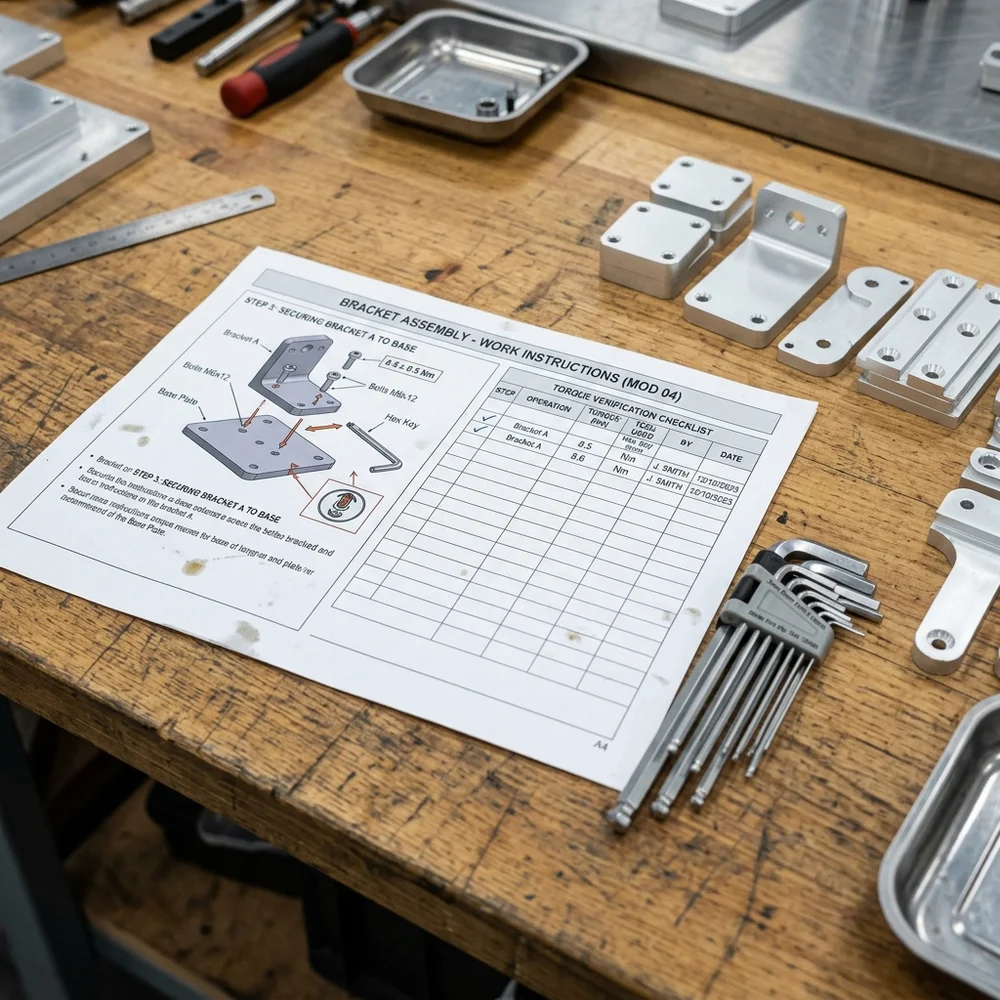
4. What Assembly Scope Can We Control?
While we do not provide full electromechanical integration, wiring, or software configuration, we support a range of mechanical assembly services:
- Fasteners & Hardware: Pressing PEM nuts, studs, standoffs, and rivet nuts flat into panels.
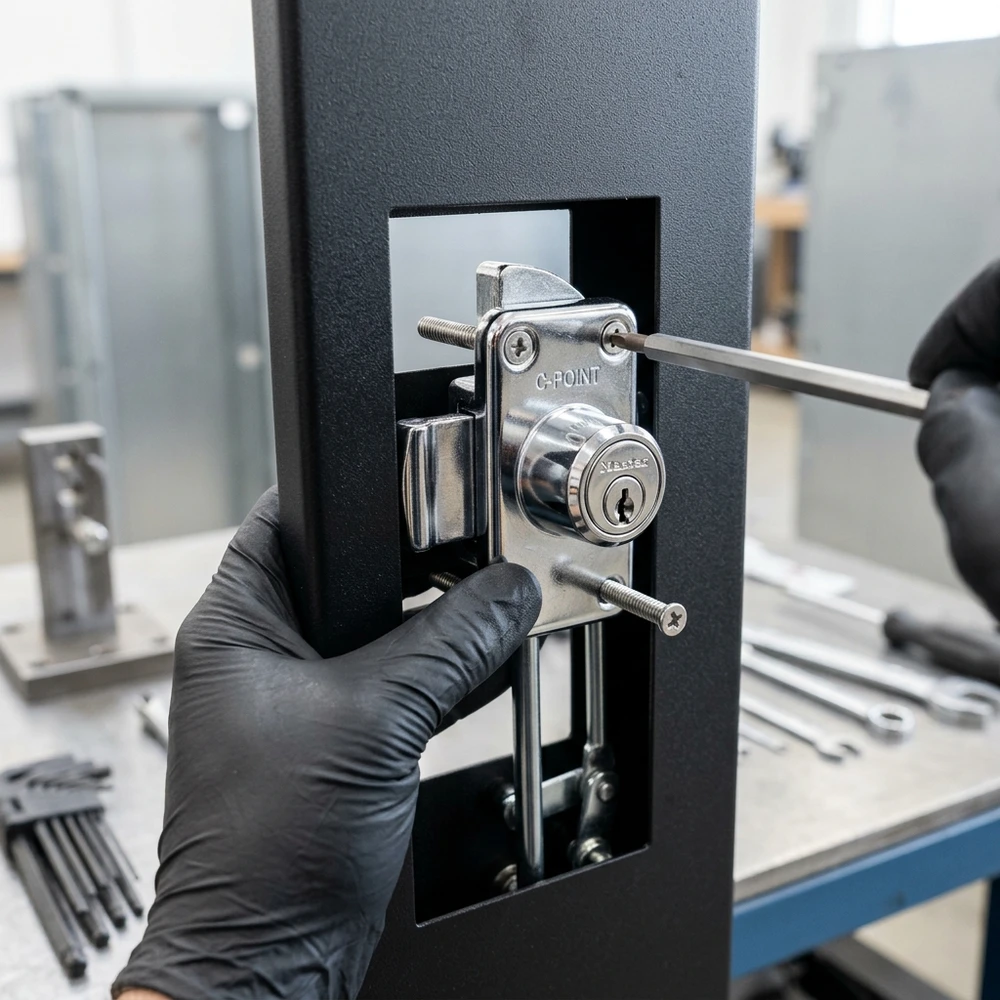
- Door Hardware: Installing heavy-duty hinges, locks, latches, and door handles onto enclosures.
- Gaskets & Sealing: Applying neoprene or silicone sealing strips to ensure doors are weather-resistant.
- Mechanical Kitting: Fitting mounting plates, cable entries, brackets, and internal shelves inside enclosures.
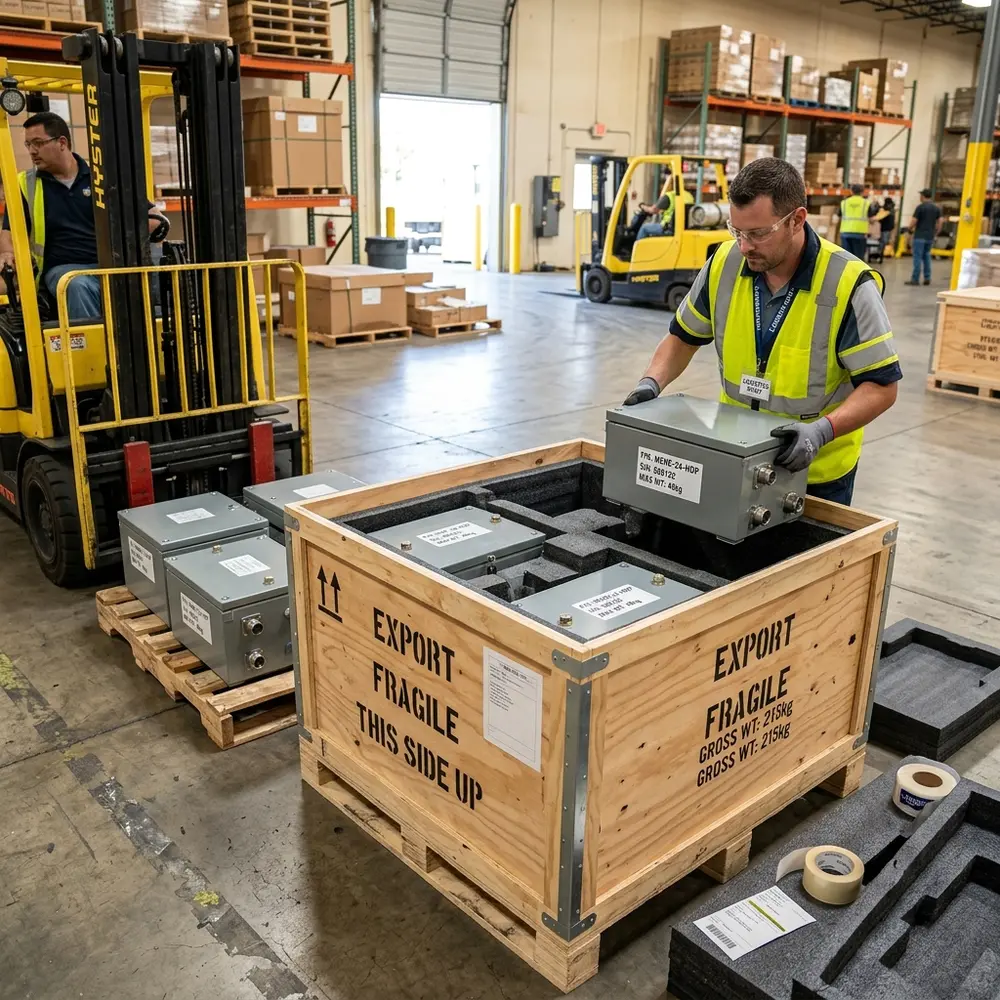
5. Scope Boundaries: Ensuring Project Quality
We focus on structural metal fabrication. We do not manufacture circuit boards, perform control panel wiring, program logic controllers, or manage CE/UL electrical safety certifications. Keeping this distinction clear protects your intellectual property and ensures that we deliver high-quality physical chassis, brackets, and enclosures built to your drawings.
Frequently Asked Questions
Q: Can you install customer-supplied locks or hinges?
A: Yes. Many clients ship specific brand-name hinges, locks, or fans directly to our factory. We will build custom fixtures and install them according to your assembly drawings.
Q: Do you test IP-rated enclosure seals?
A: We verify that gasket materials conform to the drawing specifications and inspect doors for uniform compression and gap clearance. However, formal IP-rating testing (such as IP54 or IP66 dust and water tests) must be performed by certified laboratories.
Q: What assembly documentation do you require?
A: For simple mechanical installations, we need an assembly drawing, a bill of materials (BOM), and an exploded view highlighting critical orientation or torque specifications.
A successful project starts with clear scope definitions. Upload your drawings and mechanical assembly requirements to our engineering team for review.
MSTFAB provides precision sheet metal laser cutting services for OEM panels, brackets, enclosures and custom metal parts.
 WeChat Contact
 WhatsApp Me Directly