
TIG vs. MIG Welding for Sheet Metal: Quick Engineering Comparison
In custom sheet metal fabrication, TIG welding (GTAW) provides precise heat input control, spatter-free cosmetic seams, and minimal distortion on thin-gauge stainless steel (SUS304/316), aluminum (5052/6061), and visible enclosure corners. MIG welding (GMAW) offers higher deposition speed and structural strength on thicker carbon steel frames, heavy base plates, and internal structural brackets.
| Comparison Factor | TIG Welding (GTAW) | MIG Welding (GMAW) |
|---|---|---|
| Best Sheet Thickness | Thin to medium gauge (0.8 mm – 3.0 mm) | Medium to heavy gauge (2.0 mm – 10.0+ mm) |
| Primary Materials | SUS304/316 stainless steel, 5052/6061 aluminum, cosmetic SPCC enclosures | SS400/Q235 carbon steel frames, thick mounting brackets, structural skids |
| Spatter & Post-Grinding | Virtually zero spatter; minimal post-weld grinding required | Higher spatter; requires grinding/cleaning on cosmetic surfaces |
| Heat Input & Warping Control | Focused heat zone; lower distortion when paired with copper chill bars & fixtures | Higher deposition rate; suited for rigid structural weldments |
TIG welding for stainless steel sheet metal parts is one of those processes that looks calm from the outside. A small arc, a steady hand, a clean bead. Then one buyer discovers heat tint, warped panels or a door that closes like it has personal objections, and suddenly everyone remembers why welding quality matters.
This guide is written for overseas OEM buyers sourcing stainless steel enclosures, brackets, chassis, housings and precision assemblies from China. It explains when TIG welding is worth choosing, what can go wrong, and how to write an RFQ that helps a factory quote the real job instead of guessing politely.
MSTFAB already has a broader guide to TIG welding service for sheet metal fabrication. This article goes deeper into the long-tail buyer question: how do you control clean seams, heat distortion, corrosion resistance and cosmetic finish on stainless steel sheet metal parts?
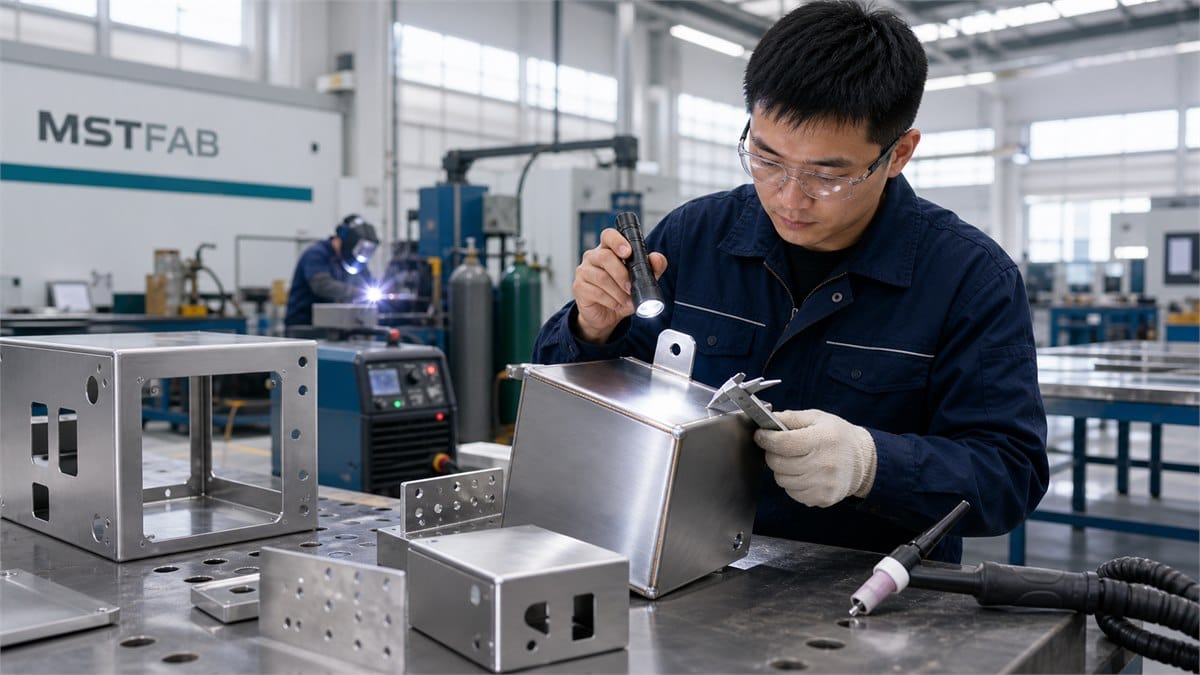
What Is TIG Welding for Stainless Steel Sheet Metal Parts?
TIG welding, also called GTAW, uses a non-consumable tungsten electrode and shielding gas, usually argon, to create a controlled weld. For stainless steel sheet metal parts, TIG welding is valued because it gives the operator precise heat control and produces a clean weld with very little spatter.
That matters for parts where appearance, corrosion resistance and dimensional stability are all important. Stainless steel may be strong, but it can be picky. Treat it badly and it returns the favor with discoloration, distortion and corrosion risk. Not very friendly, but very consistent.
- Stainless steel equipment housings and covers
- Medical and laboratory device sheet metal parts
- Food-grade frames, brackets and guards
- Industrial stainless chassis and machine components
- Precision enclosure corners, tabs and small welded assemblies
Why OEM Buyers Choose TIG Welding Instead of Faster Welding Methods
TIG welding is not always the fastest method. If the project only needs heavy structural welds with a rough finish, another process may be more efficient. But when a stainless steel part must be clean, accurate and visually acceptable, TIG welding often earns its seat at the table.
Compared with many faster methods, TIG welding helps reduce spatter, improves bead control, and gives the welder more control over heat input. For thin stainless steel panels, visible seams or hygienic applications, that control can be the difference between a professional part and a stainless steel apology.
The goal is not to make the weld look exciting. The goal is to make the weld look boringly correct, batch after batch.
Start Before Welding: DFM Review and Weld Access
A good TIG welded stainless steel part starts before the welding torch is turned on. During DFM review, the supplier should check material grade, thickness, bend sequence, weld access, fixture design, grinding allowance, cosmetic faces and inspection requirements.
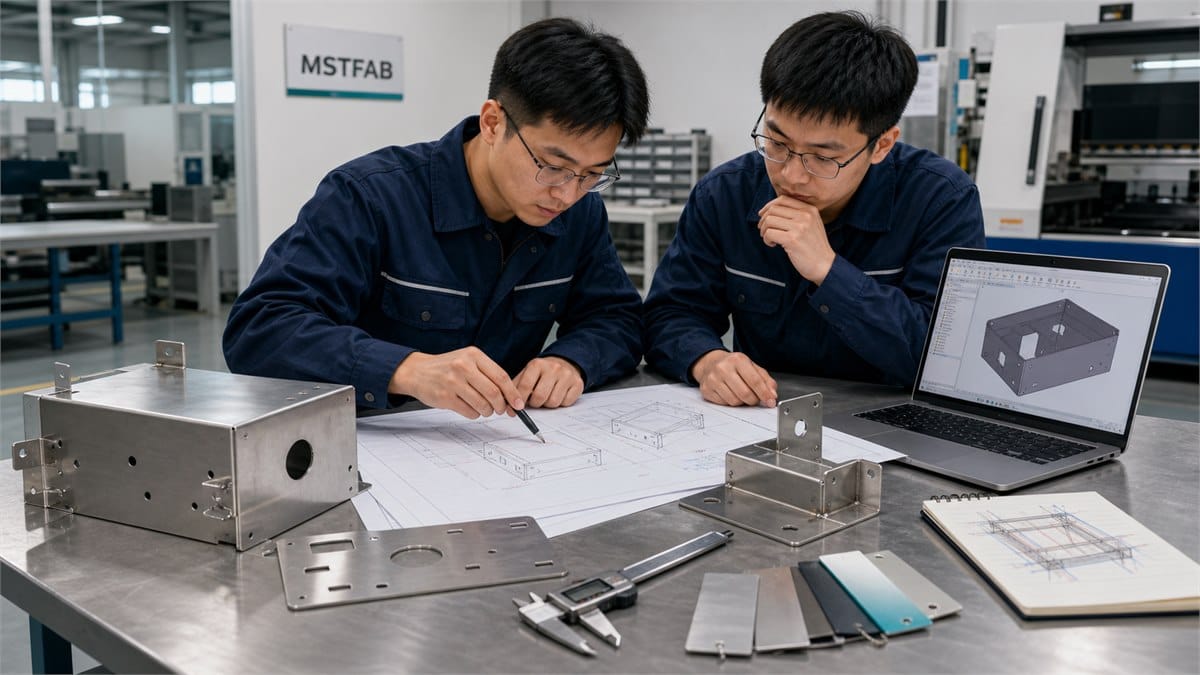
This is especially important when laser cutting, bending and welding are connected in one project. A bracket may cut perfectly, but if the bend sequence blocks welding access, the welder is left trying to solve geometry with patience. Patience is useful; it is not a fixture.
For projects that involve formed stainless panels before welding, review MSTFAB’s sheet metal bending services to understand how bend radius, flange length and tolerance control affect the final welded assembly.
Material Preparation: Stainless Steel Needs Clean Discipline
Stainless steel welding quality depends heavily on preparation. Oil, dust, fingerprints, carbon steel contamination and burrs can all affect the weld area. A professional shop should clean the material, deburr cut edges and separate stainless handling from carbon steel contamination risk.
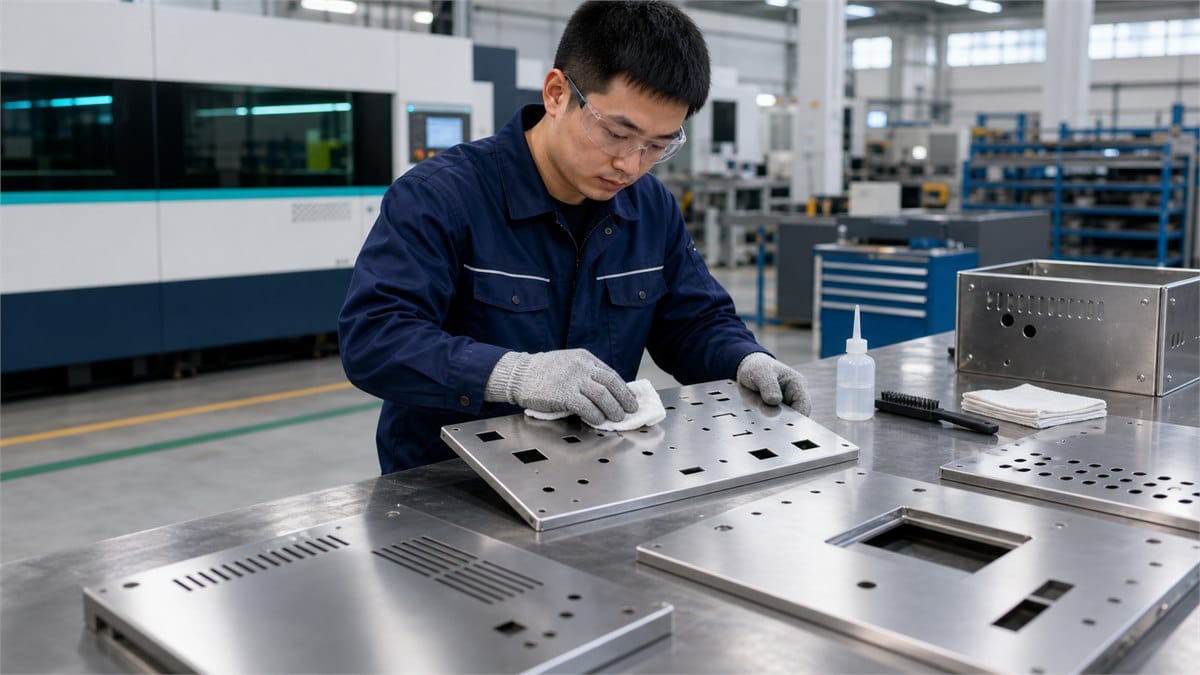
This is not a small detail. If contamination is trapped in the weld area, the part can suffer from ugly welds, weak joints or reduced corrosion resistance. Buyers may not see the problem in the first photo, but the field environment will find it eventually. Field environments are excellent auditors and terrible negotiators.
The TIG Welding Stage: Heat Control Is the Main Story
During TIG welding, the operator controls heat input, travel speed, filler material, shielding gas and weld sequence. For thin stainless steel sheet metal, too much heat can cause warping, burn-through, heat tint or poor fit-up after cooling.

For stainless steel enclosures and chassis, heat distortion is one of the biggest buyer pain points. A panel may look flat before welding, then move just enough to create assembly gaps, door alignment issues or mounting hole mismatch. This is why experienced welders, proper tack welding and controlled sequence matter.
When the project includes laser-cut blanks, the cutting quality also affects welding preparation. Learn more about upstream blank accuracy on MSTFAB’s laser cutting services page.
Finished Stainless Parts Should Be Strong and Clean
A TIG welded stainless steel part should not only hold together. It should also fit the assembly, meet the cosmetic requirement and remain suitable for the working environment. For OEM buyers, this is where process control becomes visible.
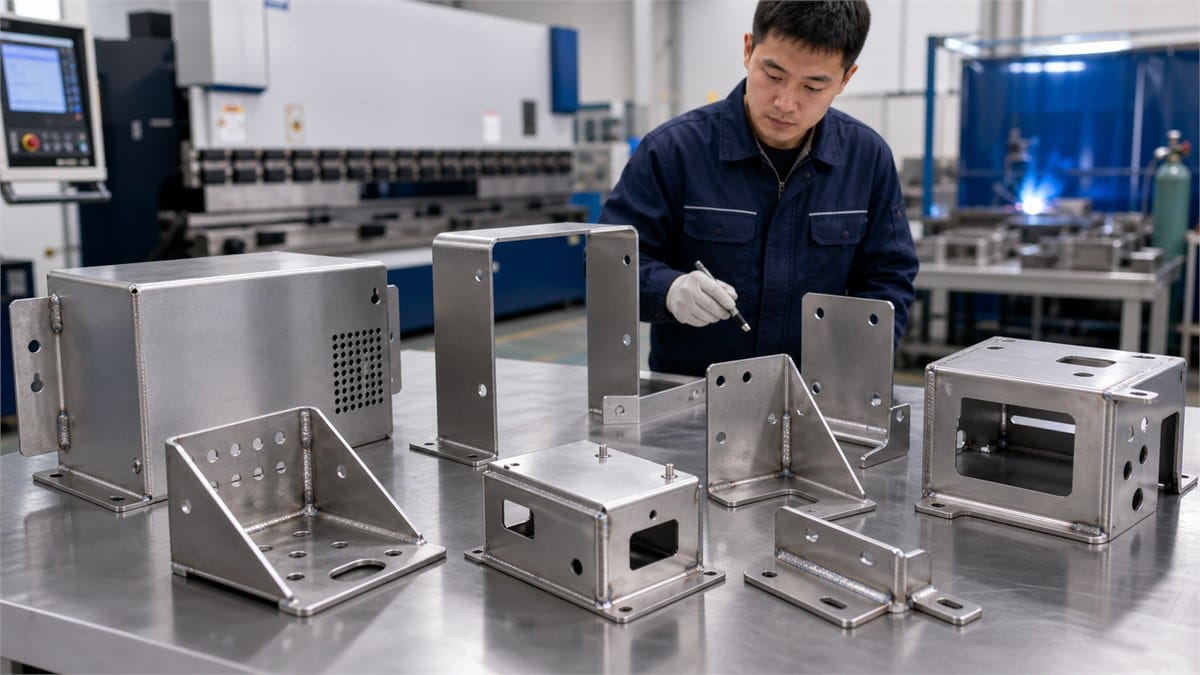
- Clean seam: smooth bead profile with minimal spatter and no obvious undercut.
- Dimensional stability: flat panels, correct hole positions and controlled assembly fit.
- Surface quality: no unnecessary scratches on cosmetic faces.
- Corrosion resistance: suitable cleaning, passivation or finish choice when required.
- Repeatability: the first sample and the tenth batch should feel like relatives, not strangers.
Fixture Control: How to Fight Distortion Before It Wins
Stainless steel sheet metal does not politely stay in place just because the drawing looks confident. Fixtures, clamps, squares, tack welds and a planned welding sequence help hold the part during heat input. This is especially important for enclosure frames, chassis bodies, stainless guards and welded brackets.
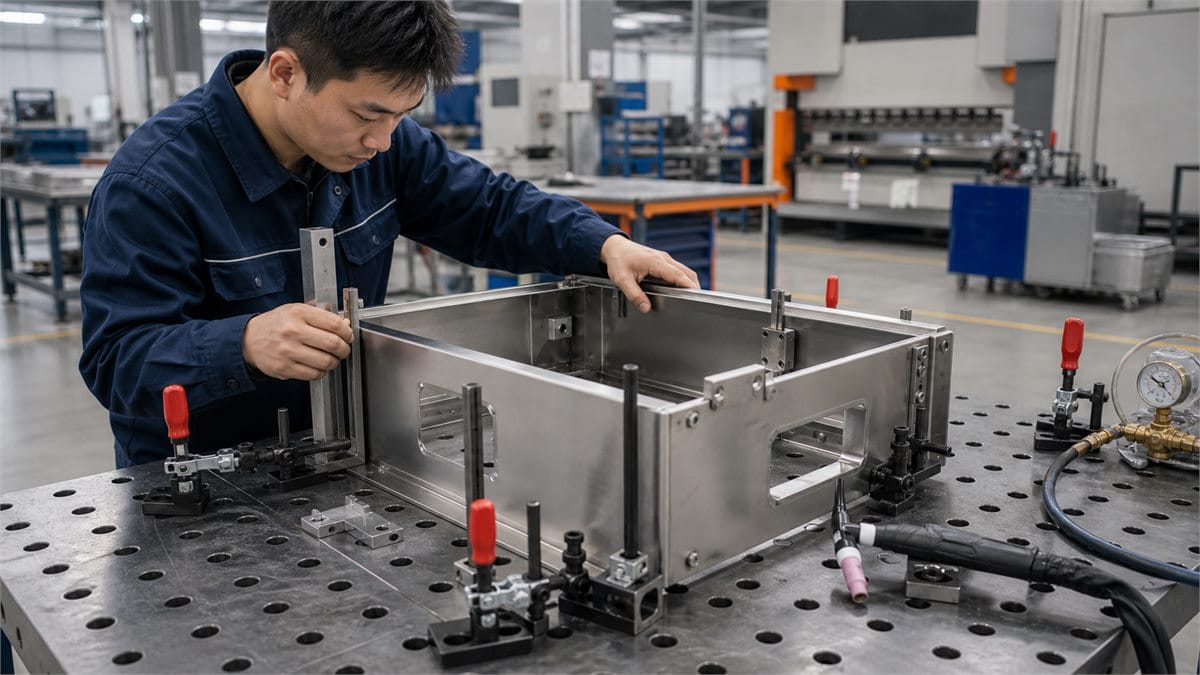
Good fixture control helps reduce twist, gap movement and poor corner alignment. It also makes production more repeatable. Without it, each part can become a small handmade adventure. Handmade adventures are charming for pottery, less charming for OEM assemblies.
Surface Finishing After TIG Welding
After welding, stainless steel parts may need brushing, grinding, polishing, passivation or cleaning depending on the application. The right choice depends on whether the part is cosmetic, hygienic, structural, hidden inside equipment or exposed to moisture and chemicals.
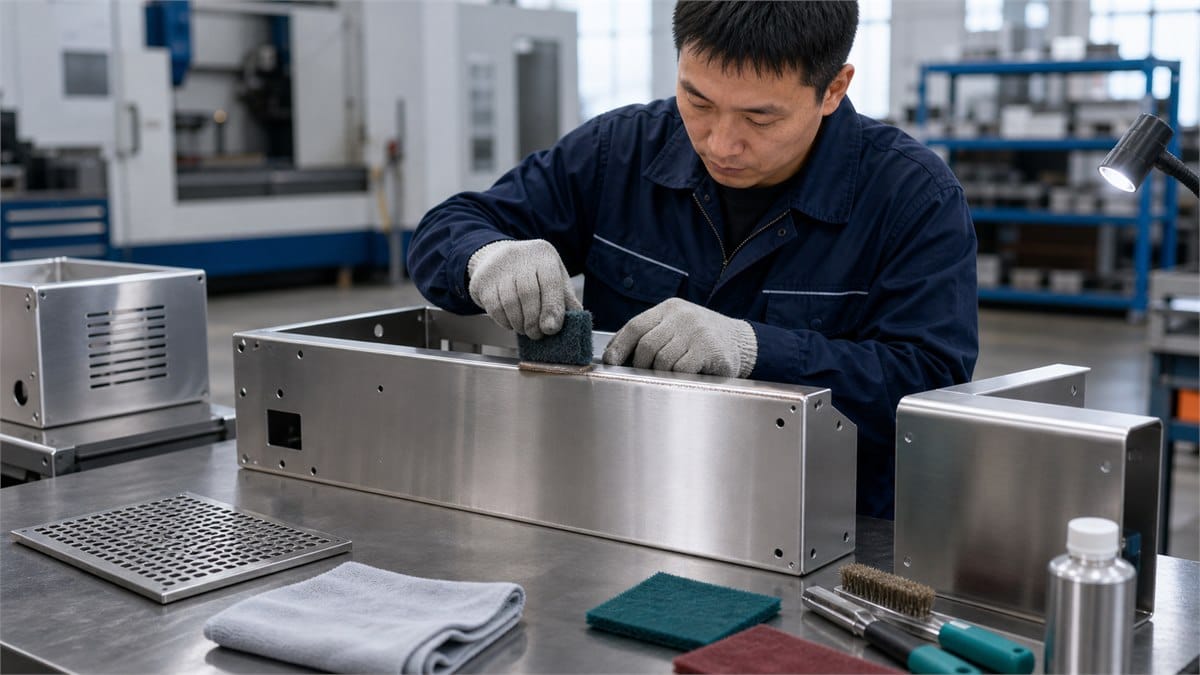
For brushed stainless steel, the grain direction and finish consistency should be discussed before production. For corrosion-sensitive parts, passivation may be required. For visible equipment housings, buyers should define acceptable weld appearance and any grinding or blending limits clearly.
For broader material and finish context, see MSTFAB’s stainless steel sheet metal fabrication guide and the sheet metal welding and finishing services page.
Quality Inspection: Trust Is Good, Calipers Are Better
A supplier should inspect more than the weld bead. For TIG welded stainless steel sheet metal parts, inspection should include key dimensions, hole position, flatness, weld appearance, hardware, surface finish and assembly fit. If the part is a housing or cabinet, door alignment and mating features deserve special attention.
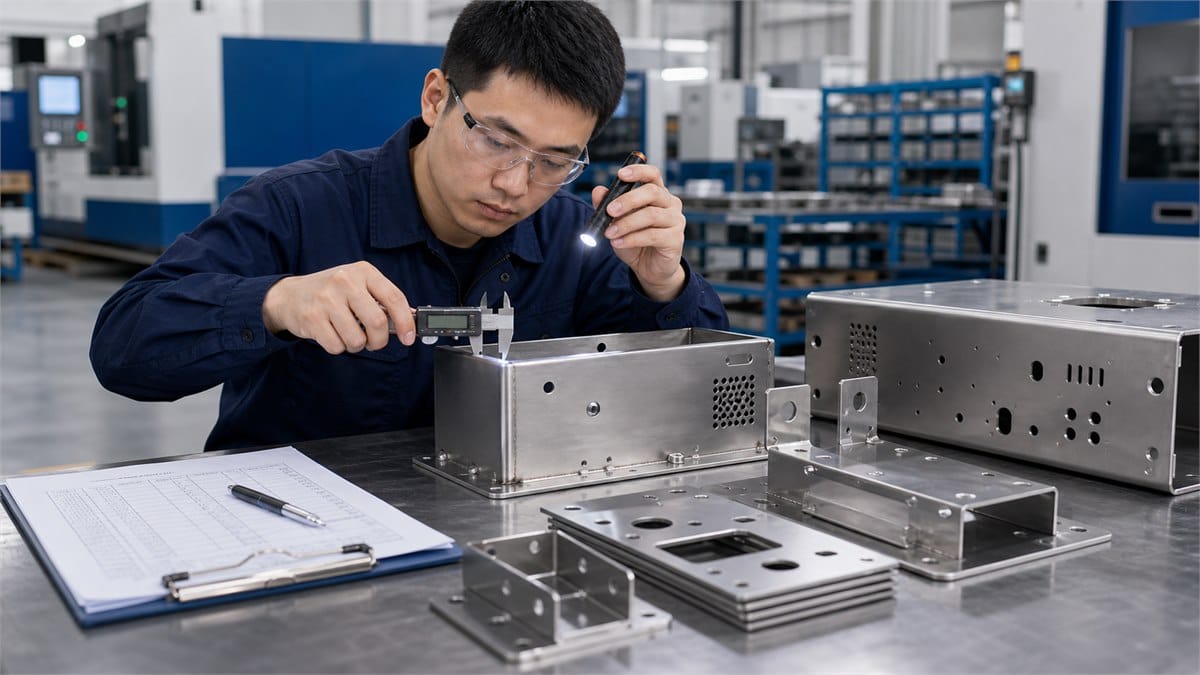
Photo evidence, first article inspection and clear packing photos help overseas buyers reduce risk before shipment. Nobody enjoys discovering a weld or fit problem after the parts have completed an international vacation.
Where TIG Welded Stainless Steel Parts Are Used
TIG welded stainless steel sheet metal parts are common wherever clean appearance, corrosion resistance and stable assembly are important. Typical industries include medical equipment, laboratory devices, food processing equipment, industrial machinery, automation systems and premium equipment housings.
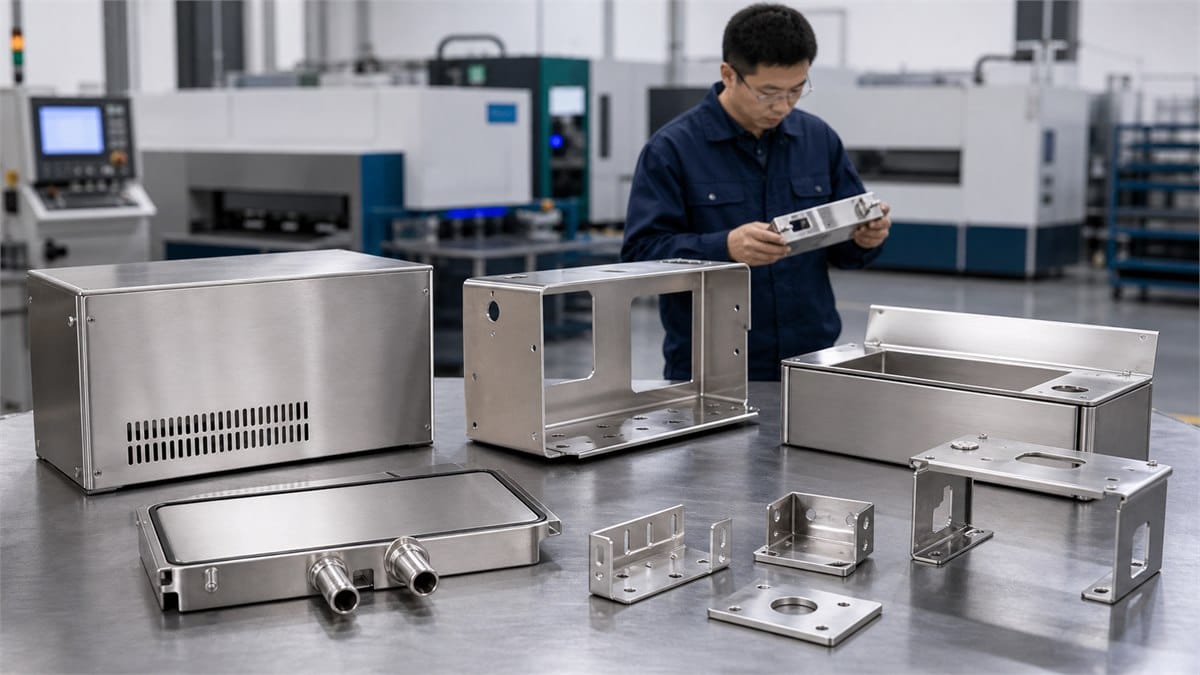
For broader welded assemblies beyond stainless TIG work, MSTFAB also supports welded sheet metal fabrication services, including fixture-controlled welded frames, cabinets, chassis and brackets.
TIG vs MIG for Stainless Steel: Simple Buyer View
TIG welding is usually preferred for precision stainless work, thin materials, clean visible seams and high appearance standards. MIG welding can be useful for faster production, heavier sections or less cosmetic work. The right choice depends on material thickness, weld position, appearance standard, strength requirement and production volume.
A practical buyer question is not “Which welding method sounds more advanced?” It is “Which method gives this part the required strength, appearance and repeatability at the right cost?” That question saves time and reduces expensive arguments later.
RFQ Checklist for Stainless Steel TIG Welded Parts
To get a more accurate quote, send the supplier clear information. A vague RFQ creates a vague quote, and vague quotes tend to grow legs after production starts.
- 2D drawings with critical dimensions and tolerances
- 3D STEP files when available
- Stainless steel grade such as 304 or 316
- Material thickness and surface finish requirement
- Weld locations, visible faces and cosmetic standard
- Strength, sealing, hygiene or corrosion requirements
- Quantity for prototype, batch order and annual demand
- Inspection requirements and acceptable evidence
- Packing requirements to avoid scratches and deformation
If you are preparing a quote package, this related RFQ article can also help: Sheet Metal Enclosure Fabrication RFQ.
FAQ: TIG Welding Stainless Steel Sheet Metal Parts
Is TIG welding always the best choice for stainless steel?
No. TIG welding is excellent for clean seams, thin stainless parts and cosmetic requirements, but it is not always the cheapest or fastest process. A good supplier should recommend the method based on the actual part, not because one welding process looks nicer in a brochure.
How can buyers reduce stainless steel welding distortion?
Use DFM review, proper bend planning, fixture control, tack weld strategy, controlled heat input and realistic tolerances. Distortion cannot be wished away, but it can be managed. Wishing is not a welding parameter.
Should stainless TIG welds be polished or passivated?
It depends on the application. Cosmetic parts may need brushing or polishing. Corrosion-sensitive or hygienic parts may need passivation. Hidden structural parts may only need clean weld quality and basic finishing. Define this before production.
Can MSTFAB make stainless welded parts for export OEM projects?
Yes. MSTFAB supports overseas OEM buyers with drawing review, laser cutting, CNC bending, TIG welding, finishing, inspection and export-ready packaging for custom stainless steel sheet metal parts.
Final Thoughts
TIG welding for stainless steel sheet metal parts remains valuable because it solves a real buyer problem: how to create welded parts that are strong, clean, corrosion-resistant and accurate enough for assembly. It is slower than some alternatives, but when appearance and precision matter, speed alone does not win the project.
For overseas buyers, the smartest move is to treat TIG welding as part of a complete manufacturing workflow. Review the drawing, prepare the material, control the fixture, manage heat, finish the surface, inspect the part and pack it properly. Do that well, and stainless steel behaves like the premium material it is supposed to be. Skip those steps, and it behaves like a very shiny problem.
Need TIG welded stainless steel sheet metal parts?
MSTFAB supports OEM buyers with DFM review, laser cutting, CNC bending, TIG welding, finishing, inspection and export-ready packaging for stainless steel enclosures, brackets, chassis and equipment housings.
Related stainless steel material check: If your OEM part may use 304 or 316 stainless steel, review MSTFAB’s SUS304 vs SUS316 stainless steel fabrication guide for corrosion risk, chloride exposure, contamination control, TIG welding, surface finish and RFQ checkpoints.
MSTFAB provides TIG and MIG sheet metal welding services for structural assemblies, cabinets, frames and OEM metal components.
 WeChat Contact
 WhatsApp Me Directly