
🔥 Direct Answer: What Are Sheet Metal Welding and Finishing Services?
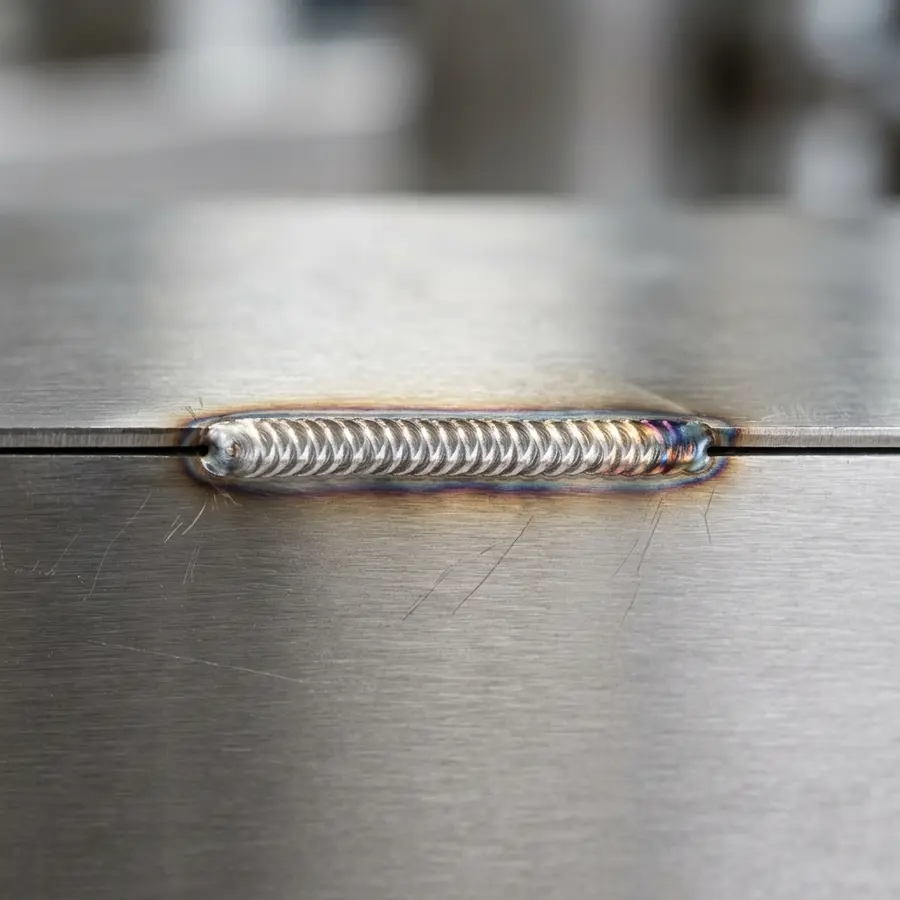
Sheet metal welding and finishing services encompass the secondary structural joining and surface treatment operations that transform precision-bent metal panels into rigid, structurally sound, and corrosion-resistant assemblies. Primary welding techniques include precision TIG (GTAW) for thin-gauge stainless and aluminum cosmetic corners, MIG (GMAW) for heavy structural brackets, and capacitor discharge resistance spot welding for internal stiffeners. Surface finishing incorporates seamless cosmetic grinding (Class A grain matching), automated conversion pretreatment, and electrostatic powder coating cured to ASTM adhesion standards.
Welding Process Selection: TIG vs. MIG vs. Resistance Spot Welding
Selecting the proper welding discipline prevents thermal distortion, burn-through, and structural failure:
| Welding Process | Applicable Materials & Thickness | Heat Input & Distortion Control | Cosmetic & Structural Strengths | Typical OEM Enclosure Use |
|---|---|---|---|---|
| TIG Welding (GTAW) | Stainless Steel, Aluminum, CRS (0.8mm – 3.0mm) | Low, focused heat input; pulse TIG minimizes distortion. | Flawless bead aesthetics; zero spatter; 100% leak-tight sealing. | Exterior visible corners, IP66 watertight seams, medical and food-grade cabinets. |
| MIG Welding (GMAW) | Mild Steel, Structural Tubes, Plates (2.0mm – 12.0mm) | Moderate to high; requires rigid clamping fixtures. | High deposition speed, deep penetration, robust structural yield strength. | Heavy equipment frames, agricultural chassis, structural base skids. |
| Resistance Spot Welding | Cold-Rolled & Galvanized Steel (0.8mm – 2.0mm sheets) | Extremely localized resistance heat; zero overall panel warping. | Fast, no filler rod required, high shear strength with minimal exterior marks. | Attaching internal door hat-stiffeners, mounting brackets, cable divider pans. |
Surface Finishing: From Cosmetic Grinding to Electrostatic Powder Coating
A precision weld is only half the battle. High-value equipment requires flawless cosmetic finishing and long-term anti-corrosion protection:
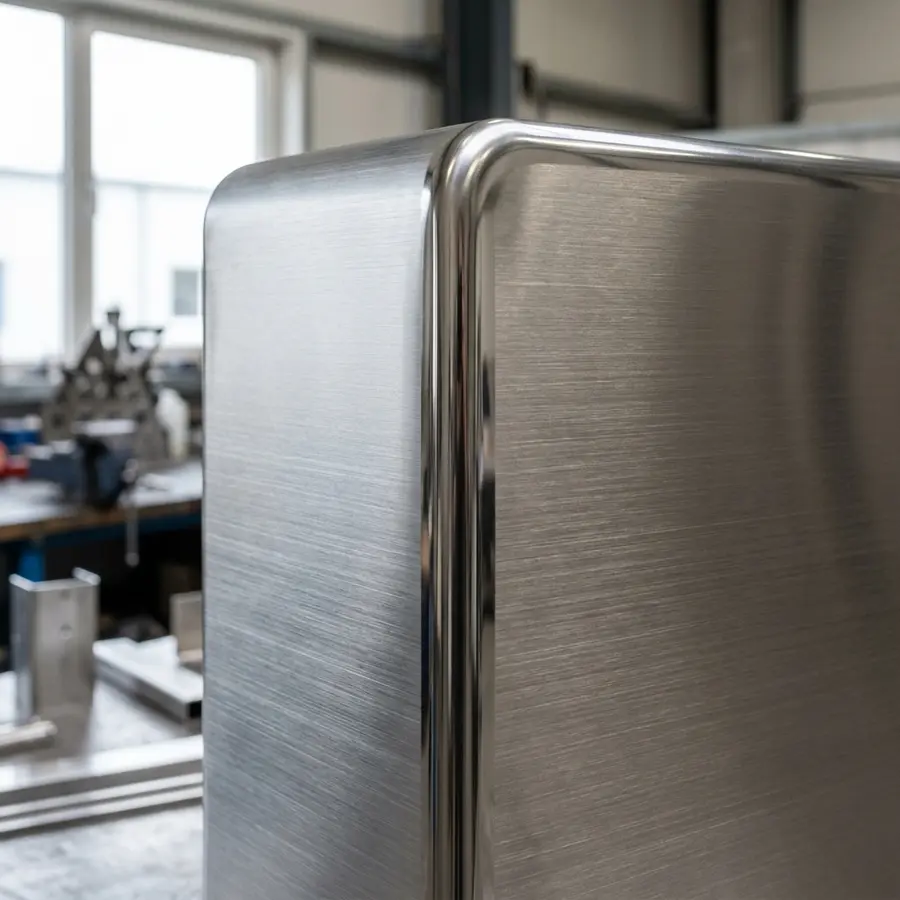
- Cosmetic Weld Blending (Class A & B): External corner welds are ground using ceramic flap discs followed by non-woven Scotch-Brite abrasives to match surrounding sheet grain with zero gouging.
- Thread & Grounding Stud Masking: High-temperature silicone caps and plugs protect internal threaded studs and copper grounding points during powder coating to preserve electrical continuity.
- Electrostatic Powder Coating: Automated powder spray booths deliver consistent 80–120 micron coatings in standard industrial RAL colors (RAL 7035, RAL 9005, RAL 7032) or custom texture finishes (smooth, fine texture, leatherette).
- Anodizing & Passivation: Aluminum parts undergo sulfuric acid anodizing (clear or black), while stainless steel weldments undergo chemical passivation (ASTM A967) to remove free iron and restore the chromium oxide passive layer.
Need Certified Sheet Metal Welding & Finishing?
Send your weldment drawings to MSTFAB. We evaluate weld symbols, fixture clamping points, and surface finishing specifications, providing a detailed DFM assessment within 24 hours.
Frequently Asked Questions on Welding and Finishing Services
How does MSTFAB prevent heat warping on thin sheet metal weldments?
We use heavy aluminum/copper chill bars to rapidly sink heat away from the weld zone, utilize pulse TIG welding with reduced amperage, and employ alternating stitch weld sequencing across rigid clamping fixtures.
What quality tests are performed on finished powder-coated parts?
We conduct magnetic/eddy-current Dry Film Thickness (DFT) verification, cross-hatch tape adhesion testing (ASTM D3359 Class 5B), MEK solvent rub cure tests, and optical gloss measurement.
 WeChat Contact
 WhatsApp Me Directly