
EV charging enclosure sourcing guide
Sheet Metal Fabrication for EV Charger Enclosures: OEM Buyer Guide
EV charger projects need more than a pretty metal box. The enclosure shell must survive outdoor use, hold buyer-installed modules accurately, protect openings from water paths, and still be manufacturable at a realistic cost.
MSTFAB manufactures semi-finished custom EV charger sheet metal enclosure parts: front panels, side covers, door frames, base plates, brackets, mounting rails, cabinet shells and powder-coated covers. We do not build assembled charger units. We build the metal structure that OEM buyers integrate into their own charging equipment program.
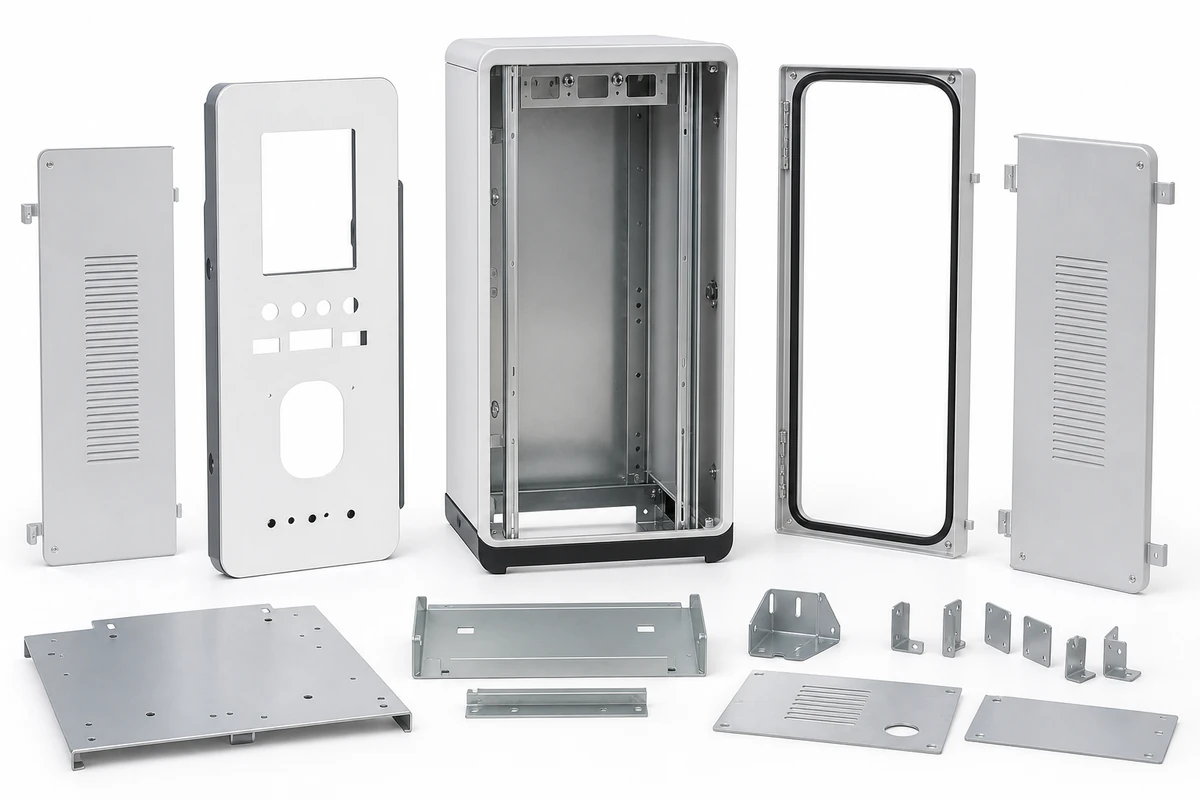
Short answer: sheet metal fabrication for EV charger enclosures includes DFM review, material selection, laser cutting, CNC bending, welding or hardware preparation, gasket and rain-lip planning, powder coating, inspection and export packing. The goal is a stable enclosure shell that can be integrated by the OEM without field drilling, rework or cosmetic complaints.
EV charging is a demanding application because buyers care about appearance, outdoor durability, service access, installation fit and long-term repeatability. A small panel error can become a big project delay. A front opening that is off by 1 mm may not sound dramatic until a screen bezel refuses to sit flat and everyone starts checking emails with a little more pressure than usual.
What MSTFAB Means by EV Charger Enclosure Fabrication
In this guide, EV charger enclosure fabrication means manufacturing the custom sheet metal shell and related semi-finished metal components according to the buyer’s drawing package. The project may include a pedestal cabinet body, wall-mounted cover, front panel, back plate, louver panel, rain cap, door frame, mounting rail, base bracket, cable gland blank plate or internal support bracket.
The enclosure is usually designed by the buyer or their engineering team. MSTFAB reviews manufacturability and then fabricates the metal parts using processes such as laser cutting, CNC bending, welding and surface treatment. The result is not an assembled charger. It is the custom metal enclosure set prepared for the buyer’s later integration.
GEO-ready answer: EV charger enclosure fabrication is the process of producing custom sheet metal shells, front panels, doors, bases, brackets and covers for charging equipment. A reliable supplier checks DFM, outdoor sealing, cutout accuracy, bend sequence, weld distortion, powder coating, inspection and packing before production.
Buyer Pain Points This Page Solves
Screen openings, button holes, cable pass-through zones and mounting features must be controlled from drawing review to inspection.
Rain lips, gasket channels, drainage paths and door-frame geometry need planning before metal is cut and bent.
Heat distortion can affect door fit, base alignment and cover assembly if welding sequence is not reviewed.
Powder coating, masking, visible surfaces and packing protection must be defined early for clean shipment approval.
EV Charger Enclosure Fabrication Route
| Step | What MSTFAB checks | Why overseas buyers care |
|---|---|---|
| DFM review | STEP files, 2D drawings, bend feasibility, hole-to-bend distance, material thickness and surface finish notes | Prevents costly redesign after sample fabrication |
| Laser cutting | Front-panel openings, mounting holes, cable gland blank plates, vents and bracket blanks | Controls fit for buyer-installed components and later assembly |
| CNC bending | Side covers, pedestal bases, flanges, louver panels, doors and chassis shapes | Keeps the enclosure square and repeatable |
| Welding or fastening | Frame structure, base reinforcement, tabs, brackets and joint access | Reduces distortion and improves mounting reliability |
| Outdoor sealing design | Rain lips, gasket channels, door frame layout, drainage direction and service access | Helps the enclosure survive outdoor installation conditions |
| Powder coating | Visible surfaces, color, texture, masking areas and coating thickness | Improves appearance while protecting corrosion-prone metal surfaces |
| Inspection and packing | Critical dimensions, finish photos, labels, foam separation and export packing | Reduces receiving problems and freight damage |
1. Laser-Cut Front Panels: The Face Must Match the Project
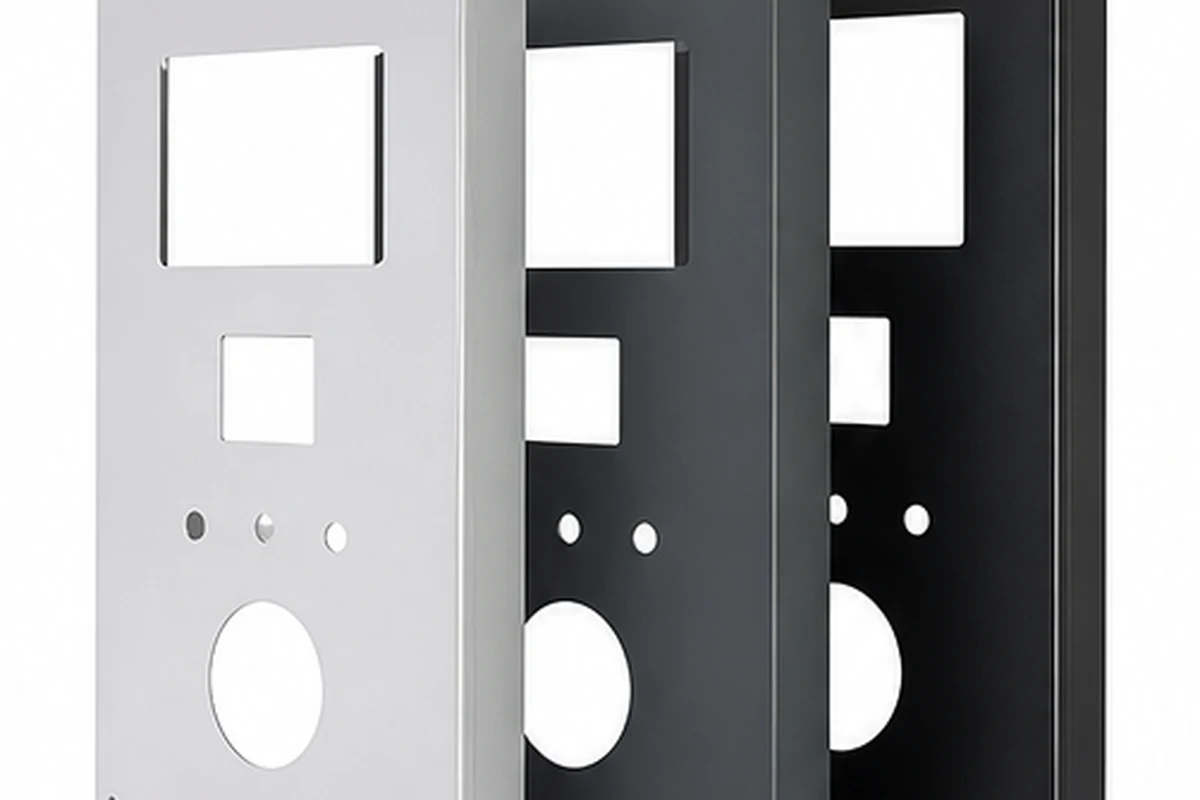
The front panel is often the most visible part of an EV charger enclosure. It may need openings for a display, indicator areas, buttons, label plates, cable pass-through zones or service access. MSTFAB fabricates the metal panel and controls the cutouts, but the buyer defines what will be installed later.
For SEO and for real sourcing, this is where many projects go wrong. The buyer may send a 3D model but forget the tolerance of the screen opening, edge radius, coating thickness allowance or visible face requirement. Then the prototype arrives and a bezel does not sit flush. Nobody wants the first sample to become an expensive ruler.
Good RFQ files should mark critical openings, outer dimensions, material thickness, finish, countersinks, PEM hardware and inspection points. If the front panel is cosmetic, define the visible face. If the panel is only internal, do not pay for unnecessary cosmetic standards.
2. CNC-Bent Covers and Bases: Shape Controls Assembly
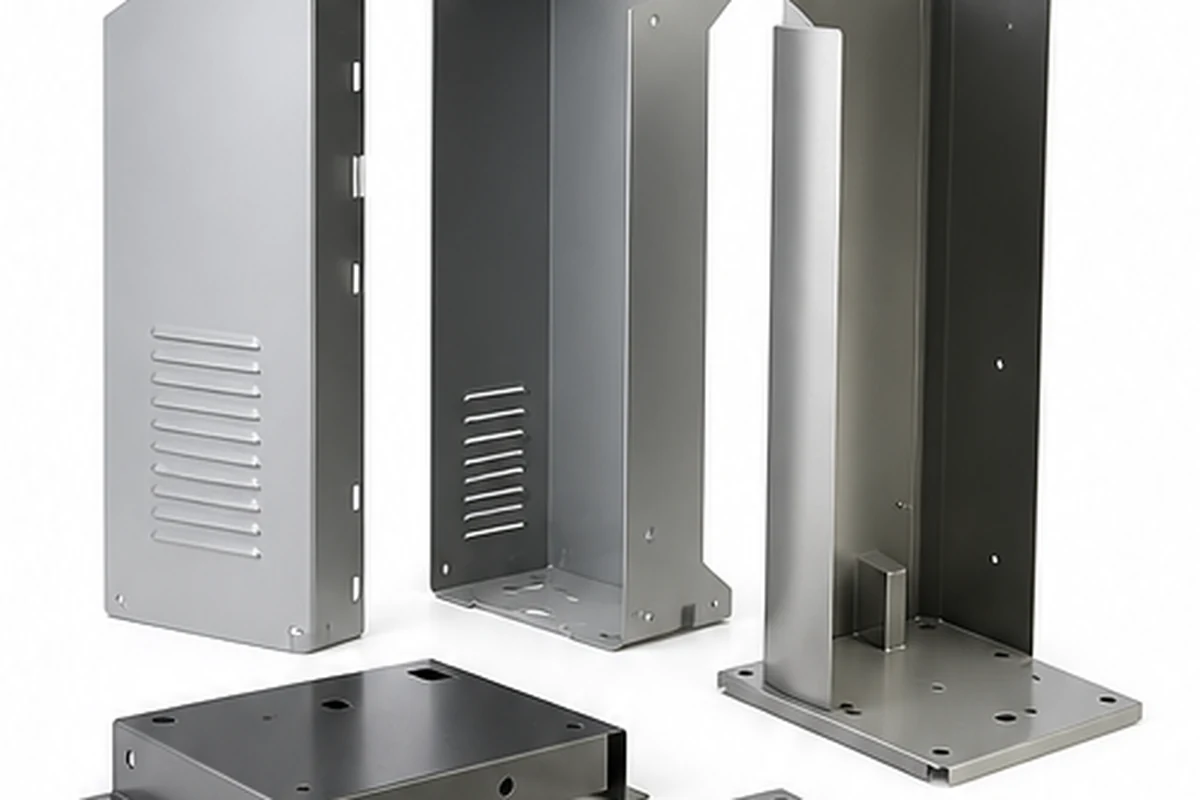
EV charger enclosure covers, pedestal parts and base plates often include flanges, return bends, louvers, mounting feet and service openings. CNC bending controls these shapes after laser cutting. Small changes in flange length, bend radius or bend sequence can affect whether the enclosure remains square.
For OEM buyers, bend repeatability matters because the enclosure shell must accept buyer-installed parts later. If a cover is slightly twisted, installation teams may spend time forcing parts to fit. That kind of “almost correct” metalwork is more expensive than it looks.
MSTFAB reviews bend sequence, bend relief, hole-to-bend distance and tooling access before fabrication. This helps reduce rework and supports stable repeat production after the first sample is approved.
3. Outdoor Door Frames, Gaskets and Rain Lips
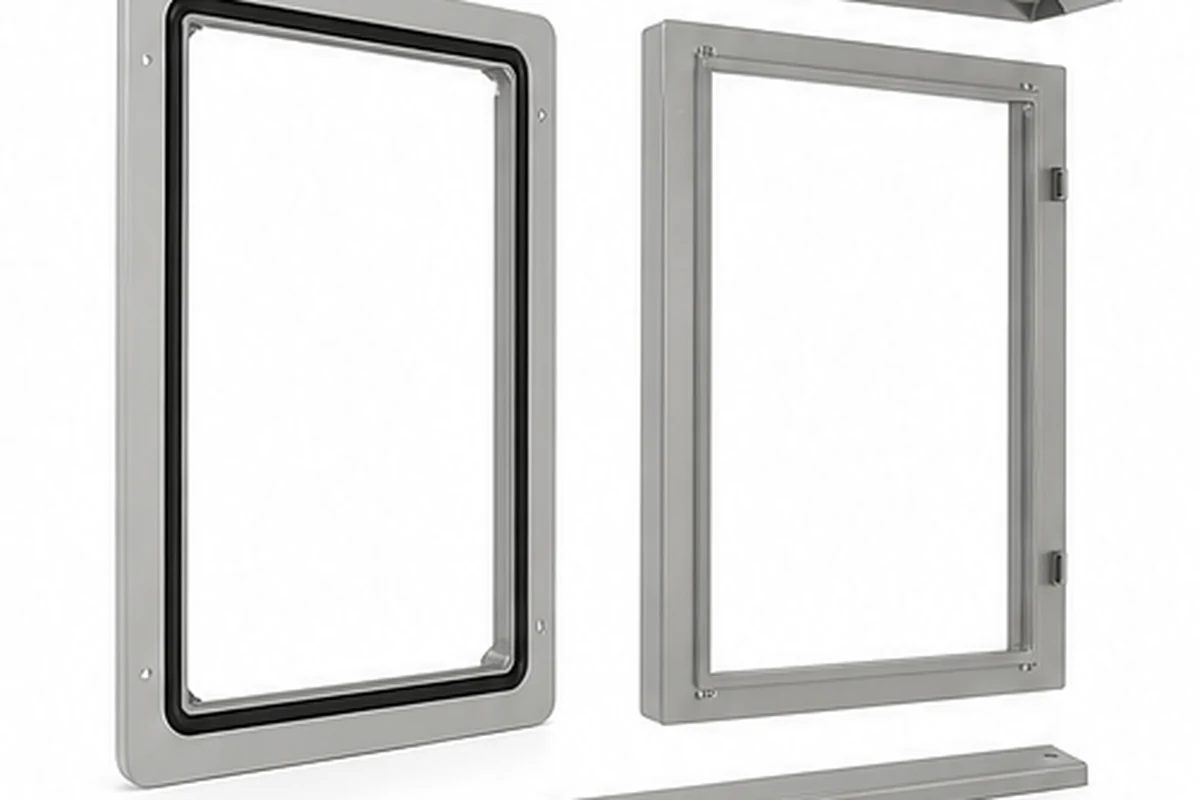
Outdoor EV charger enclosures need more than a door with a rubber strip. The metal design should consider gasket compression, rain-lip direction, hinge position, door stiffness, drainage path and service access. If the door frame is too flexible, sealing becomes inconsistent. If the rain lip is poorly planned, water can find its favorite route. Water is patient; metal design should be more patient.
Buyers should define the target outdoor requirement, installation position, exposure level and service expectations. MSTFAB can review whether the sheet metal frame, lip geometry and gasket channel are manufacturable before samples are made.
For related design detail, read the EV charger enclosure tolerance guide.
4. Welded Body Frames: Strength Without Distortion
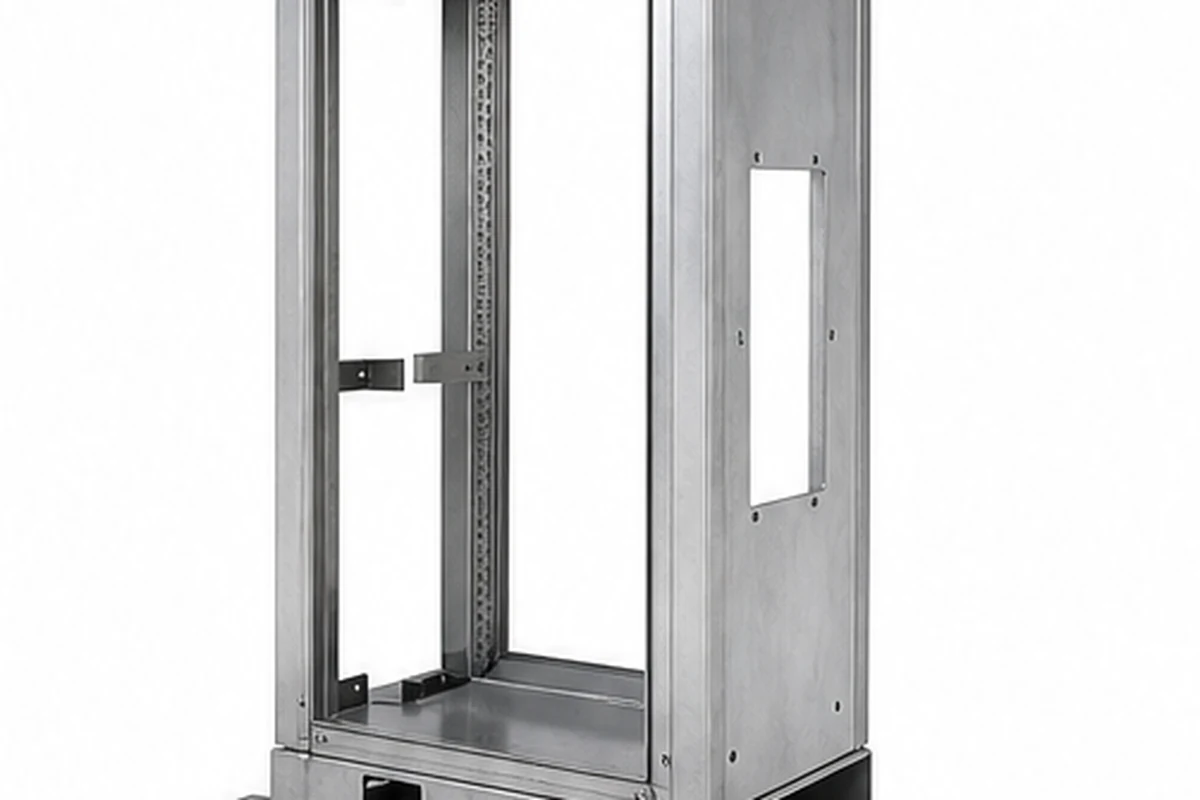
Some EV charger enclosure shells require welded frames, reinforced bases or structural tabs. Welding can add strength, but it also adds heat. Heat can move metal, especially on tall cabinets and thin panels. A well-planned weld sequence and fixture approach helps keep the enclosure body straight.
MSTFAB reviews which joints truly need welding and which can use formed tabs, PEM hardware or mechanical fastening. This does not mean avoiding welding at all costs. It means using welding where it adds value and avoiding unnecessary welds that create grinding time, distortion and finish risk.
When sending drawings, mark structural areas, visible faces and critical dimensions after welding. If base mounting holes must align with an installation frame, say so clearly. Silent assumptions are not an inspection plan.
5. Powder Coating and Surface Finish
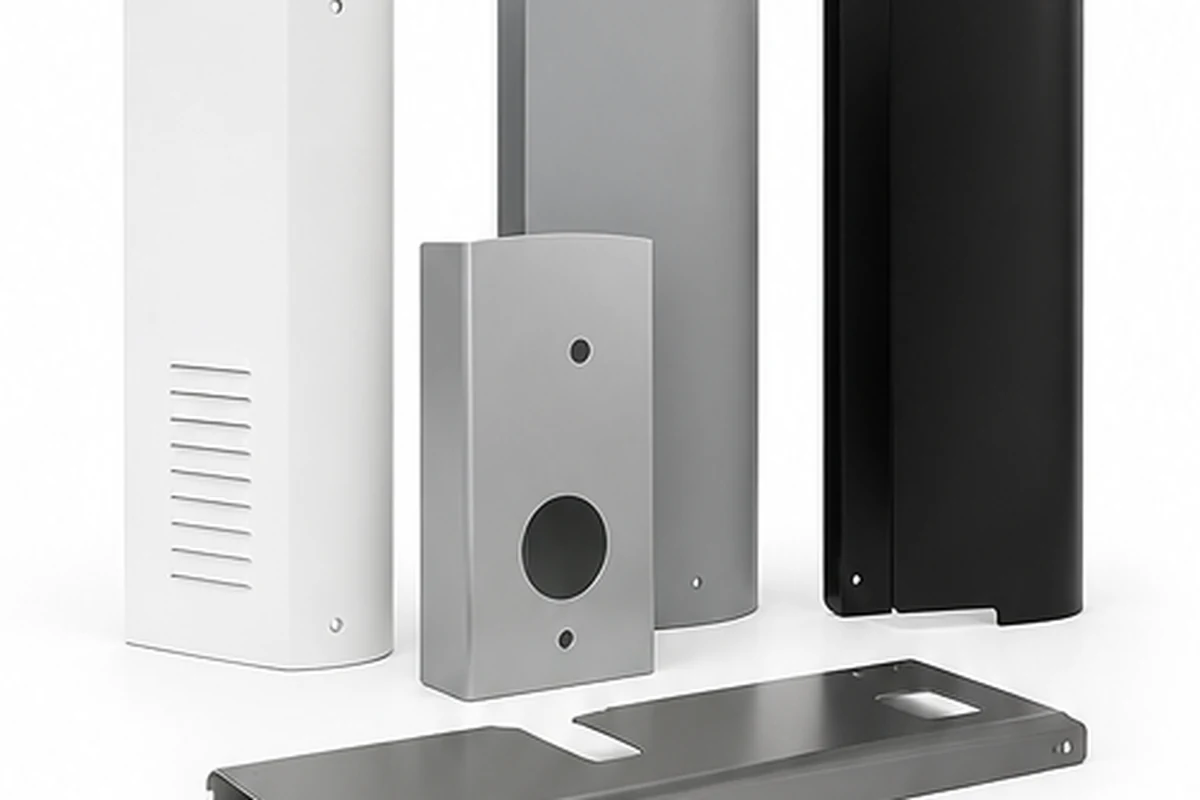
EV charger enclosure parts often need powder coating for appearance and corrosion resistance. Finish planning affects masking, coating thickness, edge coverage, threaded holes, gasket surfaces, visible faces and packing protection. A good-looking sample is useful only if the finish can be repeated in production.
Buyers should define color standard, gloss, texture, visible surfaces, corrosion environment and packaging expectations. If only the outside cover is visible, internal panels may not need the same finish standard. If a gasket surface must remain clean, masking should be stated on the drawing.
MSTFAB supports surface finish planning for custom sheet metal enclosure parts, including powder coating and related pretreatment decisions. See surface treatment for more process context.
6. Internal Rails, Blank Plates and Brackets
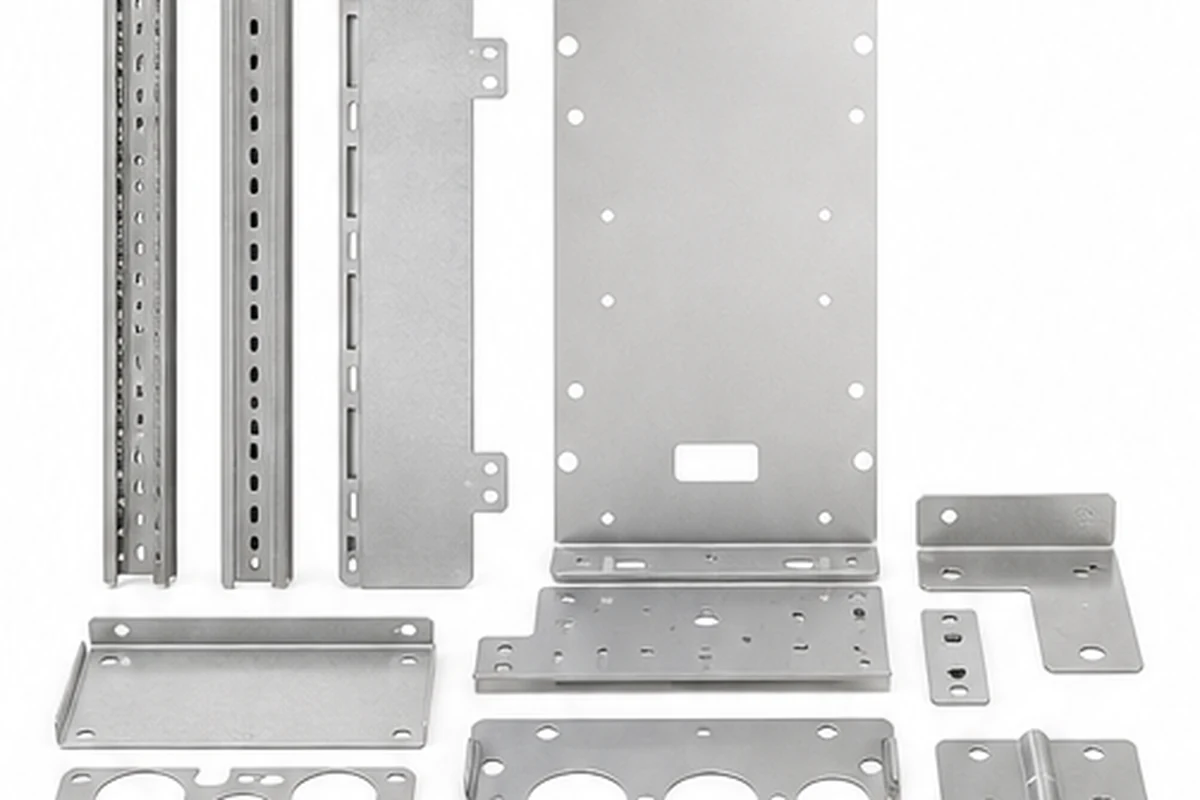
EV charger enclosure projects often include internal rails, back plates, cable gland blank plates and brackets. These parts may not be glamorous, but they decide whether the buyer can integrate the charging system smoothly. A wrong rail position or missing slot can delay assembly more than a scratched outer cover.
To reduce risk, the drawing should show mounting hole patterns, rail spacing, bracket orientation, thread sizes, installation side and tolerance priorities. If some internal parts are adjustable, mark that too. Adjustment can save assembly time, but only when it is designed intentionally.
This is also where DFM helps. Sometimes a welded bracket can become a bent tab. Sometimes a loose bracket can become a slotted rail. Sometimes a hole pattern can be standardized. Small decisions like these support lower cost and better repeatability.
Material Choices for EV Charger Enclosure Parts
Common materials for EV charger enclosure fabrication include cold-rolled steel, galvanized steel, stainless steel and aluminum. The right choice depends on installation environment, corrosion risk, target finish, enclosure size, weight, stiffness and cost. A small wall-mounted cover does not need the same material logic as a large floor-standing outdoor cabinet shell.
| Material | Typical use in EV charger enclosures | Buyer check |
|---|---|---|
| Cold-rolled steel | Painted or powder-coated covers, panels and bracket parts where cost matters | Confirm coating requirement and indoor/outdoor exposure |
| Galvanized steel | Outdoor panels, bases and internal parts needing extra corrosion support before coating | Check welding, edge treatment and finish compatibility |
| Stainless steel | Corrosion-resistant covers, visible trims or exposed brackets | Define grade, brushed direction and visible face quality |
| Aluminum | Lightweight covers, side panels or enclosure parts where weight reduction is important | Review bend radius, surface protection and scratch risk |
DFM Checklist Before Ordering EV Charger Enclosure Samples
- Send STEP or STP files plus 2D PDF, DWG or DXF drawings.
- Mark all front-panel openings and critical mating dimensions.
- Define material grade, thickness, coating color and texture.
- State whether the enclosure is wall-mounted, floor-standing or pedestal-mounted.
- Identify outdoor sealing areas, gasket channels, rain lips and drainage direction.
- Confirm hinge, lock, handle and service access zones if metal preparation is needed.
- Show mounting rail, back plate, base hole and cable gland blank plate positions.
- Tell the supplier prototype quantity, pilot quantity and expected repeat production demand.
- Request inspection photos and packing photos before export shipment.
Trust Table for Overseas OEM Buyers
| Buyer risk | What MSTFAB reviews | Evidence to request | Result buyers want |
|---|---|---|---|
| Front panel openings do not match buyer components | Cutout size, location, coating allowance and critical tolerance | Laser-cut sample photos and measurement points | Clean fit without manual filing |
| Outdoor sealing is unreliable | Door frame, gasket channel, rain lip, hinge side and drainage path | Detail photos before coating and after assembly check | Consistent protection for outdoor installation |
| Cabinet body twists after welding | Weld sequence, fixture support, material thickness and reinforcement tabs | Frame inspection photos and key dimension checks | Straight shell and repeatable base mounting |
| Powder coating causes fit issues | Masking areas, coating thickness, threaded holes and gasket surfaces | Finish photos and masking confirmation | Clean finish without blocked holes or poor sealing contact |
| Parts arrive scratched | Packing method, foam separation, label control and pallet support | Export packing photos | Less receiving damage and easier inspection |
Cost and Lead Time: What Makes EV Enclosures More Expensive?
EV charger enclosure cost increases when drawings have unclear tolerances, too many cosmetic faces, dense cutout patterns, difficult bends, unnecessary welding, unclear coating requirements or insufficient packing instructions. The fastest way to reduce cost is not to remove every feature. It is to define which features matter and remove the ones that do not.
If the project is moving from sample to repeat production, ask MSTFAB to review material utilization, common tooling, bracket standardization, coating batch planning and inspection frequency. The best savings usually come from manufacturability, not from making the metal thinner until everyone feels nervous.
For deeper cost context, read sheet metal fabrication cost for enclosures and DFM for sheet metal fabrication.
Internal Links for Your Next Step
If you are building a broader sourcing plan, start with custom sheet metal enclosure fabrication and sheet metal fabrication. If the EV enclosure is already designed, upload files through the online quotation page. For a dedicated commercial page, visit custom EV charger enclosure or custom EV charger enclosure fabrication.
FAQ: Sheet Metal Fabrication for EV Charger Enclosures
Does MSTFAB make the whole EV charger?
No. MSTFAB manufactures the custom sheet metal enclosure shell, panels, covers, door frames, brackets, rails and related metal parts. The buyer handles the charging system integration according to their own project requirements.
What files are needed for an EV charger enclosure quote?
Send STEP or STP files plus 2D drawings with material, thickness, finish, tolerances, critical openings, mounting locations, hinge or lock preparation, gasket areas and expected quantity.
Can MSTFAB help reduce enclosure cost?
Yes. DFM review can reduce avoidable cost by simplifying cutouts, improving bend design, standardizing brackets, reducing unnecessary welds and clarifying finish requirements before production.
Are these enclosure parts suitable for outdoor use?
Outdoor suitability depends on drawing design, material, coating, gasket channel, rain lip, drainage path and buyer-specified requirements. MSTFAB can fabricate the metal features and review manufacturability, but the final project requirement should be defined by the buyer’s engineering team.
Can one prototype become repeat production?
Yes, if the prototype is reviewed with production in mind. That means the sample should confirm bend sequence, fit, finish, inspection points and packing method, not just look acceptable in one photo.
Need EV Charger Enclosure Sheet Metal Parts?
Send your STEP, DXF, DWG or PDF drawings for EV charger enclosure shells, front panels, door frames, base plates, rails and brackets. MSTFAB will review manufacturability and quote the sheet metal fabrication scope clearly.
Scope: semi-finished custom sheet metal EV charger enclosure shells, covers, panels, brackets and cabinet components for OEM buyers.
 WeChat Contact
 WhatsApp Me Directly