
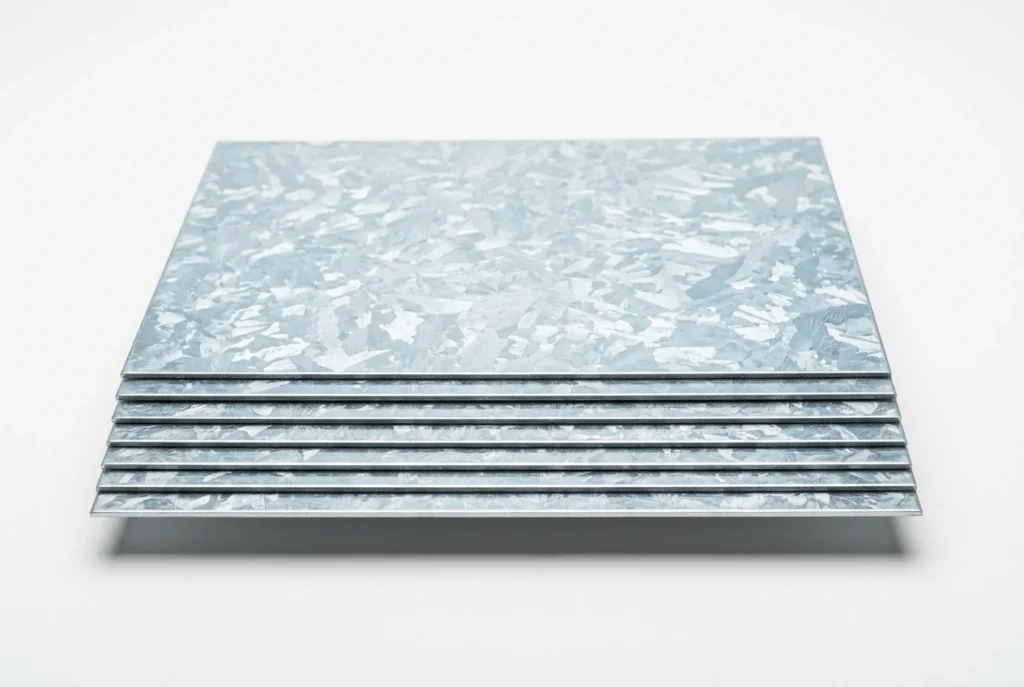
SECC electro-galvanized steel is one of the most practical materials for indoor OEM products that need better corrosion protection than untreated cold rolled steel, good paintability and controlled manufacturing cost.
For buyers, the real question is not simply whether SECC is cheaper than stainless steel. The better question is whether the supplier understands zinc coating, cut-edge exposure, powder-coating compatibility, storage humidity and the real service environment of the finished product.
Quick Answer for OEM Buyers
SECC is usually a strong choice for indoor electrical enclosures, server racks, office equipment, control boxes and commercial products where basic corrosion resistance, clean appearance and lower total cost matter more than marine-grade durability.
| Buyer question | Practical answer |
|---|---|
| Best fit | Indoor electrical enclosures, racks, office equipment, control boxes and commercial cabinets |
| Main advantage | Better indoor corrosion protection than SPCC with lower cost than stainless steel |
| Main hidden risk | Cut-edge corrosion, humidity during storage and poor coating management |
| When to reconsider | Coastal, chemical, washdown or severe outdoor environments |
What Is SECC Steel?
SECC is a cold rolled steel sheet coated with zinc through an electro-galvanizing process. Compared with SPCC, it adds a zinc protection layer while preserving good flatness, stable thickness, smooth appearance and efficient fabrication performance.
| Property | Practical value | Why buyers care |
|---|---|---|
| Base material | Cold rolled steel | Supports flatness and repeatable forming |
| Protection method | Electro-galvanized zinc coating | Adds indoor corrosion resistance |
| Surface quality | Smooth and paintable | Supports visible commercial products |
| Best use | Indoor fabricated products | Balances durability and cost |
| Key limitation | Exposed cut edges still require control | Prevents false confidence after fabrication |
Why Products Still Rust Indoors
Indoor use does not always mean dry use. Ocean freight, humid warehouses, uncontrolled storage and condensation around metal edges can all create corrosion problems before or after installation. This is why many buyers discover rust around holes, bends or edges even when the product was never designed for outdoor service.
| Procurement risk | What it causes | What buyers should verify |
|---|---|---|
| Untreated cold rolled substitution | Premature indoor rust | Material grade and zinc-coated specification |
| Humid transit or storage | White rust, oxidation and blistering risk | Packaging route and warehouse conditions |
| Poor zinc consistency | Uneven durability and weak bend performance | Incoming material inspection |
| Unmanaged cut edges | Early corrosion around holes and panels | Edge treatment and finish plan |
| Poor handling | Scratches and visible cosmetic defects | Stacking, transport and packing discipline |
Why Many Buyers Overpay for Stainless Steel
SECC is often the better commercial choice when the product only needs indoor corrosion protection rather than marine, chemical or washdown resistance. In those applications, stainless steel can increase raw-material cost and processing complexity without improving the customer’s actual use case.
| Material | Best use | Buyer note |
|---|---|---|
| SPCC | Indoor products where coating provides the main protection | Lowest material cost, but no zinc layer |
| SECC | Indoor products needing added corrosion protection | Balanced choice for many electrical and commercial products |
| Stainless steel | Marine, chemical, hygienic or harsh environments | Higher cost, justified when inherent corrosion resistance is required |
What MSTFAB Checks Before Recommending SECC
This guide reflects the same review logic used in MSTFAB project discussions: check the real environment first, then confirm coating condition, edge exposure, bending geometry, finishing route and packaging risk before locking the material recommendation.
| MSTFAB review point | Why it matters |
|---|---|
| Service environment | Confirms whether SECC is enough or stainless steel is safer |
| Incoming zinc coating condition | Checks consistency before fabrication begins |
| Cut-edge exposure | Prevents corrosion surprises after laser cutting or punching |
| Bending geometry | Reduces cracking and visible damage near formed edges |
| Finishing and packaging route | Protects appearance during coating, transit and storage |
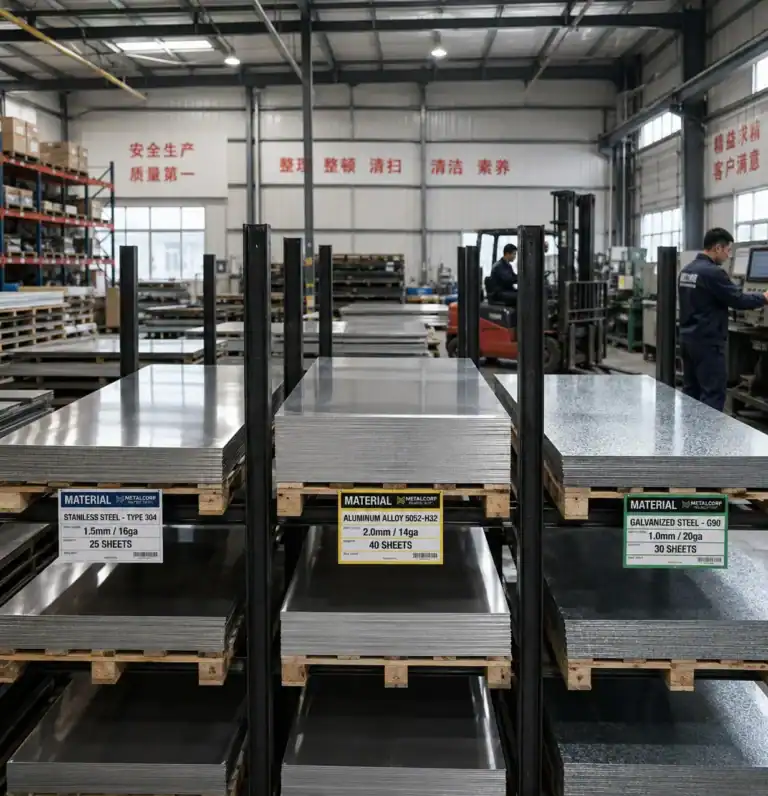
Zinc Coating Quality Directly Affects Product Lifespan
Not all electro-galvanized steel behaves the same. Uneven zinc coating, unstable thickness or poor bend compatibility can create problems that appear only after shipping or installation. Buyers should evaluate coating consistency and fabrication compatibility, not only the material name on the quote.
The Hidden Problem Buyers Often Ignore: Edge Corrosion
Laser cutting and punching expose base steel beneath the zinc layer. If edge condition, post-processing and finish planning are weak, cut edges can become the first corrosion points on the product.
| Edge issue | Buyer impact | Control method |
|---|---|---|
| Laser-cut exposed steel | First corrosion point on indoor cabinets | Plan coating coverage and inspect edge condition |
| Burrs or rough holes | Weak paint adhesion and poor assembly feel | Deburr and verify hole quality |
| Bending damage near edges | Cracking or visible coating stress | Review bend geometry and material behavior |
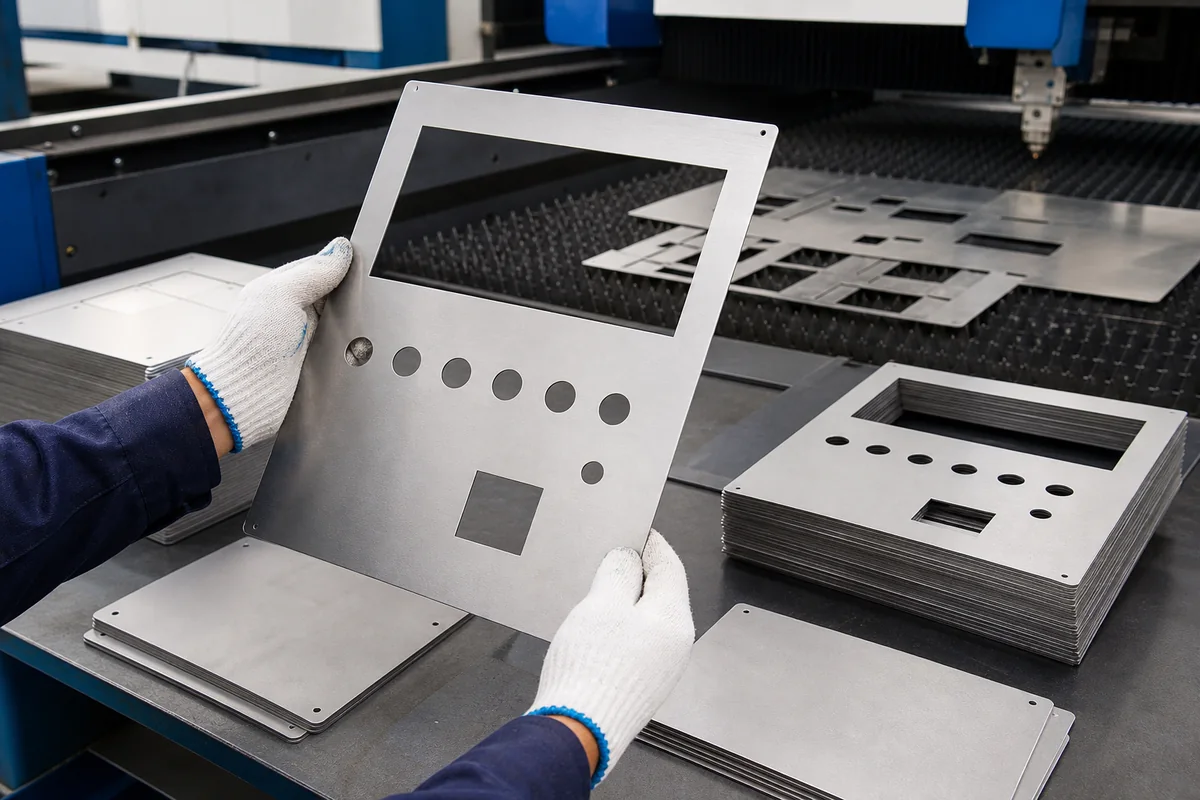
Why SECC Performs Well for Precision Fabrication
Because SECC is based on cold rolled steel, it supports good flatness, stable dimensional behavior and repeatable bending. That matters for tight cabinet gaps, clean panel alignment and repeat-order consistency.
MSTFAB adjusts process review according to coating thickness, bending geometry and visible-surface requirements so the material behaves predictably during production.

Why SECC Is Preferred for Paintable Indoor Products
Compared with hot-dip galvanized material, SECC usually offers a smoother surface and more controlled appearance, which makes it attractive for powder-coated commercial products. But paintability still depends on pretreatment, edge condition and handling quality.
| Finishing route | Best use | Buyer note |
|---|---|---|
| Powder coating | Most indoor cabinets and commercial housings | Strong balance of appearance and added protection |
| Fine texture powder coat | Visible products needing consistent cosmetic quality | Helps mask minor surface variation |
| Silk printing after coating | Branded panels and user-interface areas | Requires stable base coating surface |
| No additional finish | Hidden indoor structural parts only | Use carefully; visible edges remain a risk point |
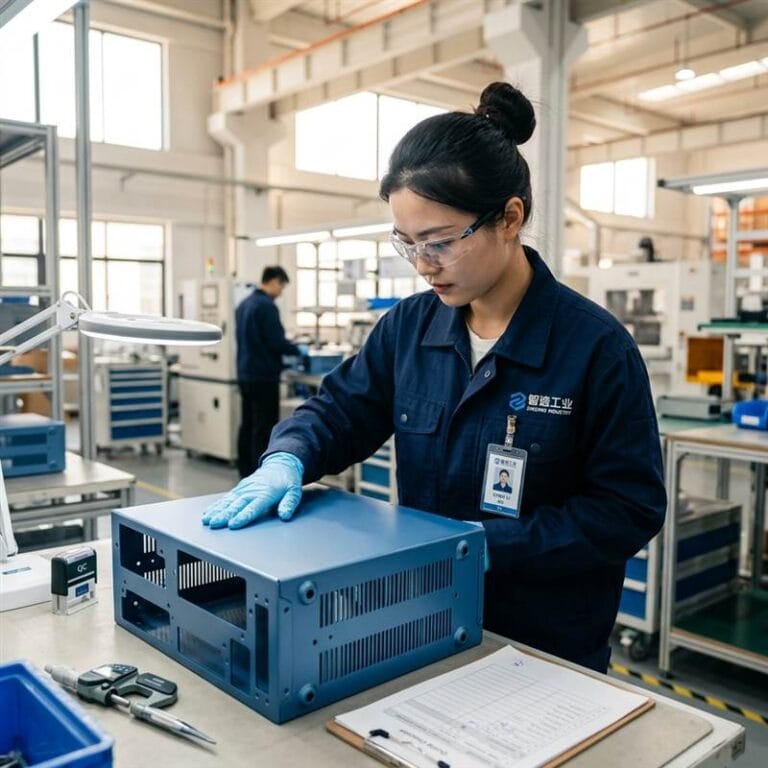
Why Buyers Struggle with Surface Scratches
SECC is smooth, but the zinc-coated surface is still vulnerable to handling marks, roller scratches, poor stacking and packaging abrasion. These issues may not reduce structural performance, but they can still cause rejection on appearance-sensitive export products.
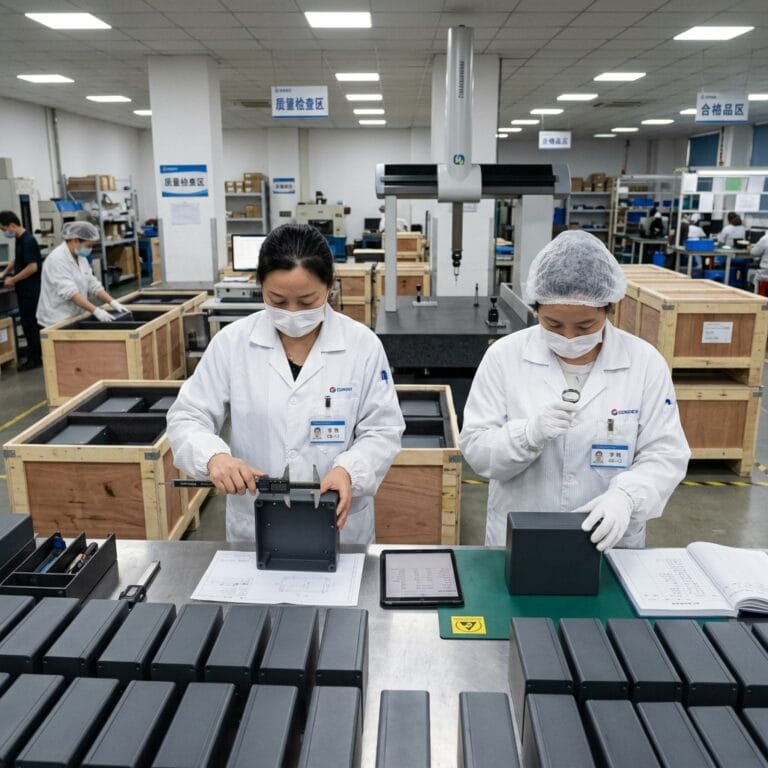
MSTFAB manages handling through cutting, bending, welding, coating and packing to keep visible surfaces consistent.
Why One-Stop Fabrication Reduces OEM Supply Chain Risk
When fabrication, finishing and assembly are split among different suppliers, every handoff adds a chance of scratch damage, tolerance mismatch, delayed responsibility and inconsistent coating quality. Integrated production reduces those gaps.
| Review item | Why it lowers risk |
|---|---|
| Material grade confirmation | Prevents accidental SPCC substitution |
| Edge protection strategy | Reduces corrosion near cutouts and holes |
| Powder-coating compatibility | Improves adhesion and appearance consistency |
| Scratch-control handling | Protects visible surfaces before export |
| Packaging for humid transit | Reduces corrosion risk before installation |

When SECC Is Not the Right Choice
SECC is not a replacement for stainless steel in coastal, chemical, hygienic washdown or outdoor applications with severe exposure. In those cases, buyers should evaluate stainless steel, aluminum or a more robust finish system instead of stretching SECC beyond its intended range.
Conclusion
SECC remains one of the most cost-effective materials for indoor sheet metal fabrication because it combines zinc protection, paintable surface quality and stable manufacturability. The real value appears when buyers pair the material with disciplined edge control, coating management, storage planning and an honest review of the final service environment.
For OEM procurement teams, the best material choice is the one that solves the real corrosion problem without paying for performance the product does not need.
Related engineering resource: If your project involves EV charging infrastructure, review our custom EV charger enclosure fabrication capabilities for outdoor sheet metal cabinet design, powder coating, and export-ready manufacturing.
FAQ
What is SECC steel mainly used for?
SECC is commonly used for indoor electrical enclosures, control boxes, server racks, office equipment and commercial sheet metal products.
How is SECC different from SPCC?
SECC is based on cold rolled steel like SPCC, but it adds an electro-galvanized zinc coating for better indoor corrosion protection.
Is SECC suitable for outdoor use?
SECC is generally best for indoor use. For coastal, chemical or severe outdoor exposure, stainless steel or another more robust corrosion-control route is usually safer.
Why can SECC still corrode at edges?
Laser cutting and punching expose the base steel beneath the zinc layer, so cut edges still need process control and finishing review.
When is SECC better than stainless steel?
SECC is often better for indoor products that need practical corrosion protection and lower cost but do not require marine-grade or hygienic stainless performance.
Need SECC Parts Quoted for an OEM Project?
Send your drawings, operating environment, finishing requirement and annual volume. MSTFAB can review whether SECC, SPCC or stainless steel is the most practical route before production starts.
Request an SECC fabrication quote
sheet metal laser cutting services
MSTFAB provides precision sheet metal laser cutting services for OEM panels, brackets, enclosures and custom metal parts.
 WeChat Contact
 WhatsApp Me Directly