
Rapid Laser Cutting Prototype Manufacturer
A fast prototype is useful only if it tells the truth. If the sample looks nice but ignores bend access, PEM hardware, coating thickness, or the inspection points your production batch will need, congratulations: you bought a very shiny misunderstanding.
Quick answer: rapid laser cutting prototypes help OEM buyers validate custom sheet metal enclosure parts before pilot or production orders. The right supplier does more than cut a flat pattern quickly. It reviews the drawing, checks manufacturability, cuts and bends the part, installs required hardware, verifies critical dimensions, and packs the prototype so it arrives usable.
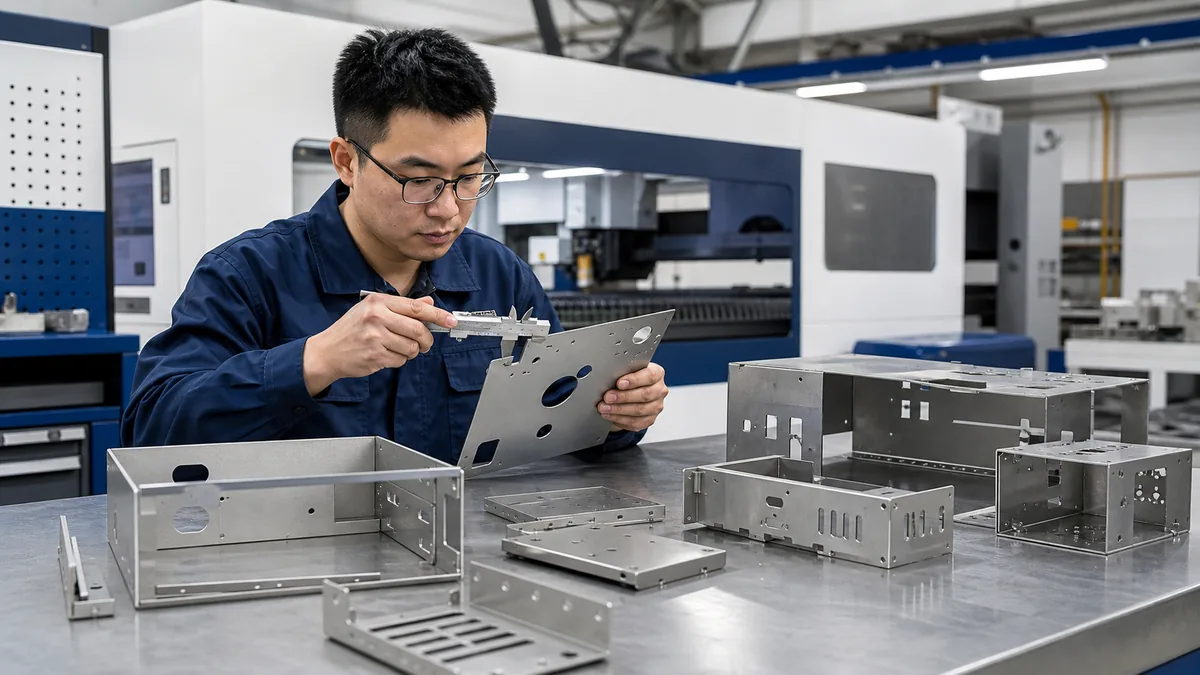
What “Rapid Prototype” Should Mean for Sheet Metal Buyers
Rapid does not mean “skip the engineering and hope.” It means the review loop is short, the process is controlled, and the buyer gets a physical part fast enough to make decisions. For sheet metal enclosure parts, that usually means checking flat cutting, bending, hole alignment, hardware fit, finish allowance and packing risk before the design becomes expensive.
The prototype is not the trophy. The prototype is the test. If it exposes a problem early, it did its job. If it hides a problem until production, it is basically a charming little trap.
Buyer Problems This Page Solves
“Can you really make this from my CAD?”
We work from PDF drawings, DXF/DWG flat files and STEP/STP models, then flag manufacturing risks before cutting.
“Will the prototype match production?”
The same process route matters: laser cutting, bending, hardware, welding, finish and inspection should not be invented twice.
“What if the drawing has hidden problems?”
We check bend radius, hole-to-bend distance, cutouts, tabs, weld distortion and tolerance assumptions before metal is wasted.
“Will it arrive scratched or bent?”
Prototype parts still need protective film, foam separation and packing based on part geometry and surface finish.
The Rapid Prototype Workflow
The fastest path is not the shortest email. Send the right files, define the critical dimensions, and let engineering check the manufacturing route before the machine starts.
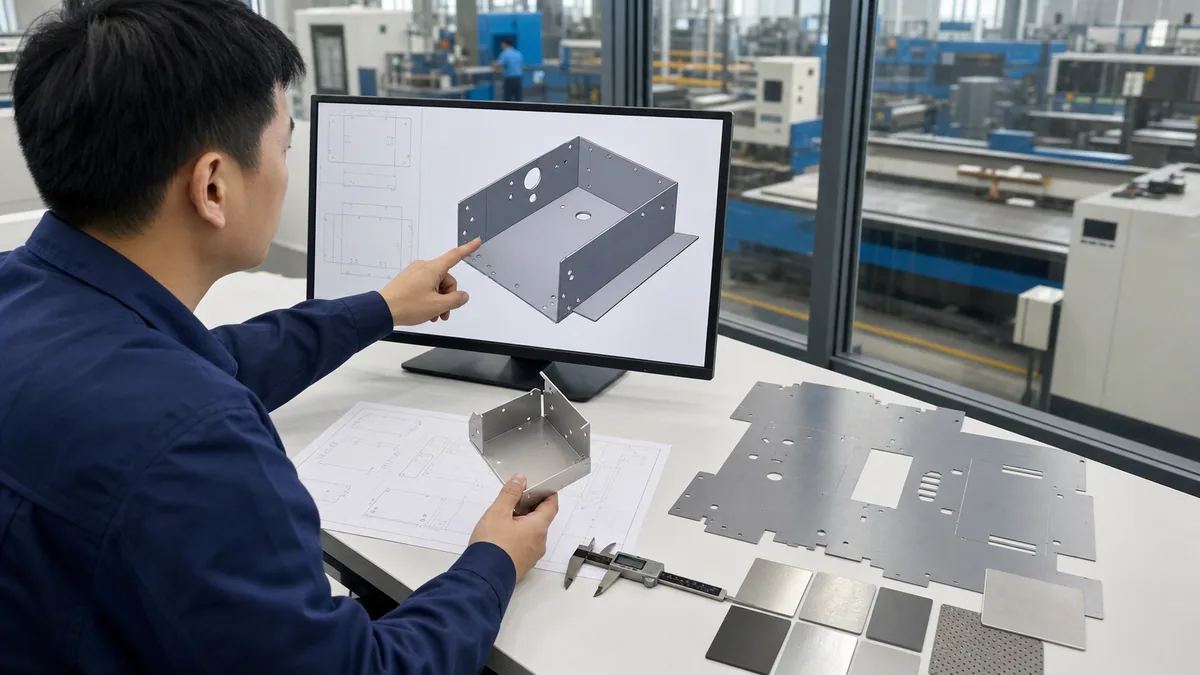
1. Drawing and DFM Review
We review material, thickness, bend radius, hole positions, cutout spacing, tolerance notes and the expected finish. If the drawing asks for something that will crack, warp, mask a thread, or move after bending, we point it out before cutting. For deeper rules, see our sheet metal DFM rules.
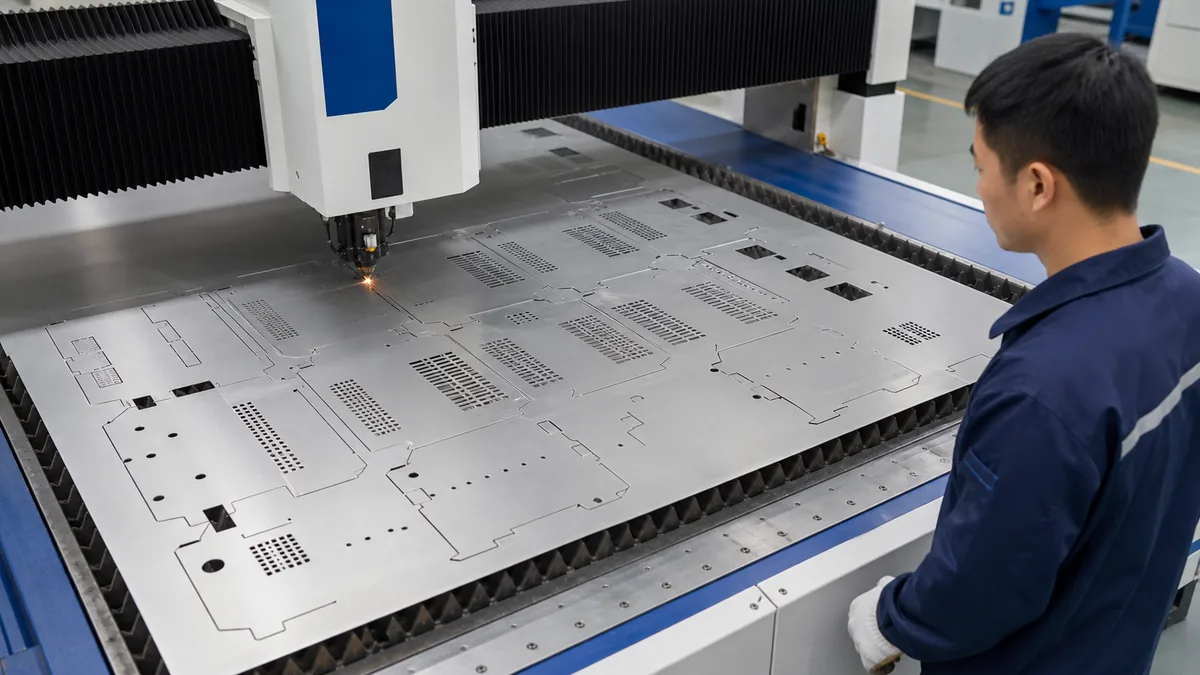
2. Fiber Laser Cutting
Laser cutting is ideal for rapid prototype panels because there is no hard tooling and revisions can be made quickly. We cut enclosure panels, brackets, covers, chassis plates, mounting plates and test coupons from stainless steel, aluminum, carbon steel and galvanized steel.
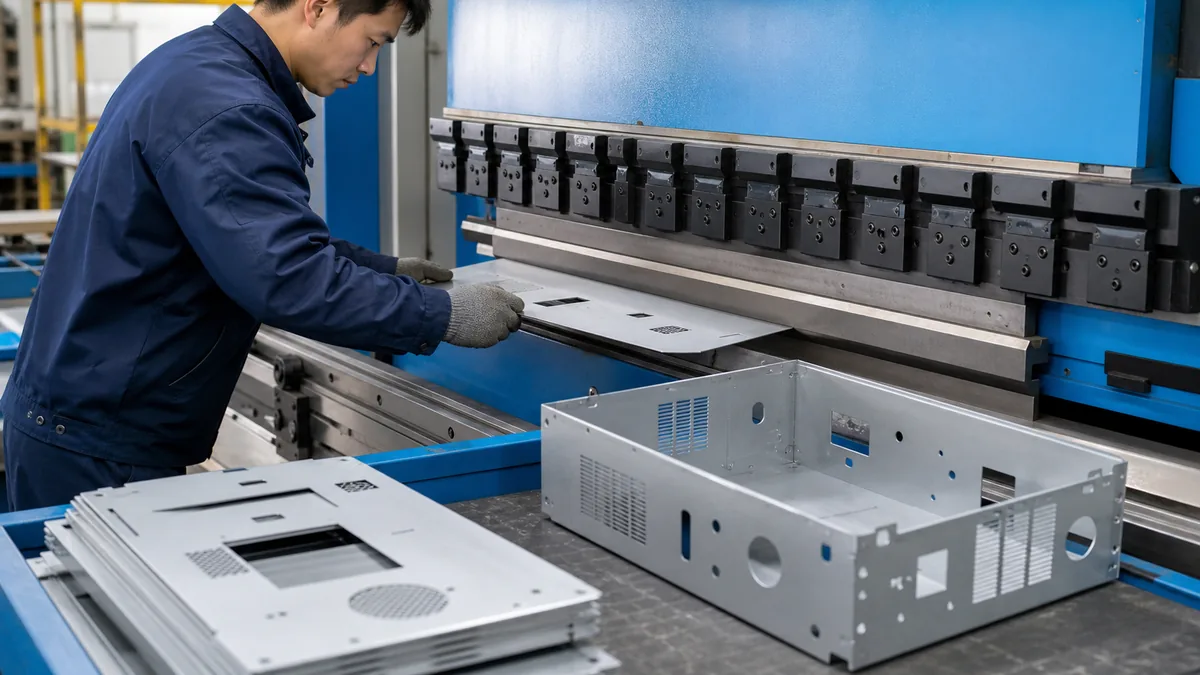
3. CNC Bending and Fit Check
A flat part can be perfect and still fail after forming. Bending changes geometry, hole positions and fit. We check bend sequence, flange height, bend-to-hole distance and enclosure squareness so the prototype tells you something useful about the real part.
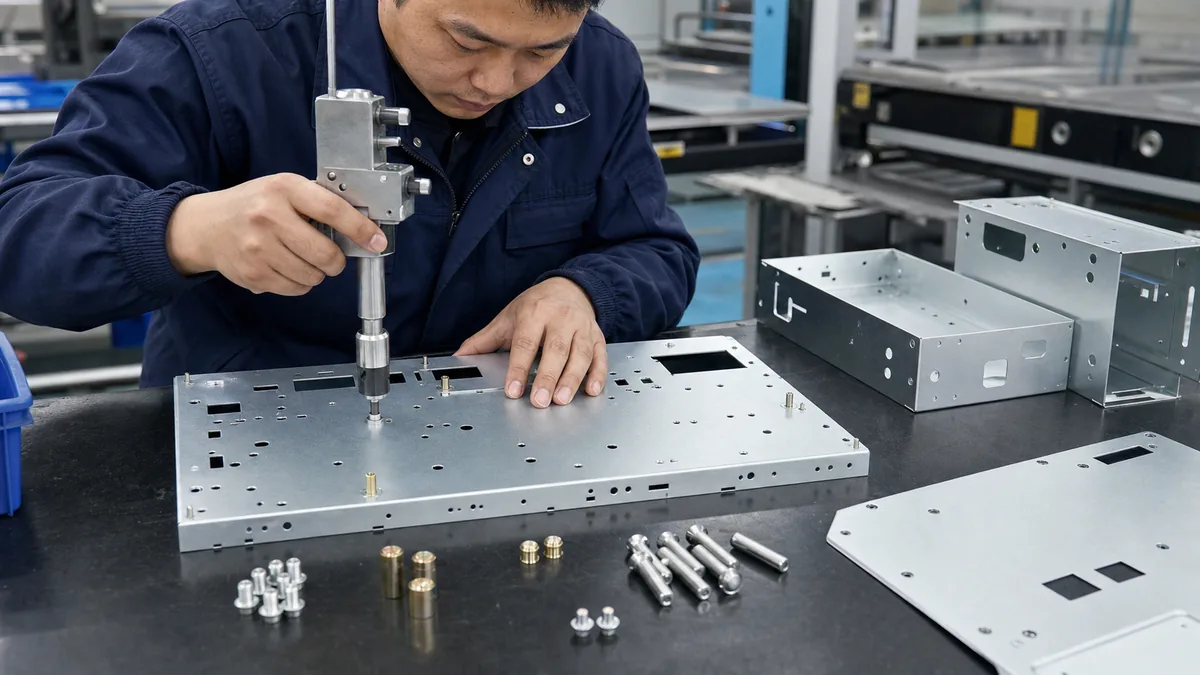
4. PEM Hardware, Tapping and Assembly-Ready Details
Many prototypes need threaded inserts, studs, standoffs, tapped holes, hinge points, latches or grounding bosses. These details affect function and cost. If they are not included in the prototype plan, your “fast sample” may only prove that flat metal exists. A bold discovery, yes. A useful one, no.
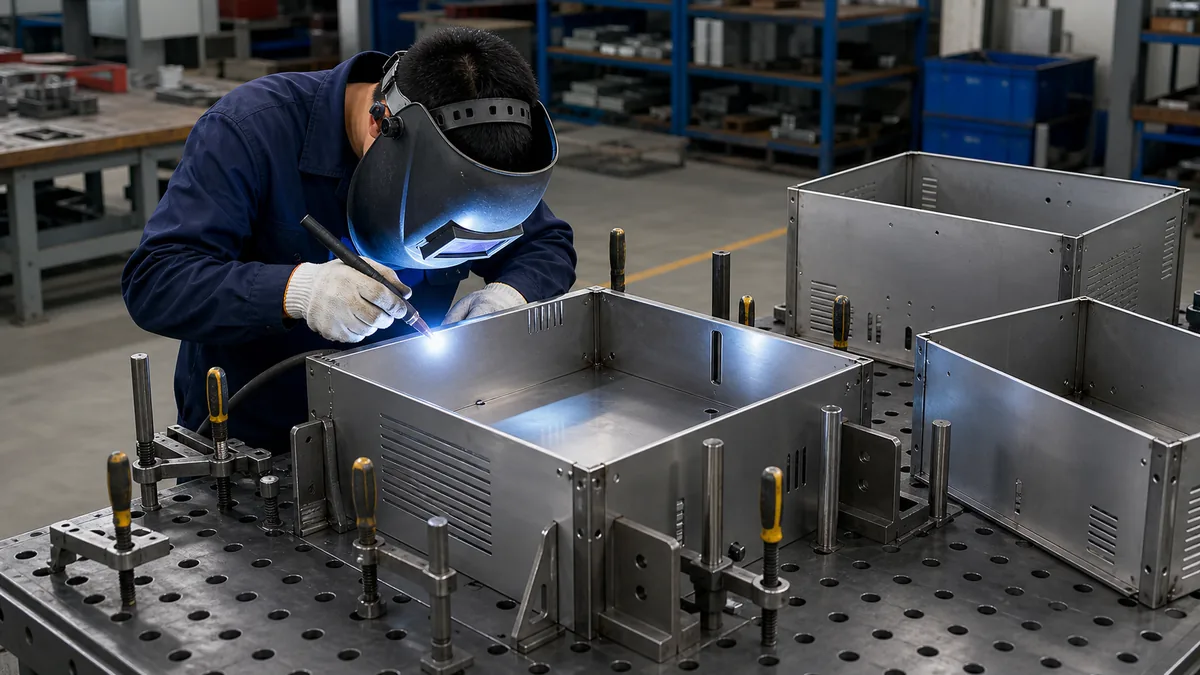
5. Welding and Prototype Fixtures
For welded prototype shells, we check weld sequence and fixture needs. Thin sheet metal can pull out of square when heat is added. A prototype should reveal whether the weld design, corner structure and panel thickness are practical before a larger batch is ordered.
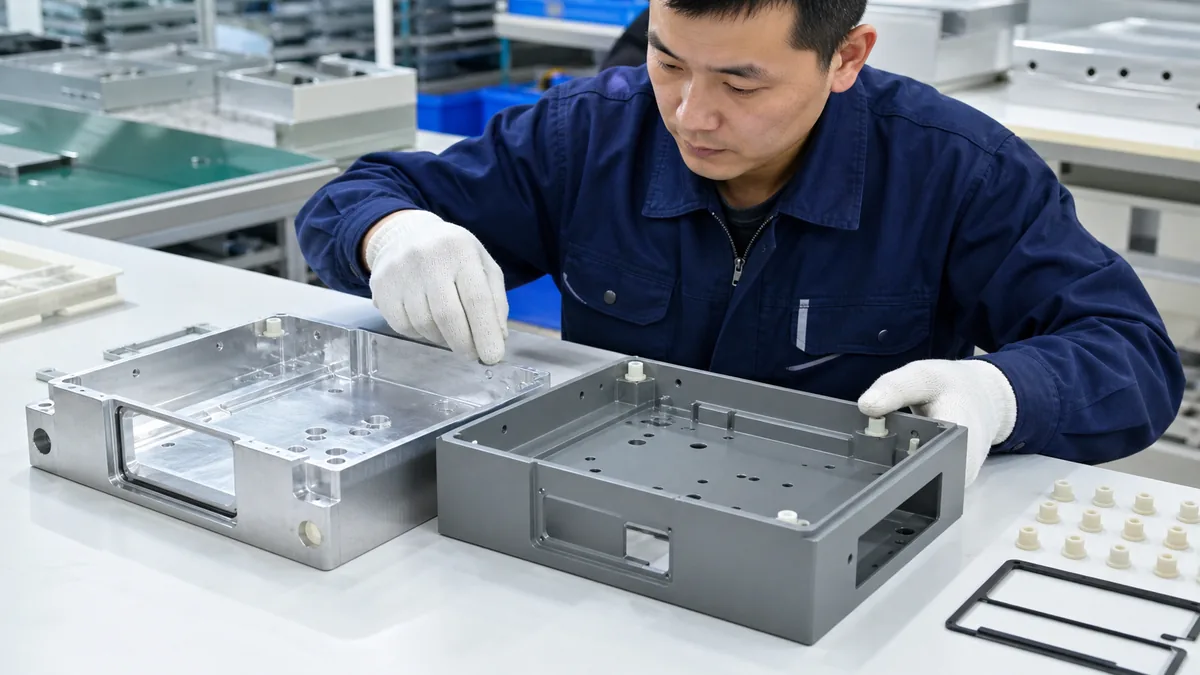
6. Finish and Surface Checks
Prototype finishes can include brushing, powder coating, plating or anodizing, depending on material and project need. If the prototype includes a finish, we check masking areas, threaded holes, gasket surfaces and cosmetic sides. Finish is not just looks; it can change dimensions and assembly fit.
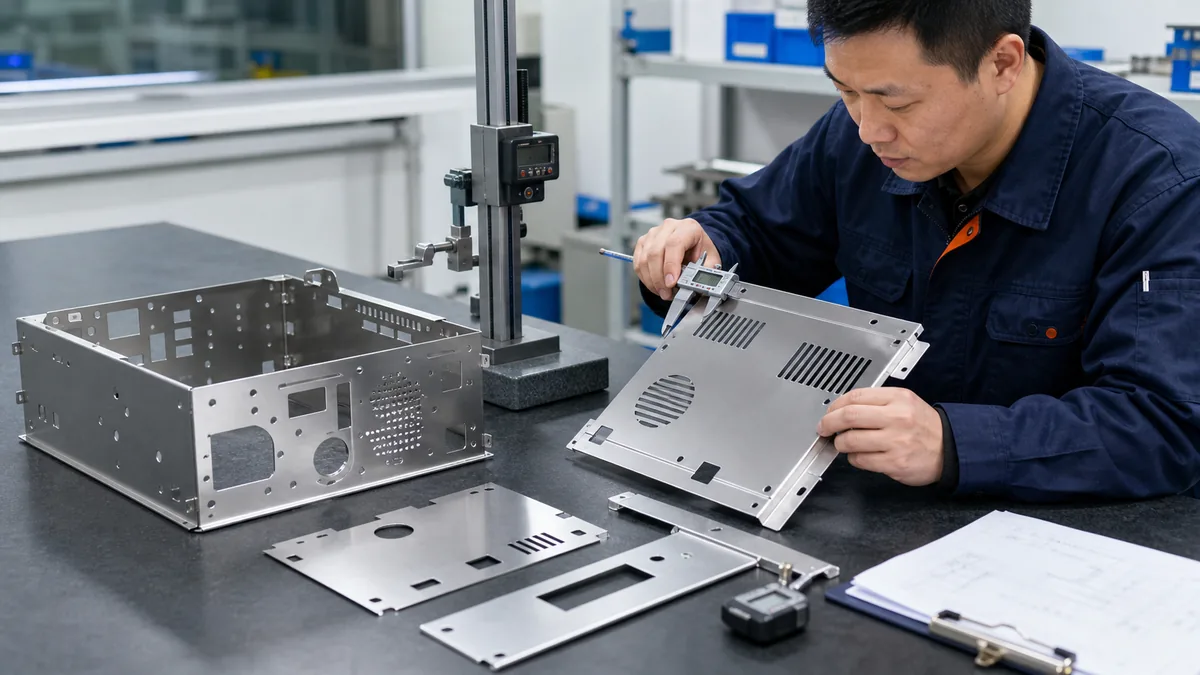
7. First Article Inspection
We inspect the dimensions that matter: hole location, bend angle, flange height, PEM hardware location, overall fit and visual finish. If your project has tight or critical dimensions, mark them in the drawing. The sheet metal tolerance guide explains why “tight everywhere” is expensive and usually unnecessary.
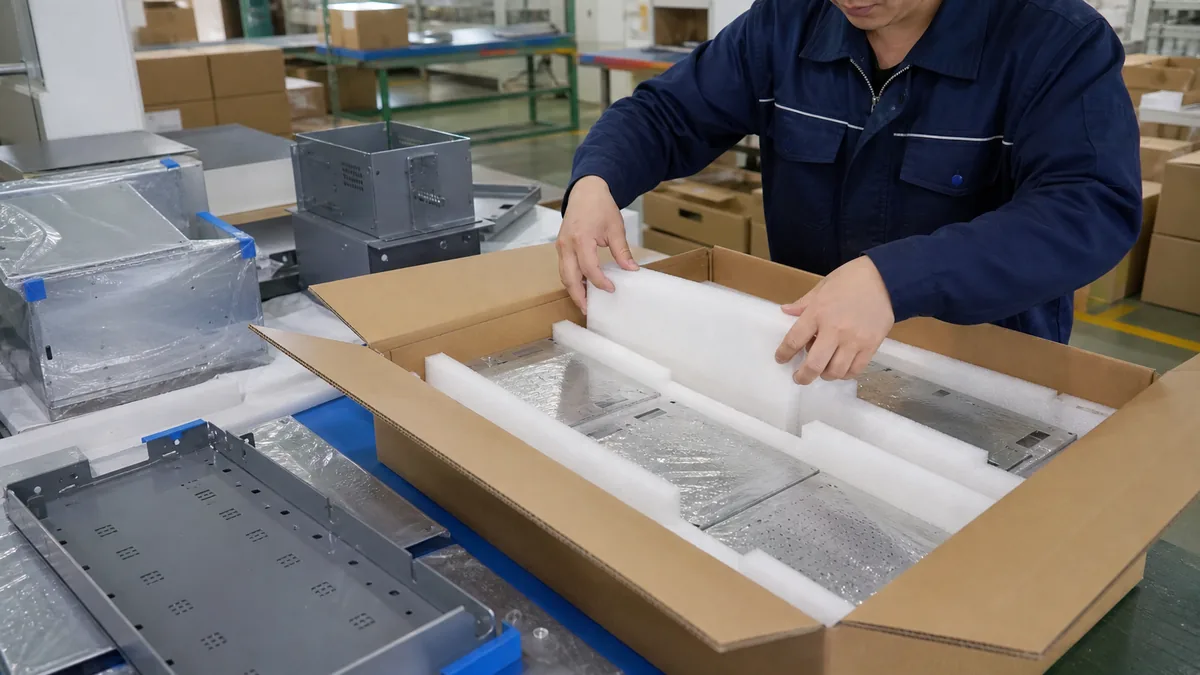
8. Packing and Shipping
Rapid prototypes are often urgent, which makes shipping damage extra painful. We pack panels and enclosure shells with foam, protective film and separation where needed. A sample that arrives bent is not a prototype; it is a small metal apology.
Trust Table for Prototype Buyers
Use this checklist when comparing a rapid laser cutting prototype manufacturer. It keeps the quote practical and prevents fast mistakes from becoming expensive habits.
| Buyer question | Risk if ignored | What MSTFAB checks | Evidence to ask for |
|---|---|---|---|
| Can the part be made from this drawing? | Cut part cannot bend, fit or assemble | CAD/PDF match, bend radius, tabs, holes near bends | DFM comments before production |
| Will the prototype reflect production? | Sample passes, production route changes later | Cutting, bending, hardware, welding and finish route | Process plan or operation list |
| Are critical dimensions controlled? | Prototype looks good but fails installation | Tolerance table, fit features, bend-to-hole dimensions | First article photos or inspection report |
| Are hardware and threads included? | PEM inserts, studs or tapped holes missing | Hardware type, side, insertion sequence and masking | Hardware close-up photos |
| Is finish planned correctly? | Coating blocks threads or changes fit | Masking, coating thickness, cosmetic sides and handling | Finish sample or finish inspection photos |
| Can the next revision be controlled? | Version confusion and repeat mistakes | Revision number, approved sample, change notes | Drawing revision and sample record |
Prototype vs. Low Volume vs. Production
| Stage | What you are proving | Best quantity mindset | Common mistake |
|---|---|---|---|
| Rapid prototype | Fit, DFM, material, bend and hardware assumptions | Fast learning, controlled revision | Using a pretty sample as proof of production readiness |
| Pilot / low volume | Repeatability, finish, packing and inspection route | Small batch with records | Comparing only unit price and ignoring setup or secondary operations |
| Production | Stable output, cost control and batch consistency | Capacity and process control | Changing material or route without approval |
What to Send for a Fast Prototype Quote
- PDF drawing with material, thickness, finish, tolerances and revision number.
- DXF or DWG flat pattern if available.
- STEP or STP file for bent parts, welded shells or enclosure components.
- Prototype quantity and expected next-stage quantity.
- Critical dimensions and inspection requirements.
- Hardware list: PEM inserts, standoffs, studs, hinges, latches or grounding points.
- Surface finish requirements and masking areas.
- Shipping destination and deadline.
For a cleaner RFQ package, use our sheet metal quote checklist before sending files.
Red Flags in Rapid Prototype Sourcing
- The supplier quotes instantly without asking about material, finish, tolerance or bend requirements.
- They can cut fast but cannot bend, weld, install hardware or inspect the prototype.
- They show finished product photos when you asked for sheet metal parts. Shiny cabinets do not prove prototype capability.
- They cannot explain how the prototype will move into a pilot batch. Our prototype-to-production workflow covers that handoff.
- They treat packaging as an afterthought. Shipping damage is still damage, even when it travels quickly.
Need a Rapid Sheet Metal Prototype Quote?
Send your drawings and target deadline. MSTFAB will review DFM risk, material, bending, hardware, finish, inspection and packing before quoting, so the prototype is fast and useful.
Frequently Asked Questions
How fast can a rapid laser cutting prototype be made?
Simple flat laser-cut parts can move quickly when material is available and the drawing is clear. Bent, welded, finished or hardware-installed prototypes need extra time for DFM review, setup, secondary operations and inspection.
Can MSTFAB make only one prototype?
Yes, when the drawing and process are suitable. One-off prototypes are useful for fit checks, material confirmation and early design validation before pilot orders.
Do you manufacture finished electronic products?
No. We manufacture the custom sheet metal metalwork only: panels, covers, brackets, chassis, welded shells, mounting plates and enclosure parts. Electronics, certification of finished devices and final product integration stay with the OEM or system integrator.
Should a prototype use the same material as production?
Usually yes if fit, strength, bend behavior or finish matters. A cheaper substitute may be fine for a visual mockup, but it can hide the manufacturing risk you actually need to test.
Do rapid prototypes need inspection reports?
For critical parts, yes. At minimum, define the dimensions that must be checked. For production-bound projects, first article evidence helps control the next revision and pilot batch. See our sheet metal quality control guide for more detail.
Updated: July 26, 2026. This guide is written for OEM buyers sourcing rapid laser-cut prototypes for custom sheet metal enclosure parts, chassis, brackets, panels and assembly-ready metal components.
 WeChat Contact
 WhatsApp Me Directly