
Precision Metal Parts Fabrication Manufacturer for Custom Sheet Metal Enclosures
Precision metal parts sound simple until a 0.4 mm hole shift turns into a Friday afternoon assembly meeting. For OEM buyers, the goal is not a dramatic photo. The goal is sheet metal enclosure parts, covers, brackets and chassis trays that fit the approved drawing repeatedly.
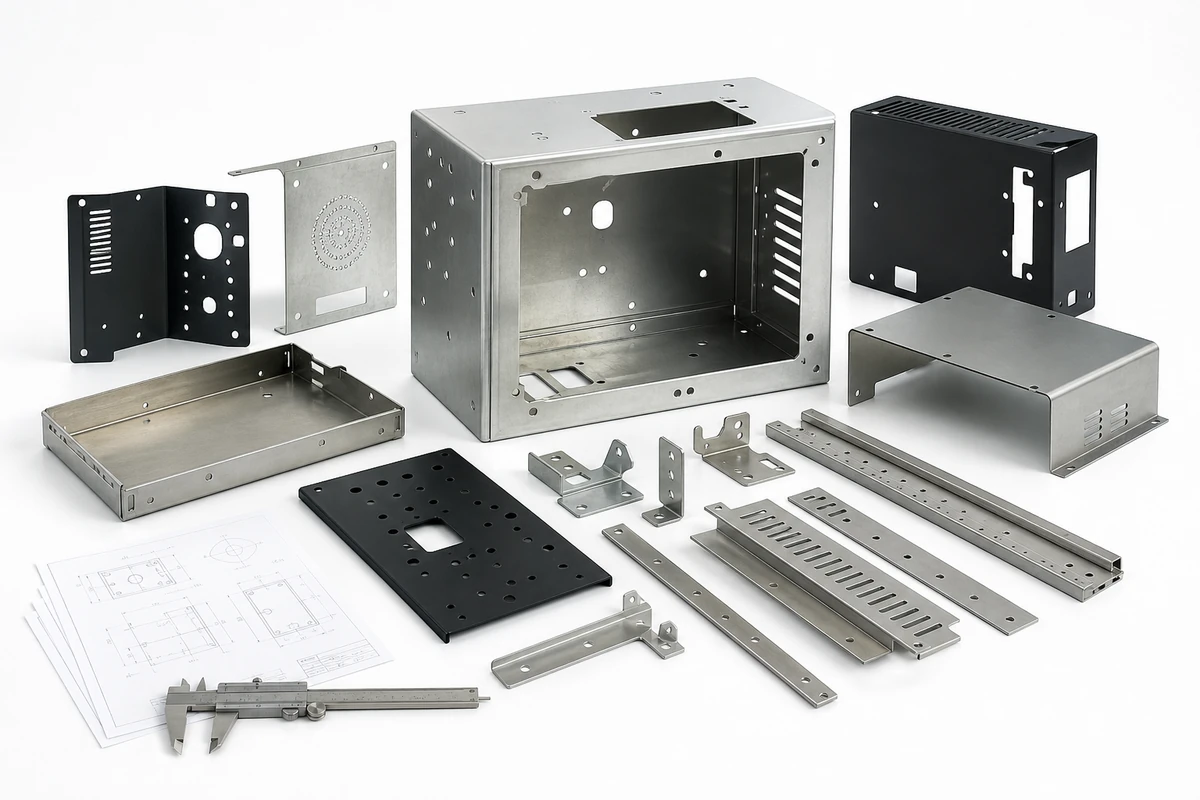
Short answer: a precision metal parts fabrication manufacturer should turn STEP, DXF, DWG and PDF drawings into accurate custom sheet metal enclosure shells, panels, covers, brackets, rail strips and hardware-ready parts. MSTFAB focuses on semi-finished sheet metal parts made by laser cutting, CNC bending, welding, PEM hardware preparation, powder coating, inspection and export packing. We do not position this page as an installed system or internal device assembly service.
Scope note for buyers: MSTFAB manufactures custom metal enclosure parts and related sheet metal components. Good-fit projects include electrical enclosure shells, telecom cabinet panels, industrial control box housings, machine guards, chassis trays, mounting plates, brackets, louver panels and powder-coated covers. Your team keeps the system design and later internal integration; we control the fabricated metal part quality.
What Precision Means in Sheet Metal Fabrication
In sheet metal fabrication, precision is not only a number in a tolerance block. It is the practical ability to make the right profile, bend the right angle, keep the right hole relationship, protect the right surface and pack the right parts so they arrive usable. A drawing may look calm on screen, but real sheet metal brings springback, burrs, grain direction, weld heat, coating thickness and shipping risk into the room.
That is why a precision metal parts fabrication manufacturer should not treat every RFQ as a price-only race. The supplier should check what the part does inside the buyer’s project. A bracket that supports a rail needs different attention from a decorative cover. A gasket surface needs cleaner edges than a hidden tab. A front panel with display cutouts needs different handling from an internal spacer. Precision is knowing which features matter before production starts.
For overseas OEM buyers, precision also means communication. If the factory sees a risk in a bend radius, hole spacing, material selection or coating requirement, the best time to discuss it is before metal is cut. Surprise belongs at birthday parties, not in incoming inspection.
| Buyer concern | Why it matters | MSTFAB control point |
|---|---|---|
| Hole alignment | Mounting holes, PEM hardware and rail positions affect final fit | Drawing review, laser file control and first-piece measurement |
| Bend accuracy | Flange height and angle control the enclosure shape | CNC bending setup, bend sequence and material springback review |
| Weld distortion | Frames and brackets can move under heat | Fixture planning, tack sequence and geometry checks |
| Surface appearance | Visible covers and panels need consistent finish | Finish notes, coating checks and visible face protection |
| Export handling | Thin panels can scratch or bend during freight | Foam separation, carton grouping, pallet support and packing photos |
Precision Starts with the Drawing Package
A good drawing package is the beginning of a good part. The most useful RFQ packages include 3D STEP or STP files, 2D PDF drawings, DXF files for flat laser cutting where available, material grade, thickness, quantity, finish, critical tolerances, visible surface notes and packing requirements. A drawing that says “make this” but leaves out the material or finish is not a quote package; it is a guessing contest wearing a title block.
For custom sheet metal enclosure parts, the drawing should identify functional features. These include mounting holes, hinge areas, gasket surfaces, bend reliefs, connector cutouts, louver positions, rail mounting points, hardware locations and any surfaces the buyer’s customer will see. When these features are clear, the supplier can quote and inspect with the right priorities.
MSTFAB reviews drawing-based projects before quoting when the risk is not obvious. If a slot is too close to a bend, a cutout may distort. If a coating builds thickness inside a hole, hardware fit may change. If a stainless visible surface is not protected, scratches may become the first thing the buyer notices. DFM is not fancy paperwork. It is the small conversation that prevents a big carton of regret.
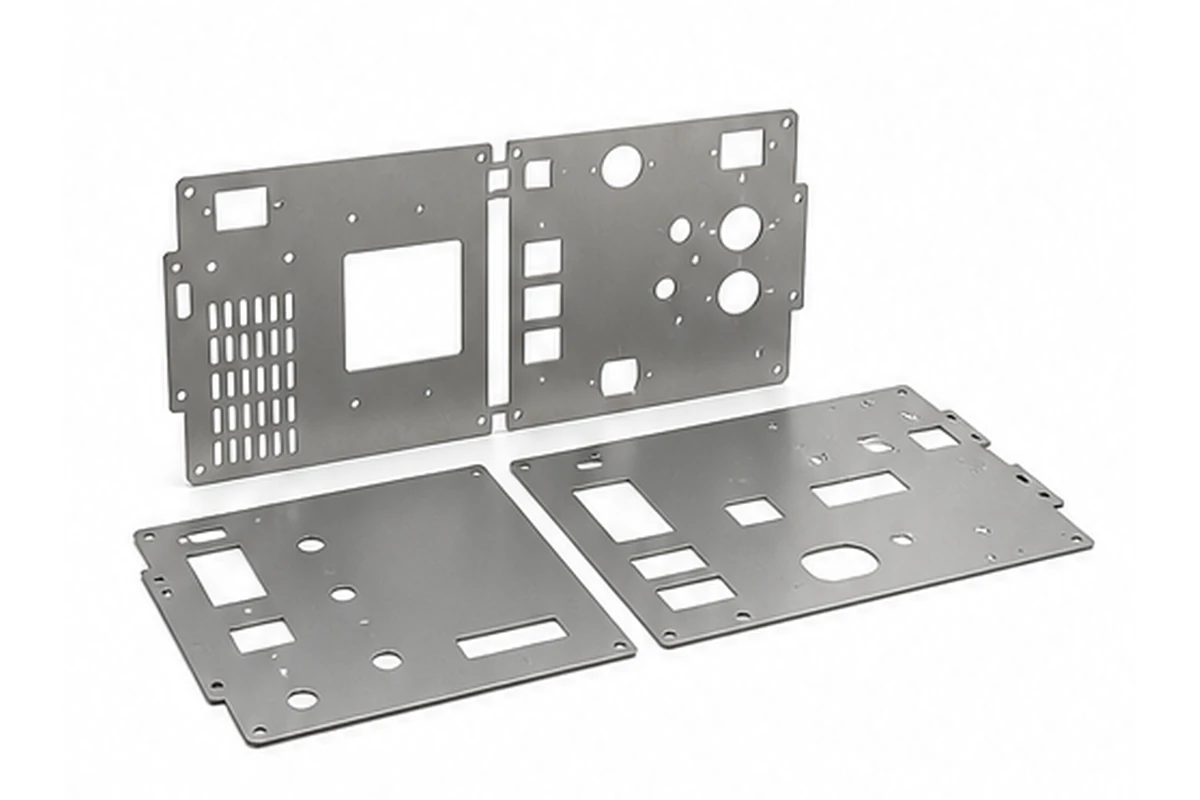
Laser Cutting Precision for Enclosure Panels and Covers
Laser cutting defines the flat profile of the part. It controls holes, slots, cutouts, tabs, vent patterns, bend reliefs and reference edges. For precision sheet metal parts, clean laser cutting is the first step toward stable downstream fabrication. If the flat blank is wrong, later bending or welding will not make it right. It will simply give the wrong part more personality.
Buyers should define the features that must be controlled tightly. For enclosure panels, this often includes display openings, fastener holes, cable gland cutouts, ventilation patterns, hinge holes and gasket contact edges. The factory should understand whether the edge is cosmetic, functional or hidden. This affects burr removal, handling and inspection.
MSTFAB supports custom sheet metal laser cutting for enclosure panels, cabinet doors, back plates, louver panels, mounting plates, brackets and chassis blanks. For projects that later require CNC bending, welding or powder coating, we review the flat profile with the full route in mind.
Cutout accuracy
Display windows, gland openings and connector zones should be tied to clear datums so repeated parts do not drift.
Edge condition
Functional edges may need burr control, deburring or visible-surface protection before forming and coating.
Batch consistency
Controlled files and first-piece checks keep repeat production aligned with the approved drawing revision.
CNC Bending Turns Flat Precision into 3D Fit
A laser-cut blank becomes an enclosure cover, chassis tray or shell only after bending is controlled. CNC bending precision depends on tooling, bend radius, material thickness, grain direction, back gauge settings, bend sequence and springback. If these details are ignored, the flat part can be correct while the formed part becomes difficult to assemble.
For OEM buyers, the dangerous areas are usually flange height, hole-to-bend distance, return flanges, tight corners and long panels. A side panel with a small angle error may still look fine in a photo, but it may push the mating cover out of position. A chassis tray with inconsistent flange height can make mounting rails feel like they were designed by two departments who no longer speak.
MSTFAB reviews bent sheet metal enclosure parts according to the drawing and production route. Where needed, we ask for critical dimension priorities so inspection focuses on features that affect assembly, not just dimensions that are easy to measure.
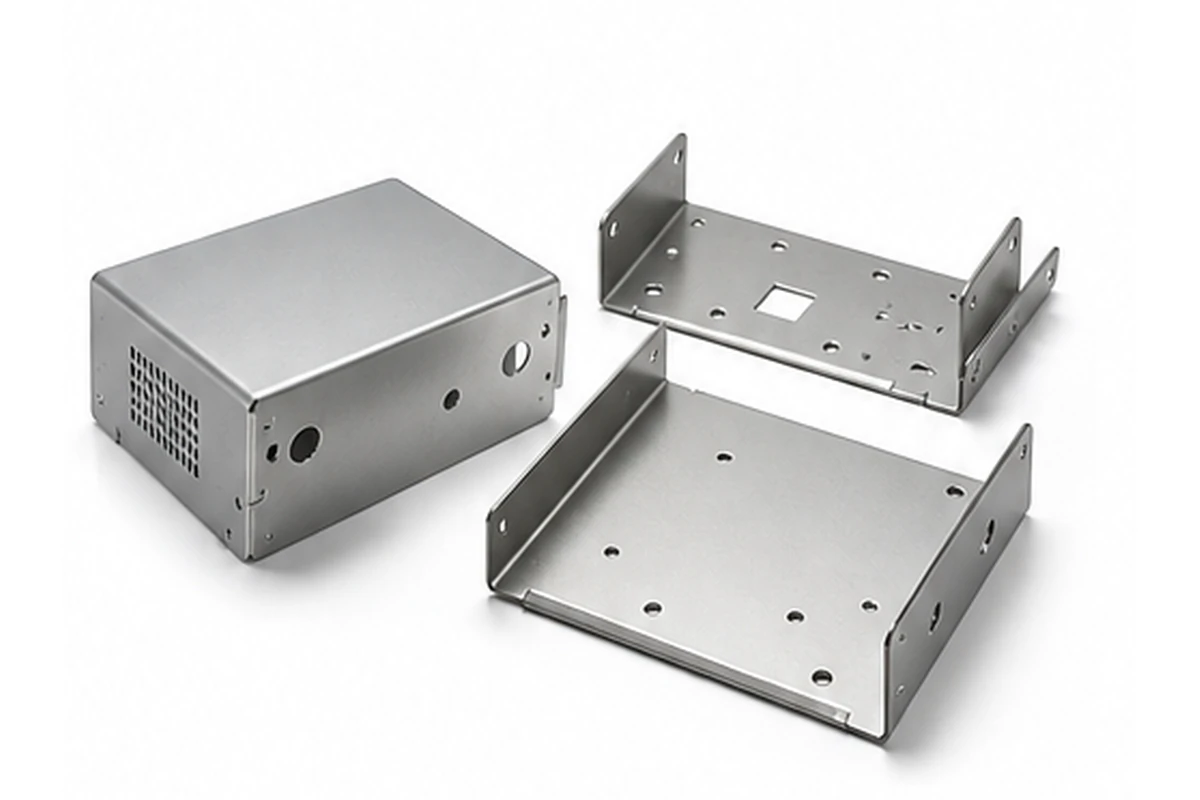
Enclosure Shells, Covers and Chassis Trays Are Semi-Finished Parts
Many buyers use the term “precision metal parts” broadly. For MSTFAB, the useful focus is custom sheet metal enclosure parts: empty shells, covers, back plates, side panels, chassis trays, brackets and structural metal pieces that support the buyer’s own project. These are fabricated metal parts, not internal systems.
This distinction matters for SEO and for procurement clarity. A buyer looking for installed internal assemblies may not be the right customer. A buyer with drawings for enclosure shells, panels, brackets or covers is much closer to MSTFAB’s production strength. Clear positioning reduces wasted inquiries and helps serious buyers understand what to send.
For example, an industrial enclosure project may require a laser-cut front panel, CNC-bent housing, welded support bracket, powder-coated door and packed metal kit. MSTFAB can manufacture those sheet metal parts from drawings. The buyer’s team then uses them in the larger system build according to their own specification.
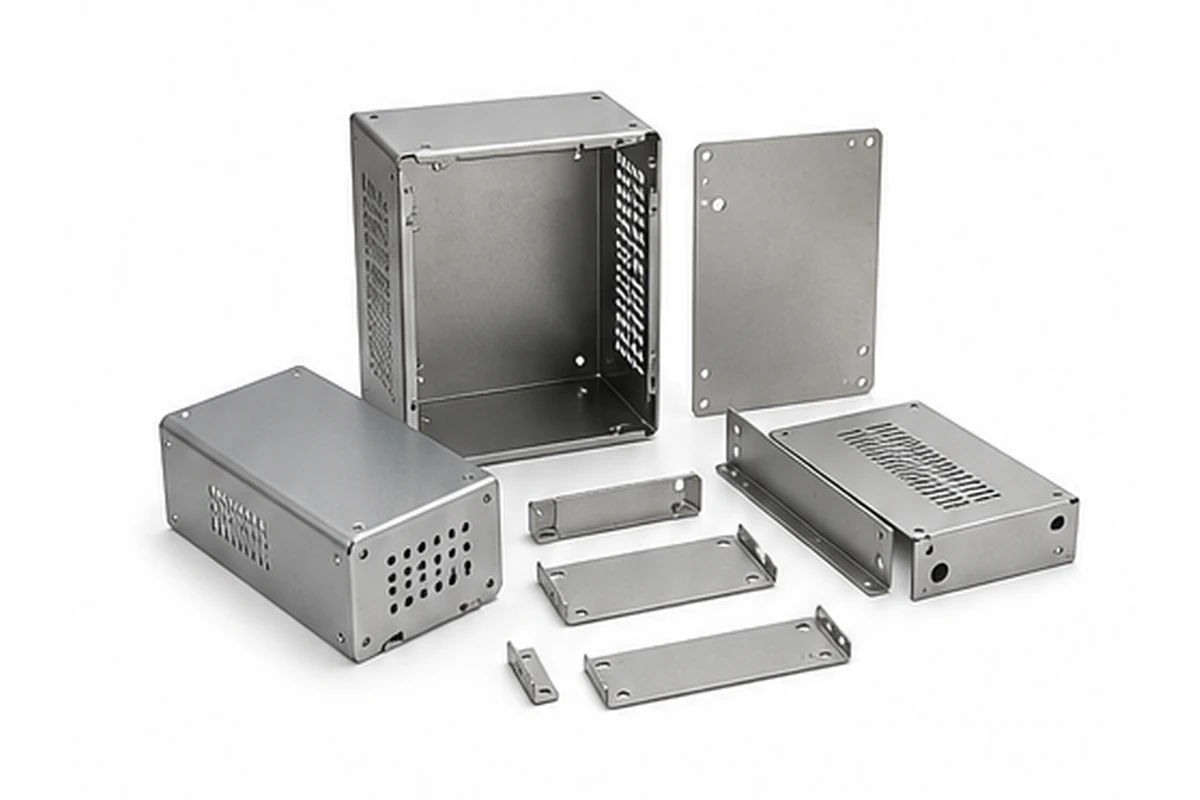
Small Brackets, Rails and Mounting Tabs Carry Big Responsibility
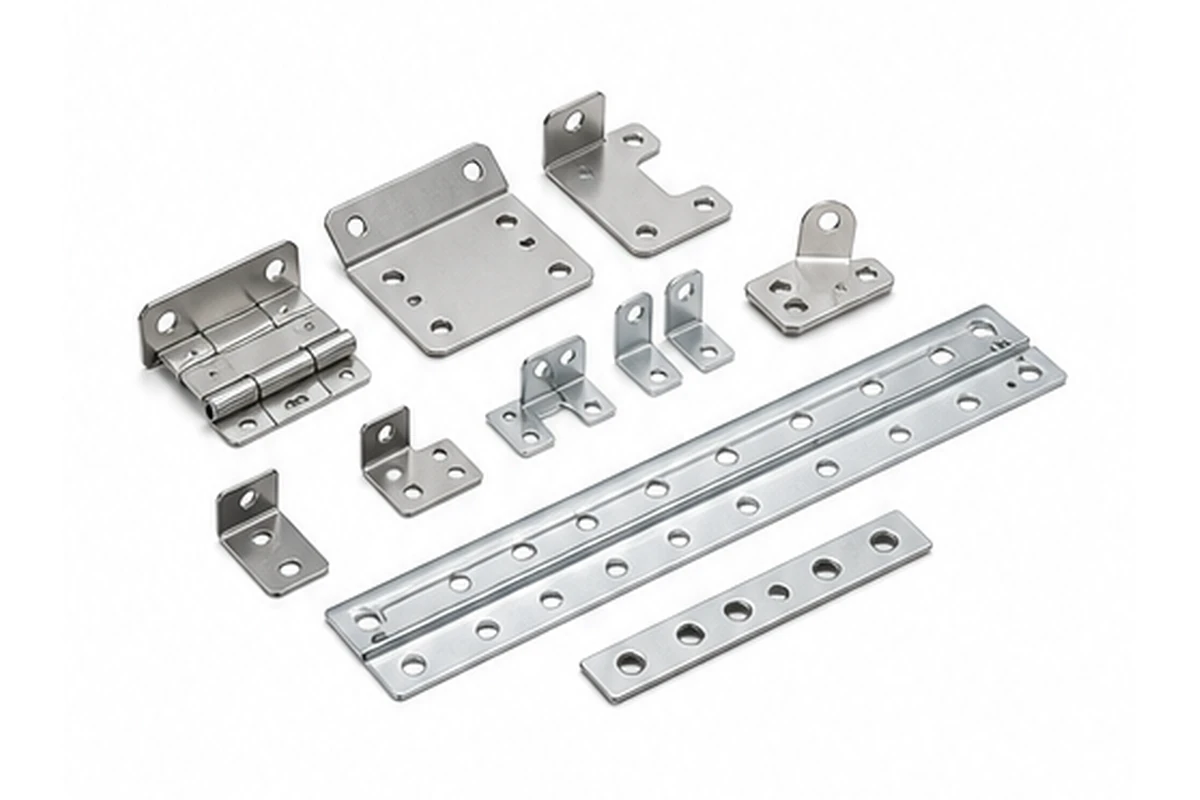
Small precision metal parts are easy to underestimate. A rail strip, hinge plate, mounting tab or small Z bracket may cost little compared with the full project, but if its holes are off, the assembly problem is suddenly very large. Small parts often decide whether an enclosure or cabinet goes together smoothly.
Buyers should define hole diameters, slot lengths, bend directions, material grade, finish and any hardware interface clearly. If the bracket works with another part, share that assembly information. If the bracket supports load, vibration or service access, say so. The supplier does not need a novel, but it does need the part’s job description.
MSTFAB manufactures precision sheet metal brackets, rail strips, hinge plates and mounting tabs from buyer drawings. For repeat orders, stable file control and inspection records help prevent small errors from becoming expensive sorting work.
Surface Finish Is Part of Precision
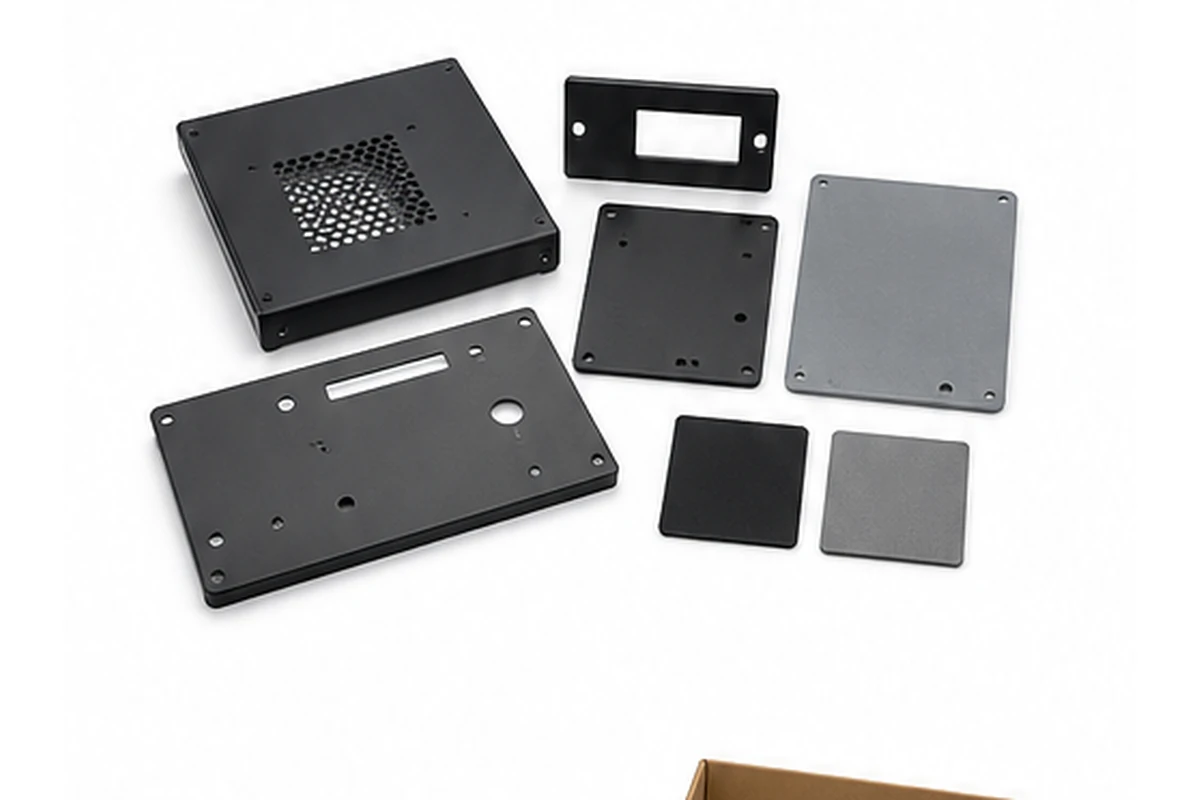
Some buyers think precision stops at dimensions. Then the parts arrive with scratches, coating mismatch or visible marks, and everyone remembers that appearance is also a requirement. For sheet metal enclosure parts, surface finish can be functional, cosmetic or both. Powder coating, brushing, plating, anodizing or simple protective handling can change how the part fits and how the buyer’s customer judges it.
Powder coating adds thickness. Stainless steel surfaces can scratch. Aluminum can dent. Galvanized steel needs thoughtful handling. If a part has a visible face, the drawing or RFQ should say so. If a hole must remain clear after coating, the supplier should know. If color consistency matters between shipments, reference samples or finish notes help.
MSTFAB supports sheet metal surface finishing for custom enclosure parts while keeping the project scope focused on fabricated metal shells and components. The goal is not just that the part measures correctly. The goal is that it arrives looking and fitting as expected.
PEM Hardware and Insert Positions Need Control
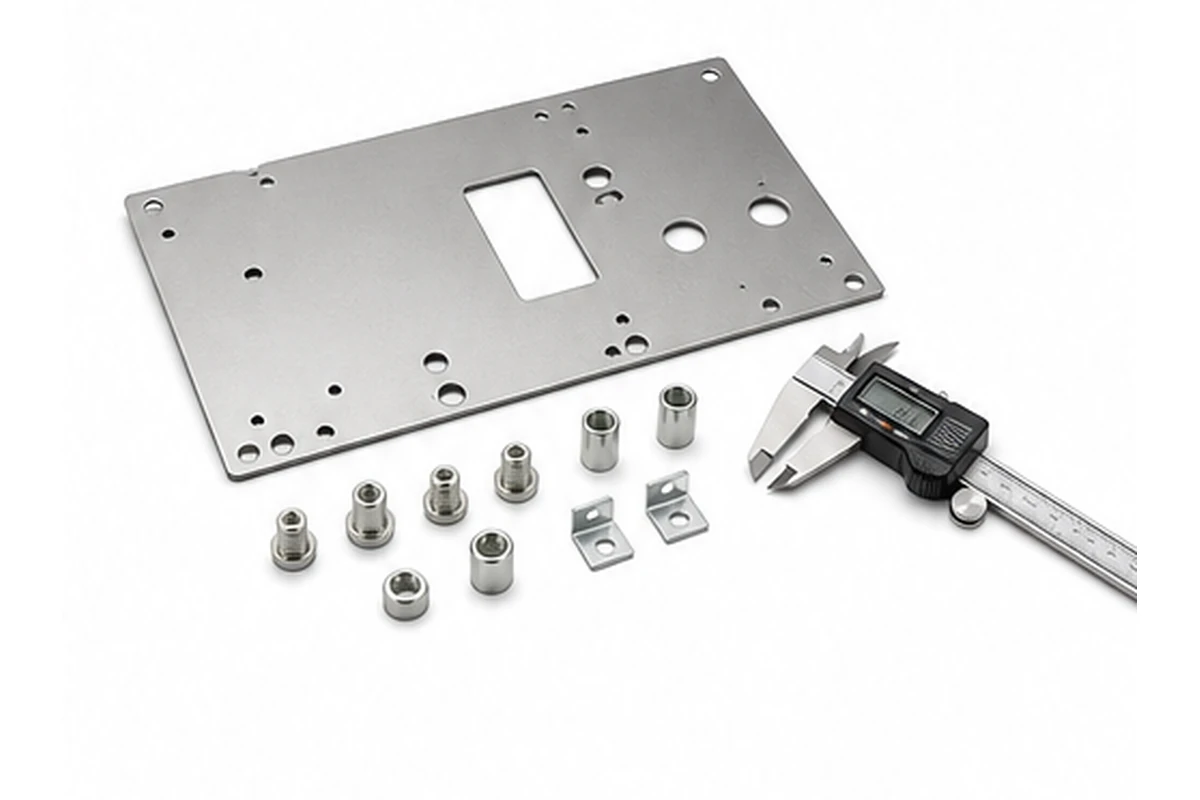
Hardware-ready sheet metal parts are common in OEM enclosure projects. PEM nuts, studs, standoffs, clinch hardware and threaded inserts can make assembly efficient when they are located correctly. When they are wrong, the buyer may discover the issue only during final assembly, which is the most expensive time to learn basic geometry.
To avoid that, buyers should define hardware type, hole size, installation direction, thread requirement, pull-out or torque needs where relevant, and inspection requirements. The material and thickness must also suit the hardware. A good drawing tells the factory not only where the hardware goes, but which side matters.
MSTFAB can prepare precision sheet metal panels and brackets for hardware installation as part of the fabrication route. We check drawing callouts, material suitability and post-installation location where the project requires it.
Quality Inspection for Overseas OEM Buyers
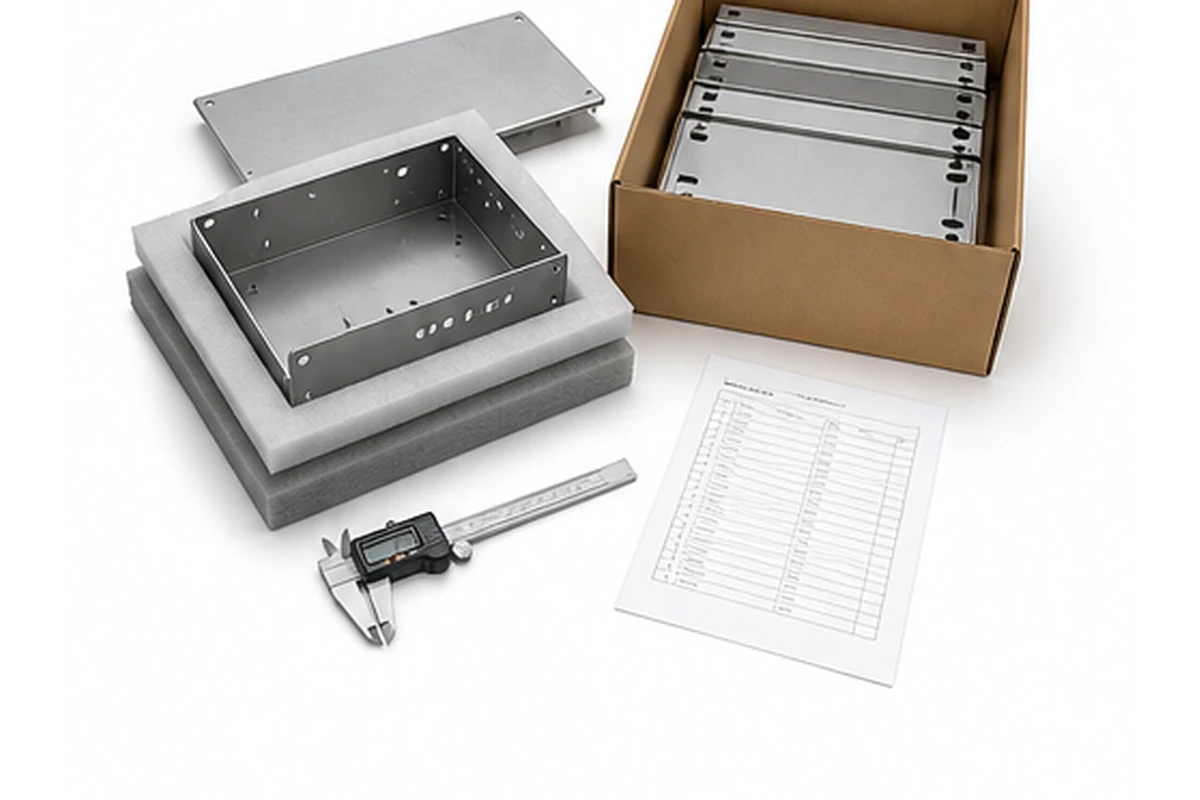
Inspection should be practical. A buyer does not need theatrical quality language. The buyer needs evidence: photos of the part, measurement records for critical dimensions, surface condition confirmation and packing photos before shipment. If a part has a history of fit issues, those features should receive special attention.
For precision metal parts fabrication, the best inspection plan starts with the drawing. Which dimensions matter to the buyer’s assembly? Which holes locate another part? Which surface is visible? Which features affect gasket contact, hinge movement or mounting rail alignment? Once those answers are clear, inspection becomes focused and useful.
MSTFAB can provide project-based inspection evidence for custom sheet metal enclosure parts. For export projects, this reduces uncertainty before parts leave China and gives overseas buyers a clearer decision point before shipment release.
| Inspection item | What to check | Buyer benefit |
|---|---|---|
| First-piece review | Profile, bend, hardware and key dimensions before batch continuation | Prevents repeated errors early |
| Critical dimension check | Holes, cutouts, flange height, overall size and mounting interfaces | Protects assembly fit |
| Surface review | Visible faces, coating marks, scratches and color consistency | Reduces appearance complaints |
| Packing review | Labels, foam separation, carton grouping and pallet support | Protects parts during export delivery |
How MSTFAB Fits OEM Precision Sheet Metal Projects
MSTFAB is a custom sheet metal fabrication factory in Guangzhou supporting overseas OEM buyers with drawing-based metal enclosure parts. The project usually starts with RFQ review and DFM feedback, then moves through laser cutting, CNC bending, welding, hardware preparation, surface finishing, inspection and export packing depending on the drawing scope.
We are a good fit when the buyer has drawings and needs a supplier that understands enclosure shells, cabinet panels, brackets, covers, trays, louver parts and related sheet metal structures. We are not trying to make every possible metal product for every possible industry. Focus helps. Buyers who need custom sheet metal enclosure fabrication from China usually benefit from a factory that speaks in drawings, tolerances and process routes, not vague promises.
For commercial search intent, this page supports buyers looking for precision metal parts fabrication manufacturer, precision sheet metal fabrication supplier, custom metal parts manufacturer, OEM sheet metal parts supplier China, custom sheet metal enclosure manufacturer, laser cutting and bending supplier, and export sheet metal fabrication factory. These terms are included because real buyers use different wording while looking for the same practical solution: accurate metal parts made from approved drawings.
RFQ Checklist for Precision Metal Parts
To get a quote that is useful, send enough information for the factory to understand the metal part and its risk. A complete RFQ package should include STEP or STP file, 2D PDF or DWG drawing, DXF flat pattern if available, material grade, thickness, quantity, finish, critical tolerances, hardware requirements, visible surface notes, packing method and target lead time. If the part belongs to a larger enclosure kit, share that context too.
If you are comparing suppliers, do not compare only the first price line. Ask whether the supplier reviewed manufacturability, whether tooling or fixtures are needed, whether coating affects fit, whether hardware installation is included, and what inspection evidence will be provided. The cheapest quote may be honest, or it may simply be missing half the risks. Procurement has enough adventure already.
Related MSTFAB Resources
If your project starts with flat blanks, review our Laser Cutting Services. If the parts require forming, see Sheet Metal Bending Services. For welded metal shells and structures, visit Welding Services. For appearance and corrosion protection, see Surface Treatment.
For broader project planning, useful pages include Custom Sheet Metal Fabrication, Custom Sheet Metal Enclosure Fabrication, Metal Enclosure Box Fabrication, What Files Are Needed for a Sheet Metal Fabrication Quote? and Sheet Metal Fabrication Cost for Enclosures.
FAQ
What is a precision metal parts fabrication manufacturer?
It is a manufacturer that produces drawing-based metal parts with controlled dimensions, material, forming, finish, inspection and packing. For MSTFAB, the focus is precision sheet metal enclosure parts and related semi-finished components.
What precision sheet metal parts can MSTFAB manufacture?
MSTFAB can manufacture enclosure shells, cabinet panels, covers, chassis trays, brackets, louver panels, mounting plates, hinge plates, rail strips and hardware-ready sheet metal parts from buyer drawings.
What files should I send for quotation?
Send STEP or STP files for 3D reference, DXF files for flat laser cutting if available, and 2D PDF or DWG drawings with material, thickness, tolerance, finish, quantity and critical notes.
Can MSTFAB support laser cutting, bending, welding and powder coating?
Yes. Many custom sheet metal enclosure projects need laser cutting, CNC bending, welding, PEM hardware preparation, powder coating, inspection and export packing under one project route.
How can buyers reduce precision part sourcing risk?
Use one approved drawing revision, mark critical dimensions, define visible surfaces, confirm finish requirements, share assembly concerns and request first-piece or key-dimension inspection evidence before shipment.
Need precision sheet metal enclosure parts from drawings?
Send your STEP, DXF, DWG or PDF drawings with material, quantity, finish and packing notes. MSTFAB will review the precision sheet metal fabrication scope before quotation.
 WeChat Contact
 WhatsApp Me Directly