
Precision aluminum laser cutting for OEM parts
Need production capability? This article focuses on aluminum laser cut enclosure parts. For manufacturing scope, process capability and drawing-based quotation support, review MSTFAB’s laser cutting services.
Laser cut aluminum parts that fit cleanly after cutting, bending and finishing
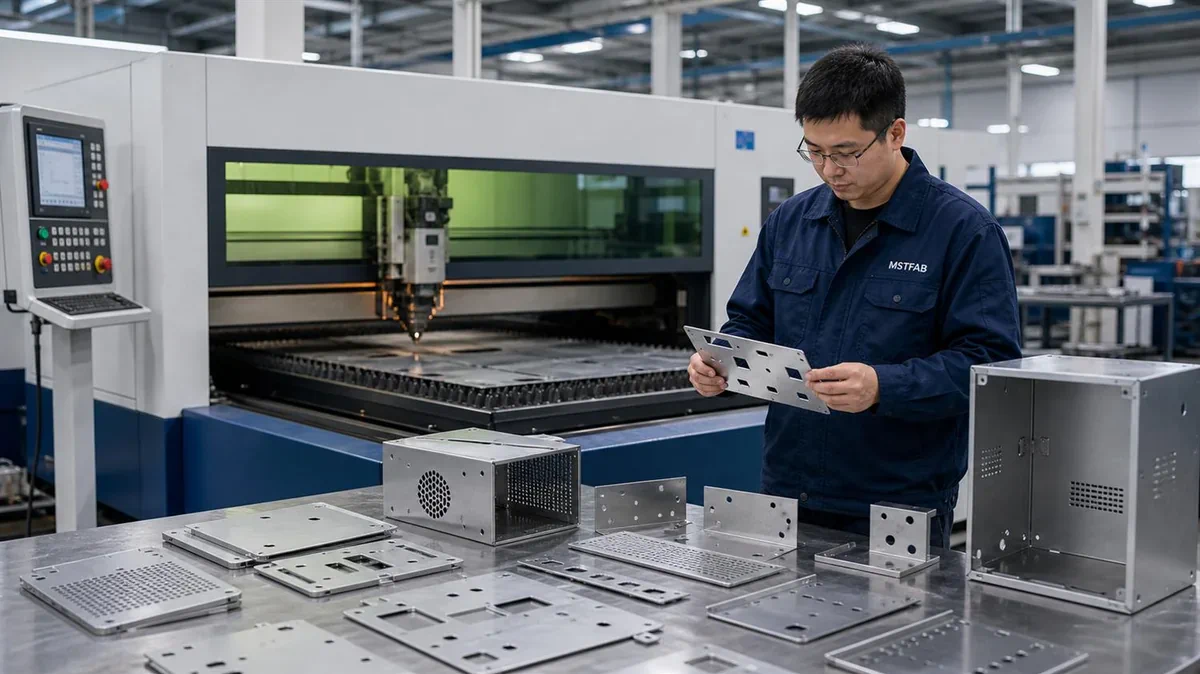
MSTFAB manufactures custom aluminum laser cut parts from DXF, DWG, PDF, STEP and STP files. We support aluminum brackets, panels, covers, guards, chassis parts, enclosure components and OEM industrial parts with downstream CNC bending, deburring, finishing, inspection and export packaging.
What this page is really about
Precision aluminum laser cutting is not just making a flat outline. OEM buyers need hole position accuracy, clean edges, controlled flatness, protected visible surfaces and a practical route into bending, riveting, anodizing, powder coating or assembly.
MSTFAB makes custom aluminum sheet metal parts from drawings. We are not selling stock aluminum sheets or finished electronics. The scope is custom metal fabrication: cut, form, finish, inspect and pack the aluminum parts your equipment needs.
Buyer problems this process should prevent
Holes do not line up
Mounting holes, slots and connector cutouts must match mating parts, PCBs, brackets, rails and fasteners.
Burrs and sharp edges
Laser cut aluminum often needs deburring, brushing or edge finishing when parts are handled or visible.
Thin panels deform
Large cutouts, weak bridges and poor packing can turn a nice panel into a wavy complaint.
6061 cracks during bending
Material grade, bend radius, thickness and grain direction should be reviewed before production.
Visible surfaces scratch
Aluminum cosmetic areas need film, handling rules, finish notes and better packing protection.
Batch two changes shape
Repeat orders need stable cutting files, inspection points and clear revision control.
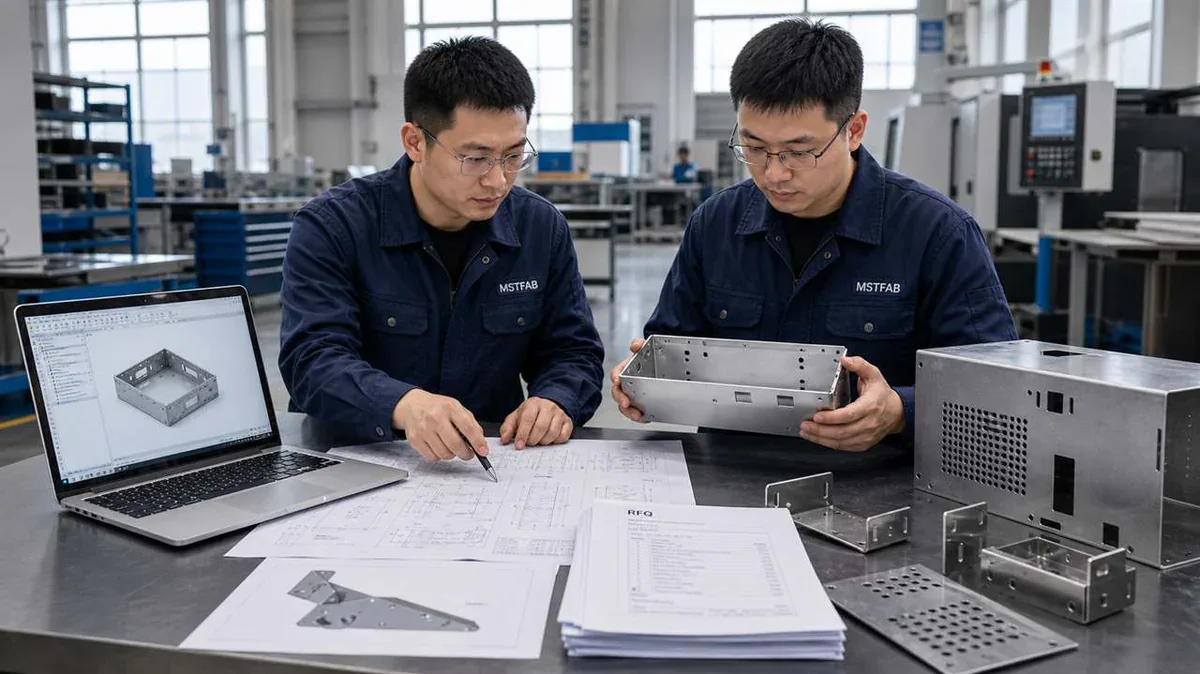
Aluminum grades: 5052 and 6061 are not the same job
5052 aluminum is commonly used for bent sheet metal panels, covers, brackets and enclosures because it has good formability and practical corrosion resistance. 6061 aluminum is stronger and useful for structural parts, plates and machine components, but it needs extra review if the part will be bent.
That small material choice can decide whether the part forms cleanly or sends everyone into a “why did it crack?” meeting.
- Use 5052 when bending and sheet metal forming are important.
- Use 6061 when strength, machining or structural support matters.
- Confirm thickness, bend radius, flatness and visible surface requirements early.
- Mark critical dimensions on the 2D drawing, not only in the 3D file.
Material and process choices for aluminum laser cut parts
| Choice | Typical use | Buyer note |
|---|---|---|
| 5052 aluminum | Bent covers, panels, brackets and enclosure components | Good for sheet metal forming, but bend radius still needs review. |
| 6061 aluminum | Stronger plates, brackets, chassis parts and structural components | Less forgiving in bending; confirm radius and cracking risk before production. |
| Deburring and brushing | Handled parts, visible panels and clean edges | Specify which edges or surfaces are cosmetic. |
| Anodizing or powder coating | Visible aluminum panels and equipment covers | Color, texture, masking and packing should be defined before production. |
| Secondary fabrication | Bending, tapping, riveting, PEM hardware and assembly | Share assembly drawings so the cut part is designed for the next step. |
Inspection points buyers should care about
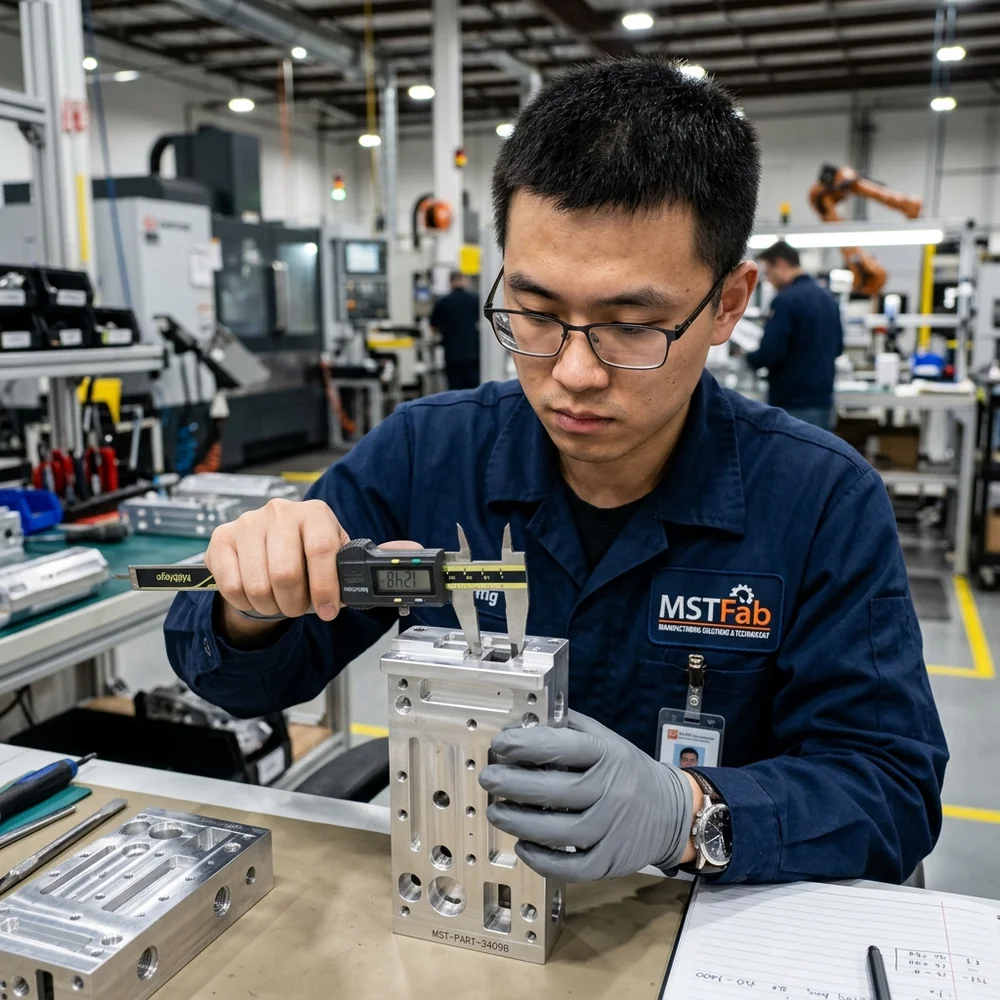
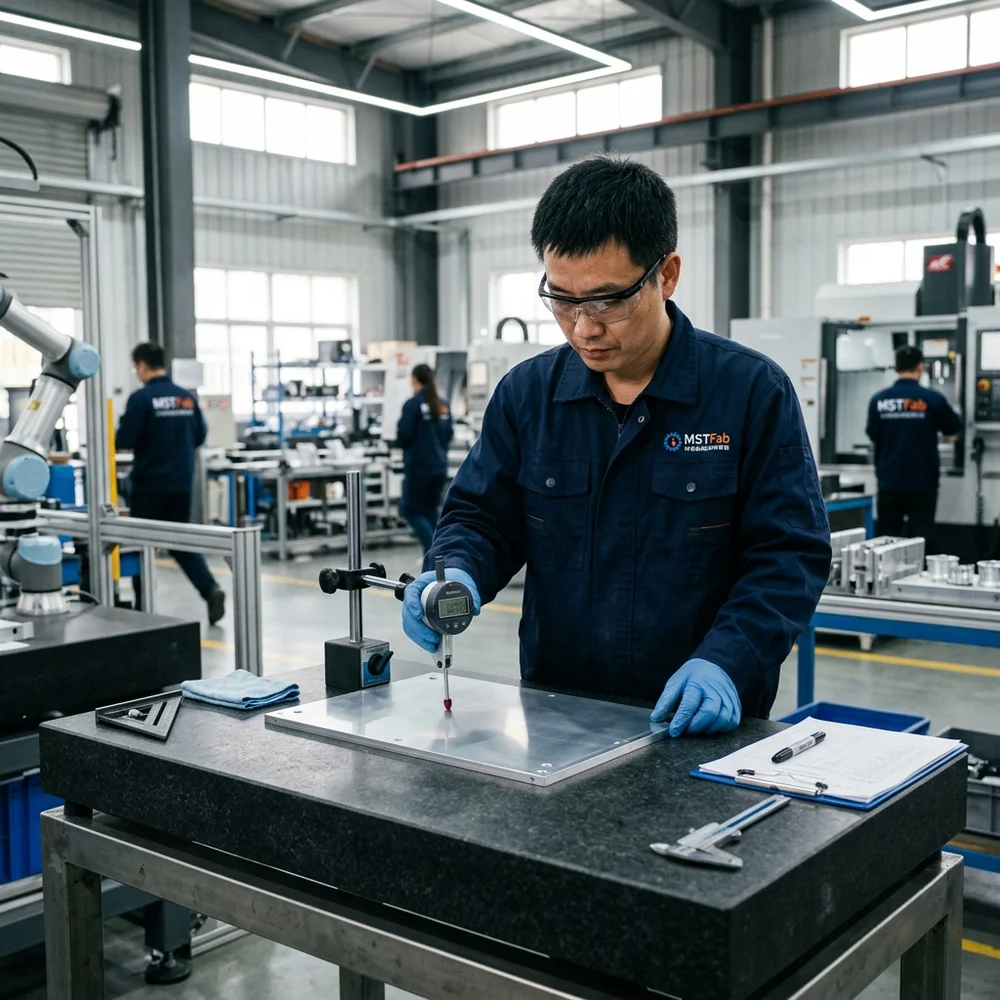
Precision aluminum laser cutting with secondary fabrication
1. Drawing review
We review units, revision, closed profiles, duplicate lines, hole size, bend notes, finish and critical dimensions.
2. Laser cutting
Aluminum profiles, slots, holes, vents, panels and brackets are cut from customer DXF/DWG/PDF drawings.
3. Deburring and edge finish
Edges can be deburred, brushed or finished based on handling, assembly and appearance requirements.
4. CNC bending
Formed aluminum parts are reviewed for bend radius, flange length, cracking risk and hole-to-bend distance.
5. Hardware and finishing
Tapping, rivet nuts, studs, riveting, anodizing support, powder coating and partial assembly can be supported.
6. QC and packaging
Critical dimensions, surface condition and export packing are checked before shipment.
Downstream forming changes the quote
A flat aluminum plate is one type of job. A cut, bent, riveted, coated and inspection-ready assembly is another. If the final part needs bending, hardware insertion or finishing, send the complete drawing package. It saves time and saves the little surprises that are never actually little.
- CNC sheet metal bending for formed aluminum covers and brackets
- Laser cutting and CNC bending when cutting and forming must match
- Surface finishing guide for anodizing, brushing and powder coating decisions
- Sheet metal tolerance guide for realistic inspection planning
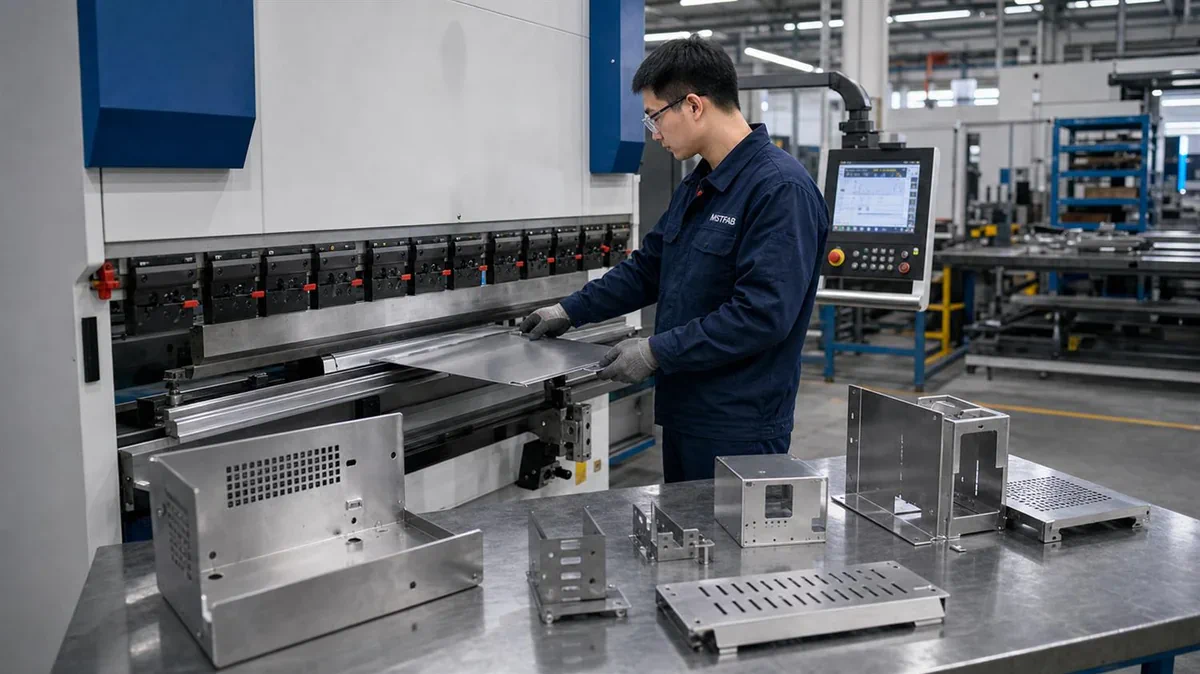
Trust table for OEM aluminum part buyers
| Buyer concern | What MSTFAB checks | Why it matters |
|---|---|---|
| Parts do not assemble | Critical holes, slots, edge distance, datum surfaces and mating dimensions | Improves fit with screws, rails, PCBs, brackets and other parts. |
| Aluminum panel looks scratched | Visible surface notes, protective film, finish route and packing method | Protects cosmetic covers, panels and customer-facing parts. |
| 6061 bends crack | Material grade, thickness, bend radius, flange size and bend direction | Reduces forming risk before parts are cut. |
| Burrs affect handling | Edge quality, deburring requirement, brushing direction and sharp-edge notes | Improves safety, appearance and downstream assembly. |
| Repeat order drifts | Drawing revision, CNC files, inspection points and sample approval | Keeps future batches closer to the approved part. |
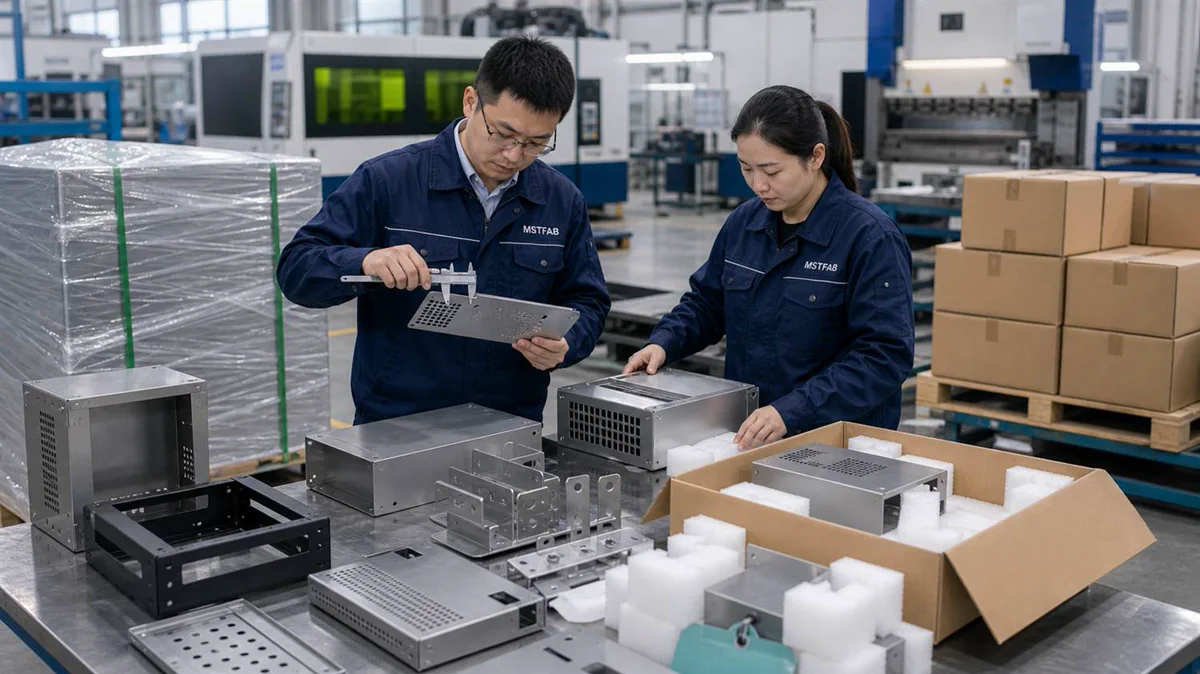
What buyers should send for a quote
To quote precision aluminum laser cutting accurately, send the information that affects material, process, inspection and packing. A good RFQ does not need to be a novel; it just needs the practical details.
Files
- DXF or DWG cutting file
- 2D PDF drawing
- STEP/STP file if available
Material
- 5052, 6061 or other grade
- Thickness
- Flatness or bend requirements
Finish
- Deburring or brushing
- Anodizing or powder coating
- Visible surface notes
Production
- Quantity and annual forecast
- Critical dimensions
- Packaging and labeling needs
FAQ: precision aluminum laser cutting
Does MSTFAB only cut flat aluminum parts?
No. MSTFAB can support aluminum laser cutting plus CNC bending, drilling, tapping, hardware insertion, riveting, welding support, finishing, inspection and export packaging when specified in the drawing package.
Which aluminum grade is better for laser cut sheet metal parts?
5052 is often used for formed aluminum sheet metal parts. 6061 is stronger but needs careful bend review if forming is required. The best choice depends on strength, appearance, corrosion, bending and cost target.
Can MSTFAB inspect hole positions and critical dimensions?
Yes. MSTFAB can check key dimensions such as hole diameter, hole spacing, slots, cutouts, edge distance, bend angles and visible surface condition according to the approved drawing.
Can aluminum parts be anodized or powder coated?
Yes. MSTFAB can support finishing routes such as anodizing support, powder coating, brushing, sanding and deburring. Color, texture, masking and cosmetic areas should be clearly marked.
What files are needed for a quote?
DXF or DWG files are useful for cutting profiles. 2D PDF drawings define dimensions, tolerances and finish notes. STEP or STP files help review assembly and formed parts.
Related buyer resources
Aluminum laser cutting manufacturer
Custom laser cut aluminum parts
Custom metal parts for aluminum
Sheet metal bending services
Custom sheet metal fabrication services
Need precision aluminum laser cut parts from drawings?
Send DXF/DWG, PDF drawings, material grade, thickness, quantity, finish and critical dimensions. MSTFAB will review the aluminum cutting and fabrication route clearly.
 WeChat Contact
 WhatsApp Me Directly