
If you’re an engineer or OEM buyer, chances are your desktop is full of DXF files. A DXF is fantastic for flat patterns. It tells the laser cutter exactly where to go, where to place the holes, and where to slice the slots. But here is the problem: a DXF file is a 2D map in a 3D world.
When you need laser cutting and bending from DXF files, simply throwing a DXF at a supplier is risky business. The DXF might show a bend line, but does it bend UP or DOWN? Is the angle 90 degrees or 85 degrees? Is the bend radius 1.5mm or 3.0mm? If your supplier just guesses, your perfectly designed sheet metal bracket is going straight into the scrap bin.
At MSTFab, we don’t guess. We combine your flat DXF files with your PDF notes or STEP models to provide a precise, end-to-end custom sheet metal fabrication service.
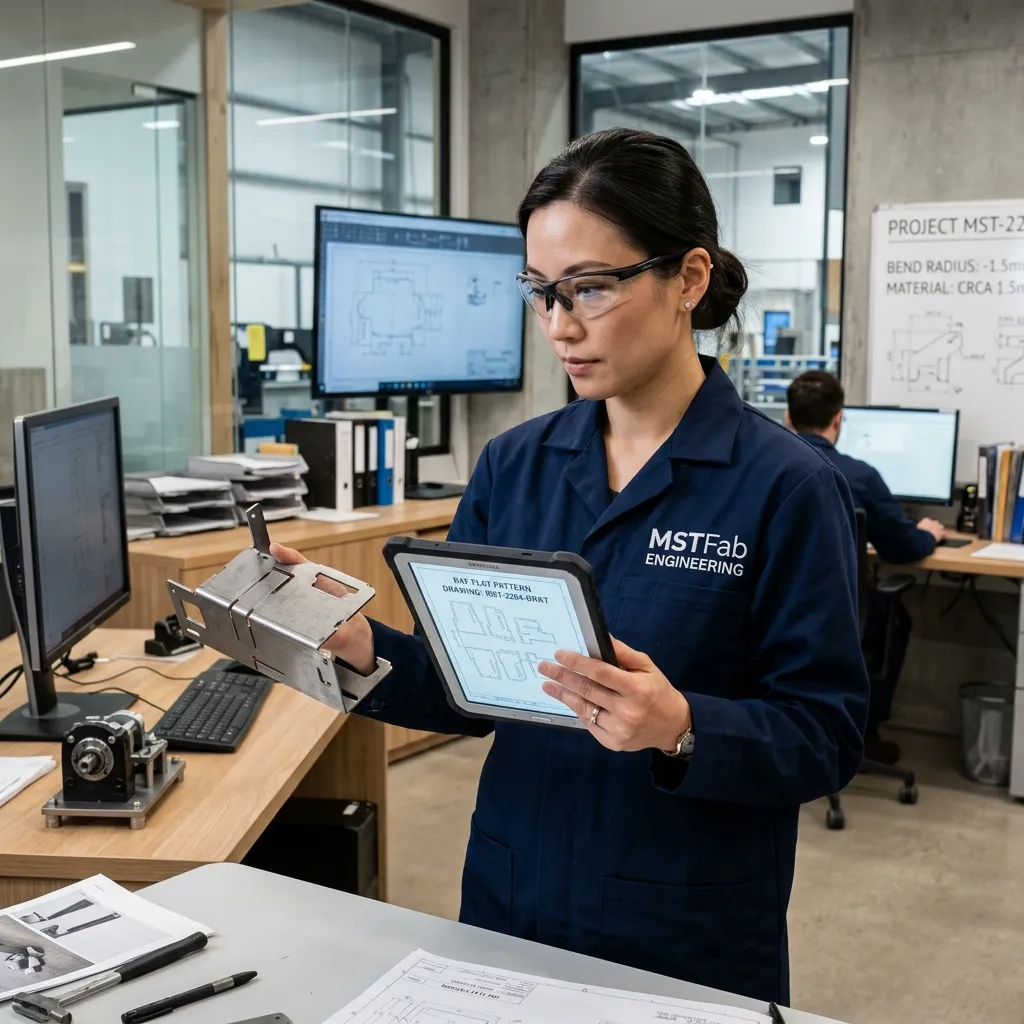
The Pain Points of Bending from DXF Files
1. “They Bent It Backwards!”
This is the most common disaster when ordering bent sheet metal from a pure DXF file. If the file only contains flat geometry with dashed lines for bends, the CNC press brake operator has a 50/50 chance of bending it the wrong way. To avoid this, MSTFab always cross-references your DXF with a PDF drawing or 3D file to verify the bend direction before running our CNC bending service.
2. The “Hole Deformation” Nightmare
In a 2D DXF file, a hole placed 2mm away from a bend line looks perfectly fine. But during actual laser cutting services for DXF files followed by bending, the physical stress of the V-die will stretch the metal and deform that hole into an ugly oval. If your part needs to fit a precise fastener, it will fail. MSTFab runs a DFM (Design for Manufacturability) check to ensure hole-to-bend distances are safe before production starts.
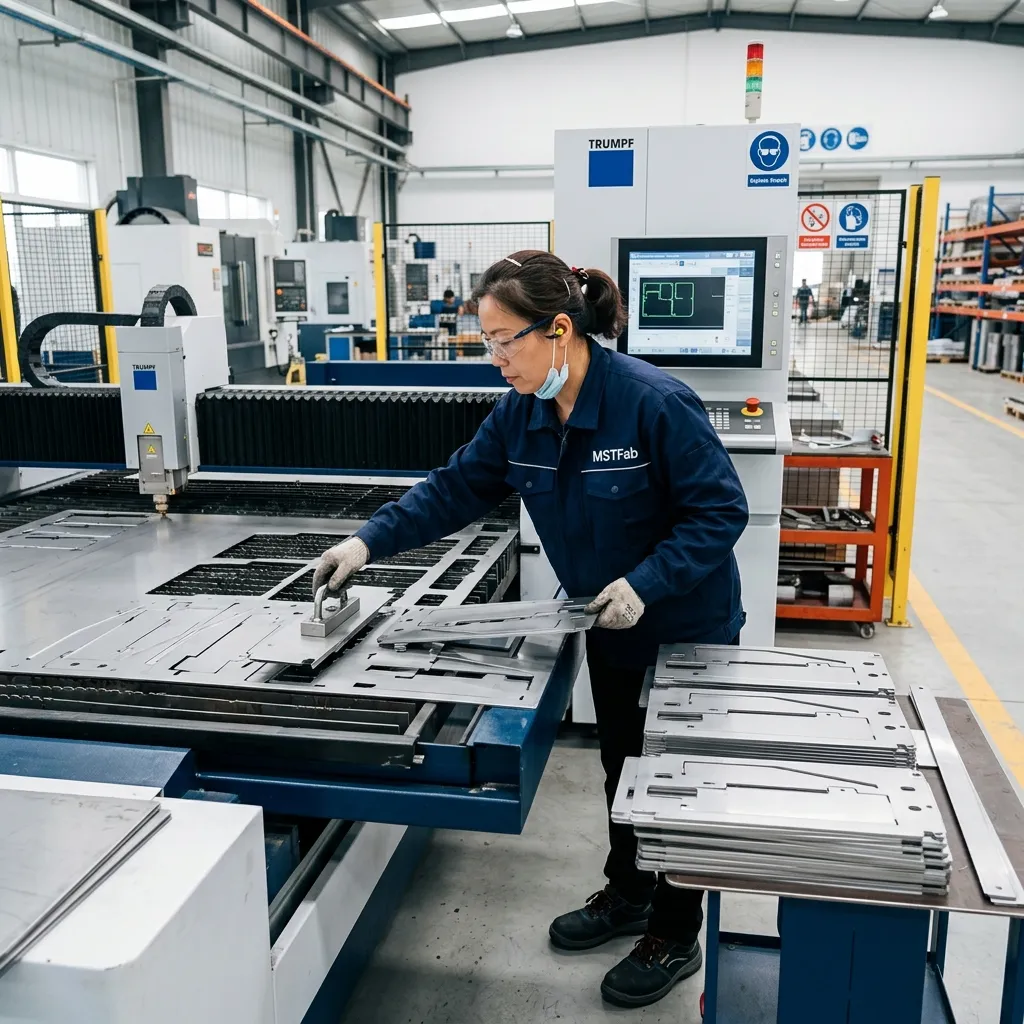
3. “We Need More Than Just Bending”
A bent piece of metal is rarely a finished product. OEM projects often require hardware insertion (like PEM nuts), precision welding, and surface treatment. Managing three different suppliers for one bracket is a headache. Whether you need a sheet metal welding service to close the corners of an enclosure, or you require powder coating sheet metal parts, MSTFab handles the complete workflow in-house.
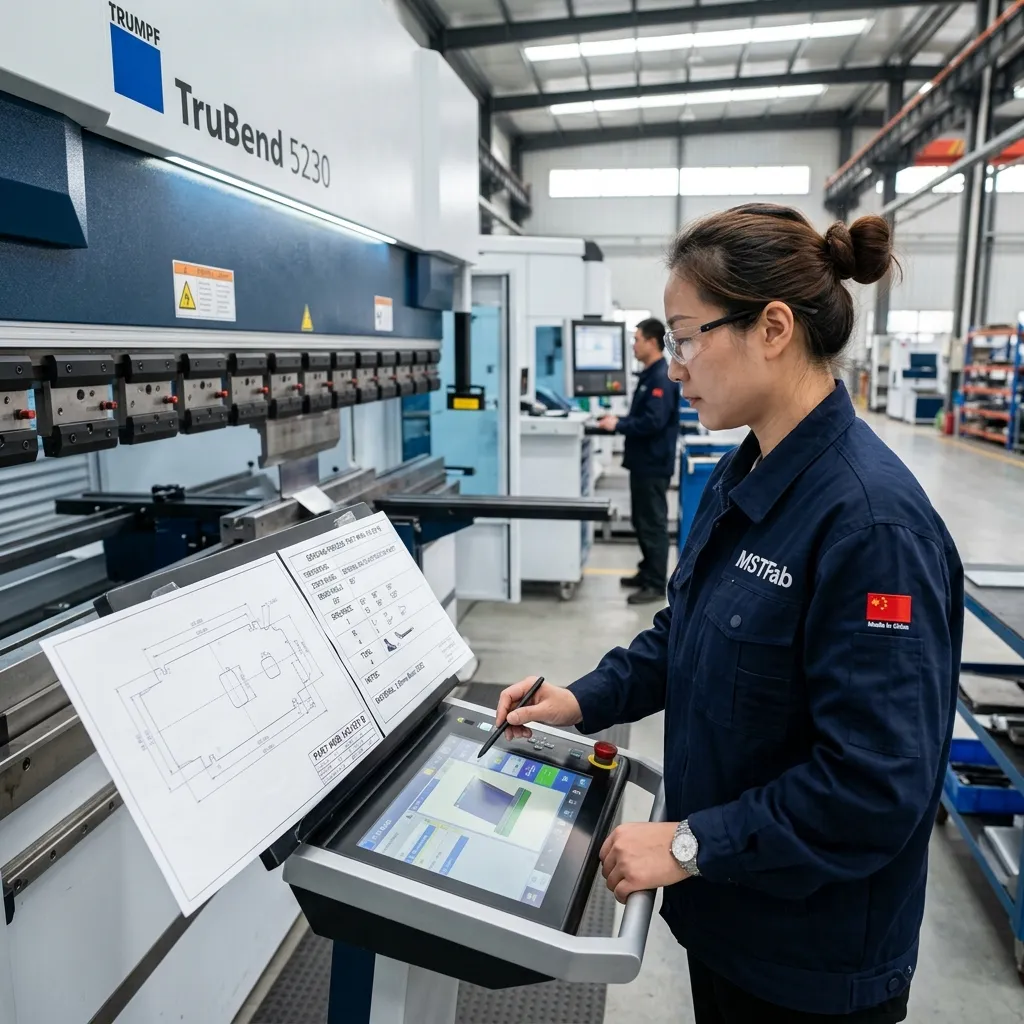
The DXF Vendor Evaluation Checklist
How do you know if your sheet metal supplier is actually reading your files correctly? Use this table to spot the difference between a “cut-and-run” shop and a professional OEM partner.
| Fabrication Standard | The “Blind” Supplier | The MSTFab OEM Standard |
|---|---|---|
| File Input | Requires DXF only; guesses the bend angle. | Cross-references DXF with PDF/STEP files to confirm bend direction and radius. |
| DFM Review | Ignores hole deformation risks near bends. | Proactively flags impossible bend radii and short flanges before production. |
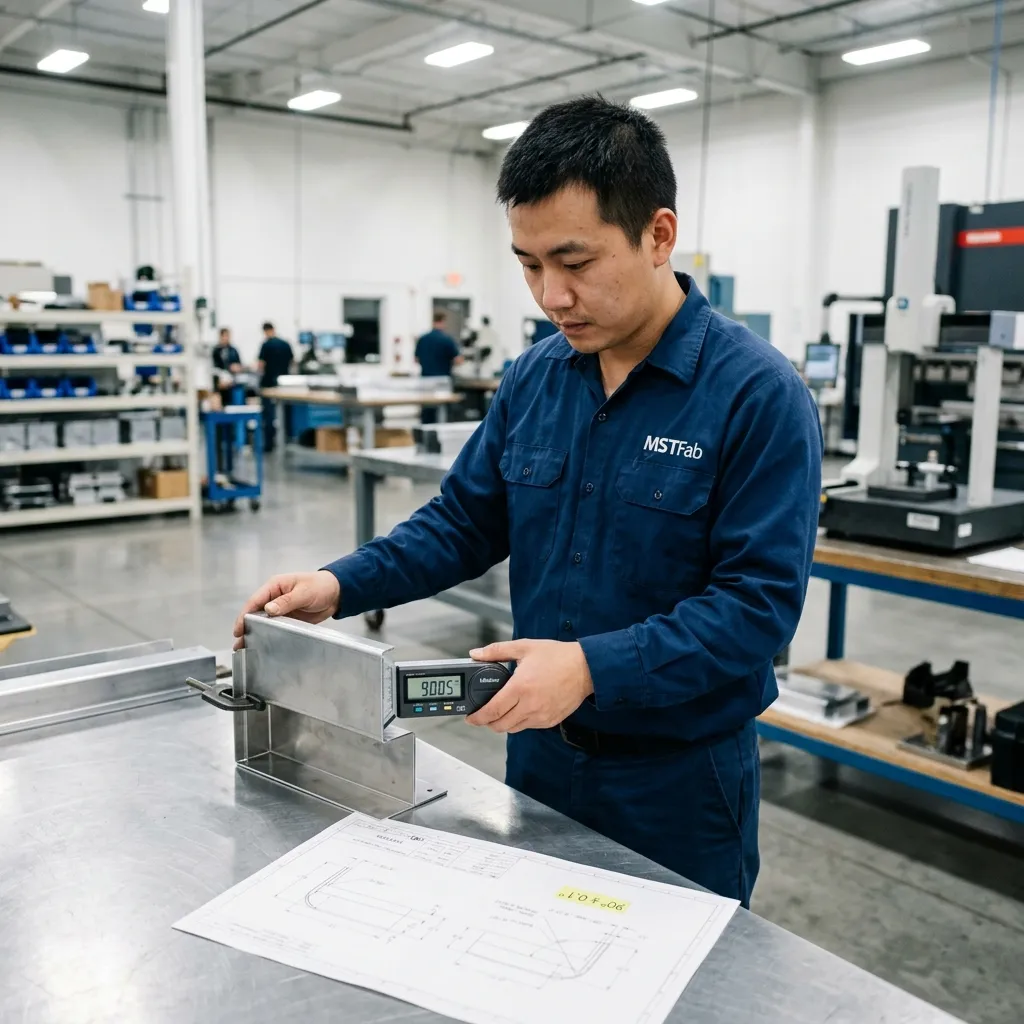
| Quality Assurance | Ships parts that don’t fit your assembly. | Performs first article inspection to guarantee 3D dimensions match your specs. |
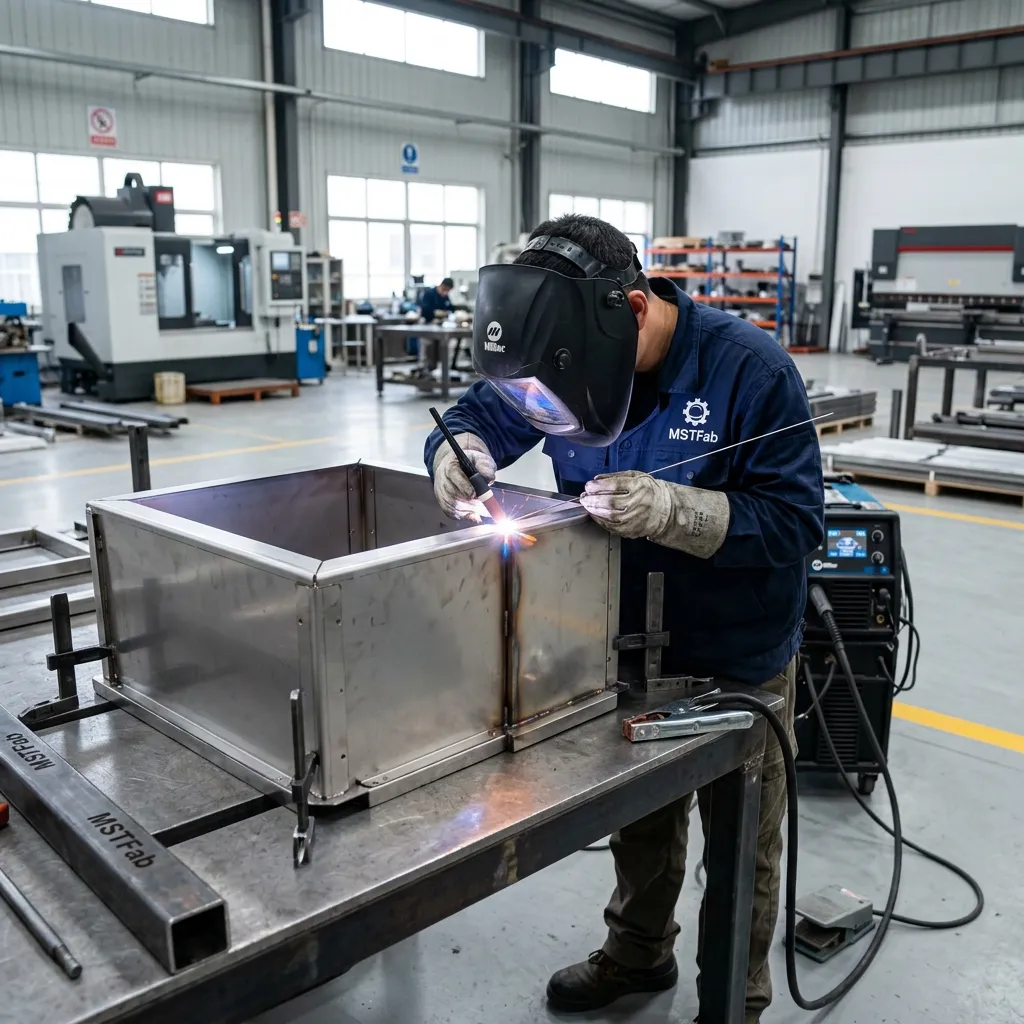
From Flat DXF to Finished Assembly
At MSTFab, we understand that whether you are submitting files for sheet metal fabrication from CAD files or custom metal parts from STEP files, the goal is the same: parts that fit perfectly in your final assembly. We provide rigorous dimensional checks, offering a dimensional inspection report upon request.
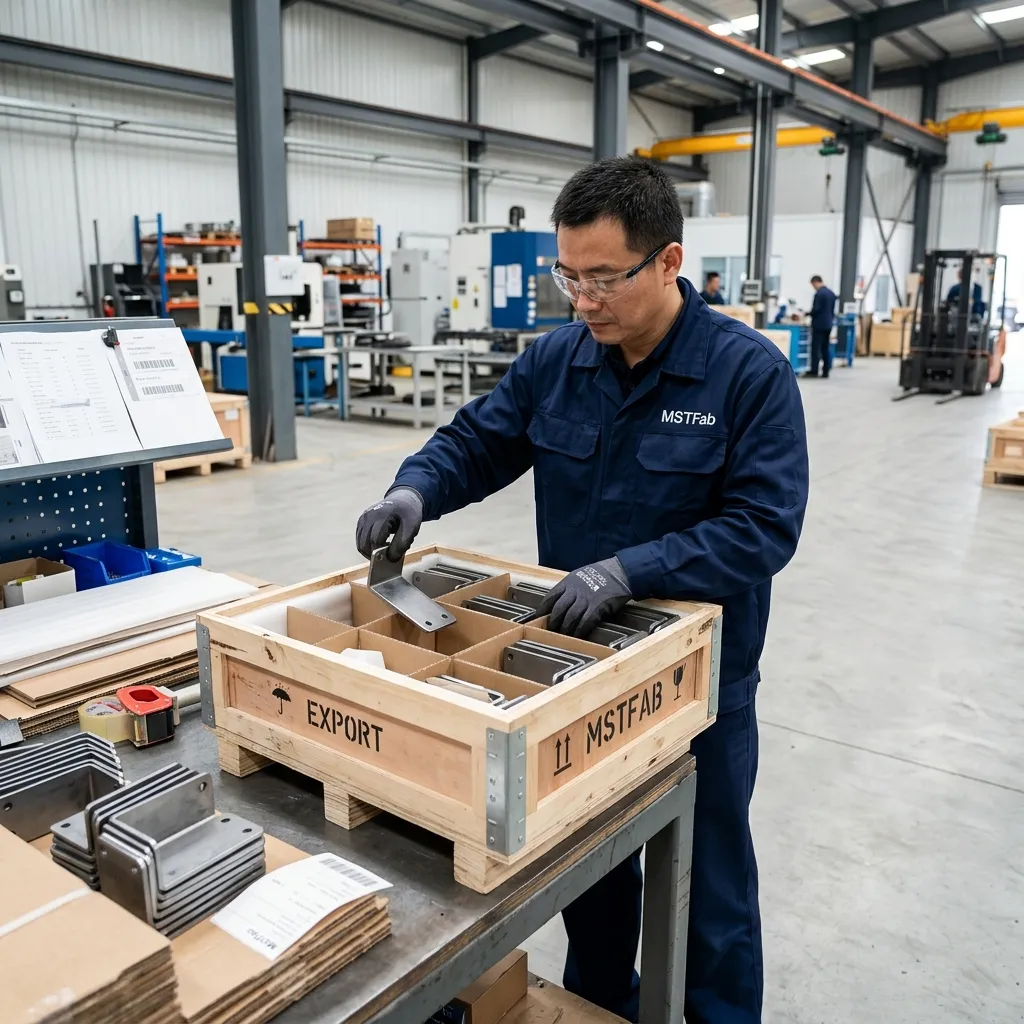
Finally, we know that shipping formed sheet metal internationally requires care. A flat piece of steel is easy to ship. A complex bent bracket can be crushed if packed poorly. That is why we provide custom export packaging to ensure your parts arrive exactly as they left our CNC machines.
Stop Guessing with Your DXF Files
If you need your DXF flat patterns transformed into high-precision bent parts, MSTFab is ready to help. Whether you are seeking a rapid review via our instant quote sheet metal fabrication portal or you need to submit complex packages for an online sheet metal fabrication quote, we have the engineering expertise to get it right.
Send us your DXF files, PDF bending notes, and STEP models today, and let us build your custom metal parts without the guesswork.
 WeChat Contact
 WhatsApp Me Directly