
A laser cut stainless steel screen can look simple in a product photo. A nice pattern, a clean frame, a few mounting holes. Done, right? Not quite. Then the real project begins.
The buyer needs a screen that fits a specific wall opening, does not bend during transport, has the correct pattern scale, matches the required finish, allows proper installation, and still looks premium after customers touch it, clean it, and stare at it from two meters away.
MSTFAB manufactures custom laser cut stainless steel screens for commercial interiors, residential projects, hotels, restaurants, offices, retail spaces, gardens, balconies, feature walls, room dividers, privacy panels and architectural applications. We manufacture according to your drawing, dimensions, pattern file, material requirement and finish specification.
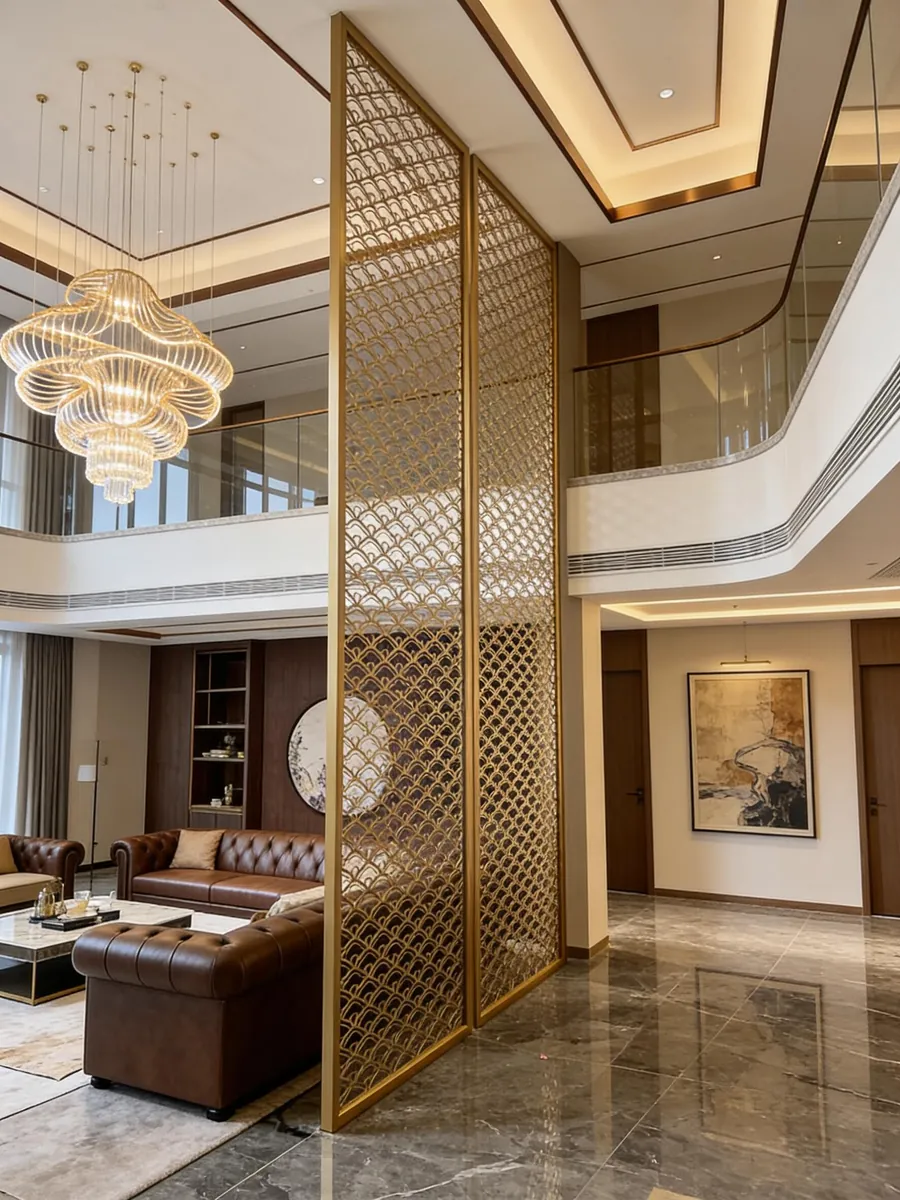
Reviewed by MSTFAB Manufacturing Engineering Team. Last updated: July 1, 2026. Focus: custom laser cut stainless steel screens, decorative metal room dividers, privacy panels, feature wall panels, surface finishes, installation features and export packaging.
What is a laser cut stainless steel screen?
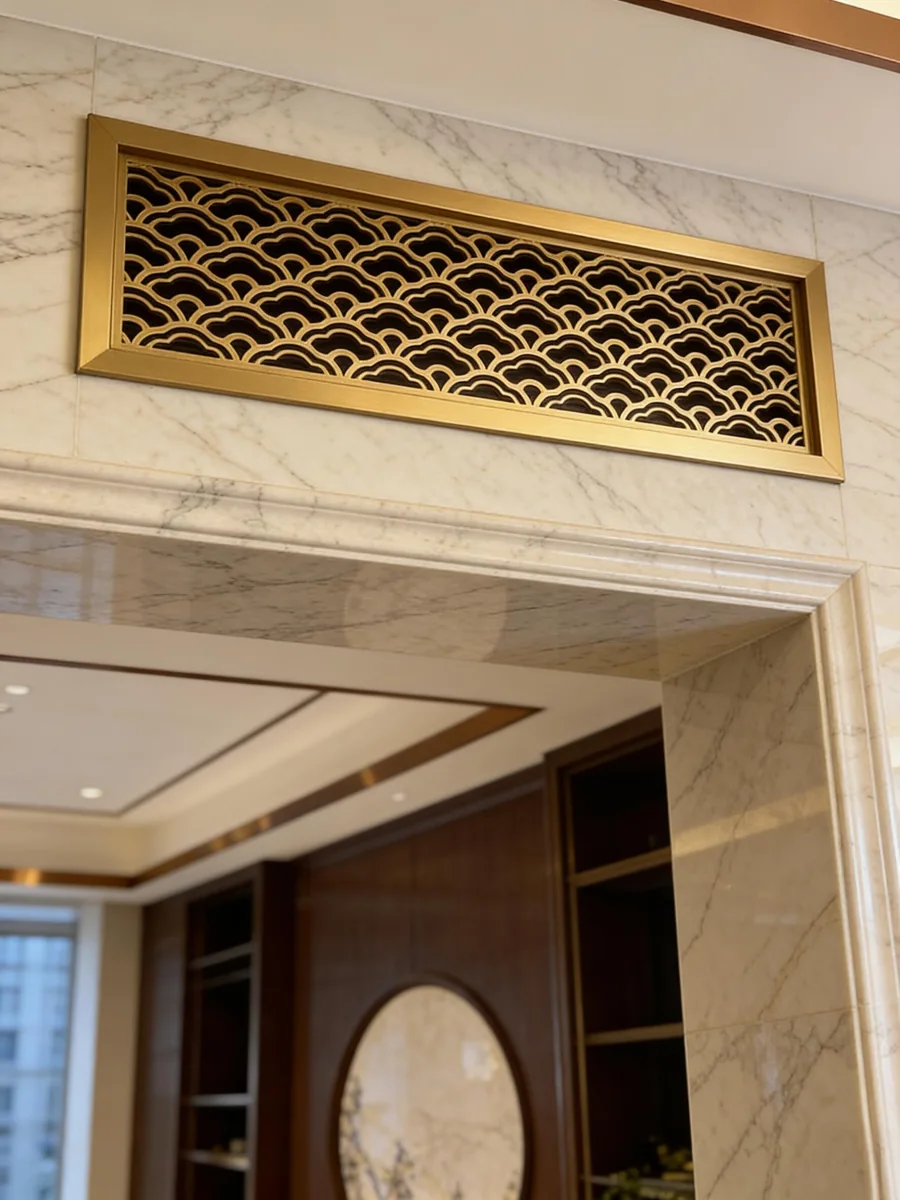
A laser cut stainless steel screen is a decorative or functional metal panel made by cutting a custom pattern into stainless steel sheet. It may be used as an interior room divider, office partition, hotel lobby panel, restaurant feature wall, balcony privacy screen, garden divider, fence insert, stair infill panel, ceiling panel, facade decoration, equipment concealment panel or ventilation screen.
The visible pattern can be geometric, floral, abstract, modern, logo-based, perforated or completely custom. But a good screen is not only about pattern design. It also needs the correct thickness, border width, fixing method, surface finish, material grade, frame structure and packaging protection. A beautiful pattern on a weak panel is still a weak panel.
Why buyers choose stainless steel screens
Premium appearance
Stainless steel can create a clean architectural look for hotels, offices, villas, retail stores and public spaces.
Custom patterns
Laser cutting allows project-specific patterns without expensive stamping dies or mold tooling.
Strong panels
Correct thickness, border design and reinforcement help decorative screens stay rigid in real installations.
Finish flexibility
Brushed, mirror, powder coated, black, bronze, gold and PVD-style finishes can be reviewed by project need.
Indoor and outdoor use
Material grade, finish and installation environment decide whether the screen is suitable for outdoor exposure.
Export-ready packing
Cosmetic panels need proper film, separators, corner protection and crates. Beauty should not lose a fight with freight.
Stainless steel is not automatically “weatherproof forever” just because the word stainless is in the name. Outdoor environment, coastal salt exposure, cleaning chemicals, finish quality, drainage and material grade all matter.
304 vs 316 stainless steel for decorative screens
One of the first questions buyers ask is whether to use 304 or 316 stainless steel. The answer depends mainly on the installation environment.
| Material | Best-fit applications | Buyer notes |
|---|---|---|
| 304 stainless steel | Indoor decorative screens, room dividers, wall panels, office partitions, retail displays and protected outdoor areas. | Often suitable when the screen is not exposed to strong salt air, aggressive chemicals or constant moisture. |
| 316 stainless steel | Coastal areas, marine-related locations, high-humidity zones and outdoor projects with stronger corrosion-resistance needs. | Usually costs more, so it should be selected when the environment justifies the upgrade. |
Using 316 for a dry indoor office partition may be unnecessary. Using 304 next to seawater may become an expensive lesson in material selection. Tell us whether the screen is indoor or outdoor, coastal or inland, decorative or safety-related, framed or wall mounted, and exposed to moisture or cleaning chemicals.
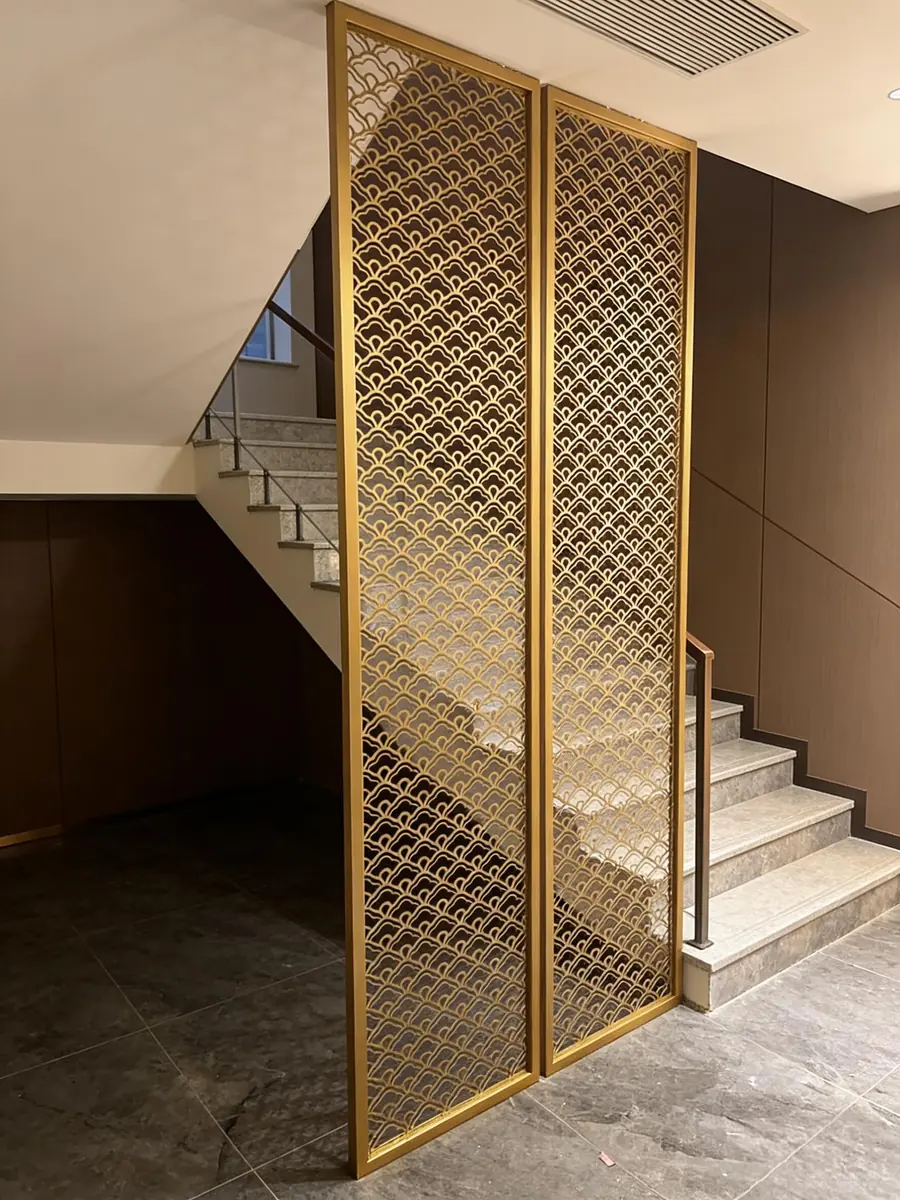
Custom screen patterns: beautiful is not always manufacturable
A pattern can look excellent on a computer screen and still create manufacturing problems. Very narrow bridges between cutouts may bend or break. Small internal corners can create cutting limitations. Large open areas can reduce panel strength. Oversized panels may need reinforcement. Tiny decorative details may disappear after finishing.
A good custom stainless steel privacy screen should balance visual appearance, panel strength, material thickness, open-area percentage, installation method, wind exposure, privacy level, ventilation requirement, manufacturing efficiency and cleaning practicality. The trick is not to make it so delicate that it becomes decorative scrap metal after the first delivery.
For the cutting process behind these patterns, review our laser cutting service. For complete fabrication support, see custom sheet metal fabrication.
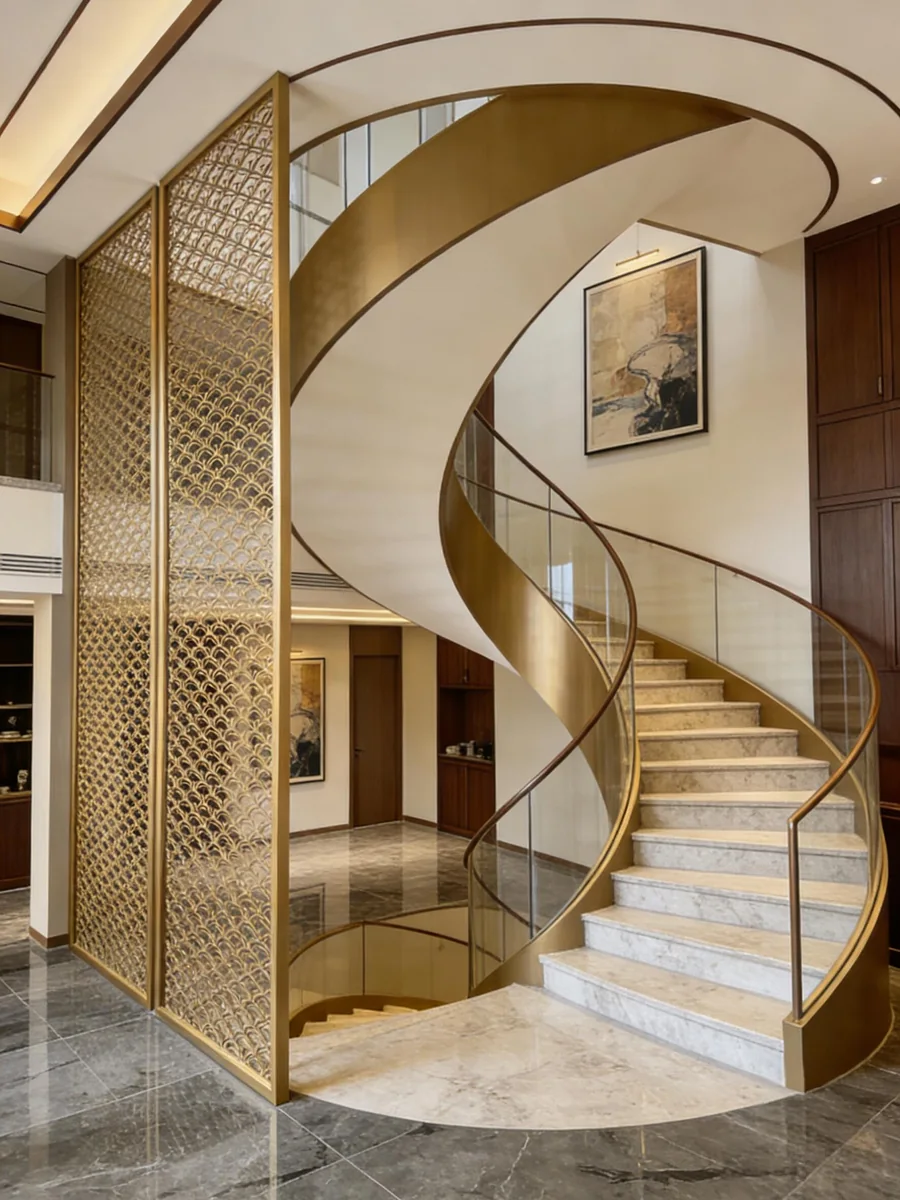
Custom sizes, thicknesses and edge details
Every project has different size requirements. Some buyers need a small decorative insert for a cabinet door. Others need large wall panels, balcony screens, lobby dividers or outdoor privacy partitions.
- Custom panel width and height
- Custom border size and pattern scale
- Laser cut mounting holes, slots and installation features
- Folded edges for strength
- Welded frames or reinforcement bars
- Corner brackets, flanges and hidden fixing points
- Multiple panels with numbering labels for project assembly
A screen that looks perfectly flat in CAD can become difficult to handle if it is too thin, too large or has too much open area. For larger custom panels, we can review whether CNC bending, folded edges, welded frames or reinforcement structures may help improve rigidity.
Surface finishes for stainless steel screens
Surface treatment has a major effect on how the finished screen looks. The same pattern can look completely different in brushed stainless steel, mirror polish, matte black powder coating, gold tone, bronze tone or sandblasted texture.
| Finish option | Typical use | Procurement note |
|---|---|---|
| Brushed or hairline stainless steel | Commercial interiors, elevators, wall panels and clean architectural spaces. | Confirm brushing direction and which face is visible after installation. |
| Mirror polished stainless steel | Luxury interiors and feature installations. | Looks premium, but fingerprints join the project team immediately. |
| Powder coating | Black, white or custom color room dividers and wall panels. | Confirm color, gloss, texture, masking and outdoor suitability. |
| Gold, bronze or champagne tone | Hospitality, villa, retail and feature wall projects. | Sample approval is recommended before batch production. |
| Sandblasted or matte texture | Projects needing lower reflection and softer visual effect. | Define both appearance and cleaning expectations. |
For finish planning, review our surface treatment services. For projects requiring welding, grinding and finishing together, see our welding services.
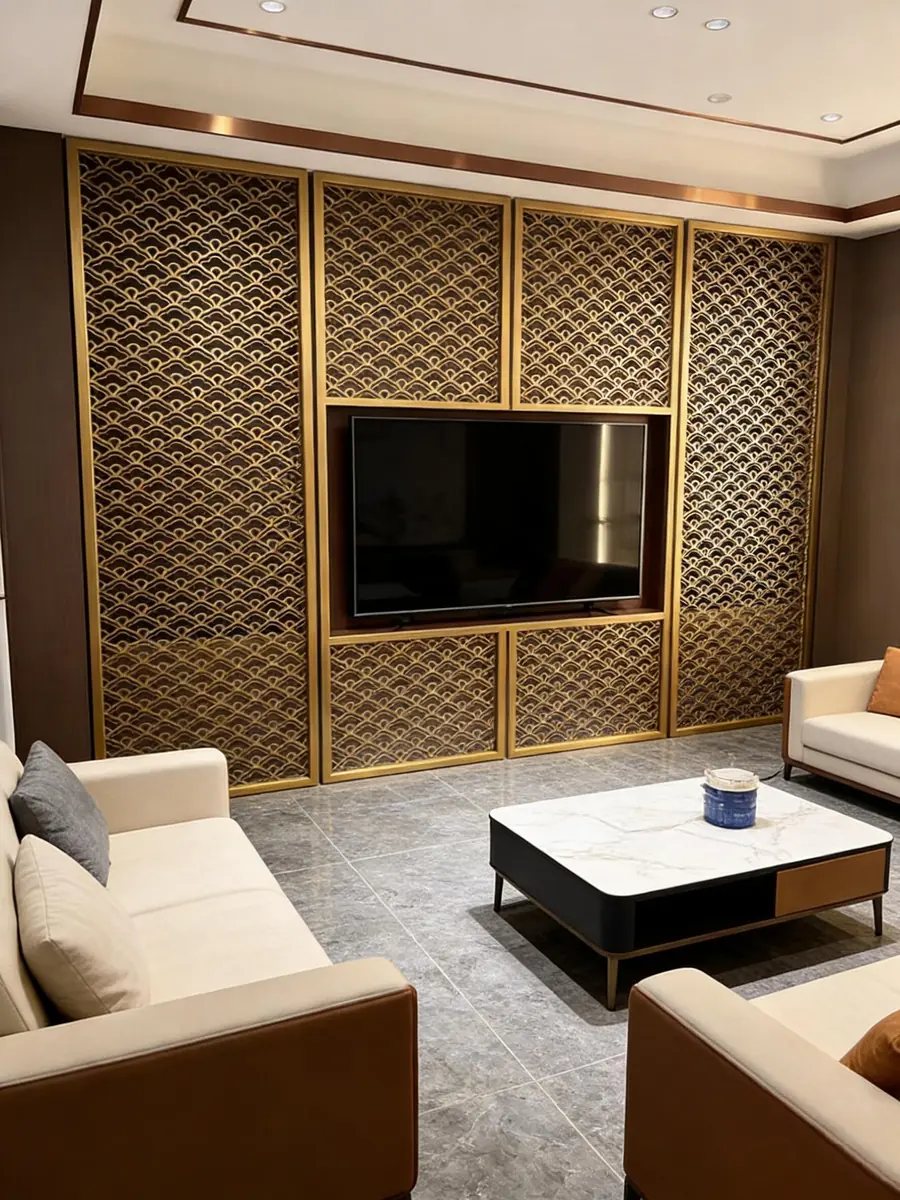
Installation details matter before production
A screen can be beautifully made and still be difficult to install if mounting details are not confirmed early. Before manufacturing, buyers should clarify whether the screen is wall-mounted, ceiling-mounted, floor-mounted or free-standing; whether screws are visible or hidden; and whether holes, slots, frames, brackets or adjustment slots are required.
For large architectural projects, panel numbering can also help installers identify where each part belongs. This is especially useful when multiple panels have similar patterns but different dimensions. One panel installed in the wrong place can create a very artistic-looking problem that nobody ordered.
Packaging: decorative screens need protection
Decorative stainless steel panels can scratch, bend, dent or rub against each other during shipping if packing is not planned correctly. This is especially important for mirror polished surfaces, brushed cosmetic panels, coated finishes, large thin panels and screens with delicate patterns.
Export packaging may include protective film, foam sheets, corner guards, bubble protection, wooden crates, reinforced pallets, panel separators, part labels, installation hardware bags and crate marking. Packaging should be discussed as part of the fabrication requirement, not after the parts are already finished. For more details, see our export packaging for sheet metal parts.
What to send for a custom stainless steel screen quote
| Information | Why it helps |
|---|---|
| Panel dimensions and quantity | Helps estimate material usage, nesting, packaging size and project cost. |
| Material grade and thickness | Controls strength, corrosion resistance, weight and finish compatibility. |
| Pattern file: DXF, DWG, AI, PDF, SVG or reference image | Allows laser cutting review and manufacturability checks. |
| Finish requirement | Defines color, gloss, brushing direction, visible faces and sample approval needs. |
| Installation method | Determines holes, slots, frames, flanges, brackets and reinforcement. |
| Indoor or outdoor application | Helps select material grade, finish, drainage and packing protection. |
| Destination country and target delivery date | Helps plan export packaging and lead time expectations. |
Frequently asked questions
Can you make custom laser cut stainless steel screens from my pattern?
Yes. We can manufacture based on buyer-provided DXF, DWG, STEP, AI, SVG, PDF files, drawings, sketches or reference images.
Can you make a screen in my required size?
Yes. Custom dimensions can be produced according to your drawing and installation requirement. Large panels may require folded edges, frames, reinforcement or split-panel design depending on size and application.
What thickness is suitable for a stainless steel screen?
The suitable thickness depends on panel size, pattern open area, installation method, expected load, and whether the screen is indoor or outdoor. Larger screens often need stronger material, folded edges or reinforcement.
Can the screen be used outdoors?
Yes, but outdoor suitability depends on material grade, finish, installation environment, corrosion exposure, panel strength and mounting design. Coastal and high-humidity environments should be identified before material selection.
Do you provide installation service?
MSTFAB focuses on custom metal fabrication and export delivery. Buyers should confirm local installation, structural support, building-code compliance and final site requirements with their project team or installer.
Request a quote for custom stainless steel screens
A custom laser cut stainless steel screen should do more than look good in a rendering. It should fit the project, use the right material, install correctly, remain protected during shipping, and create the visual effect your customer expects.
Send your pattern, drawing, dimensions, material requirement, finish reference, quantity and installation details to MSTFAB. We will review the manufacturing route before production starts.
Send screen drawings for review WeChat Contact
 WhatsApp Me Directly