
IP65 Electrical Cabinet Design Guide for Custom Sheet Metal Enclosure Fabrication
An IP65 electrical cabinet looks simple from the outside: a metal box, a door and a seal. In real OEM sourcing, that box can become the difference between a smooth project and a very expensive rain test nobody wanted to repeat. This guide explains how to design and source IP65 sheet metal enclosure shells, doors, panels and mounting parts from a fabrication factory like MSTFAB.
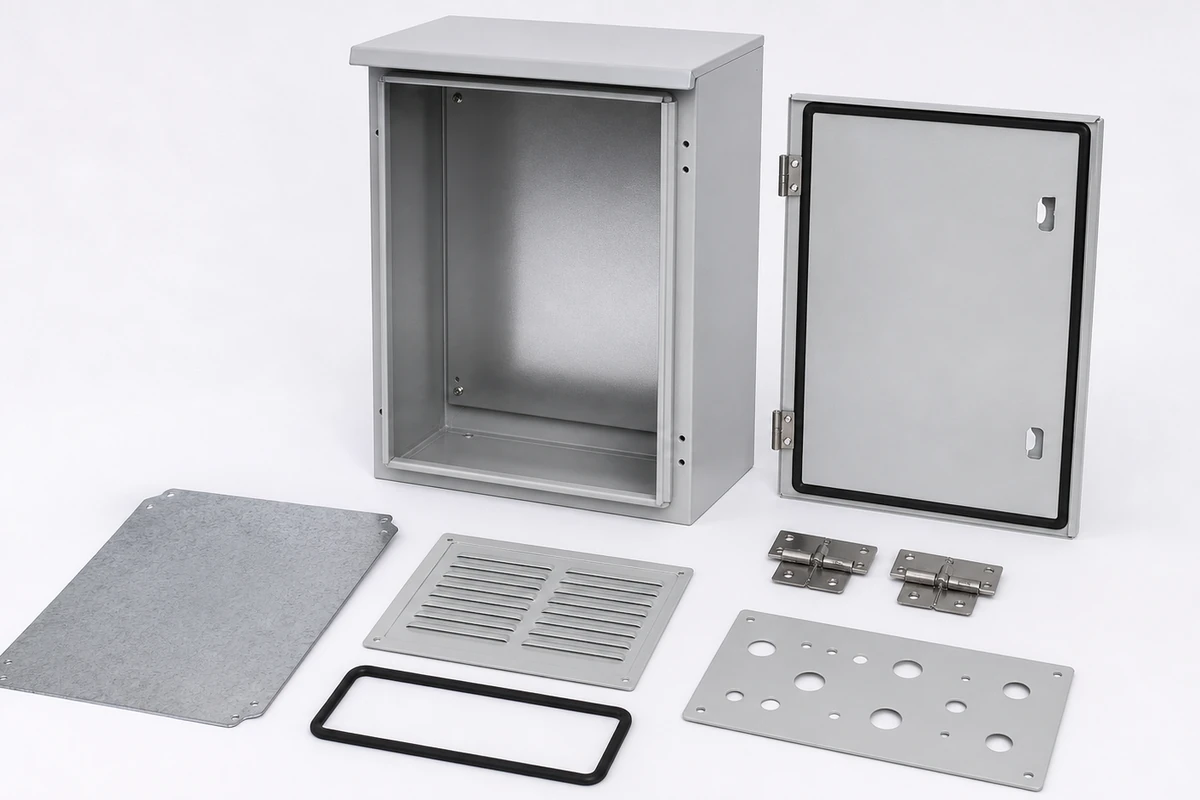
Short answer: a reliable IP65 electrical cabinet starts with a manufacturable empty sheet metal enclosure shell. Buyers should confirm gasket channel geometry, door flatness, rain lip design, hinge and latch positions, laser-cut openings, CNC bending sequence, welded frame control, powder coating, inspection and export packing before placing the order.
Scope note for buyers: MSTFAB manufactures custom sheet metal enclosure parts from drawings. We fabricate semi-finished cabinet shells, doors, panels, brackets, back plates, louver plates, gland plates and welded frames. Your team controls the later internal build. This article is about metal enclosure fabrication, not selling a finished control system.
What IP65 Means for an Electrical Cabinet Shell
IP65 is an ingress protection rating commonly used when an enclosure needs dust-tight protection and resistance to water jets. The IP rating system classifies enclosure resistance against solids and liquids. For an OEM buyer, the practical question is not only what the rating says. The practical question is whether the fabricated cabinet shell gives your design a realistic path to reach that rating after your team finishes its later build steps.
The first digit, 6, is about dust-tight protection. The second digit, 5, is about protection against water jets. That does not happen because someone writes IP65 on a drawing. It happens because door openings are flat, gasket paths are continuous, hinge pressure is controlled, louver and gland openings are designed correctly, and the powder-coated surfaces survive handling.
Think of IP65 as a team sport. The drawing, sheet metal fabrication, gasket selection, door hardware, installation and testing all need to agree with each other. If one player forgets the plan, water usually finds out before your customer does.
| IP65 requirement | Sheet metal detail that matters | Buyer check before RFQ |
|---|---|---|
| Dust-tight enclosure path | Continuous door return, gasket channel and sealed panel interfaces | Ask for gasket path drawings, door opening flatness target and corner sealing plan |
| Water jet resistance | Rain lip, door overlap, hinge pressure, latch positions and drain direction | Review the door section and request photos of the fabricated sealing edge |
| Stable cabinet geometry | CNC bending sequence, welded frame control and diagonal squareness | Define critical dimensions, datum references and first-article inspection points |
| Corrosion and finish protection | Material choice, cut-edge protection, powder coating thickness and packing | Specify coating color, texture, masking zones, visible surfaces and packing rules |
Why IP65 Cabinets Fail Before They Reach the Field
Many sourcing problems begin before a single panel is cut. A buyer sends a model, the supplier quotes quickly, everyone feels efficient, and then the first sample arrives with tiny problems that are not tiny anymore. The door does not sit evenly. The gasket has a corner gap. A hinge screw area deforms after tightening. The louver plate is attractive but poorly placed for weather exposure. The cabinet looks good in a photo, but the sealing path tells a different story.
For overseas OEM buyers, the risk is multiplied by distance. A small error that could be fixed in an afternoon locally may become weeks of email, remake time, freight cost and unhappy project managers. This is why the buying decision should not be only about the lowest unit price. The better question is: can the sheet metal factory prove it understands IP65 enclosure details before production starts?
Most common pain points
- Door gap looks acceptable until gasket compression is checked
- Hinge and latch positions create uneven sealing pressure
- Powder coating buildup changes the fit of panels and holes
- Welding distortion makes the opening less flat than expected
What good suppliers ask
- Where are the critical sealing surfaces?
- Which dimensions are functional and which are cosmetic?
- What material, finish and outdoor exposure should be expected?
- How should coated panels be protected for export shipping?
What buyers should send
- STEP or STP model plus 2D PDF or DWG drawing
- Material grade, thickness, finish and visible-surface rules
- Gasket, hinge, latch, gland plate and mounting requirements
- Prototype quantity, batch quantity and annual demand
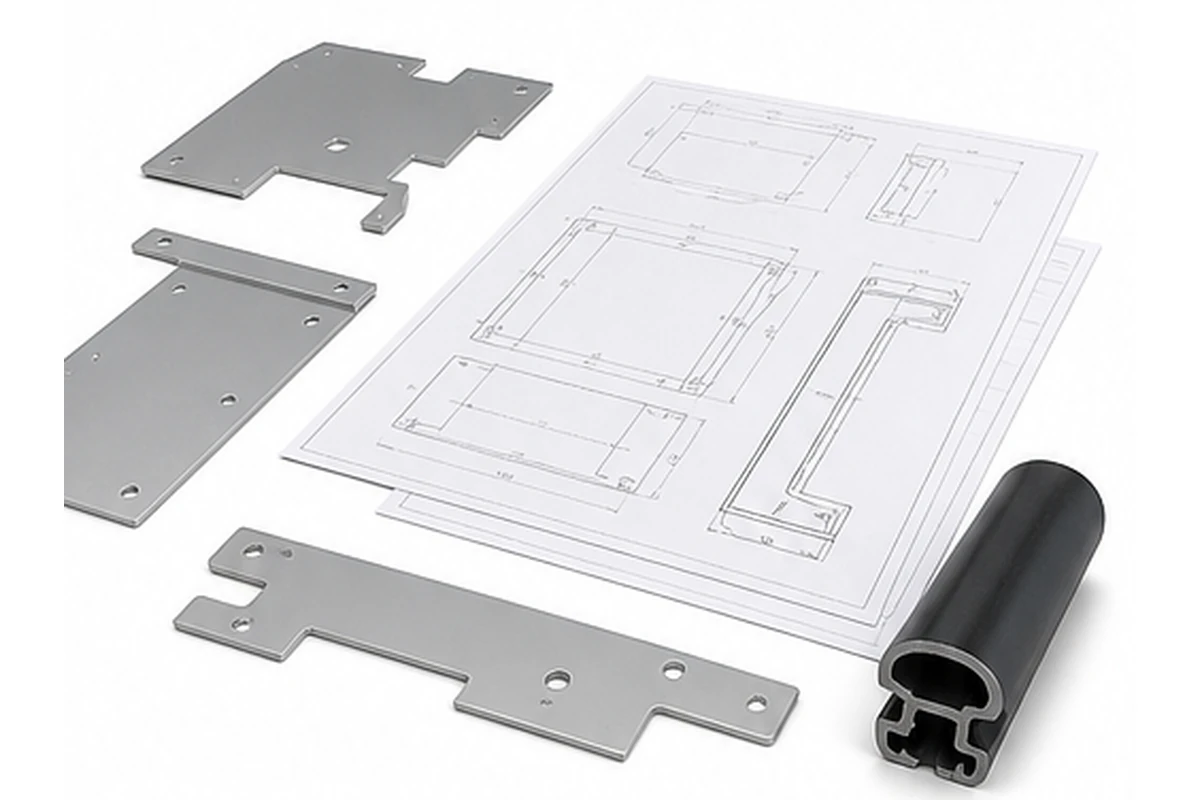
1. Start With DFM Review, Not a Blind Price
DFM review is where many IP65 cabinet problems can be caught cheaply. The supplier should review the bend radius, flange length, hole-to-bend distance, gasket channel section, cutout position, weld access, finish masking and packing risk. If the factory only sends a price and never asks a technical question, that is not efficiency. That is a future surprise wearing a spreadsheet.
For an IP65 electrical cabinet, DFM review should pay special attention to the door opening. The opening must remain flat enough for gasket compression. If the front frame warps after welding or if a return flange is too narrow, the door may close but still leak. A good drawing review also checks whether powder coating thickness will affect the latch cutout, hinge zone, mounting holes and removable panels.
MSTFAB reviews drawing-based cabinet projects before quoting when possible. The goal is not to redesign your product. The goal is to show risks clearly so your engineering and procurement teams can decide before money is trapped in metal.
2. Door Sealing Is a Manufacturing Detail, Not a Decoration
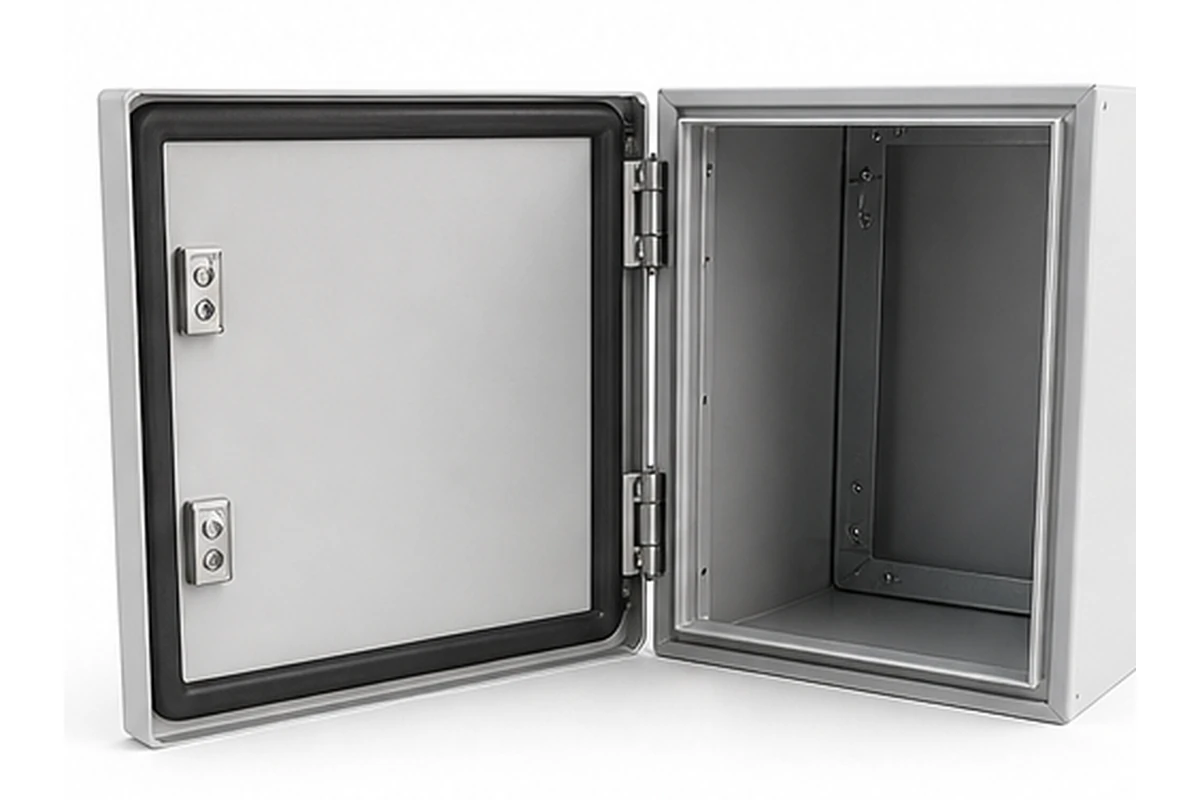
The gasket is only one part of the IP65 story. The metal around the gasket decides whether that seal has a fair chance. A continuous gasket channel, even door pressure, stable hinge alignment and proper latch spacing are all necessary. If the door is slightly twisted, the gasket becomes a polite strip of rubber with a difficult job.
Buyers should request section details for the door return, rain lip and gasket area. Ask the supplier to confirm how the corners will be fabricated, whether welds will be ground near the sealing surface, and how coating thickness will be controlled. A large flat door may need ribs, folded edges or a better latch arrangement to prevent flexing.
For outdoor applications, rain direction and installation angle should also be considered. A louver plate or gland opening in the wrong place can invite water to behave creatively. Water is not known for respecting purchase orders.
3. Laser-Cut Openings Must Respect the Sealing Strategy
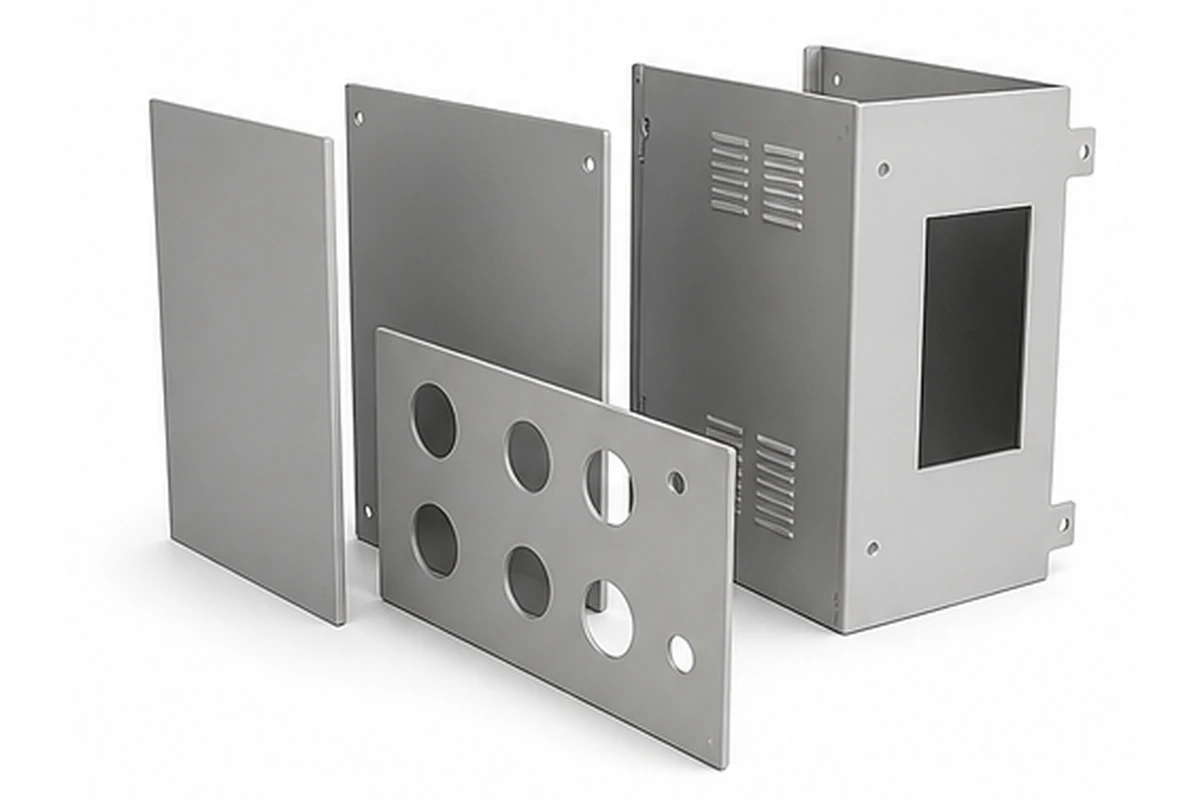
Laser cutting gives clean holes, slots and panel shapes, but accuracy alone is not enough. An IP65 electrical cabinet may include gland plate openings, louver panels, mounting holes, latch cutouts, hinge holes and cable entry areas. Each cutout changes strength, sealing risk and finish behavior. The drawing should identify which openings are functional, which faces are visible and which areas must stay flat.
For gland plates, buyers should confirm the size, screw pattern, gasket surface and service access. For louver panels, confirm whether the part needs an internal screen, rain hood, downward-facing geometry or separate protective cover. For mounting holes, confirm whether they are clearance holes, threaded inserts, PEM hardware positions or slots for adjustment.
A good laser cutting plan also reduces burr risk and makes finishing easier. Clean cut edges reduce handwork, but the factory still needs to consider material thickness, coating, hole size and post-process handling.
4. CNC Bending Controls Cabinet Fit More Than Buyers Expect
Most buyers notice bending only when it goes wrong. A cabinet body may look simple, but each flange affects the next operation. Bend radius, material grain, inside dimensions, bend allowance and backgauge reference all influence final fit. For IP65 work, the bending sequence can affect the door opening, side wall squareness and panel alignment.
The RFQ should define whether dimensions are inside, outside or centerline references. If this is unclear, a supplier may hit its own interpretation while missing your assembly intent. That is the type of misunderstanding that looks small on paper and very large in a production meeting.
MSTFAB checks bend sequence and forming feasibility for custom sheet metal enclosure projects. For tall cabinets, wide doors or deep shells, we also consider how bending and later welding may affect flatness and diagonal control.
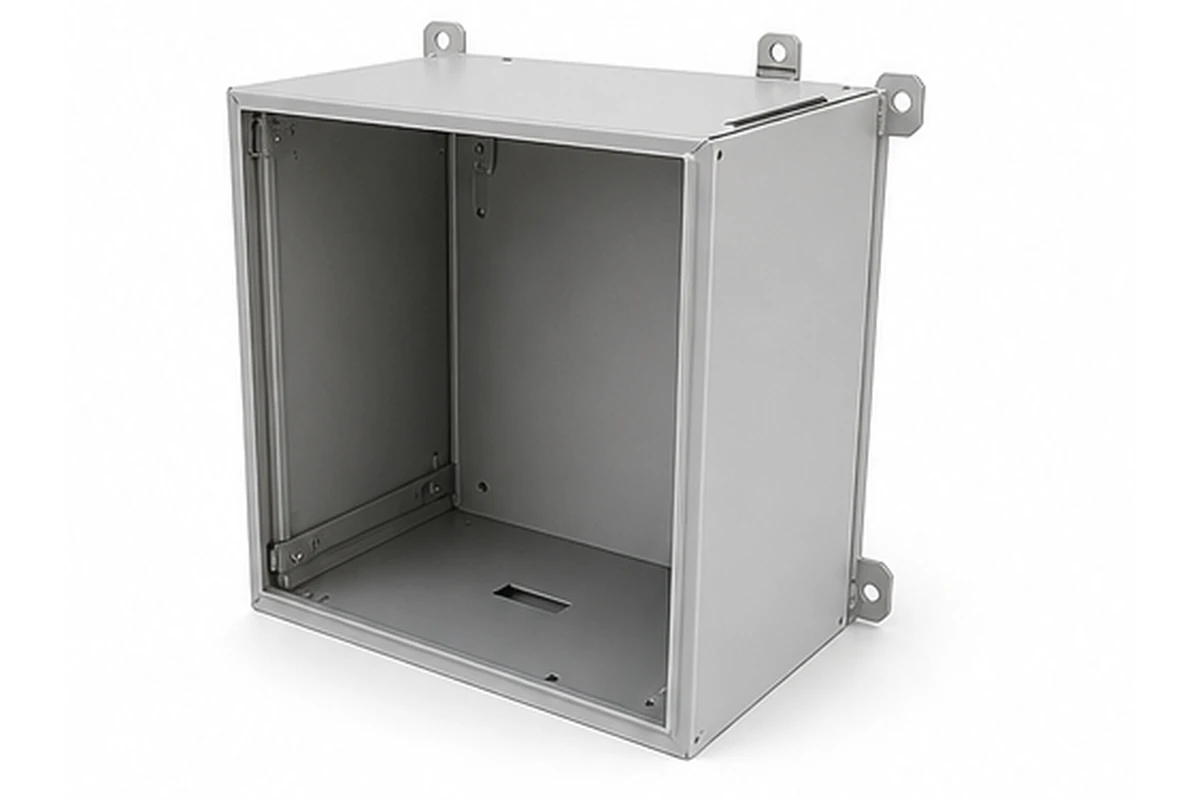
5. Welding and Frame Control Protect the Door Opening
Welding can strengthen a cabinet, but it can also move metal. Heat distortion is one of the hidden enemies of IP65 enclosure fabrication. A frame that was square before welding may shift after welding. A door opening that looked fine before grinding may no longer be flat after finishing. This is why fixture control, weld sequence and inspection are important for cabinet shells.
Buyers should ask how welded corners, reinforced brackets, lifting ears and mounting tabs will be controlled. If the enclosure has a welded frame, request a clear inspection plan for diagonal dimensions, door opening width, frame squareness and hinge-side alignment.
The best welding plan is not simply stronger welds. It is controlled welds in the right place, with enough strength, less distortion and a clear inspection method. Strong but crooked is still crooked.
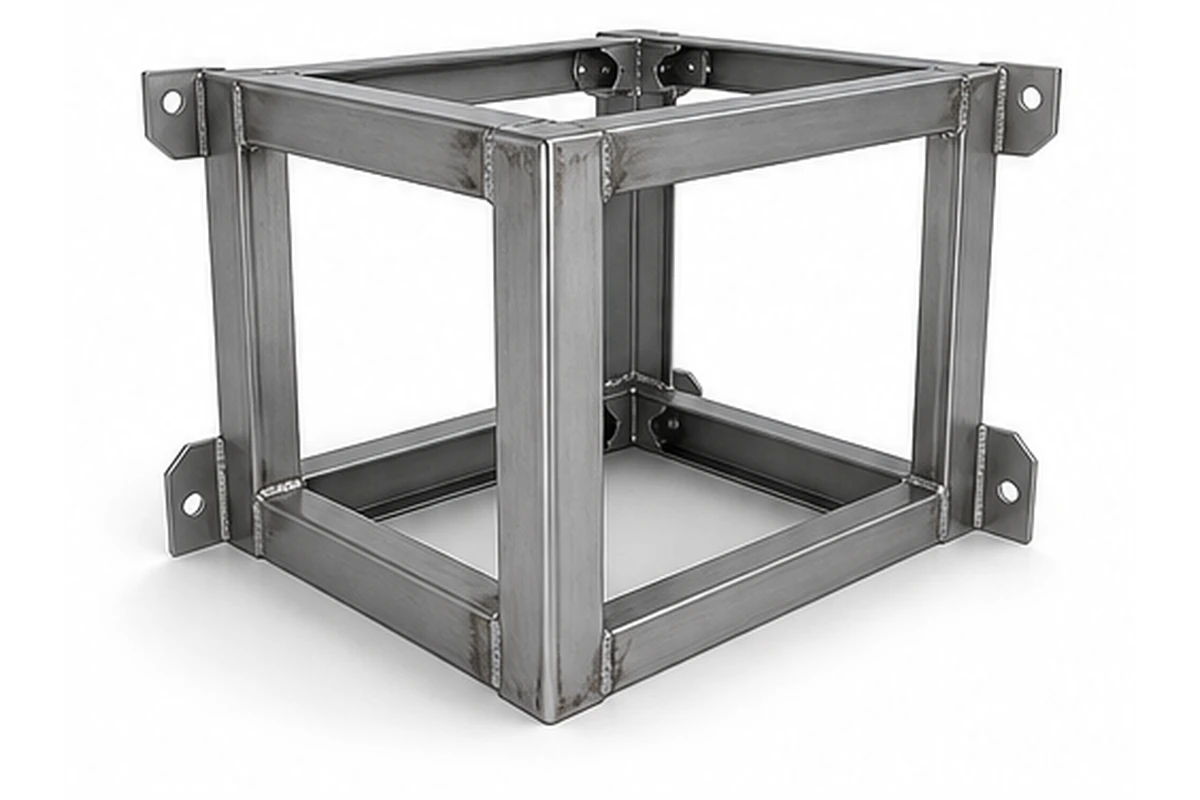
6. Material and Finish Choices Affect IP65 Cost and Reliability
IP65 electrical cabinet shells are commonly fabricated from cold-rolled steel, galvanized steel, stainless steel or aluminum sheet metal. The best choice depends on outdoor exposure, corrosion risk, weight target, coating requirements and budget. A low-cost material can be perfectly reasonable for indoor use, but risky for harsh outdoor environments if the coating, cut edges and packing are not controlled.
Powder coating is often chosen for industrial cabinet shells because it provides durable color and surface protection. The buyer should specify RAL color, gloss, texture, coating thickness, masking zones and visible surfaces. For stainless steel, the buyer should define the grade, finish direction and scratch protection. For aluminum, alloy and bend radius should be checked early to reduce cracking risk.
| Material or finish | Where it fits | RFQ detail buyers should confirm |
|---|---|---|
| Cold-rolled steel | Indoor or protected cabinet shells where cost and formability matter | Thickness, powder coating, bend radius, flatness and visible sides |
| Galvanized steel | Cabinet panels and brackets where corrosion resistance matters before coating | Cut-edge treatment, welding plan, coating adhesion and surface handling |
| Stainless steel | Harsh-environment or premium visible panels | Grade, brushed direction, passivation expectations and scratch protection |
| Aluminum sheet metal | Lightweight enclosure covers, panels and outdoor-facing parts | Alloy, bend radius, anodizing or coating choice and packing protection |
| Powder coating | Durable industrial cabinet surfaces and outdoor-facing panels | Color, gloss, texture, masking areas, coating thickness and pre-shipment protection |
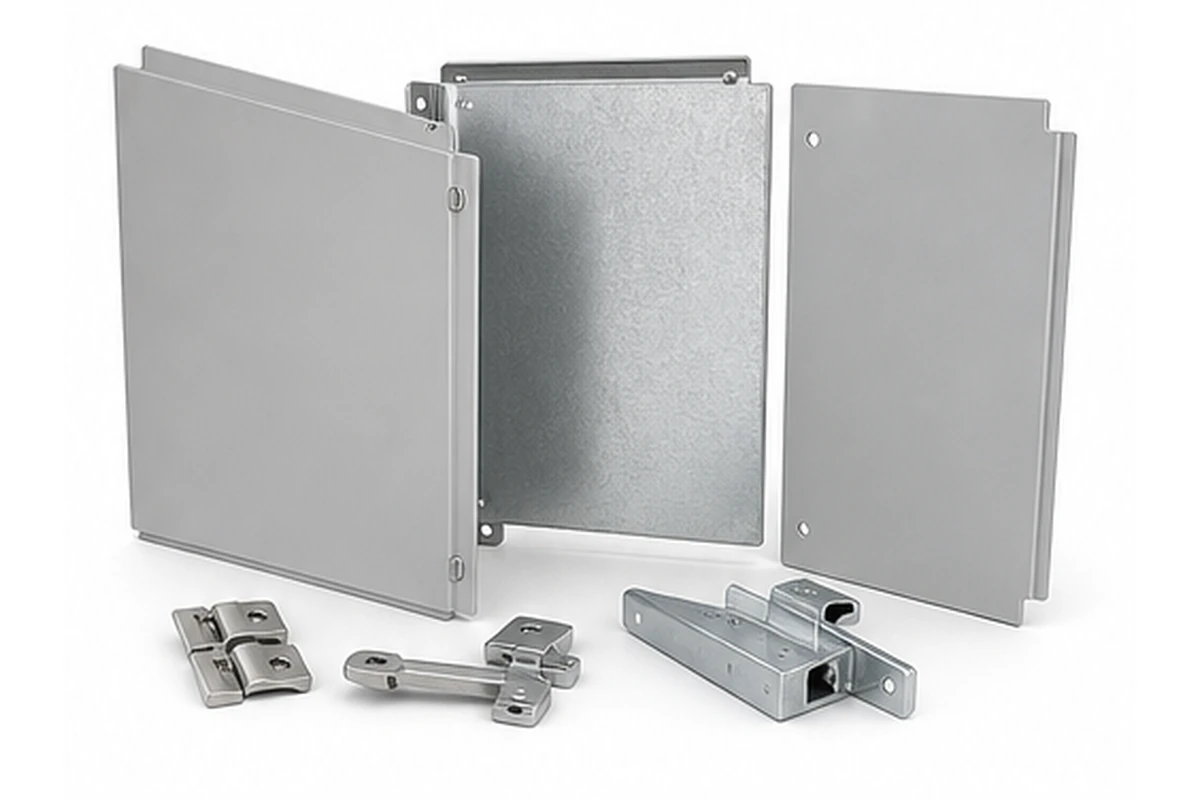
7. Inspection Should Match the Real Risk
Inspection for an IP65 electrical cabinet should not stop at overall dimensions. The high-risk areas are the sealing path, door opening, hinge side, latch side, gland plate area, louver area, mounting holes and any welded frame reference. These are the places where a small manufacturing error can create a large field issue.
For prototype and first-article approval, buyers should request photos or records for critical dimensions. This can include diagonal measurements, door opening flatness, panel fit, hinge-hole position, latch cutout, gasket groove and coating appearance. It is easier to approve a batch when the first article has evidence, not just a friendly message saying everything is fine.
A practical QC plan helps both sides. The buyer knows what is being checked. The factory knows which features matter most. Nobody needs to guess which dimension will make the project manager stare silently at the sample.
8. Export Packing Is Part of the Enclosure Design
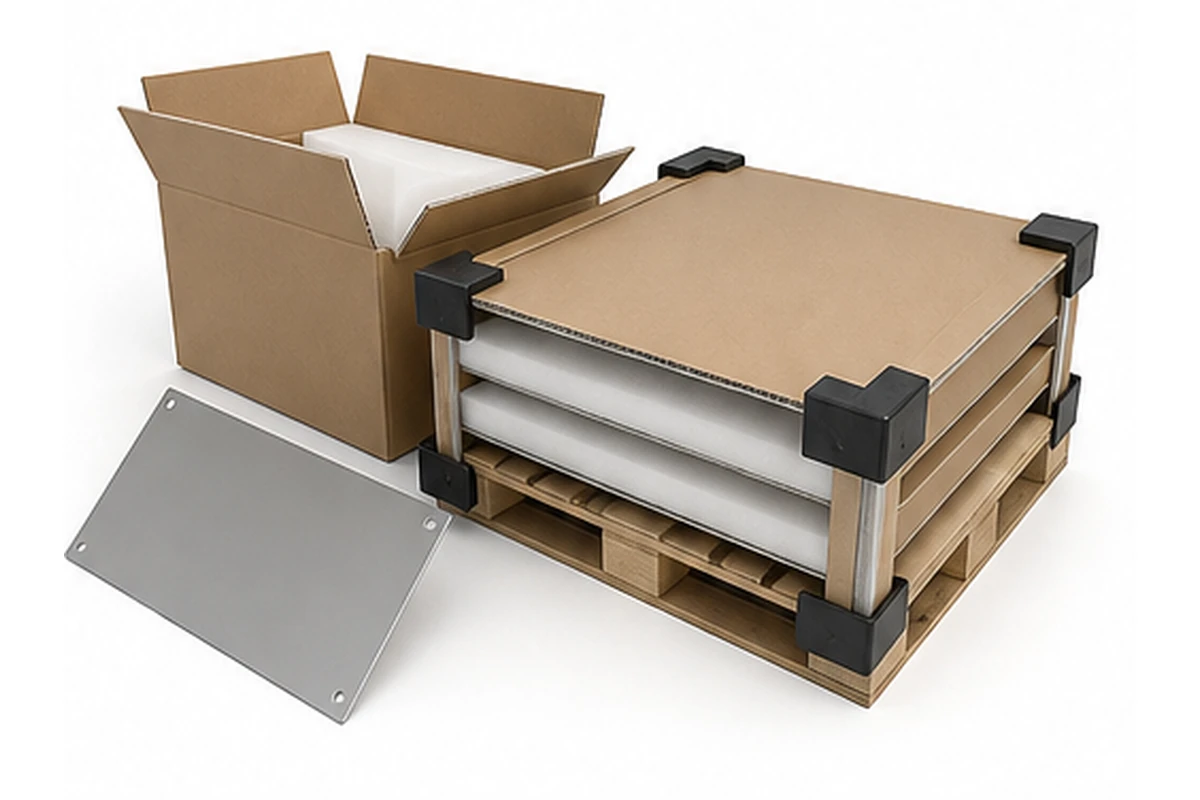
Large powder-coated panels, stainless surfaces and empty cabinet shells can be damaged during international transport if packing is treated as the last task. Scratches, bent corners, rubbed surfaces and missing small parts can turn an otherwise good fabrication order into a painful receiving inspection.
For IP65 enclosure parts, packing should protect visible surfaces, sealing edges, door corners, gasket channels and loose hardware. Foam separators, carton protection, pallet stability and clear labeling help reduce transport damage. Buyers should ask for packing photos before shipment release, especially for coated doors and large panels.
Good packing does not make a bad part good, but bad packing can make a good part look bad very quickly. This is why MSTFAB treats export packing as part of the fabrication workflow for custom enclosure projects.
OEM Buyer Checklist Before Choosing an IP65 Cabinet Supplier
Before you place an order, use this checklist to compare suppliers. The goal is not to make the RFQ complicated. The goal is to prevent the expensive kind of simple.
| Checklist item | Why it matters | Good supplier response |
|---|---|---|
| DFM review before quote | Finds sealing, bending and welding risks early | Returns drawing comments, manufacturability notes and improvement suggestions |
| Clear scope boundary | Prevents confusion between metal enclosure fabrication and later system build | Quotes empty shell parts, panels, doors, brackets, rails and finish clearly |
| Gasket and door section review | IP65 depends on consistent compression and flatness | Checks gasket channel, rain lip, hinge pressure and latch positions |
| Process ownership | Reduces hand-off errors between cutting, bending, welding and finishing | Controls laser cutting, CNC bending, welding, coating coordination and QC |
| First-article inspection | Confirms critical features before batch production | Shares photos and records for key dimensions and visual finish |
| Export packing plan | Protects coated surfaces and sealing edges during transport | Provides foam, carton, pallet and packing photo evidence before shipping |
How MSTFAB Supports IP65 Electrical Cabinet Fabrication
MSTFAB is a Guangzhou sheet metal fabrication factory supporting overseas OEM buyers with drawing-based enclosure projects. For IP65 electrical cabinet work, our value is in the metalwork: manufacturability review, laser-cut blanks, CNC-bent bodies, welded frames, doors, gland plates, louver panels, brackets, powder coating coordination, inspection and export packing.
We are a good fit when your team already has drawings or a design direction and needs a factory partner to produce semi-finished sheet metal enclosure parts with repeatable quality. We are not trying to turn your custom project into an off-the-shelf box. The point is to make your drawing manufacturable, consistent and easier to source from China.
For related capabilities, review Custom Electrical Cabinet Manufacturing, Metal Enclosure Box Fabrication, Laser Cutting Services, Sheet Metal Bending Services, Welding Services and Surface Treatment.
If your RFQ files are almost ready, see What Files Are Needed for a Sheet Metal Fabrication Quote?, Sheet Metal Fabrication Cost for Enclosures or use the Online Laser Cutting Quotation Service.
FAQ
What is an IP65 electrical cabinet?
It is an enclosure design target where the cabinet is dust-tight and resistant to water jets when the final design, seal, hardware, installation and testing are correctly handled. MSTFAB’s role is fabricating the custom sheet metal shell and related parts from your drawings.
Can MSTFAB fabricate IP65 electrical cabinet shells from drawings?
Yes. MSTFAB fabricates custom sheet metal cabinet shells, doors, panels, brackets, louver plates, gland plates and welded frames from STEP, STP, PDF or DWG drawings. We review DFM risks before quotation when enough project information is provided.
What details should be shown on an IP65 enclosure drawing?
Show material, thickness, bend radii, gasket channel, door gap target, hinge and latch positions, gland plate openings, louver areas, mounting holes, tolerance notes, finish requirements, visible surfaces and packing expectations.
Which process is most important for IP65 cabinet fabrication?
No single process can carry the whole project. Laser cutting, CNC bending, welding, surface finishing, hardware preparation, inspection and packing all affect the final enclosure quality. For IP65, the door and sealing path deserve extra attention.
Why should buyers avoid vague IP65 RFQs?
Because vague RFQs often create vague quotes. If the drawing does not define sealing surfaces, material, finish, critical dimensions and packing, the supplier may quote an optimistic price that changes later or produces a sample that needs rework.
For a focused responsibility map covering the completed configuration, test plan, FAI and change control, review the custom IP65 enclosure fabrication and verification guide.
Need an IP65 electrical cabinet shell made from your drawings?
Send STEP/STP files, 2D drawings, material, thickness, finish, gasket requirements and quantity. MSTFAB will review the sheet metal enclosure fabrication scope before quotation.
 WeChat Contact
 WhatsApp Me Directly